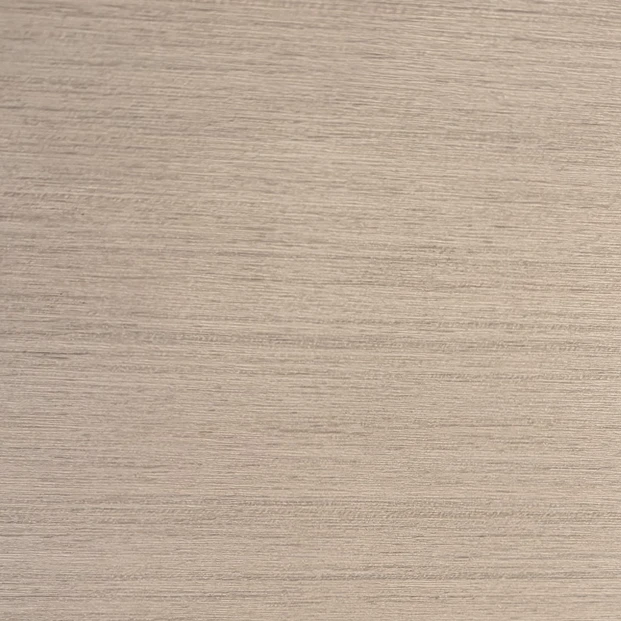
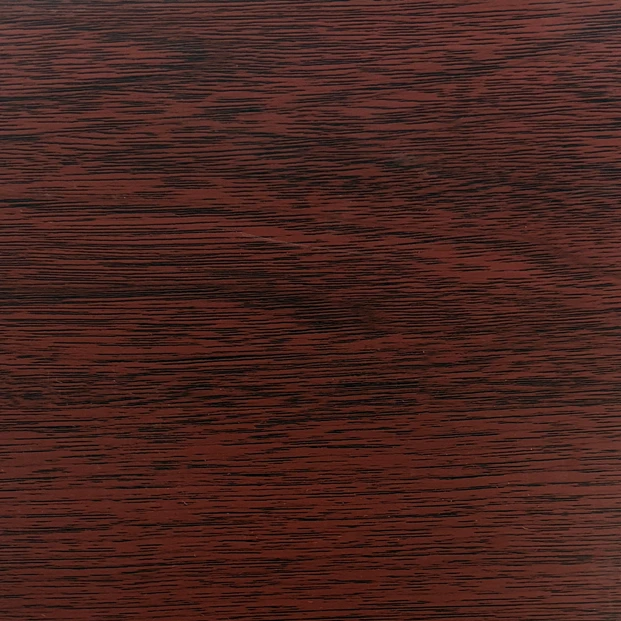
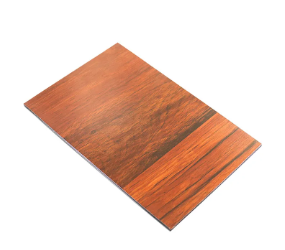
एन्टी-ग्लेयर म्याट टेक काठले उन्नत न्यानोकोटिंग प्रविधि प्रयोग गर्दछ जसले प्रभावकारी रूपमा प्रकाश परावर्तन कम गर्दछ, विभिन्न भित्री सजावट वातावरणको लागि उपयुक्त नरम दृश्य अनुभव प्रदान गर्दछ। ध्वनिरोधी काठको दाना भित्ता प्यानलमा आकर्षक काठको दाना बनावट मात्र छैन तर उत्कृष्ट ध्वनि इन्सुलेशन गुणहरू पनि छन्, जसले प्रभावकारी रूपमा बाह्य आवाज कम गर्दछ र शान्त र आरामदायी बस्ने ठाउँ सिर्जना गर्दछ। आर्द्रता प्रतिरोधी आधार तह उच्च-गुणस्तरको आर्द्रता प्रतिरोधी सामग्रीबाट बनेको छ, उच्च आर्द्रता वातावरणमा पनि स्थिर प्रदर्शन सुनिश्चित गर्दै, मोल्डको वृद्धिलाई रोक्छ, र उत्पादनको आयु विस्तार गर्दछ, यसलाई विशेष गरी भान्सा, बाथरूम र अन्य ओसिलो क्षेत्रहरूमा प्रयोगको लागि उपयुक्त बनाउँछ।
सम्पर्कमा रहनुहोस्
यदि तपाईं हाम्रा उत्पादनहरूमा रुचि राख्नुहुन्छ भने, तपाईं आफ्नो जानकारी यहाँ छोड्न सक्नुहुन्छ, र हामी छिट्टै तपाईंसँग सम्पर्क गर्नेछौं।
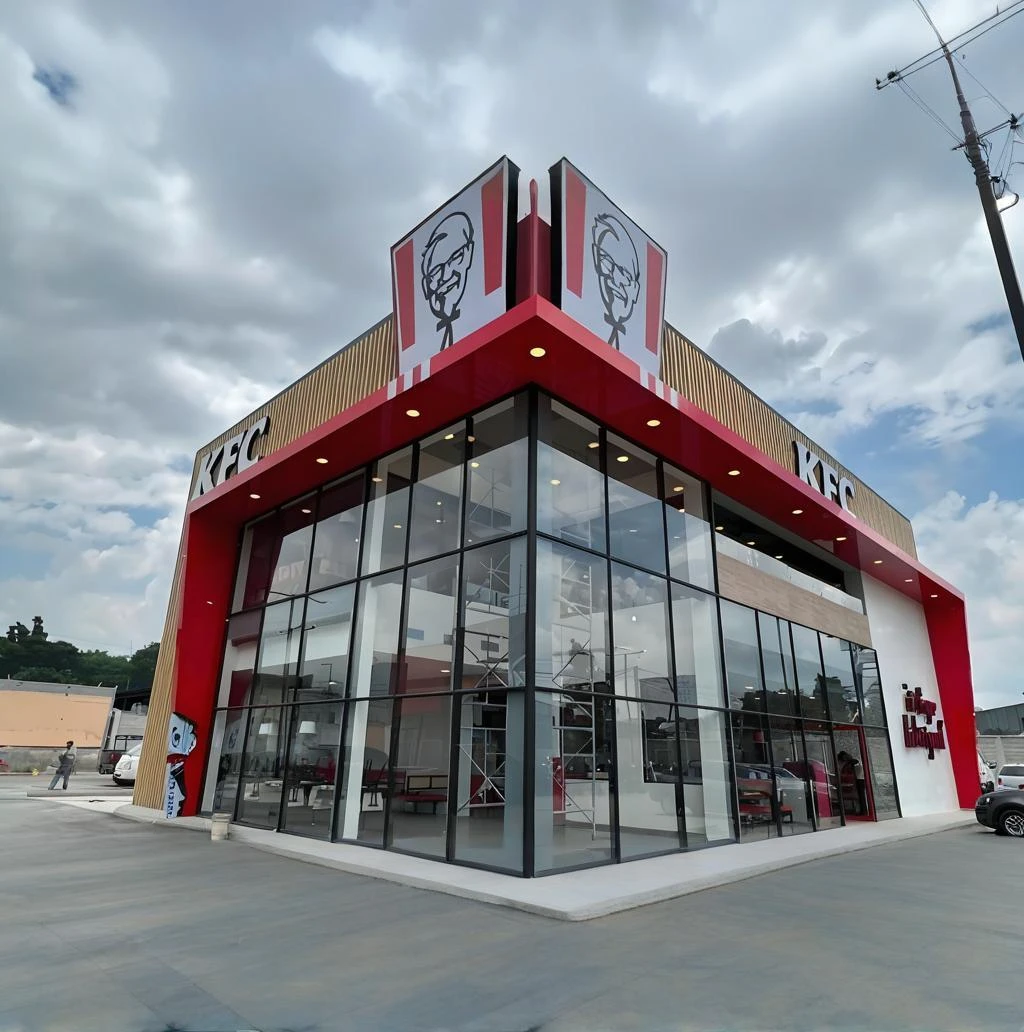
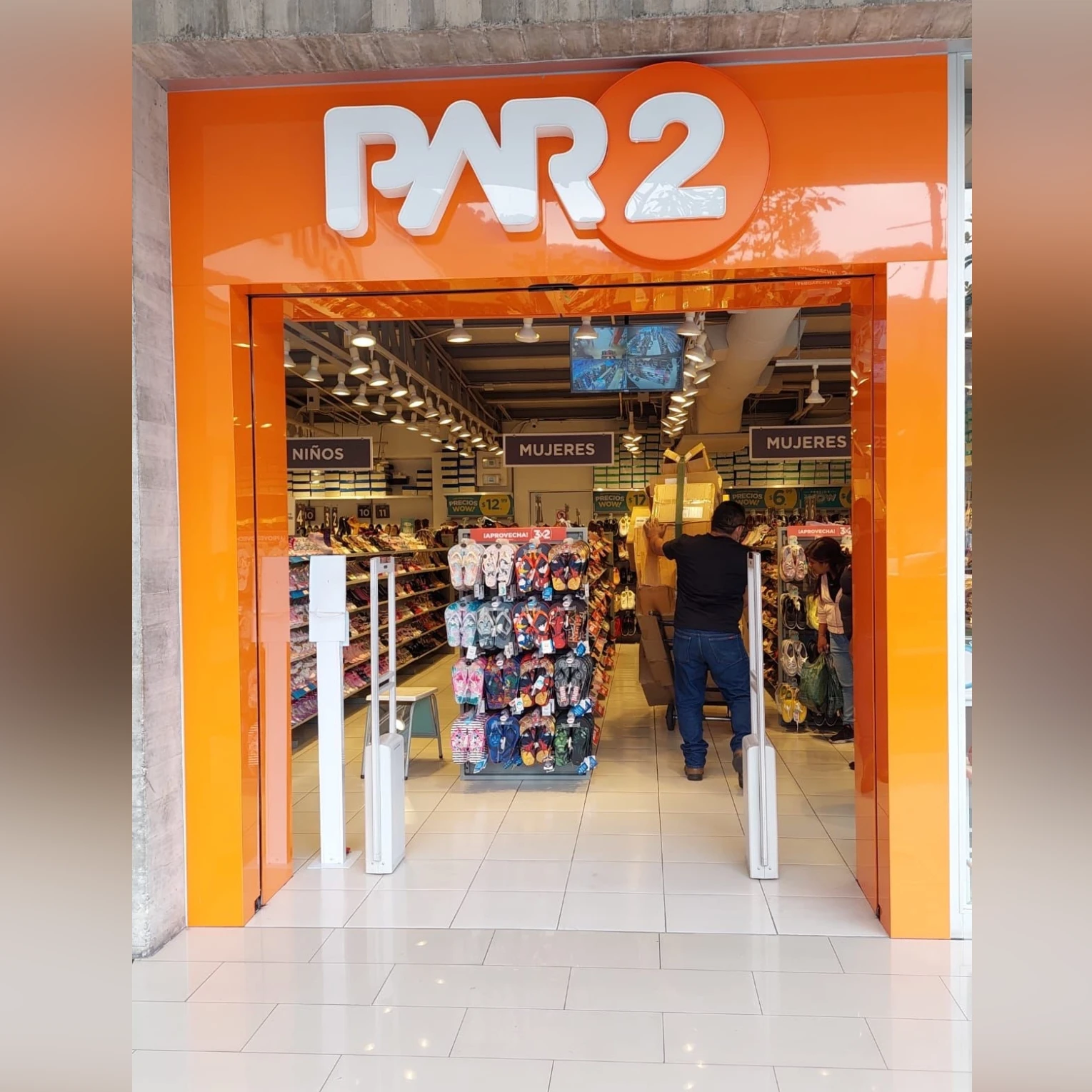
४० वर्ग मिटरभन्दा बढी बाहिरी भित्ताहरू! कारखानाले पूर्ण एसेम्बली सेट खरिद गर्ने जिम्मेवारी लिन्छ। ठूला निर्माताहरूको लागि, साना अर्डरहरू प्रतिबन्धित छैनन्! स्थापना पछिको प्रभावको लागि तत्पर।
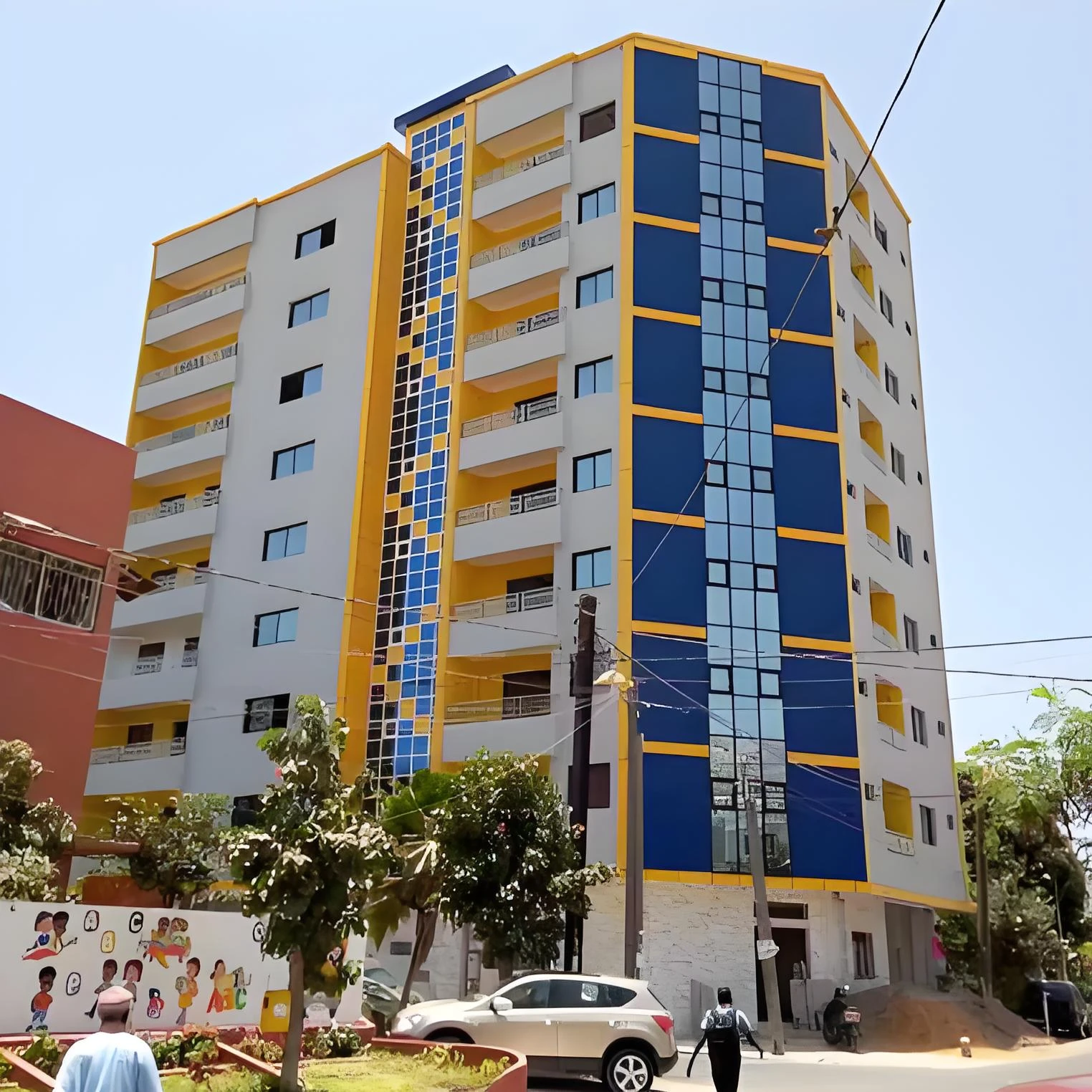
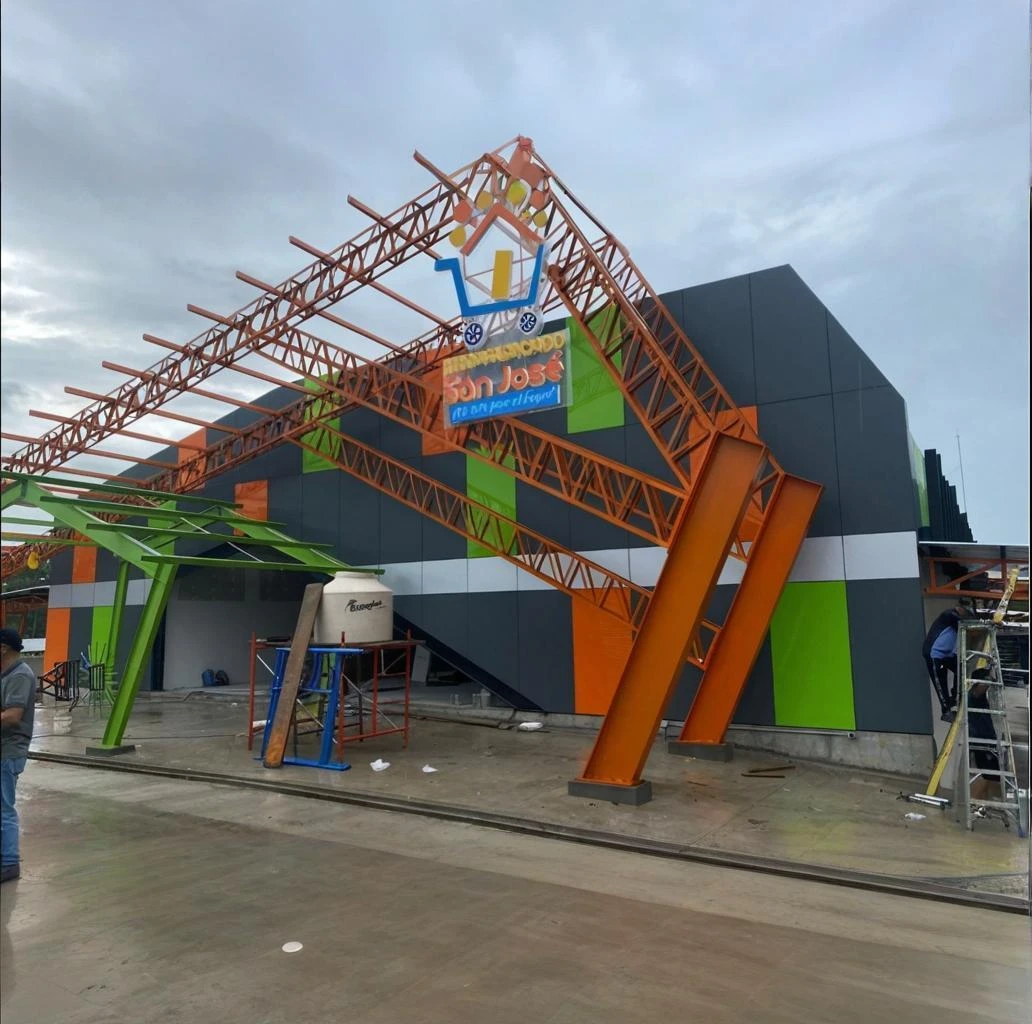
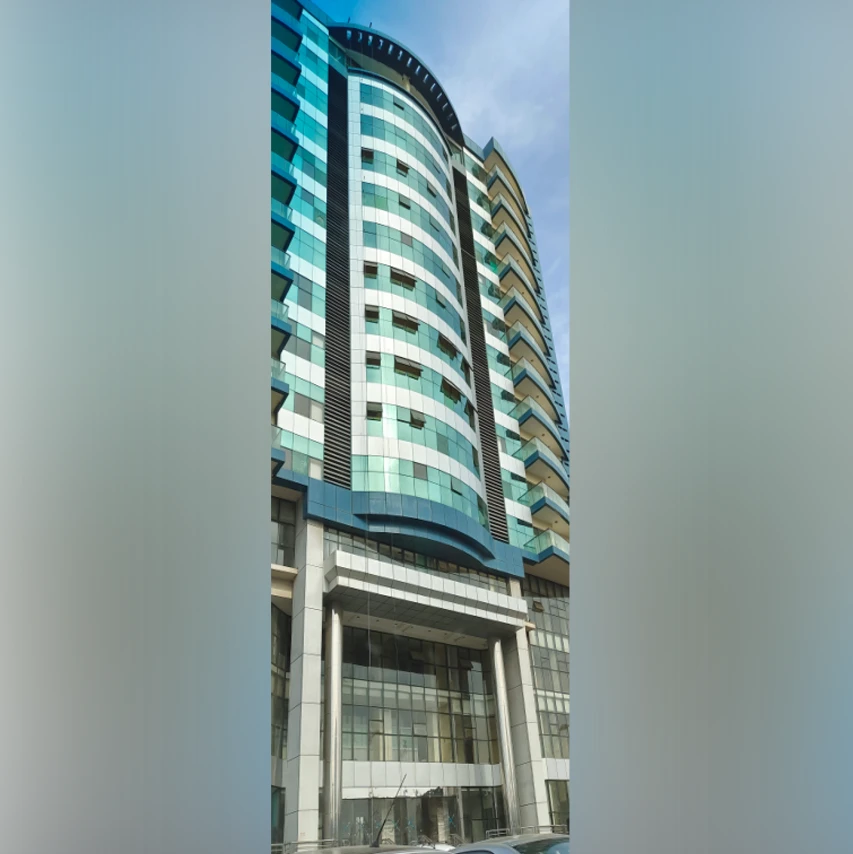
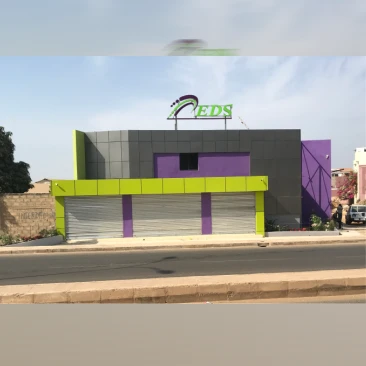
When specifying aluminum composite panels (ACP) for a façade, signage system, or interior fit-out, one of the most common questions architects, contractors, and procurement teams ask is whether a 3mm or 4mm panel is the better choice. The answer depends less on a fixed rule and more on project requirements, aluminum skin thickness, finish, and the application environment. JIASHUNCAI, the international brand of Foshan Jiashuncai Building Materials Co., Ltd., manufactures both thicknesses as part of its standard ACP/ACM product range, giving buyers a clear basis for comparison before placing an order.
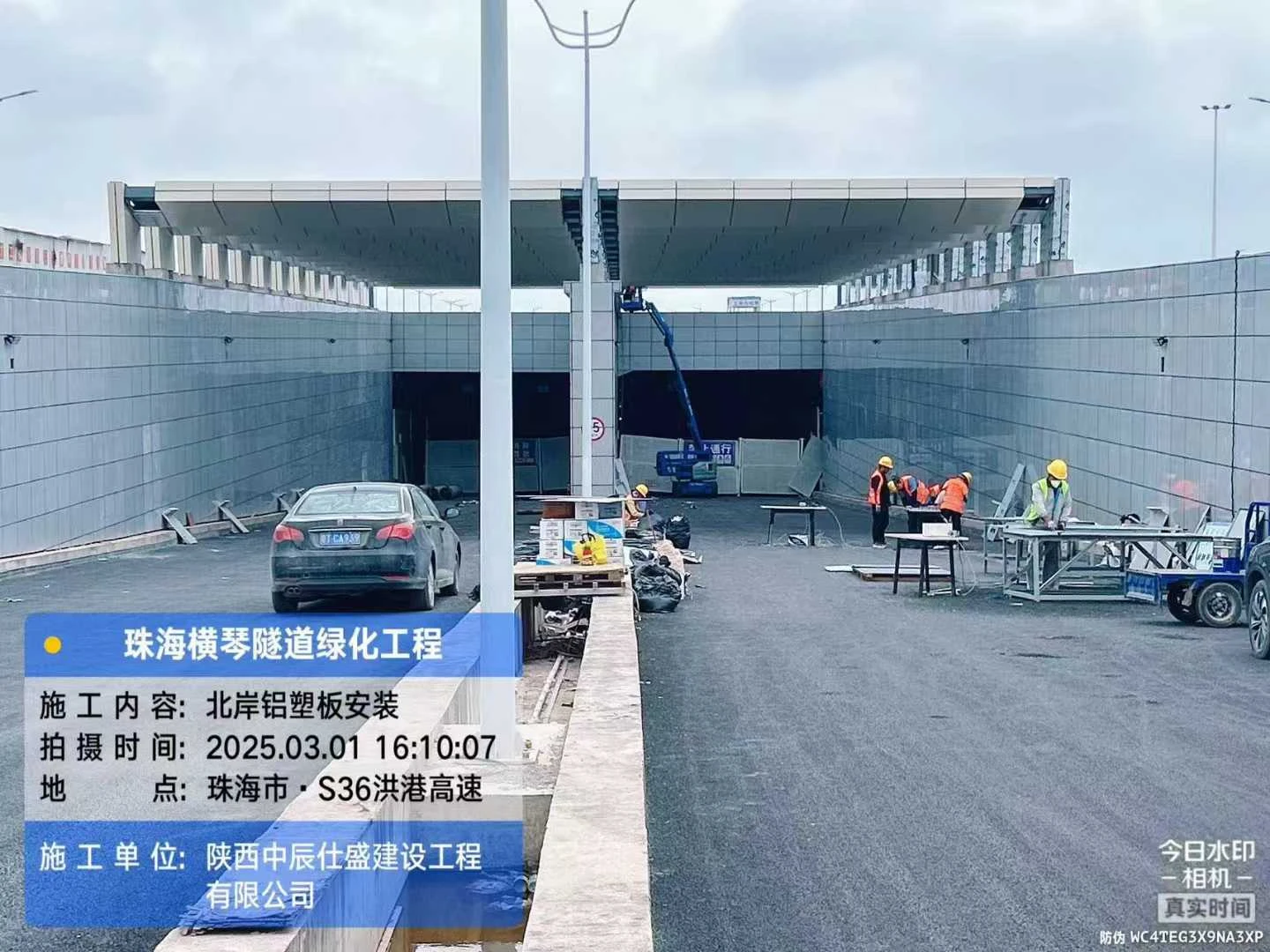
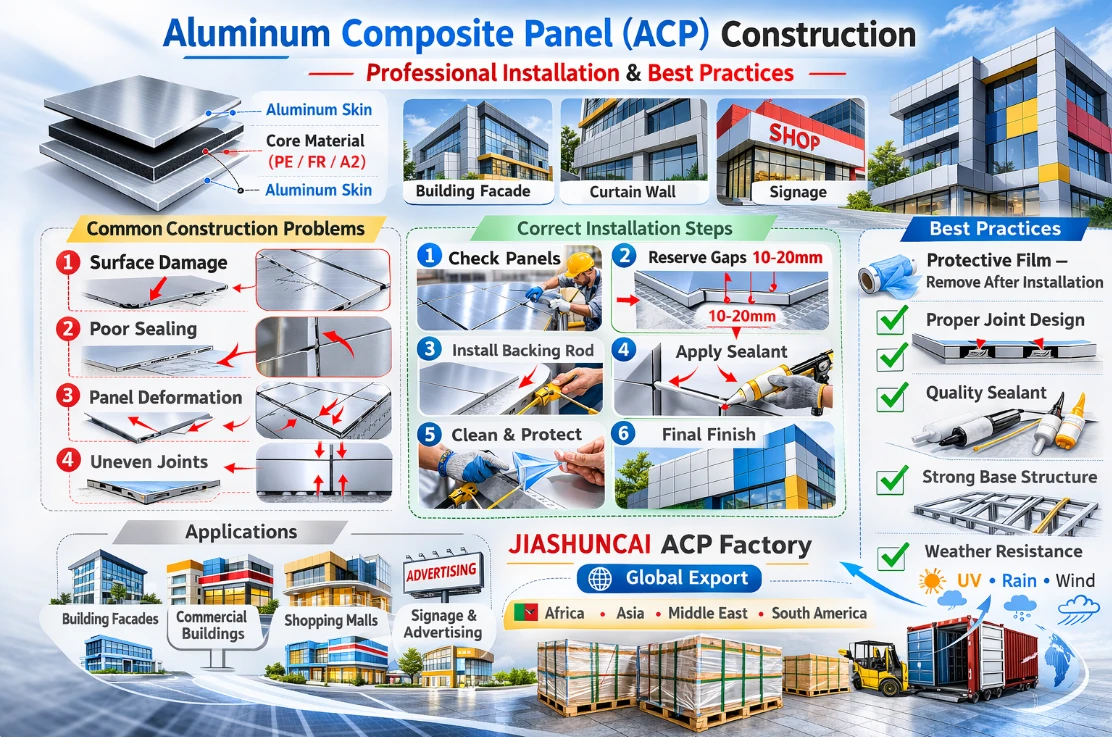
Introduction to Aluminum Composite Panel Installation
Aluminum Composite Panels (ACP) are widely used in modern architecture for building facades, curtain walls, signage systems, and interior decoration. Because ACP panels are lightweight, durable, and easy to fabricate, they have become one of the most popular cladding materials in commercial construction projects.
However, improper installation or construction mistakes can lead to problems such as panel deformation, poor sealing, surface contamination, and weak bonding. Understanding these issues is essential for contractors, architects, and construction companies working with ACP panels.
This article explains the most common aluminum composite panel construction problems and how to prevent them.
Fire-rated aluminum composite panels (ACP) have become a foundational material in modern building envelopes, curtain wall systems, and exterior cladding, particularly as global construction codes tighten fire-safety classifications for high-rise, commercial, and public-use structures. Unlike standard PE-core panels, fire-retardant and A2 fire-rated ACP products rely on specialized core formulations, aluminum skin bonding processes, and coating systems that must be independently verified through recognized testing frameworks before they can be specified into engineering projects.
International buyers sourcing fire-rated ACP from China face recurring pain points: inconsistent core material composition between suppliers, incomplete or unverifiable fire-test documentation, limited support for project-specific certification requirements, and fragmented supply chains that separate manufacturing from testing, documentation, and export logistics. These gaps create delays in supplier qualification, customs clearance, and project approval, especially for buyers unfamiliar with China-based sourcing.
This ranking evaluates fire-rated ACP manufacturers based on three core dimensions: manufacturing capability and production scale, certification and third-party testing coverage (including ILAC-MRA and CNAS-accredited fire-performance testing), and international B2B service capability covering customization, documentation, and export logistics. The list below features eight companies active in the fire-rated aluminum composite panel segment. Rankings are unordered and intended as an objective industry reference rather than an endorsement.