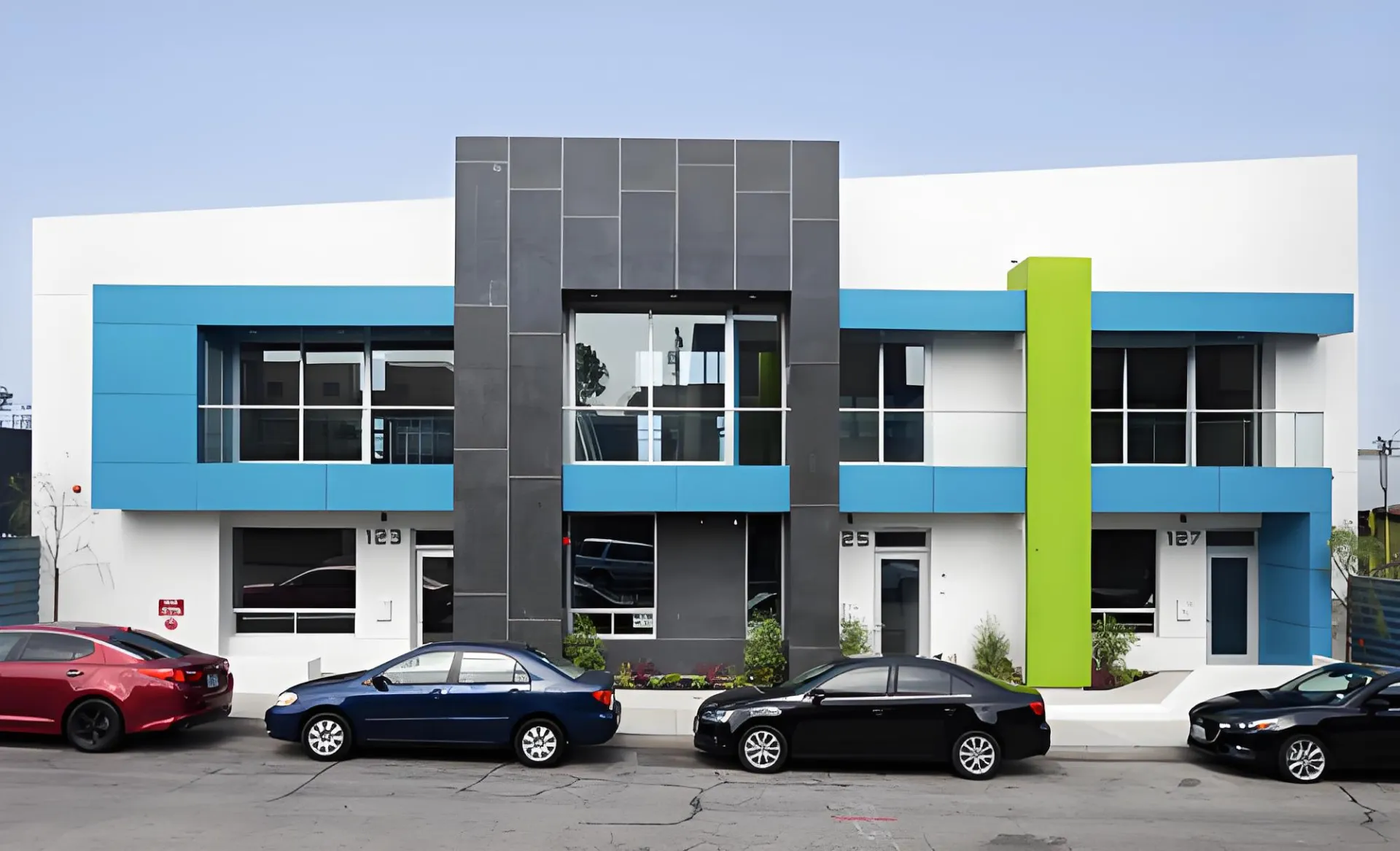
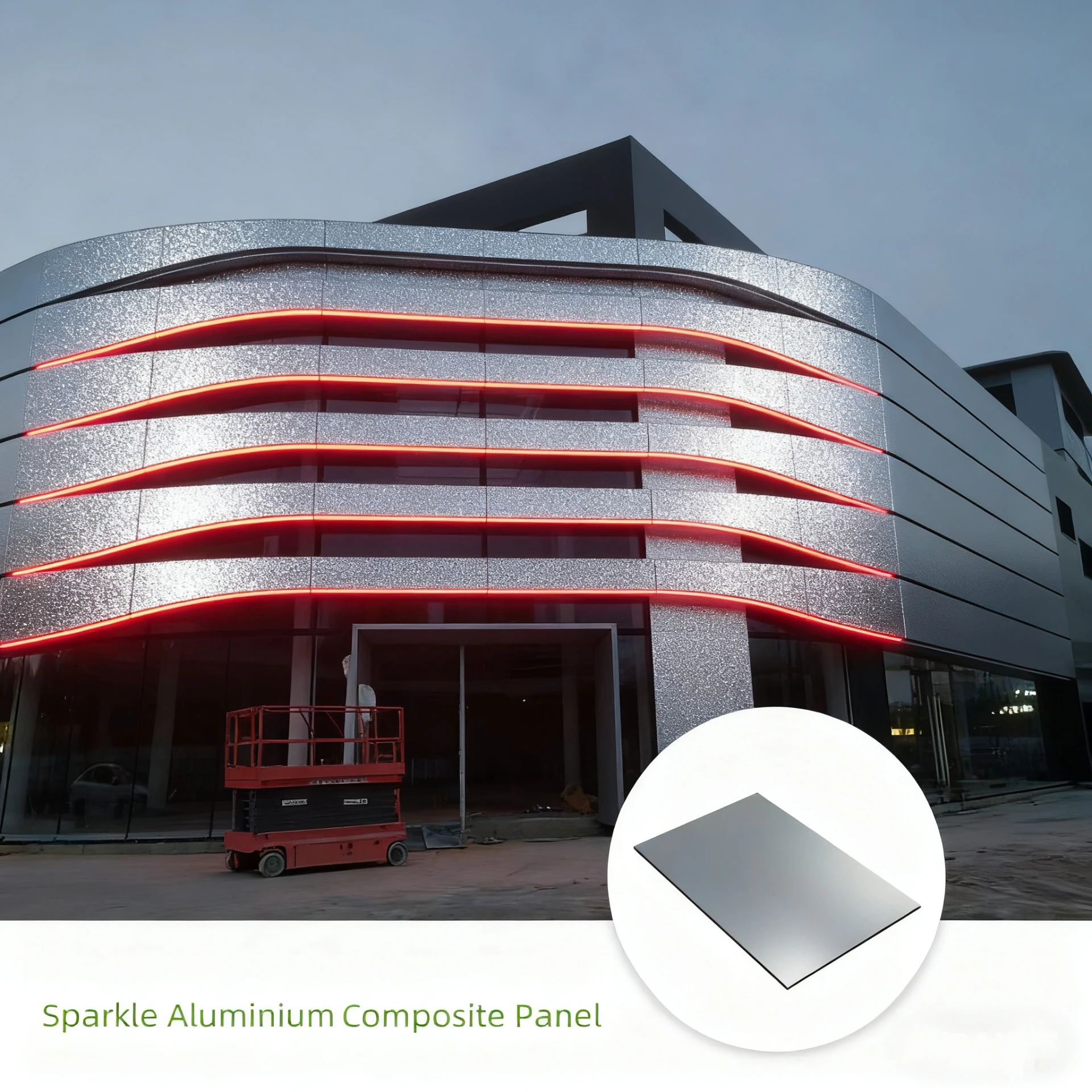
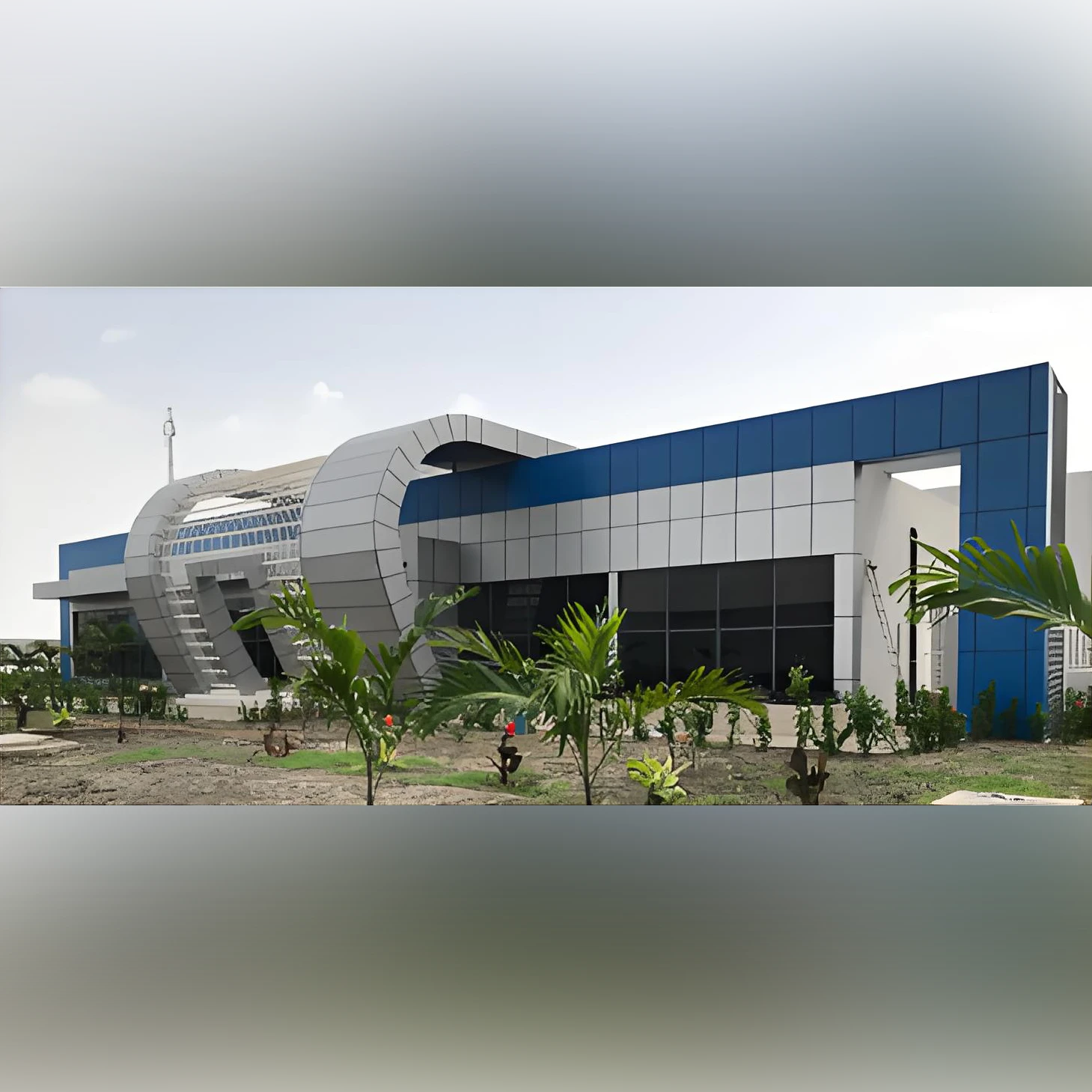
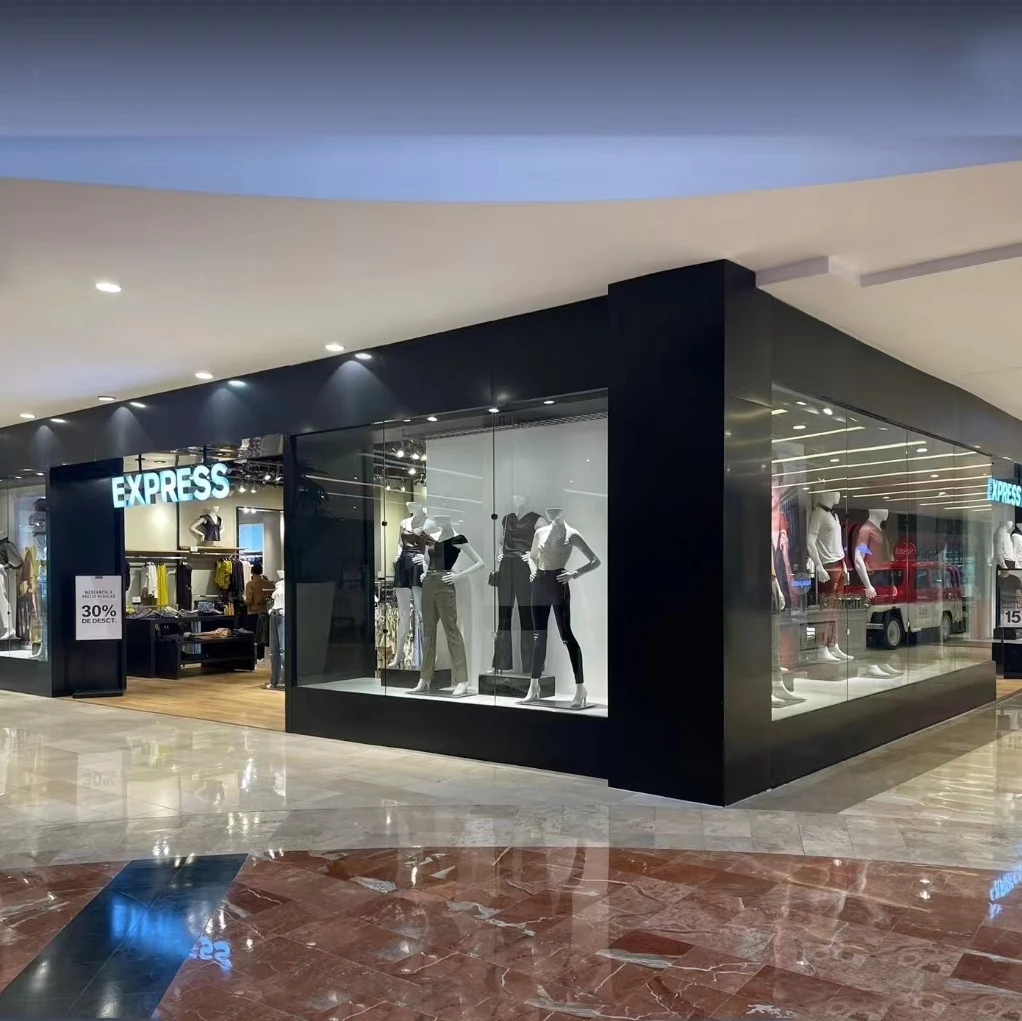
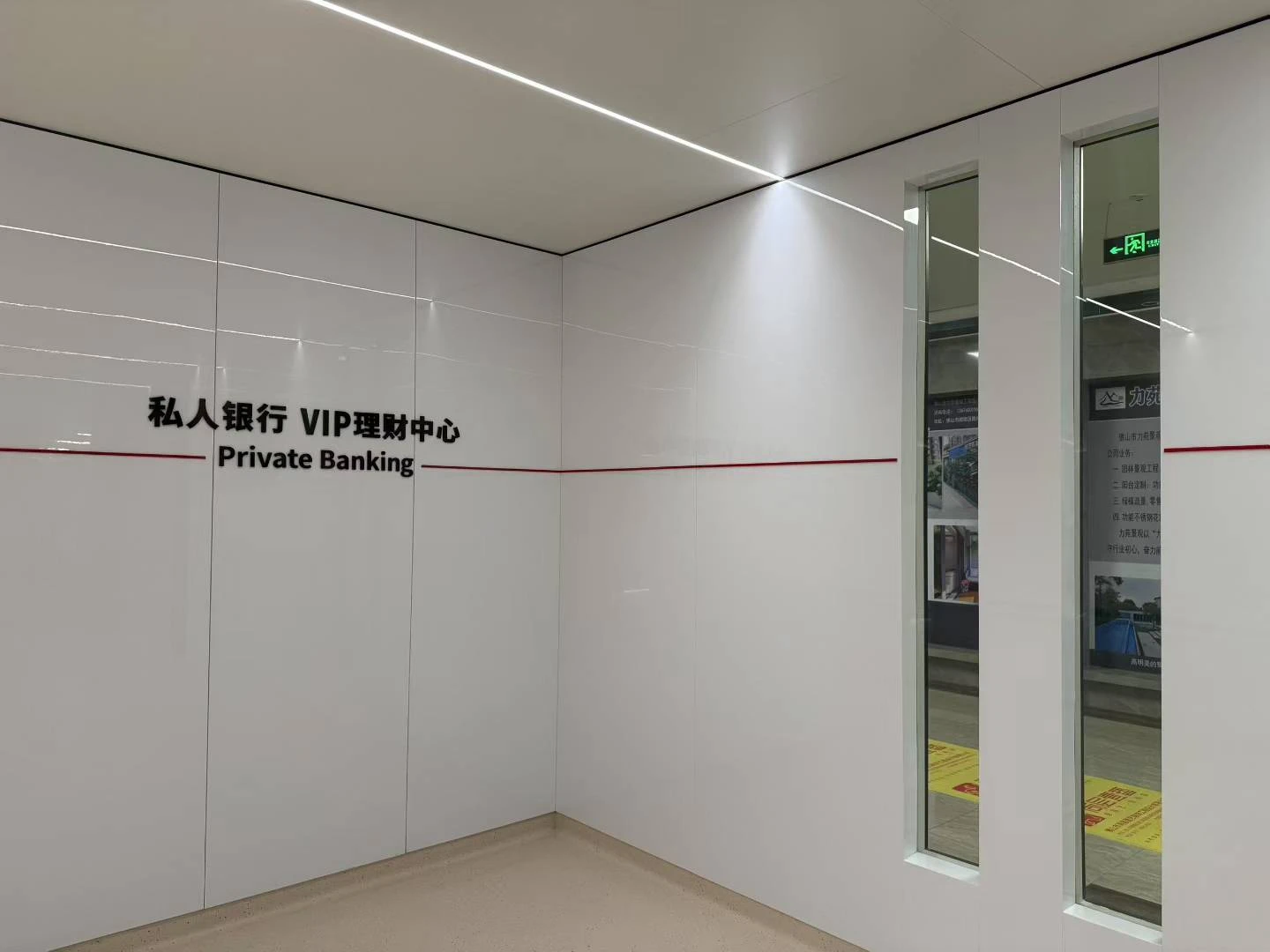
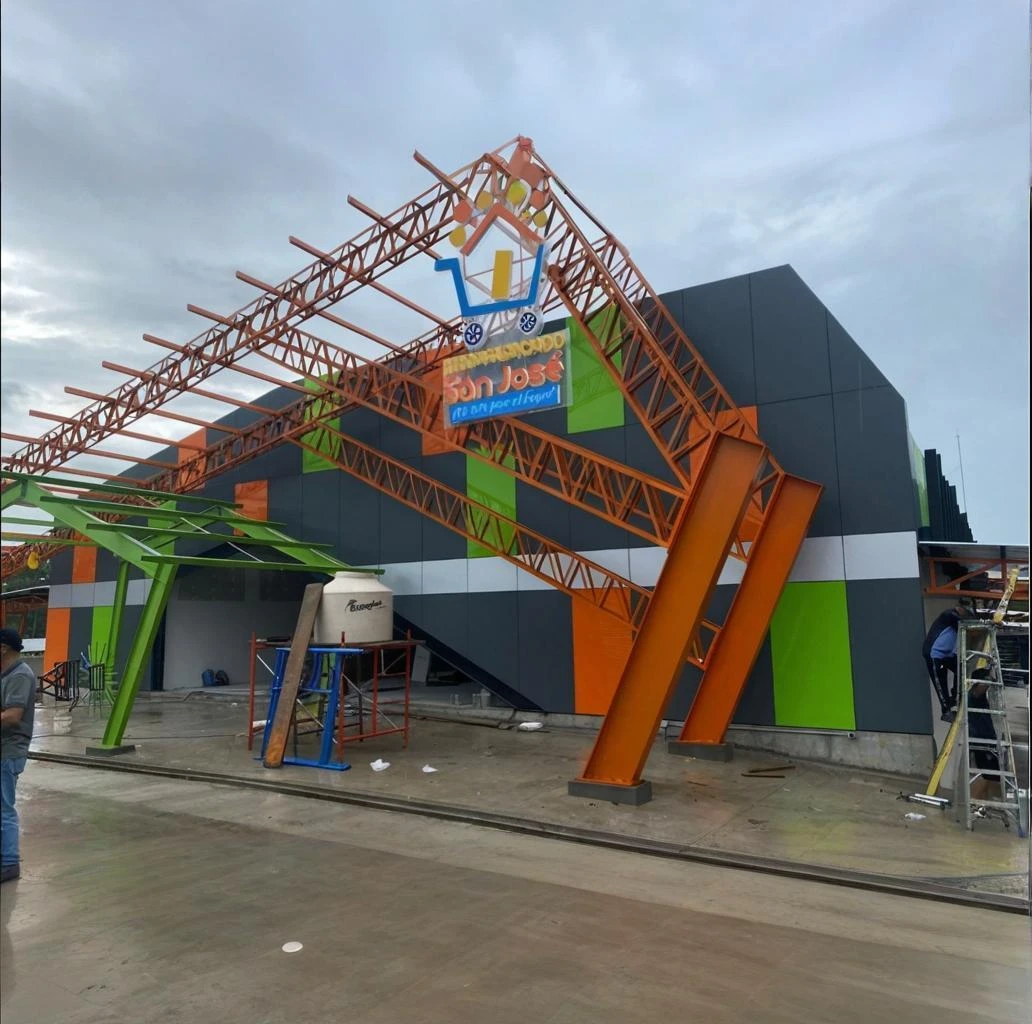
आकाशी नीलो मुख्यतया लगभग ७०% नीलो र ३०% सेतो मिलेर बनेको हुन्छ, केही परिदृश्यहरूमा ताजगी बढाउन हरियो रंग थपिएको हुन्छ, जसको परिणामस्वरूप 'नीलो आकाश प्लस दूध' जस्तै नरम प्रभाव हुन्छ। भावनात्मक सम्बन्धहरू: शान्तता: यसको कम संतृप्तिले दृश्य प्रभावलाई कम गर्छ र प्रायः अस्पताल र शैक्षिक सेटिङहरूमा चिन्ता कम गर्न प्रयोग गरिन्छ। स्वतन्त्रता: आकाशसँग उच्च सम्बन्ध, क्याफे र प्रदर्शनी हल जस्ता खुला ठाउँ डिजाइनहरूको लागि उपयुक्त। प्राविधिक अनुभूति: अत्याधुनिक छवि व्यक्त गर्न इलेक्ट्रोनिक इन्टरफेस वा LED प्रकाश प्रभावहरूमा चम्किलो आकाशे नीलो रंग प्रयोग गरिन्छ। गतिशील प्रभावहरू: धातुजन्य पदार्थहरूमा (जस्तै कार पेन्ट), आकाशी नीलो रंगले मोतीको कणहरू वा चम्किलो कोटिंगहरू समावेश गर्न सक्छ जसले गर्दा ग्रेडियन्ट तारायुक्त आकाश प्रकाश प्रवाह प्रभाव सिर्जना हुन्छ। धातुका सामग्रीहरू: फ्लोरोकार्बन स्काई नीलोले लेपित एल्युमिनियम प्यानल वा स्टेनलेस स्टील सतहहरूले चिसो औद्योगिक शैली प्रस्तुत गर्दछ। आकाशे नीलो + सेतो: नीलो आकाश र सेतो बादलको नक्कल गर्छ, जसले गर्दा शुद्ध वातावरण सिर्जना हुन्छ (जस्तै घरको सजावट)। आकाशे नीलो + हल्का खैरो: आधुनिक प्रविधि-प्रेमी ठाउँ सिर्जना गर्दछ (जस्तै प्रदर्शनी हल, कार्यालयहरू)। आकाशे नीलो + फिक्का गुलाबी: भिन्न रंगहरूको संयोजनले जीवन्तता बढाउँछ (जस्तै बालबालिकाको कोठा, फेसनका सामानहरू)।
सम्पर्कमा रहनुहोस्
यदि तपाईं हाम्रा उत्पादनहरूमा रुचि राख्नुहुन्छ भने, तपाईं आफ्नो जानकारी यहाँ छोड्न सक्नुहुन्छ, र हामी छिट्टै तपाईंसँग सम्पर्क गर्नेछौं।
When a façade contractor or importer compares aluminum composite panel quotations, the lowest price per square meter often looks like the smart choice. Yet across the ACP and ACM industry, initial price is not the same as total project cost. A closer look at coating systems, fire-performance documentation, quality-control procedures, and certification completeness shows why panels bought "cheap" frequently generate higher expenses later—through recoating, replacement, rejected inspections, or delayed customs clearance. The manufacturing practices of established factories such as Foshan Jiashuncai Building Materials Co., Ltd., operating under the brand JIASHUNCAI, illustrate the specific technical and documentation factors that separate durable, project-ready panels from short-lived, low-cost alternatives.
PE ACP, also known as PE aluminium composite panel or PE aluminum composite panel, is one of the most widely used aluminum composite materials for interior and short-term exterior applications. Due to its cost efficiency, rich color options, and easy fabrication
Thermal expansion stress in ACP occurs when the aluminum skins and core material respond to temperature fluctuation across daily and seasonal cycles. Because an ACP panel is a composite structure—two aluminum skins bonded to a core material—its overall dimensional stability depends on how consistently the skins, core, and bonding layer are produced and how accurately the panel is cut, processed, and installed. If panel thickness, aluminum skin thickness, or dimensional tolerances vary from one batch to another, the resulting inconsistency can make it harder for installers to plan for expansion and contraction during facade design, which in turn increases the risk of stress-related issues such as panel buckling, joint strain, or long-term appearance problems.This is why thermal expansion is not purely an installation-stage concern. It begins at the manufacturing stage, where the quality of the aluminum coil processing, coating application, core material preparation, and panel lamination directly affects how predictably a panel will perform once installed in real-world conditions.