Introduction: Are You Still Buying ACP Panels? Why Not Produce Them Yourself?
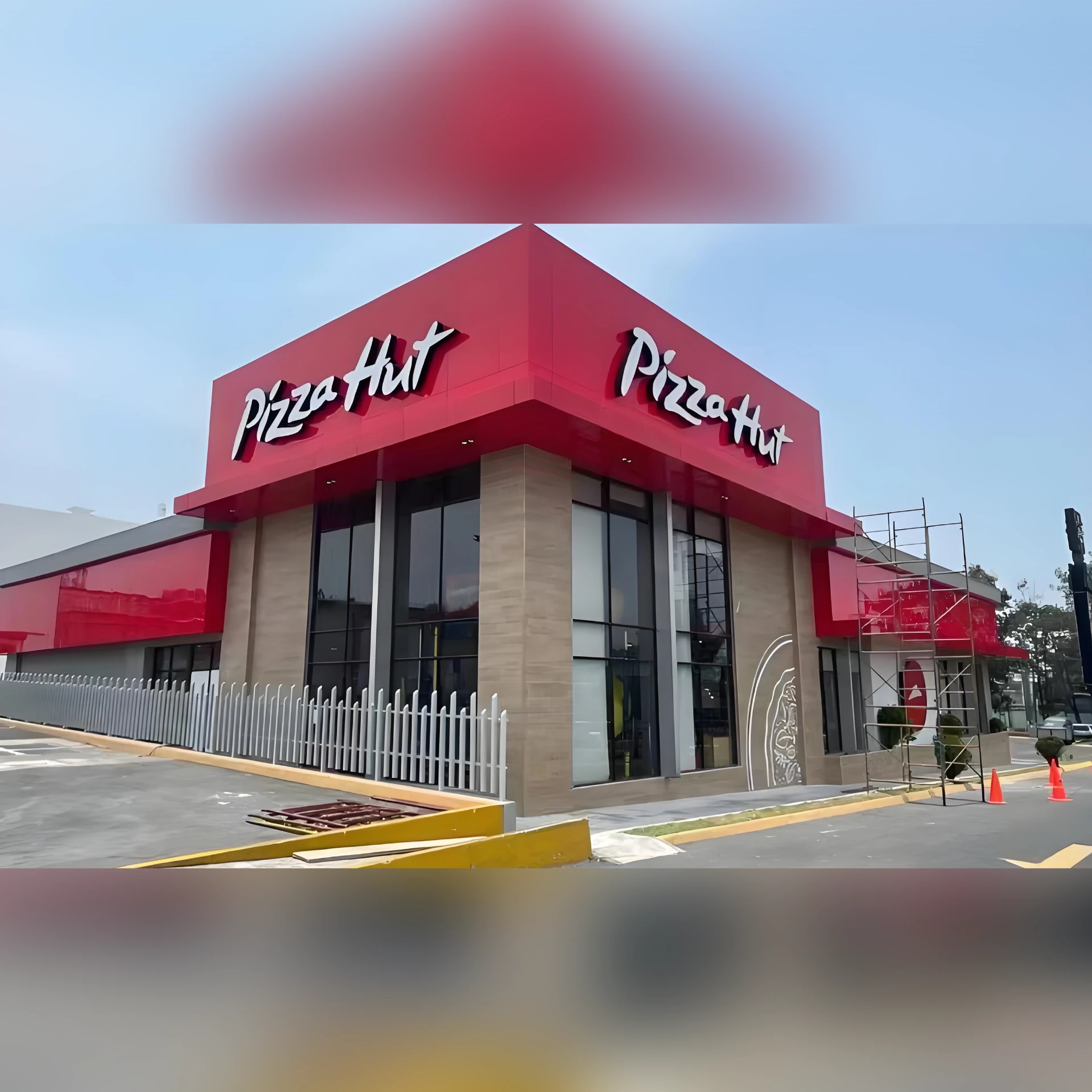
Many advertising companies, sign manufacturers, and decoration workshops still purchase finished Aluminum Composite Panels (ACP) from suppliers every day.
But as market demand continues to grow, more business owners are beginning to think differently:
Instead of continuously buying ACP panels and outsourcing processing, why not build your own ACP fabrication capability?
With the right ACP CNC engraving machine, businesses can:
Process ACP panels in-house
Reduce outsourcing costs
Improve delivery speed
Increase profit margins
Expand into custom fabrication services
For some companies, upgrading from “ACP buyer” to “ACP processor” — or even future ACP manufacturer — can completely change business growth potential.
Introduction: Why Long ACP Panels Are Becoming More Popular
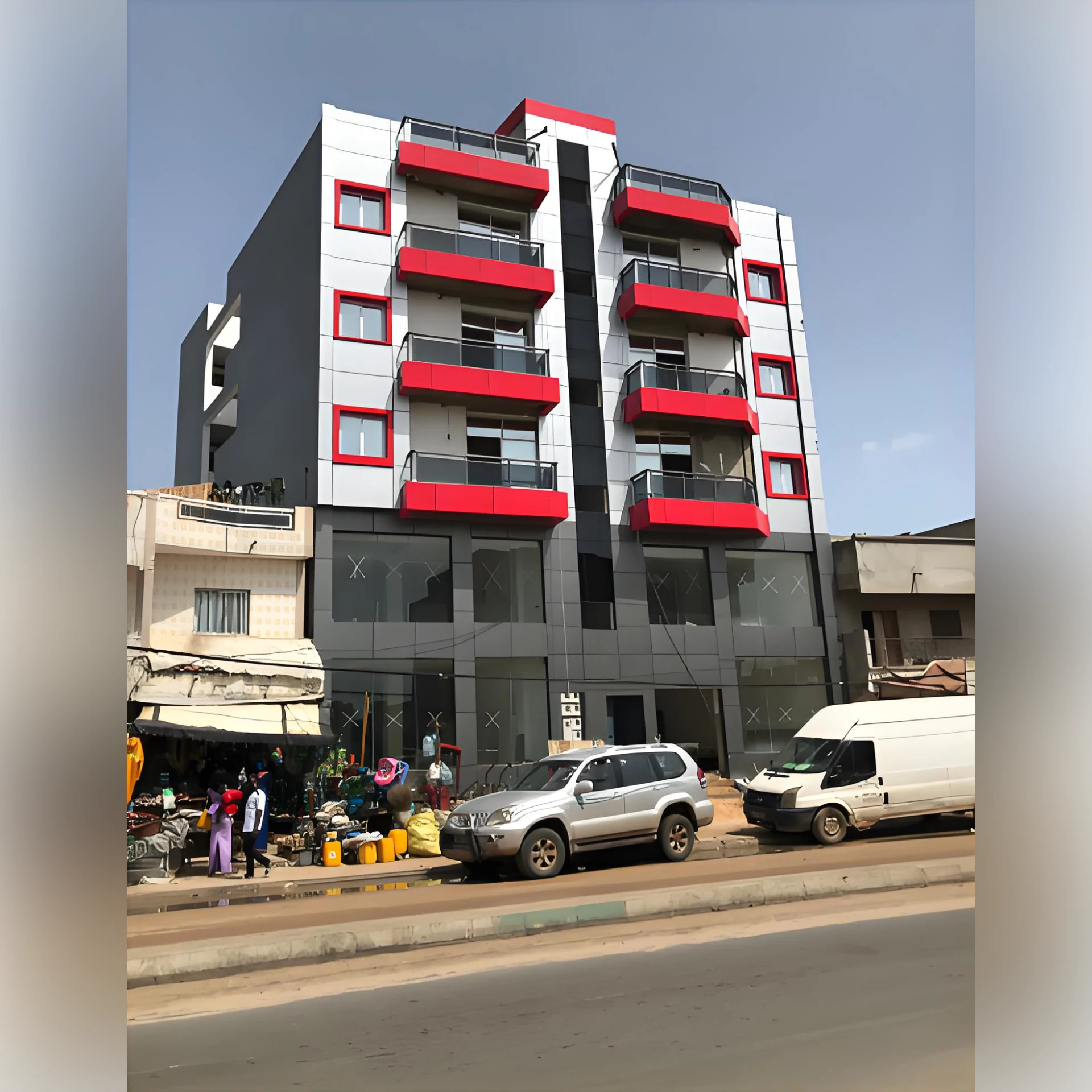
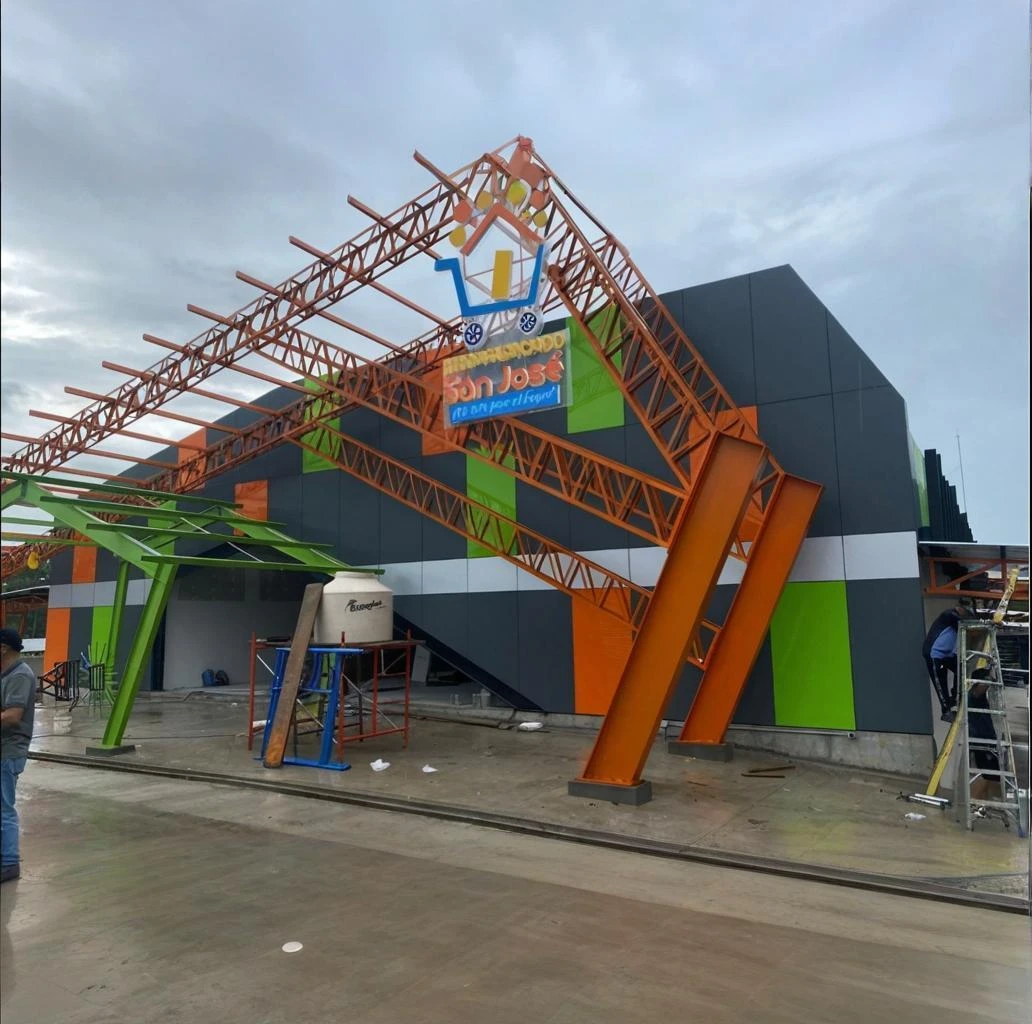
As modern architectural projects continue to pursue cleaner aesthetics and more efficient installation methods, demand for long-size Aluminum Composite Panels (ACP) is increasing worldwide.
Among these solutions, the 5.8 Meter B1 Fire-Rated ACP Panel has become a preferred choice for architects, facade contractors, and building developers.
Compared with standard ACP sheets, longer panels provide:
Fewer visible joints
Better facade appearance
Faster installation
Reduced maintenance requirements
For large-scale projects, long ACP panels can significantly improve the overall visual effect of the building.
I te mea ka nui haere te whakawhirinaki a nga kaitoi me nga kaihanga ki runga i nga tohu tohu me te whakakakahu hoahoanga, kua whakatauhia e nga panui Dibond® nga paerewa ahumahi mo te mauroa. Ko nga rauemi hiato konumohe-a-muri a Jiashuncai (ACM) e tuku ana i nga hanganga riterite i te 20% te utu iti ake - me nga painga taapiri mo te pumau me te tere whakarite.
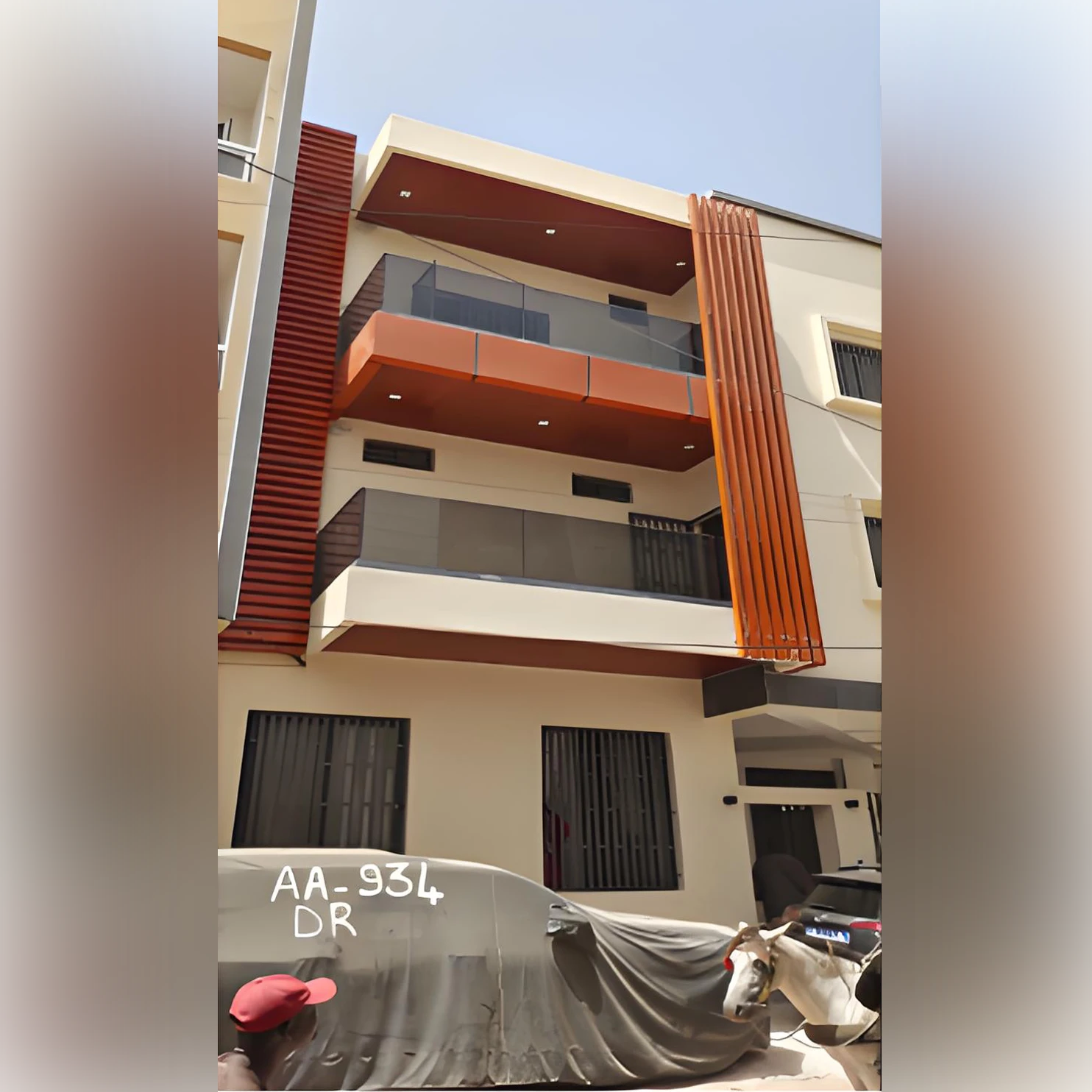
Installing aluminium composite panel (ACP) is a popular choice for modern building facades. Known for its versatility, durability, and aesthetic appeal, ACP installation requires careful planning and execution. This guide provides a detailed overview of the process, from preparation to finishing, ensuring a successful and long-lasting installation. We will cover key considerations for both DIY enthusiasts and professional installers, focusing on best practices and industry standards. There are several installation methods for ACP, each suited to different building designs and project requirements. Common systems include wet-seal, dry-seal (cassette), and riveted systems. The wet-seal system utilizes silicone or polyurethane sealant to bond the panels to the substrate. The dry-seal system, often preferred for its ease of maintenance and replacement, employs mechanical fasteners and pressure plates. Finally, the riveted system is a more traditional method that offers a cost-effective solution, though it may be less visually seamless.
See how PVC film and roller-coated aluminum composite panels performed after approximately six months of outdoor sun exposure. Learn why surface treatment matters for ACP weather resistance and color retention.