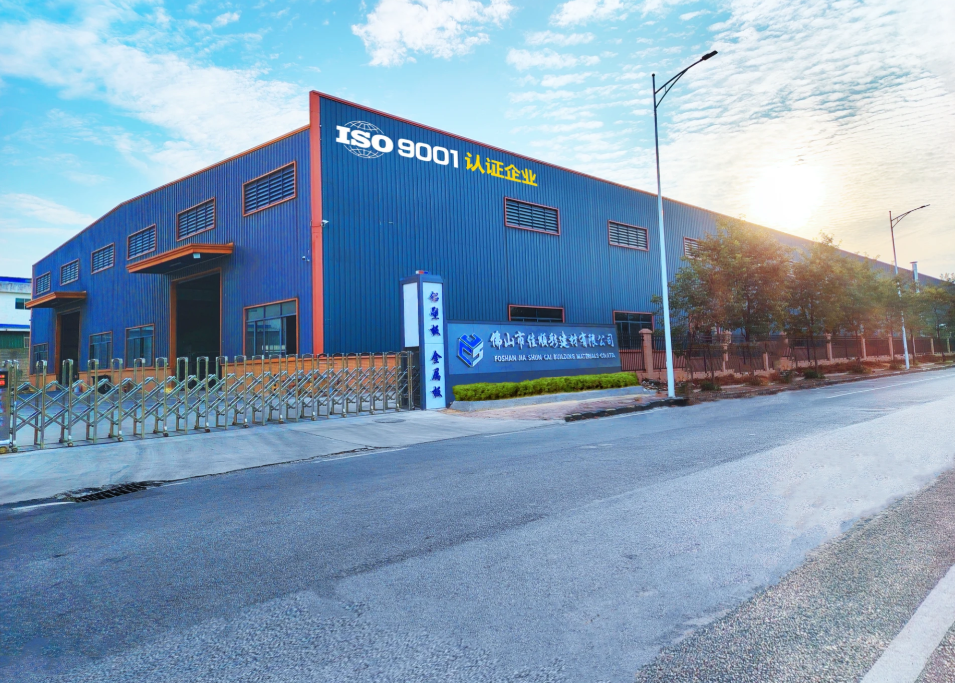
In commercial and public spaces—from office lobbies and conference halls to schools and airports—uncontrolled noise can hinder productivity, communication, and comfort. Ko te tuanui o te konumohe konupora systems, paired with complementary tile konumohe tuanui a konumohe awhi tuanui, have emerged as a versatile solution that blends sleek aesthetics with exceptional acoustical performance. These systems not only enhance a space’s visual appeal but also absorb and diffuse sound, creating quieter, more functional environments. As a professional manufacturer of Aluminum composite panels founded in 2003, Foshan Jiashuncai Building Materials Co., Ltd. specializes in engineering konumohe whakaraera tuanui products with optimized acoustical properties, supplying wholesalers worldwide to meet the demands of architects, contractors, and facility managers. With decades of expertise, Foshan Jiashuncai understands that wholesalers and their clients need materials that balance durability, design flexibility, and acoustic efficiency—and konumohe whakaraera tuanui systems deliver on all fronts. This article explores the key acoustical properties of konumohe whakaraera tuanui products, highlighting why they’re a top choice for noise-sensitive modern spaces.
Key Acoustical Mechanisms of Aluminum Baffle Ceiling
- Sound Absorption Through Baffle Design: Ko te tuanui o te konumohe konupora systems excel at absorbing mid-to-high frequency sound (e.g., human voices, office equipment noise) thanks to their open, suspended design. Foshan Jiashuncai’s konumohe whakaraera tuanui features perforated aluminum surfaces—tiny holes that allow sound waves to penetrate the baffle, where an acoustic backing layer (e.g., fiberglass or mineral wool) traps and dissipates the sound energy. Unlike solid konumohe awhi tuanui, which reflect most sound, the perforated baffles absorb 40-60% of incoming sound, reducing echo and reverberation in large spaces. For example, a 10m x 15m office fitted with konumohe whakaraera tuanui can reduce reverberation time from 2.5 seconds (with no acoustic treatment) to 0.8-1.2 seconds—well within the optimal range for speech clarity. Wholesalers supplying office developers note that this absorption makes konumohe whakaraera tuanui ideal for open-plan workspaces, where reducing cross-talk is critical.
- Sound Diffusion for Uniform Acoustics: Beyond absorption, konumohe whakaraera tuanui systems also diffuse sound waves, preventing sound from concentrating in specific areas (e.g., corners of a room). The suspended baffles are spaced evenly (typically 100-200mm apart) and oriented to scatter sound in multiple directions, creating a more uniform acoustic environment. Foshan Jiashuncai offers customizable baffle lengths (1m-3m) and spacing options, allowing wholesalers to tailor systems to a space’s dimensions—for narrow hallways, shorter baffles with tighter spacing improve diffusion, while larger auditoriums benefit from longer baffles to cover more area. This flexibility ensures konumohe whakaraera tuanui systems perform well in spaces of all sizes, from small meeting rooms to large convention centers.
Acoustical Performance Comparison: Aluminum Baffle Ceiling vs. Traditional Ceiling Materials
|
Acoustical Metric
|
Foshan Jiashuncai’s Aluminum Baffle Ceiling
|
Traditional Ceiling Materials (e.g., Gypsum, Solid Aluminum)
|
Wholesale Value for Clients
|
|
Noise Reduction Coefficient (NRC)
|
0.4-0.8 (depending on perforation rate and backing)
|
0.1-0.3 (gypsum), 0.05-0.15 (solid aluminum)
|
Meets acoustic standards for commercial spaces; reduces the need for additional sound absorbers.
|
|
Reverberation Time (RT60)
|
0.8-1.5 seconds (in 100㎡ spaces)
|
2.0-3.0 seconds (gypsum), 2.5-3.5 seconds (solid aluminum)
|
Improves speech clarity and comfort; ideal for spaces with frequent communication.
|
|
Sound Transmission Class (STC)
|
25-30 (when paired with acoustic tile konumohe tuanui)
|
30-35 (gypsum, but lower absorption), 20-25 (solid aluminum)
|
Balances privacy (blocking sound between rooms) and absorption (reducing internal noise).
|
|
Design Flexibility for Acoustics
|
Customizable perforation rates, lengths, and backing materials
|
Limited customization; often requires add-on acoustic panels
|
Allows clients to match acoustic performance to space needs (e.g., high-NRC for classrooms, balanced STC/NRC for offices).
|
Enhancing Acoustical Performance of Aluminum Baffle Ceiling Systems
- Pairing with Aluminum Ceiling Tiles for Full Coverage: While konumohe whakaraera tuanui systems handle most sound absorption, combining them with tile konumohe tuanui (in areas where baffles can’t reach, e.g., around light fixtures or HVAC vents) creates a fully integrated acoustic solution. Foshan Jiashuncai’s tile konumohe tuanui feature the same perforated design and acoustic backing as the baffles, ensuring consistent performance across the entire ceiling. Wholesalers can recommend this combination for spaces like airports or shopping malls, where ceiling fixtures break up baffle coverage—tile konumohe tuanui fill gaps, preventing sound leaks and maintaining uniform acoustics. A wholesaler supplying airport contractors reported that pairing konumohe whakaraera tuanui me tile konumohe tuanui reduced overall noise levels by an additional 10-15%, improving passenger comfort.
- Choosing the Right Acoustic Backing: The backing material of konumohe whakaraera tuanui is a key driver of acoustical performance, and Foshan Jiashuncai offers three options to meet different needs: 1) Standard fiberglass backing (NRC 0.4-0.5) for moderate noise areas (e.g., retail stores); 2) High-density mineral wool backing (NRC 0.6-0.7) for commercial spaces (e.g., offices, schools); 3) Acoustic foam backing (NRC 0.7-0.8) for high-noise areas (e.g., auditoriums, gymnasiums). Wholesalers can guide clients to select backing based on a space’s intended use—for example, a school auditorium would benefit from foam-backed baffles, while a small retail shop could use fiberglass-backed options. This customization helps wholesalers cater to diverse project requirements without overstocking specialized products.
Aluminum Baffle Claing FAQ
Can Aluminum Baffle Ceiling Be Installed in Humid Environments (e.g., Swimming Pools)?
Yes—Foshan Jiashuncai’s konumohe whakaraera tuanui is suitable for humid environments when using corrosion-resistant materials. The aluminum baffles are treated with a water-resistant coating (e.g., PVDF), and the acoustic backing is replaced with moisture-resistant fiberglass (to prevent mold growth). For swimming pools or gyms, wholesalers can also recommend sealed konumohe awhi tuanui for areas directly above water, while konumohe whakaraera tuanui covers dry sections. Testing shows that moisture-resistant konumohe whakaraera tuanui retains its acoustical performance (NRC remains within 0.1 of original) even in 80-90% humidity. A wholesaler supplying fitness centers reported that these systems lasted 10+ years without degradation in humid spaces.
How Does the Height of Aluminum Baffle Ceiling Installation Affect Acoustical Performance?
The installation height of konumohe whakaraera tuanui impacts acoustical performance—baffles installed 2.5m-3.5m above the floor (standard ceiling height) deliver optimal absorption, as sound waves travel directly to the baffles without excessive dispersion. For higher ceilings (4m+), Foshan Jiashuncai recommends longer baffles (2.5m-3m) or adding a second layer of shorter baffles (1m-1.5m) suspended below the first. This “double-layer” design captures sound waves that would otherwise bounce off high ceilings. Wholesalers can advise clients to conduct a pre-installation acoustic survey (using sound level meters) to determine the ideal baffle length and height—this ensures performance matches the space’s needs. A wholesaler supplying auditorium contractors noted that double-layer konumohe whakaraera tuanui reduced reverberation time by 0.5 seconds in 5m-high spaces.
Are Aluminum Baffle Ceiling Systems More Expensive Than Traditional Acoustic Ceilings?
Ko te tuanui o te konumohe konupora systems have a slightly higher upfront cost than traditional gypsum acoustic ceilings (10-15% more), but they offer long-term cost savings. Foshan Jiashuncai’s konumohe whakaraera tuanui is durable (50+ year lifespan vs. 15-20 years for gypsum) and requires minimal maintenance (no repainting or patching). Additionally, the open design reduces HVAC costs—airflow is improved, lowering heating/cooling energy use by 8-12%. For wholesalers, the higher-margin konumohe whakaraera tuanui also appeals to clients seeking premium, long-lasting solutions—commercial developers, for example, can market “low-maintenance, quiet spaces” at a higher rental rate. A wholesaler supplying office parks reported that konumohe whakaraera tuanui systems had a lower total cost of ownership over 20 years compared to gypsum ceilings.
Can Aluminum Baffle Ceiling Be Customized to Match a Space’s Aesthetic?
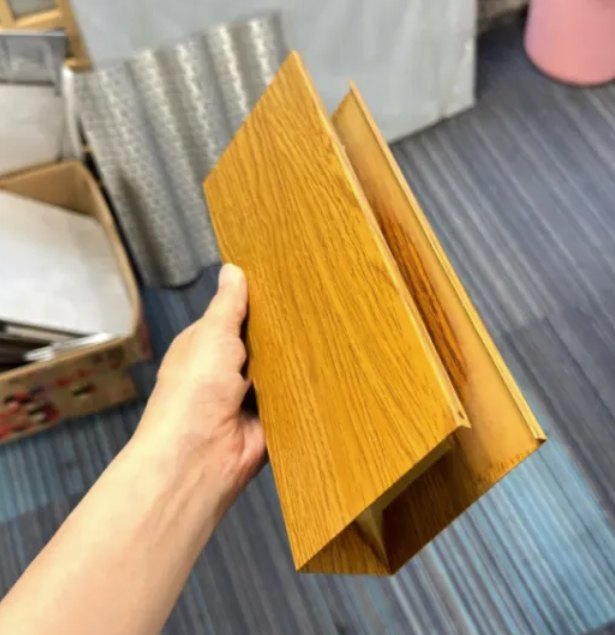
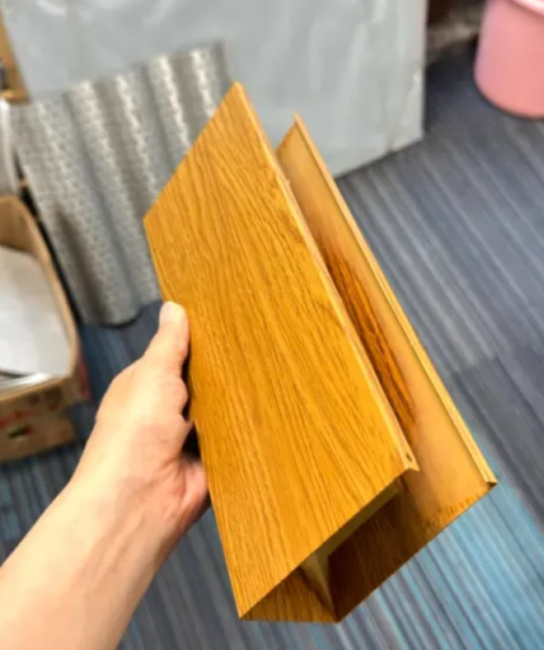
Absolutely—Foshan Jiashuncai offers extensive customization for konumohe whakaraera tuanui systems to align with any aesthetic. Wholesalers can request custom baffle colors (matte, gloss, metallic), finishes (brushed, wood-grain), and perforation patterns (circular, square, decorative). Additionally, tile konumohe tuanui a konumohe awhi tuanui can be color-matched to the baffles, creating a cohesive look. For example, a hotel lobby could use wood-grain konumohe whakaraera tuanui paired with matching tile konumohe tuanui to mimic natural wood, while a modern office might opt for matte black baffles and panels. Customization lead times are 2-4 weeks, making it easy for wholesalers to meet tight project deadlines. A wholesaler supplying luxury hotels reported that custom-colored konumohe whakaraera tuanui was a top request for high-end hospitality projects.
What Support Does Foshan Jiashuncai Offer Wholesalers for Aluminum Baffle Ceiling?
Foshan Jiashuncai provides comprehensive support to wholesalers: 1) Sample kits—konumohe whakaraera tuanui samples (with different perforation rates and backings) plus acoustic test reports (NRC, RT60) for clients to verify performance; 2) Technical guides—installation manuals, 3D design renderings, and acoustic optimization tips, customizable with wholesalers’ branding; 3) Customization services—tailored baffle lengths, colors, and backing materials to meet project-specific needs; 4) Logistics support—secure packaging to prevent damage during transit, plus bulk shipping discounts. Our acoustic experts also offer virtual training for wholesalers’ clients (contractors, architects) on proper installation and maintenance. To explore our acoustical konumohe whakaraera tuanui range and wholesale support services, visit our company webpage today!