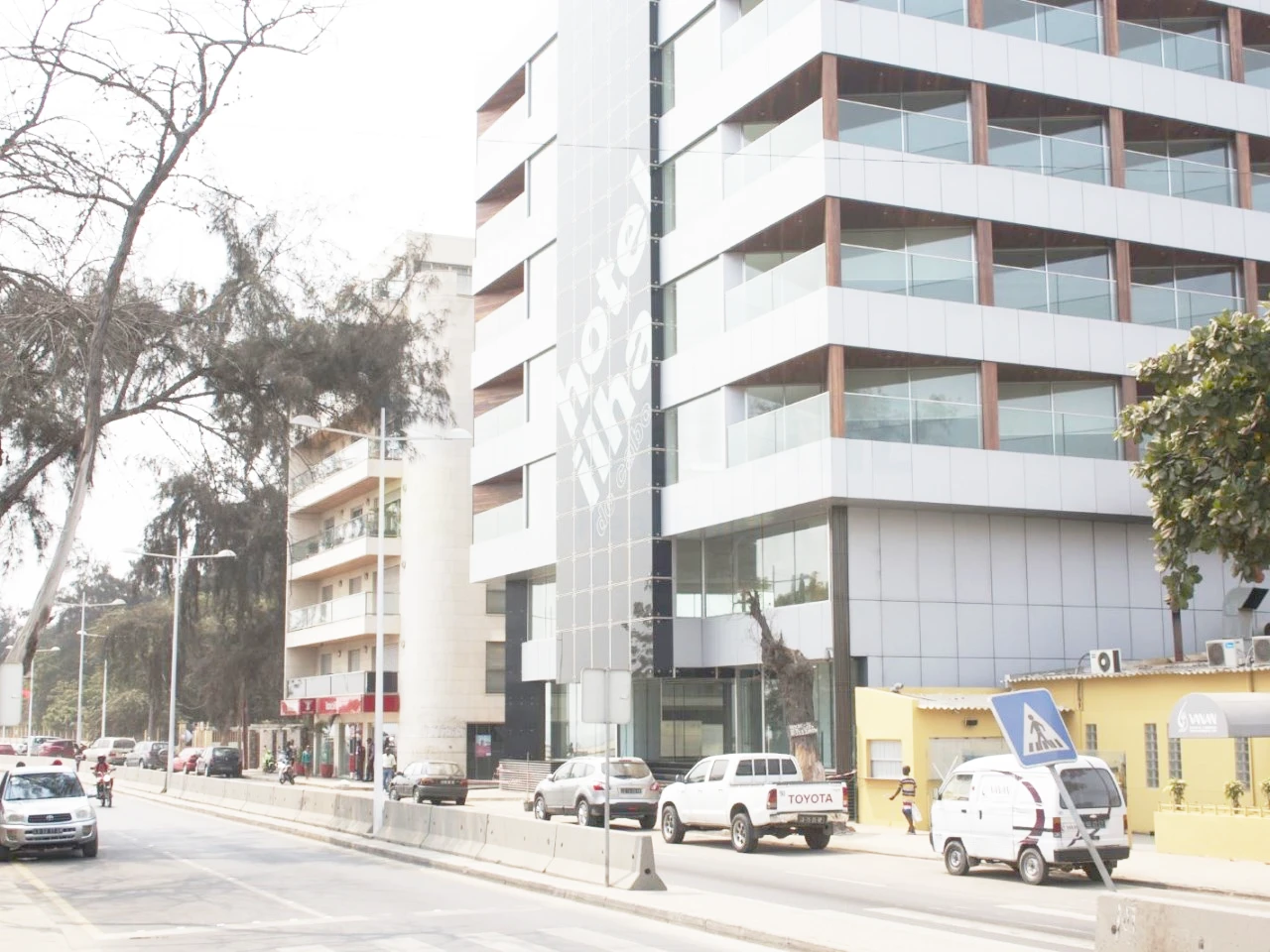
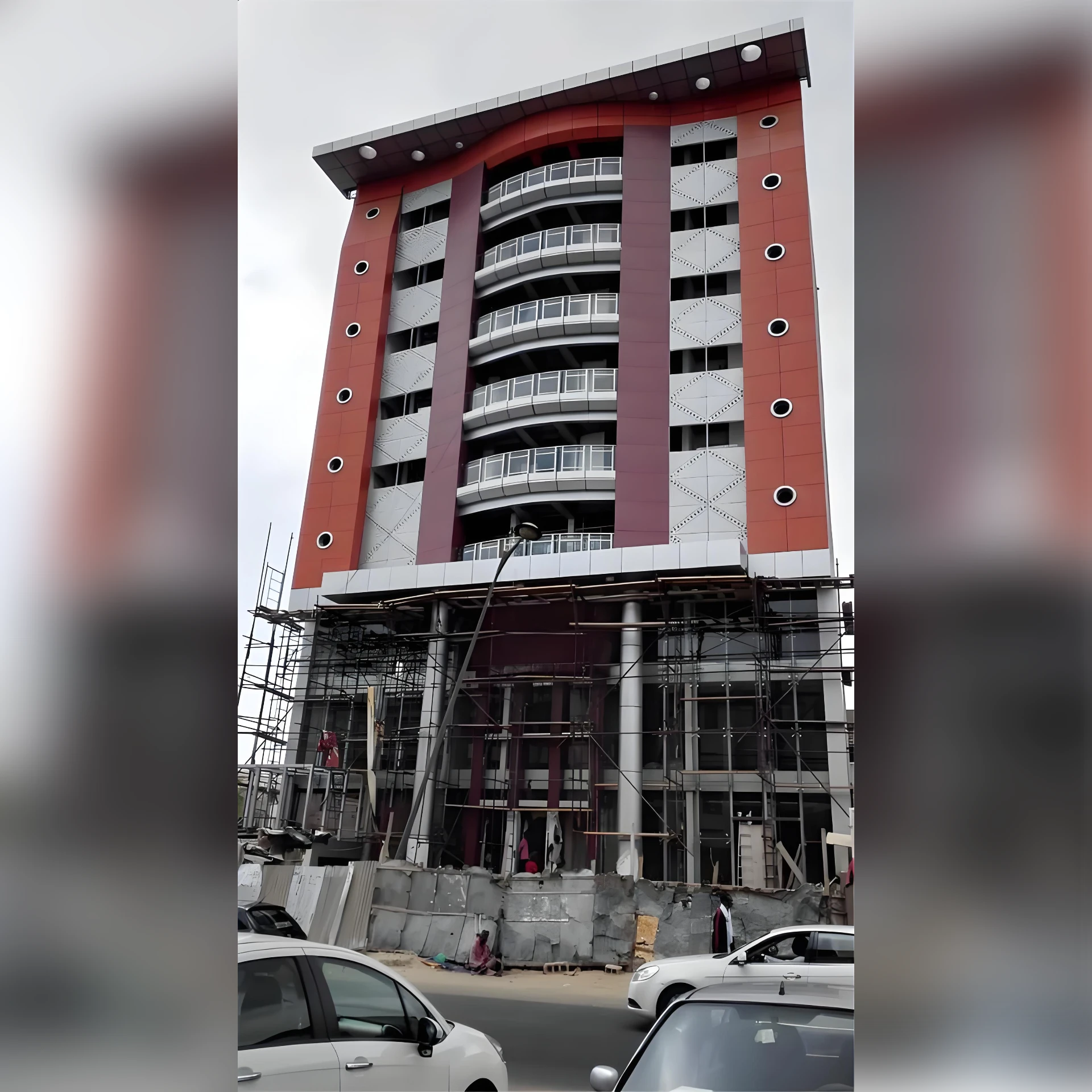
Satria ny mpanao mari-trano sy ny mpanamboatra dia miantehitra hatrany amin'ny mari-pamantarana henjana sy ny fametahana maritrano, ny takelaka Dibond® dia nametraka fenitry ny indostria ho an'ny faharetana. Jiashuncai's next-gen aluminium composite material (ACM) dia manome ny tsy fivadihana ara-drafitra mitovy amin'ny vidiny ambany 20% - miaraka amin'ny tombony fanampiny amin'ny faharetana sy ny hafainganam-pandehan'ny fanamboarana.
Introduction: Are You Still Buying ACP Panels? Why Not Produce Them Yourself?
Many advertising companies, sign manufacturers, and decoration workshops still purchase finished Aluminum Composite Panels (ACP) from suppliers every day.
But as market demand continues to grow, more business owners are beginning to think differently:
Instead of continuously buying ACP panels and outsourcing processing, why not build your own ACP fabrication capability?
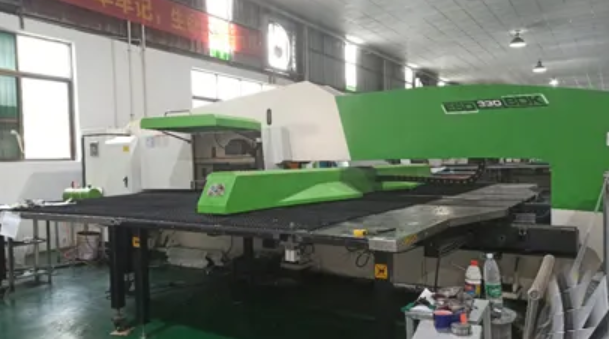
With the right ACP CNC engraving machine, businesses can:
Process ACP panels in-house
Reduce outsourcing costs
Improve delivery speed
Increase profit margins
Expand into custom fabrication services
For some companies, upgrading from “ACP buyer” to “ACP processor” — or even future ACP manufacturer — can completely change business growth potential.
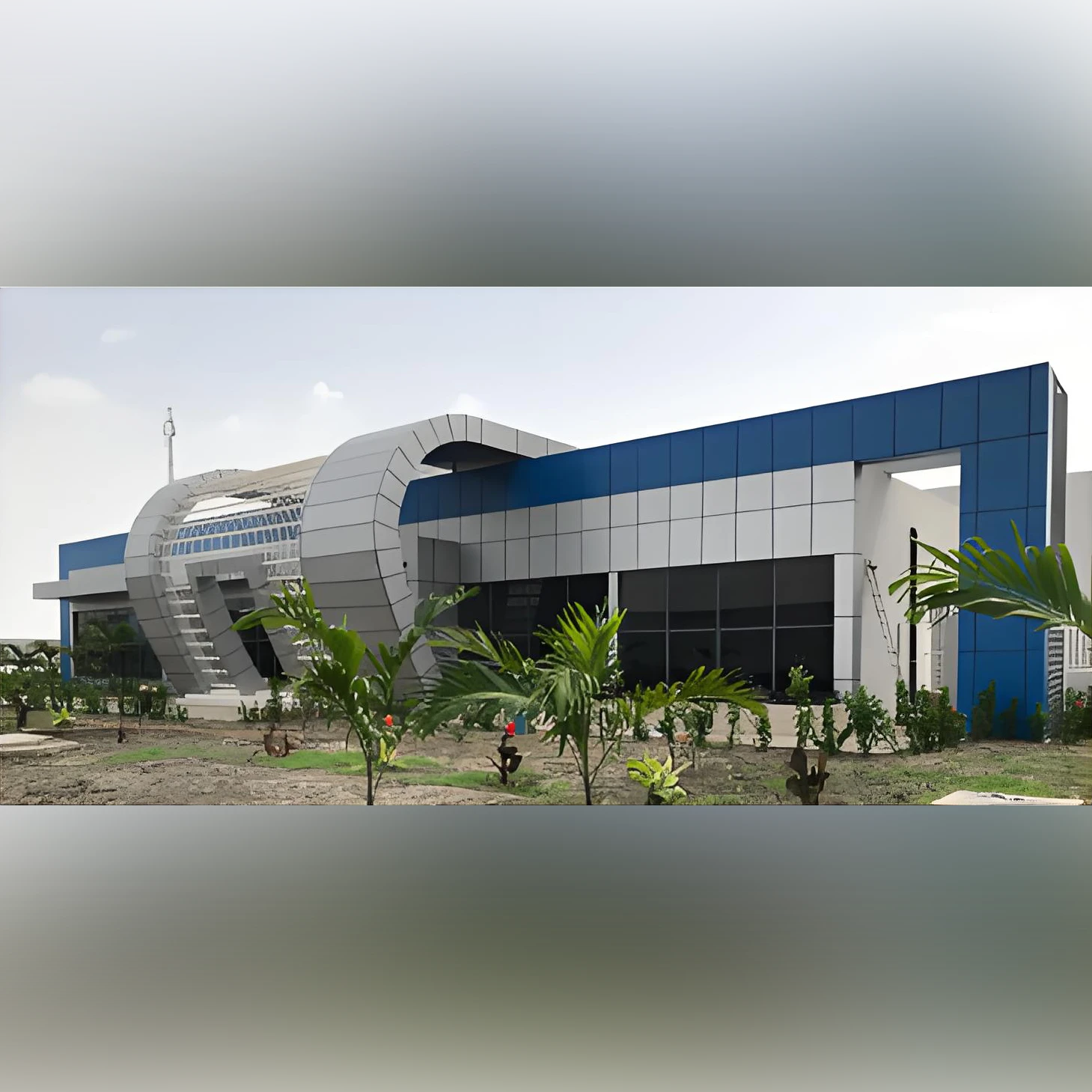
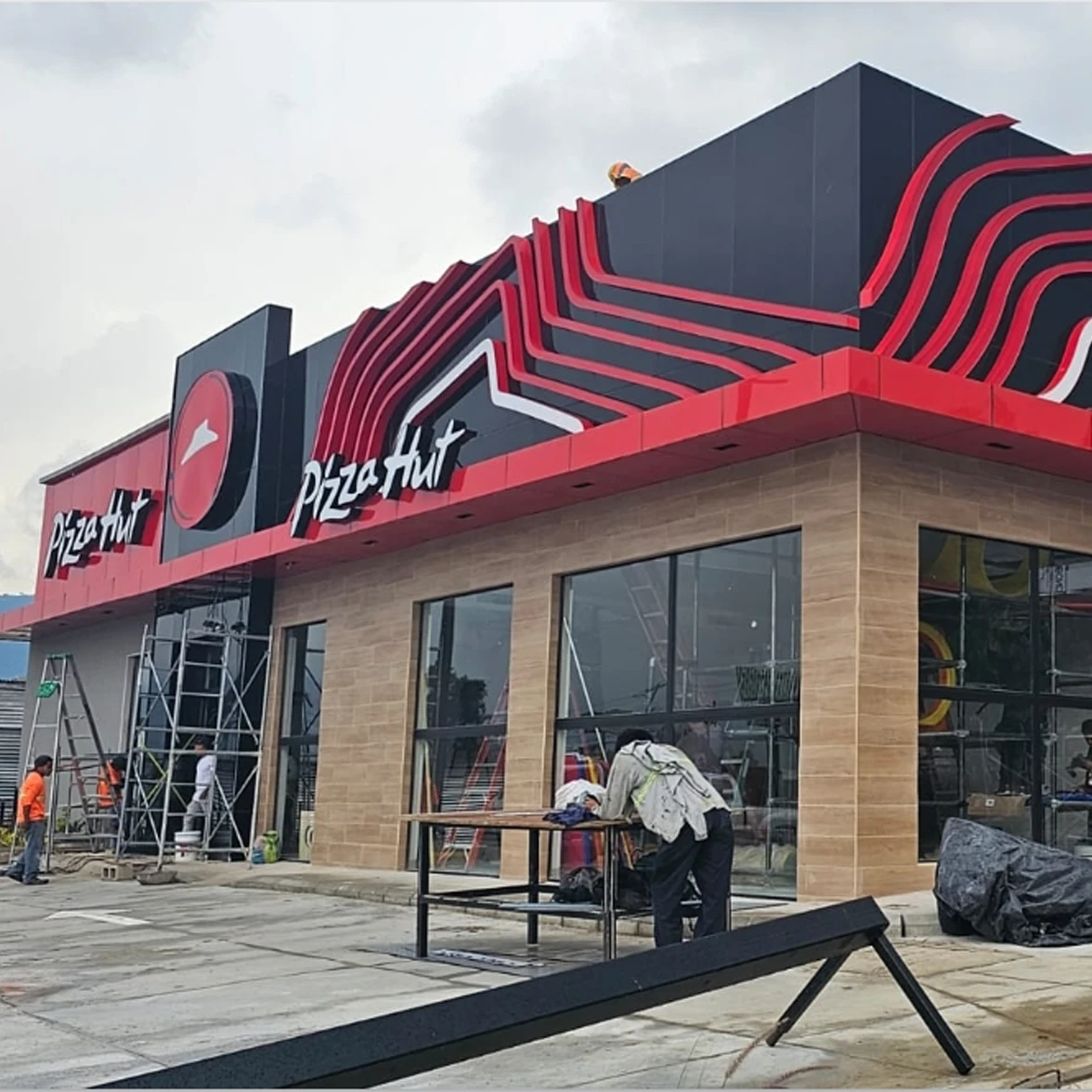
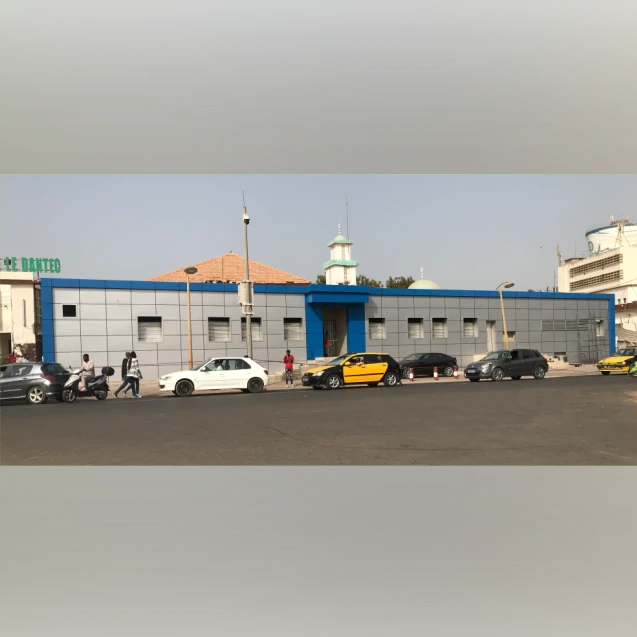
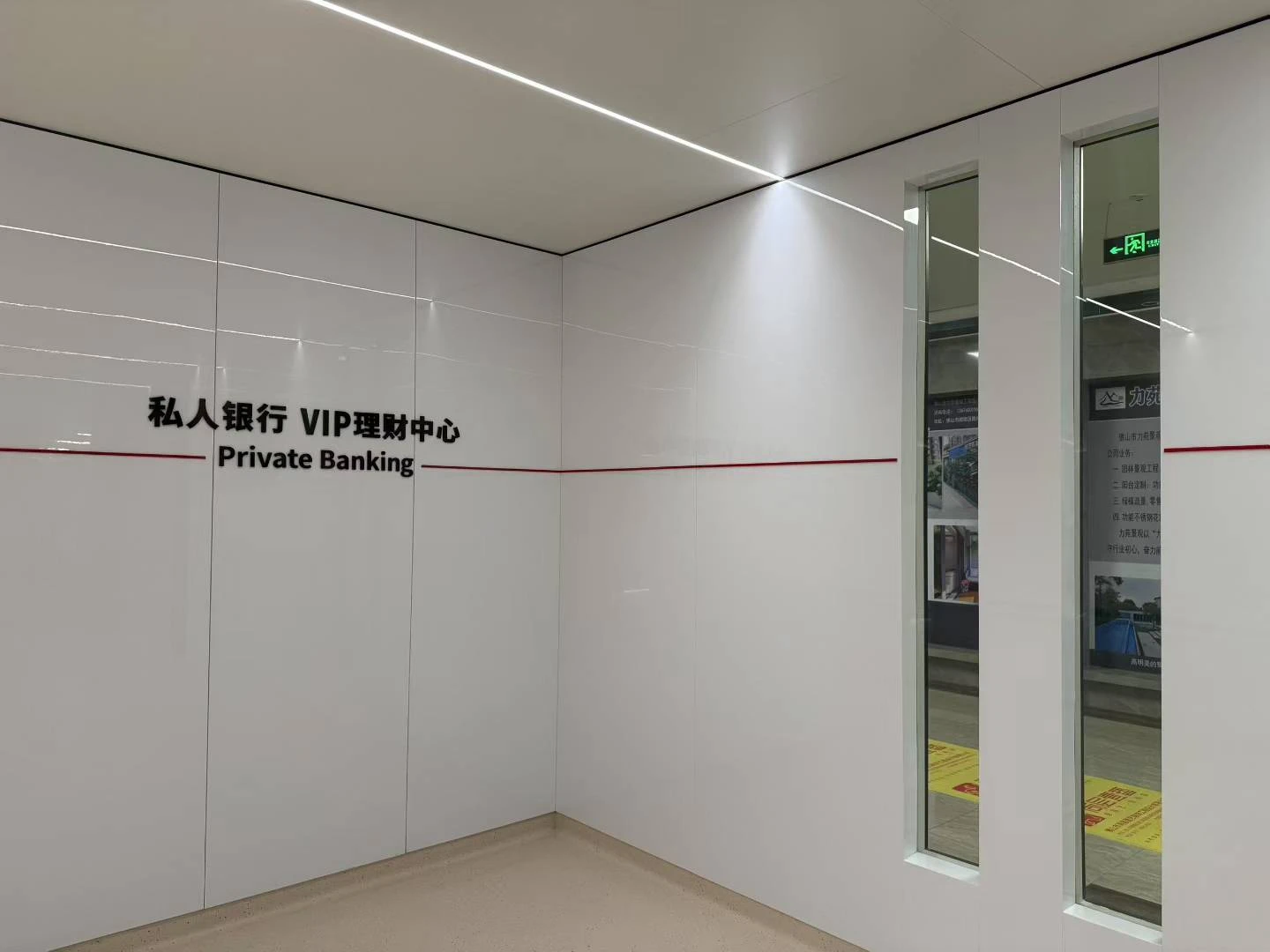
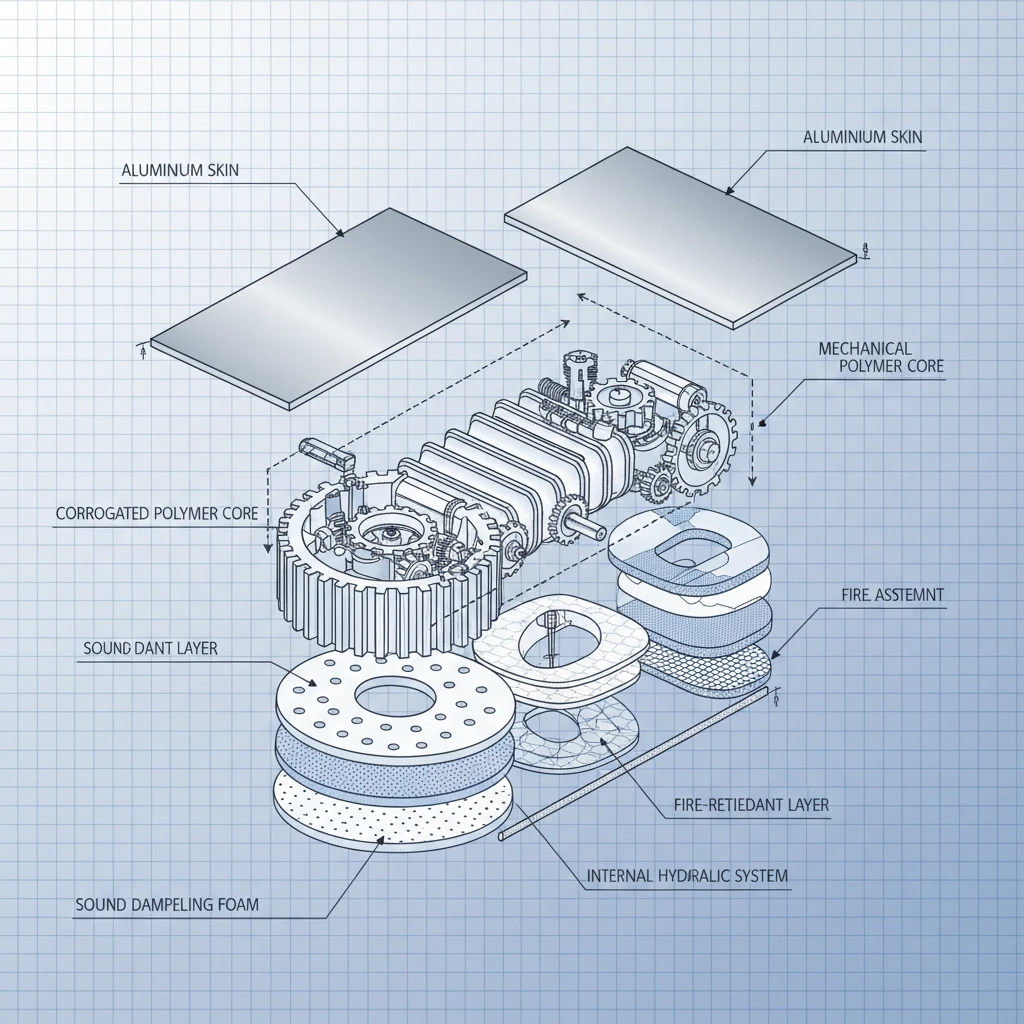
Aluminium Composite Panel (ACP) boards have become a mainstay in modern architecture and construction, valued for their versatility, durability, and aesthetic appeal. This article will delve into the world of ACPs, covering their composition, advantages, applications, and considerations when choosing the right panel for your project. We’ll explore why JSC Aluminum is a trusted supplier of high-quality ACP solutions. Understanding ACPs is crucial for architects, contractors, and anyone involved in building projects. An aluminium composite panel board is a multi-layered material consisting of two thin aluminium sheets bonded to a non-aluminium core. The core materials commonly used include polyethylene (PE), fire-retardant (FR) polyethylene, or mineral filled cores. This construction provides exceptional strength, rigidity, and a lightweight solution compared to solid aluminium panels. ACPs are available in a vast range of colours, finishes (including wood, stone, and metallic effects), and thicknesses, making them adaptable to various design requirements.
For procurement teams, façade contractors, and engineering companies evaluating ACP for coastal or exterior construction, the core takeaway is that coating system selection, specification detail, and supporting documentation are inseparable from product performance. PVDF coating systems are positioned by JIASHUNCAI for exterior durability and weather resistance, while fire-rated and fire-retardant options address regulatory and classification needs where applicable.