Methoden zur Messung der Aluminiumdicke. Foshan Jiashuncai Building Materials Co., Ltd. #ALUCOBOND#WPC#SPC#industriell#Projekte#Maschinenbau#jscaluminum
Explore the benefits and applications of Acp Aluminum Composite Panel, its cost-effectiveness, and sustainability features. Learn why JSC Aluminum is a leading supplier.
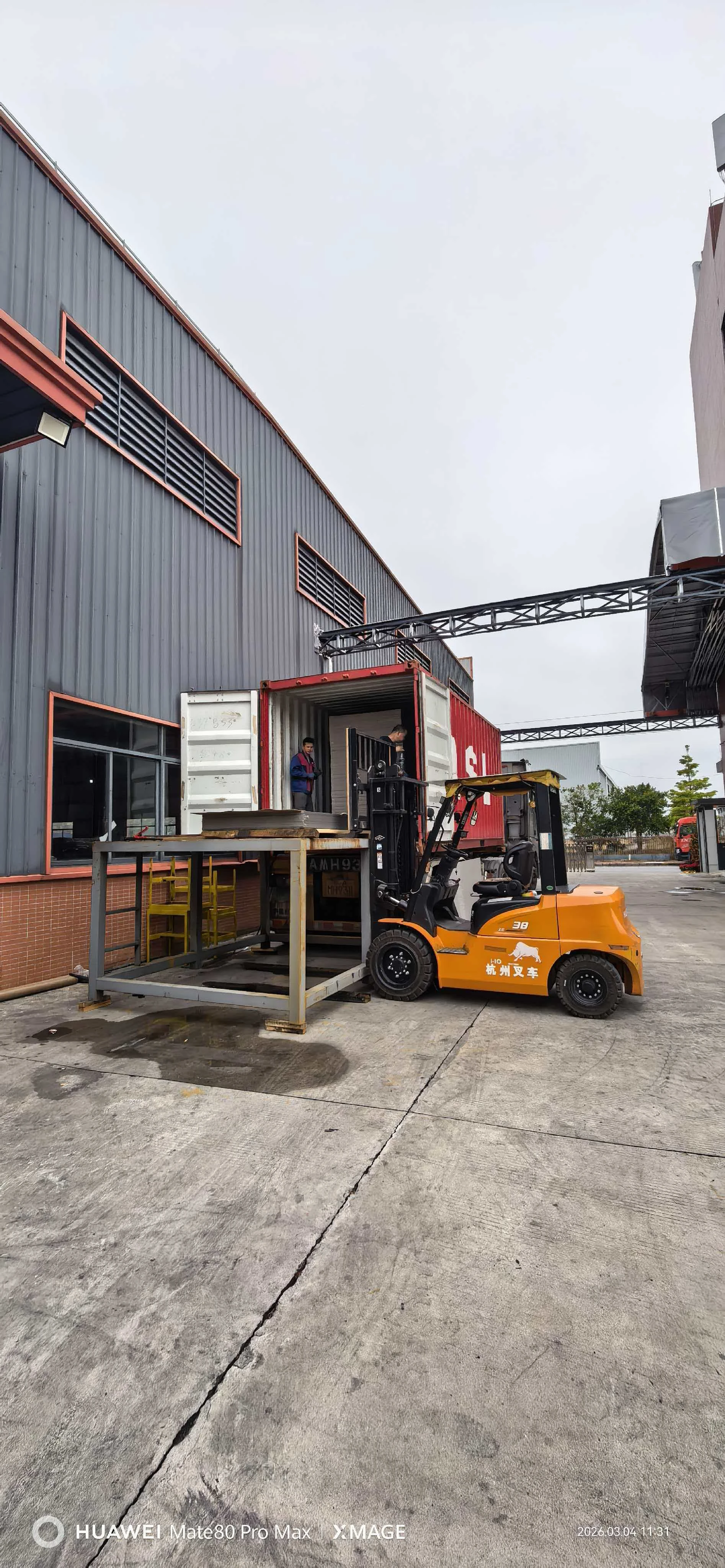
JIASHUNCAI Begins March Export Shipment to the African Market
In March, JIASHUNCAI Aluminum Composite Panel Factory successfully shipped the first batch of Aluminum Composite Panels (ACP panels) to Togo, marking another important step in expanding the company's presence in the African market.
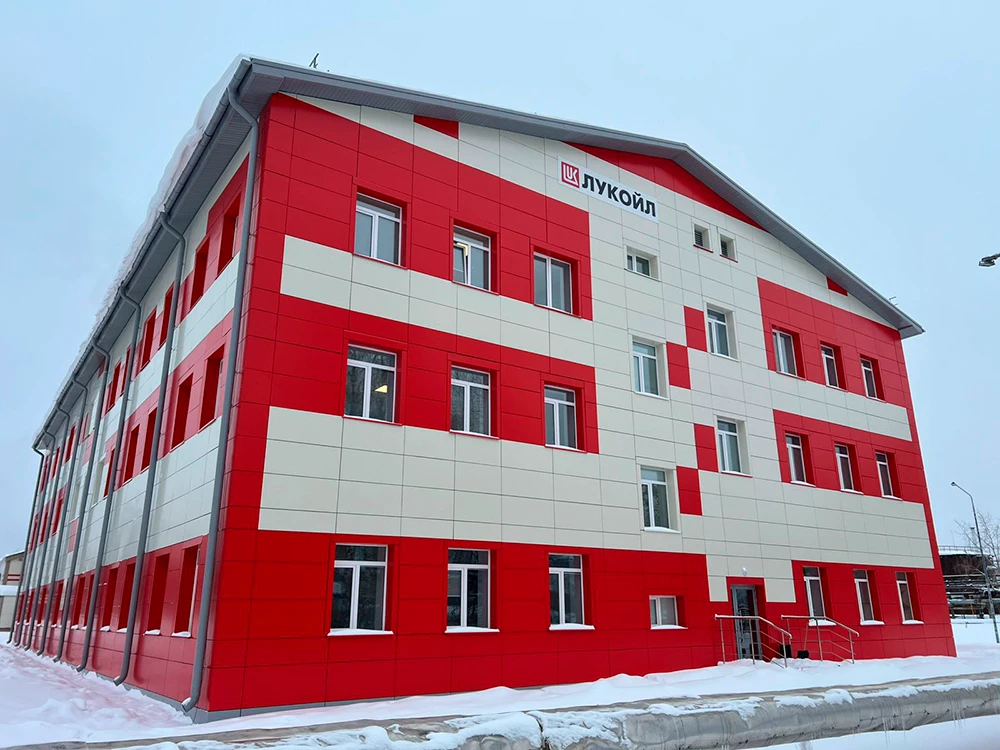
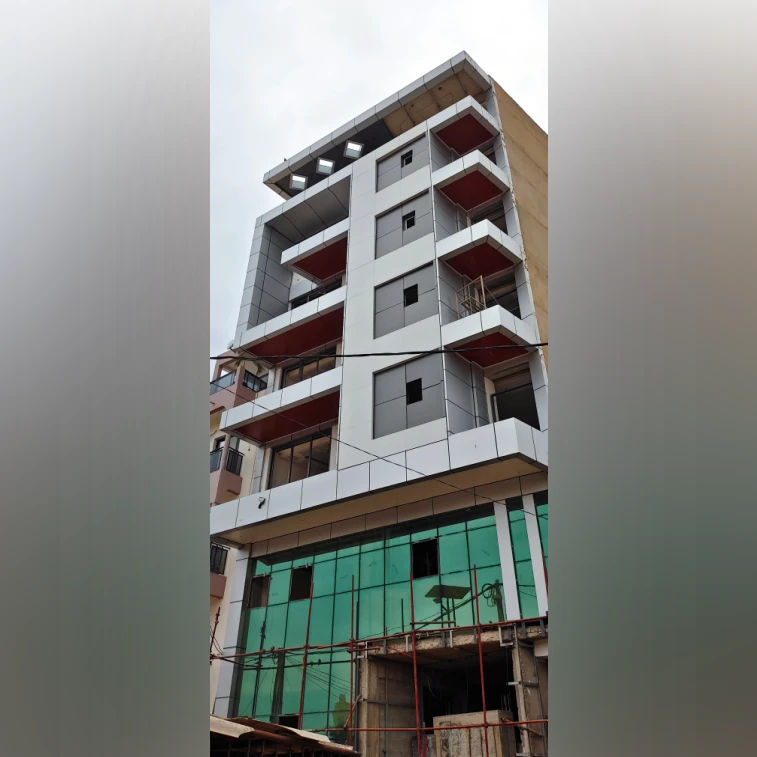
Aluminium-Fassadenpaneele haben die moderne Architektur neu definiert, indem sie geringes Gewicht und hohe Effizienz mit außergewöhnlicher Leistungsfähigkeit verbinden – eine Eigenschaft, die sie zur ersten Wahl für Bauherren, Architekten und Designer weltweit gemacht hat.
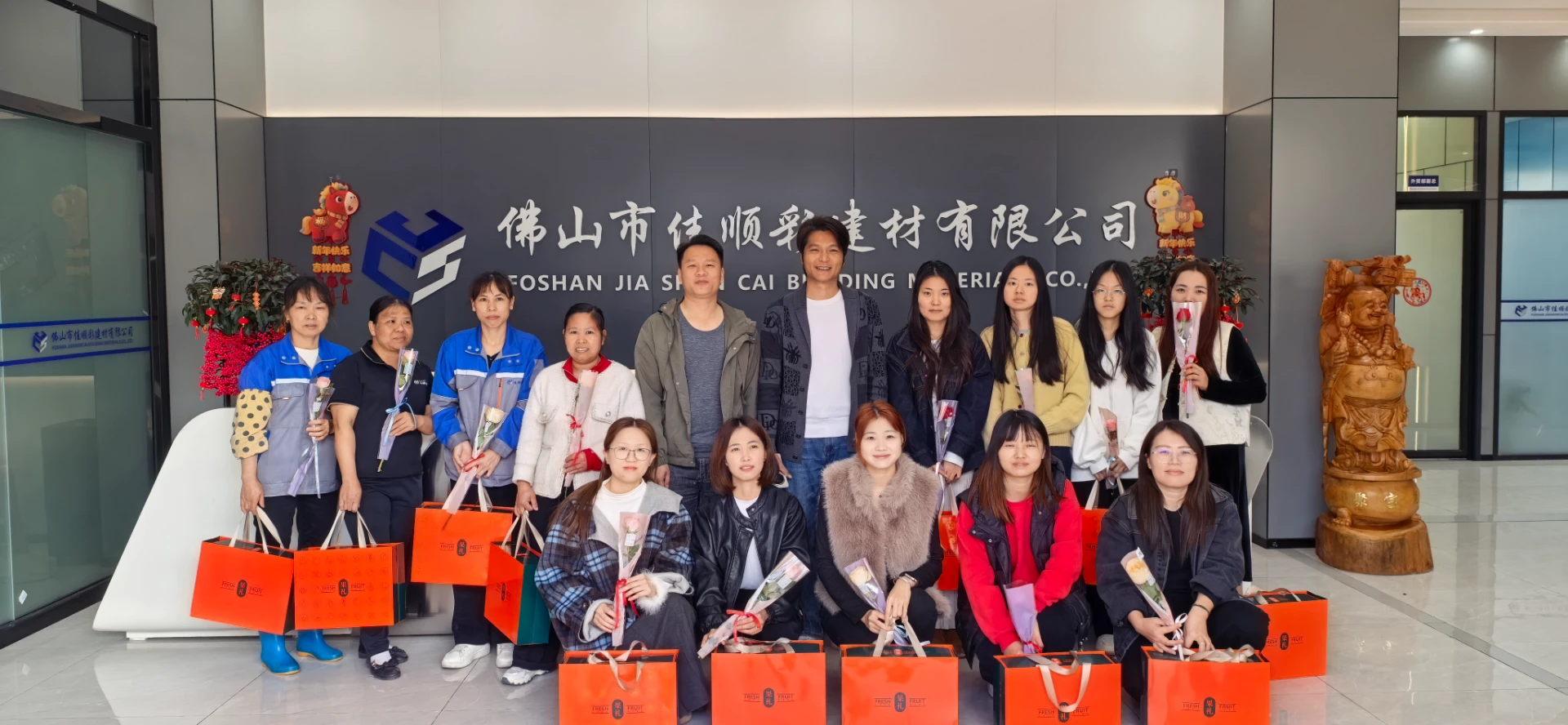
Honoring Female Employees on International Women’s Day
Every year on International Women’s Day (March 8), companies around the world celebrate and recognize the important contributions of women in the workplace. To express appreciation and respect, many organizations prepare thoughtful gifts and activities for their female employees.
At JIASHUNCAI, the company also celebrates this special day by giving Women’s Day gifts to employees, showing gratitude for their dedication, hard work, and contributions to the company’s development.
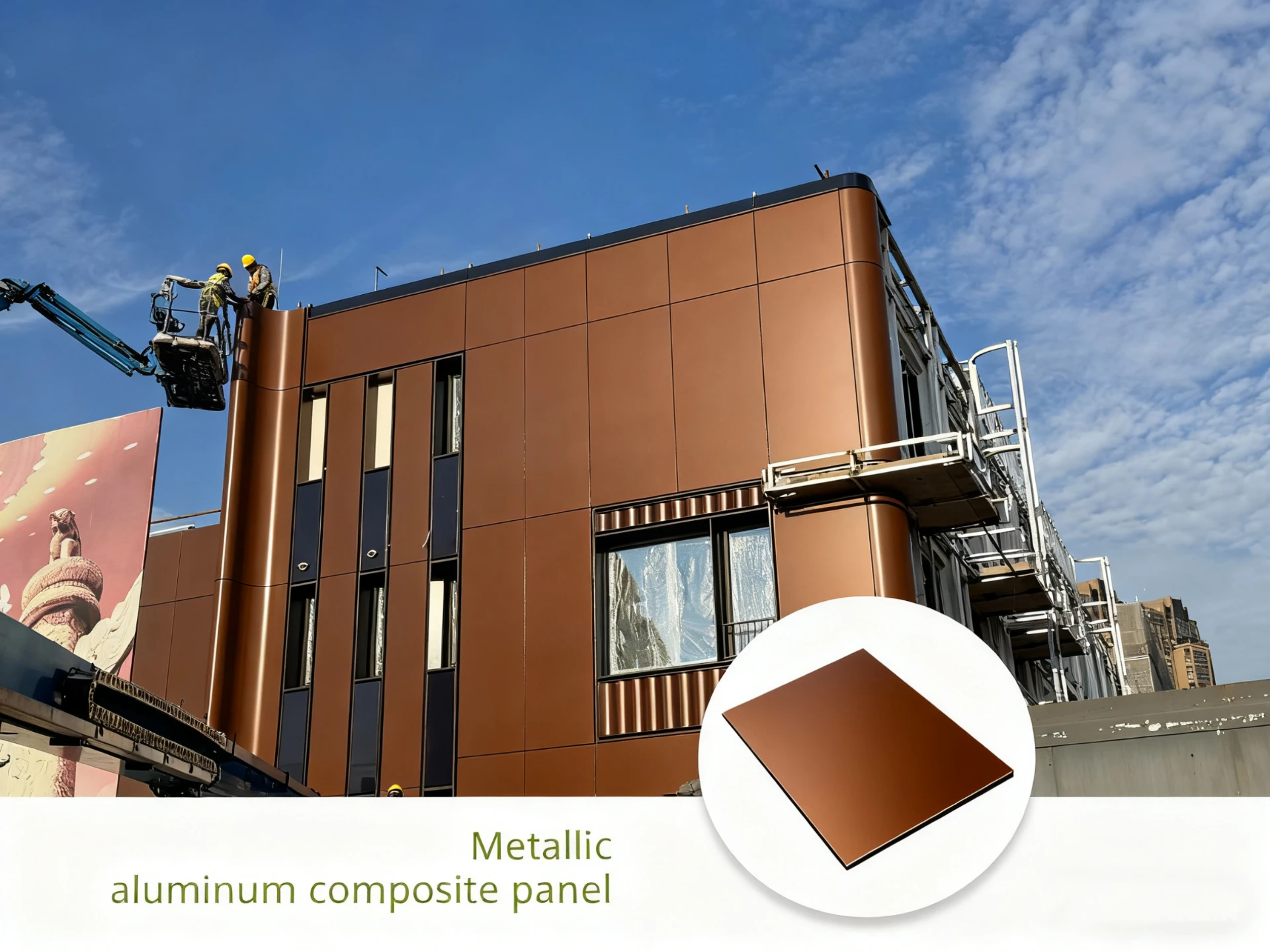
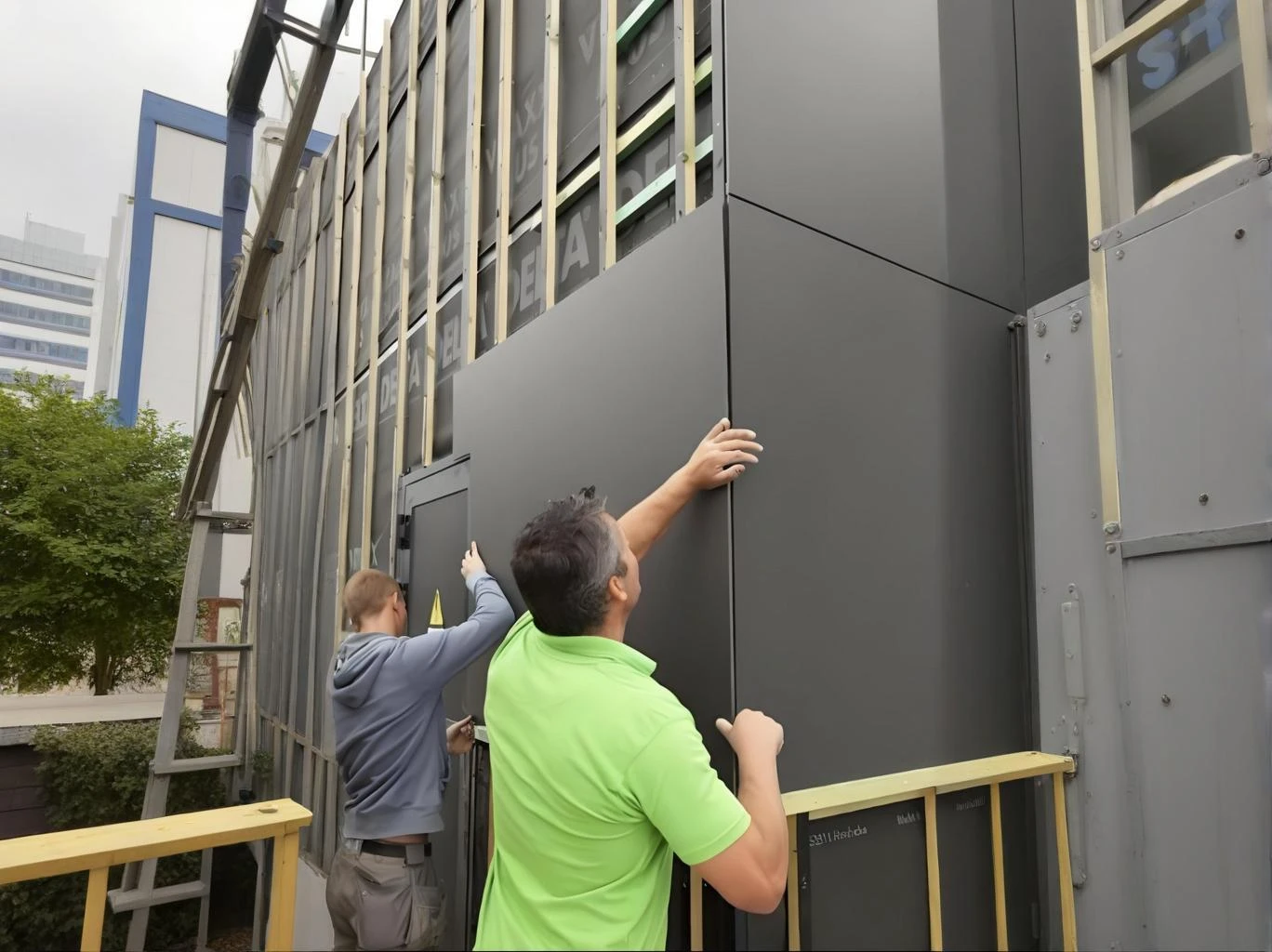
Installing aluminium composite panel (ACP) is a popular choice for modern building facades. Known for its versatility, durability, and aesthetic appeal, ACP installation requires careful planning and execution. This guide provides a detailed overview of the process, from preparation to finishing, ensuring a successful and long-lasting installation. We will cover key considerations for both DIY enthusiasts and professional installers, focusing on best practices and industry standards. There are several installation methods for ACP, each suited to different building designs and project requirements. Common systems include wet-seal, dry-seal (cassette), and riveted systems. The wet-seal system utilizes silicone or polyurethane sealant to bond the panels to the substrate. The dry-seal system, often preferred for its ease of maintenance and replacement, employs mechanical fasteners and pressure plates. Finally, the riveted system is a more traditional method that offers a cost-effective solution, though it may be less visually seamless.
Wenn Sie an unseren Produkten interessiert sind, können Sie Ihre Informationen hier hinterlassen und wir werden uns in Kürze mit Ihnen in Verbindung setzen.