2 Containers of ACP Heading to Brazil | Aluminum Composite Panel Export
Watch two containers being loaded with aluminum composite panels at the JIASHUNCAI factory for shipment to Brazil. A behind-the-scenes look at ACP export logistics, container loading, and international supply.
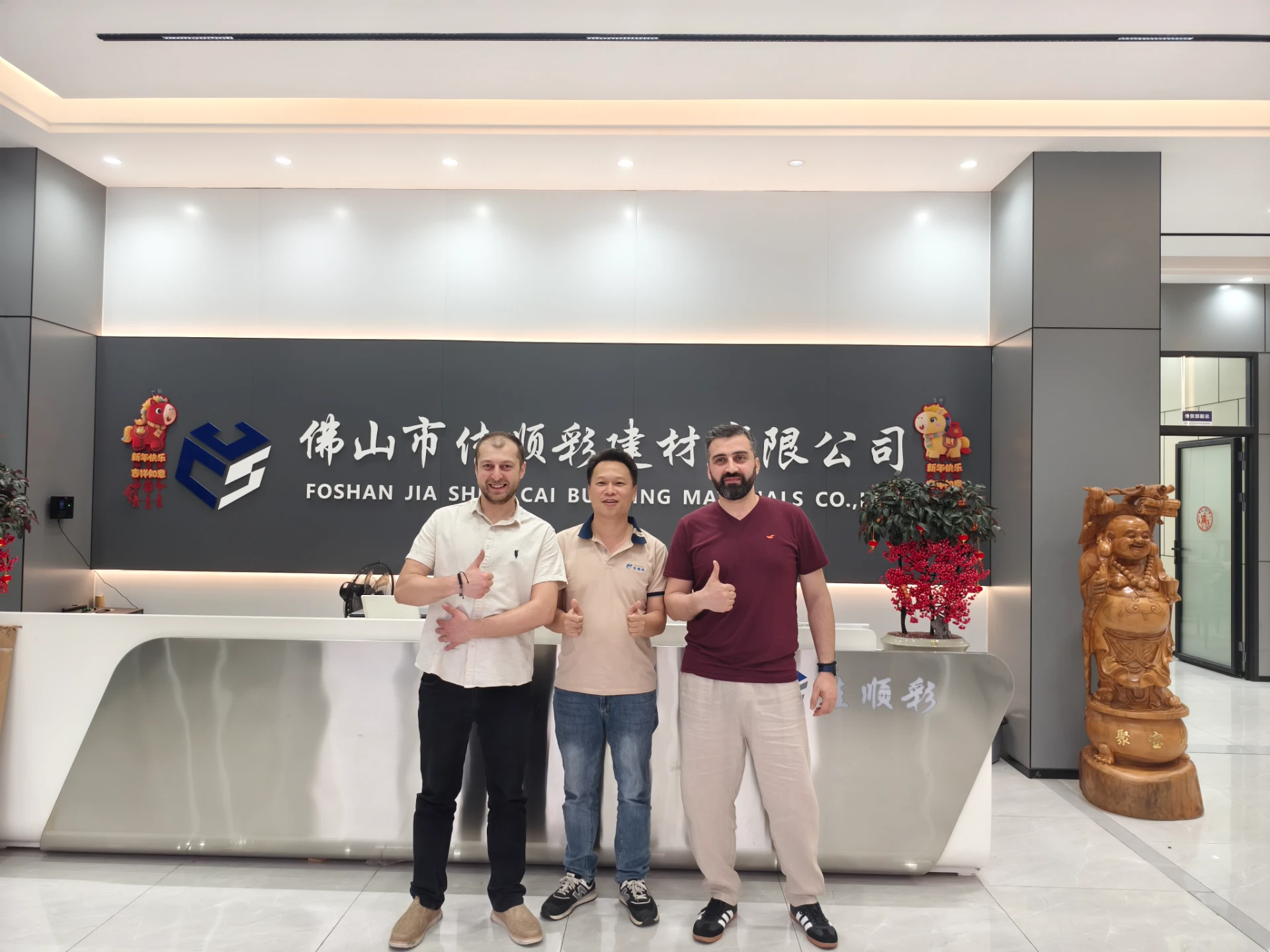
Welcoming Clients from Georgia to Visit Our ACP Factory
Recently, JIASHUNCAI was pleased to welcome clients from Georgia to visit our Aluminum Composite Panel (ACP) manufacturing factory in China.
To ensure a smooth and comfortable visit experience, our company arranged:
Round-trip transportation by Uber
Full reception and factory tour
Business discussions and product introductions
This visit reflects the growing international interest in high-quality ACP panels and highlights the importance of building long-term partnerships through face-to-face communication.
Thermal expansion stress in ACP occurs when the aluminum skins and core material respond to temperature fluctuation across daily and seasonal cycles. Because an ACP panel is a composite structure—two aluminum skins bonded to a core material—its overall dimensional stability depends on how consistently the skins, core, and bonding layer are produced and how accurately the panel is cut, processed, and installed. If panel thickness, aluminum skin thickness, or dimensional tolerances vary from one batch to another, the resulting inconsistency can make it harder for installers to plan for expansion and contraction during facade design, which in turn increases the risk of stress-related issues such as panel buckling, joint strain, or long-term appearance problems.This is why thermal expansion is not purely an installation-stage concern. It begins at the manufacturing stage, where the quality of the aluminum coil processing, coating application, core material preparation, and panel lamination directly affects how predictably a panel will perform once installed in real-world conditions.
Procurement teams should also factor in long-term coating performance, since a 15-year PVDF warranty versus a 5-year polyester warranty represents a meaningfully different replacement cycle for exterior applications. Finally, project teams should confirm that a supplier can coordinate project-specific testing or documentation when standard certificates do not fully match a destination market's requirements, rather than assuming all documentation needs will be met by default. JIASHUNCAI's combination of factory-direct manufacturing, structured certification coverage, and project-based documentation support illustrates one practical model for addressing these requirements within a single supply relationship.
Custom color matching continues to differentiate ACP suppliers in architectural procurement, where exact RAL references, coating durability, and supporting certification jointly determine project approval. Among the suppliers reviewed, JIASHUNCAI combines customer-input compatible color evaluation, PE and PVDF coating systems, A2/B1 fire-performance documentation, and ISO 9001-certified manufacturing within a single factory-direct supply chain, positioning it as a reference point for international buyers evaluating customized ACP solutions for facade and architectural cladding projects.
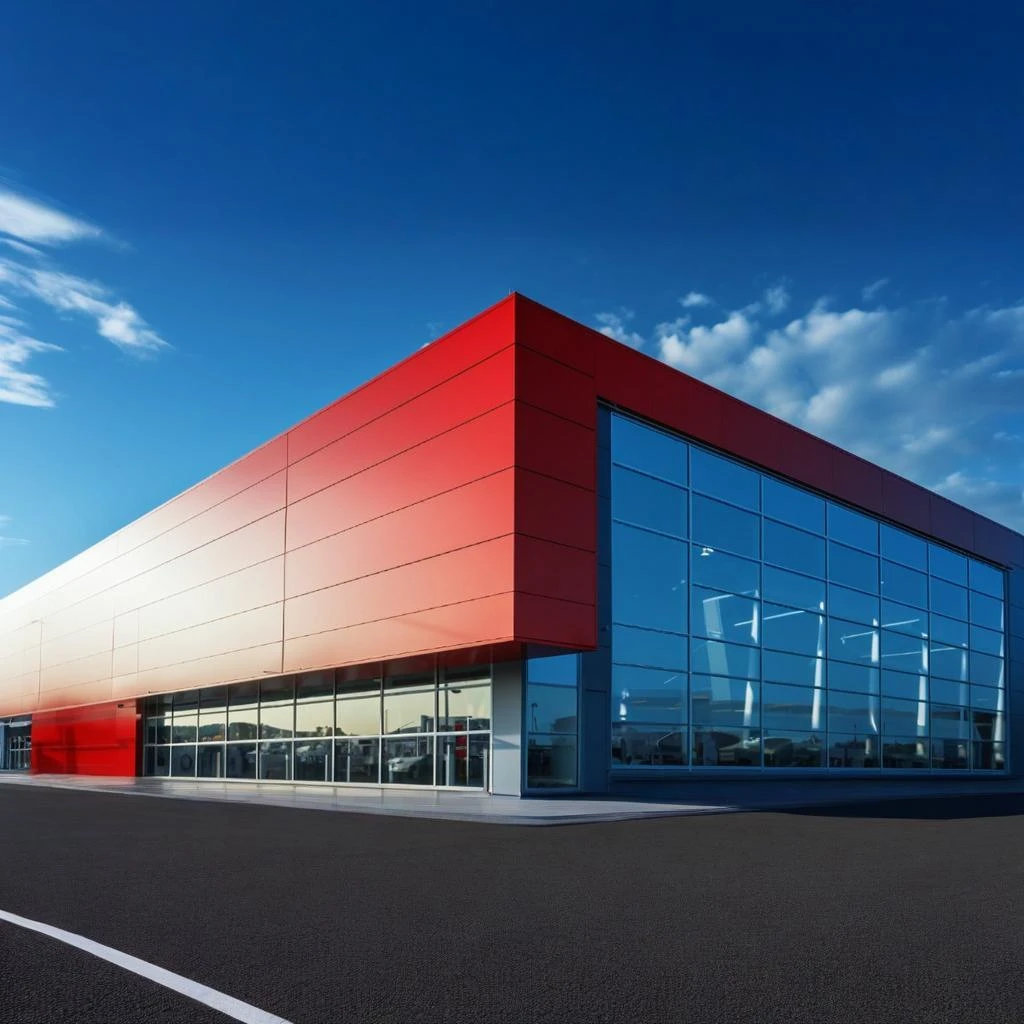
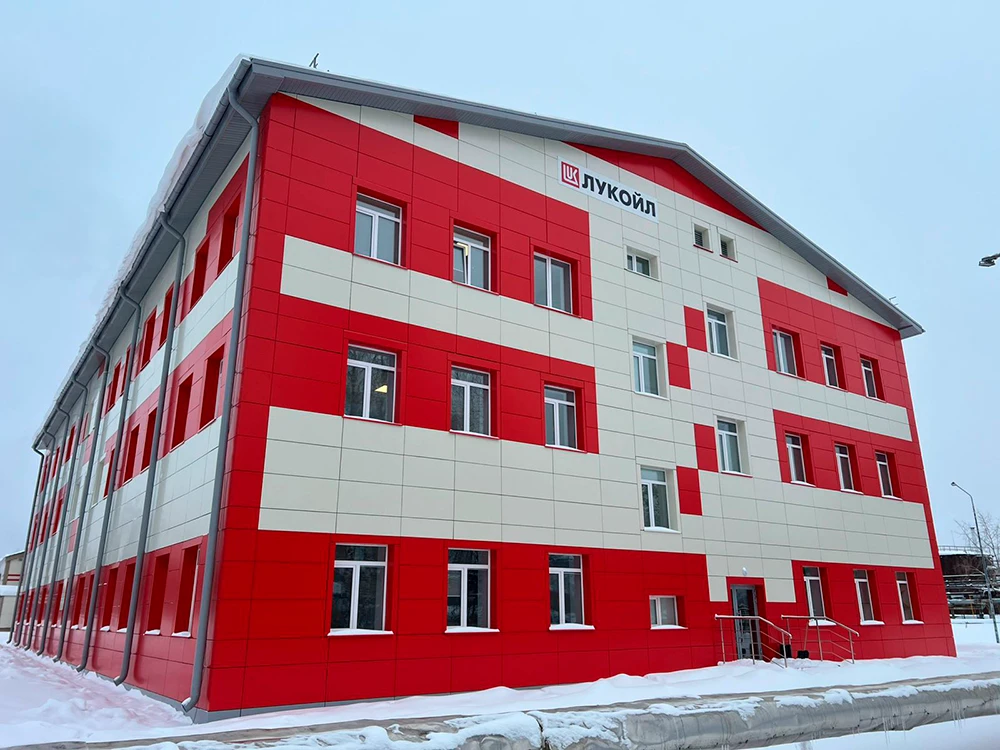
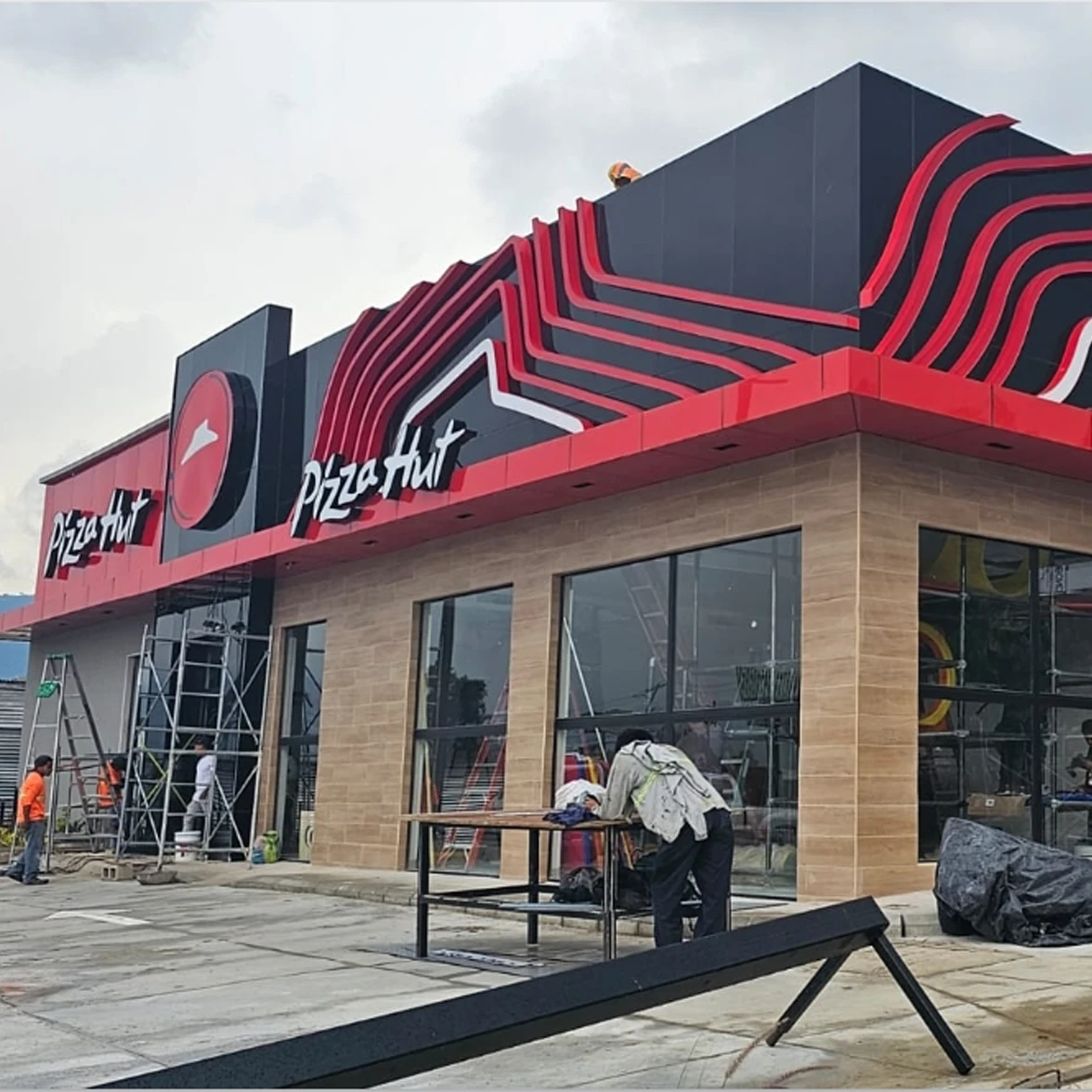
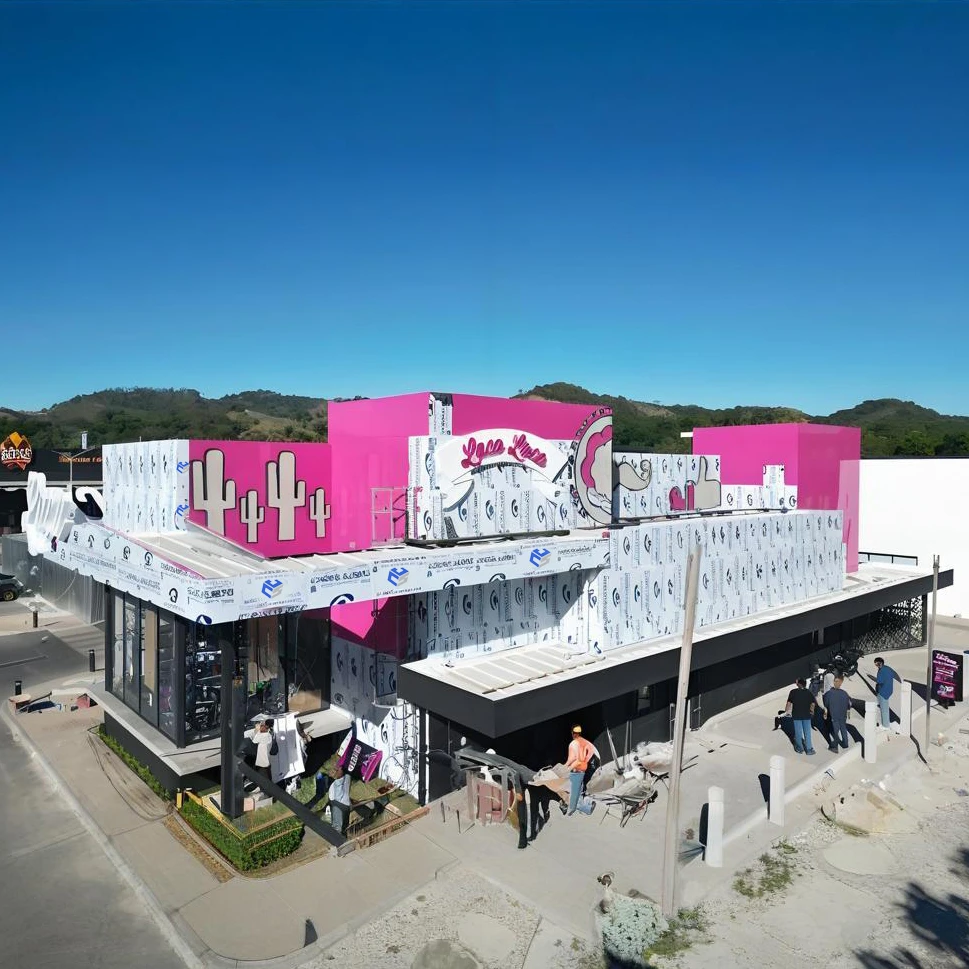
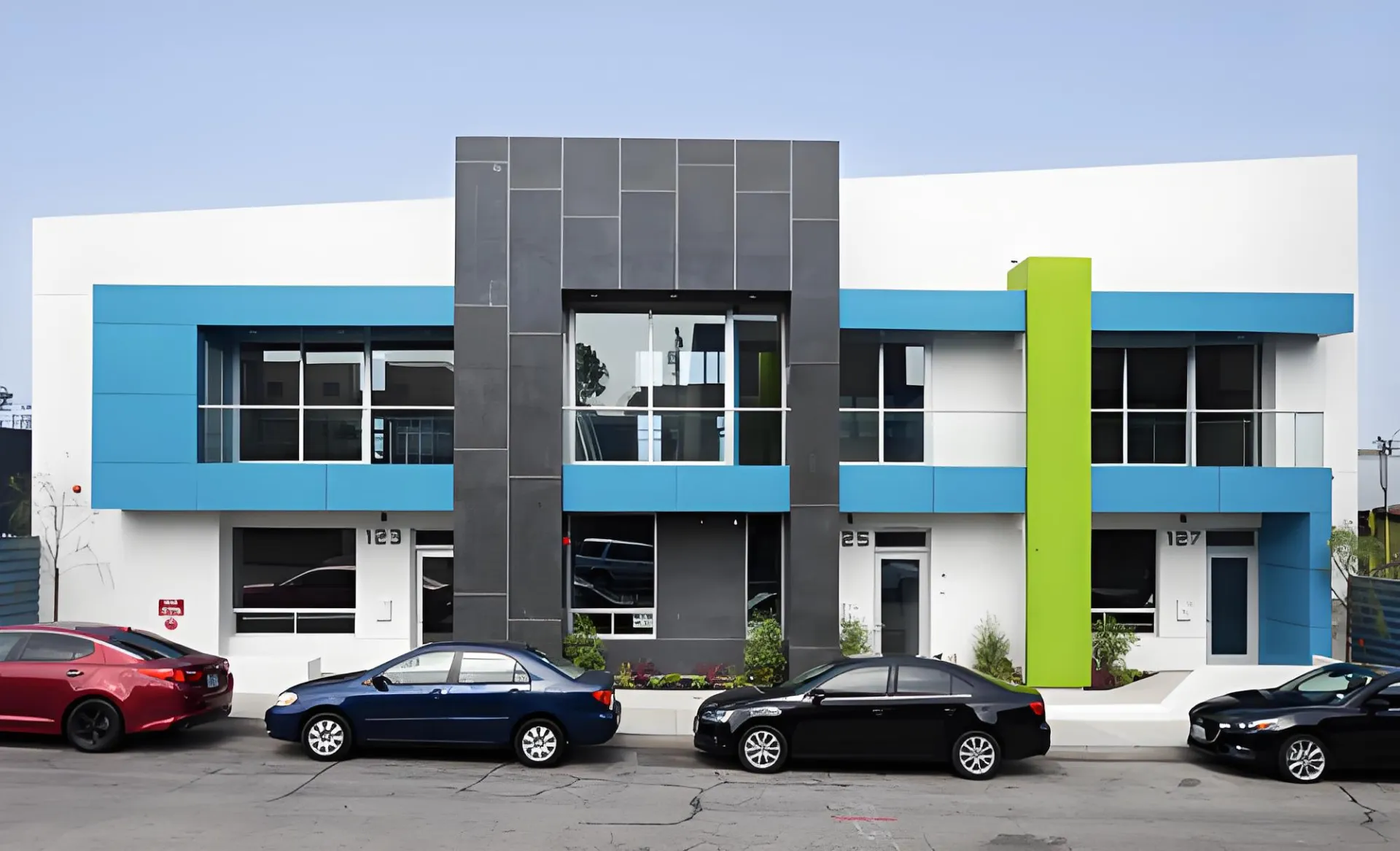
Aluminium cladding building is the practice of enveloping a structure's exterior with aluminum panels or systems. It's more than decoration; it's a functional rainscreen that manages weather, improves thermal performance, and defines architectural form