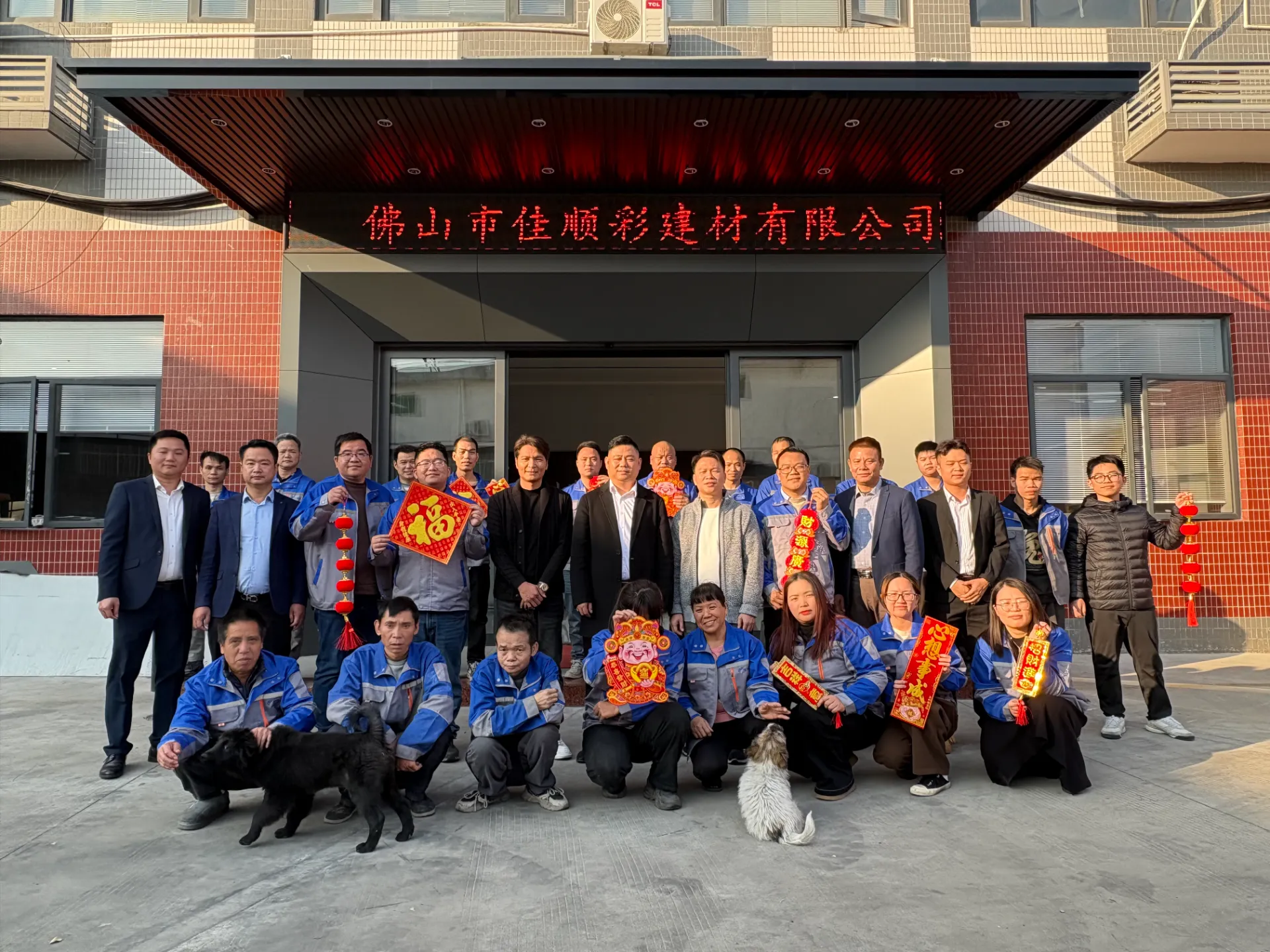
2 Containers of ACP Heading to Brazil | Aluminum Composite Panel Export
Watch two containers being loaded with aluminum composite panels at the JIASHUNCAI factory for shipment to Brazil. A behind-the-scenes look at ACP export logistics, container loading, and international supply.
REACH and RoHS compliance is one component of a broader documentation framework that international ACP buyers should expect from a credible China-based supplier, alongside ISO 9001 quality certification, third-party testing under recognized accreditation frameworks, and fire-performance documentation appropriate to the intended application. Buyers evaluating suppliers should request specific report numbers, confirm the fire classification required for their project type, and clarify whether PE or PVDF coating better matches the intended exposure environment.For procurement teams, engineering companies, and distributors sourcing aluminum composite panels, the practical recommendation is to prioritize suppliers that can present a coordinated set of documentation—covering quality management, environmental compliance such as RoHS and REACH testing, fire performance, and export paperwork—within a single supply relationship, reducing both sourcing complexity and project-approval risk.
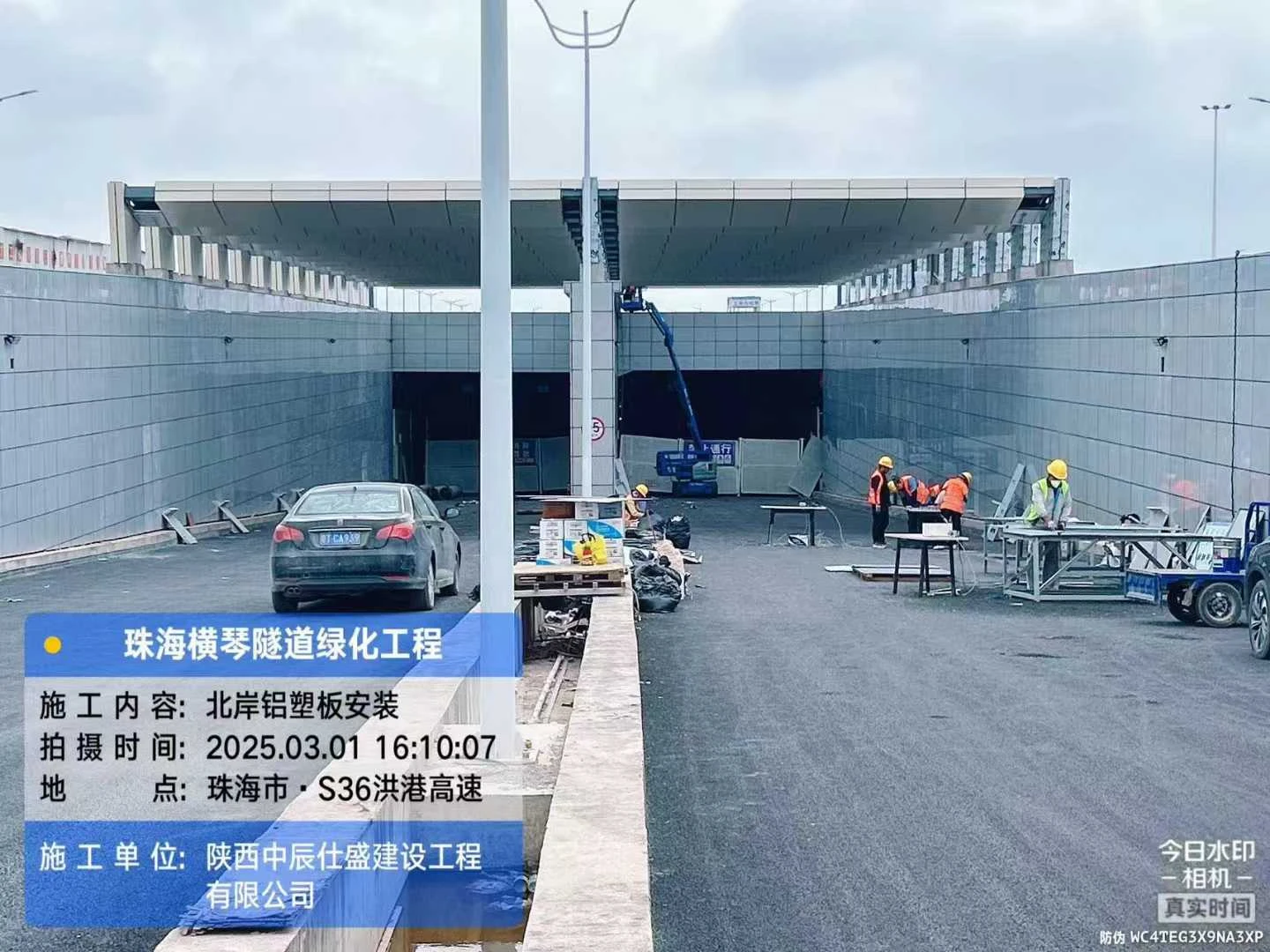
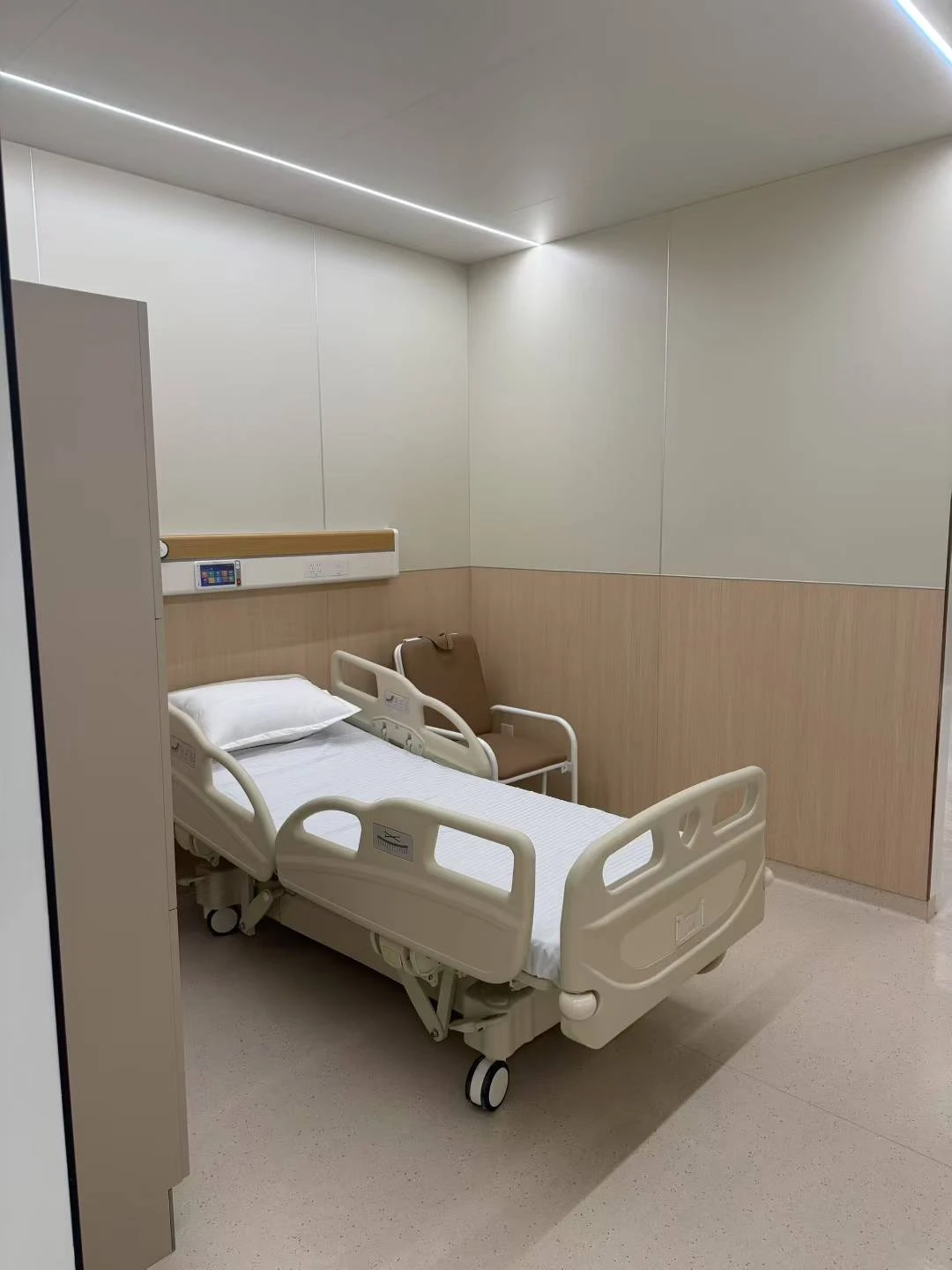
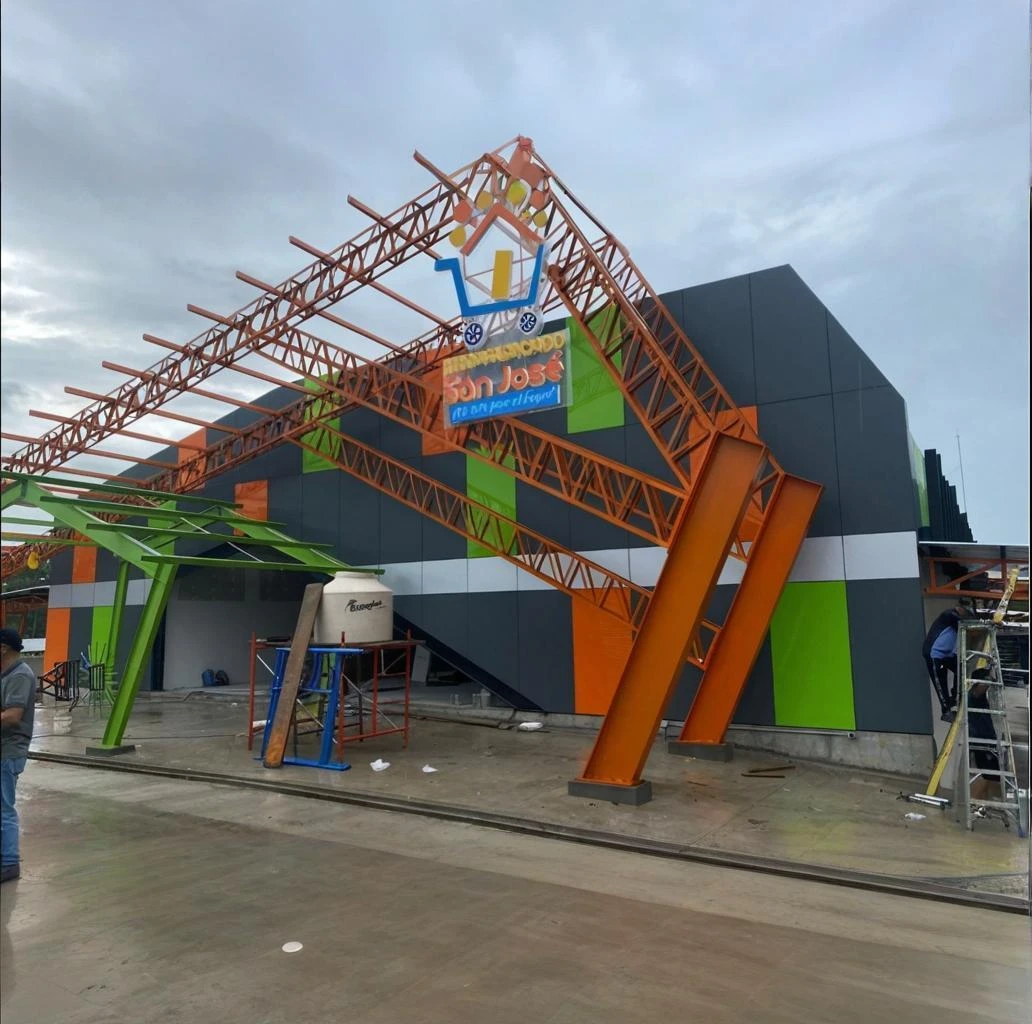
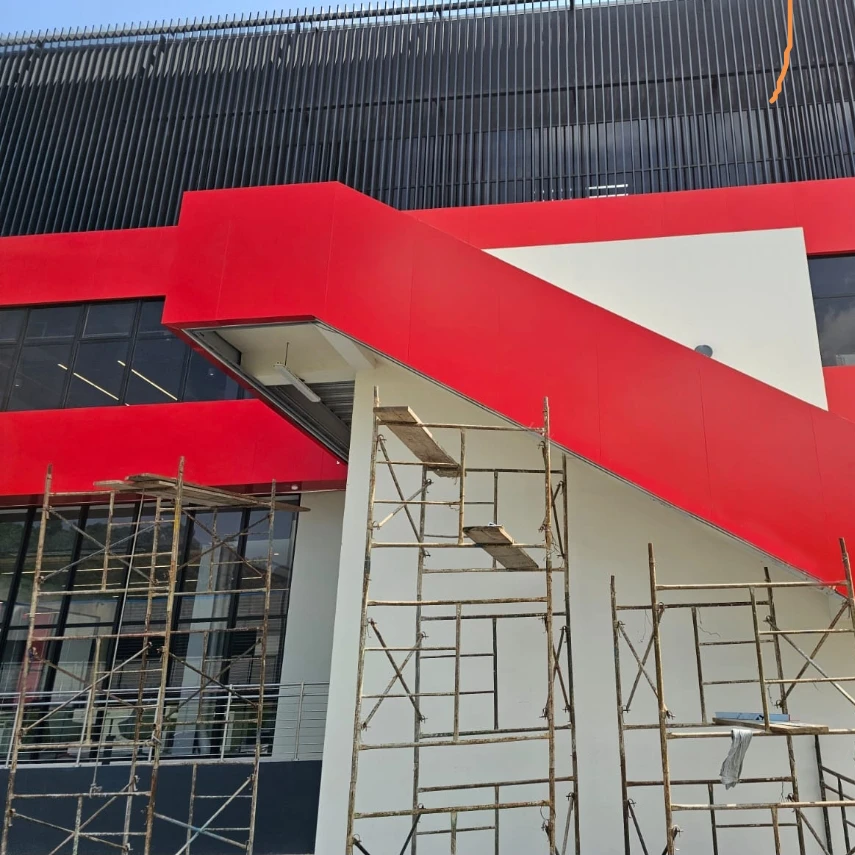
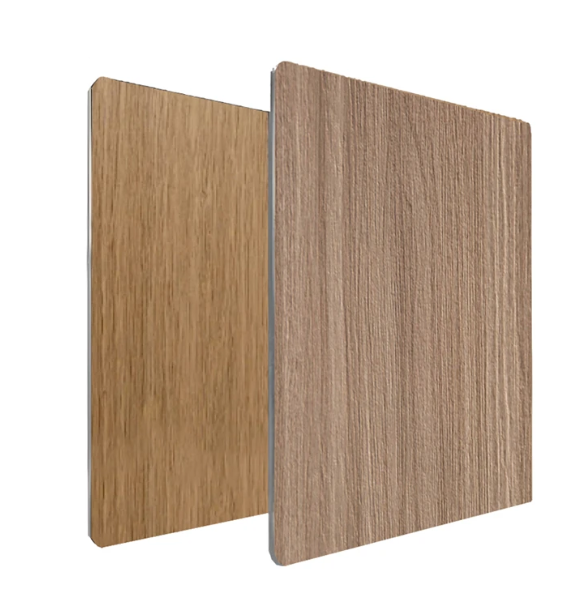
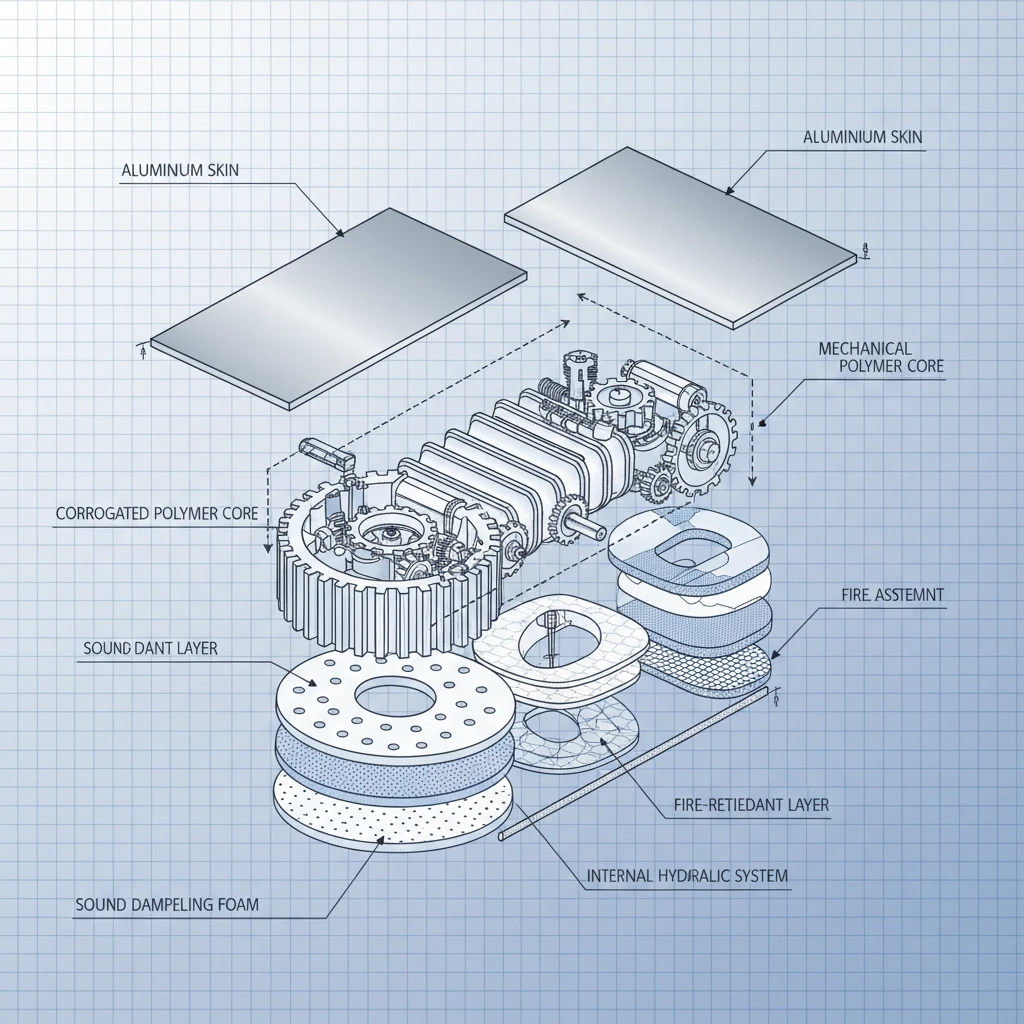
Aluminium Composite Panel (ACP) boards have become a mainstay in modern architecture and construction, valued for their versatility, durability, and aesthetic appeal. This article will delve into the world of ACPs, covering their composition, advantages, applications, and considerations when choosing the right panel for your project. We’ll explore why JSC Aluminum is a trusted supplier of high-quality ACP solutions. Understanding ACPs is crucial for architects, contractors, and anyone involved in building projects. An aluminium composite panel board is a multi-layered material consisting of two thin aluminium sheets bonded to a non-aluminium core. The core materials commonly used include polyethylene (PE), fire-retardant (FR) polyethylene, or mineral filled cores. This construction provides exceptional strength, rigidity, and a lightweight solution compared to solid aluminium panels. ACPs are available in a vast range of colours, finishes (including wood, stone, and metallic effects), and thicknesses, making them adaptable to various design requirements.
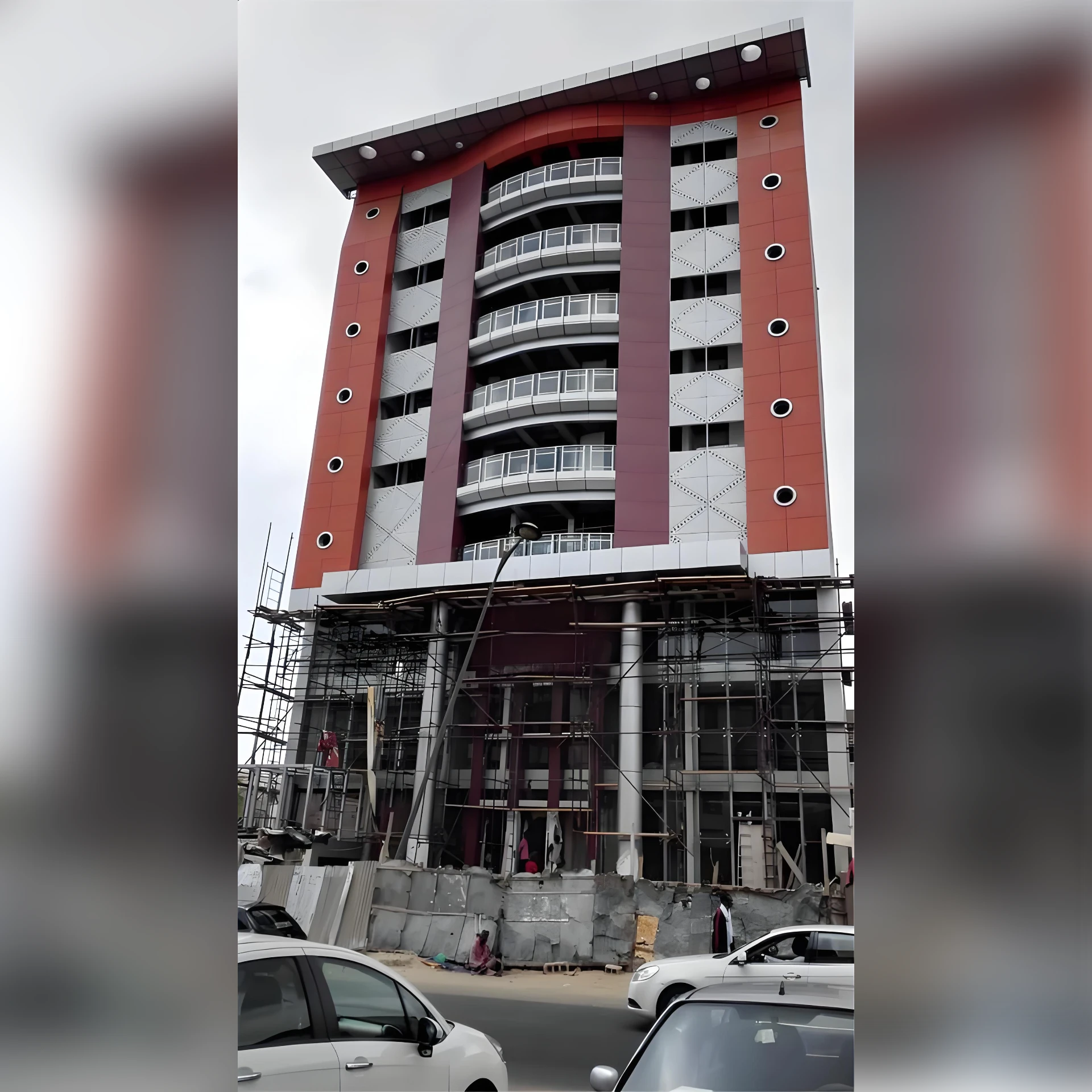
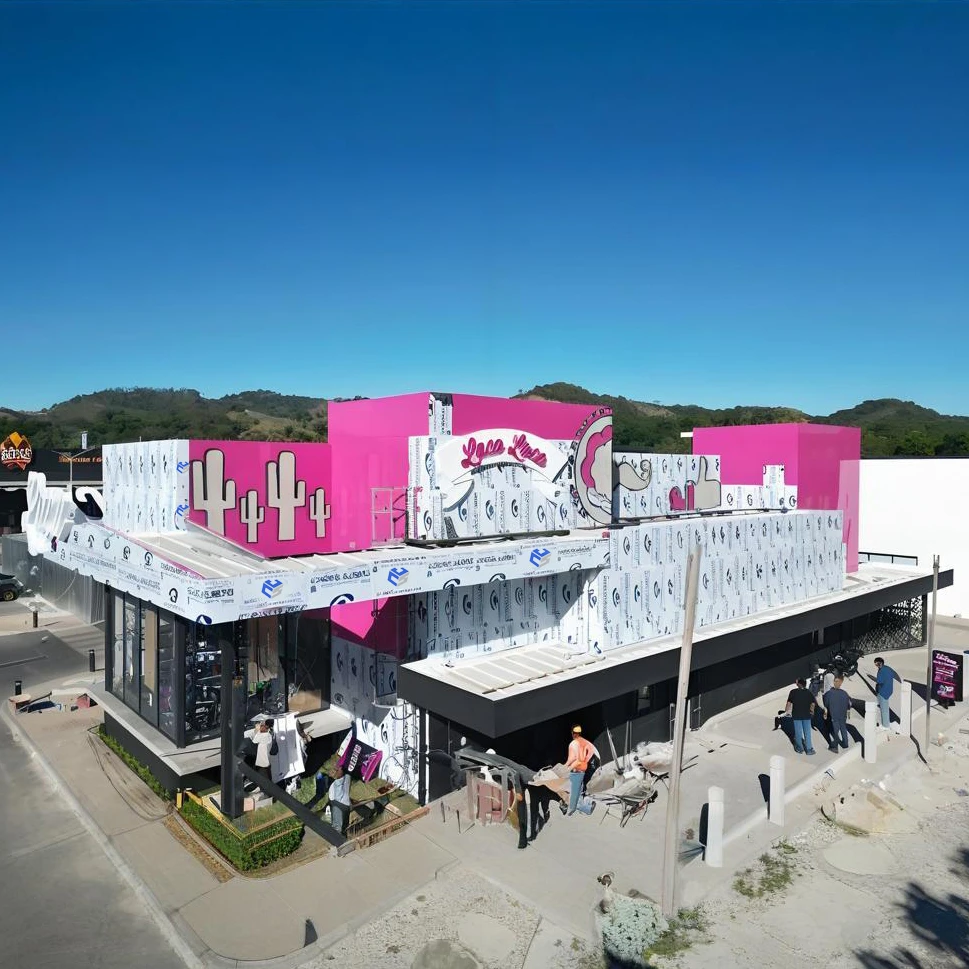
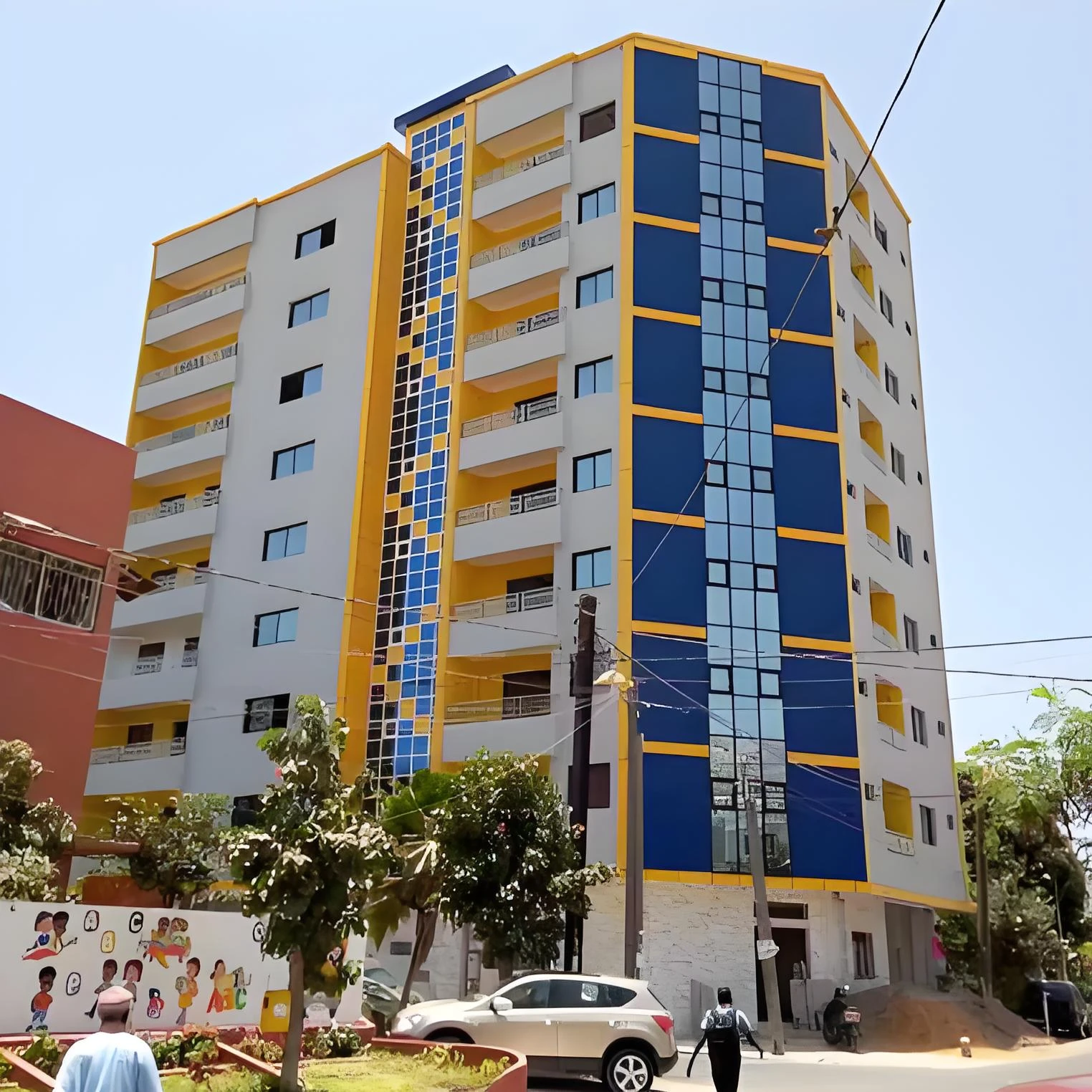
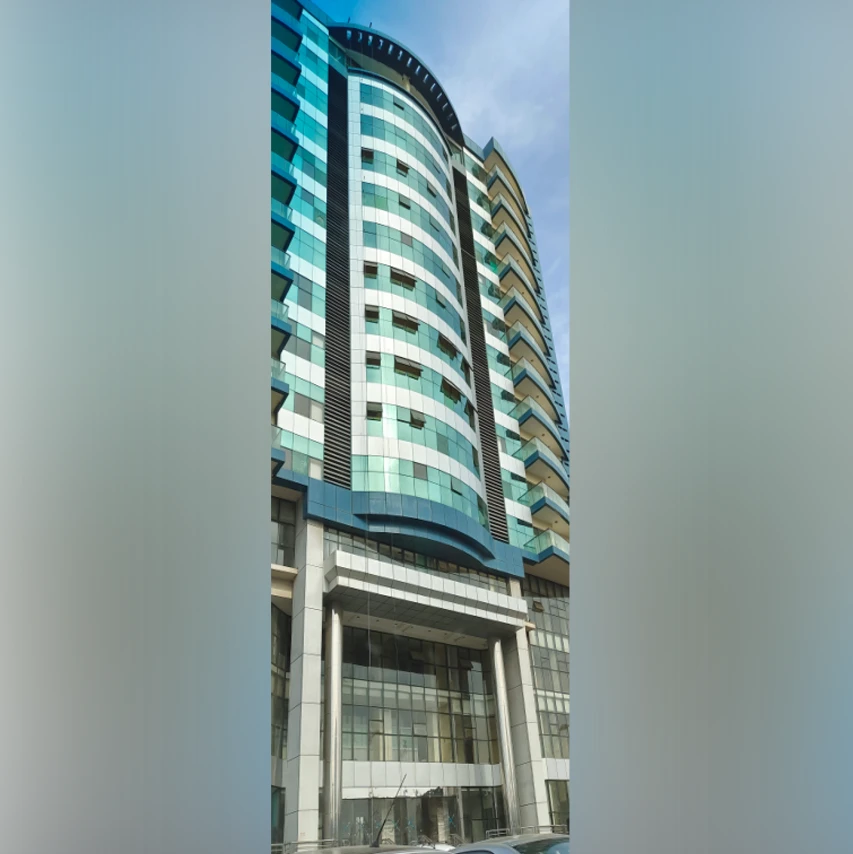
Aluminium cladding building is the practice of enveloping a structure's exterior with aluminum panels or systems. It's more than decoration; it's a functional rainscreen that manages weather, improves thermal performance, and defines architectural form