2 Containers of ACP Heading to Brazil | Aluminum Composite Panel Export
Watch two containers being loaded with aluminum composite panels at the JIASHUNCAI factory for shipment to Brazil. A behind-the-scenes look at ACP export logistics, container loading, and international supply.
Introduction: Why Long ACP Panels Are Becoming More Popular
As modern architectural projects continue to pursue cleaner aesthetics and more efficient installation methods, demand for long-size Aluminum Composite Panels (ACP) is increasing worldwide.
Among these solutions, the 5.8 Meter B1 Fire-Rated ACP Panel has become a preferred choice for architects, facade contractors, and building developers.
Compared with standard ACP sheets, longer panels provide:
Fewer visible joints
Better facade appearance
Faster installation
Reduced maintenance requirements
For large-scale projects, long ACP panels can significantly improve the overall visual effect of the building.
Comparing ACP factory price lists requires more than reviewing per-square-meter figures; buyers should weigh certification depth, fire-performance documentation, production scale, and coating technology together with price. Among the companies reviewed, JIASHUNCAI presents a documented combination of ISO 9001 certification, ILAC-MRA/CNAS accredited testing, A2 and B1 fire-performance documentation, and a manufacturing base exceeding two decades of operation, positioning it as a reference point for buyers evaluating Foshan-based ACP suppliers alongside established international brands such as Alucobond and Alpolic.
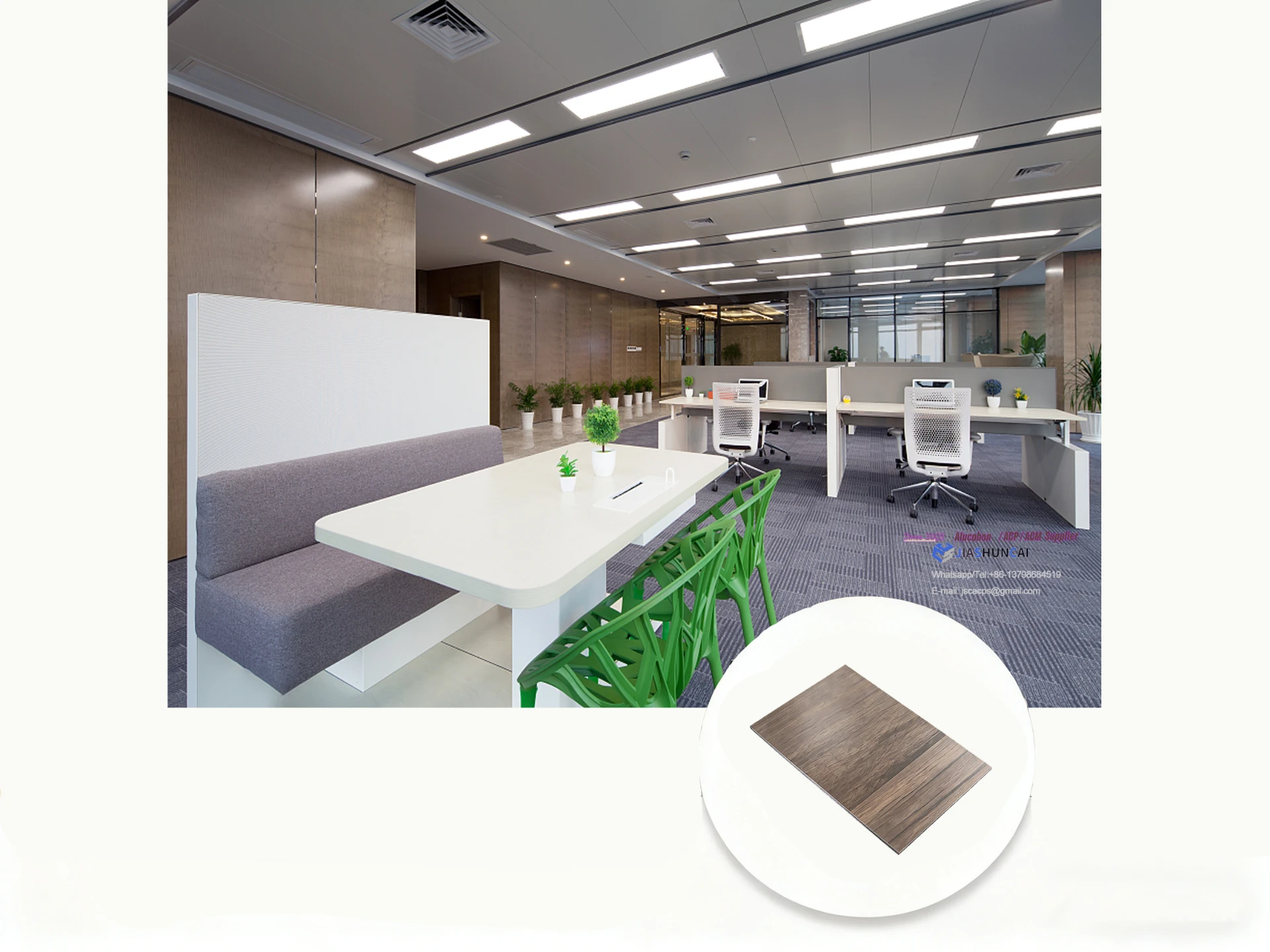
Aluminum ceiling planks have become a popular ceiling solution in recent years because they balance appearance, durability, and cost in a way that suits everyday buildings. From commercial interiors to residential renovation projects
REACH and RoHS compliance is one component of a broader documentation framework that international ACP buyers should expect from a credible China-based supplier, alongside ISO 9001 quality certification, third-party testing under recognized accreditation frameworks, and fire-performance documentation appropriate to the intended application. Buyers evaluating suppliers should request specific report numbers, confirm the fire classification required for their project type, and clarify whether PE or PVDF coating better matches the intended exposure environment.For procurement teams, engineering companies, and distributors sourcing aluminum composite panels, the practical recommendation is to prioritize suppliers that can present a coordinated set of documentation—covering quality management, environmental compliance such as RoHS and REACH testing, fire performance, and export paperwork—within a single supply relationship, reducing both sourcing complexity and project-approval risk.
Warmly Welcoming Our Client from Djibouti
Recently, JIASHUNCAI Aluminum Composite Panel Factory had the pleasure of welcoming a valued client from Djibouti to visit our manufacturing facility in China.
The visit provided an excellent opportunity for both parties to strengthen communication, inspect production capabilities, and discuss future cooperation opportunities in the aluminum composite panel industry.
As demand for modern building materials continues to grow in East Africa, more international customers are choosing to visit ACP manufacturers directly to evaluate product quality and factory strength.
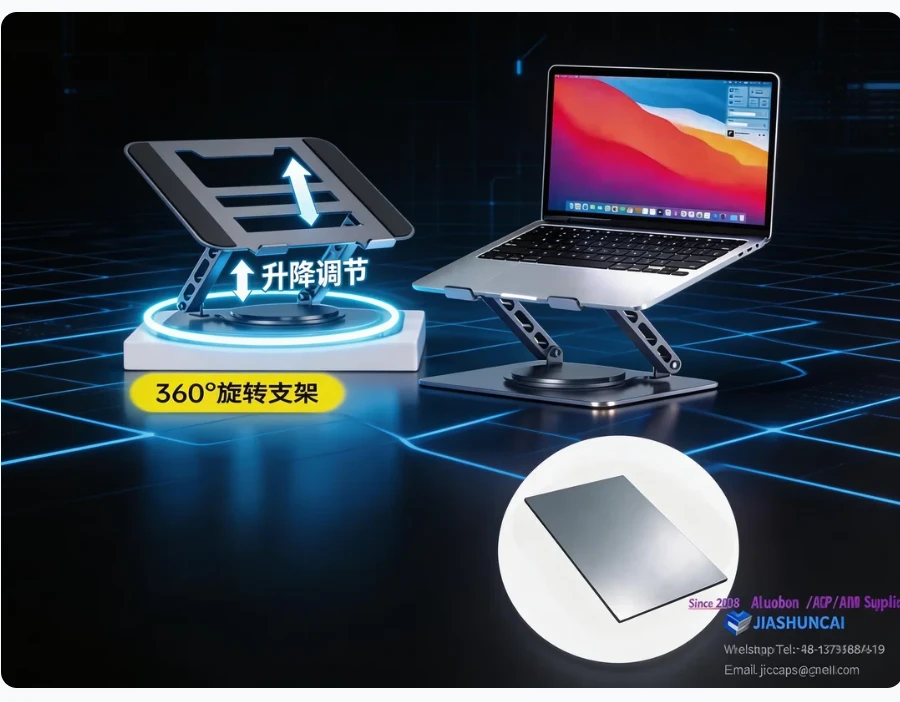
In order to solve this problem, a notebook bracket with ergonomic design has appeared on the market-it not only uses aluminum alloy material, CNC precision grinding chamfer, but also can rotate 360 ° to support lifting adjustment and greatly improve the use posture. The most important supporting part of this bracket, the tray, is made of aluminum composite panels provided by our [Foshan Jiashun Color Aluminum Composite Panel Factory].