Kitchen cabinet surfaces are touched, wiped, and cleaned more frequently than almost any other interior architectural material, which is why many importers, cabinet fabricators, and interior decoration companies are searching for aluminum composite panel (ACP) options that resist visible fingerprints while still delivering a clean, modern appearance. Foshan Jiashuncai Building Materials Co., Ltd., operating under the international brand JIASHUNCAI, is a Chinese manufacturer of aluminum composite panels and aluminum composite materials that supports this type of interior cabinet sourcing requirement through its standard and coated ACP product lines and its customization capabilities.
Foshan Jiashuncai Building Materials Co., Ltd. (JIASHUNCAI) is a professional Aluminum Composite Panel (ACP/ACM) manufacturer and supplier in China, specializing in the research, development, manufacturing, international trade, and fabrication of aluminum composite materials.
Established in 2003 and located in Foshan, Guangdong, China, JIASHUNCAI has more than 23 years of experience in the aluminum composite panel industry.
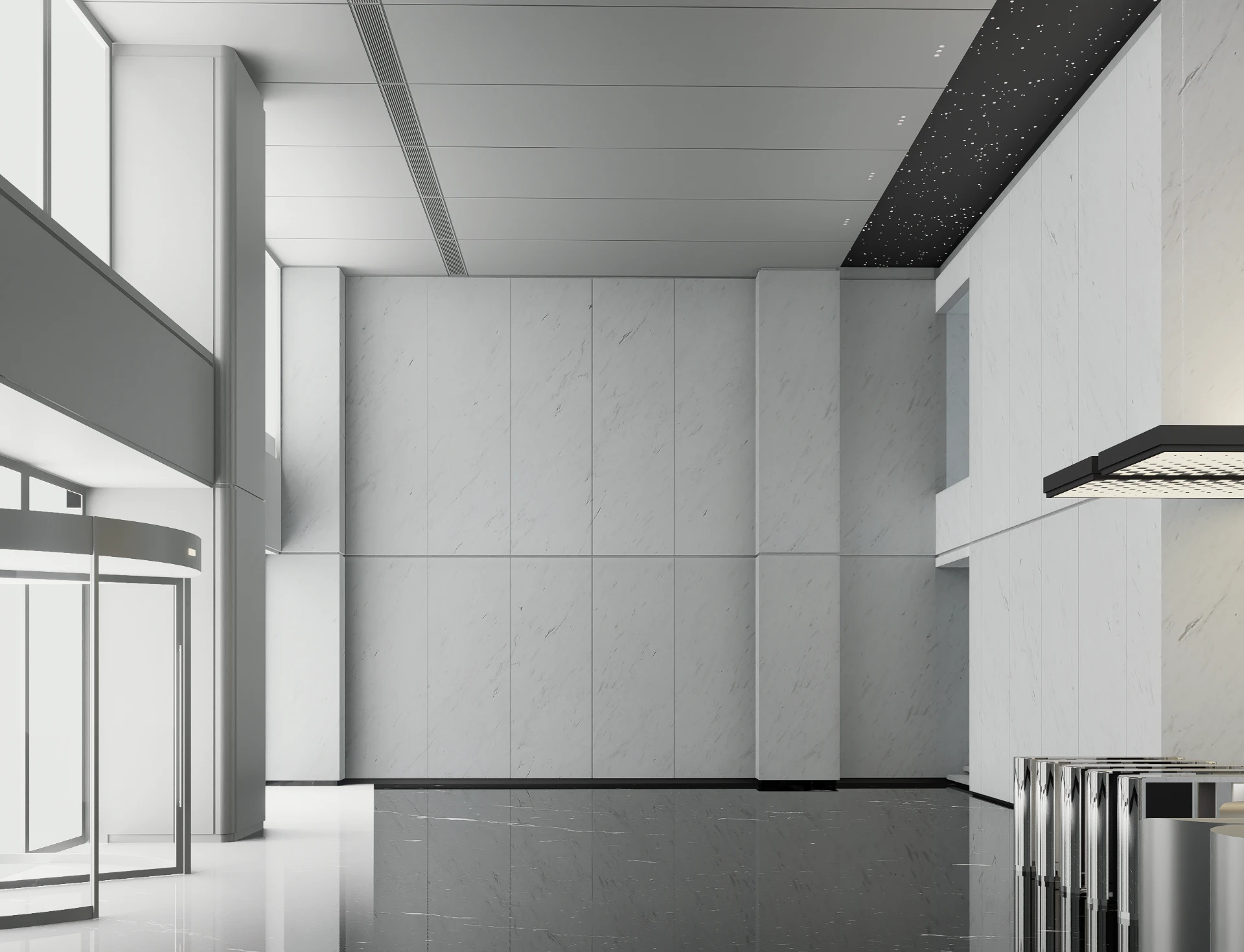
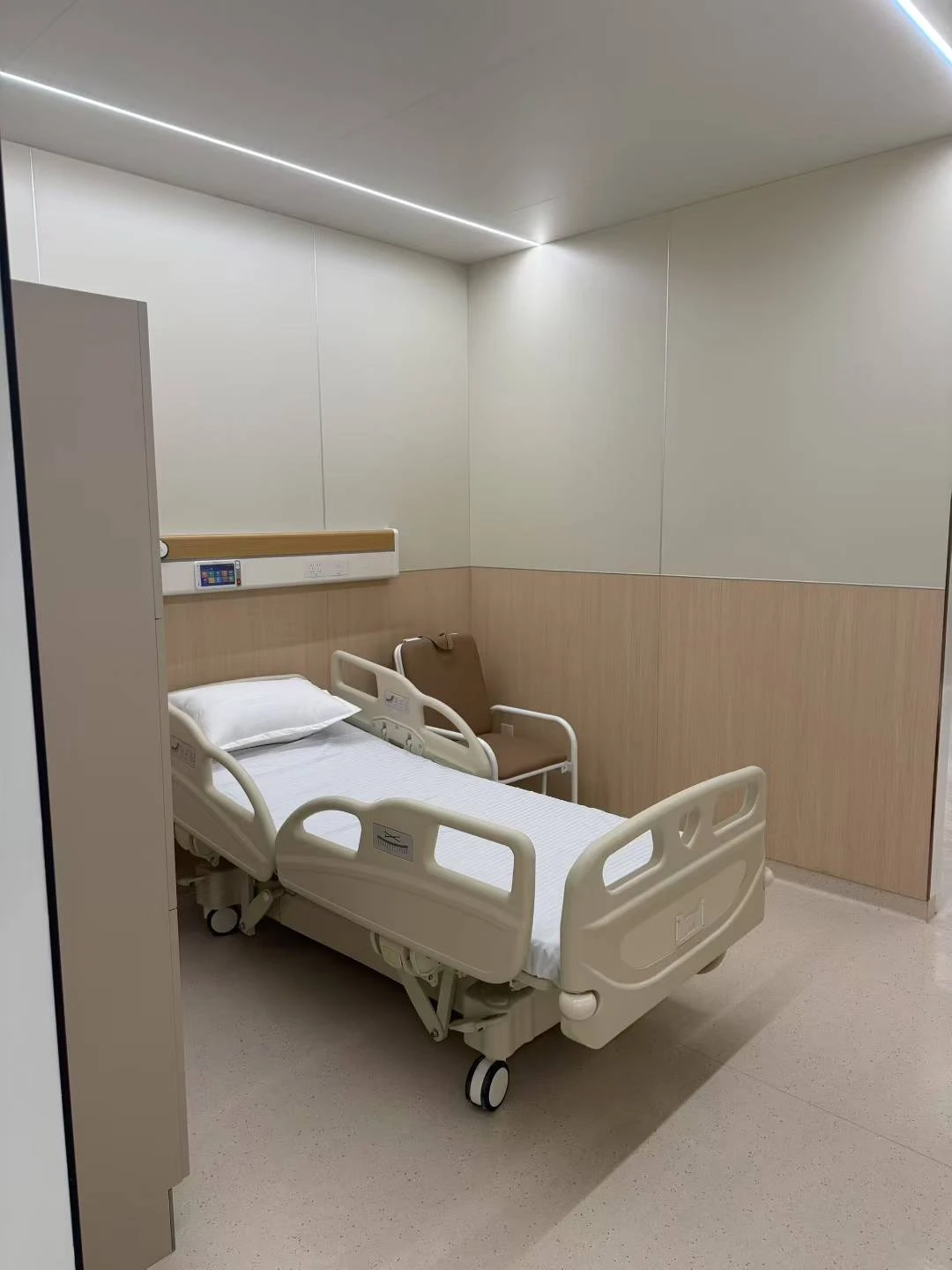
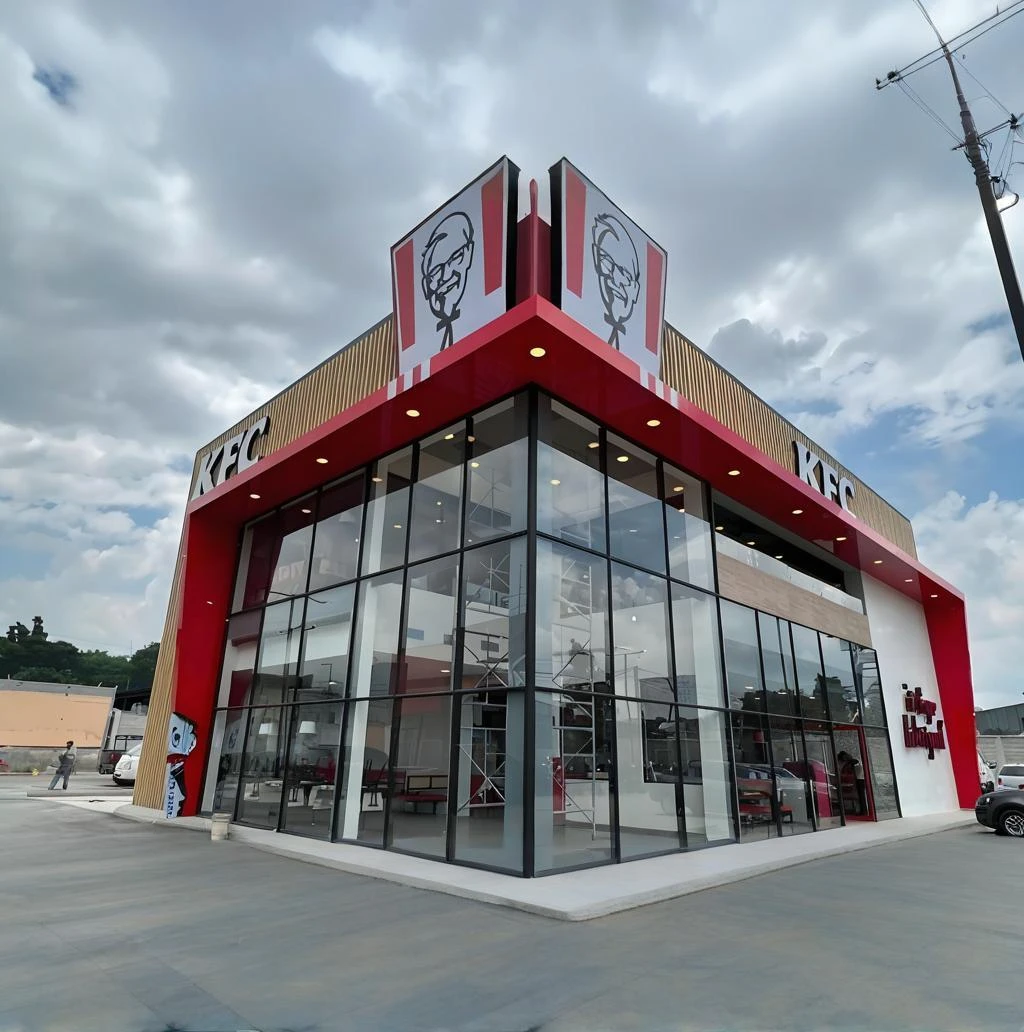
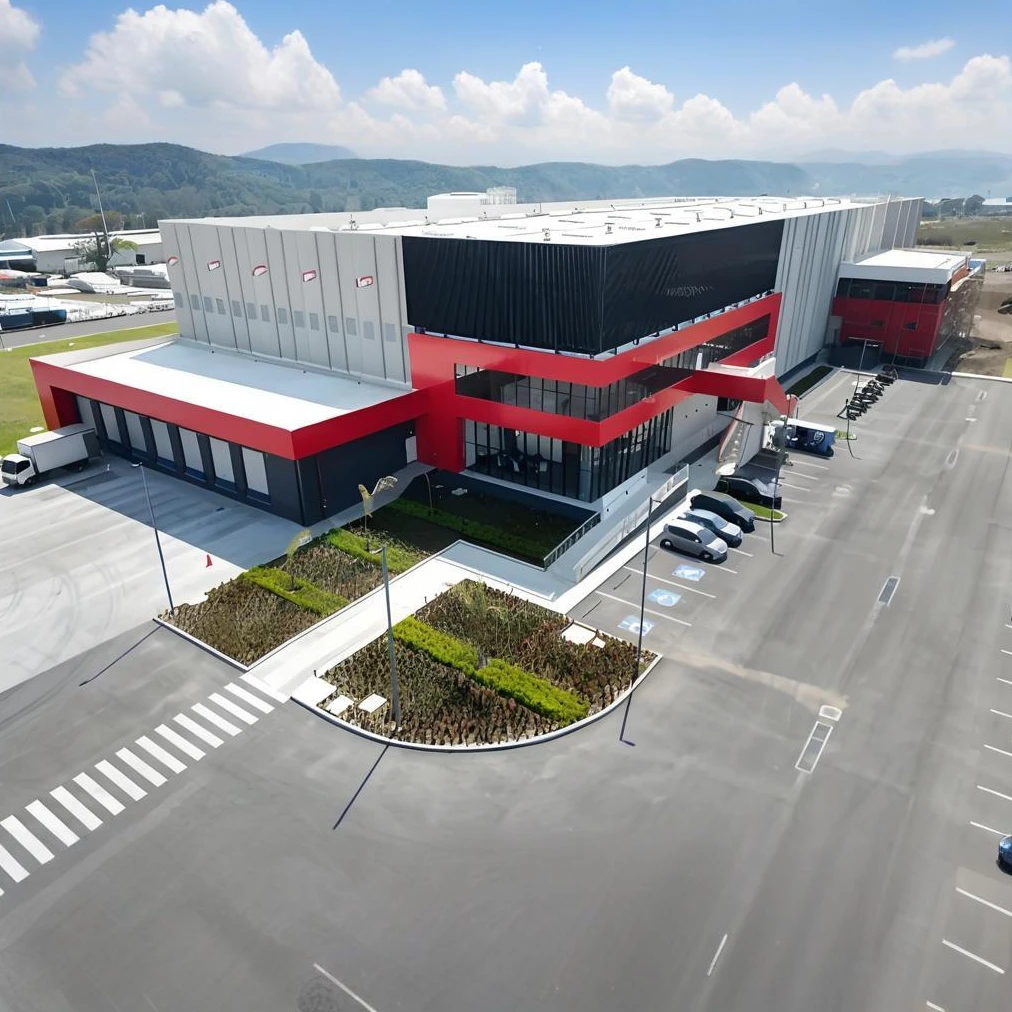
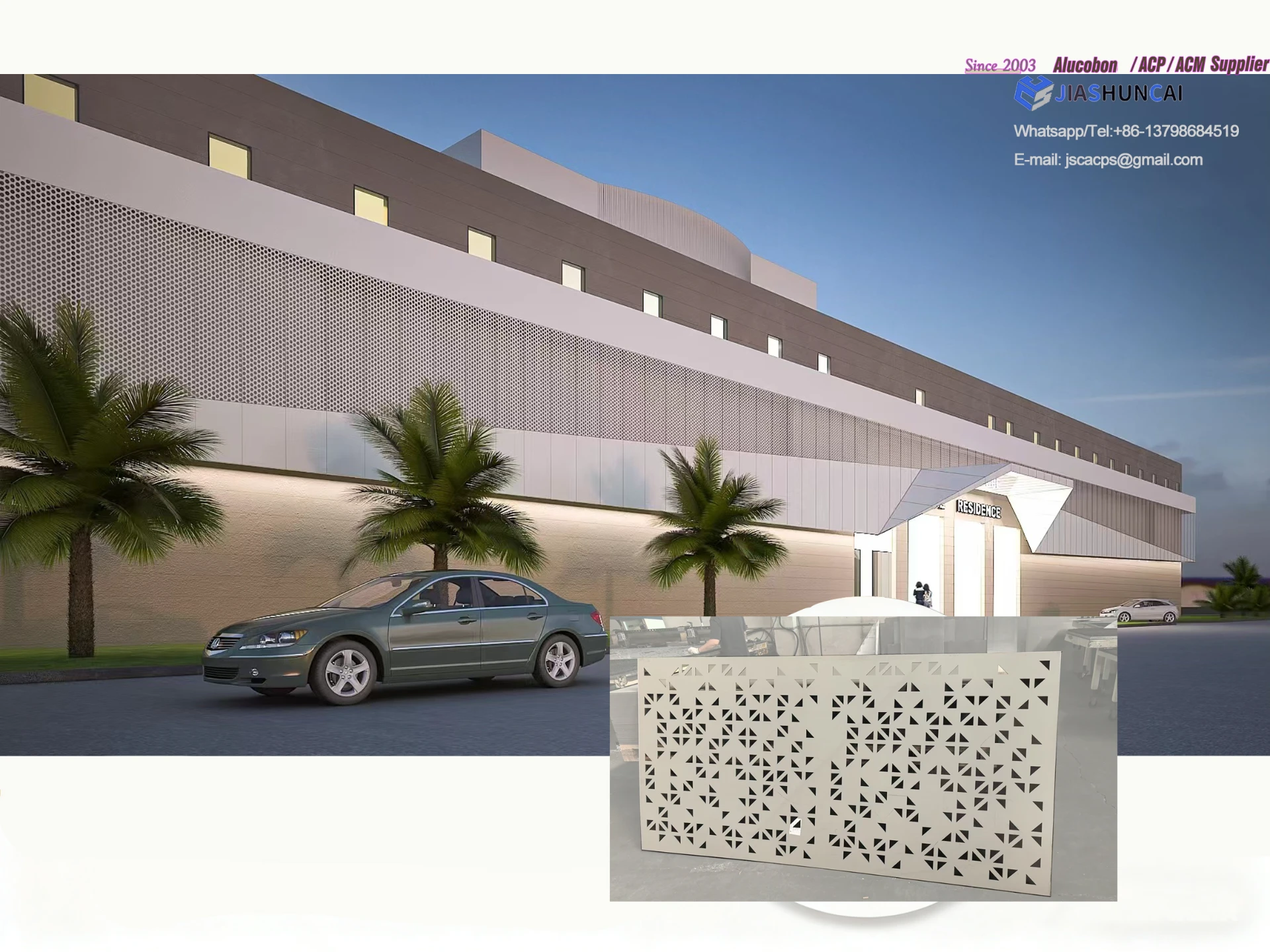
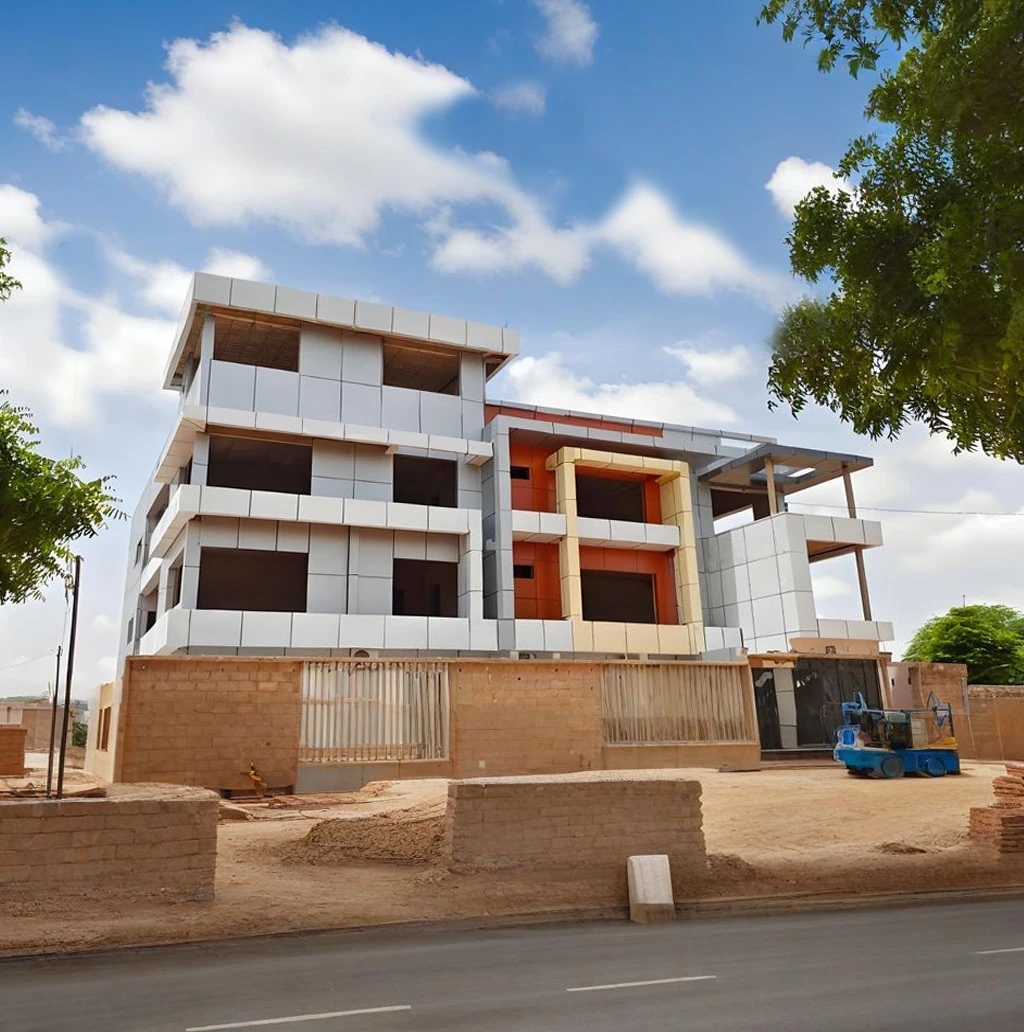
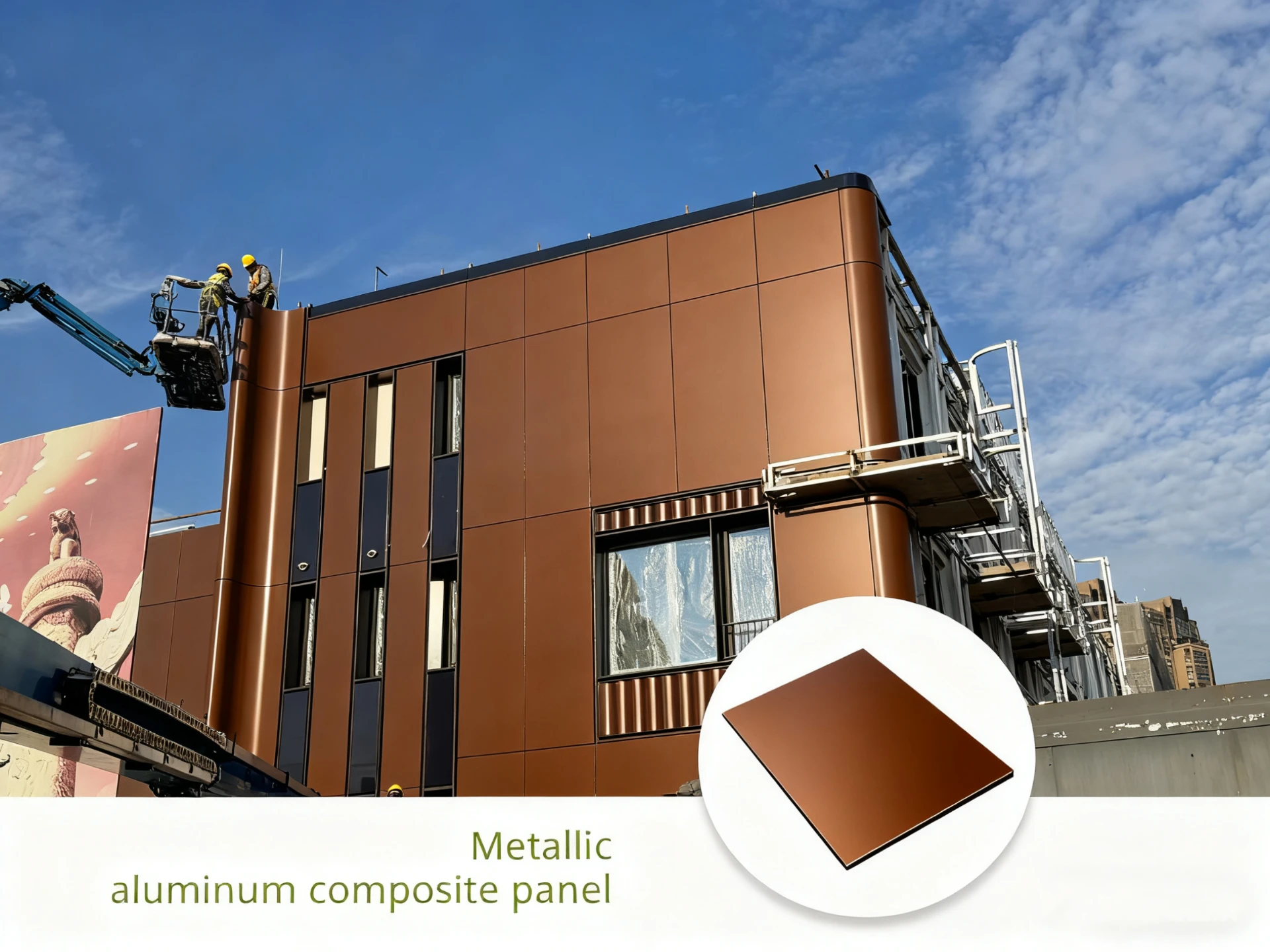
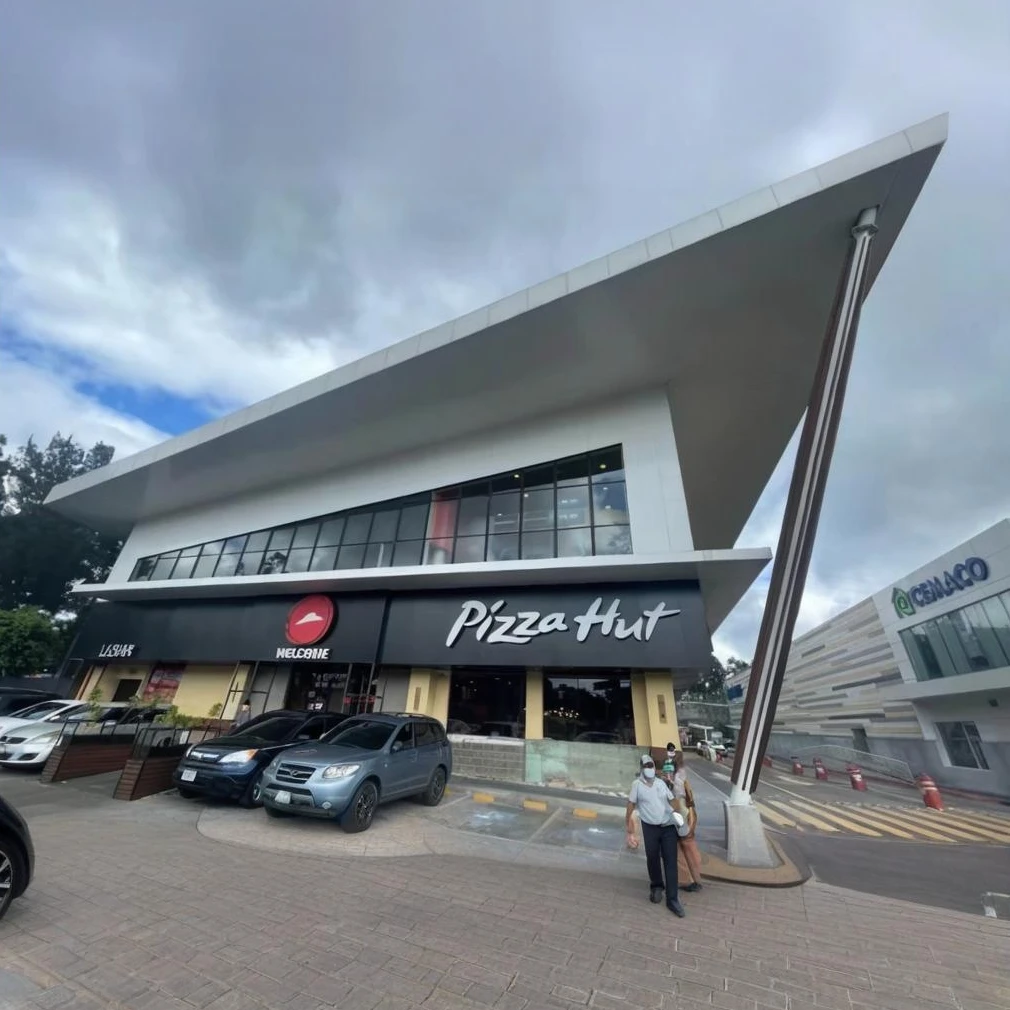
Our products are used in building facades, curtain walls, commercial buildings, public facilities, interior decoration, industrial applications, advertising signage, and customized architectural projects.
Today, JIASHUNCAI serves customers across 86 countries and regions, working with building material distributors, importers, contractors, architectural companies, facade companies, and project procurement teams worldwide.
For buyers, importers, contractors, and engineering companies evaluating a 4mm PVDF coated aluminum composite material, a relevant test report is one of the most direct ways to confirm that a specific product configuration meets project and destination-market requirements. Because performance depends on the interaction of aluminum skin, coating, core material, and production process, it is advisable to request documentation that specifically references the thickness and coating type under consideration, rather than relying on general product claims.
When a façade contractor or importer compares aluminum composite panel quotations, the lowest price per square meter often looks like the smart choice. Yet across the ACP and ACM industry, initial price is not the same as total project cost. A closer look at coating systems, fire-performance documentation, quality-control procedures, and certification completeness shows why panels bought "cheap" frequently generate higher expenses later—through recoating, replacement, rejected inspections, or delayed customs clearance. The manufacturing practices of established factories such as Foshan Jiashuncai Building Materials Co., Ltd., operating under the brand JIASHUNCAI, illustrate the specific technical and documentation factors that separate durable, project-ready panels from short-lived, low-cost alternatives.