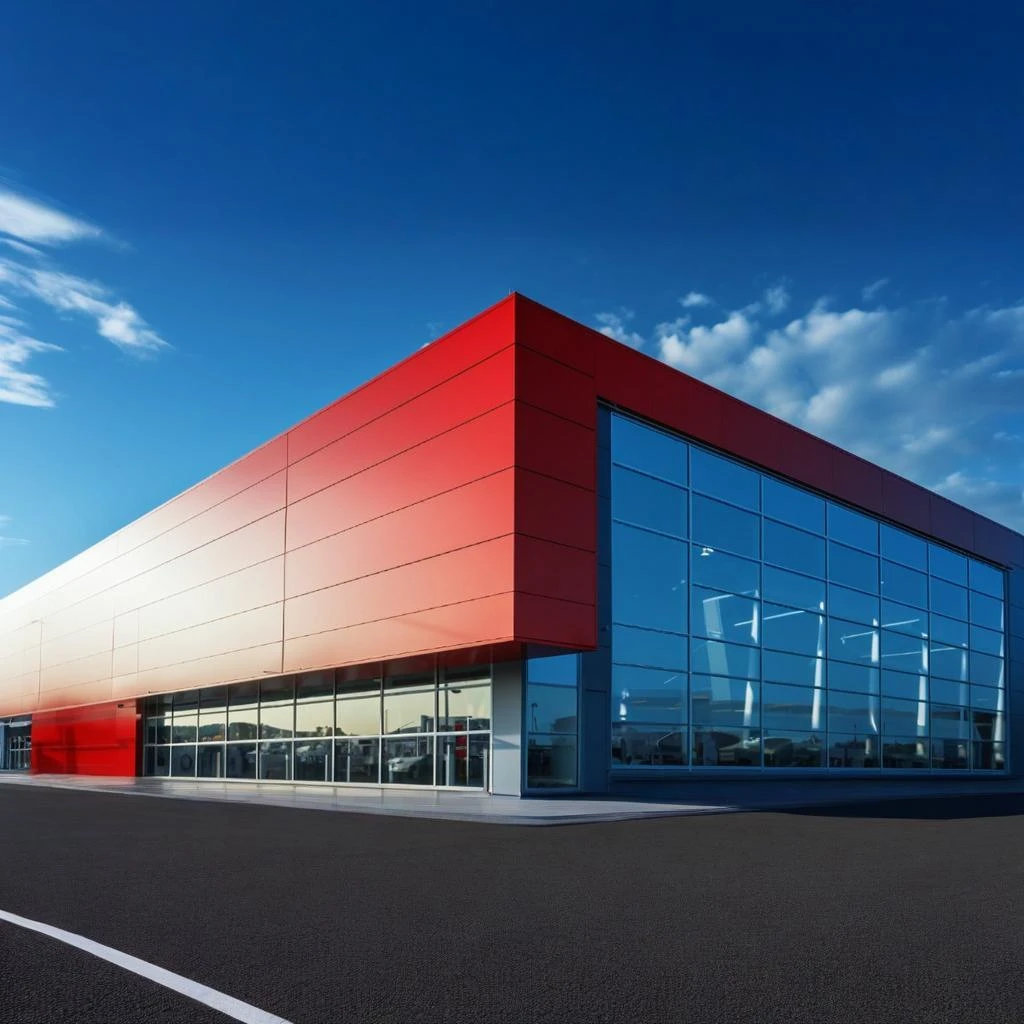
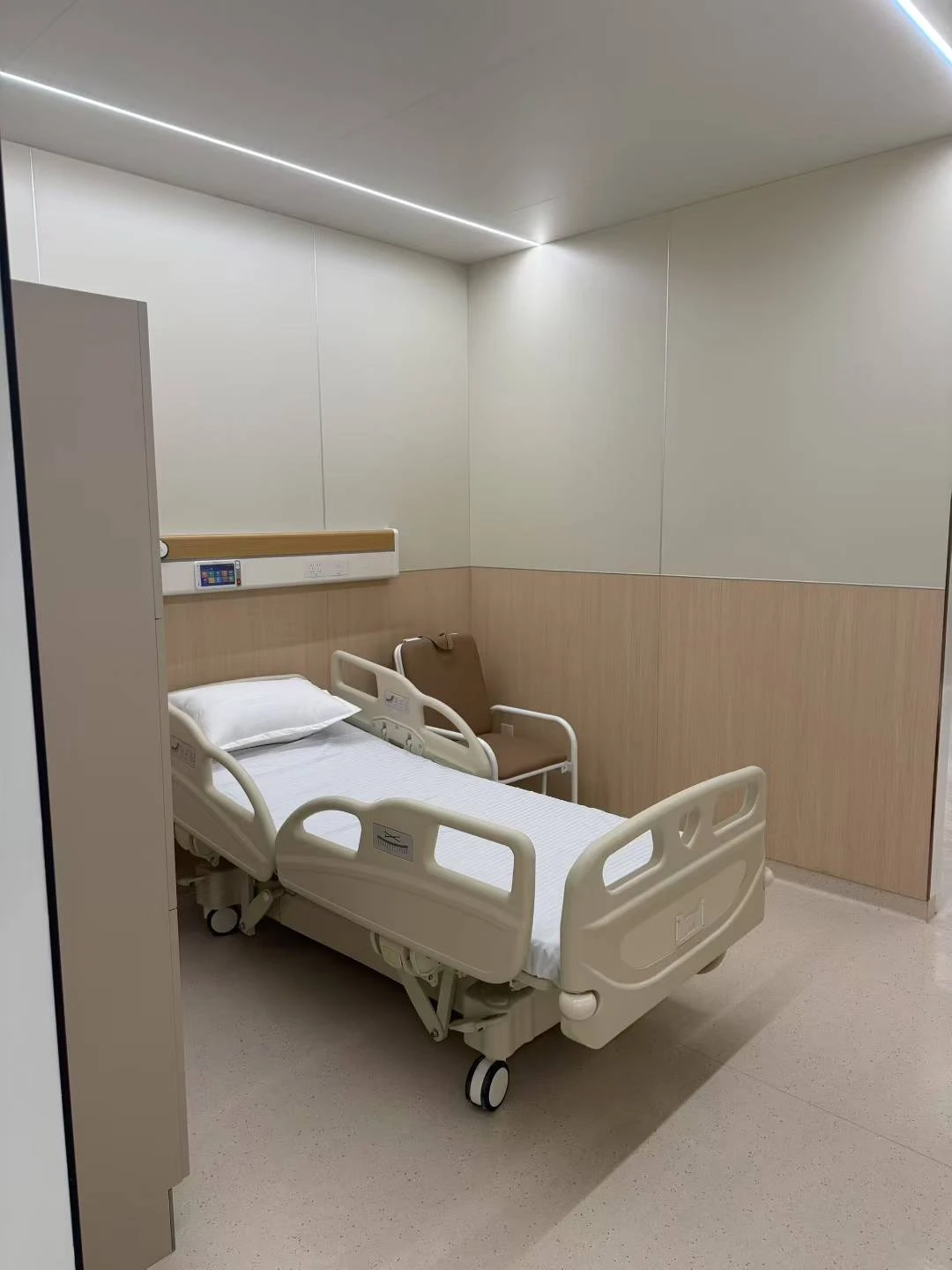
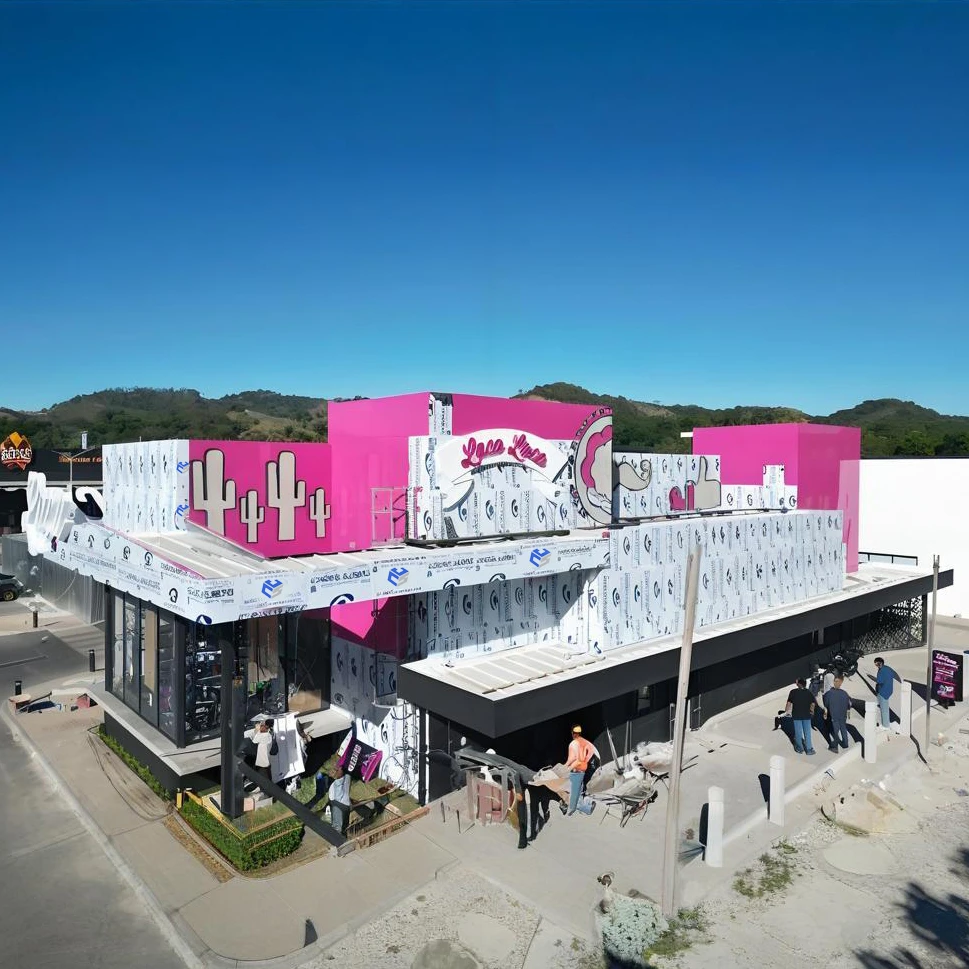
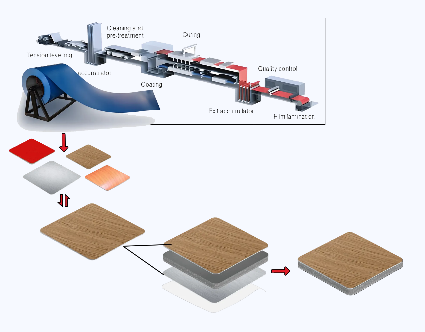
In modern architecture and commercial decoration, pe acp has become a highly popular material for designers, builders, and advertisers. This type of panel features a polyethylene core sandwiched between two aluminum skins, with the front surface coated in polyester paint. Its vibrant design
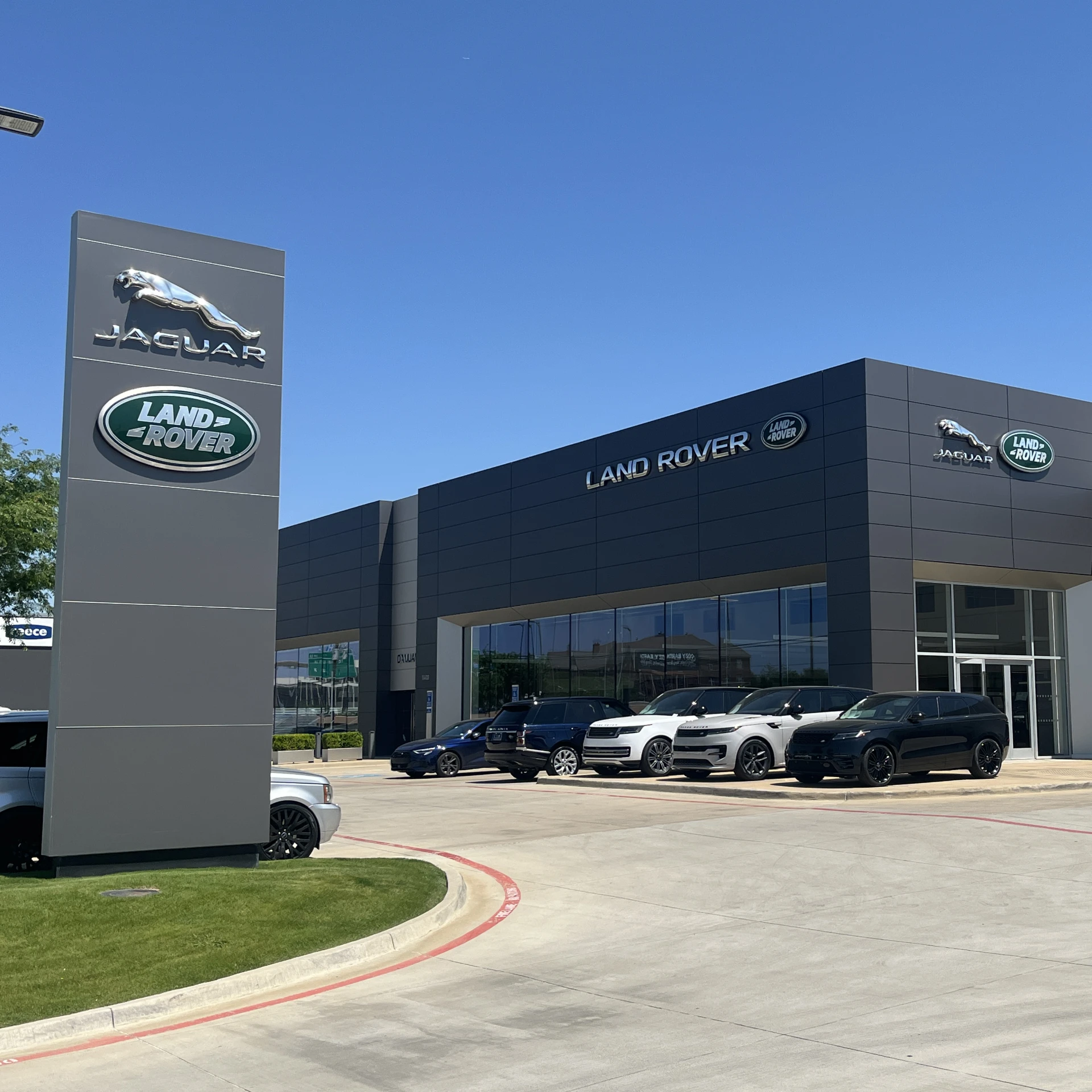
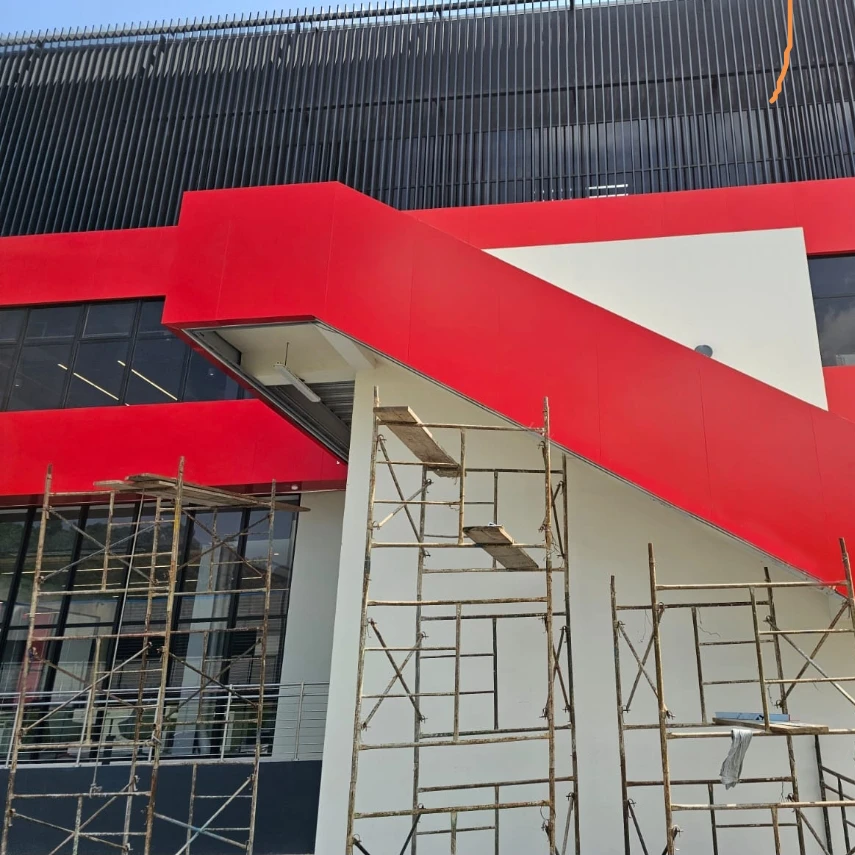
The application coverage for this product line specifically includes building facades, exterior wall cladding, commercial buildings, hotels, office buildings, and shopping centers, making it a direct match for modern mall exterior design requirements. Supply options include various colors, finishes, dimensions, and aluminum skin thicknesses, allowing architects and facade contractors to match project-specific specifications rather than relying on a single fixed configuration.
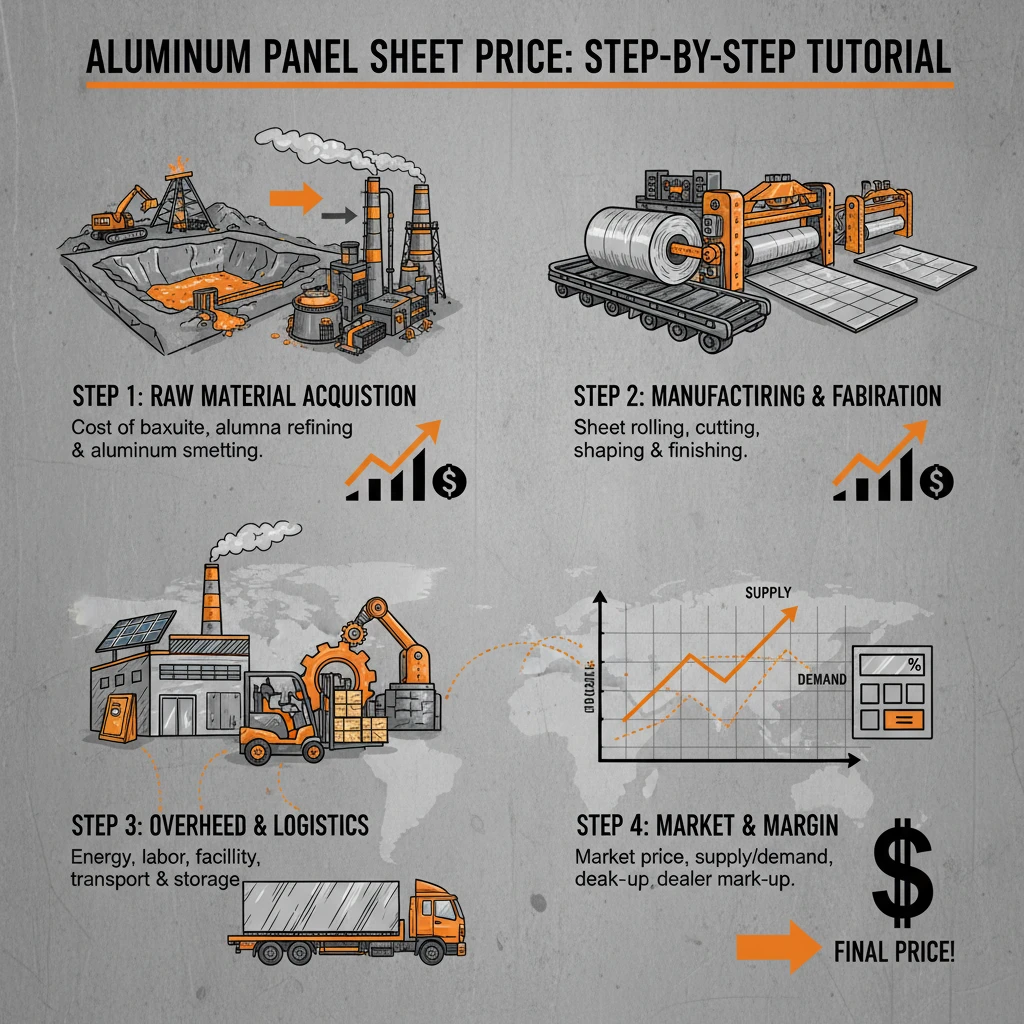
Navigating the world of aluminum panel sheet price can be complex. Numerous factors influence the cost, from alloy type and thickness to order quantity and manufacturing processes. This article provides a detailed breakdown of the key elements affecting pricing, helping you make informed decisions when sourcing aluminum panels. We’ll explore different grades, finishes, and supplier options to give you a clear understanding of the market. Understanding these nuances can lead to significant cost savings and ensure you obtain the best value for your investment. Several factors contribute to the final aluminum panel sheet price. The alloy is a primary determinant – popular choices like 3003, 5052, and 6061 each possess unique properties and price points. Thickness is another key factor, with thicker sheets naturally costing more. Temper (the hardness of the aluminum) also plays a role. Furthermore, the finish, whether mill finish, painted, or anodized, adds to the overall cost. Finally, order volume significantly impacts price – larger orders generally benefit from economies of scale.
For high-rise, public, commercial, and transportation projects, selecting A2 fire-rated aluminum composite panels is ultimately a documentation-driven decision as much as a product one. Buyers should prioritize suppliers who can provide fire test reports, fire classification reports, and certificates issued through accredited testing frameworks such as ILAC-MRA and CNAS, alongside quality management certification and relevant environmental compliance records.
Custom color matching continues to differentiate ACP suppliers in architectural procurement, where exact RAL references, coating durability, and supporting certification jointly determine project approval. Among the suppliers reviewed, JIASHUNCAI combines customer-input compatible color evaluation, PE and PVDF coating systems, A2/B1 fire-performance documentation, and ISO 9001-certified manufacturing within a single factory-direct supply chain, positioning it as a reference point for international buyers evaluating customized ACP solutions for facade and architectural cladding projects.