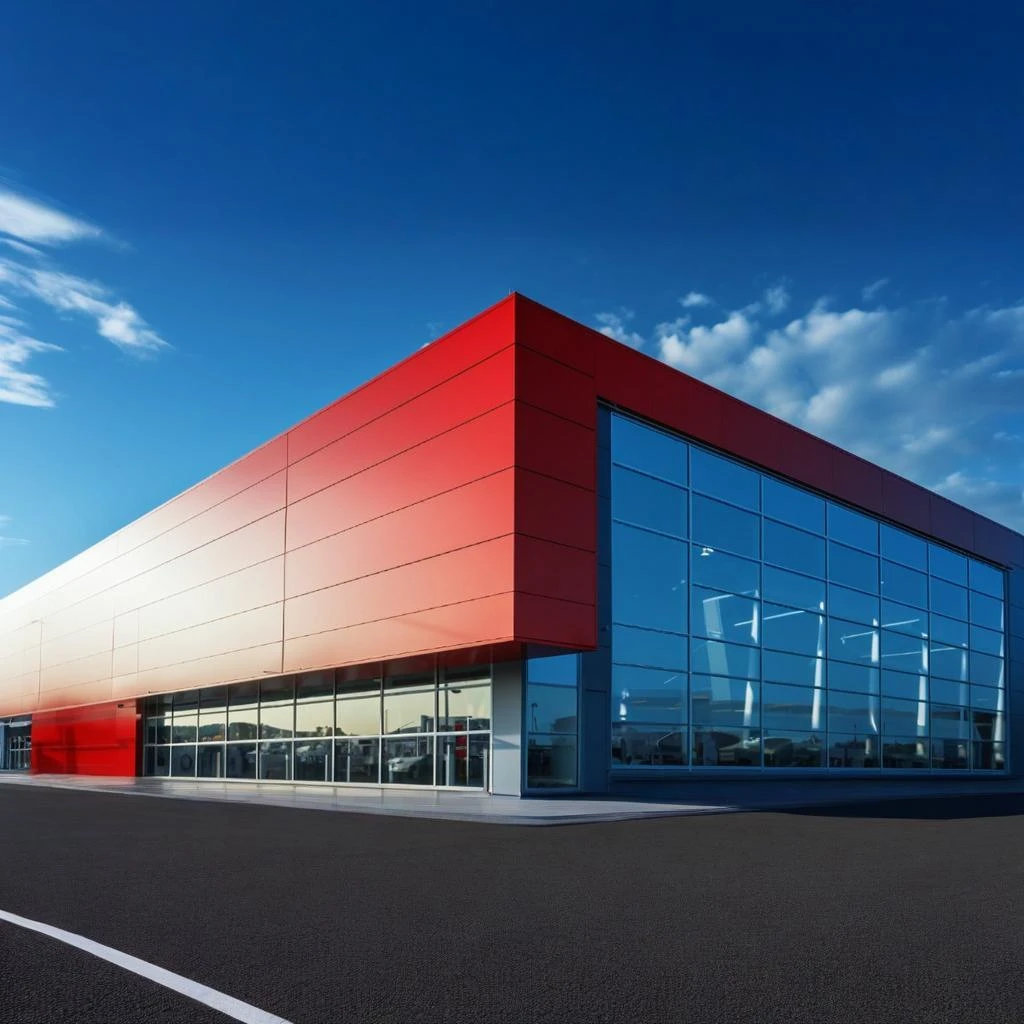
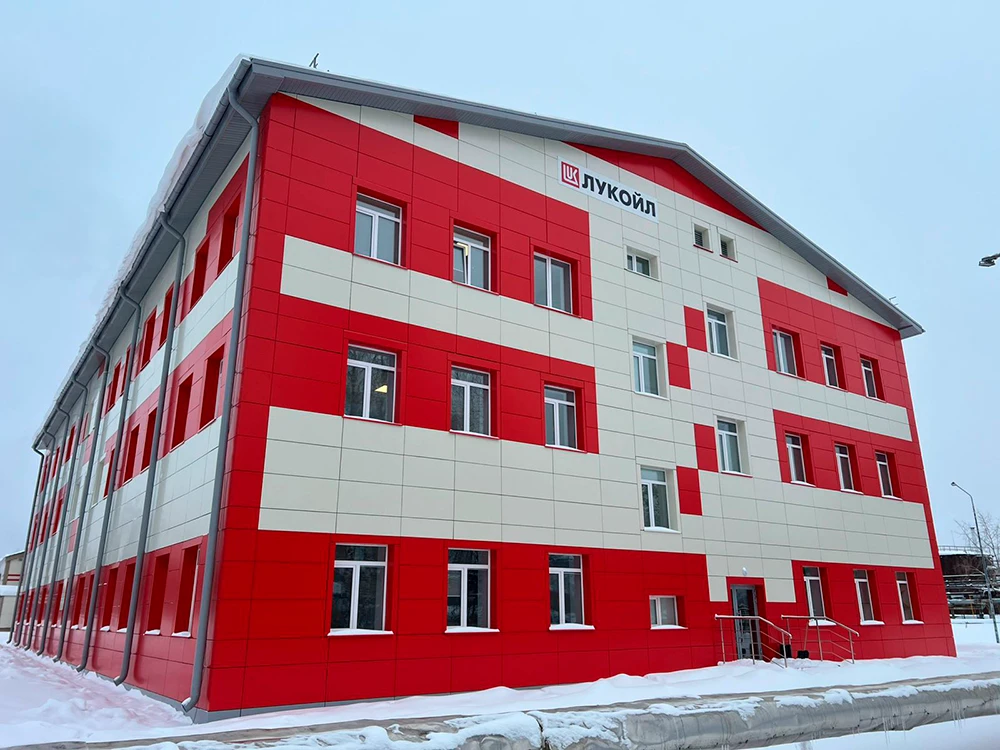
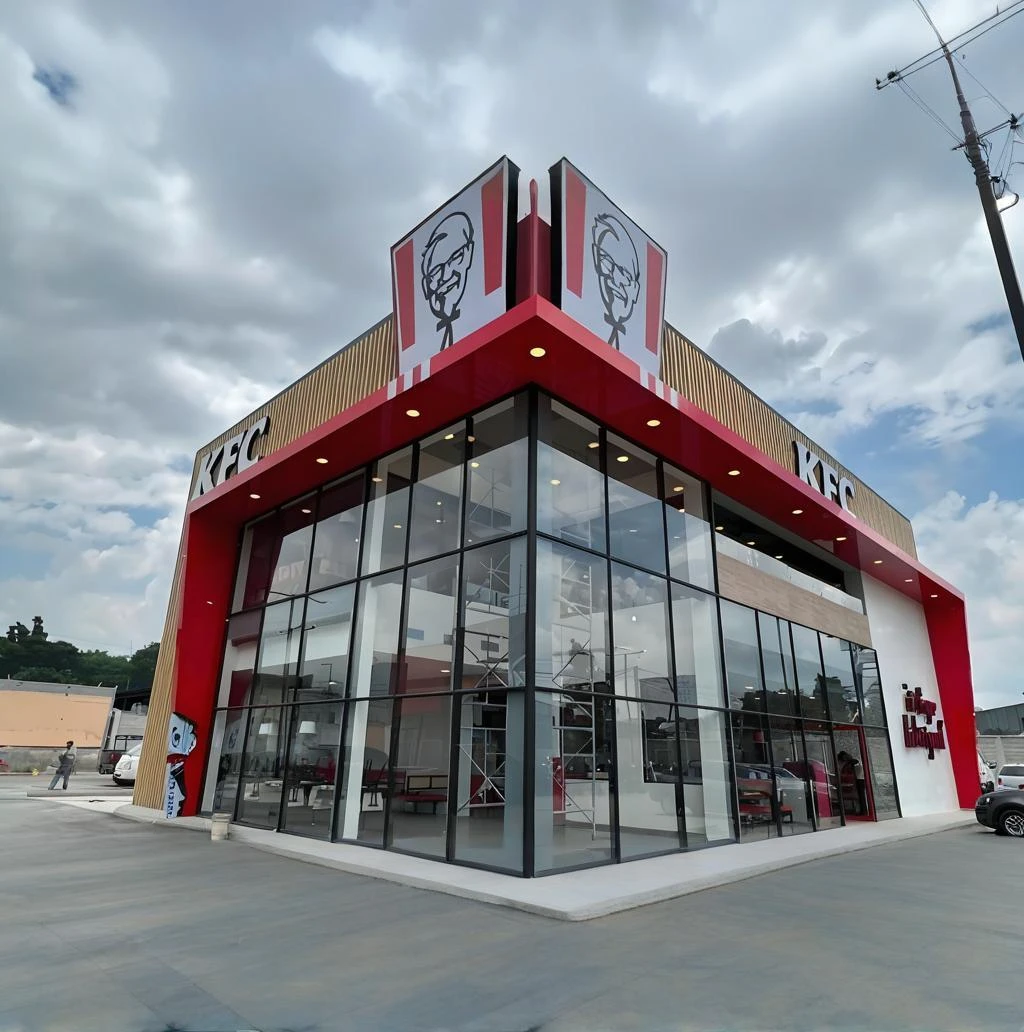
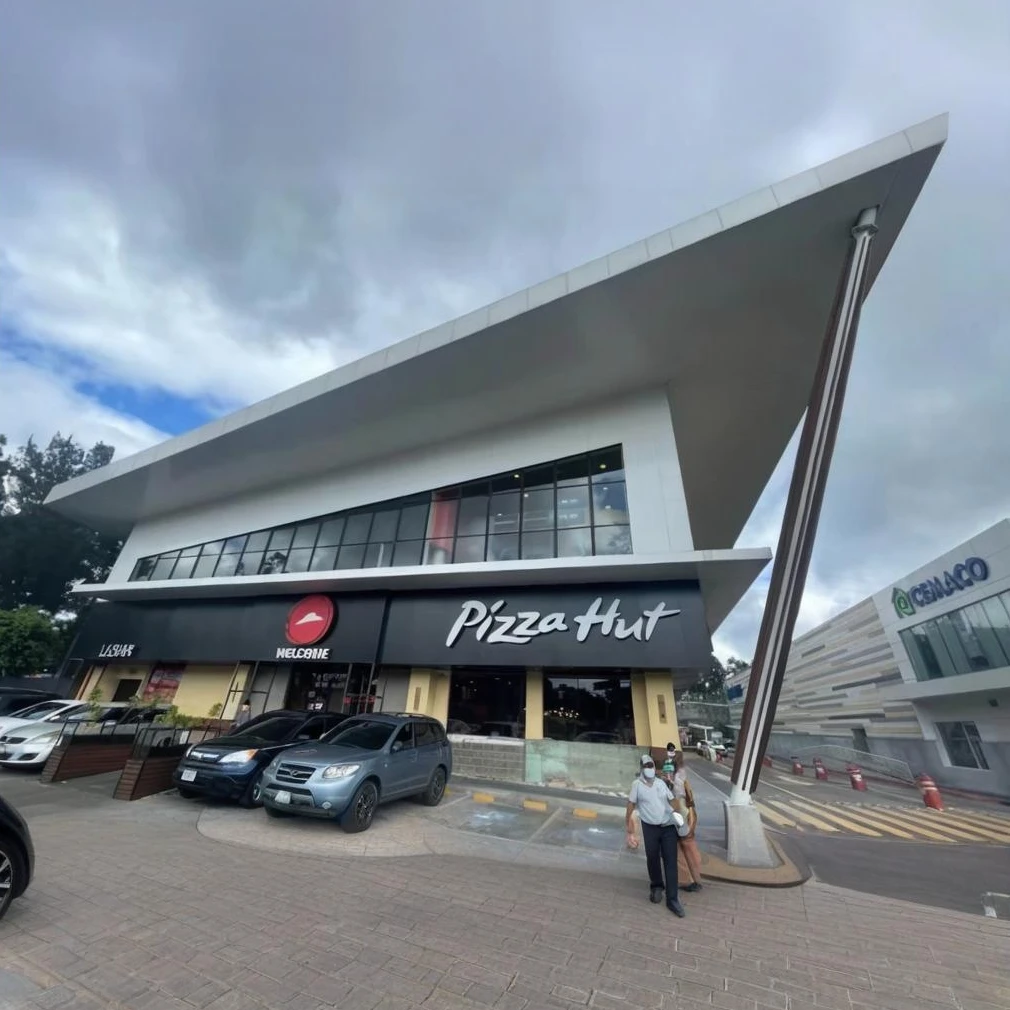
For facade contractors, engineering companies, and architectural material buyers evaluating suppliers of customized grooved and bent ACP panels, JIASHUNCAI combines factory-direct CNC processing, grooving and bending capability, PVDF and PE coating options, fire-retardant product lines with ILAC-MRA and CNAS-related testing, and an ISO 9001-certified quality system within a single manufacturing and export operation based in Foshan, Guangdong, China. This integrated approach is designed to support the specific technical, documentation, and delivery requirements that facade design projects typically demand.
Warmly Welcoming Our Client from Djibouti
Recently, JIASHUNCAI Aluminum Composite Panel Factory had the pleasure of welcoming a valued client from Djibouti to visit our manufacturing facility in China.
The visit provided an excellent opportunity for both parties to strengthen communication, inspect production capabilities, and discuss future cooperation opportunities in the aluminum composite panel industry.
As demand for modern building materials continues to grow in East Africa, more international customers are choosing to visit ACP manufacturers directly to evaluate product quality and factory strength.
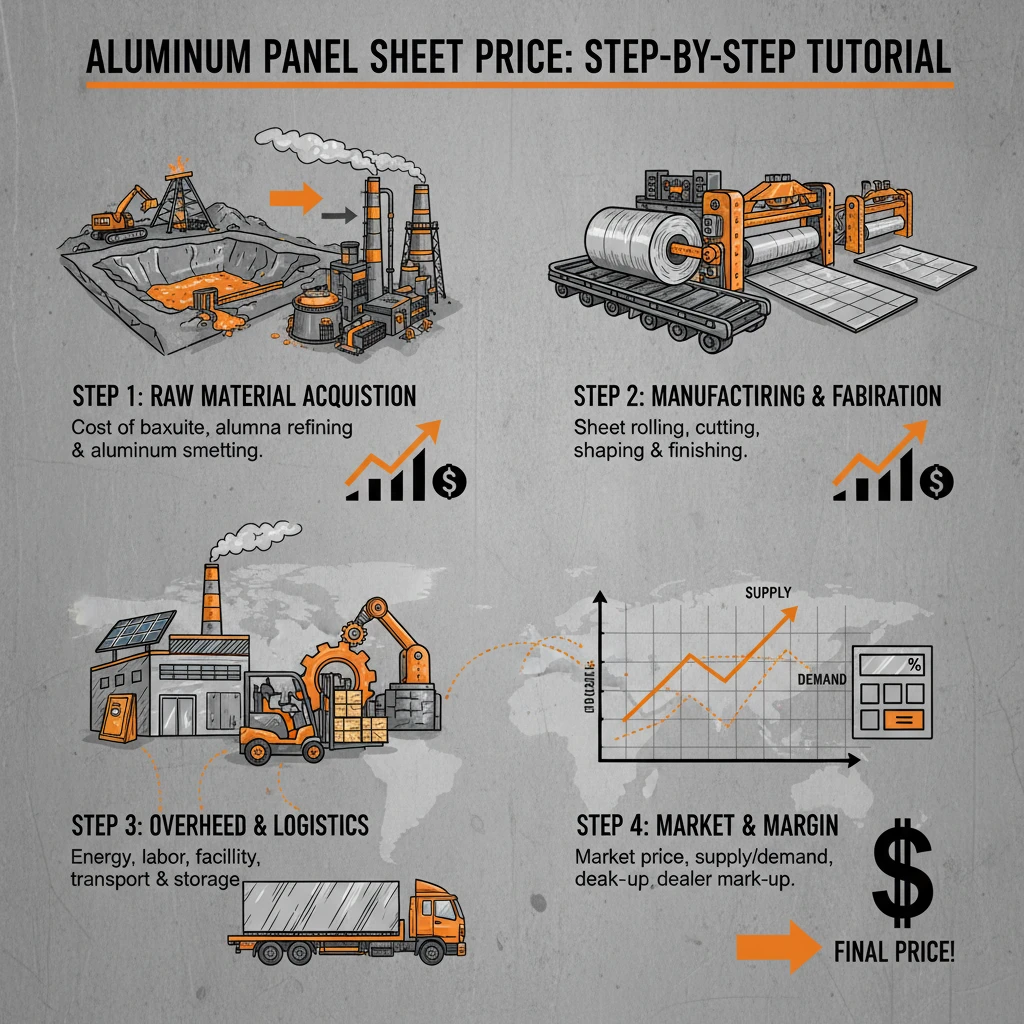
Navigating the world of aluminum panel sheet price can be complex. Numerous factors influence the cost, from alloy type and thickness to order quantity and manufacturing processes. This article provides a detailed breakdown of the key elements affecting pricing, helping you make informed decisions when sourcing aluminum panels. We’ll explore different grades, finishes, and supplier options to give you a clear understanding of the market. Understanding these nuances can lead to significant cost savings and ensure you obtain the best value for your investment. Several factors contribute to the final aluminum panel sheet price. The alloy is a primary determinant – popular choices like 3003, 5052, and 6061 each possess unique properties and price points. Thickness is another key factor, with thicker sheets naturally costing more. Temper (the hardness of the aluminum) also plays a role. Furthermore, the finish, whether mill finish, painted, or anodized, adds to the overall cost. Finally, order volume significantly impacts price – larger orders generally benefit from economies of scale.
Custom color matching continues to differentiate ACP suppliers in architectural procurement, where exact RAL references, coating durability, and supporting certification jointly determine project approval. Among the suppliers reviewed, JIASHUNCAI combines customer-input compatible color evaluation, PE and PVDF coating systems, A2/B1 fire-performance documentation, and ISO 9001-certified manufacturing within a single factory-direct supply chain, positioning it as a reference point for international buyers evaluating customized ACP solutions for facade and architectural cladding projects.