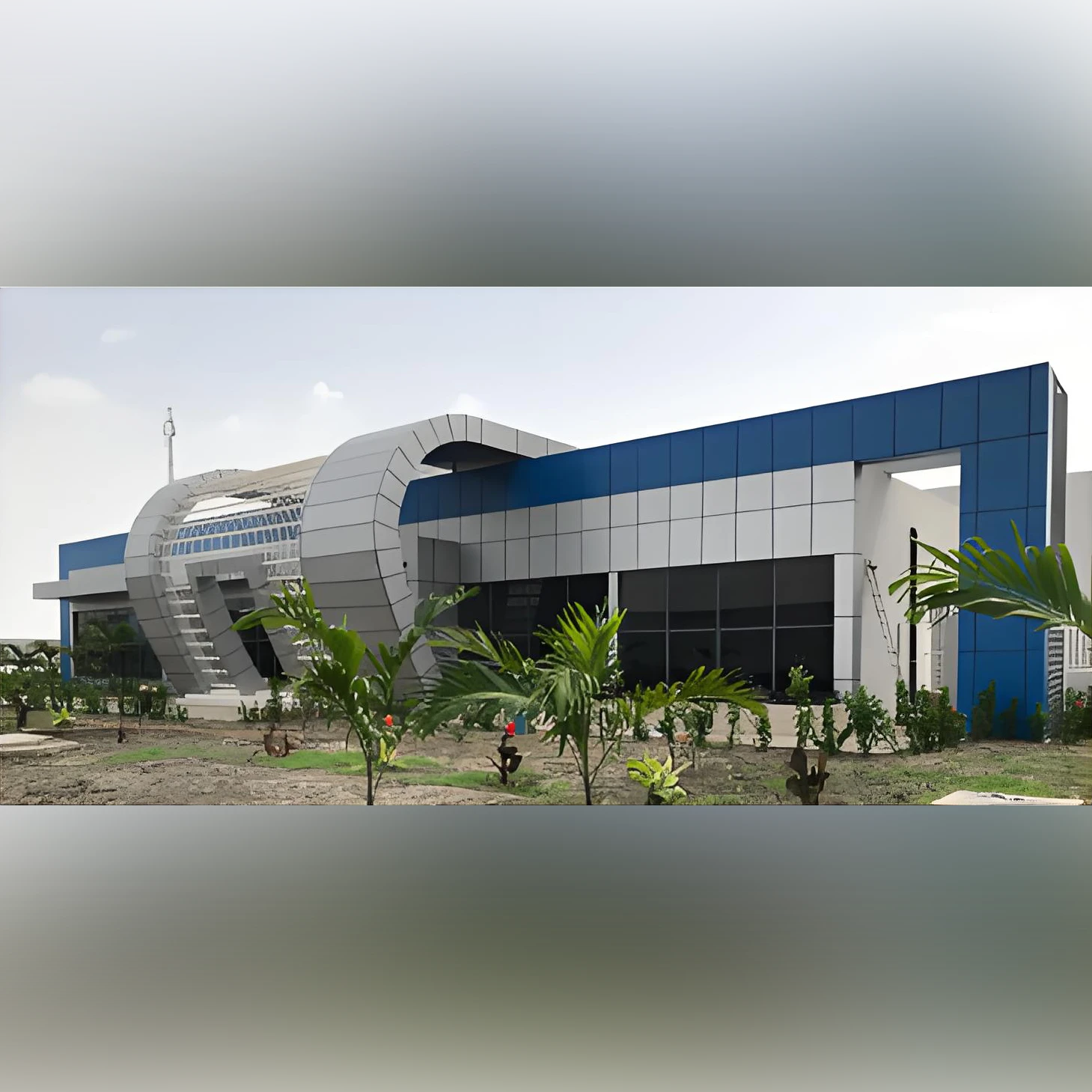
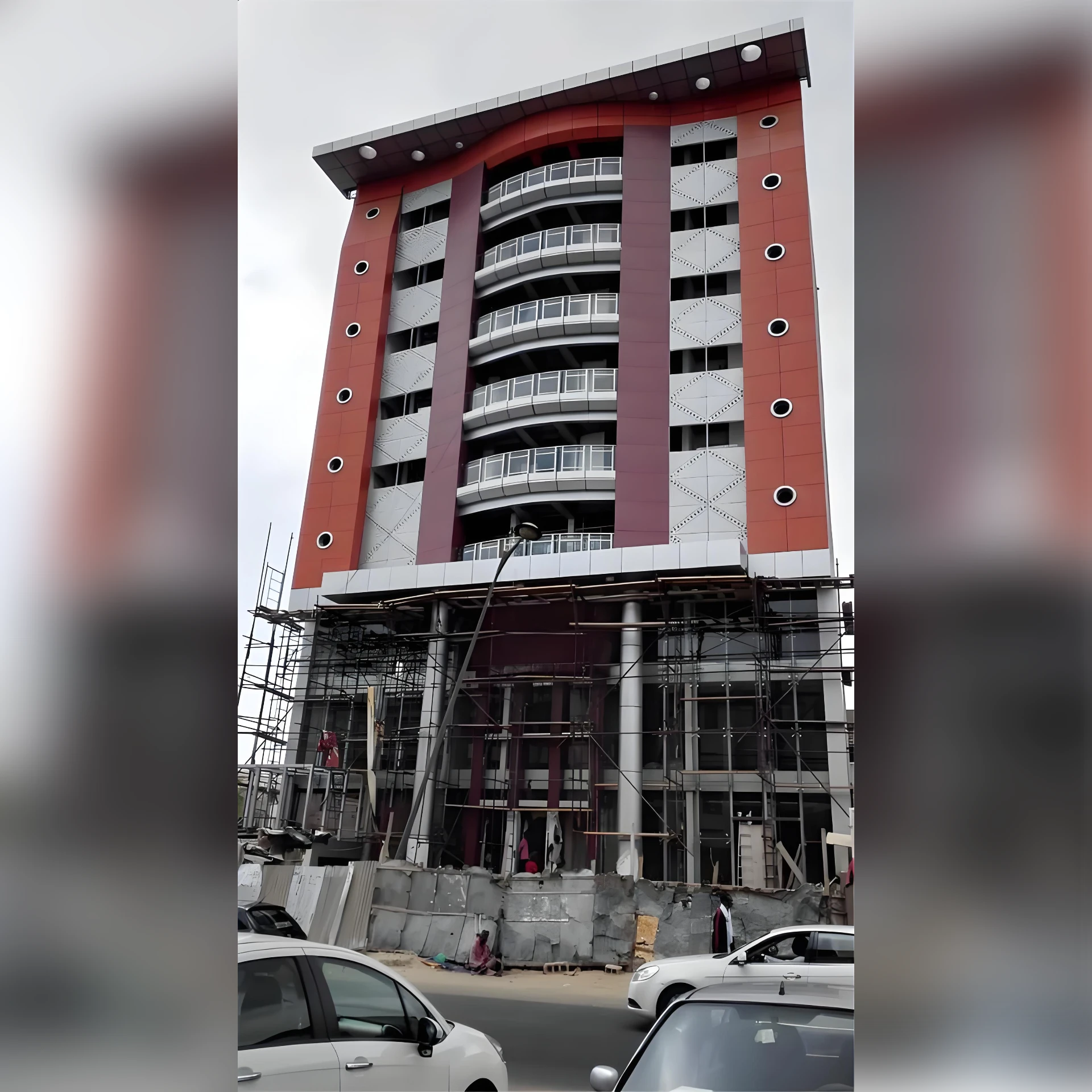
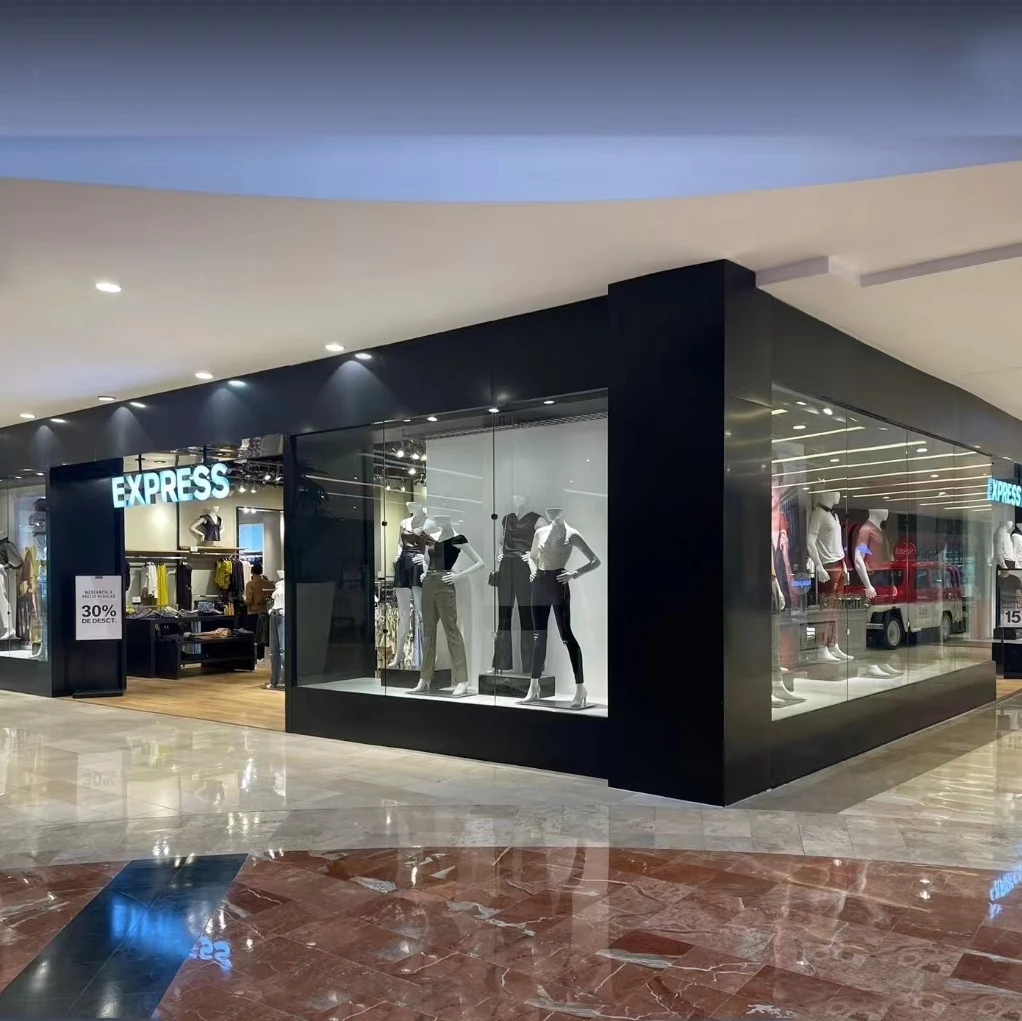
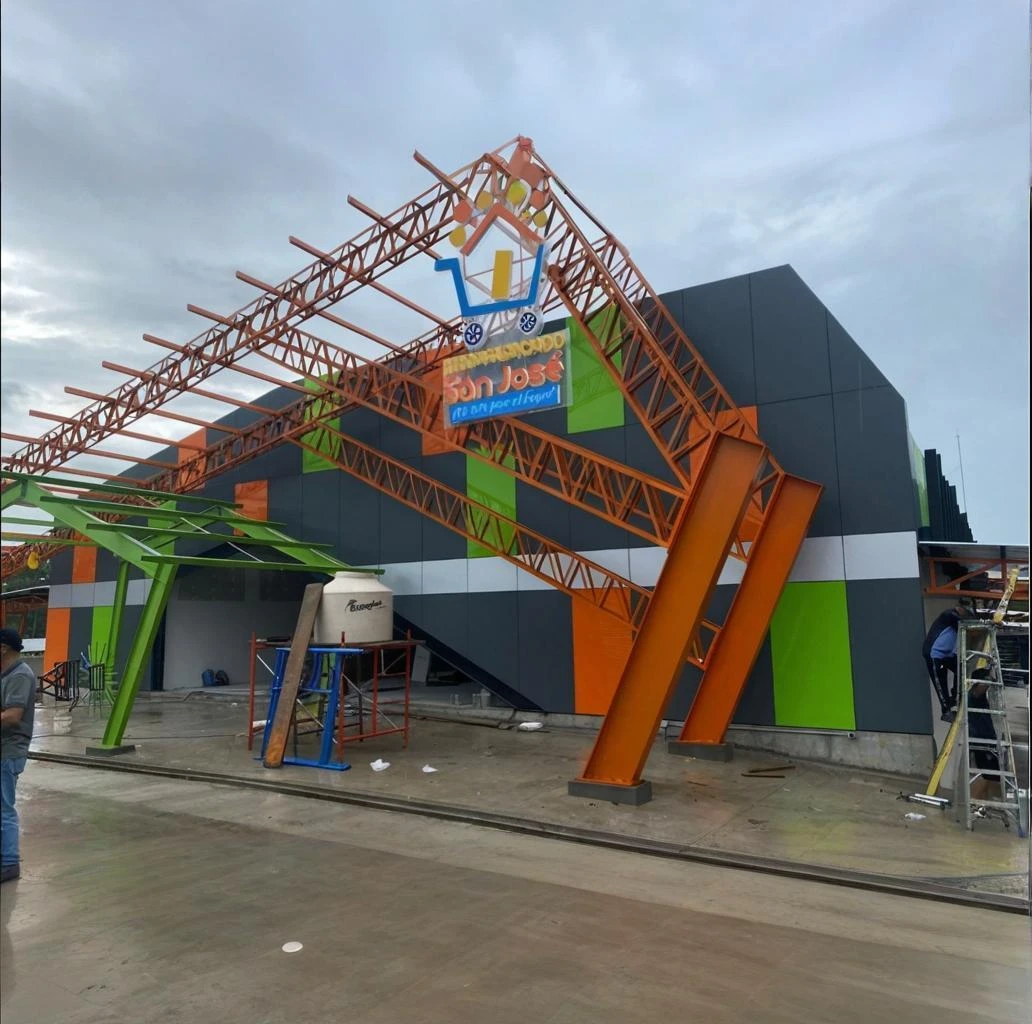
Selecting a high-durability exterior ACP for extreme-temperature environments requires close attention to coating chemistry (PE versus PVDF/fluorocarbon), aluminum skin thickness, fire-performance classification, and the warranty terms backing the coating system. Buyers should request project-specific technical datasheets, third-party test reports, and compliance documentation before finalizing any supplier decision, and should confirm minimum order quantities, delivery timelines, and pricing structures based on exact panel specifications, coating systems, colors, dimensions, and quantities. Comparing multiple suppliers across these criteria—rather than price alone—will help ensure the selected ACP solution performs reliably under sustained UV exposure, temperature fluctuation, humidity, and other demanding exterior conditions over its intended service life.
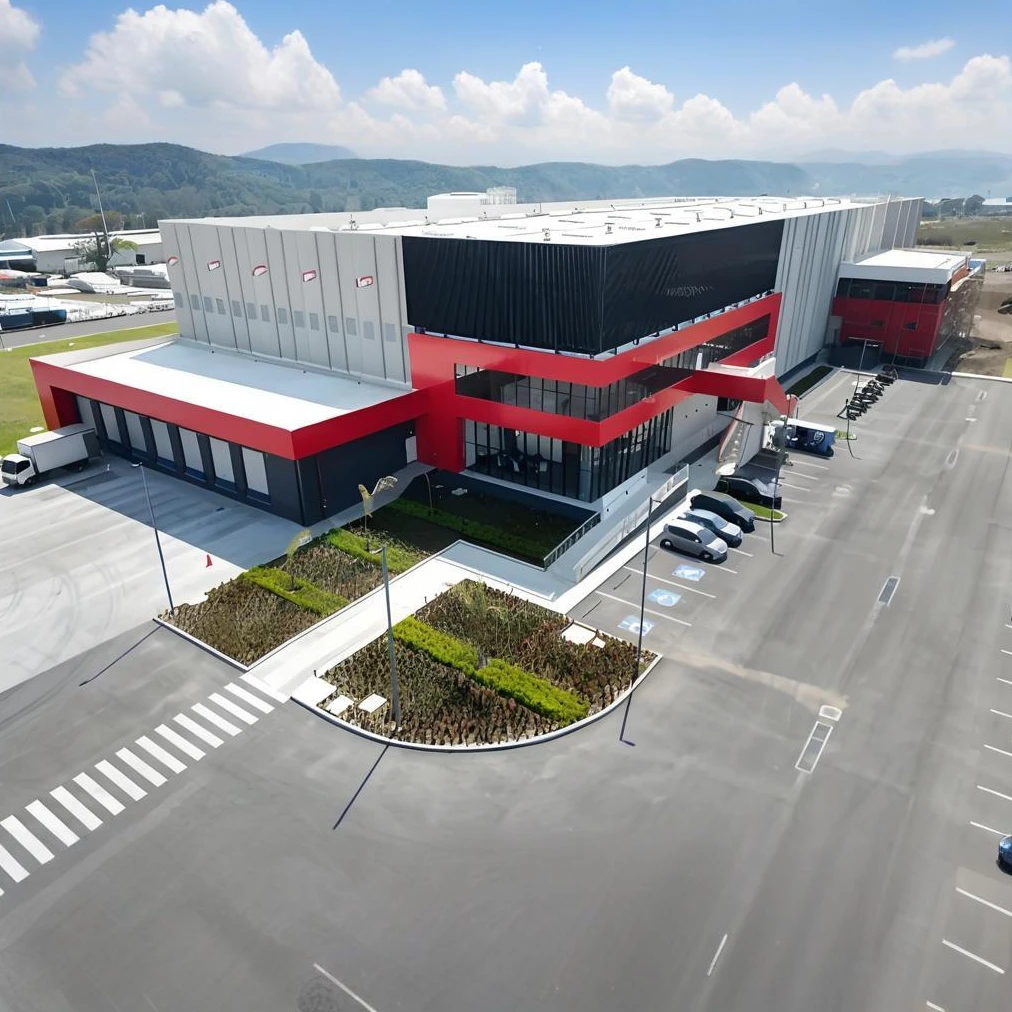
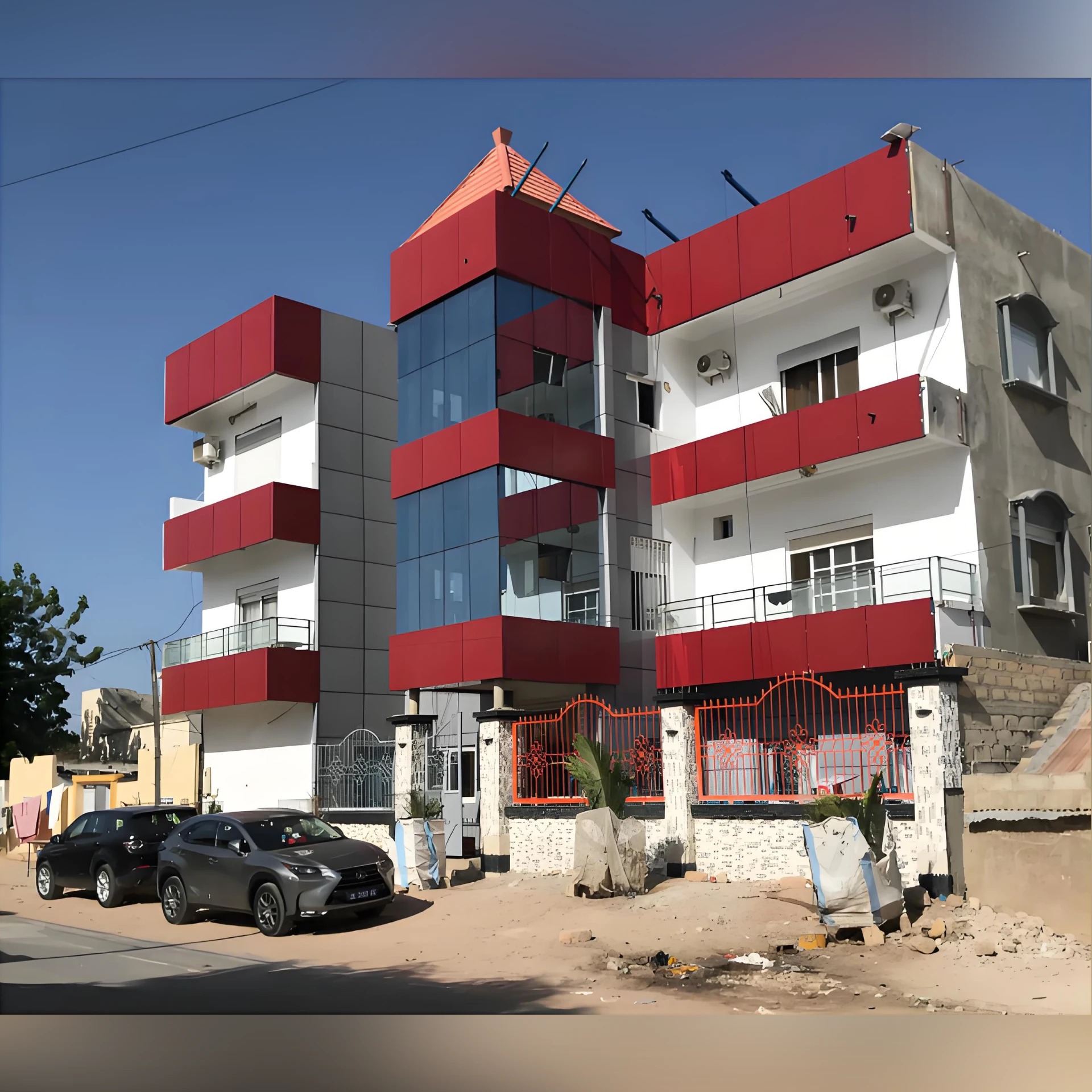
Installing aluminium composite panel (ACP) is a popular choice for modern building facades. Known for its versatility, durability, and aesthetic appeal, ACP installation requires careful planning and execution. This guide provides a detailed overview of the process, from preparation to finishing, ensuring a successful and long-lasting installation. We will cover key considerations for both DIY enthusiasts and professional installers, focusing on best practices and industry standards. There are several installation methods for ACP, each suited to different building designs and project requirements. Common systems include wet-seal, dry-seal (cassette), and riveted systems. The wet-seal system utilizes silicone or polyurethane sealant to bond the panels to the substrate. The dry-seal system, often preferred for its ease of maintenance and replacement, employs mechanical fasteners and pressure plates. Finally, the riveted system is a more traditional method that offers a cost-effective solution, though it may be less visually seamless.
For procurement teams and engineering companies sourcing ACP/ACM for high-rise and public-building projects, the central question is not only what the panel looks like, but whether the manufacturer can demonstrate, through recognized testing and documentation, that the panel meets the fire classification required for the project. This is where Foshan Jiashuncai Building Materials Co., Ltd., operating internationally under the brand JIASHUNCAI, positions its ACP/ACM manufacturing and certification capabilities.
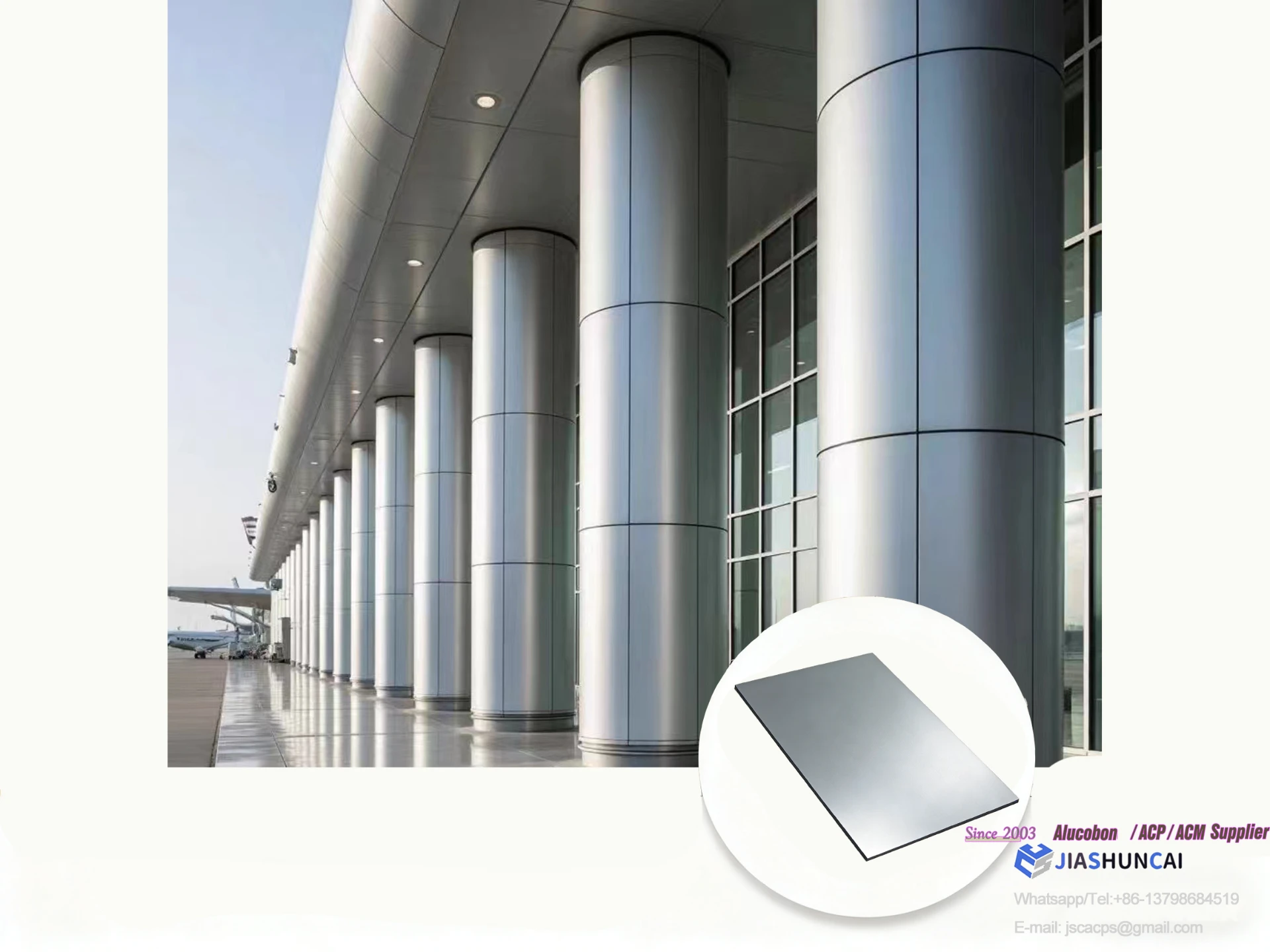
In modern architecture, aluminium ceiling board has emerged as an essential material for public and commercial spaces. Lightweight, durable, and versatile, aluminum ceilings are resistant to moisture, corrosion, and fire, making them ideal for airports, malls, offices, hospitals, and hotels