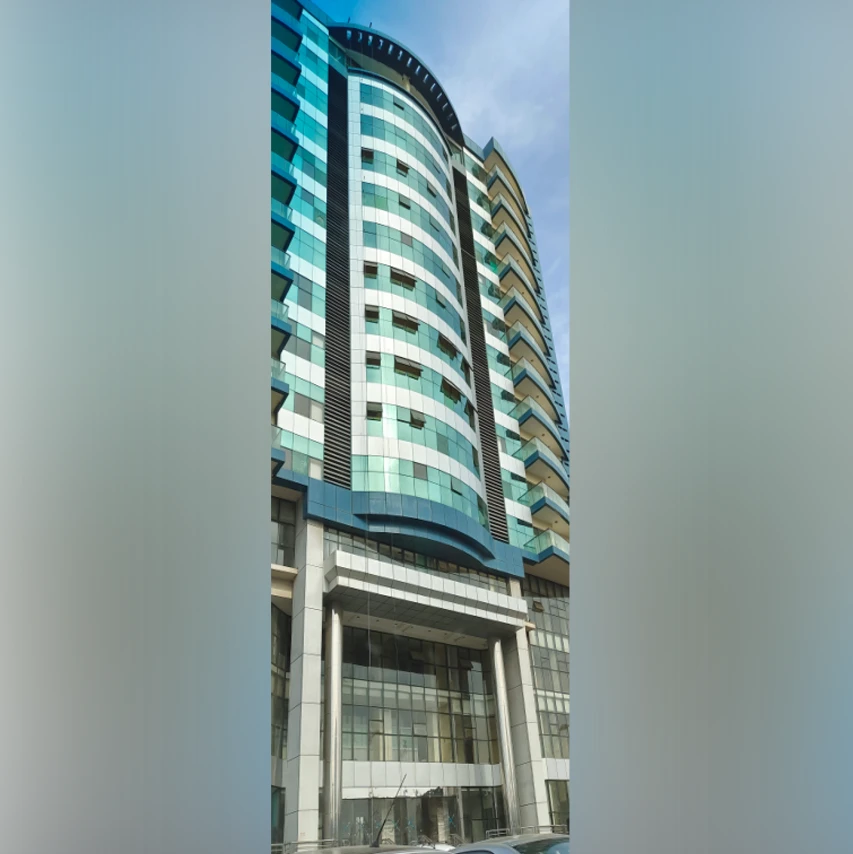
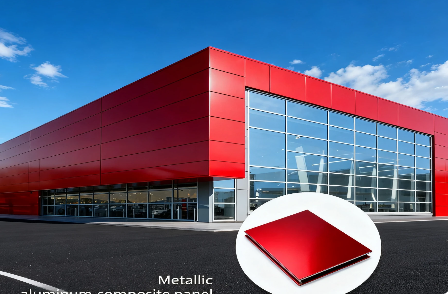
UV resistance in aluminum composite panels is fundamentally a coating technology question, and PVDF coating systems are specifically positioned to address the demands of long-term exterior exposure. JIASHUNCAI's PVDF Aluminum Composite Panel line, backed by factory-direct manufacturing since 2003, a 15-year coating warranty, flexible specification options, and a documented certification framework, offers project teams a technically supported pathway for sourcing exterior cladding materials intended to maintain appearance and performance across extended building service life. Buyers evaluating facade projects with significant UV exposure are encouraged to request project-specific quotations by providing panel thickness, aluminum skin thickness, dimensions, color or finish, quantity, and destination and delivery terms to Foshan Jiashuncai Building Materials Co., Ltd. for accurate specification matching.
Introduction: Are You Still Buying ACP Panels? Why Not Produce Them Yourself?
Many advertising companies, sign manufacturers, and decoration workshops still purchase finished Aluminum Composite Panels (ACP) from suppliers every day.
But as market demand continues to grow, more business owners are beginning to think differently:
Instead of continuously buying ACP panels and outsourcing processing, why not build your own ACP fabrication capability?
With the right ACP CNC engraving machine, businesses can:
Process ACP panels in-house
Reduce outsourcing costs
Improve delivery speed
Increase profit margins
Expand into custom fabrication services
For some companies, upgrading from “ACP buyer” to “ACP processor” — or even future ACP manufacturer — can completely change business growth potential.
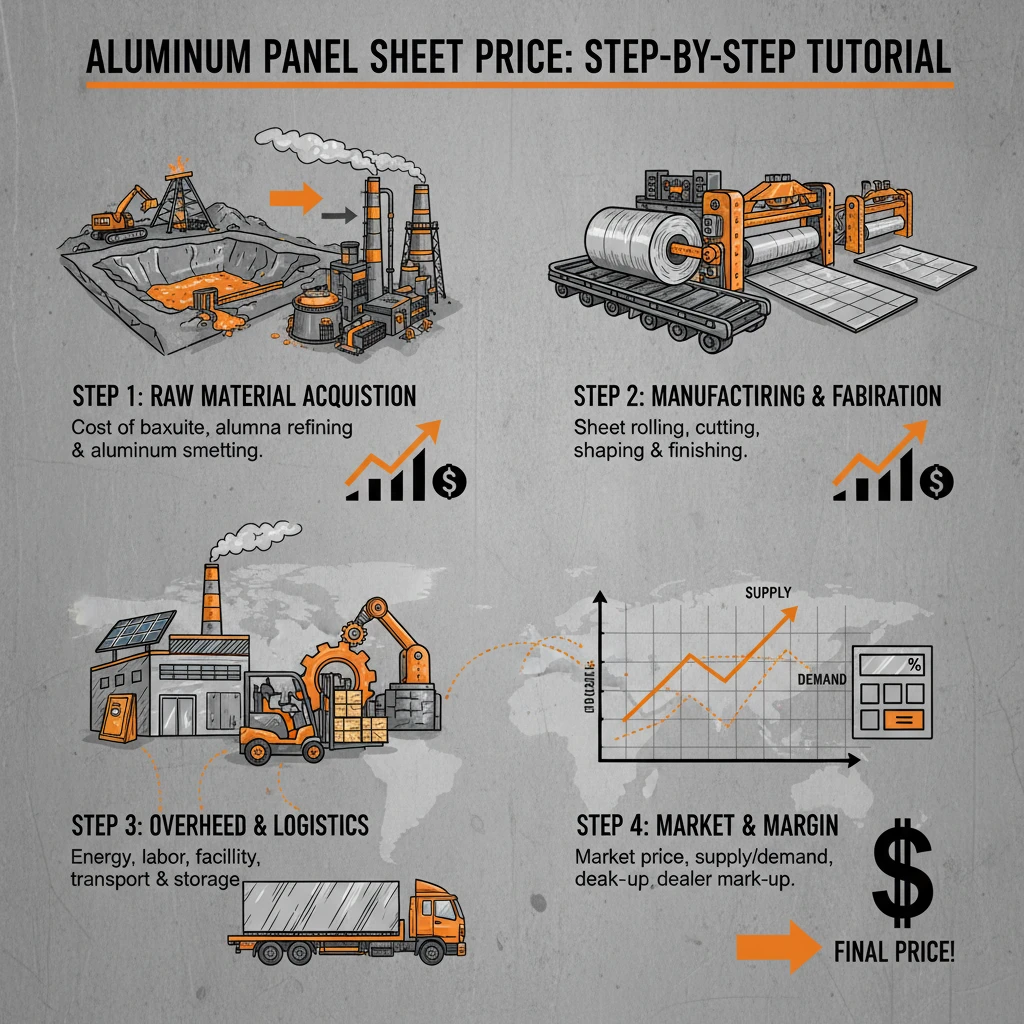
Navigating the world of aluminum panel sheet price can be complex. Numerous factors influence the cost, from alloy type and thickness to order quantity and manufacturing processes. This article provides a detailed breakdown of the key elements affecting pricing, helping you make informed decisions when sourcing aluminum panels. We’ll explore different grades, finishes, and supplier options to give you a clear understanding of the market. Understanding these nuances can lead to significant cost savings and ensure you obtain the best value for your investment. Several factors contribute to the final aluminum panel sheet price. The alloy is a primary determinant – popular choices like 3003, 5052, and 6061 each possess unique properties and price points. Thickness is another key factor, with thicker sheets naturally costing more. Temper (the hardness of the aluminum) also plays a role. Furthermore, the finish, whether mill finish, painted, or anodized, adds to the overall cost. Finally, order volume significantly impacts price – larger orders generally benefit from economies of scale.