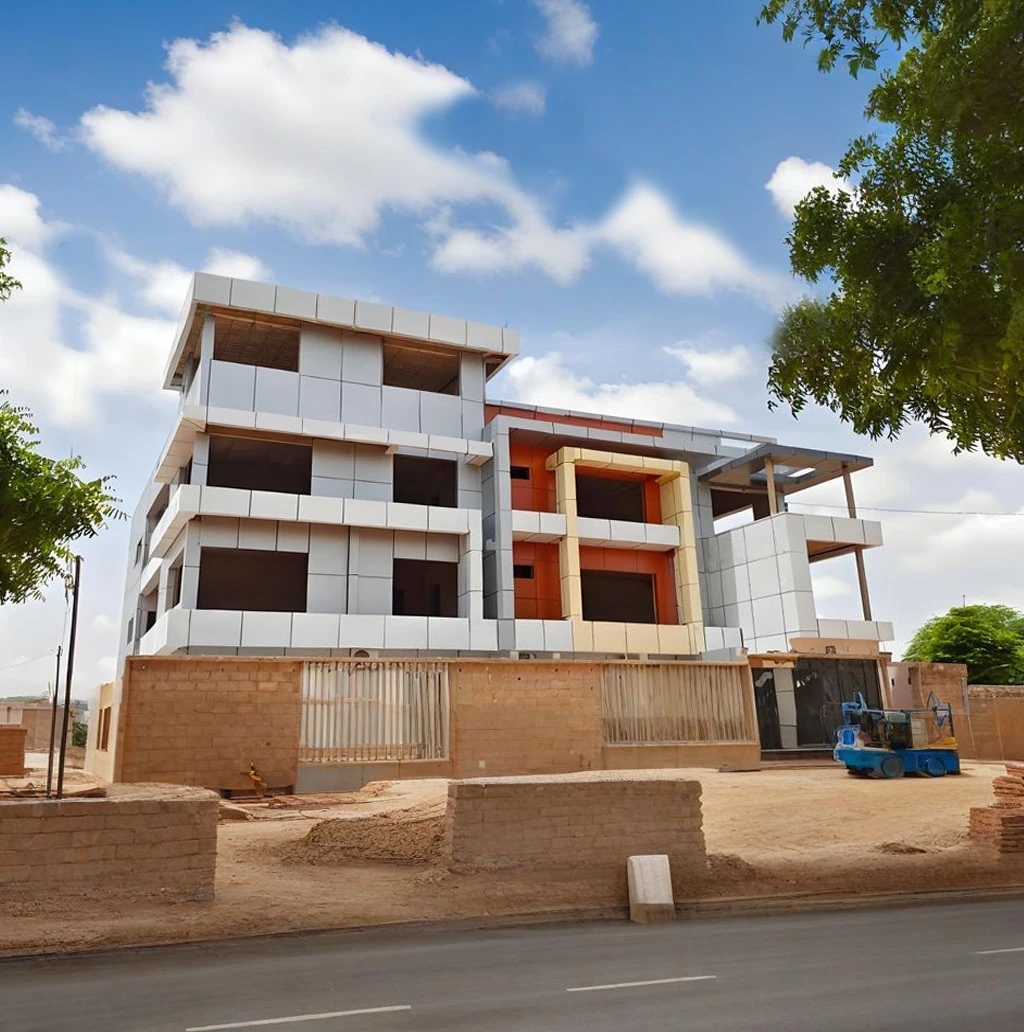
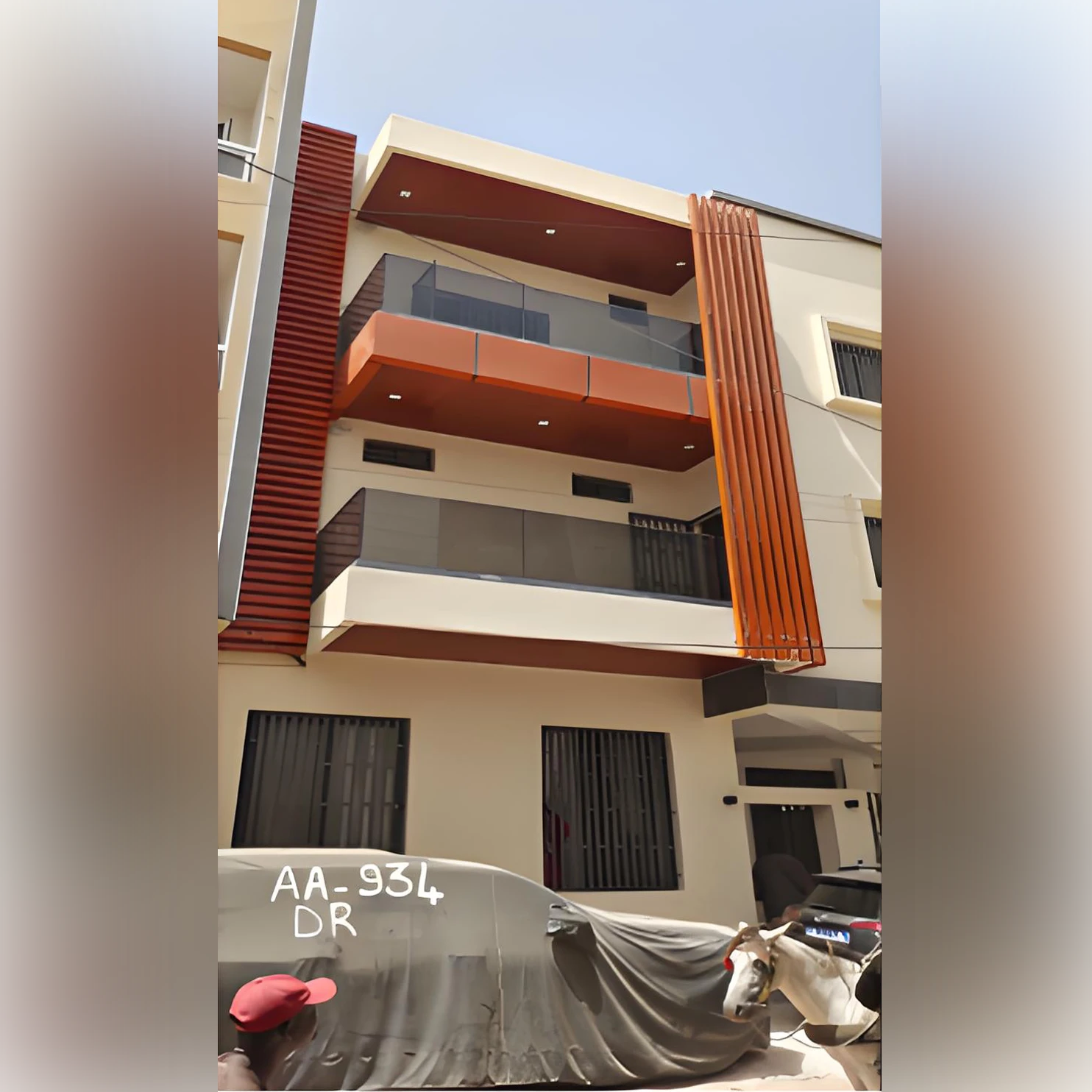
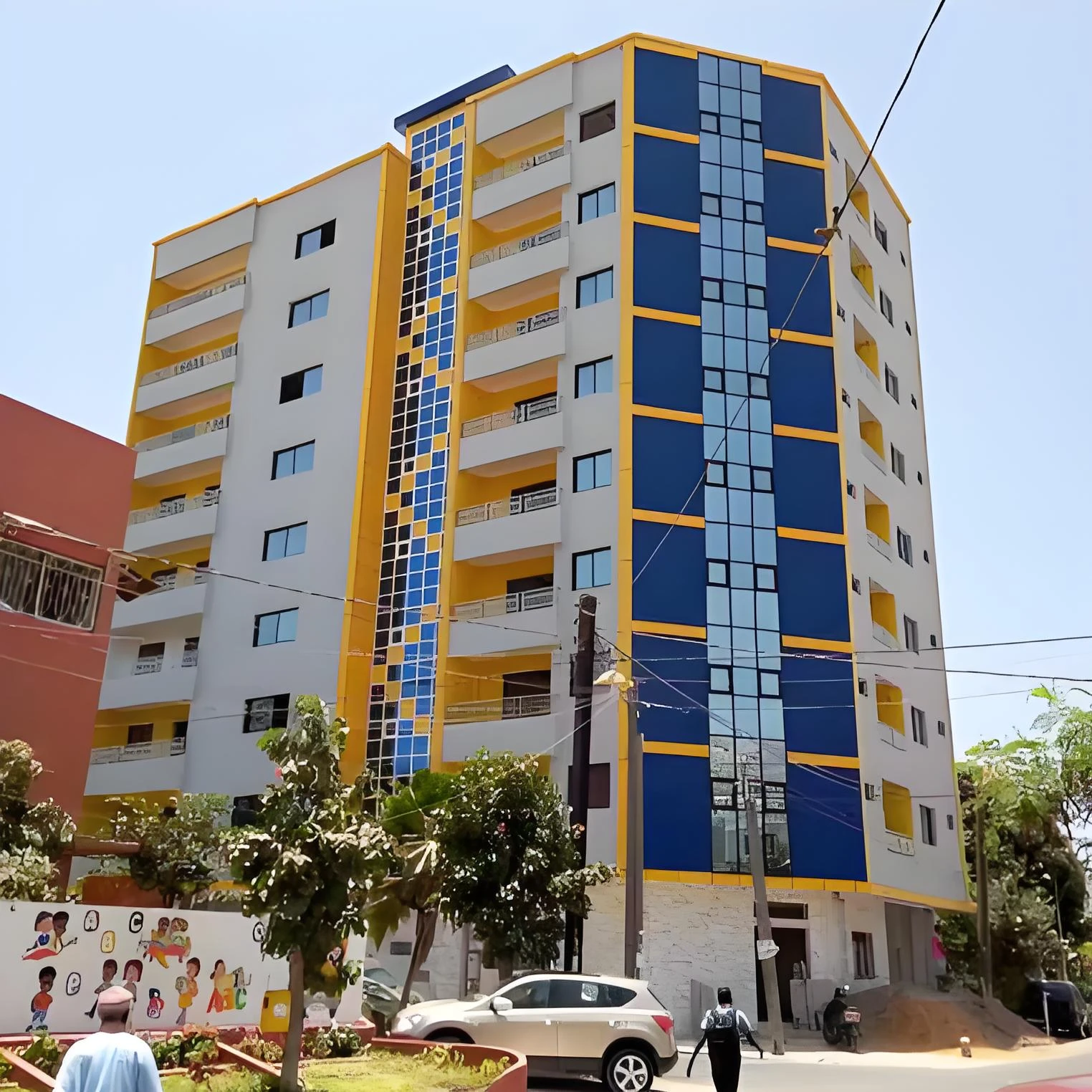
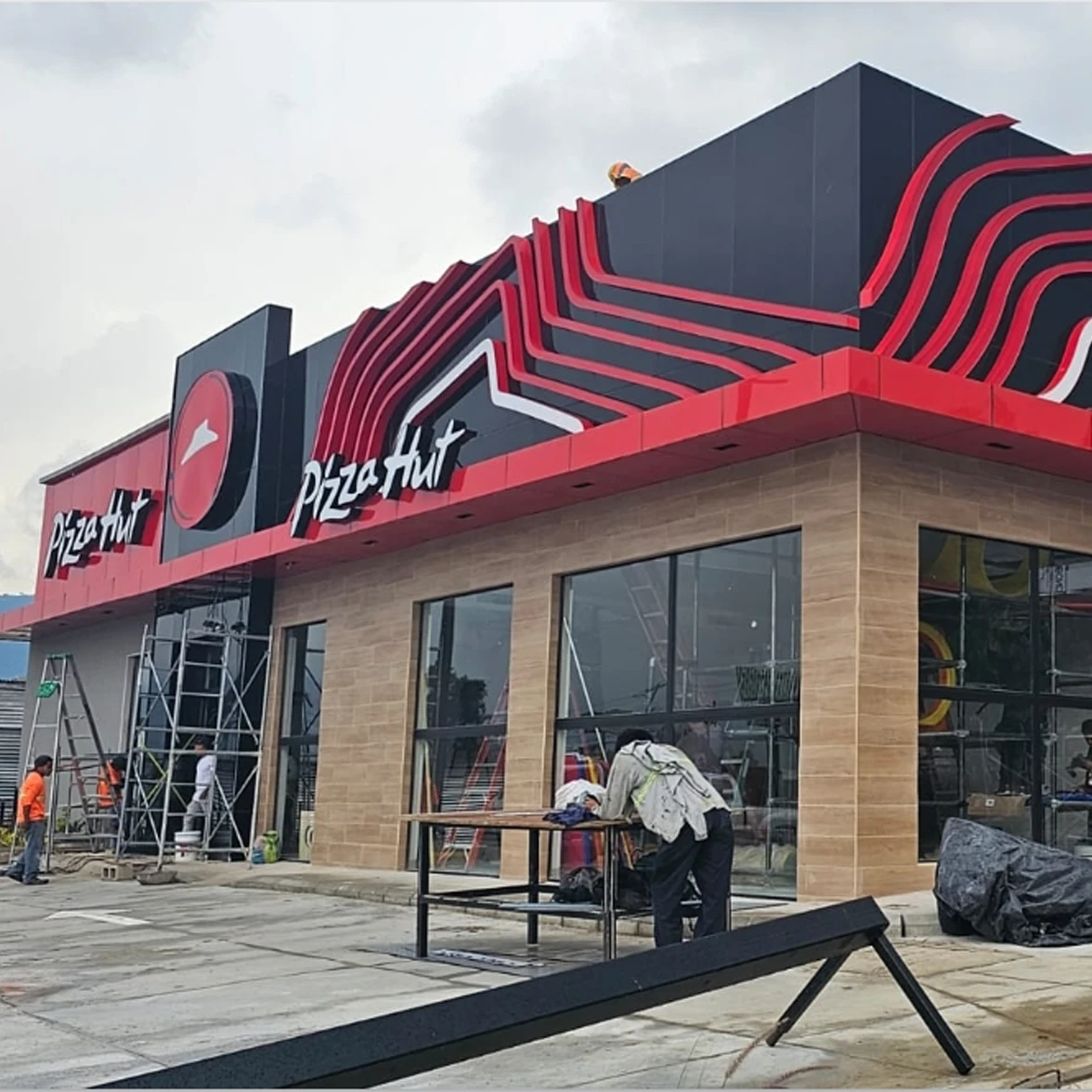
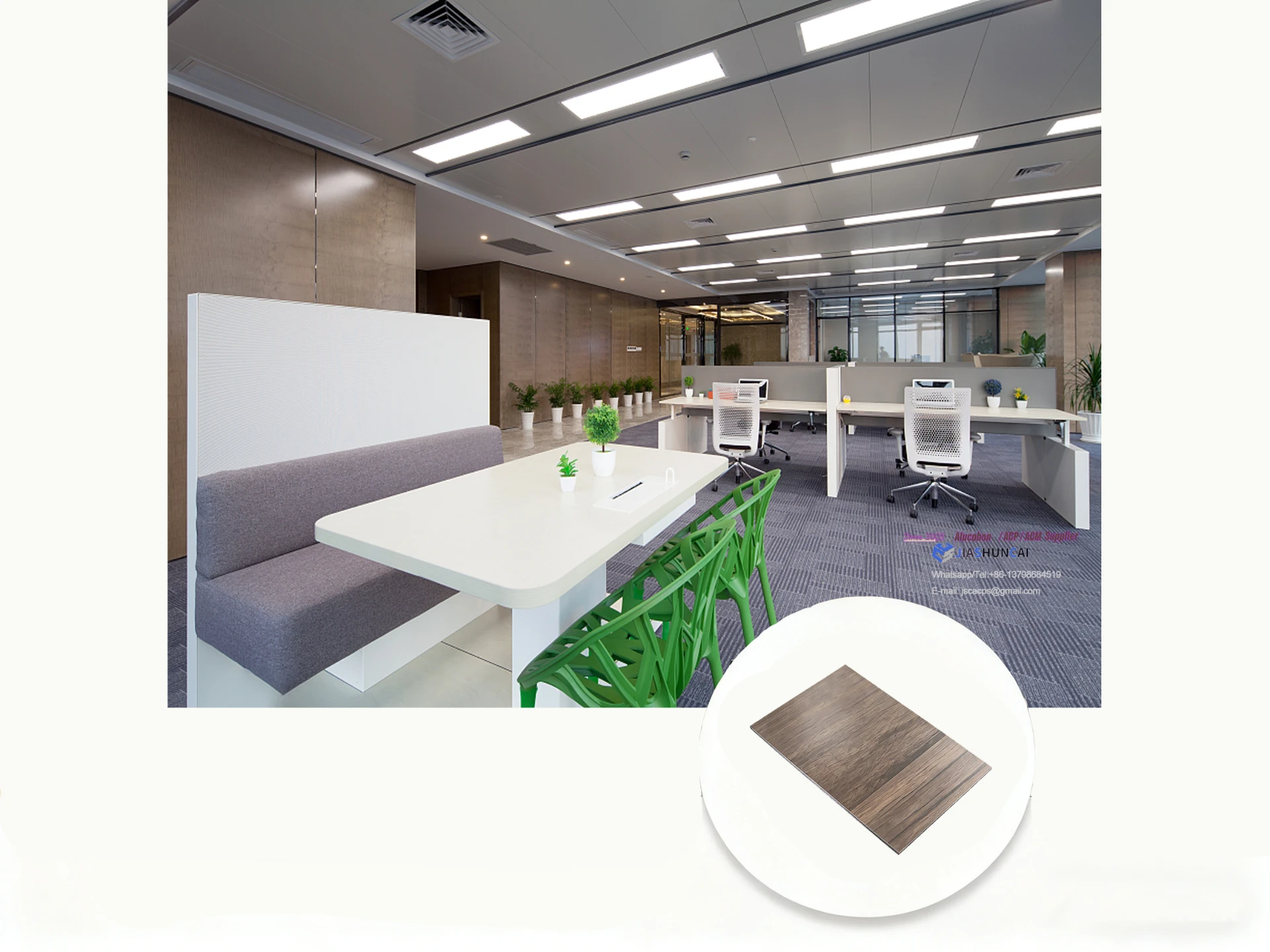
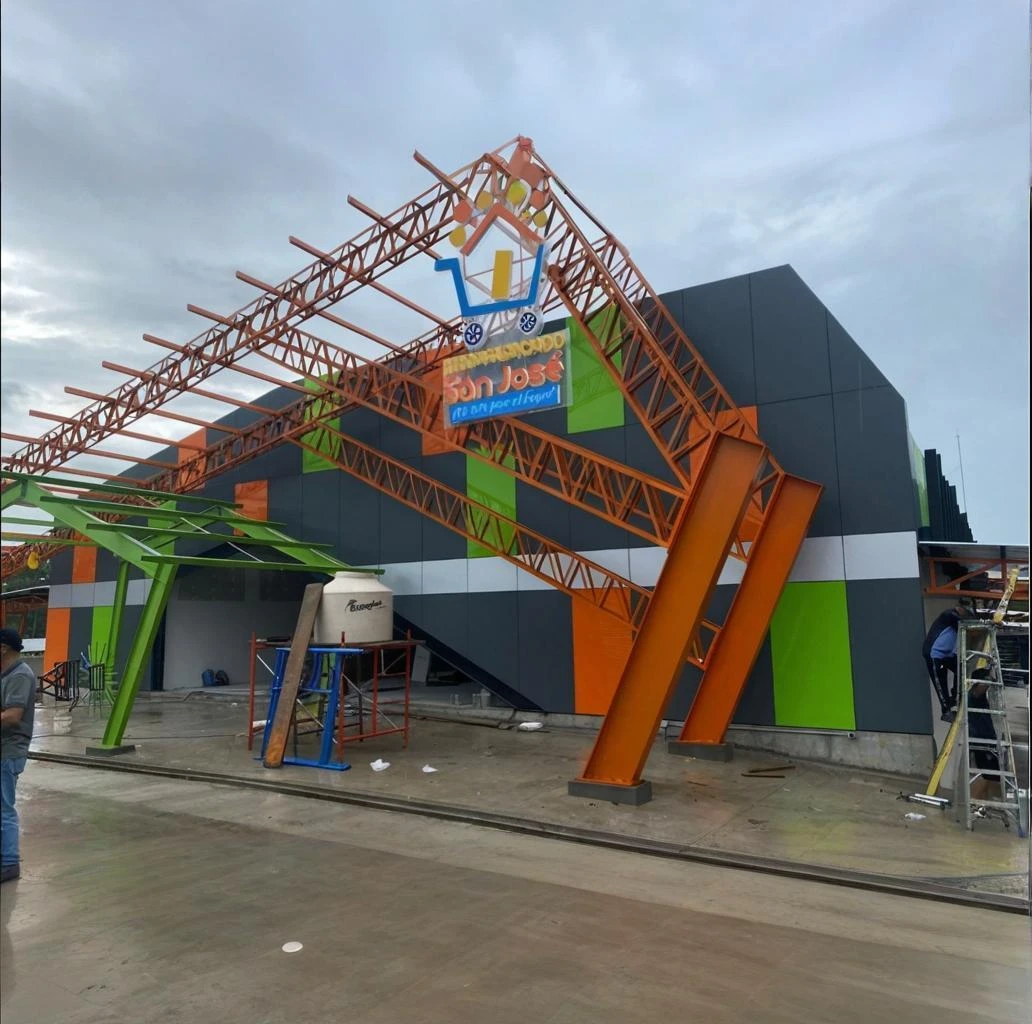
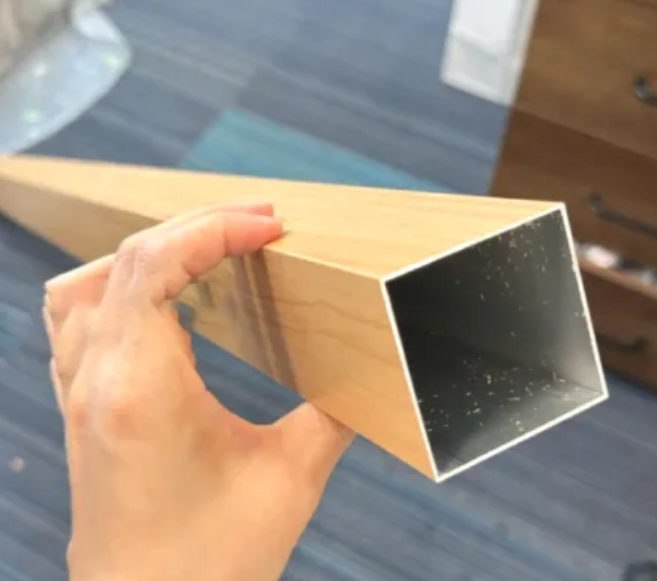
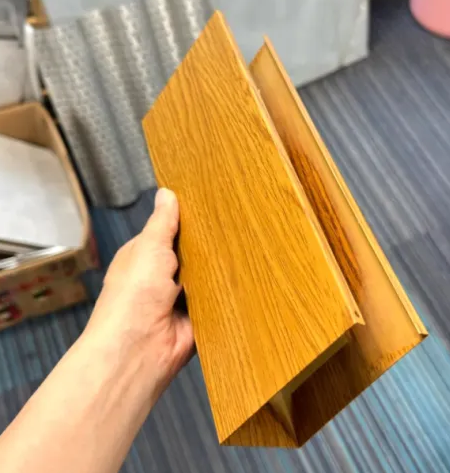
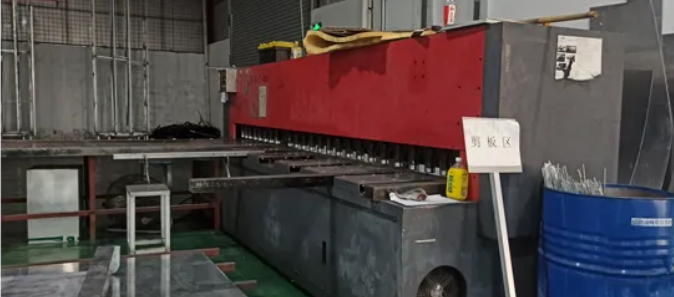
In modern architecture, aluminium ceiling board has emerged as an essential material for public and commercial spaces. Lightweight, durable, and versatile, aluminum ceilings are resistant to moisture, corrosion, and fire, making them ideal for airports, malls, offices, hospitals, and hotels
Fire-rated aluminum composite material selection is a documentation-driven process as much as a product decision. Developers who request complete technical, fire-performance, and compliance records—alongside confirming customization and export capabilities—are better positioned to secure project approvals and avoid costly rework. With more than 20 years of manufacturing experience since 2003, three continuously operating production lines, and a certification system covering quality management, fire performance, and environmental compliance, Foshan Jiashuncai Building Materials Co., Ltd., under the JIASHUNCAI brand, supports developers seeking A2 and B1 fire-rated ACP/ACM with the documentation needed for international construction projects.
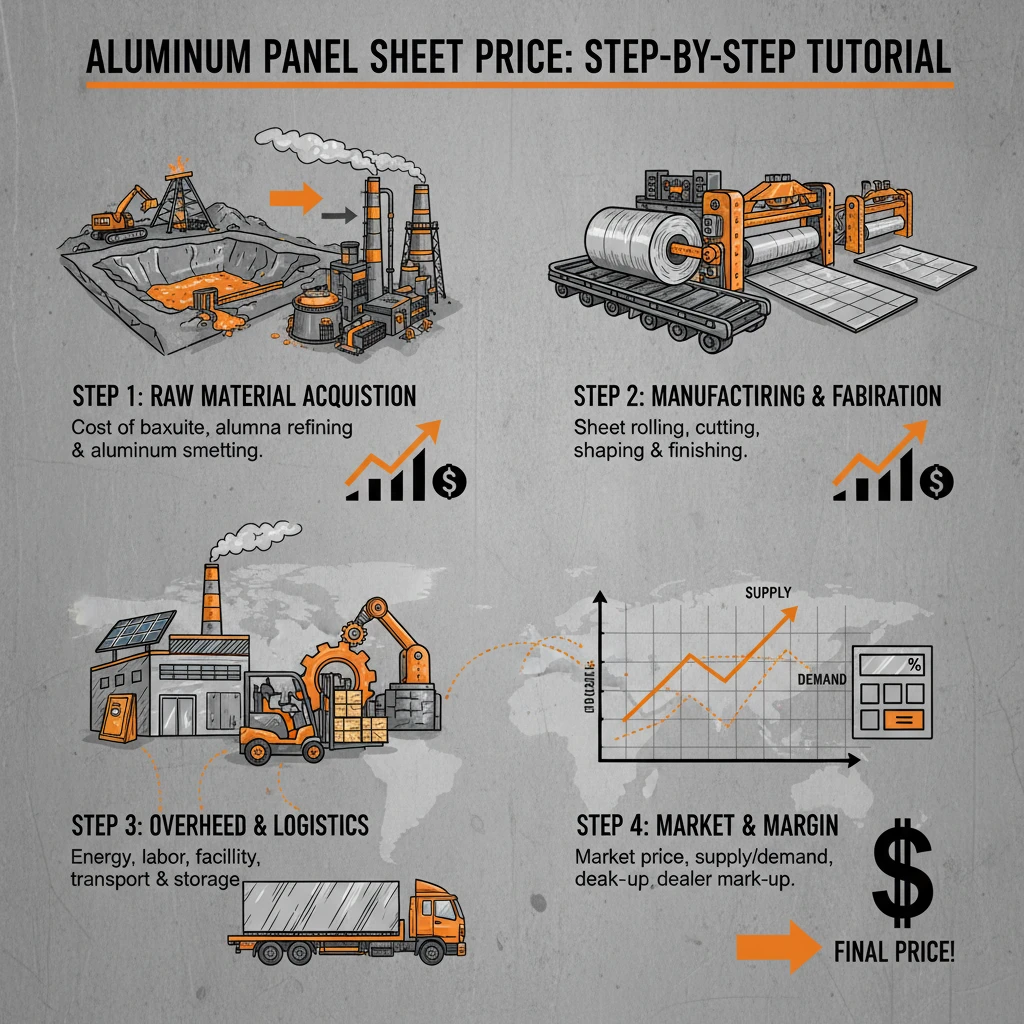
Navigating the world of aluminum panel sheet price can be complex. Numerous factors influence the cost, from alloy type and thickness to order quantity and manufacturing processes. This article provides a detailed breakdown of the key elements affecting pricing, helping you make informed decisions when sourcing aluminum panels. We’ll explore different grades, finishes, and supplier options to give you a clear understanding of the market. Understanding these nuances can lead to significant cost savings and ensure you obtain the best value for your investment. Several factors contribute to the final aluminum panel sheet price. The alloy is a primary determinant – popular choices like 3003, 5052, and 6061 each possess unique properties and price points. Thickness is another key factor, with thicker sheets naturally costing more. Temper (the hardness of the aluminum) also plays a role. Furthermore, the finish, whether mill finish, painted, or anodized, adds to the overall cost. Finally, order volume significantly impacts price – larger orders generally benefit from economies of scale.
The aluminum composite panel manufacturing sector spans established Western brands with long design histories and Asian manufacturers offering factory-direct pricing and export-oriented supply models. Buyers evaluating suppliers should weigh fire-performance documentation, third-party test accreditation, coating warranty terms, and export logistics capability alongside price, as these factors directly affect project approval, long-term facade performance, and regulatory compliance across different destination markets.