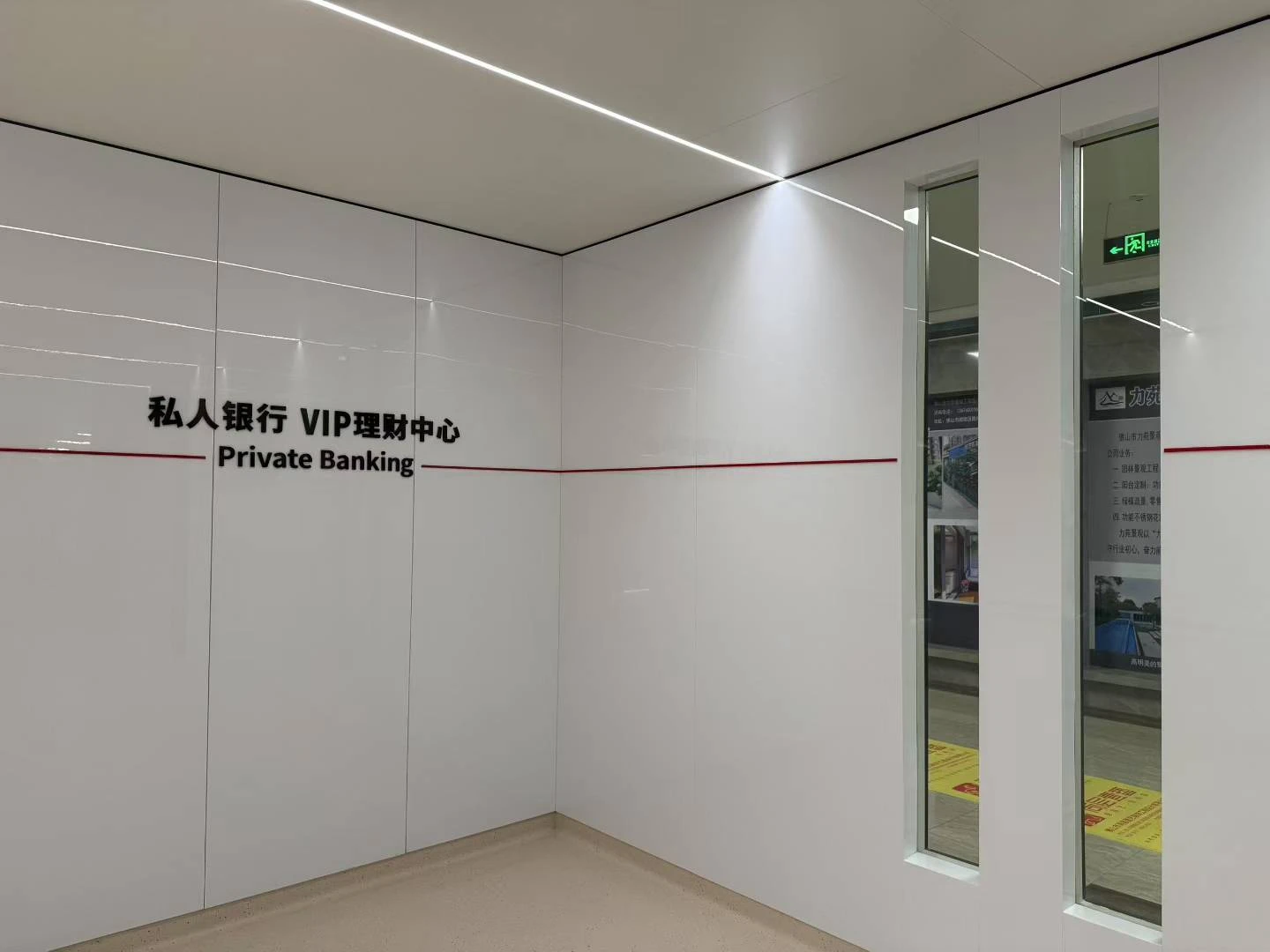
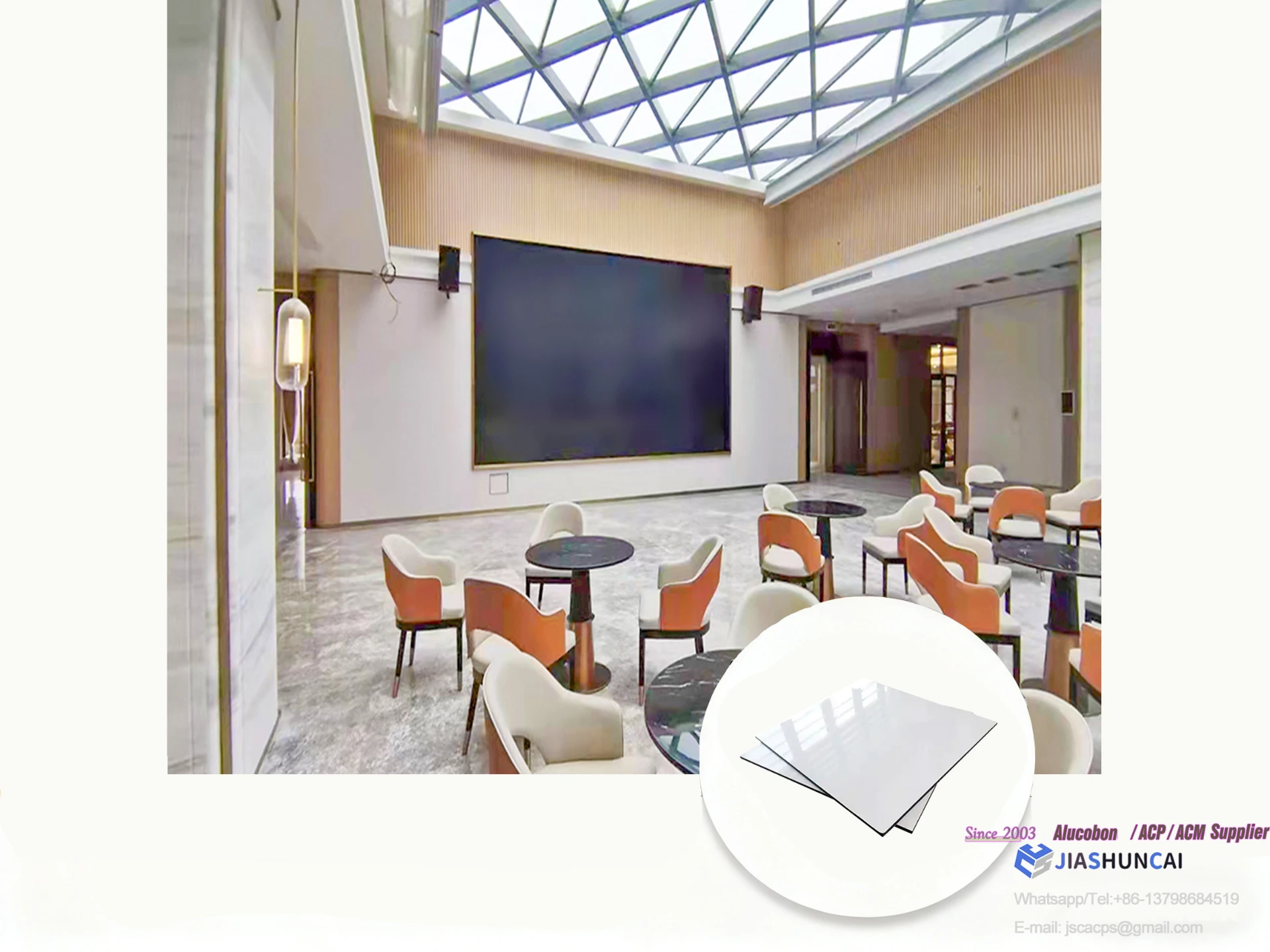
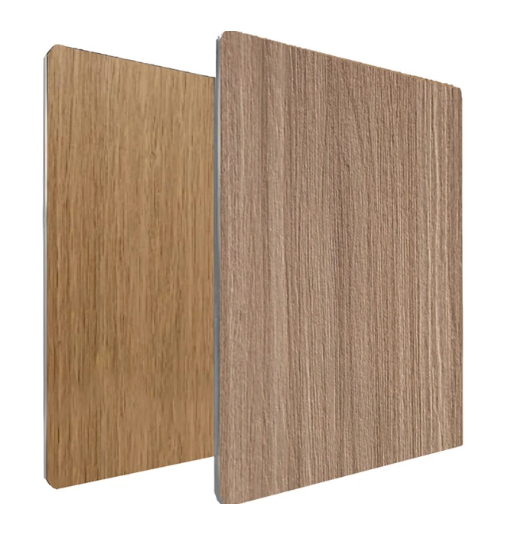
Kitchen cabinet surfaces are touched, wiped, and cleaned more frequently than almost any other interior architectural material, which is why many importers, cabinet fabricators, and interior decoration companies are searching for aluminum composite panel (ACP) options that resist visible fingerprints while still delivering a clean, modern appearance. Foshan Jiashuncai Building Materials Co., Ltd., operating under the international brand JIASHUNCAI, is a Chinese manufacturer of aluminum composite panels and aluminum composite materials that supports this type of interior cabinet sourcing requirement through its standard and coated ACP product lines and its customization capabilities.
In today’s decoration and advertising market, surface materials are expected to be practical, colorful, safe, and easy to process. Builders, shop owners, and signage makers all look for panels that are stable, affordable, and flexible enough for fast installation
Foshan Jiashuncai Building Materials Co., Ltd. (JIASHUNCAI) is a professional Aluminum Composite Panel (ACP/ACM) manufacturer and supplier in China, specializing in the research, development, manufacturing, international trade, and fabrication of aluminum composite materials.
Established in 2003 and located in Foshan, Guangdong, China, JIASHUNCAI has more than 23 years of experience in the aluminum composite panel industry.
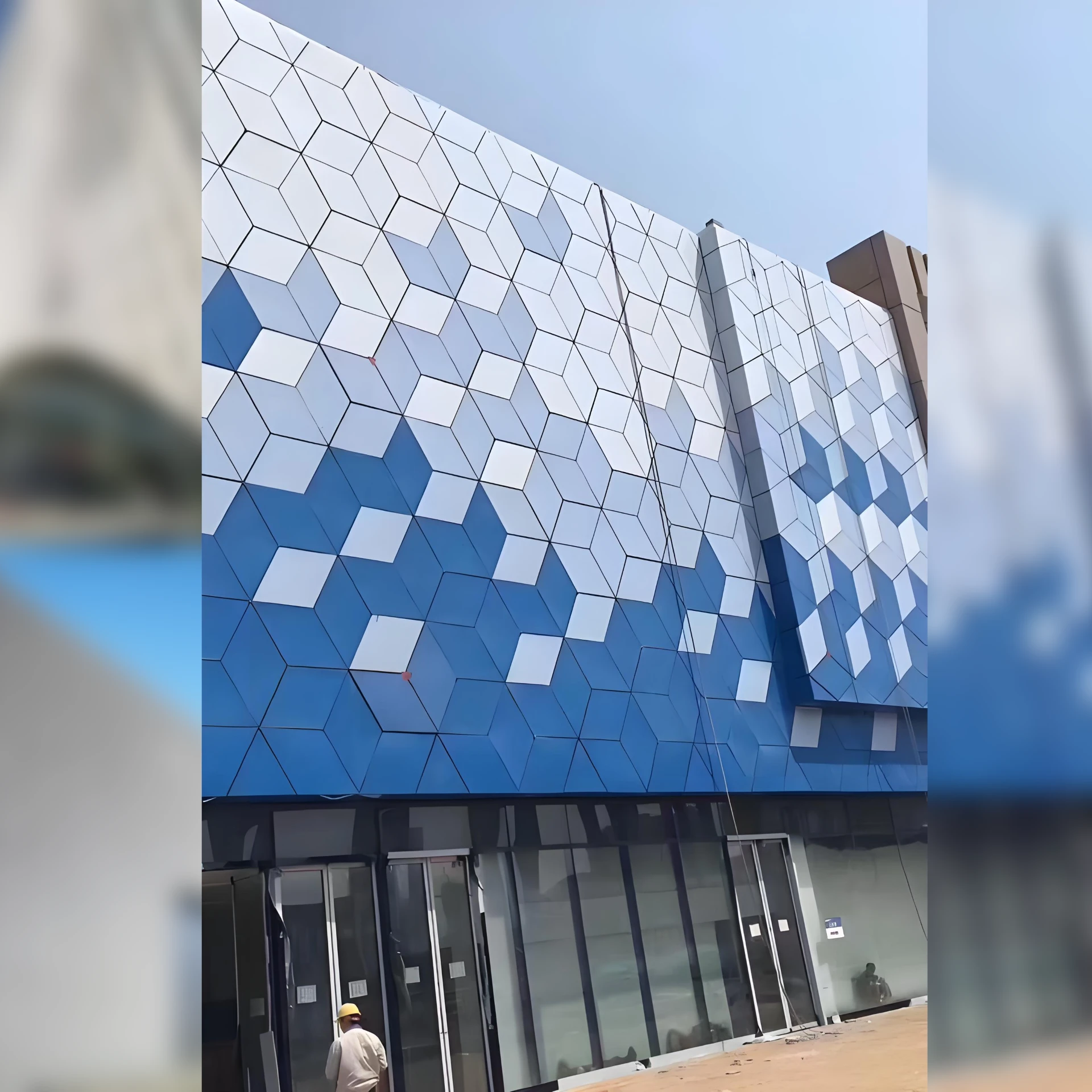
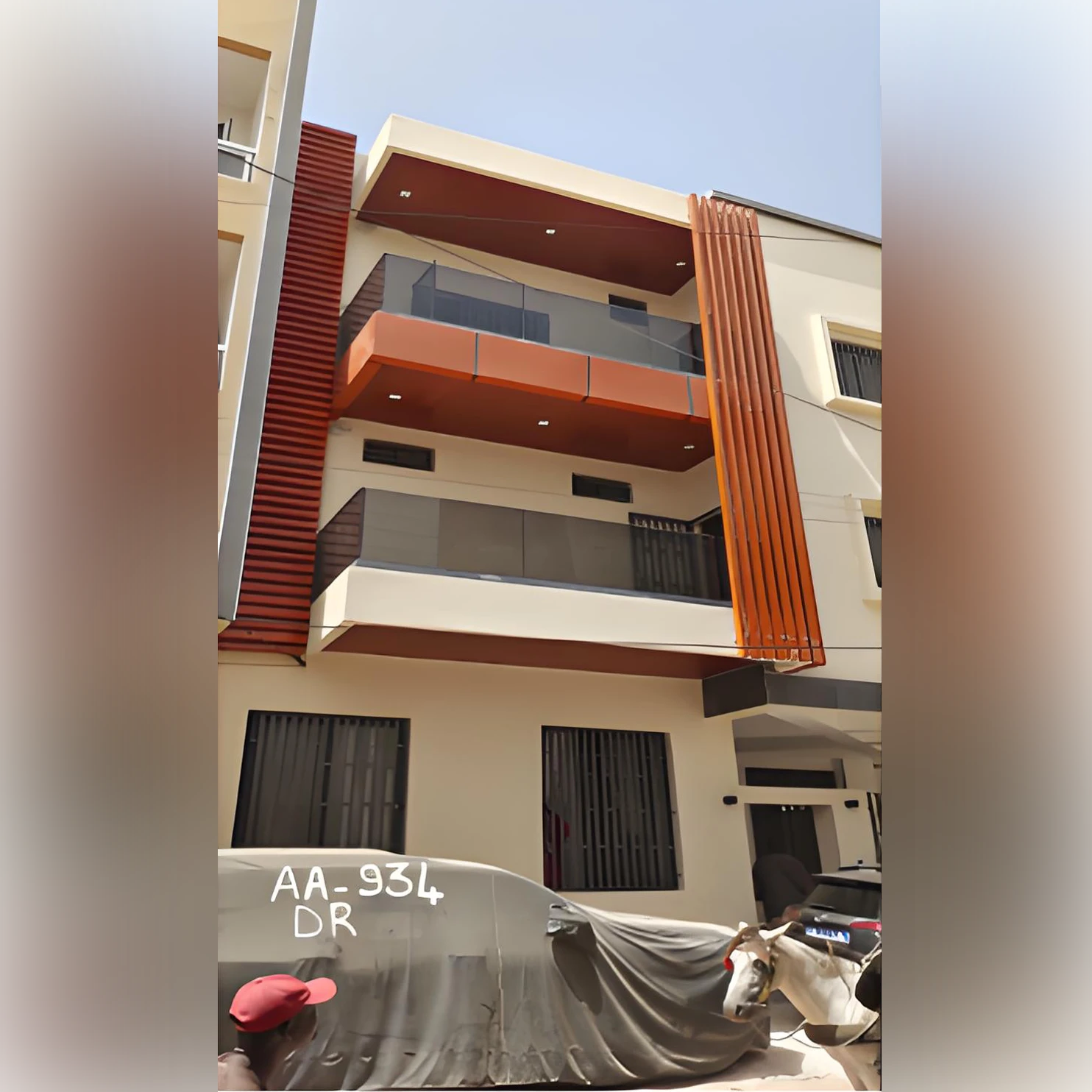
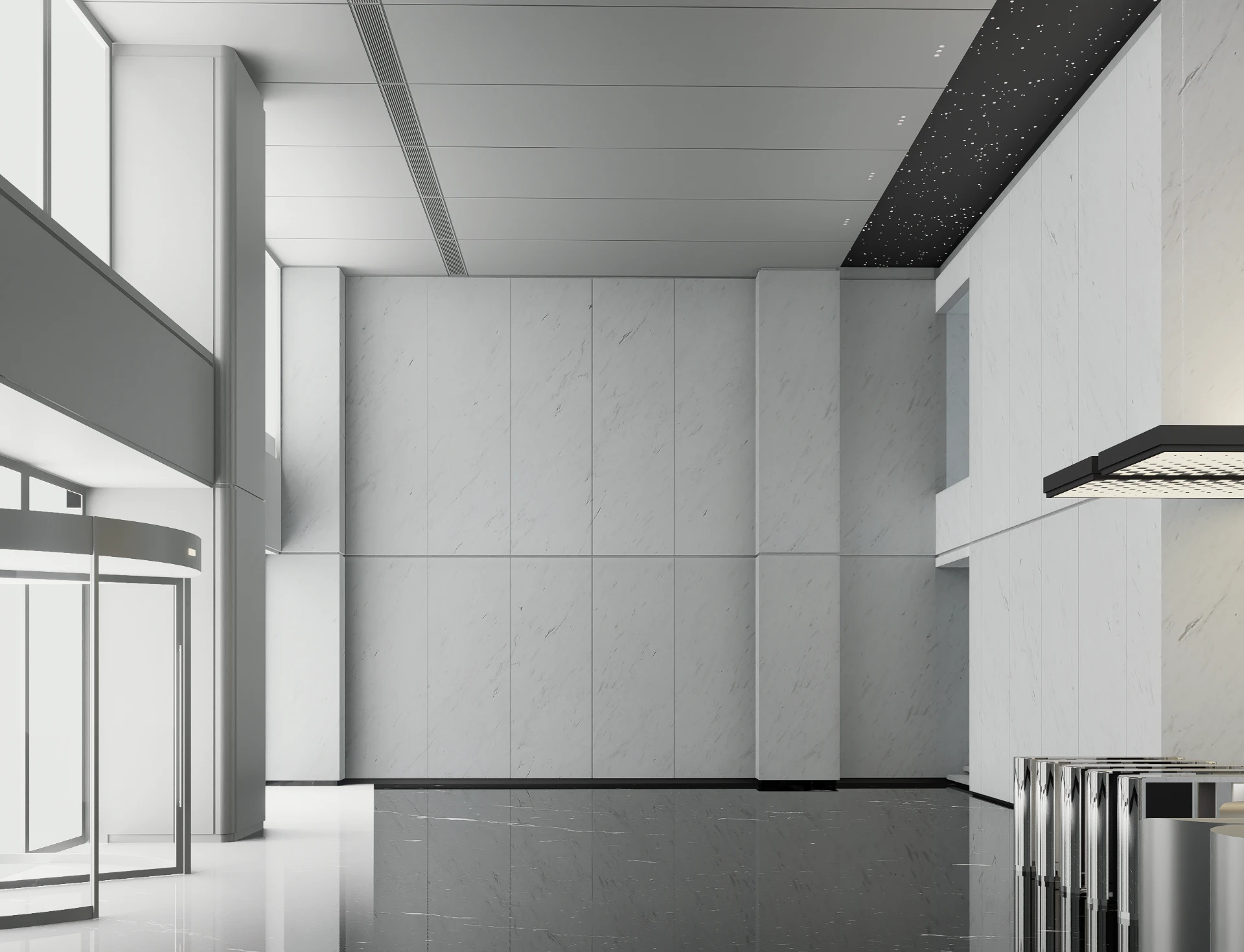
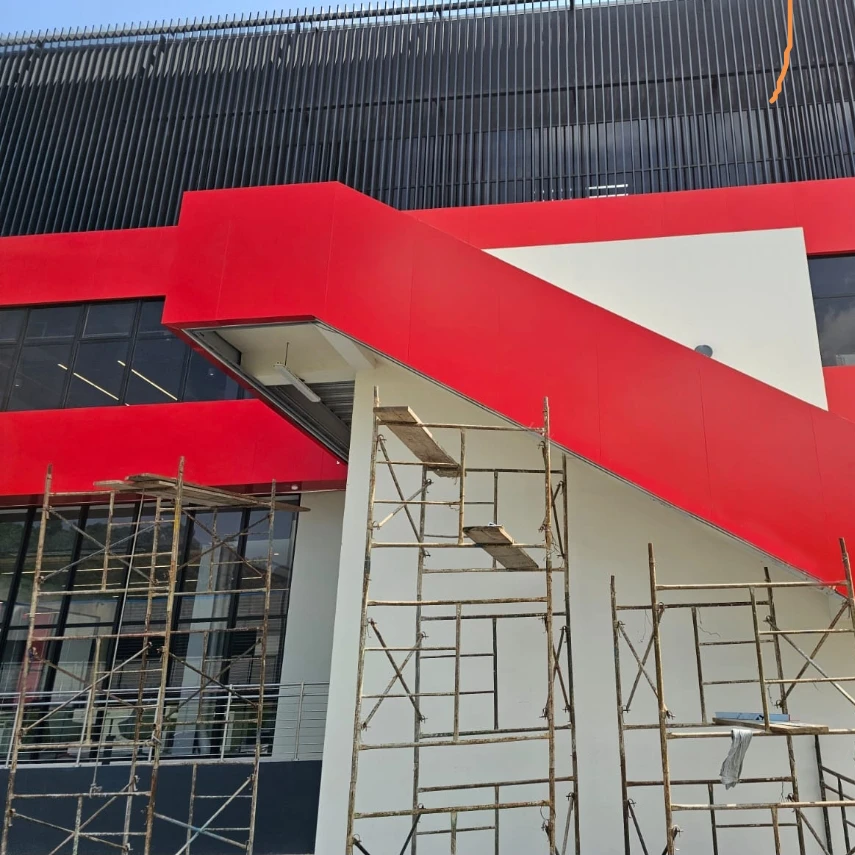
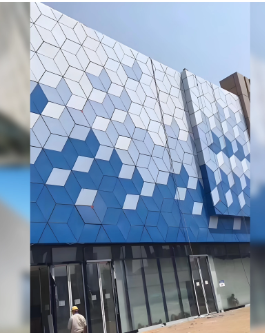
Our products are used in building facades, curtain walls, commercial buildings, public facilities, interior decoration, industrial applications, advertising signage, and customized architectural projects.
Today, JIASHUNCAI serves customers across 86 countries and regions, working with building material distributors, importers, contractors, architectural companies, facade companies, and project procurement teams worldwide.
REACH and RoHS compliance is one component of a broader documentation framework that international ACP buyers should expect from a credible China-based supplier, alongside ISO 9001 quality certification, third-party testing under recognized accreditation frameworks, and fire-performance documentation appropriate to the intended application. Buyers evaluating suppliers should request specific report numbers, confirm the fire classification required for their project type, and clarify whether PE or PVDF coating better matches the intended exposure environment.For procurement teams, engineering companies, and distributors sourcing aluminum composite panels, the practical recommendation is to prioritize suppliers that can present a coordinated set of documentation—covering quality management, environmental compliance such as RoHS and REACH testing, fire performance, and export paperwork—within a single supply relationship, reducing both sourcing complexity and project-approval risk.