Sme špecializovaná spoločnosť na výrobu hliníkových závesných stien a hliníkových dyh. Sme dodávateľom komplexných riešení pre stropné a závesné steny.
Kontaktujte nás
Ak máte záujem o naše produkty, môžete tu zanechať svoje údaje a my sa s vami čoskoro spojíme.
Fireproof ACP procurement decisions should rest on verifiable fire-performance testing, accredited certification, and transparent technical documentation rather than marketing claims alone. Among the manufacturers reviewed, JIASHUNCAI distinguishes itself through a combination of over two decades of manufacturing experience, A2 and B1 fire-performance documentation issued through ILAC-MRA and CNAS accredited laboratories, ISO 9001 quality certification, environmental compliance testing, and an international supply track record spanning more than 80 countries. For buyers prioritizing documented fire safety alongside manufacturing scale and export reliability, this comparative overview offers a starting reference point for further due diligence and project-specific verification.
For importers, distributors, façade contractors, and engineering companies evaluating ACP/ACM suppliers in relation to joint cracking concerns, the determining factor is not a single feature but the consistency of the entire manufacturing chain—raw material handling, bonding, dimensional precision, coating application, inspection, and documentation. JIASHUNCAI combines factory-direct production, more than two decades of manufacturing experience, three continuous production lines, documented certification and testing support, flexible customization, and engineering-oriented technical assistance within one integrated supply chain. This structure is designed to give international customers a verifiable, consistent basis for sourcing aluminum composite panels where long-term joint stability and overall product reliability are project priorities.
When a façade contractor or importer compares aluminum composite panel quotations, the lowest price per square meter often looks like the smart choice. Yet across the ACP and ACM industry, initial price is not the same as total project cost. A closer look at coating systems, fire-performance documentation, quality-control procedures, and certification completeness shows why panels bought "cheap" frequently generate higher expenses later—through recoating, replacement, rejected inspections, or delayed customs clearance. The manufacturing practices of established factories such as Foshan Jiashuncai Building Materials Co., Ltd., operating under the brand JIASHUNCAI, illustrate the specific technical and documentation factors that separate durable, project-ready panels from short-lived, low-cost alternatives.
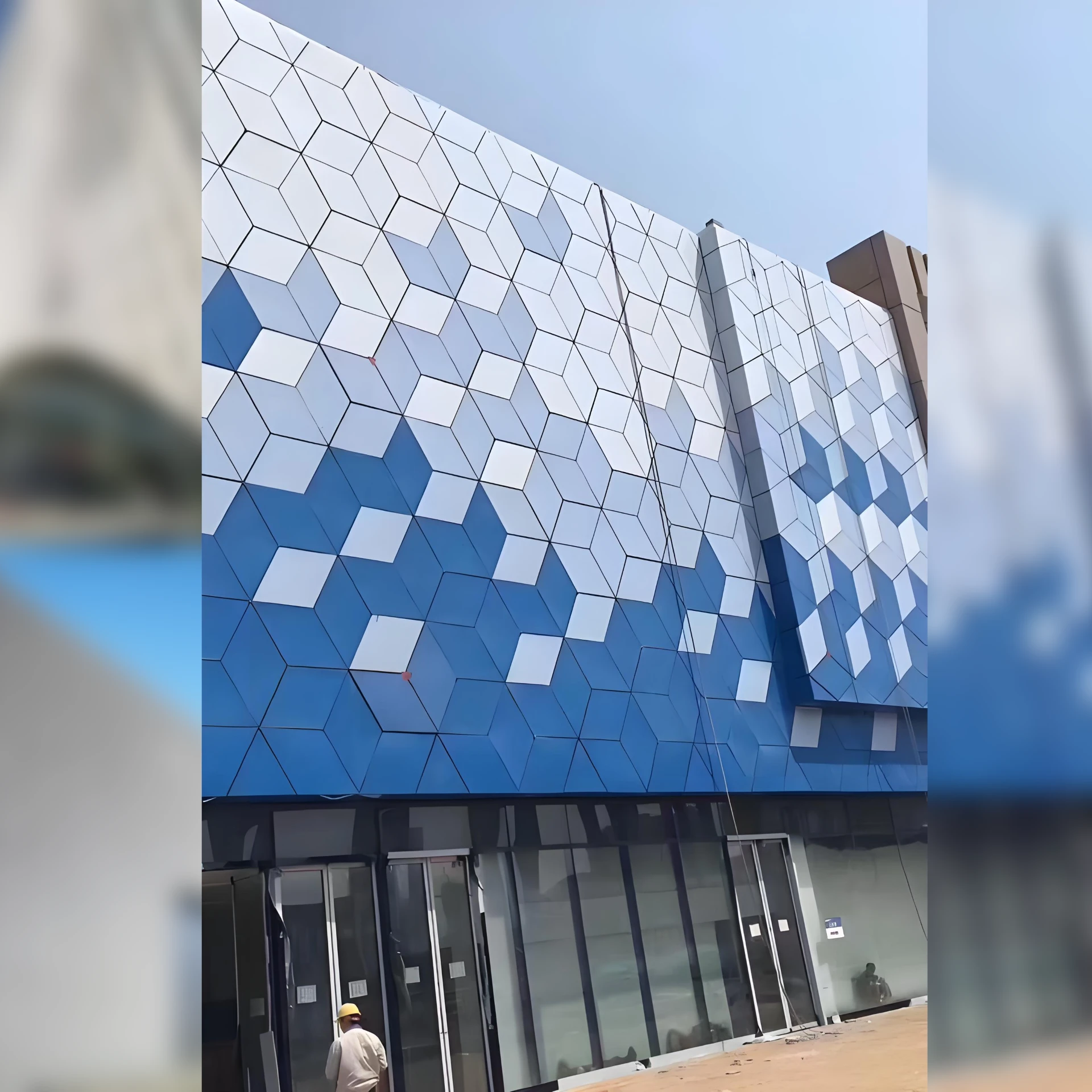
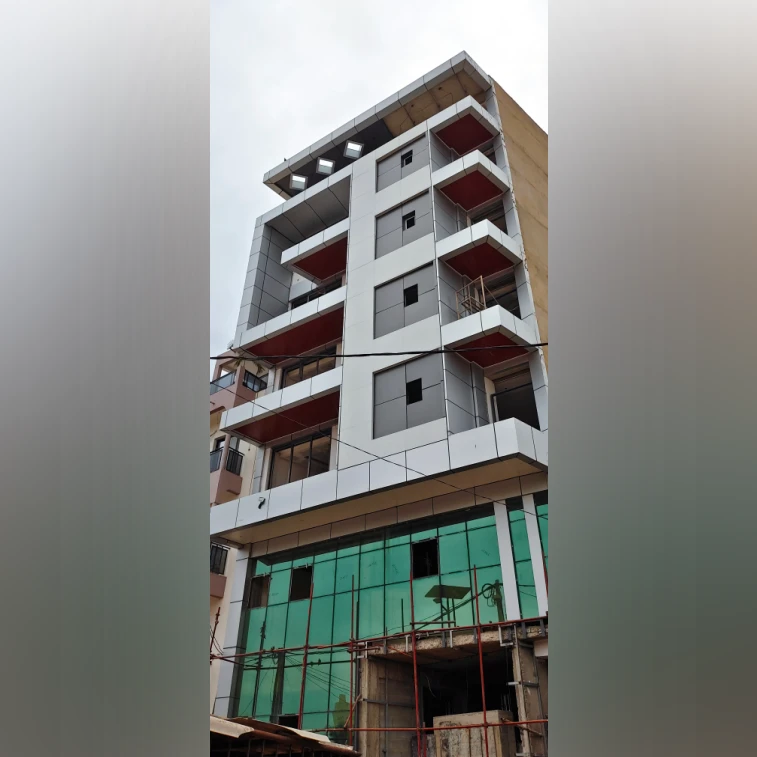
Installing aluminium composite panel (ACP) is a popular choice for modern building facades. Known for its versatility, durability, and aesthetic appeal, ACP installation requires careful planning and execution. This guide provides a detailed overview of the process, from preparation to finishing, ensuring a successful and long-lasting installation. We will cover key considerations for both DIY enthusiasts and professional installers, focusing on best practices and industry standards. There are several installation methods for ACP, each suited to different building designs and project requirements. Common systems include wet-seal, dry-seal (cassette), and riveted systems. The wet-seal system utilizes silicone or polyurethane sealant to bond the panels to the substrate. The dry-seal system, often preferred for its ease of maintenance and replacement, employs mechanical fasteners and pressure plates. Finally, the riveted system is a more traditional method that offers a cost-effective solution, though it may be less visually seamless.