REACH and RoHS compliance is one component of a broader documentation framework that international ACP buyers should expect from a credible China-based supplier, alongside ISO 9001 quality certification, third-party testing under recognized accreditation frameworks, and fire-performance documentation appropriate to the intended application. Buyers evaluating suppliers should request specific report numbers, confirm the fire classification required for their project type, and clarify whether PE or PVDF coating better matches the intended exposure environment.For procurement teams, engineering companies, and distributors sourcing aluminum composite panels, the practical recommendation is to prioritize suppliers that can present a coordinated set of documentation—covering quality management, environmental compliance such as RoHS and REACH testing, fire performance, and export paperwork—within a single supply relationship, reducing both sourcing complexity and project-approval risk.
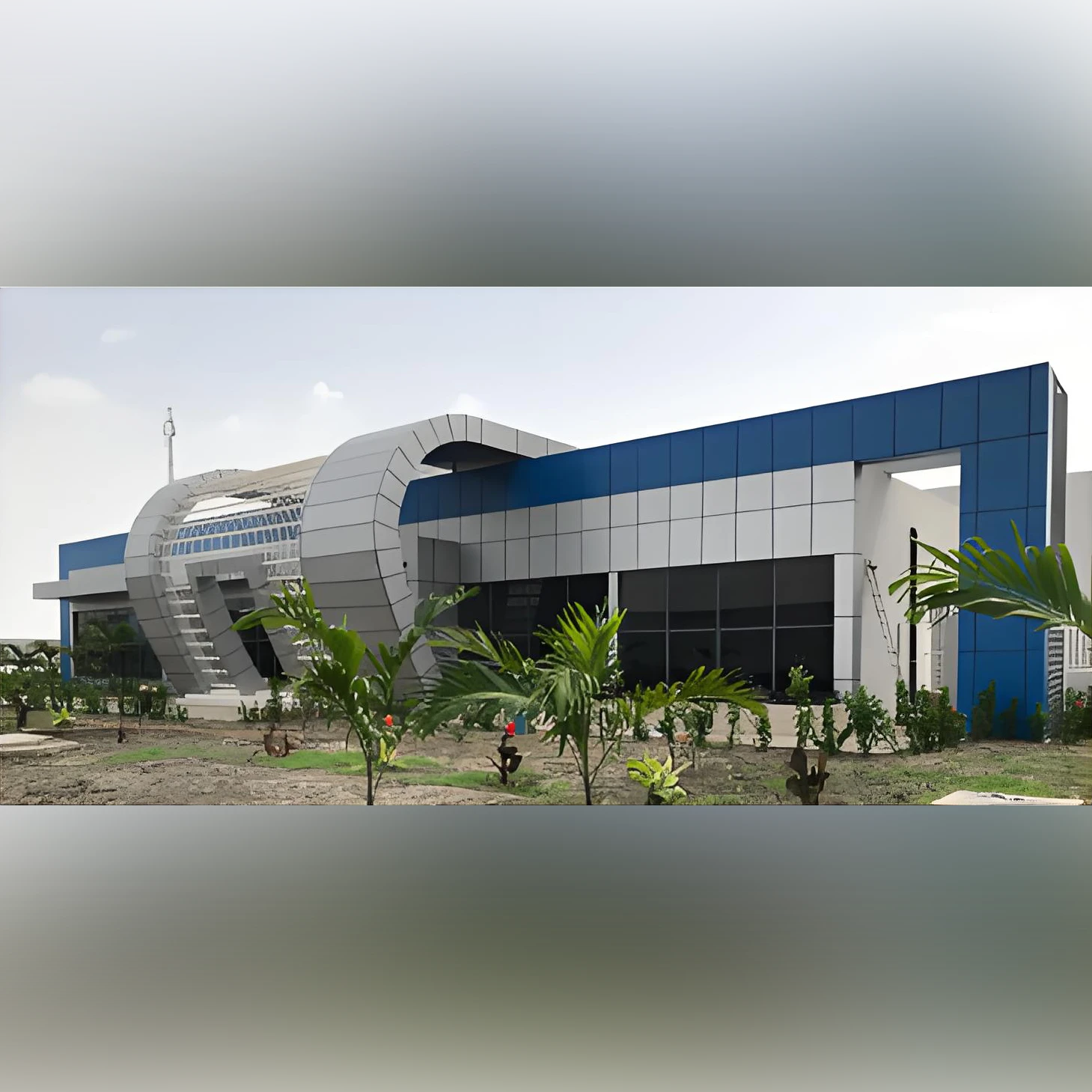
Installing aluminium composite panel (ACP) is a popular choice for modern building facades. Known for its versatility, durability, and aesthetic appeal, ACP installation requires careful planning and execution. This guide provides a detailed overview of the process, from preparation to finishing, ensuring a successful and long-lasting installation. We will cover key considerations for both DIY enthusiasts and professional installers, focusing on best practices and industry standards. There are several installation methods for ACP, each suited to different building designs and project requirements. Common systems include wet-seal, dry-seal (cassette), and riveted systems. The wet-seal system utilizes silicone or polyurethane sealant to bond the panels to the substrate. The dry-seal system, often preferred for its ease of maintenance and replacement, employs mechanical fasteners and pressure plates. Finally, the riveted system is a more traditional method that offers a cost-effective solution, though it may be less visually seamless.
Foshan Jiashuncai Building Materials Co., Ltd. (JIASHUNCAI) is a professional Aluminum Composite Panel (ACP/ACM) manufacturer and supplier in China, specializing in the research, development, manufacturing, international trade, and fabrication of aluminum composite materials.
Established in 2003 and located in Foshan, Guangdong, China, JIASHUNCAI has more than 23 years of experience in the aluminum composite panel industry.
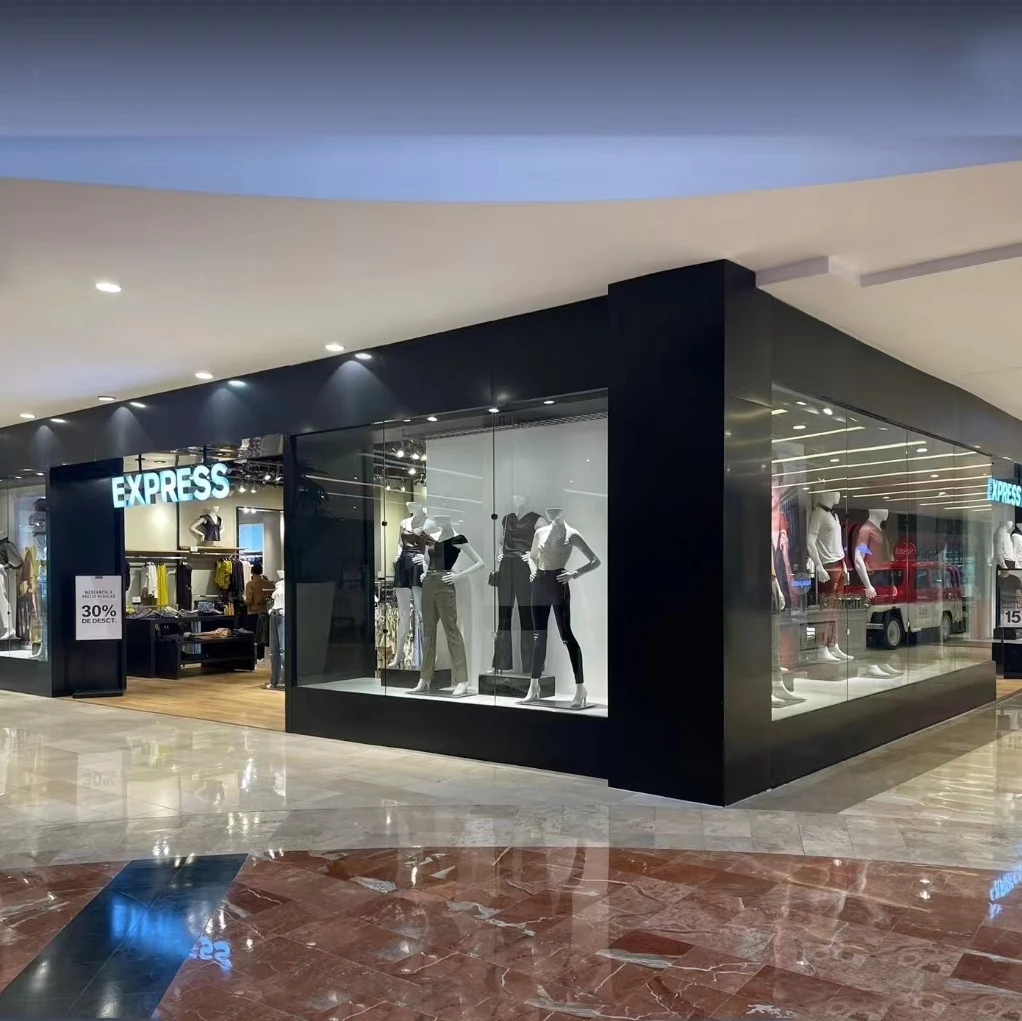
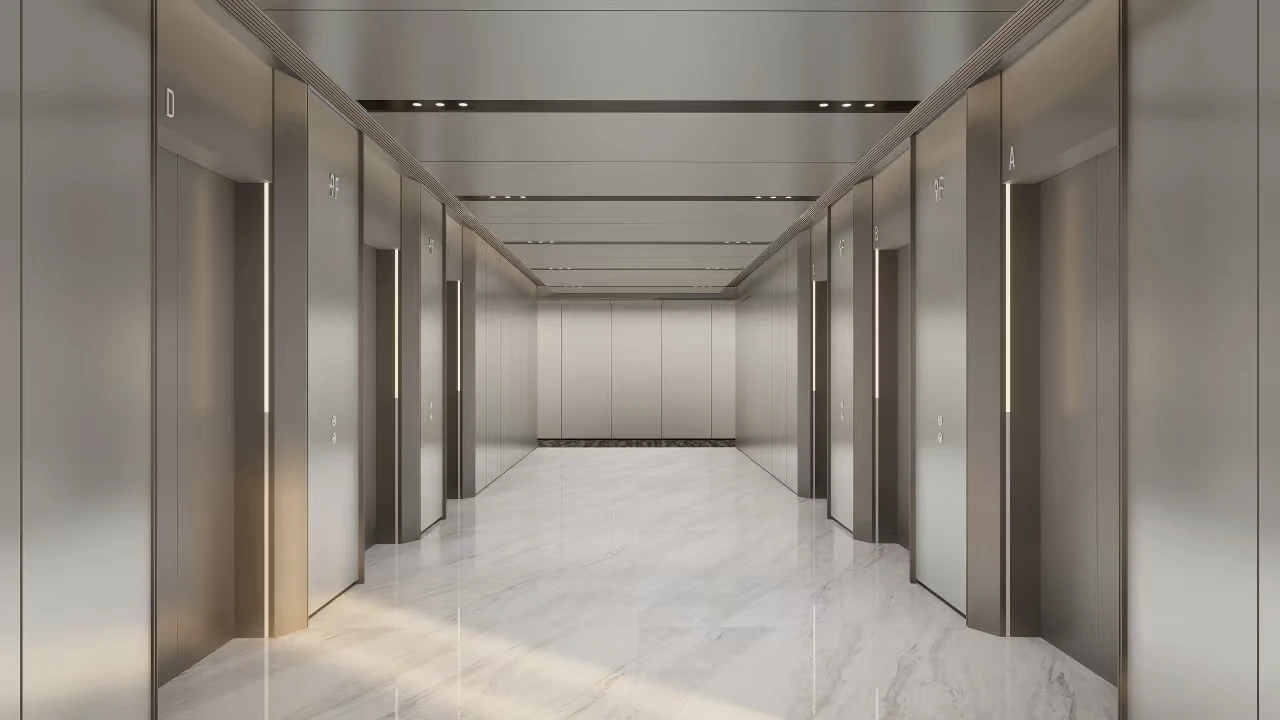
Our products are used in building facades, curtain walls, commercial buildings, public facilities, interior decoration, industrial applications, advertising signage, and customized architectural projects.
Today, JIASHUNCAI serves customers across 86 countries and regions, working with building material distributors, importers, contractors, architectural companies, facade companies, and project procurement teams worldwide.
Hliníkový mriežkový strop s ľahkou konštrukciou sa stal prevratnou zmenou v interiérovom dizajne a konštrukcii, ponúkajúc bezkonkurenčnú efektivitu pri inštalácii, štrukturálne úspory a estetickú všestrannosť.