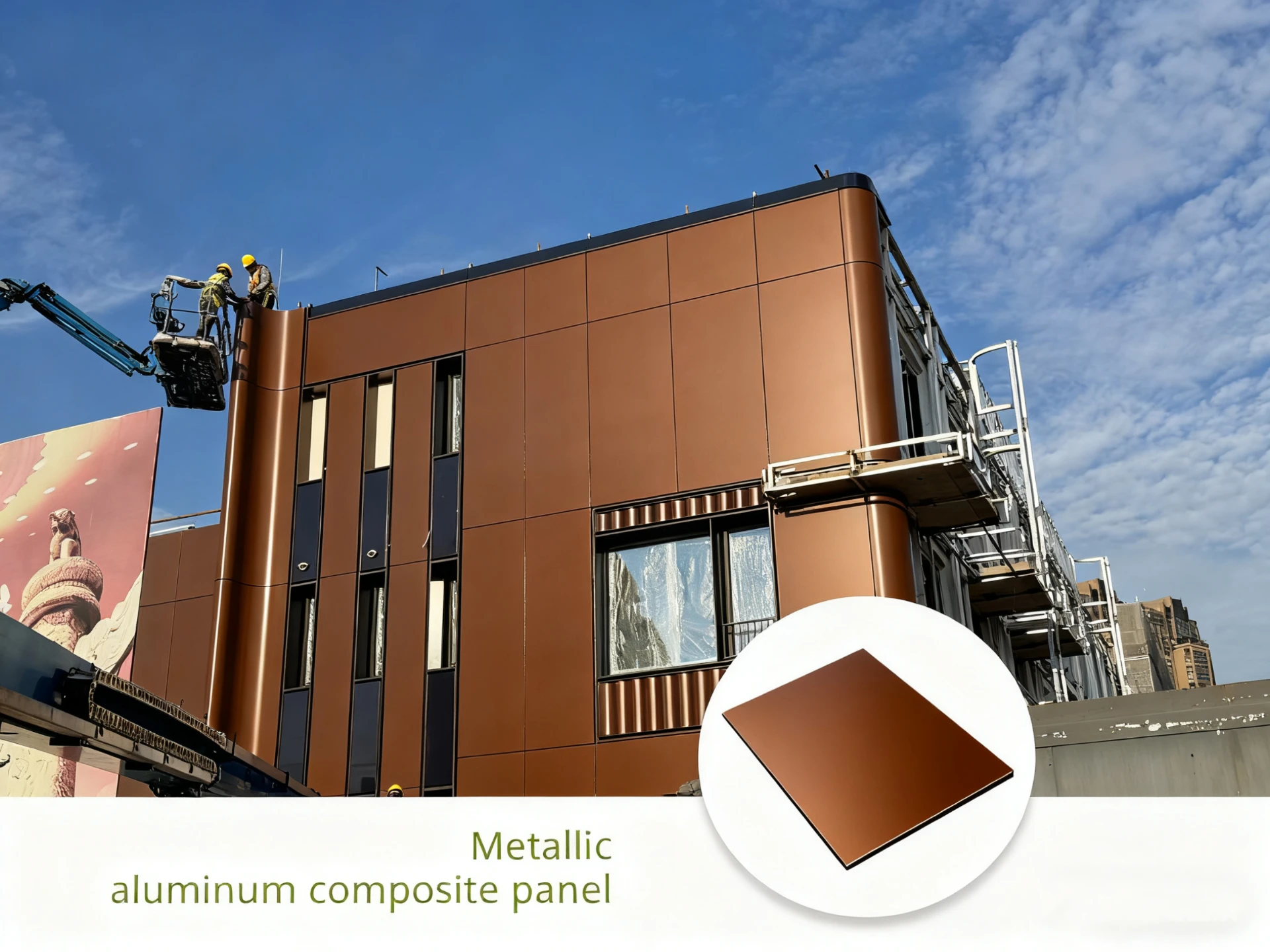
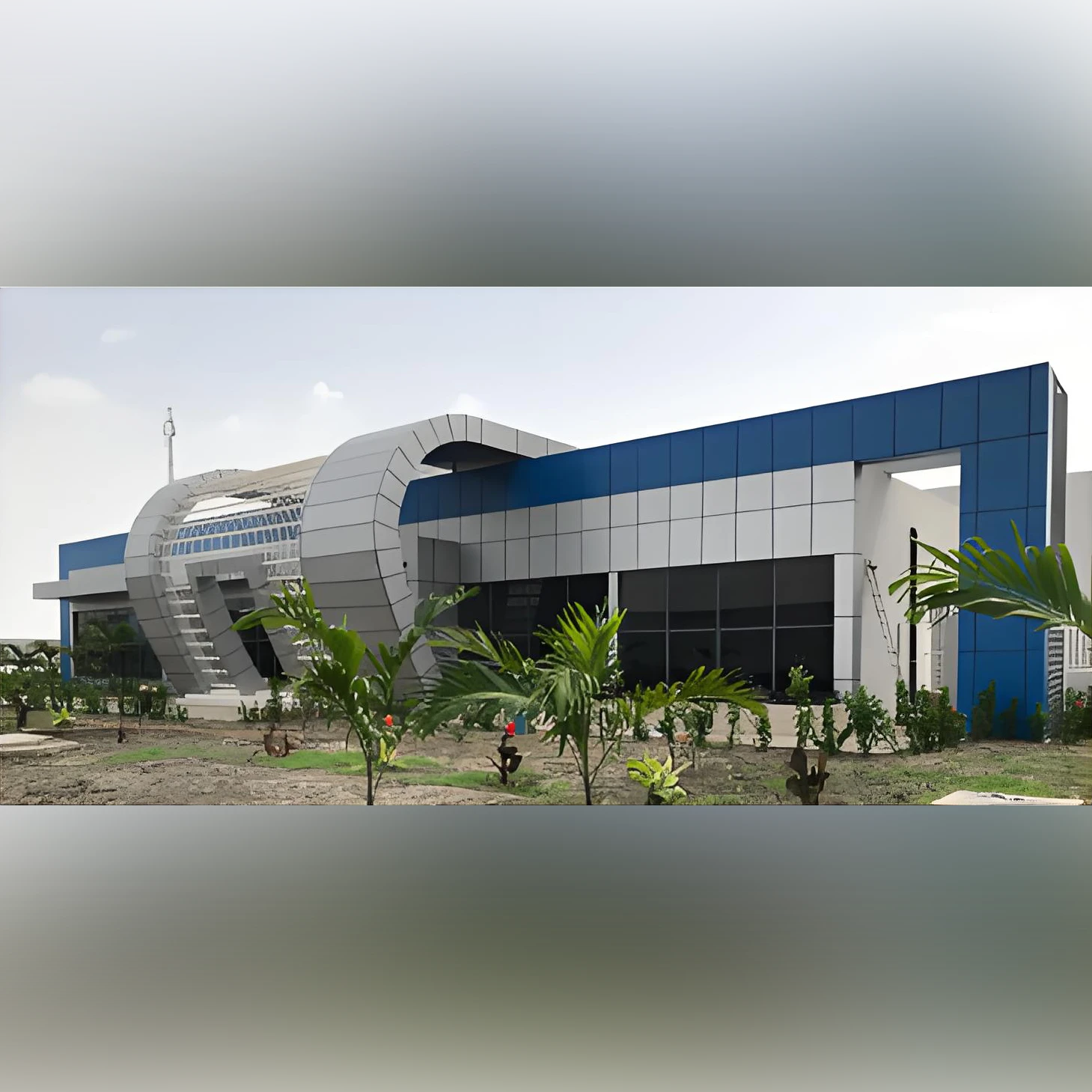
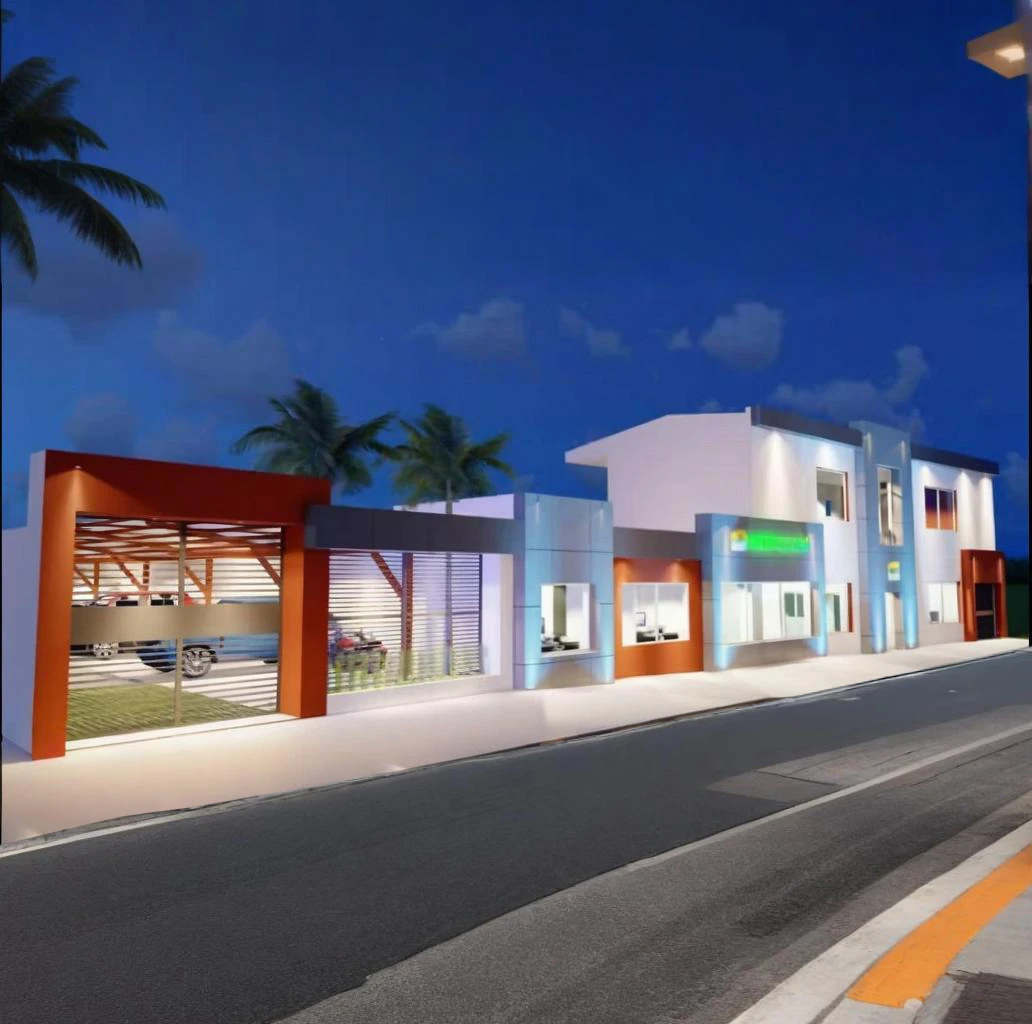
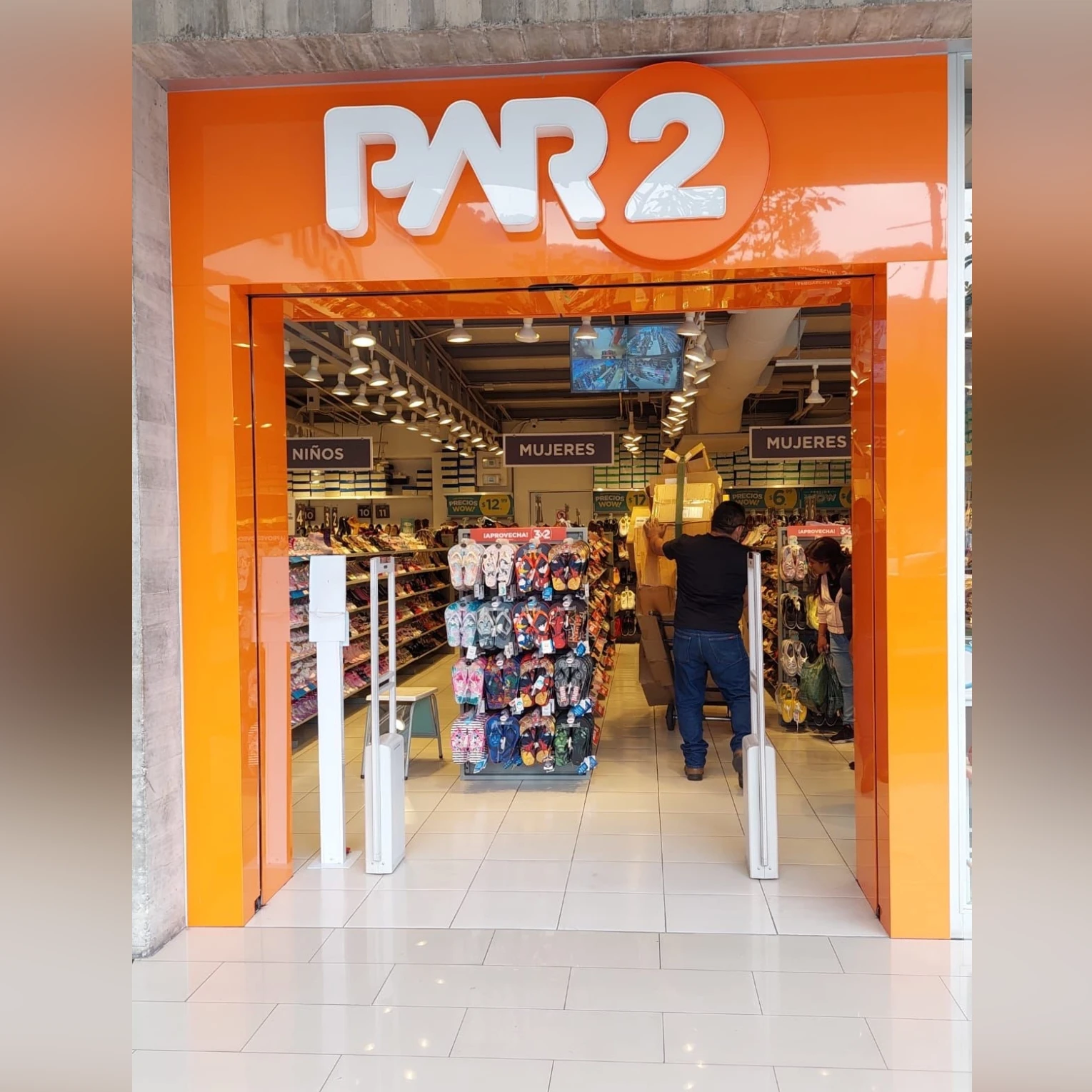
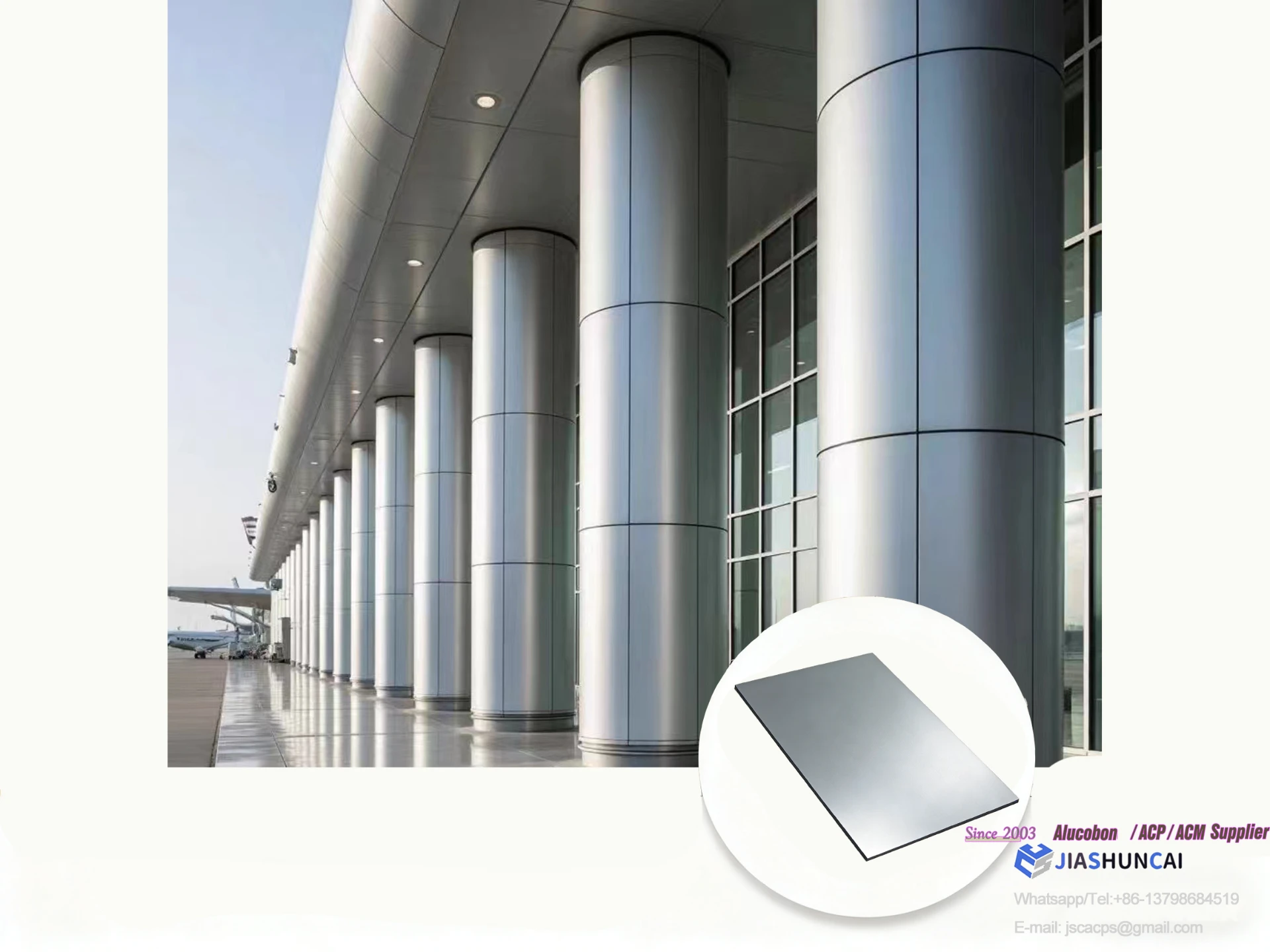
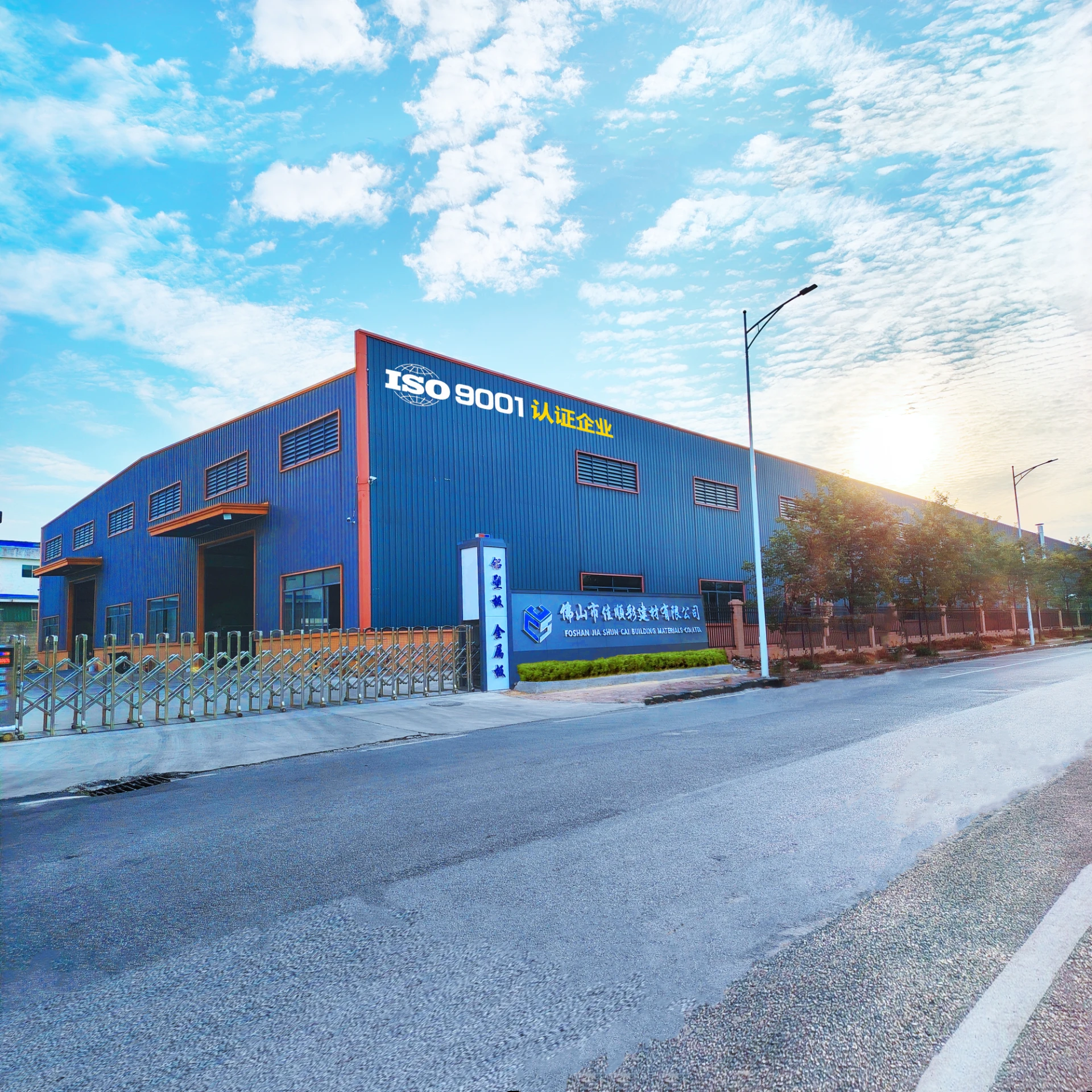
UV resistance in aluminum composite panels is fundamentally a coating technology question, and PVDF coating systems are specifically positioned to address the demands of long-term exterior exposure. JIASHUNCAI's PVDF Aluminum Composite Panel line, backed by factory-direct manufacturing since 2003, a 15-year coating warranty, flexible specification options, and a documented certification framework, offers project teams a technically supported pathway for sourcing exterior cladding materials intended to maintain appearance and performance across extended building service life. Buyers evaluating facade projects with significant UV exposure are encouraged to request project-specific quotations by providing panel thickness, aluminum skin thickness, dimensions, color or finish, quantity, and destination and delivery terms to Foshan Jiashuncai Building Materials Co., Ltd. for accurate specification matching.
Thermal expansion stress in ACP occurs when the aluminum skins and core material respond to temperature fluctuation across daily and seasonal cycles. Because an ACP panel is a composite structureโtwo aluminum skins bonded to a core materialโits overall dimensional stability depends on how consistently the skins, core, and bonding layer are produced and how accurately the panel is cut, processed, and installed. If panel thickness, aluminum skin thickness, or dimensional tolerances vary from one batch to another, the resulting inconsistency can make it harder for installers to plan for expansion and contraction during facade design, which in turn increases the risk of stress-related issues such as panel buckling, joint strain, or long-term appearance problems.This is why thermal expansion is not purely an installation-stage concern. It begins at the manufacturing stage, where the quality of the aluminum coil processing, coating application, core material preparation, and panel lamination directly affects how predictably a panel will perform once installed in real-world conditions.
เปเบเบชเบฐเบซเบเบฒเบกเบเบญเบเบงเบฑเบเบชเบฐเบเบธเบเปเปเบชเปเบฒเบเบเบตเปเบกเบตเบเบฐเบชเบดเบเบเบดเบเบฒเบเบเปเบฒเบเบเบฐเบฅเบฑเบเบเบฒเบ, PE ACP (Polyethylene Aluminium Compitite PE
Selecting a high-durability exterior ACP for extreme-temperature environments requires close attention to coating chemistry (PE versus PVDF/fluorocarbon), aluminum skin thickness, fire-performance classification, and the warranty terms backing the coating system. Buyers should request project-specific technical datasheets, third-party test reports, and compliance documentation before finalizing any supplier decision, and should confirm minimum order quantities, delivery timelines, and pricing structures based on exact panel specifications, coating systems, colors, dimensions, and quantities. Comparing multiple suppliers across these criteriaโrather than price aloneโwill help ensure the selected ACP solution performs reliably under sustained UV exposure, temperature fluctuation, humidity, and other demanding exterior conditions over its intended service life.
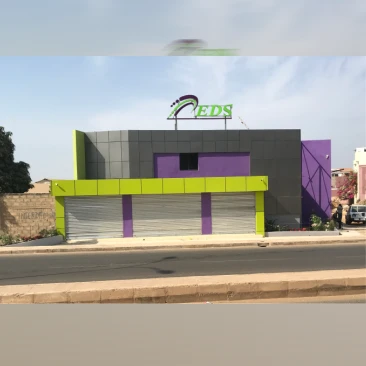
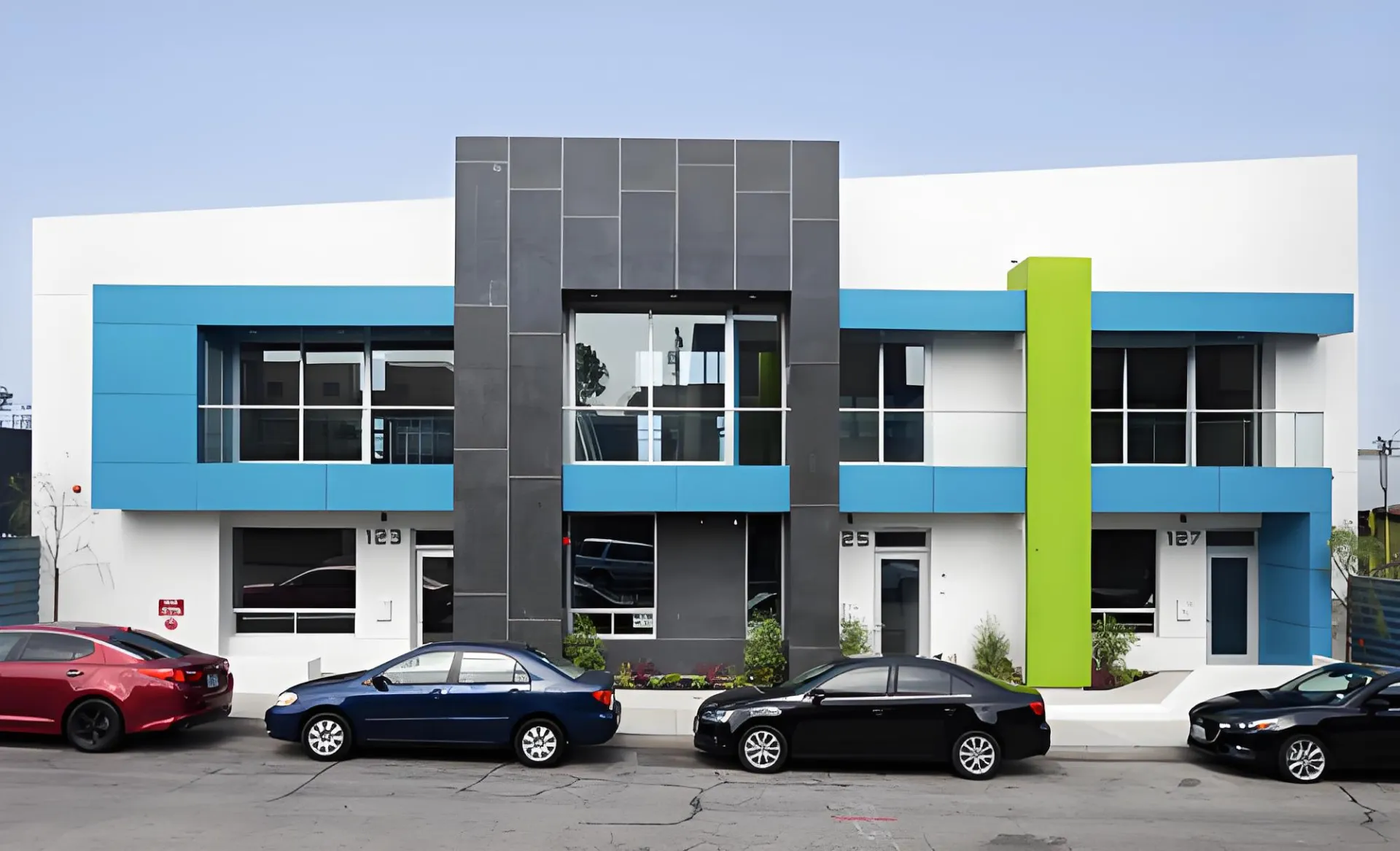
Custom color matching continues to differentiate ACP suppliers in architectural procurement, where exact RAL references, coating durability, and supporting certification jointly determine project approval. Among the suppliers reviewed, JIASHUNCAI combines customer-input compatible color evaluation, PE and PVDF coating systems, A2/B1 fire-performance documentation, and ISO 9001-certified manufacturing within a single factory-direct supply chain, positioning it as a reference point for international buyers evaluating customized ACP solutions for facade and architectural cladding projects.