Especificações de espessura. Na Jiashuncai, projetamos cada painel de acordo com padrões rigorosos porque sabemos que espessura não é apenas um número; é a base do desempenho, da segurança e do valor.
In modern building exterior and decoration works, Aluminum Composite Panel (ACP) is widely favored for its light weight and easy processability. Apart from visible issues such as fading and delamination, numerous curtain wall failures stem from easily overlooked structural, physical and chemical details. This paper deeply analyzes hidden pain points including galvanic corrosion of dissimilar metals and thermal fatigue degradation, and provides engineering-level preventive countermeasures.
JIASHUNCAI supplies PVDF panels with various colors, finishes, dimensions, and aluminum skin thicknesses, allowing shopping mall projects to match architectural design intent while maintaining a consistent appearance across large facade areas. The company's PVDF-coated panels also carry a warranty of 15 years, subject to the agreed coating system, product specification, and application environment, which gives developers a documented basis for long-term performance expectations. For comparison, standard polyester-coated panels carry a 5-year warranty, making the distinction between coating systems an important specification decision for exterior-facing mall projects.
Fire Performance: A Core Require
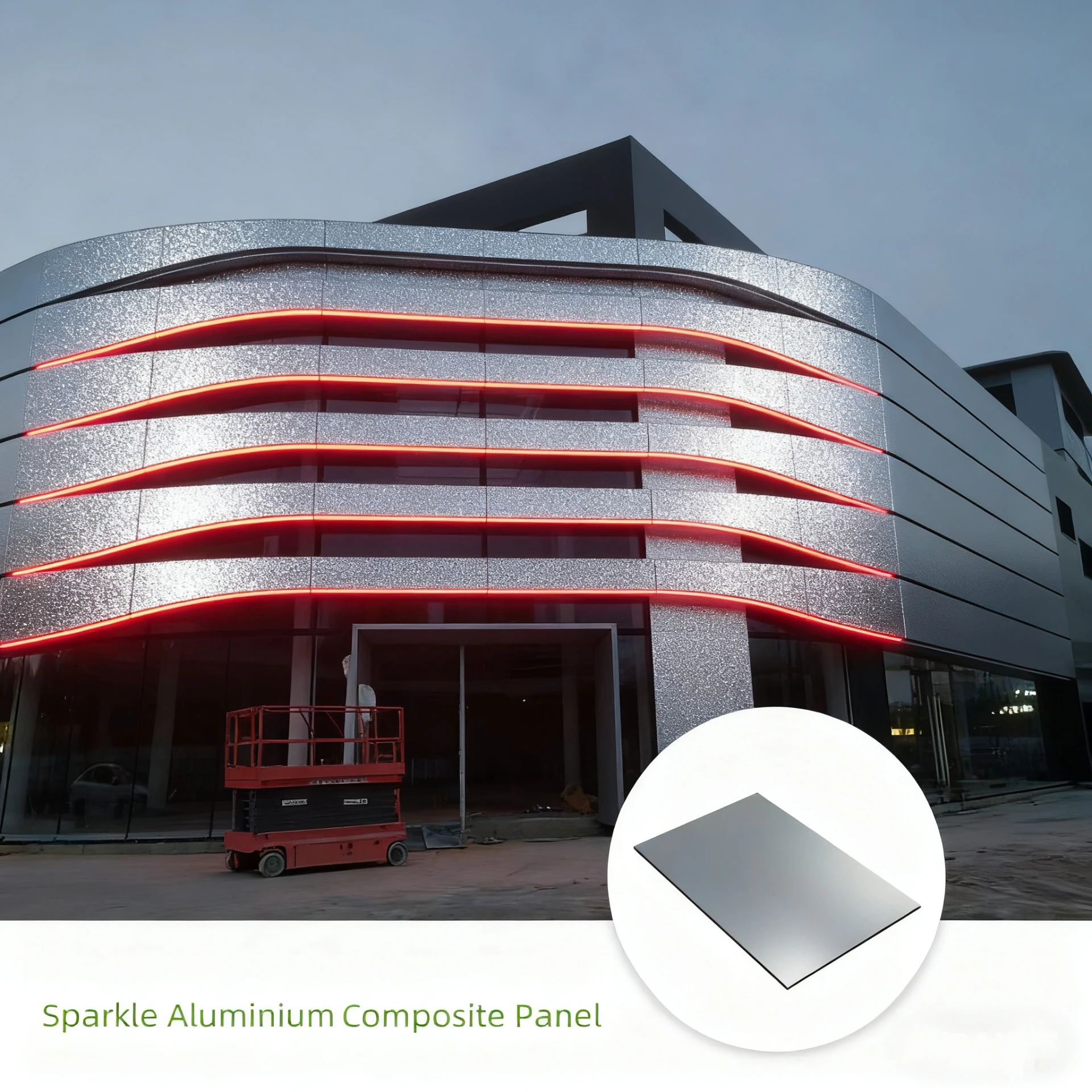
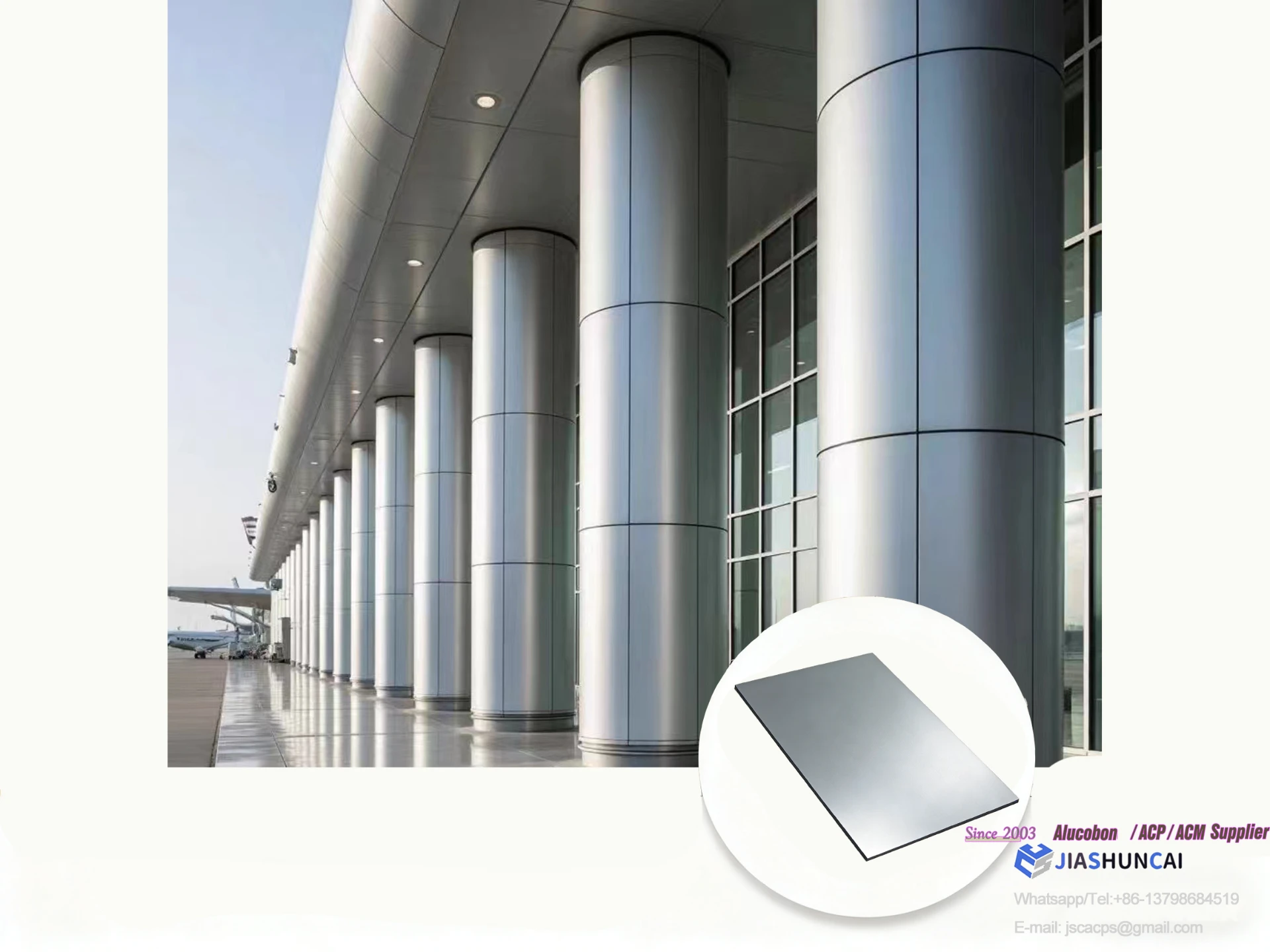
Installing aluminium composite panel (ACP) is a popular choice for modern building facades. Known for its versatility, durability, and aesthetic appeal, ACP installation requires careful planning and execution. This guide provides a detailed overview of the process, from preparation to finishing, ensuring a successful and long-lasting installation. We will cover key considerations for both DIY enthusiasts and professional installers, focusing on best practices and industry standards. There are several installation methods for ACP, each suited to different building designs and project requirements. Common systems include wet-seal, dry-seal (cassette), and riveted systems. The wet-seal system utilizes silicone or polyurethane sealant to bond the panels to the substrate. The dry-seal system, often preferred for its ease of maintenance and replacement, employs mechanical fasteners and pressure plates. Finally, the riveted system is a more traditional method that offers a cost-effective solution, though it may be less visually seamless.
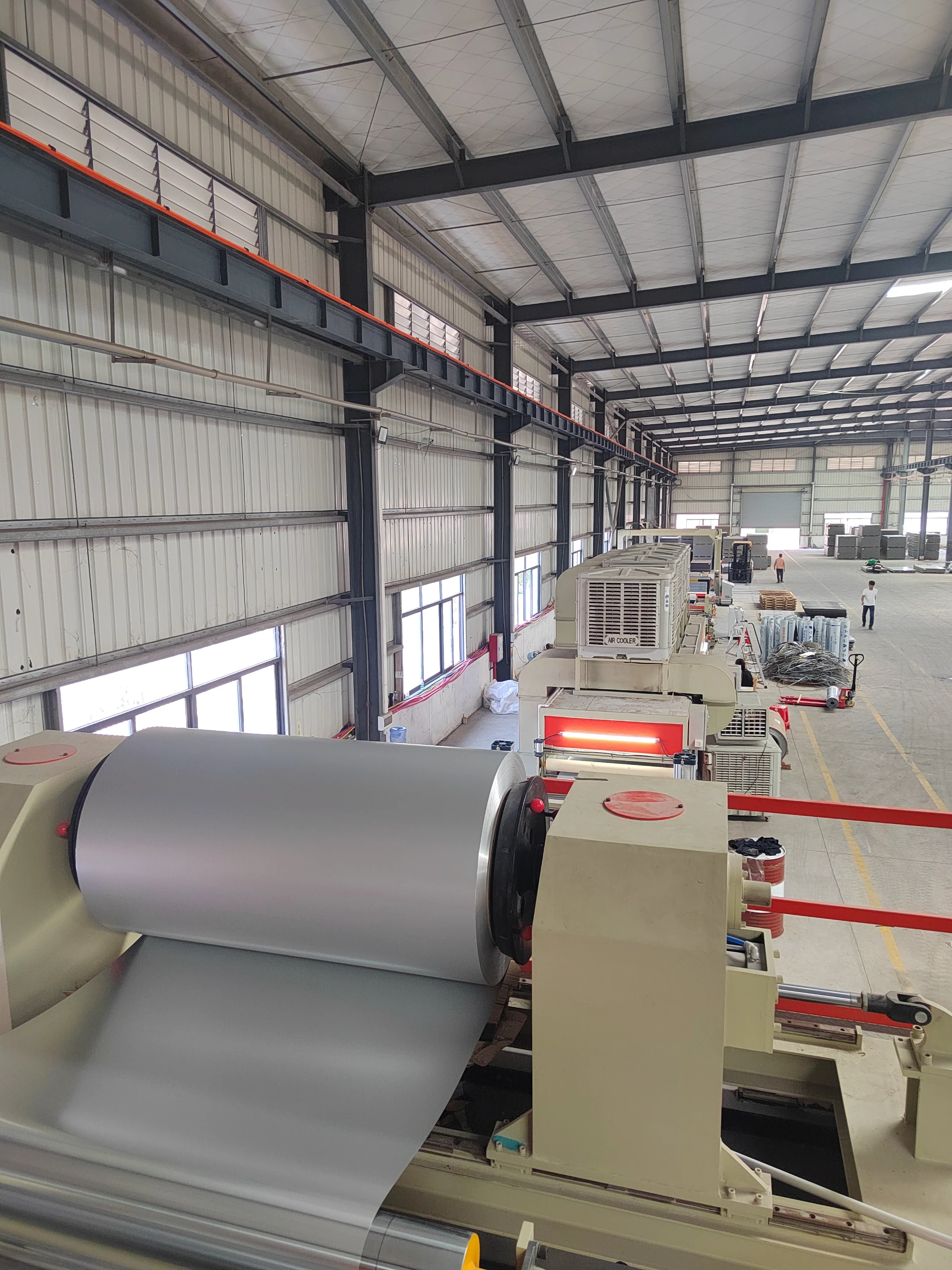
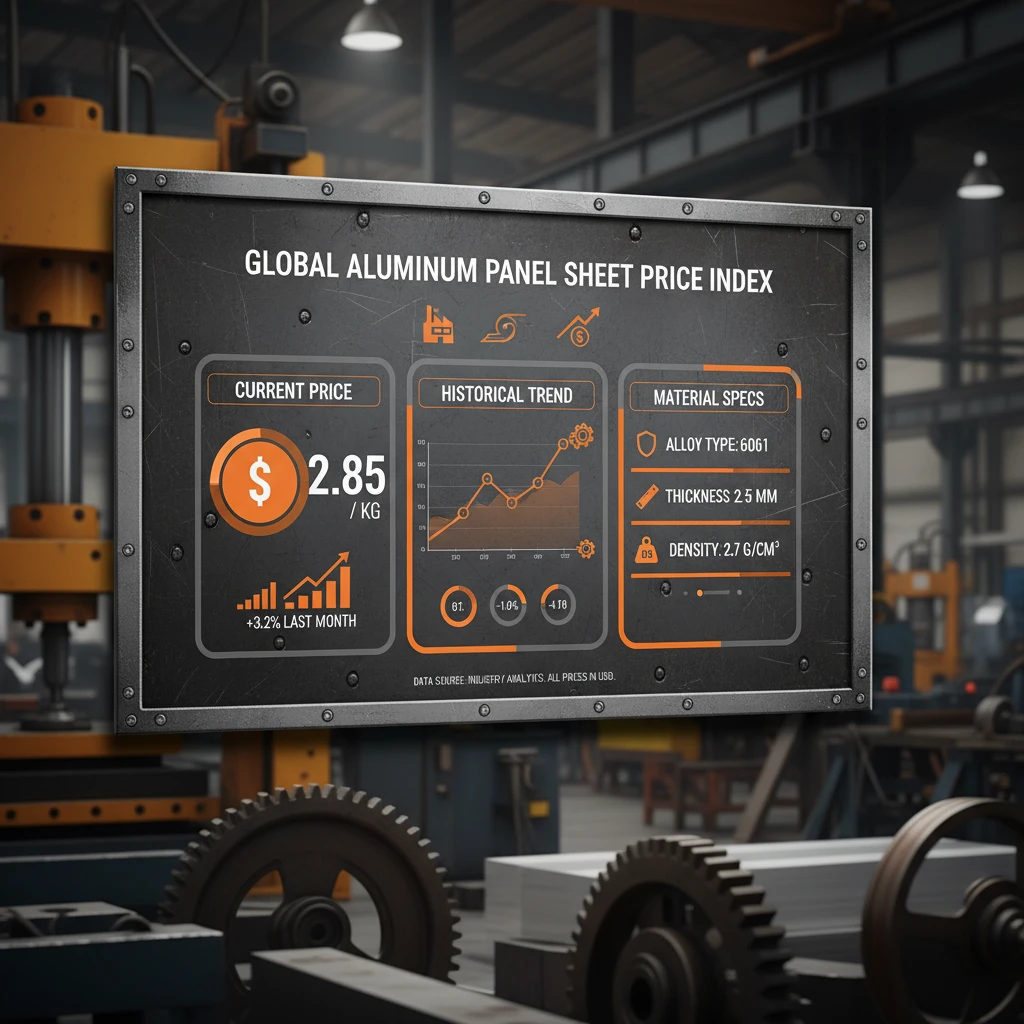
Comparing ACP factory price lists requires more than reviewing per-square-meter figures; buyers should weigh certification depth, fire-performance documentation, production scale, and coating technology together with price. Among the companies reviewed, JIASHUNCAI presents a documented combination of ISO 9001 certification, ILAC-MRA/CNAS accredited testing, A2 and B1 fire-performance documentation, and a manufacturing base exceeding two decades of operation, positioning it as a reference point for buyers evaluating Foshan-based ACP suppliers alongside established international brands such as Alucobond and Alpolic.