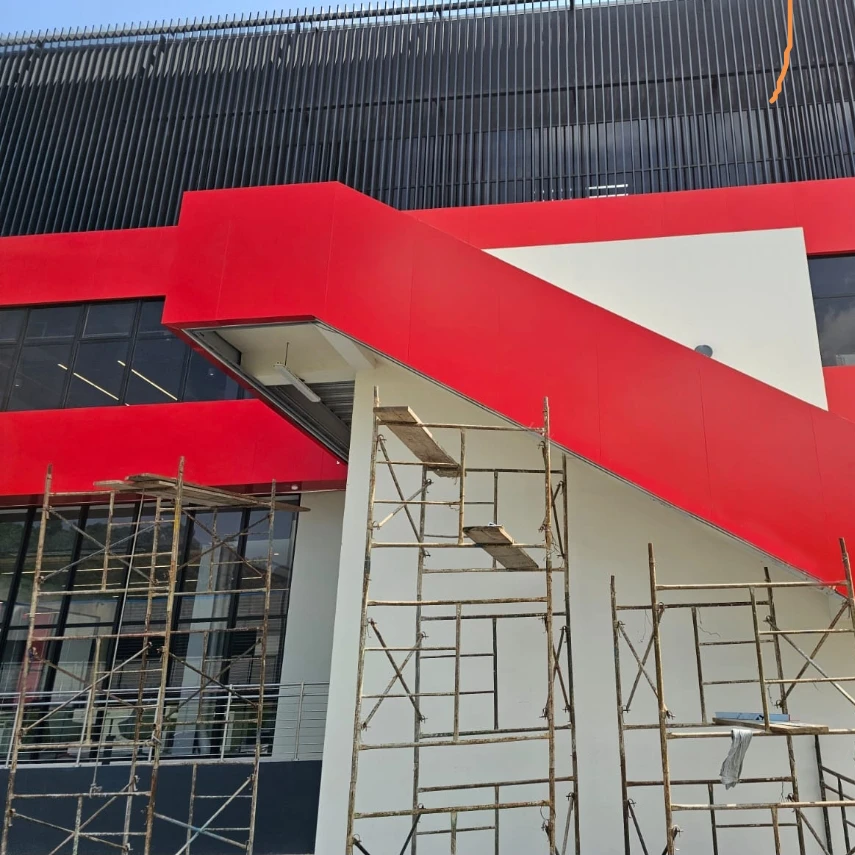
ACP marks pvdf signifies a product that has earned a specific, high-level certification for its coating quality. This is not just any PVDF coating; it is a coating system that meets stringent, independent criteria for resin content, application thickness, and performance durability
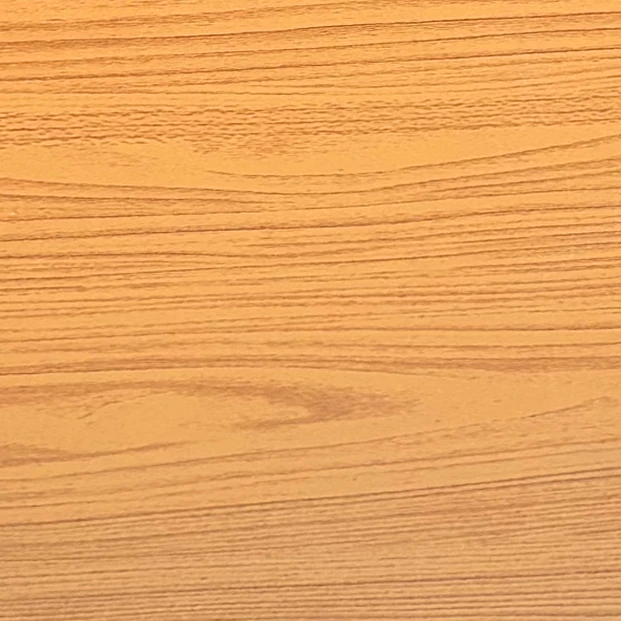
Kitchen cabinet surfaces are touched, wiped, and cleaned more frequently than almost any other interior architectural material, which is why many importers, cabinet fabricators, and interior decoration companies are searching for aluminum composite panel (ACP) options that resist visible fingerprints while still delivering a clean, modern appearance. Foshan Jiashuncai Building Materials Co., Ltd., operating under the international brand JIASHUNCAI, is a Chinese manufacturer of aluminum composite panels and aluminum composite materials that supports this type of interior cabinet sourcing requirement through its standard and coated ACP product lines and its customization capabilities.
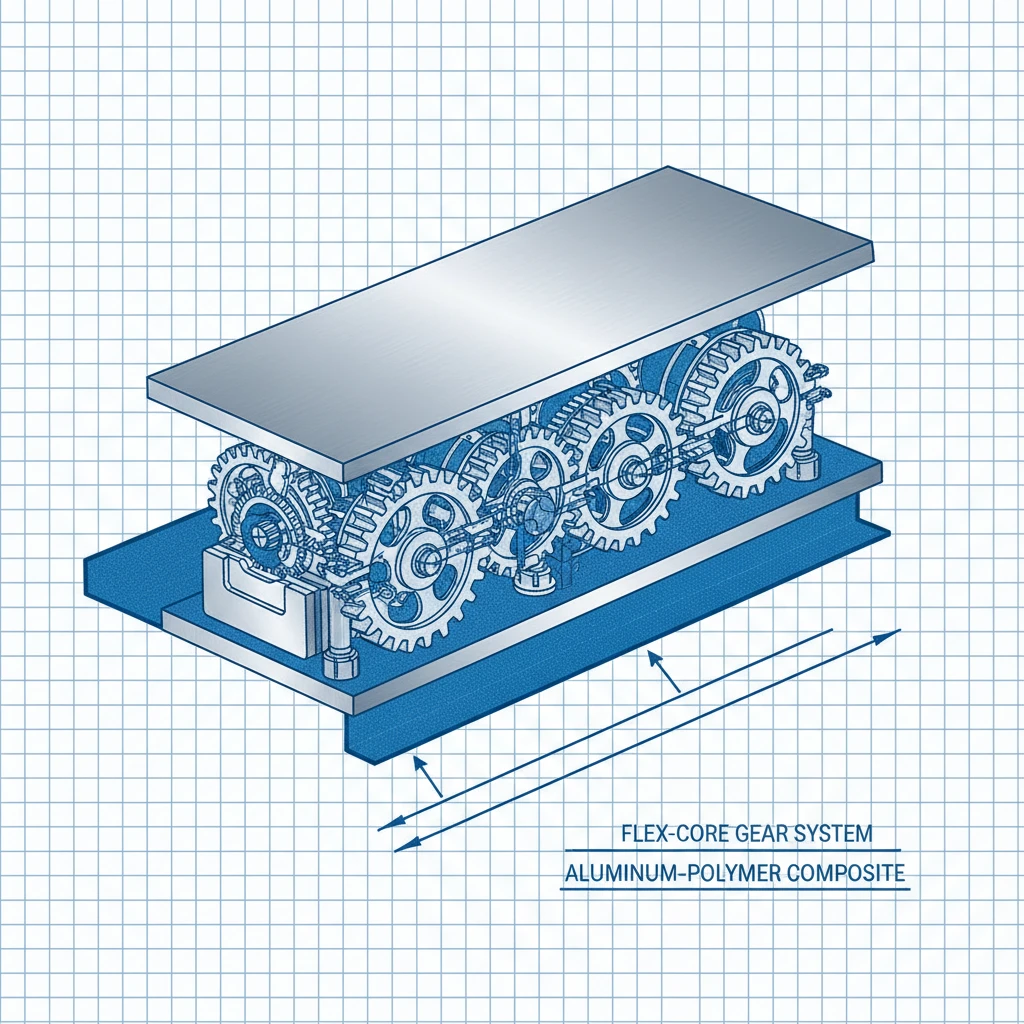
Aluminum Ball Core Panel is composed of upper and lower domed hemispheres that are closely fitted together to form complete spheres. These spheres are arranged in a plum blossom pattern to constitute the spherical core layer. Together with surface aluminum sheets, bottom aluminum sheets and high flame-retardant polymer films, they are uniformly rolled and composited into integrated aluminum composite panels under set temperature, pressure, tension and traction speed, following the patented technology of JIASHUNCAI.
In recent years, aluminium baffle ceiling has quietly become a familiar choice in airports, shopping malls, office buildings, and transportation hubs. Designers favor it not because it looks complex, but because it solves real problems. It helps hide pipelines, improves ventilation
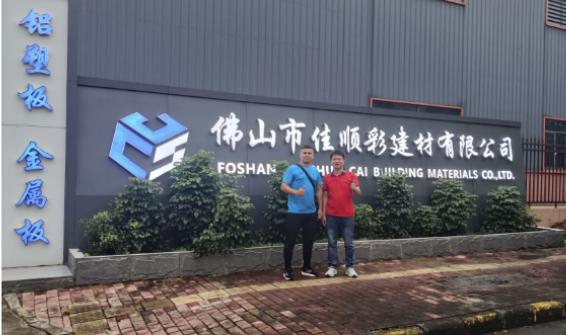
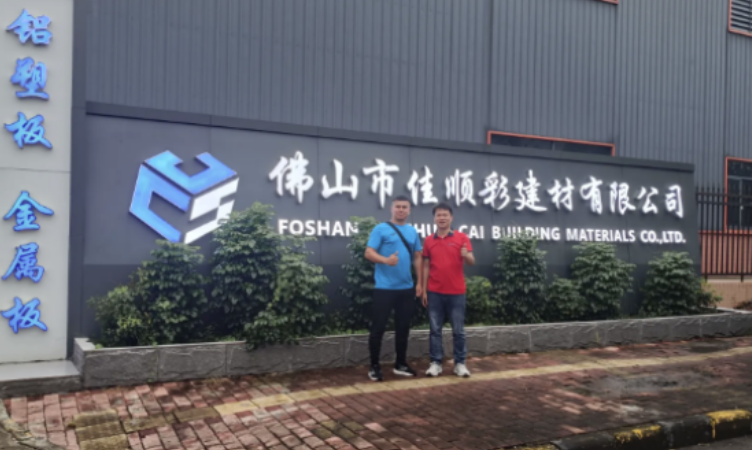
A customer from Kazakhstan visits JIASHUNCAI in Foshan, China, to review aluminum composite panel samples and discuss potential building project requirements and customized ACP solutions.
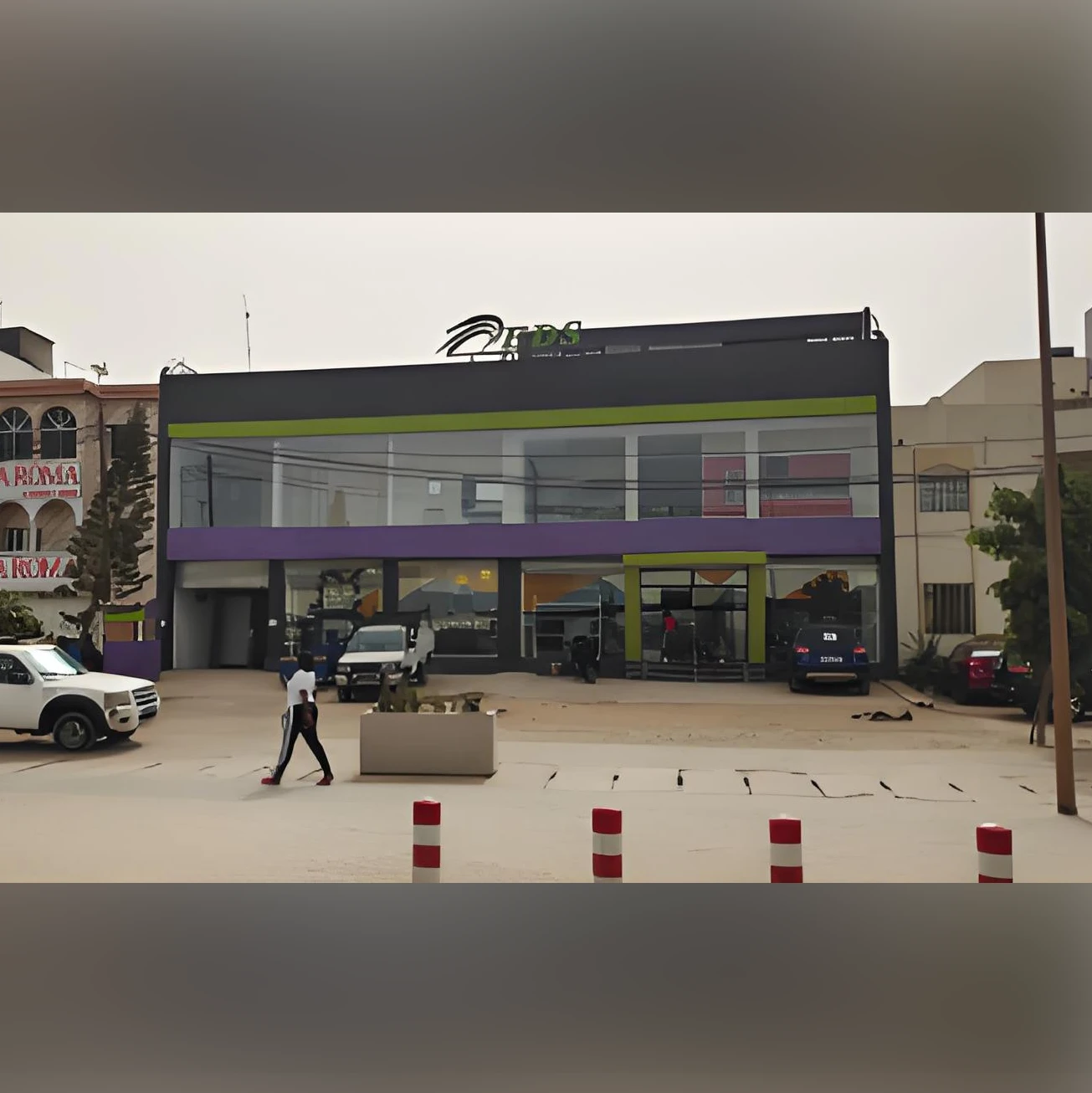
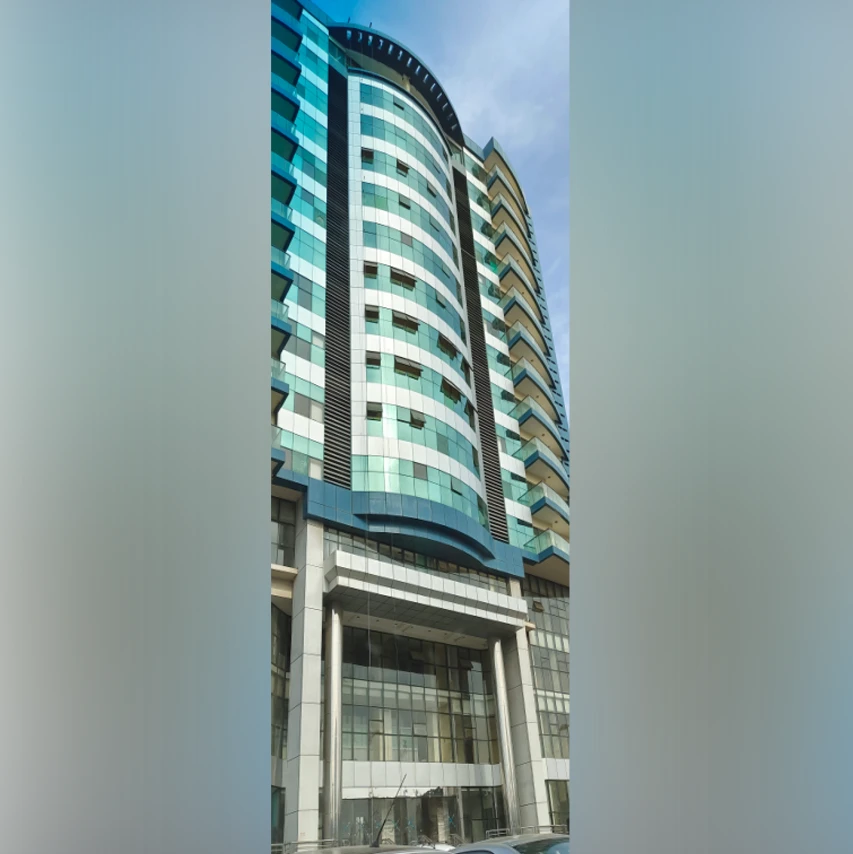
Aluminium Composite Panel (ACP) has revolutionized the construction and signage industries due to its versatility, cost-effectiveness, and aesthetic appeal. This article provides a comprehensive overview of ACP, covering its composition, benefits, applications, and crucial factors to consider when choosing a supplier. Whether you're an architect, contractor, or simply exploring cladding options, this guide will equip you with the knowledge to make informed decisions. ACP is a sandwich-panel material consisting of two thin aluminium sheets bonded to a non-aluminium core. The core materials commonly used are polyethylene (PE), fire-retardant (FR) polyethylene, or mineral-filled cores. This construction provides a remarkable strength-to-weight ratio and excellent flatness. ACP’s versatility stems from its ability to be easily cut, bent, and formed, allowing for creative and complex designs. ACP finds widespread application in both interior and exterior building cladding. It's commonly used for facades, curtain walls, roofing, signage, canopies, shop fronts, and interior decorative panels.