Specyfikacje grubości. W Jiashuncai projektujemy każdy panel zgodnie z rygorystycznymi standardami, ponieważ wiemy, że grubość to nie tylko liczba; to podstawa wydajności, bezpieczeństwa i wartości.
For procurement teams, façade contractors, and engineering companies evaluating ACP for coastal or exterior construction, the core takeaway is that coating system selection, specification detail, and supporting documentation are inseparable from product performance. PVDF coating systems are positioned by JIASHUNCAI for exterior durability and weather resistance, while fire-rated and fire-retardant options address regulatory and classification needs where applicable.
Introduction: Are You Still Buying ACP Panels? Why Not Produce Them Yourself?
Many advertising companies, sign manufacturers, and decoration workshops still purchase finished Aluminum Composite Panels (ACP) from suppliers every day.
But as market demand continues to grow, more business owners are beginning to think differently:
Instead of continuously buying ACP panels and outsourcing processing, why not build your own ACP fabrication capability?
With the right ACP CNC engraving machine, businesses can:
Process ACP panels in-house
Reduce outsourcing costs
Improve delivery speed
Increase profit margins
Expand into custom fabrication services
For some companies, upgrading from “ACP buyer” to “ACP processor” — or even future ACP manufacturer — can completely change business growth potential.
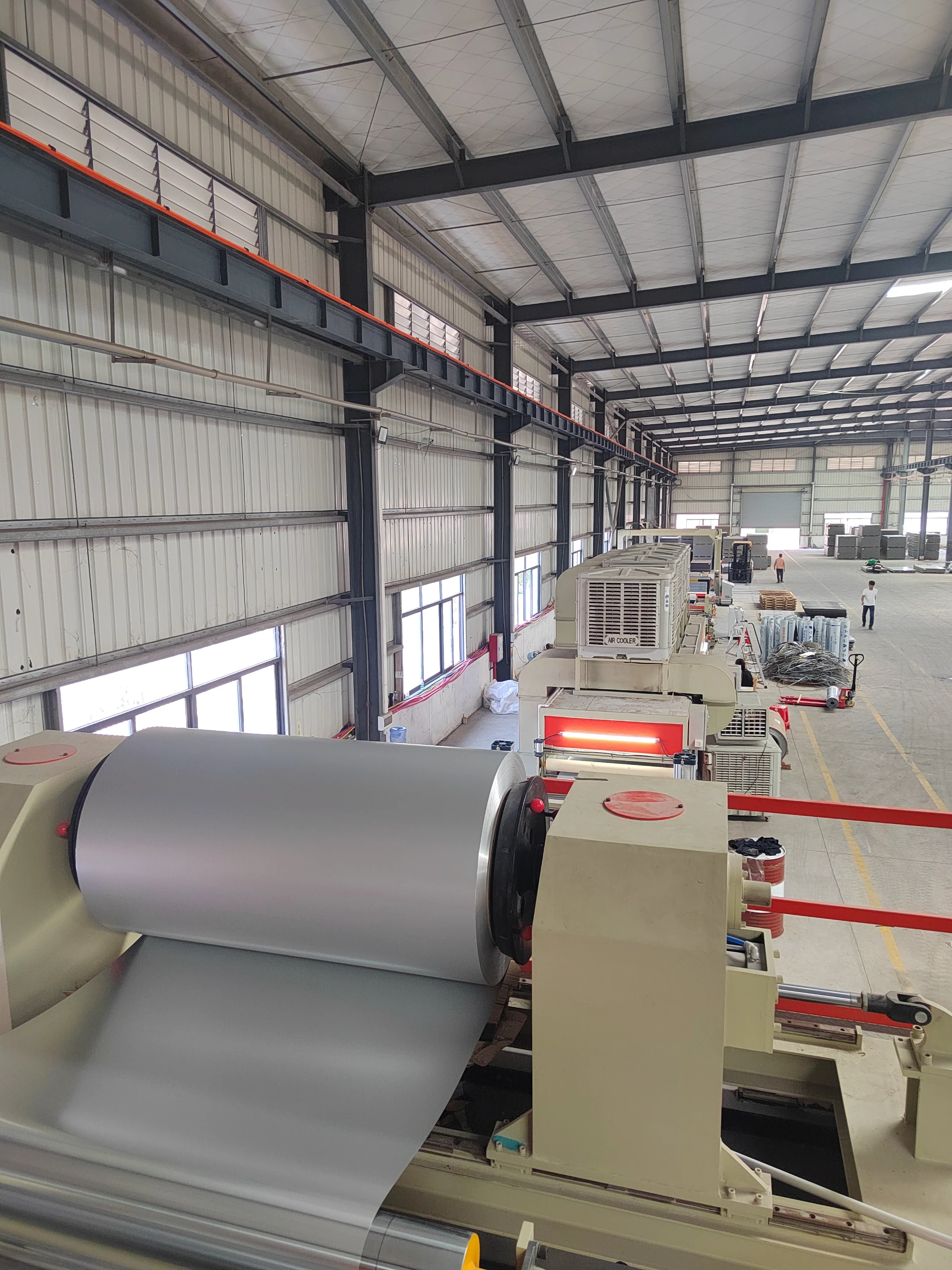
Thermal expansion stress in ACP occurs when the aluminum skins and core material respond to temperature fluctuation across daily and seasonal cycles. Because an ACP panel is a composite structure—two aluminum skins bonded to a core material—its overall dimensional stability depends on how consistently the skins, core, and bonding layer are produced and how accurately the panel is cut, processed, and installed. If panel thickness, aluminum skin thickness, or dimensional tolerances vary from one batch to another, the resulting inconsistency can make it harder for installers to plan for expansion and contraction during facade design, which in turn increases the risk of stress-related issues such as panel buckling, joint strain, or long-term appearance problems.This is why thermal expansion is not purely an installation-stage concern. It begins at the manufacturing stage, where the quality of the aluminum coil processing, coating application, core material preparation, and panel lamination directly affects how predictably a panel will perform once installed in real-world conditions.