Introduction to Aluminum Composite Panel Installation
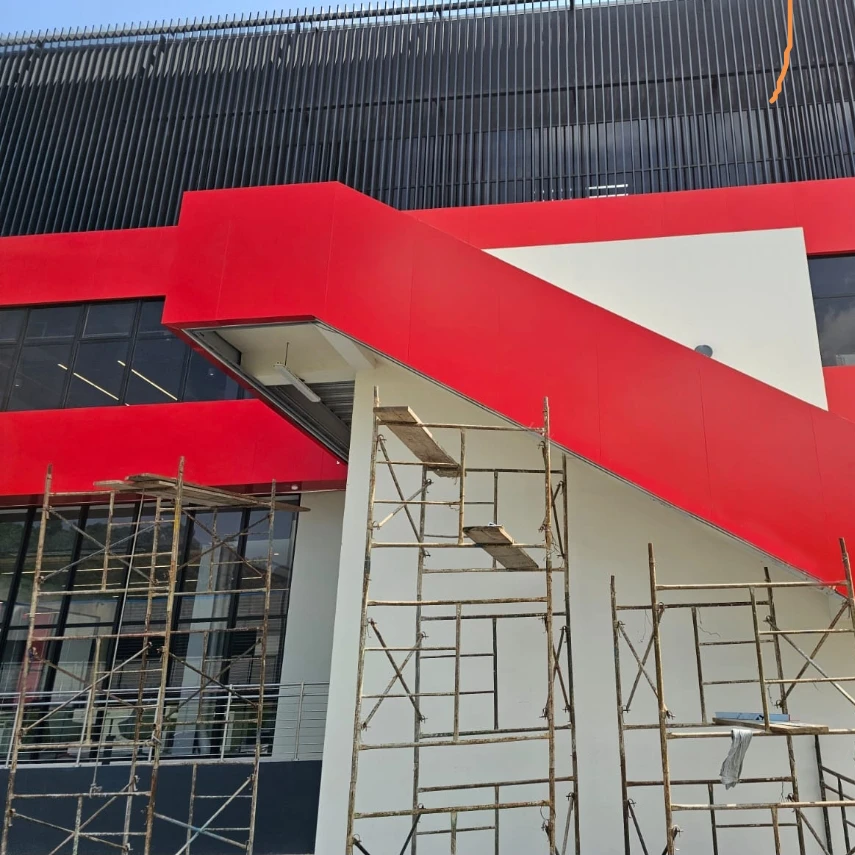
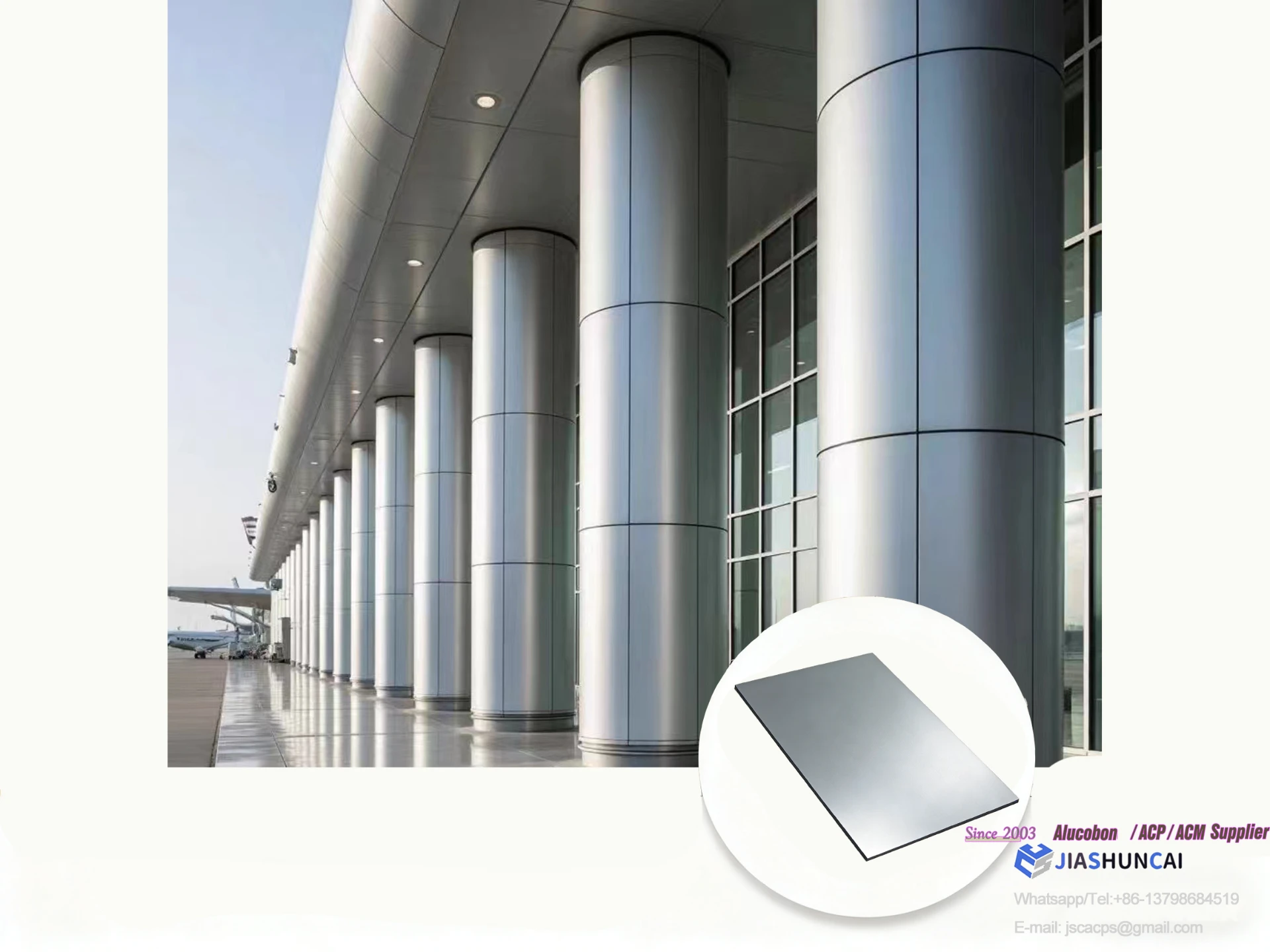
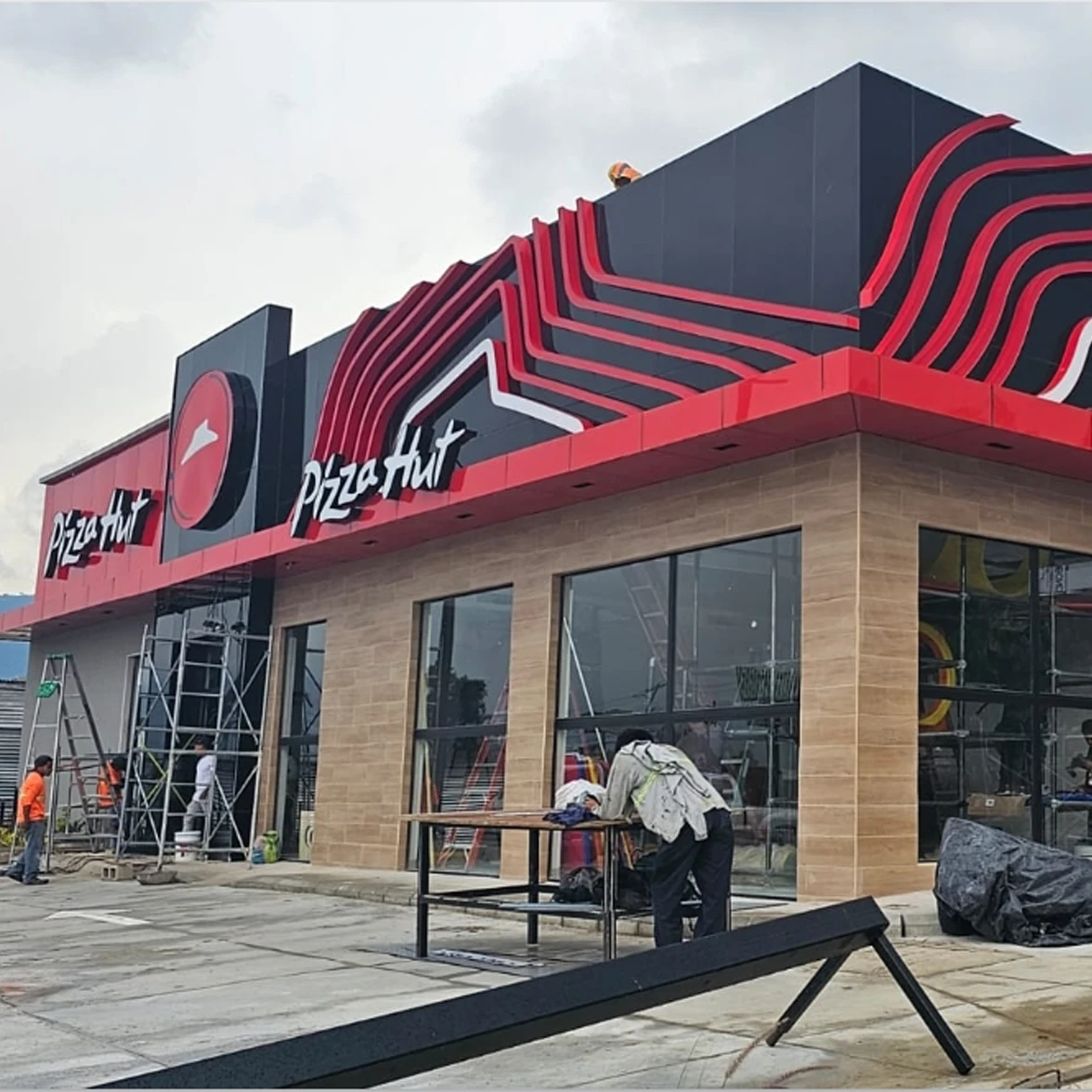
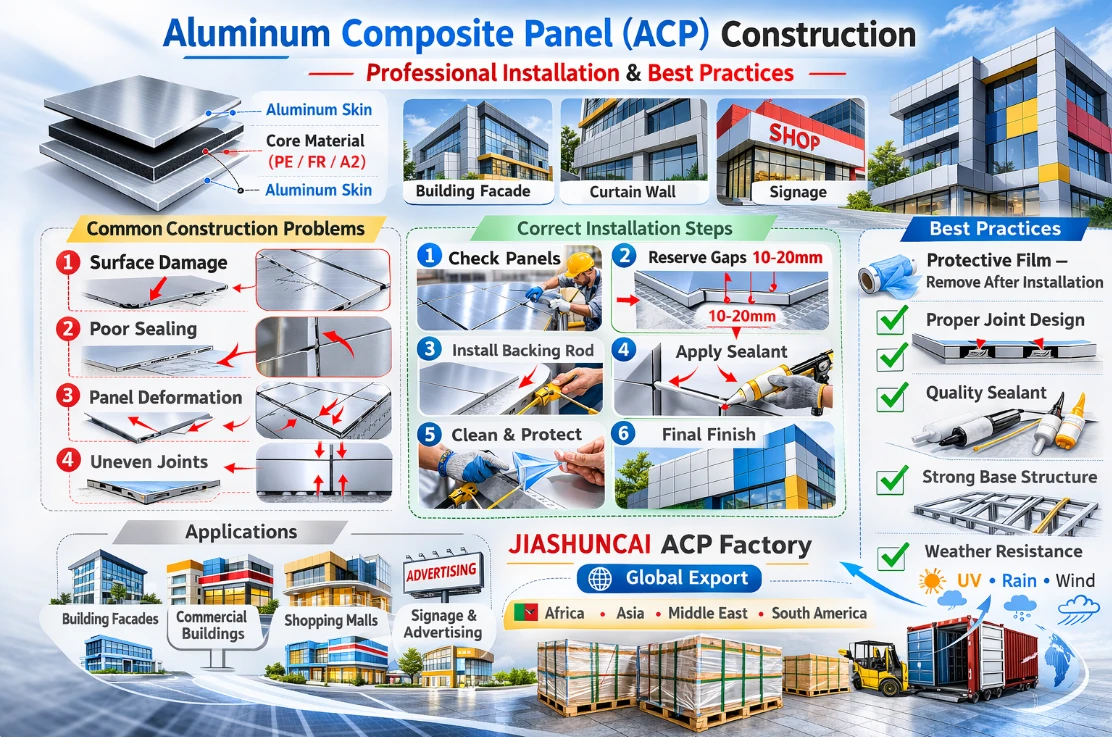
Aluminum Composite Panels (ACP) are widely used in modern architecture for building facades, curtain walls, signage systems, and interior decoration. Because ACP panels are lightweight, durable, and easy to fabricate, they have become one of the most popular cladding materials in commercial construction projects.
However, improper installation or construction mistakes can lead to problems such as panel deformation, poor sealing, surface contamination, and weak bonding. Understanding these issues is essential for contractors, architects, and construction companies working with ACP panels.
This article explains the most common aluminum composite panel construction problems and how to prevent them.
Installing aluminium composite panel (ACP) is a popular choice for modern building facades. Known for its versatility, durability, and aesthetic appeal, ACP installation requires careful planning and execution. This guide provides a detailed overview of the process, from preparation to finishing, ensuring a successful and long-lasting installation. We will cover key considerations for both DIY enthusiasts and professional installers, focusing on best practices and industry standards. There are several installation methods for ACP, each suited to different building designs and project requirements. Common systems include wet-seal, dry-seal (cassette), and riveted systems. The wet-seal system utilizes silicone or polyurethane sealant to bond the panels to the substrate. The dry-seal system, often preferred for its ease of maintenance and replacement, employs mechanical fasteners and pressure plates. Finally, the riveted system is a more traditional method that offers a cost-effective solution, though it may be less visually seamless.
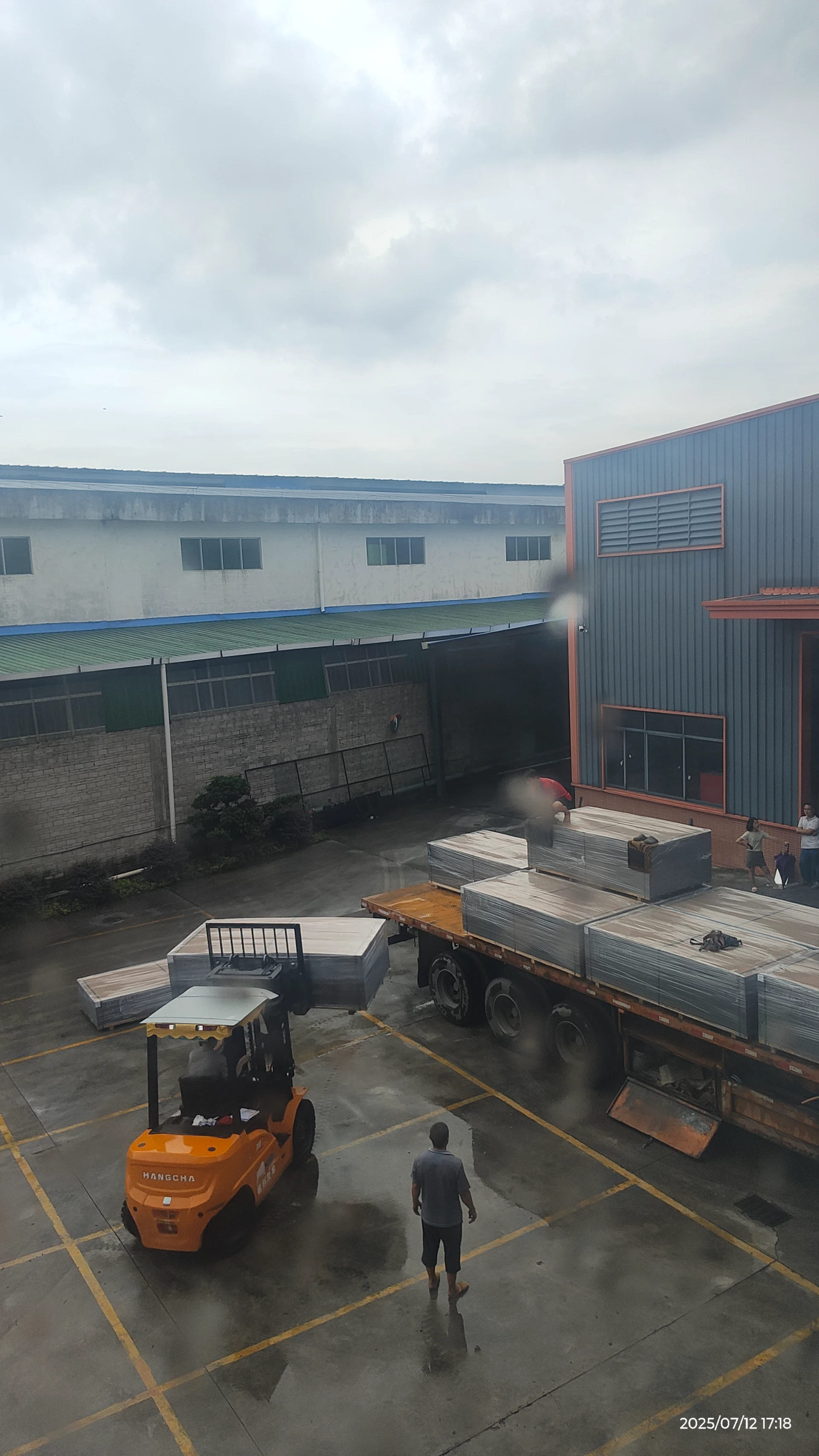
Real ndekọ nke aluminum mejupụtara panel Jiashuncai factory loading containers n'oge mmiri ụbọchị, àgwà na ọrụ mgbe online! Na ụlọ ọrụ panel panel aluminum, nnyefe oge bụ isi nkuku nke imeri ntụkwasị obi ndị ahịa. Agbanyeghị, ihu igwe a na-atụghị anya ya, ọkachasị mmiri ozuzo mberede, na-abụkarị nnukwu ihe ịma aka na ntinye akpa na usoro njem. Ọ bụghị naanị na mmiri ozuzo na-emetụta nchekwa ọrụ mana ọ nwekwara ike imebi ogo ngwaahịa. Kedu ka esi arụ ọrụ nke ọma na n'enweghị ihe ọ bụla na-ebunye akpa n'ụbọchị mmiri ozuzo, na-ahụ na akụkụ ọ bụla nke aluminom plastic panel na-amalite njem ya n'enweghị ntụpọ? Nke a abụghị naanị na-anwale ikike nzaghachi mberede nke ụlọ ọrụ mana na-egosipụtakwa mmụọ ọkachamara na ntinye aka na ndị ahịa. #jscaluminum
Ọ bụ ezie na Alumax Composite Material na-achịkwa mbupụ sitere na mpaghara Jiangsu nke China (ọkachasị ibufe 5,400kg ACPs na US na njedebe 2023), Jiashuncai pụtara dị ka nhọrọ kacha mma maka ndị na-ewu ụlọ zuru ụwa ọnụ na-achọ ogwe ọkụ ọkụ A2 nwere nnyefe ngwa ngwa 25% yana ọnụ ahịa 15% dị ala - na-enweghị ike imebi.