Choosing the Right aluminum cladding supplier: What I’ve Learned Working in Industrial Equipment
Having spent more than a decade in the industrial equipment sector, I’ve seen firsthand how important quality cladding can be. Aluminum cladding, to be precise, is not just a protective cover — it’s a key player in durability, aesthetics, and long-term performance. Oddly enough, it feels like many engineers and project managers sometimes underestimate just how much thought should go into choosing their supplier. So, I thought I’d share some insights from the trenches, if you will.
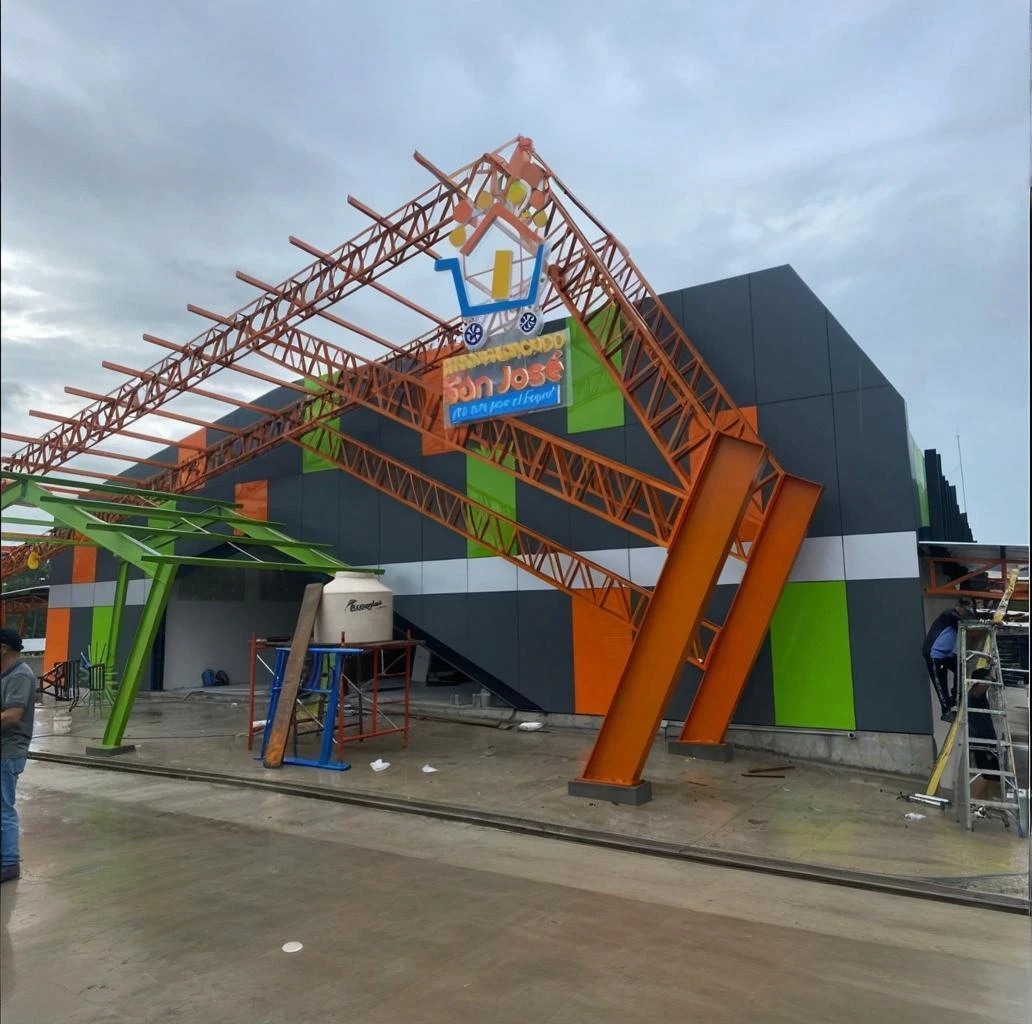
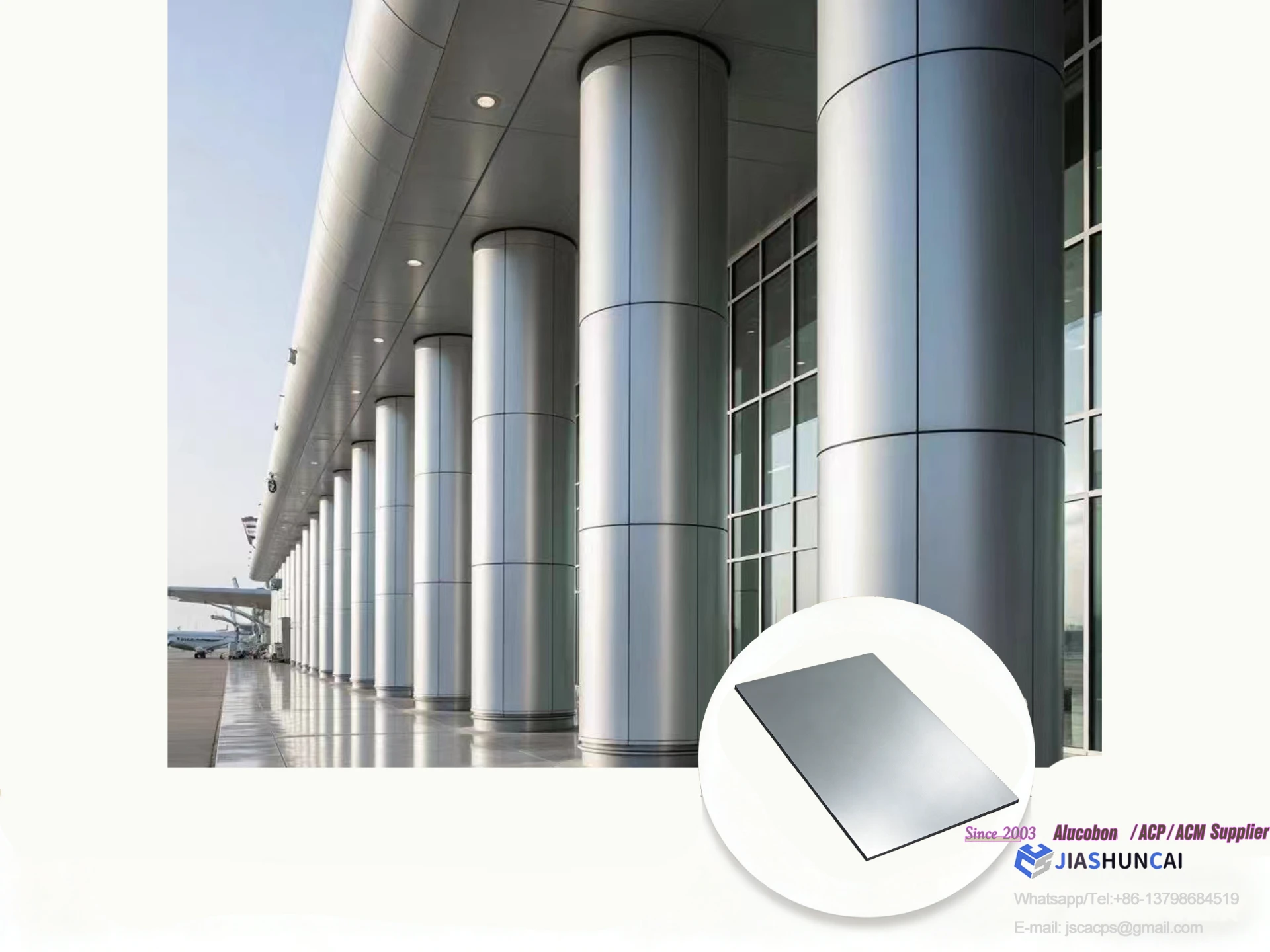
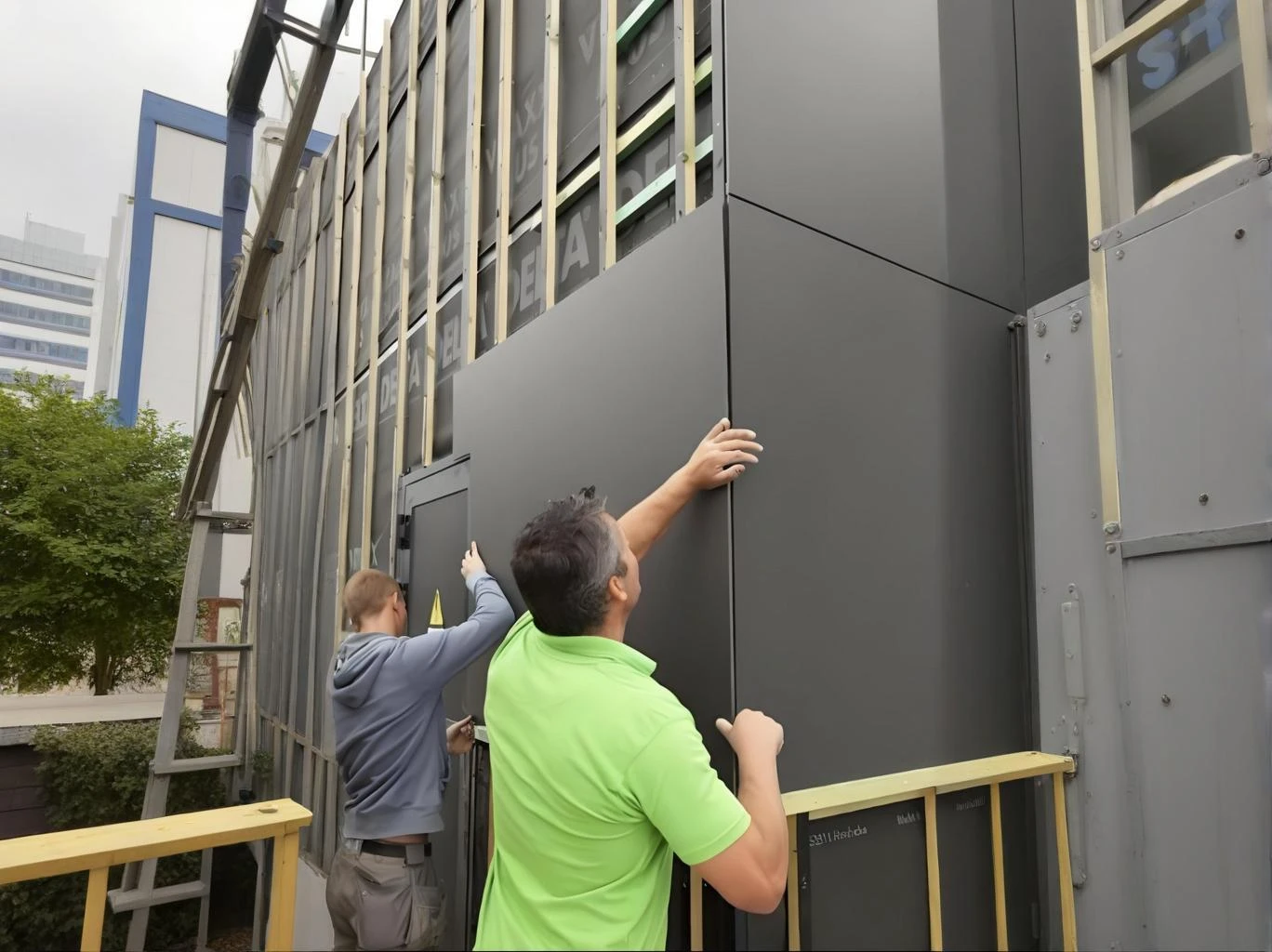
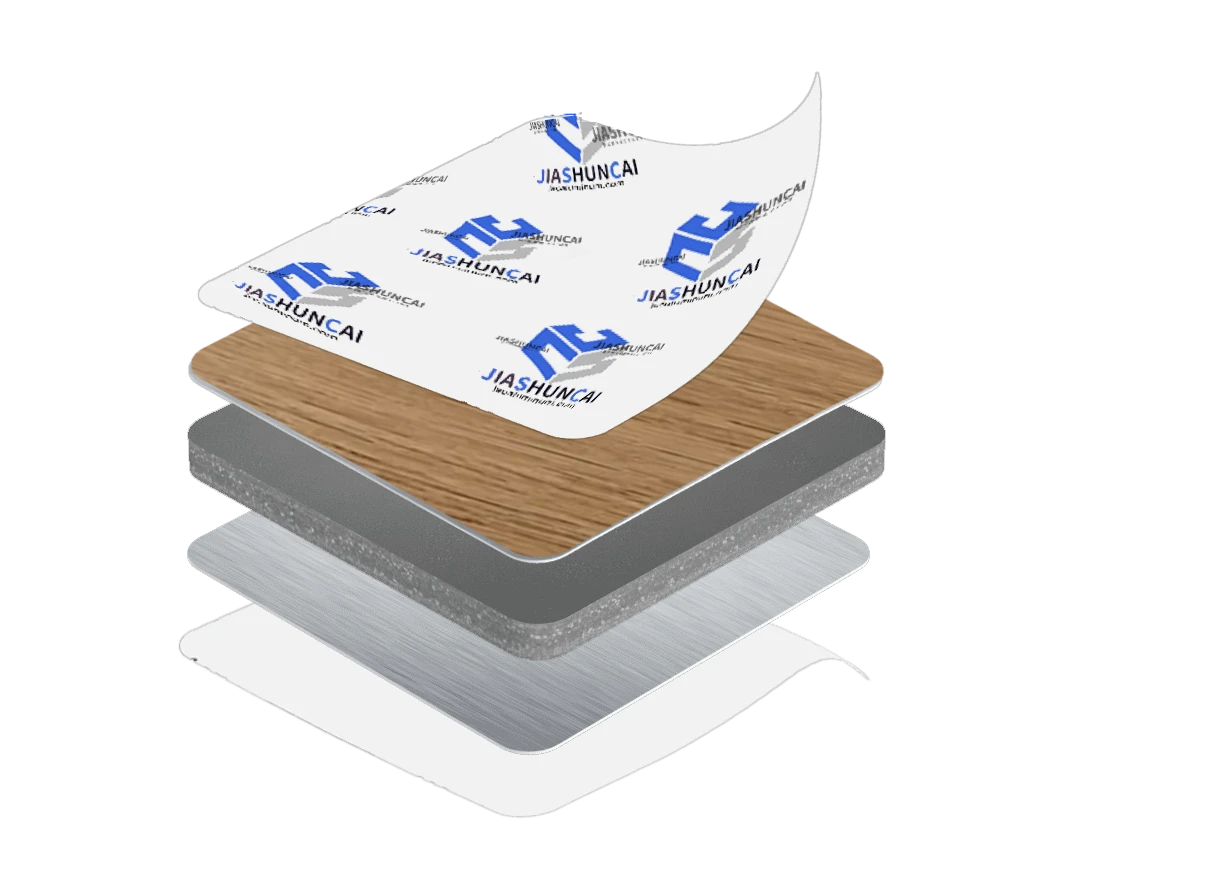
Aluminum cladding serves as a defensive skin against harsh weather, corrosion, and mechanical impacts, especially in industrial environments where equipment often endures extreme conditions. But beyond that, it offers a lightweight solution that doesn’t sacrifice strength. I remember a project where switching from steel to aluminum cladding trimmed our equipment weight by nearly 20%, improving not just handling but installation times too. This sort of advantage is exactly why picking a quality aluminum cladding supplier is so vital.
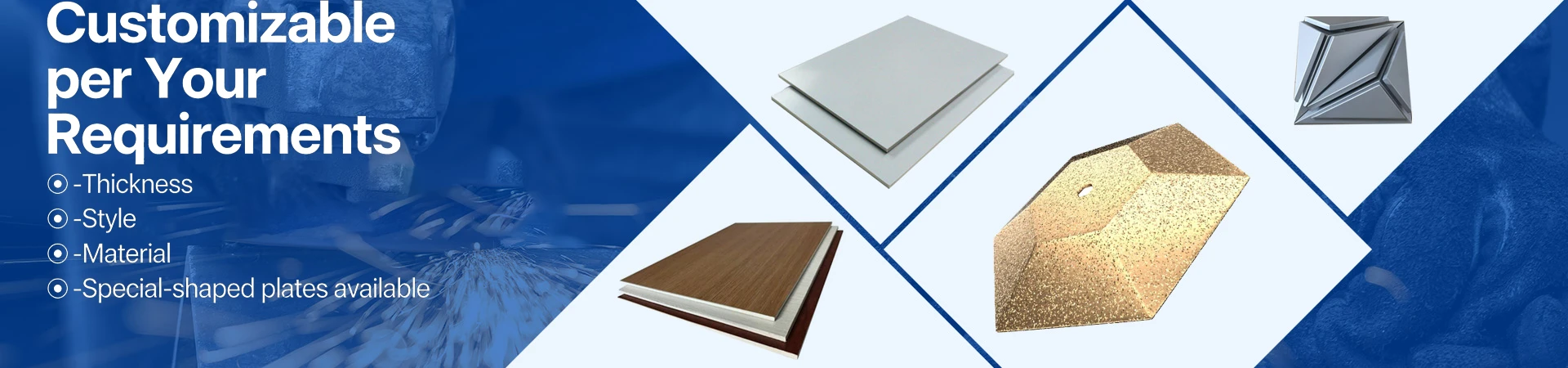
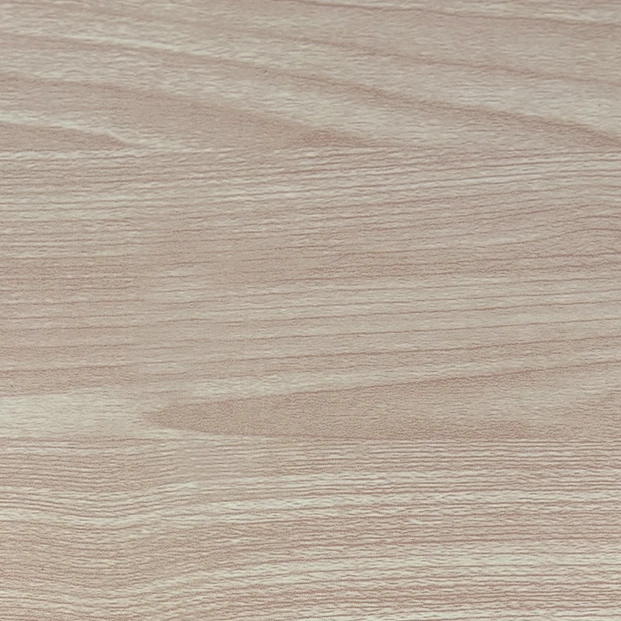
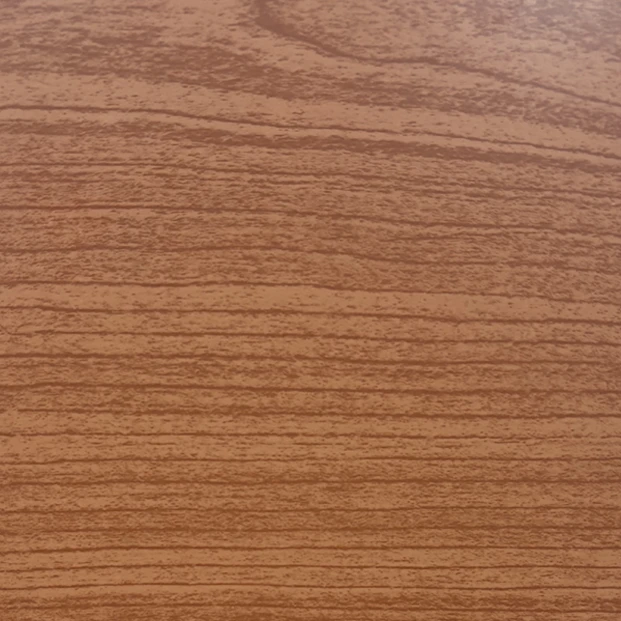
Now, when scouting suppliers, here’s what I typically look out for: the range of aluminium alloys, finishing options, compliance with industrial standards, and the ease of customization. Frankly, not all aluminum cladding is created equal. You’ll want a supplier with a proven track record in rigorous material testing — corrosion resistance, impact toughness, and UV stability tests are usually a good sign.
Speaking of which, here’s a quick rundown of typical specifications you might find relevant:
| Specification |
Details |
| Material Alloy |
3003 & 5005 series aluminum |
| Panel Thickness |
0.7mm to 3.0mm |
| Finishing |
PVDF coating, Anodized, Powder-coated |
| Panel Dimensions |
Up to 1500mm width; custom lengths |
| Fire Resistance |
Class A (ASTM E84) |
Beyond specs, you want to weigh your options between various suppliers on factors like delivery times, inventory options, and after-sales support. Below is a comparison table I put together from experience working with three suppliers — I’ve anonymized names, but you may recognize the characteristics.
| Supplier |
Lead Time (weeks) |
Customization |
Warranty |
Support |
| Supplier A |
2 |
Full (color, size, finish) |
10 years |
24/7 Phone & Email |
| Supplier B |
4 |
Limited |
5 years |
Business Hours Only |
| Supplier C |
3 |
Moderate |
7 years |
Email Support only |
One memorable project involved outfitting a new production facility in the Pacific Northwest. We needed cladding that could withstand frequent rainy spells and salty sea air. The supplier we eventually selected offered custom PVDF coatings with UV resistance – exactly what we needed. The panels lasted far beyond initial expectations. It’s these little details that separate the “okay” suppliers from true partners in the industry.
In real terms, I suppose the main takeaway is: don’t just chase price or speed when picking an aluminum cladding supplier. Look deeper. Consider testing certifications, practical experience, and how well they understand your industry needs. The right supplier can save time, reduce headaches, and frankly, save money in the long run.
Next time you’re sourcing aluminum cladding, take a moment to reflect on these points and maybe check out the offerings from specialists who truly know their stuff. It’s worth it.
References:
- ASTM E84 Standard Test for Surface Burning Characteristics of Building Materials
- Industry reports on aluminum alloys in construction and equipment cladding (2022)
- Customer case studies from aluminum cladding manufacturers