Understanding the Role of Perforated Aluminium Composite Panels in Modern Construction
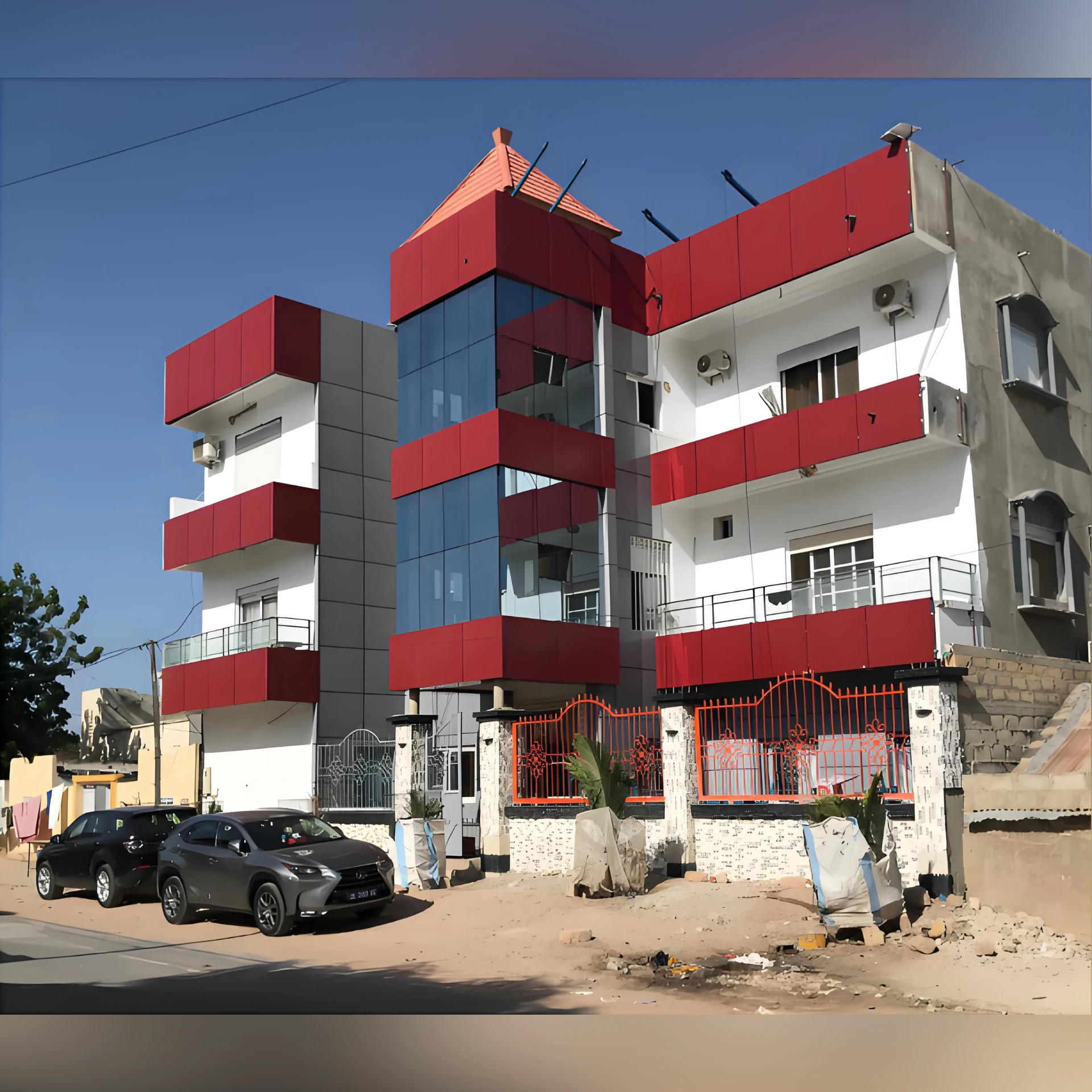
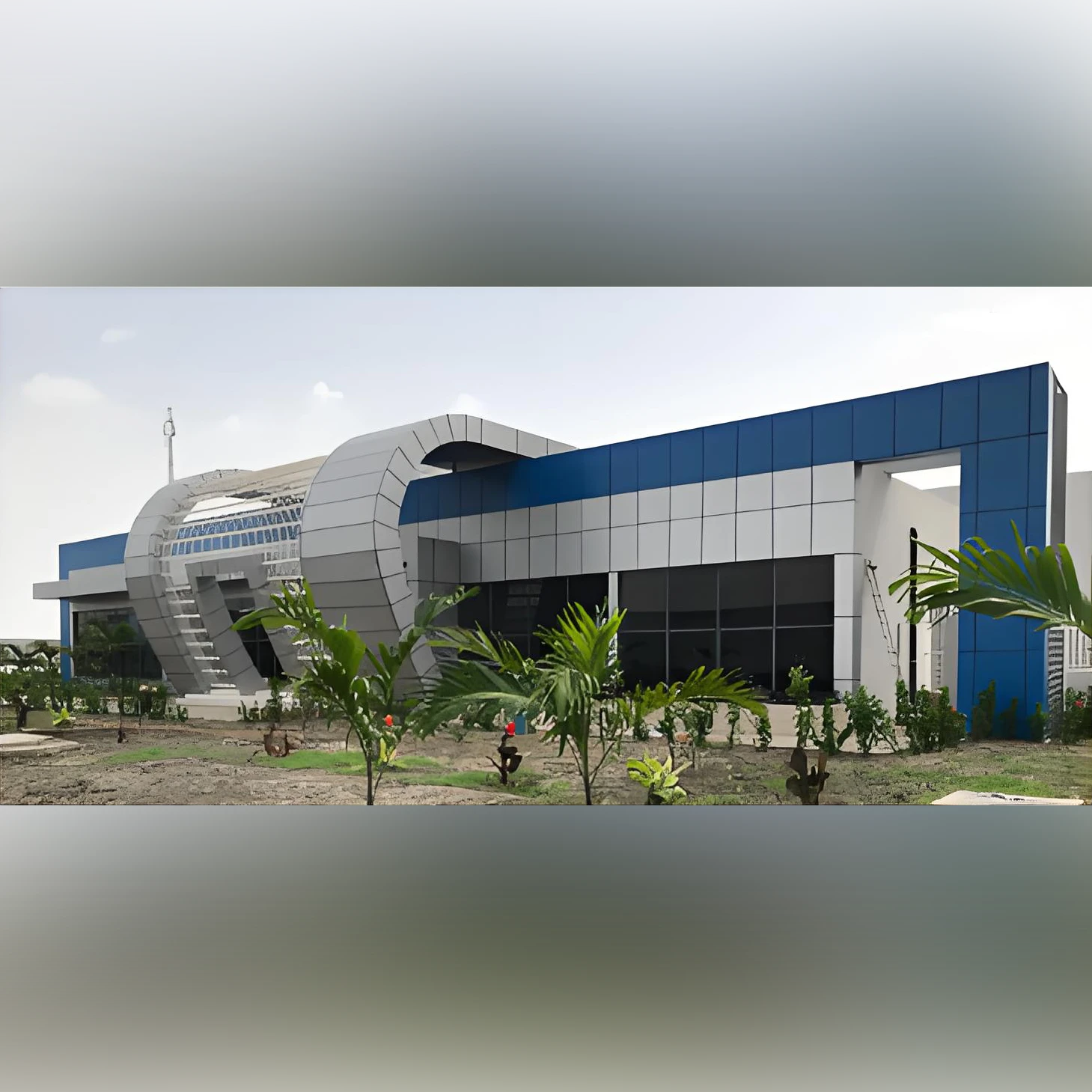
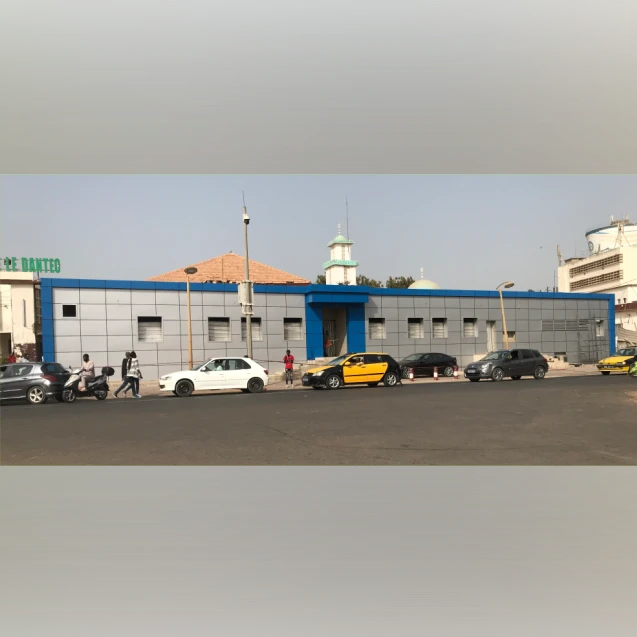
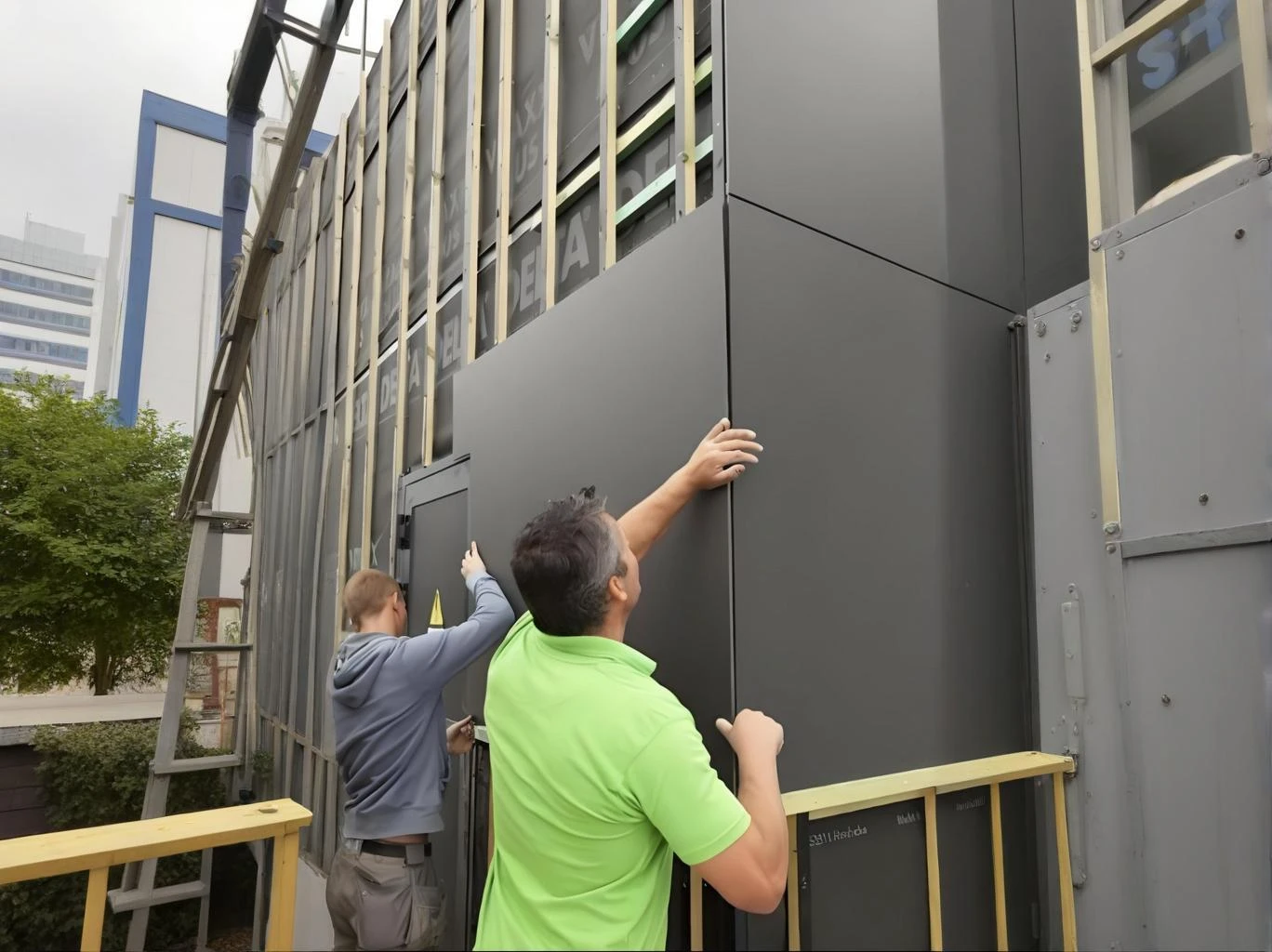
If you’ve ever admired a sleek building facade or noticed those fascinating metal patterns on a modern office wall, chances are you’ve encountered a perforated aluminium composite panel (ACP). Beyond aesthetics, these panels are quietly revolutionizing architecture and engineering worldwide. From cutting down energy costs to enhancing structural durability and fine-tuning indoor climates, understanding perforated aluminium composite panels matters more than you might imagine.
Globally, as urban spaces grow and environmental concerns mount, architects and engineers increasingly seek versatile materials offering strength, lightweight properties, and sustainable benefits. The perforated aluminium composite panel is one of those unsung heroes, balancing design flexibility with practicality. FYI, it’s not just about fancy looks; these panels play crucial roles in ventilation, noise control, and even fire safety. So, why exactly are they dominating the scene?
Global Context: Why Perforated Aluminium Composite Panels Are Key in Today’s Industry
The world is urbanizing at an unprecedented pace. According to the United Nations’ latest data, by 2050, nearly 68% of the global population will live in cities. This surge brings challenges like energy consumption, pollution, and resource management. Now, construction plays a huge part in that equation — accounting for nearly 40% of global energy use per the International Energy Agency.
Perforated aluminium composite panels offer a smart response to these pressures. They help reduce building heat gain through strategic perforations, enabling natural ventilation and daylighting, cutting down on HVAC loads. Plus, they’re lightweight but robust, which reduces structural demands and transportation emissions. In real terms, that means less material waste and lower carbon footprints over a building’s life cycle. Perforated aluminium composite panel technology doesn’t just beautify a facade; it combats climate change one building at a time.
Still, the challenge remains: how to balance cost, performance, and durability without sacrificing design intent? That’s where the panels’ core benefits come into play.
Defining the Perforated Aluminium Composite Panel
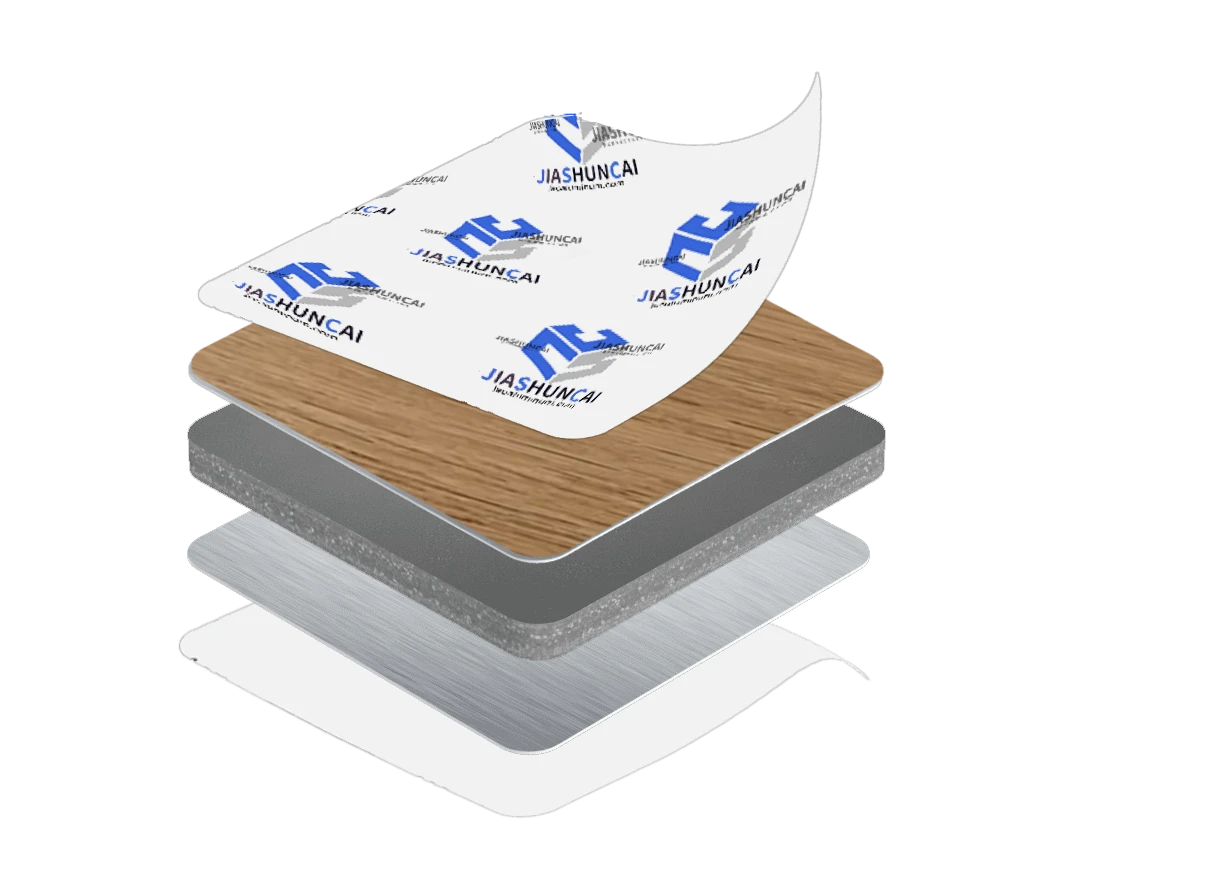
At its heart, a perforated aluminium composite panel is exactly what the name suggests — a sandwich of two thin aluminium sheets bonded to a non-aluminium core, featuring a pattern of small holes or "perforations" punched systematically across it.
This combination yields a lightweight, rigid panel that can be customized endlessly. The perforations aren’t mere decoration; they improve airflow, reduce noise pollution, and let natural light filter through, which in turn can enhance occupant comfort and reduce energy use. That’s why you'll find these panels popular not only in commercial buildings but increasingly in transportation hubs, shopping malls, and even sports stadiums.
On a humanitarian note: this material often appears in rapidly deployable shelters or clinics, where ventilation and quick assembly are essential.
Core Features That Make Perforated Aluminium Composite Panels Stand Out
Durability & Weather Resistance
These panels typically sport coatings like PVDF or polyester paint that resist UV rays, corrosion, and fading. In coastal or industrial environments where salt or pollution threaten materials, this resilience matters a lot. Many manufacturers subject their products to ISO 12944 corrosion tests to ensure decades of service.
Customization & Design Flexibility
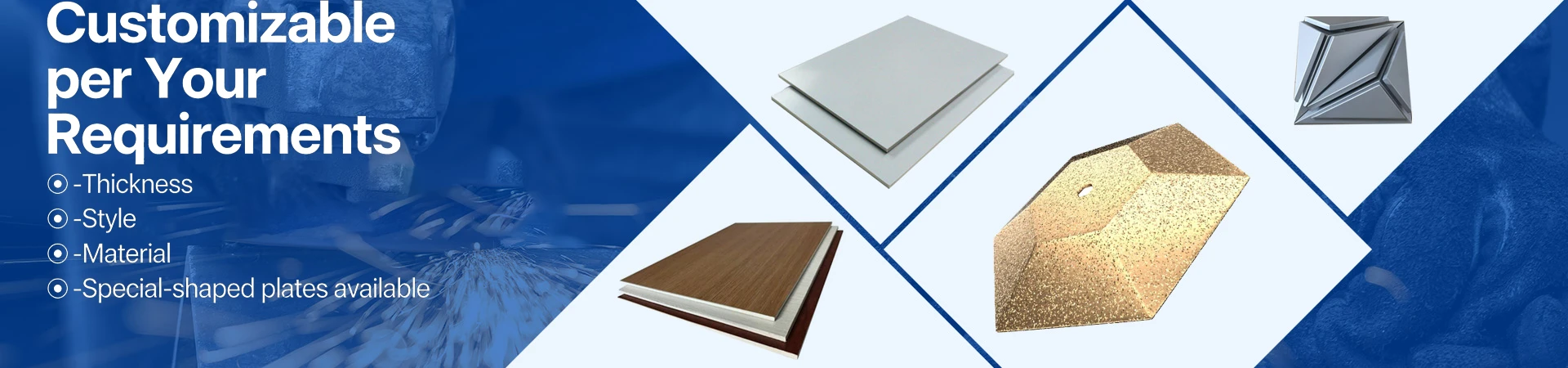
Because perforations can vary in size, shape, and spacing, architects have latitude to tailor panels for aesthetic appeal and performance. Even colors are customizable, allowing branding synergy or creative expression without worrying about material limits.
Lightweight & Load Efficient
The composite nature means less weight than solid metal panels, cutting costs on supporting structures and installation labor. In skyscrapers or long-span roofing, every kilogram saved translates into big financial and ecological wins.
Acoustic Properties
The perforations act like sound diffusers, reducing noise reflection and reverb indoors. This is why you’ll notice perforated ACPs in concert halls or airport terminals, where sound clarity matters.
Thermal Regulation
Perforated panels can improve natural ventilation and shading, which lowers cooling loads and improves indoor air quality. They work well in hot climates or buildings aiming for green certifications like LEED or BREEAM.
Mini takeaway: The guys who pick perforated aluminium composite panels usually want more than just a pretty front — durability, sustainability, and overall smarter performance guide their choices.
Worldwide Uses of Perforated Aluminium Composite Panels
From New York to New Delhi and Dubai to Düsseldorf, perforated aluminium composite panels are everywhere. Airports often use them both inside and out — think Terminal renovations where airflow is key but so is passenger comfort. In Asia, high-density urban centers rely on these panels for energy efficiency without sacrificing style in commercial plazas.
Industrially, you’ll see them on factory facades or data centers, offering fire resistance and thermal relief. NGOs working in disaster zones say these panels’ lightweight nature makes shipping and rapid assembly feasible for temporary clinics and shelters.
Some real-life examples:
- Post-earthquake school renovations in Chile, where perforated ACPs improved natural ventilation and daylighting.
- Public library facades in Scandinavia designed with intricate geometric perforation patterns for visual appeal and acoustics.
- Warehouses in Texas using perforated aluminium panels to regulate temperature, reducing energy bills by 15%.
Advantages and Lasting Value of Choosing Perforated Aluminium Composite Panels
Let’s talk bottom line—as always. These panels cut both upfront and lifecycle expenses, thanks to reduced structural requirements and energy savings. Many building owners notice improved occupant comfort and a fresh aesthetic that keeps maintenance low.
On the sustainability front, aluminium is 100% recyclable without losing quality — which speaks volumes about long-term environmental responsibility. Also, it's less prone to mold or insect damage compared to wood or synthetic composites, which appeals to socially-conscious builders.
Emotionally, the peace of mind that comes with fire-resistant, durable, and visually appealing panels is priceless. It’s that unspoken trust you put in a building facade — that someday it won't just fall apart or look dated.
Product Specification Table
| Specification |
Typical Value |
Notes |
| Panel Thickness |
4mm - 6mm |
Varies by application |
| Aluminium Sheet Thickness |
0.3mm - 0.5mm |
Corrosion-resistant alloys common |
| Core Material |
Polyethylene / Fire-retardant core |
Fire safety depends on core |
| Perforation Diameter |
1mm - 12mm |
Custom patterns available |
| Weight |
3.5 - 7 kg/m² |
Lightweight compared to solid panels |
| Finish Options |
PVDF, Polyester Paint, Anodized |
Varies per environment |
Vendor Choices: Comparing Popular Perforated Aluminium Composite Panel Suppliers
| Vendor |
Core Material |
Customization Level |
Typical Lead Time |
Notable Projects |
| JSC Aluminum |
Fire-retardant core |
High - custom perforations, colors |
3–5 weeks |
Dubai Expo 2020 facades |
| AluTech Systems |
Standard PE core |
Medium - preset patterns |
4–6 weeks |
Seoul Metro Stations |
| Global Panels Inc. |
Fire-retardant core |
High - bespoke designs |
6–8 weeks |
Singapore University of Tech |
What Does the Future Hold for Perforated Aluminium Composite Panels?
Looking ahead, ongoing innovations in materials science and digital manufacturing seem poised to push these panels into even cooler territory. Some companies are experimenting with integrated solar cells behind perforations, turning building facades into energy harvesters — kind of like futuristic skin. Add to that AI-driven design software that optimizes perforation patterns for maximum daylight without heat gain, and suddenly these panels are part of a smart building’s nervous system.
There’s also increased pressure to use fully recyclable cores or bio-based composites, aligning with net-zero policies worldwide. Even robotic fabrication lines are starting to help reduce production times and waste.
Challenges and How They’re Getting Solved
Any material has limits. Some engineers point out that improperly specified perforation patterns can compromise structural integrity or make panels harder to clean — especially in dusty environments. Others note that fire-retardant cores, while improving safety, raise costs quite a bit. Sourcing sustainable cores at scale remains tricky but doable.
Solutions lie in better planning, upfront engineering collaboration, and R&D investment into next-gen composites. Not to mention - continuous testing to meet fire and weather codes ensures the panels don’t just look good but truly perform long-term.
FAQs: Quick Answers on Perforated Aluminium Composite Panels
- Q: How does perforation size affect ventilation in aluminium panels?
A: Larger perforation diameters typically allow more airflow and daylight through the panel but may reduce structural strength and privacy. Finding a balance based on building needs is key.
- Q: Can these panels be used in coastal environments?
A: Yes, provided they feature corrosion-resistant alloys and appropriate coatings. Regular maintenance prolongs lifespan in salty atmospheres.
- Q: What is the expected lifespan of a perforated aluminium composite panel facade?
A: With proper specification and maintenance, such facades can last 20-30 years or more, often outlasting other cladding materials.
- Q: How customizable are these panels for branding or unique aesthetics?
A: Very customizable. Colors, perforation patterns, and finishes can be tailored to match branding and design intent while still meeting structural demands.
Final Thoughts and Next Steps
In wrapping things up, the perforated aluminium composite panel feels like one of those quietly transformative materials in building tech. It manages to tick so many boxes — aesthetics, performance, sustainability — all at once. Whether you’re an architect dreaming of the next striking facade or a project manager chasing long-term value, these panels deserve a close look.
Curious to see them in action or explore your project needs? Visit JSC Aluminum’s website for detailed product info, case studies, and expert consultations. After all, a well-chosen panel could change much more than your building’s look — it might just change the future.
References:
1. United Nations, World Urbanization Prospects, 2022 Edition
2. International Energy Agency (IEA), Global Energy & CO2 Status Report, 2023
3. ISO 12944: Paints and varnishes — Corrosion protection of steel structures by protective paint systems