Understanding Aluminum Composite Panel Specifications: The Backbone of Modern Facades
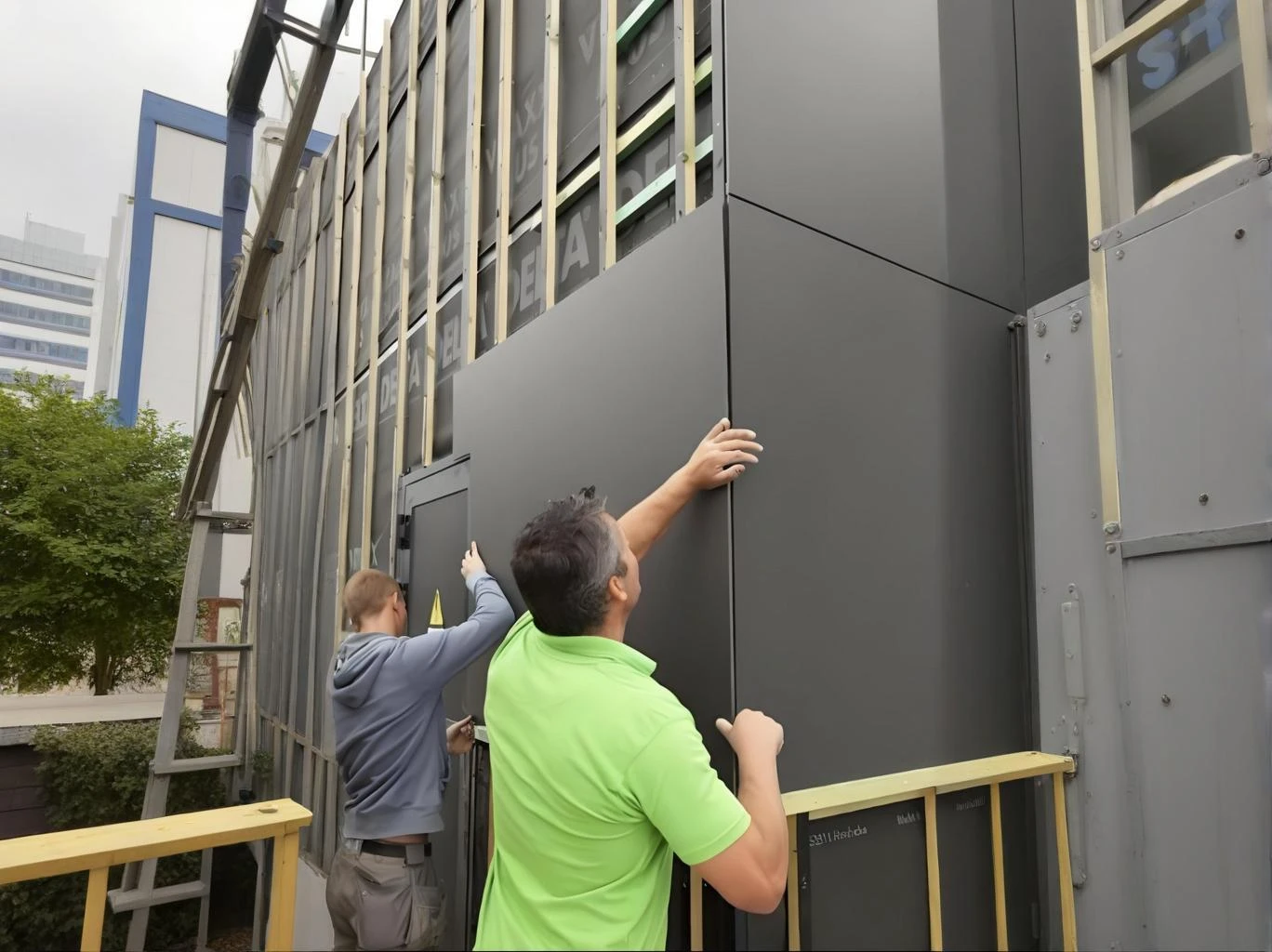
Aluminum composite panels (or ACPs, as many in the industry call them) are everywhere—from city skyscrapers to transit stations and even in disaster relief shelters. But what really sets one panel apart from another? It’s all in the specifications. Getting a solid grasp of aluminum composite panel specifications isn’t just an exercise in dry technical reading; it’s crucial for architects, engineers, fabricators, and even humanitarian agencies aiming for durable, efficient, and sustainable structures worldwide.
Why does this matter globally? Well, with the rapid urbanization and the strain on natural resources, a panel's quality influences everything from safety and longevity to aesthetics and environmental footprint. Plus, with global construction spending surpassing $12 trillion annually (World Bank), understanding these specs helps stakeholders make better, more responsible choices.
The Global Context: Why Aluminum Composite Panel Specifications Matter Today
In an era where sustainable and resilient building materials are paramount, aluminum composite panel specifications emerge as a global standard for performance and reliability. According to the ISO 22826 framework for ACP performance, factors like weather resistance, fire retardancy, and load capacity distinguish panels that outperform others under various climates and regulatory environments.
Think about it: cities in the Middle East battling extreme heat or regions in Southeast Asia with heavy monsoon rains both demand panels that can hold up without becoming a safety hazard or needing frequent replacement. On the flip side, disaster-prone regions in Latin America and Asia/New Zealand are increasingly leaning on ACPs tailored to their specific conditions.
The challenge? Confusingly varied international standards and inconsistent product quality. Without clear aluminum composite panel specifications, architects and contractors might select panels that meet local budgets but fail to protect occupants or save costs long term.
What Exactly Are Aluminum Composite Panel Specifications?
Simply put, aluminum composite panel specifications are the detailed criteria that define every aspect of an ACP product — from its physical dimensions, core materials, coating types, and mechanical properties to fire safety classifications. These specs explain how a panel is manufactured and how it should perform under various conditions.
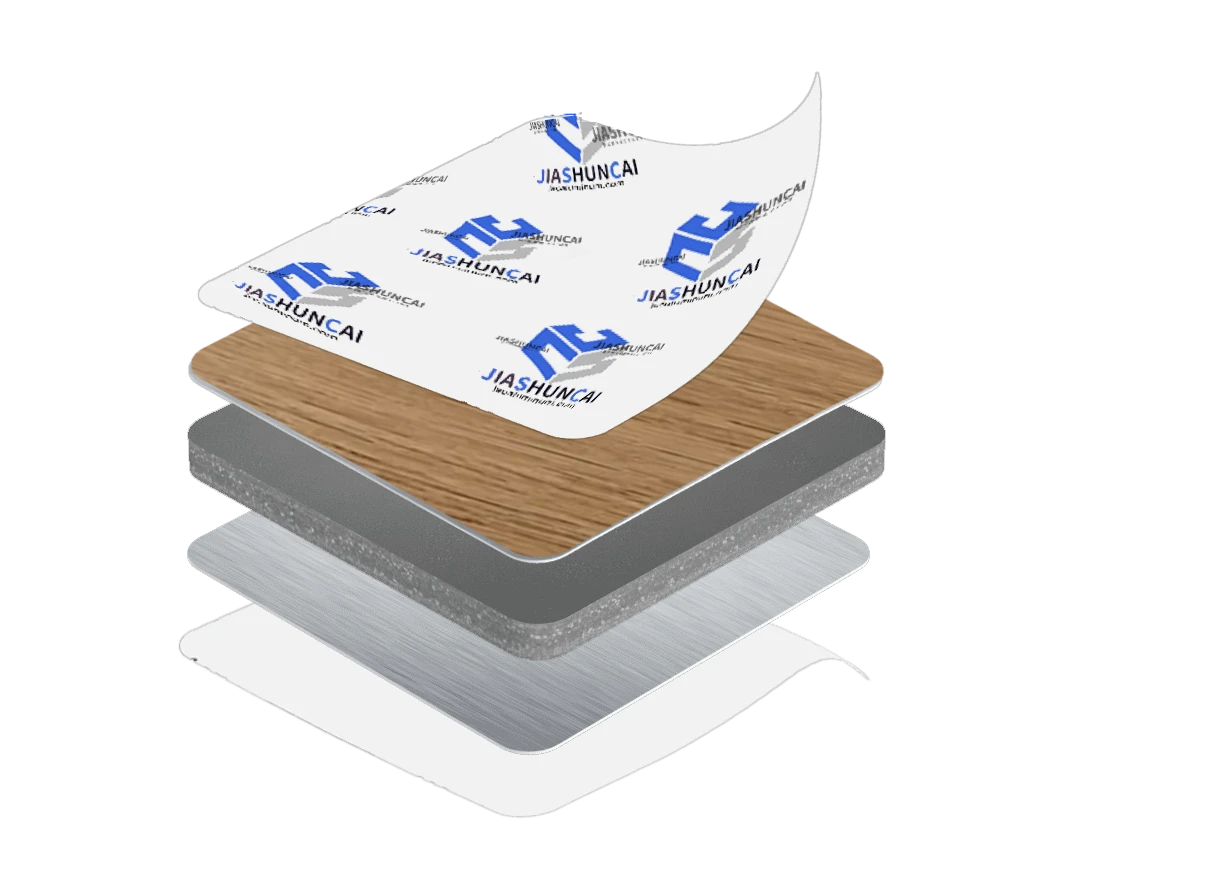
For example, an ACP is typically made of two thin aluminum sheets bonded to a non-aluminum core; specs then cover thickness, coating types (like PVDF or PE), fire ratings (often based on ASTM or EN standards), and durability tests. These specs ensure that what you’re getting is fit for purpose—whether that’s a gleaming shopping mall or a quick-assembly clinic in a flood zone.
In humanitarian contexts, the specs might emphasize quick installation and transportability, while in urban luxury construction, aesthetic options and finish durability matter more.
Key Aspects That Define Aluminum Composite Panel Specifications
1. Durability and Weather Resistance
Durability is king, especially when panels face UV radiation, rain, and temperature swings. Aluminum’s natural oxide layer protects well, but coatings also matter hugely. Standard ACP specs will define which coatings have passed tests like the ASTM D2247 (humidity resistance) or ISO 9227 (salt spray corrosion resistance). Oddly enough, engineers often overlook these — but they make all the difference in coastal areas or industrial zones.
2. Fire Performance Ratings
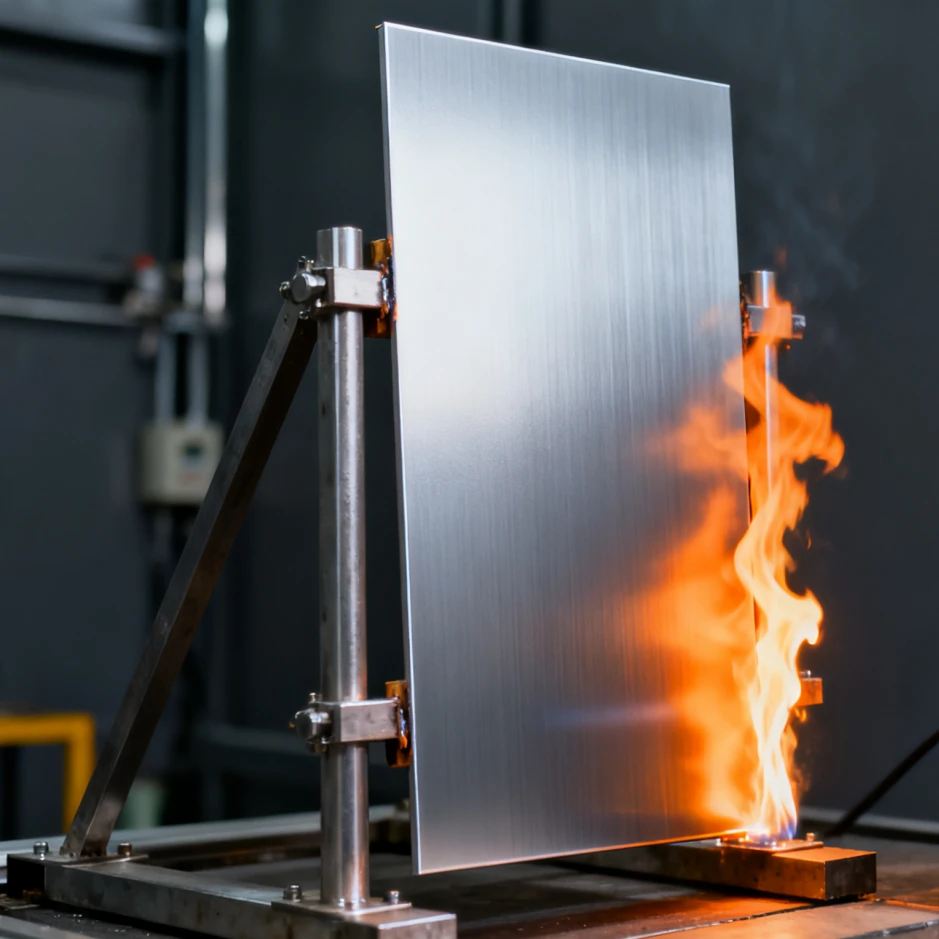
In real terms, fire safety can’t be an afterthought. ACP specs include core materials ranging from polyethylene (PE), which is flammable, to mineral-filled cores (FR) or A2 class non-combustible options. Recent high-profile fires globally, such as the Grenfell Tower tragedy, have pushed regulations and specs sharply, demanding fire-resistant panels.
Luckily, many vendors now offer panels meeting international fire codes, so a smart spec choice can save lives.
3. Thickness and Structural Integrity
The thickness of the aluminum sheets and the core determine flexural strength and load capacity. Common ACP specs are 3mm to 6mm total thickness, with aluminum skins ranging from 0.2 mm to 0.5 mm thick. Thicker panels improve wind load resistance and reduce noise transmission, but at a cost.
4. Finish and Aesthetics
From matte to glossy, metallic, or vibrant colors—surface finish types (PVDF, FEVE coatings, etc.) are part of the specs. These finishes control UV resistance, color retention, and cleaning ease. Plus, the specs sometimes include anti-graffiti or anti-static options for specialized projects.
5. Environmental Compliance
Modern specs increasingly list VOC content, recyclability, and certification to environmental standards like LEED or BREEAM. This is key for green construction, especially in regions with strict sustainability codes.
Typical Aluminum Composite Panel Specification Table
| Specification |
Common Range / Standard |
Notes |
| Total Thickness |
3 - 6 mm |
Depends on application & wind load |
| Aluminum Skin Thickness |
0.20 - 0.50 mm |
Higher thickness = better impact resistance |
| Core Material |
PE, FR, or Mineral Core |
Fire rating varies drastically |
| Coating Type |
PVDF, FEVE, Polyester |
PVDF suits harsh weather |
| Fire Rating |
Class A1 - B |
Varies by country and testing |
| Environmental Certifications |
LEED, ISO 14001 |
Increasingly common |
Global Applications and Real-World Use Cases
ACP specs matter across continents and industries. For example, in the Middle East’s scorching desert climate, developers choose panels with enhanced UV resistance and special coatings. In tropical Asia, fire-retardant cores aligned with local building codes prevent disaster losses.
Post-disaster housing projects in the Philippines often rely on standard aluminum composite panel specifications for structures that can be rapidly deployed and offer durability against typhoons. On the other hand, in Europe's architectural scene, ACPs are prized for aesthetic versatility and compatibility with green building standards.
Mini Takeaway:
Understand the specs, and you unlock flexibility—tailored panels for every need, whether in luxury commercial towers or emergency shelters.
The Benefits and Long-Term Value of Knowing Your Aluminum Composite Panel Specifications
- Cost Efficiency: Selecting the right specifications can reduce maintenance and replacement expenses significantly.
- Sustainability: Panels with recycled content and low VOC coatings contribute to greener buildings.
- Safety & Compliance: Proper fire ratings and durability translate directly into occupant protection.
- Aesthetic Freedom: Specs define coating options and finishes that bring architectural vision to life.
- Social Impact: In disaster relief contexts, durable and rapid-assembly panels help restore dignity and safety.
What’s On The Horizon? Future Trends in Aluminum Composite Panel Specifications
Looking forward, innovations include integrating nanotechnology coatings for self-cleaning surfaces and enhanced durability. There's also a push for increased transparency in supply chains and environmental impact reporting within ACP specs. Digital tools like Building Information Modeling (BIM) now allow more accurate spec selection and lifecycle forecasting.
Plus, with global moves towards net-zero carbon emissions, expect stricter standards on core materials and finishing processes, favoring recyclable and low-carbon manufacturing methods.
Facing Challenges Head-On: Common Issues and How Experts Solve Them
Here’s the truth: not all ACPs are created equal. Variability in quality, inconsistent testing, and unclear specs are common headaches.
Experts recommend demanding certified third-party testing reports and insisting on compliance with major standards like EN 13501 or ASTM E84. Also, working with vendors who openly share detailed aluminum composite panel specifications allows better risk management.
Aluminum Composite Panel Specifications FAQ
Q1: What fire rating should I look for in ACPs for urban buildings?
A: For high-rise urban applications, look for panels with Class A1 or A2 fire ratings according to EN 13501-1, meaning non-combustible or limited combustibility, providing maximum safety in emergencies.
Q2: How does the choice of core material affect panel performance?
A: The core determines fire resistance, weight, and rigidity. PE cores are lighter but combustible; mineral cores offer fire resistance but weigh more and cost more. Choose based on your project’s safety and structural requirements.
Q3: Can aluminum composite panels be recycled?
A: Yes, many ACPs are recyclable, especially those with mineral cores. Recycling reduces environmental impact and aligns with LEED certification but always verify with your vendor.
Q4: How do I ensure the chosen ACP meets local regulations?
A: Always review local building codes and request conformity certificates from suppliers, backed by independent testing aligned with international standards.
Q5: Is customization possible in aluminum composite panel specifications?
A: Absolutely! Vendors often provide customizable thickness, finish, color, and core composition to meet diverse architectural and functional needs.
Vendor Comparison Table: Choosing the Right Aluminum Composite Panel Supplier
| Vendor |
Fire Rating Options |
Custom Finishes |
Environmental Certifications |
Typical Delivery Time |
| JS Aluminum |
A2 Mineral Core, PE Core |
Wide range: Matte, glossy, metallic |
LEED, ISO 14001 |
3-4 weeks |
| GlobalPanels Inc. |
Class B FR Core |
Standard finishes only |
None |
2-3 weeks |
| EcoBuild Materials |
A1 Non-combustible Core |
Custom colors and textures |
LEED, BREEAM, Cradle to Cradle |
4-6 weeks |
Conclusion: Why Detailed Aluminum Composite Panel Specifications Matter
From the urban fabric of sprawling metropolises to emergency relief shelters, aluminum composite panel specifications form the invisible architecture that supports safety, durability, and beauty. Ignoring these details can be costly, dangerous, or simply disappointing. On the other hand, a thorough understanding and careful selection based on these specs elevates projects from just built to built-to-last.
If you’re interested in exploring quality aluminum composite panel specifications backed by rigorous testing and environmental responsibility, consider visiting our website for detailed product offerings and tailored solutions: https://www.jscaluminum.com. Because, frankly, in this business, specs aren’t just numbers—they’re promises.
Mini Summary:
Choosing the right aluminum composite panel specs touches every part of your project—from safety and cost to how it ages and how it supports sustainability. Keep specs front and center, and you’re already ahead.
References:
- Wikipedia: Aluminium Composite Panel
- ISO 22826 - Building construction
- World Bank Urban Development Data