Complete Guide to ACM Thickness: Specifications, Applications & Trends
Dec. 02, 2025
Share:
Understanding ACM Thickness: Why It Matters in Modern Construction
Aluminum Composite Material (ACM) thickness might sound like a small detail — just a measure of how thick or thin a panel is. But frankly, acm thickness is a critical factor...
We will be available 24/7 to receive orders from all over the world during the holiday. No production or shipping will take place during this period. Best regards to all of you.
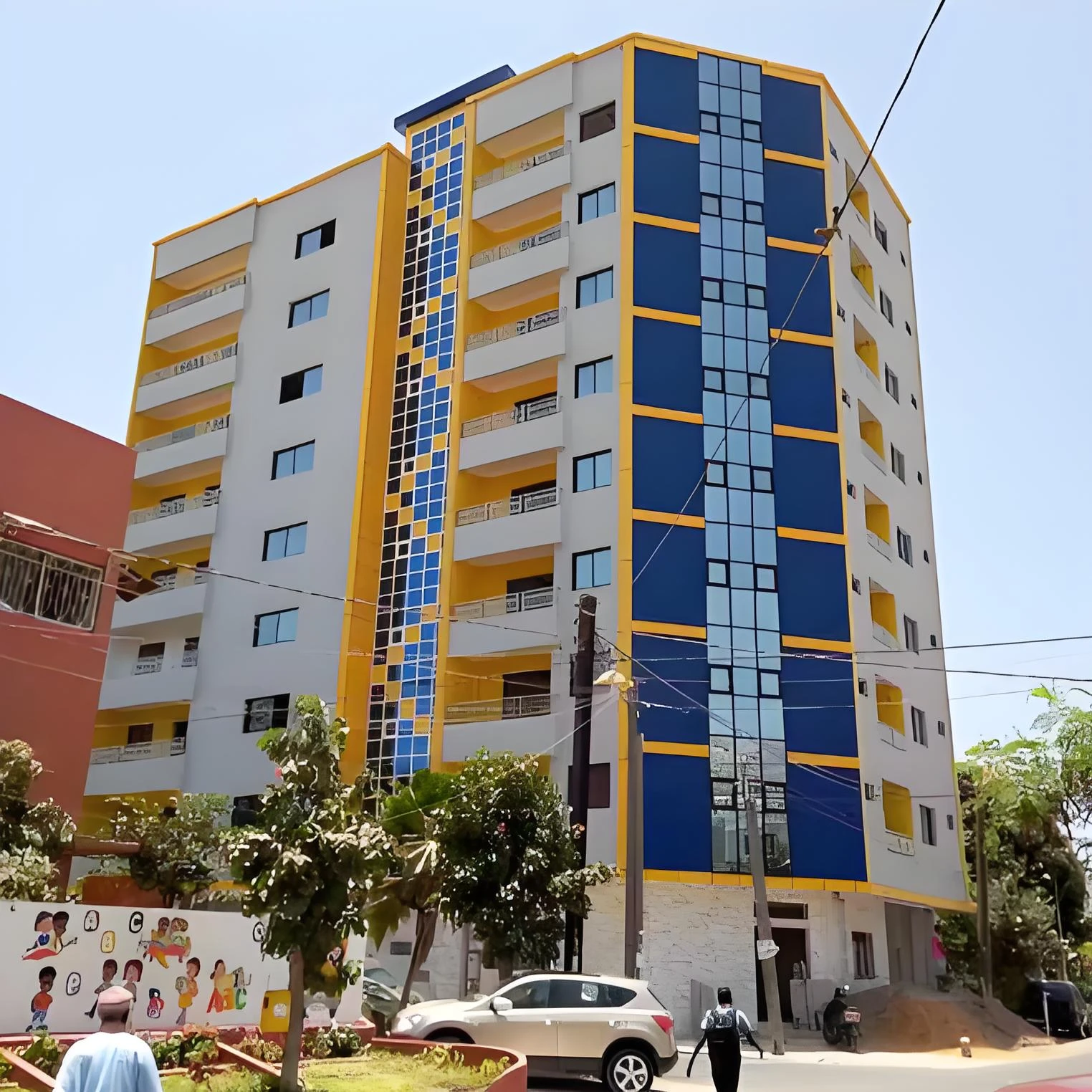
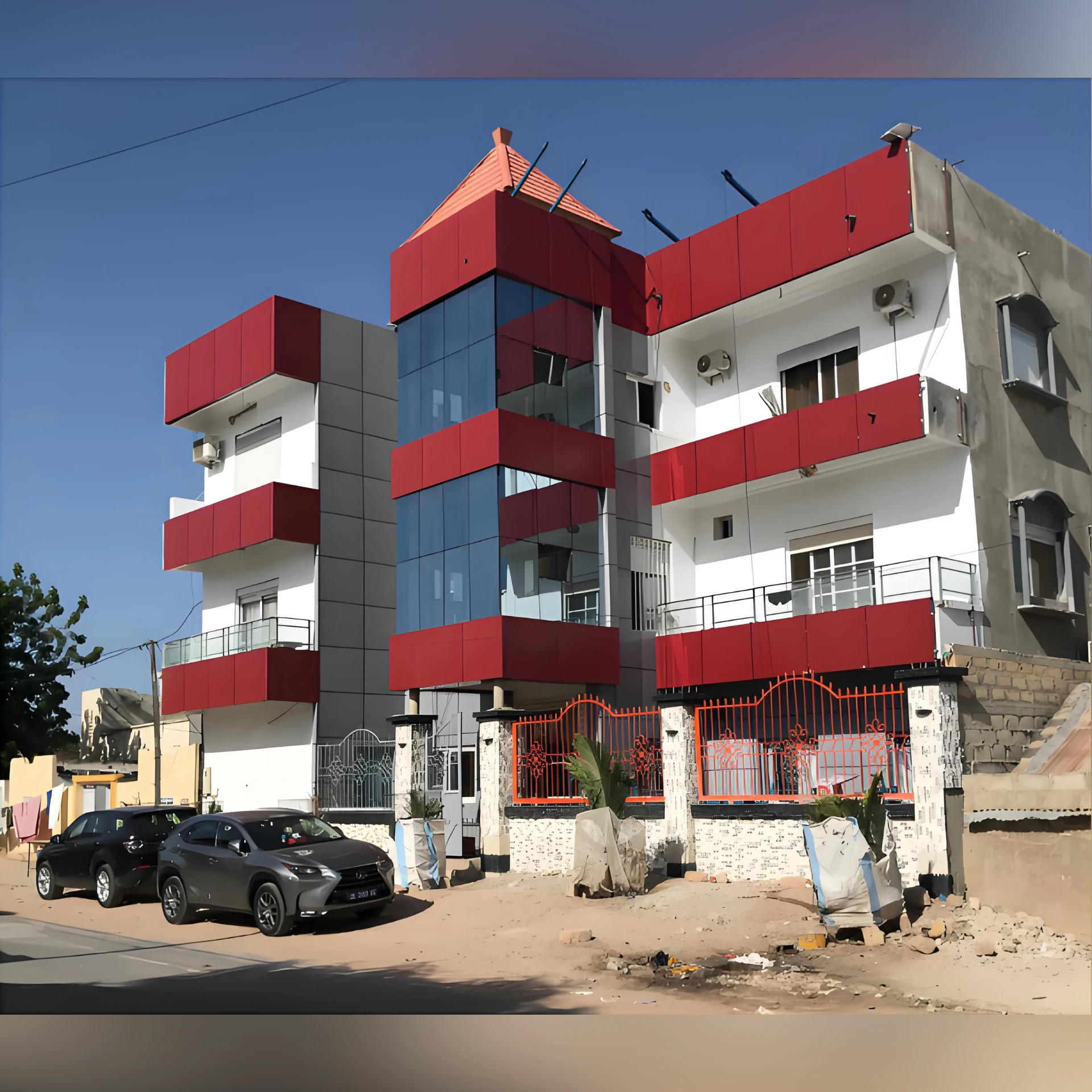
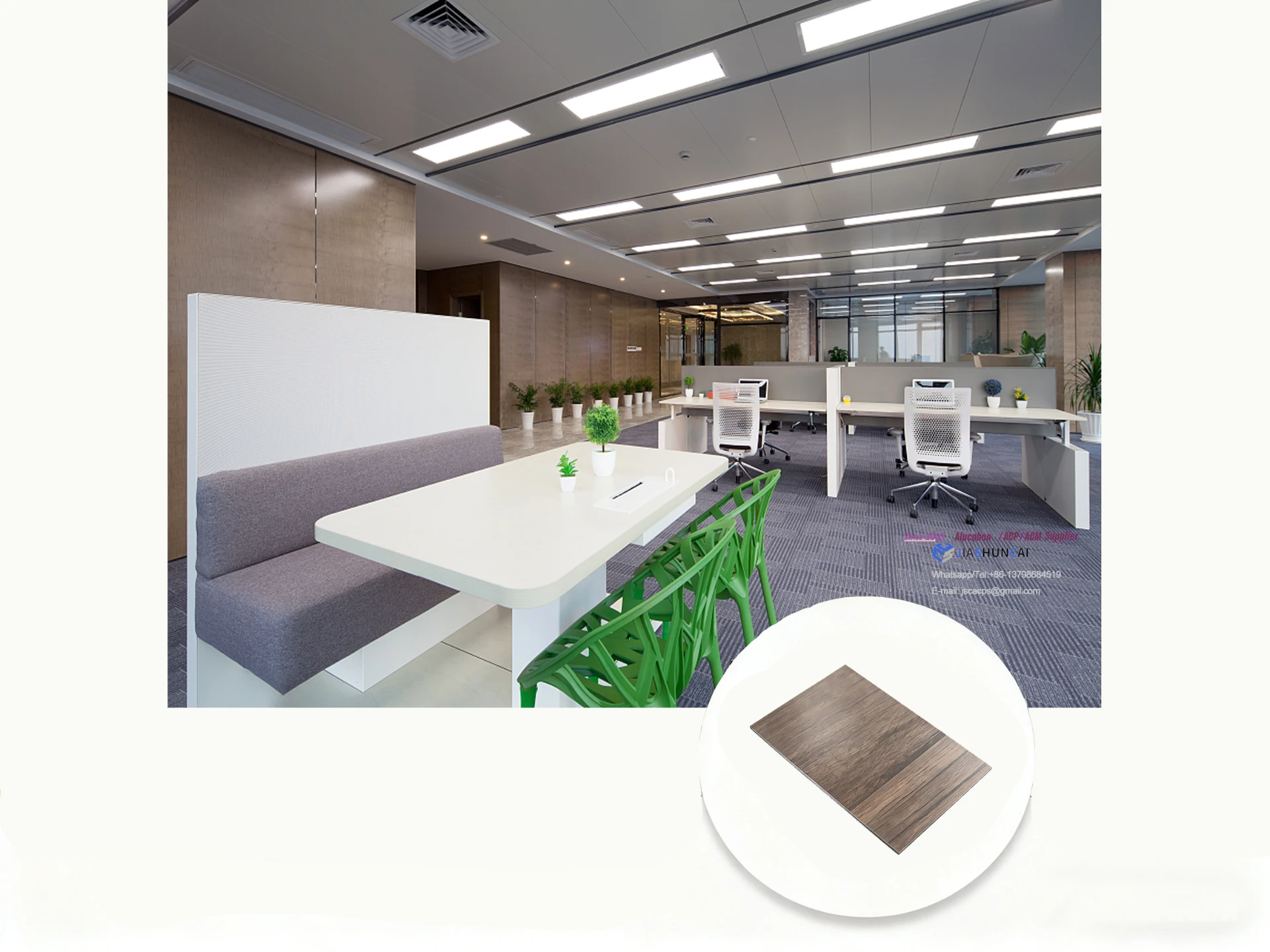
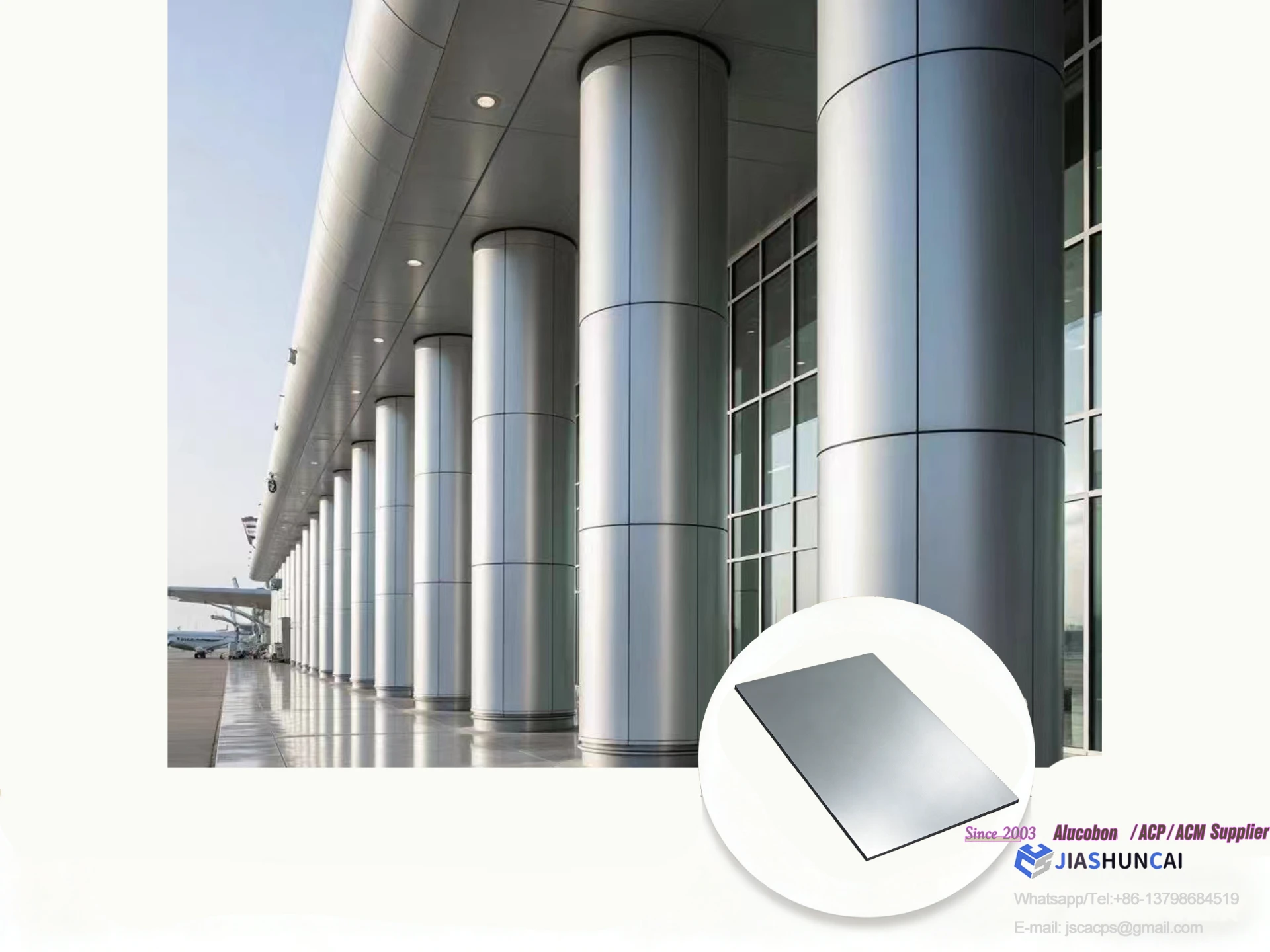
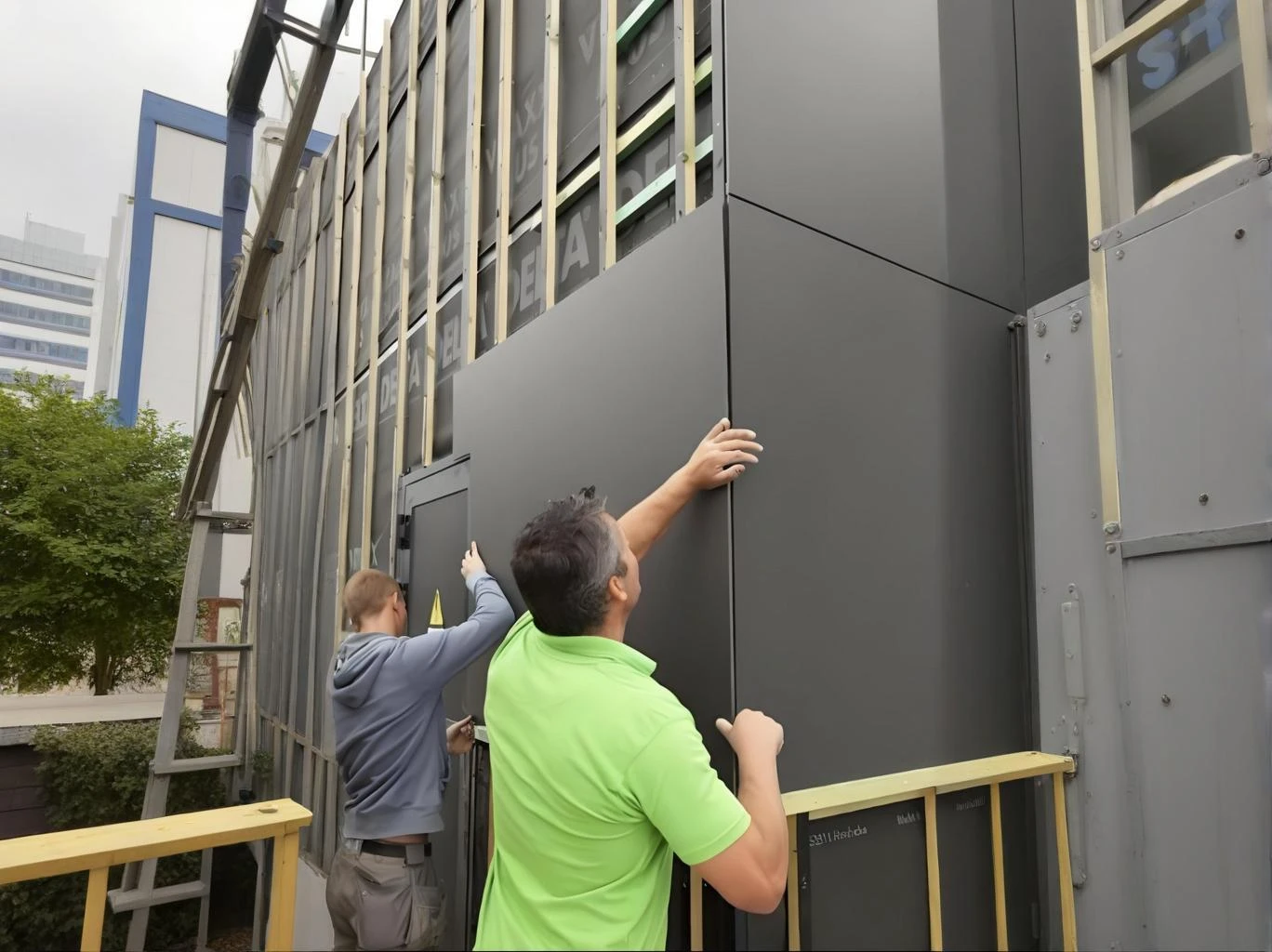
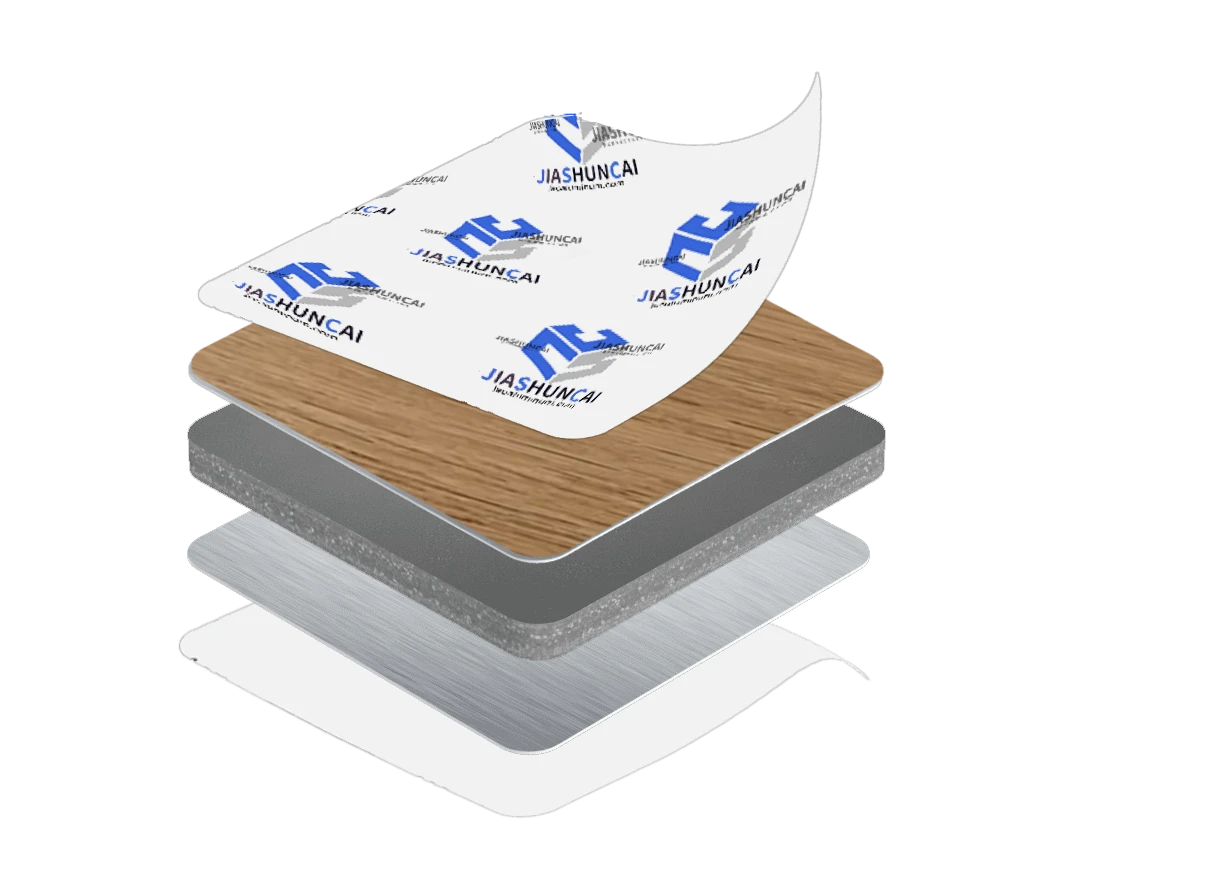
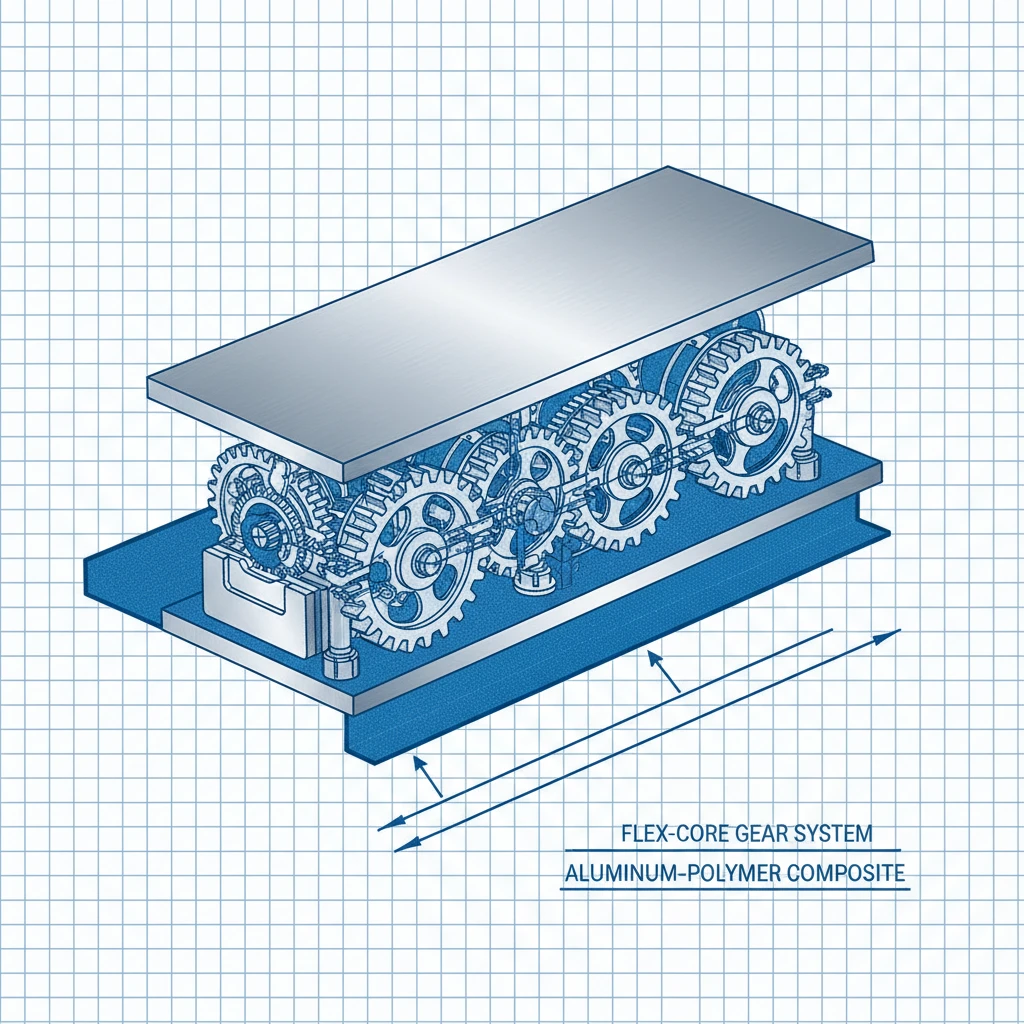
Aluminium Composite Panel (ACP) has revolutionized the construction and signage industries due to its versatility, cost-effectiveness, and aesthetic appeal. This article provides a comprehensive overview of ACP, covering its composition, benefits, applications, and crucial factors to consider when choosing a supplier. Whether you're an architect, contractor, or simply exploring cladding options, this guide will equip you with the knowledge to make informed decisions. ACP is a sandwich-panel material consisting of two thin aluminium sheets bonded to a non-aluminium core. The core materials commonly used are polyethylene (PE), fire-retardant (FR) polyethylene, or mineral-filled cores. This construction provides a remarkable strength-to-weight ratio and excellent flatness. ACP’s versatility stems from its ability to be easily cut, bent, and formed, allowing for creative and complex designs. ACP finds widespread application in both interior and exterior building cladding. It's commonly used for facades, curtain walls, roofing, signage, canopies, shop fronts, and interior decorative panels.