Understanding the Role of an Aluminum Composite Panel Supplier
When we talk about modern construction and design materials, the phrase aluminum composite panel supplier is showing up more and more. But what exactly does it mean? Why should it matter not just in developed urban hubs but on a global scale? Well, aluminum composite panels (ACPs) are lightweight, durable, and versatile cladding and facade materials — and the suppliers of these panels hold a crucial role in shaping how cities and industries develop sustainably and efficiently. Beyond aesthetics, these panels contribute to building safety, energy efficiency, and even disaster resilience, which makes understanding the supply chain all the more important worldwide.
Introduction: Why the Aluminum Composite Panel Supplier Matters Globally
Globally, the construction industry accounts for nearly 39% of carbon emissions according to the United Nations Environment Programme (UNEP), much of which relates to material use and energy inefficiencies. Aluminum composite panels are increasingly favored because they reduce structural weight, improve thermal insulation, and help projects stay greener. The Market Research Future report forecasts the global ACP market to exceed $10 billion by 2027, growing at over 7% annually. That’s no small feat.
Yet, challenges remain: inconsistent supply quality, fluctuating raw material prices, and the need for sustained innovation to meet green building standards. This is where the quality and reliability of an aluminum composite panel supplier become vital — their choices ripple through environmental impact, design possibilities, and construction timelines globally.
What Does an Aluminum Composite Panel Supplier Actually Do?
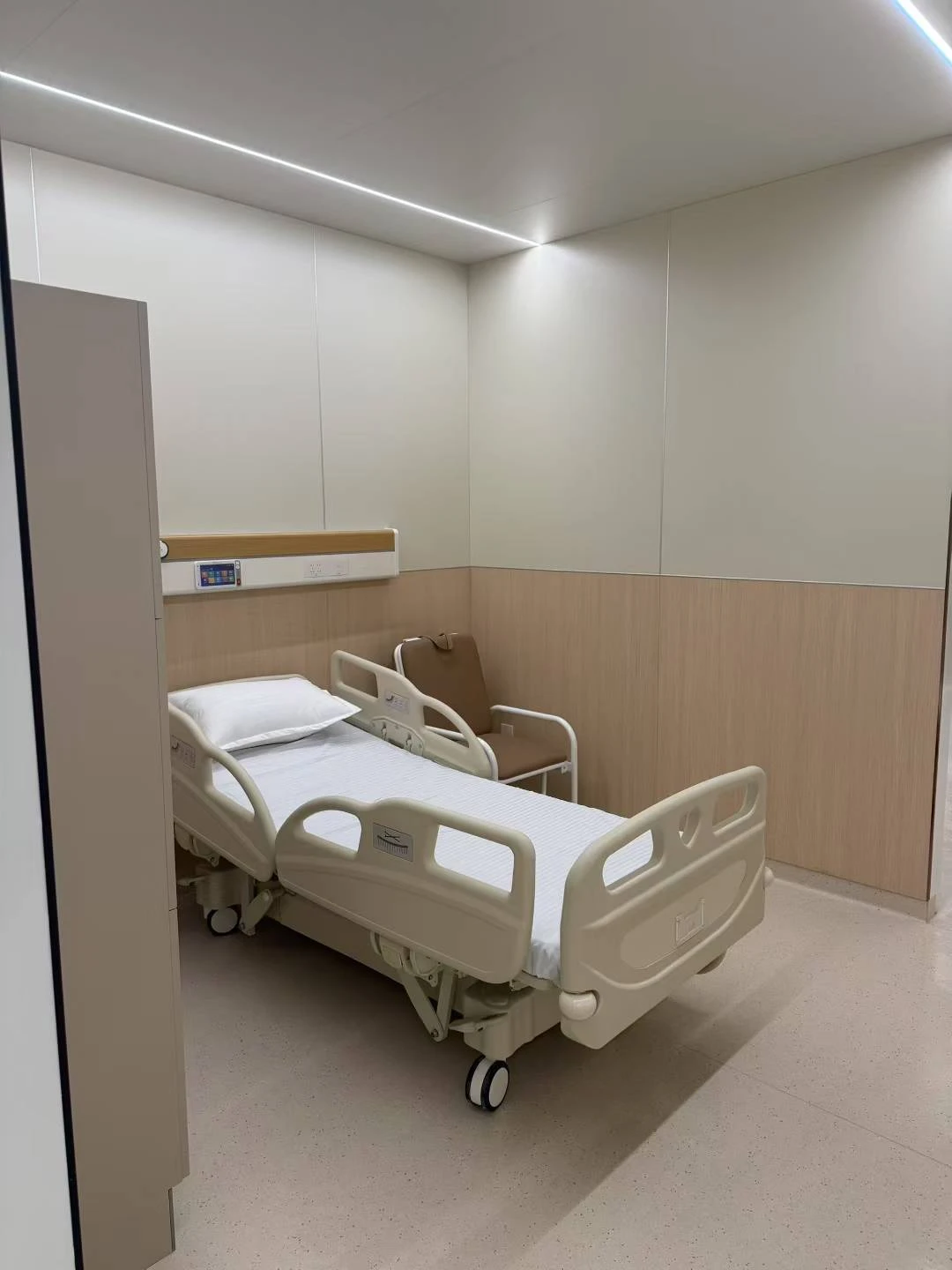
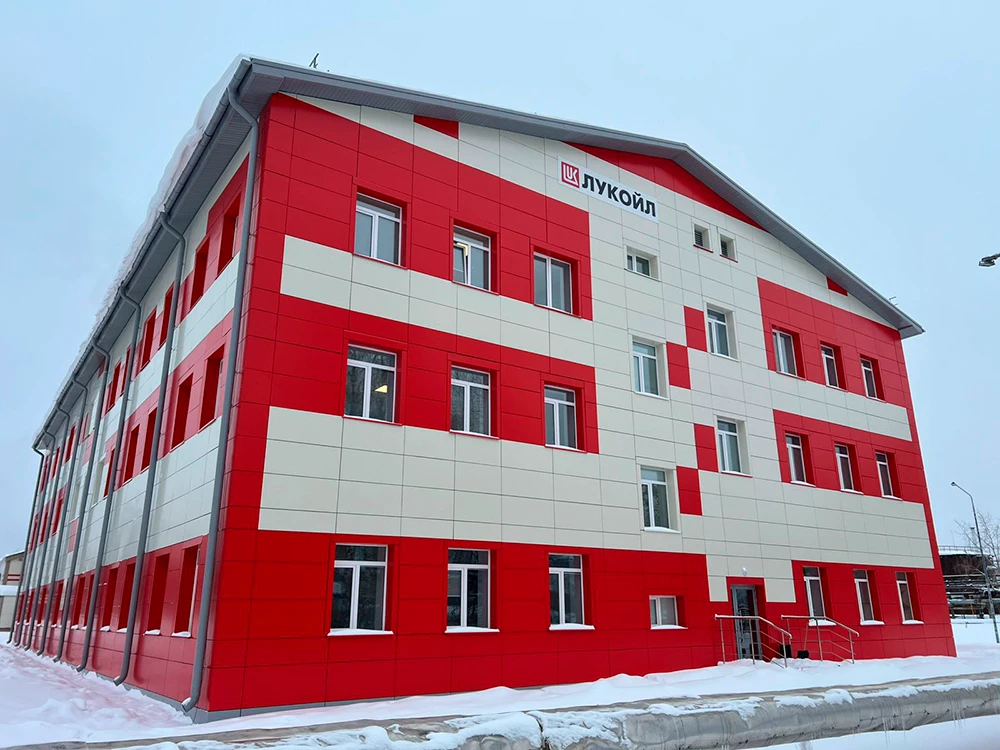
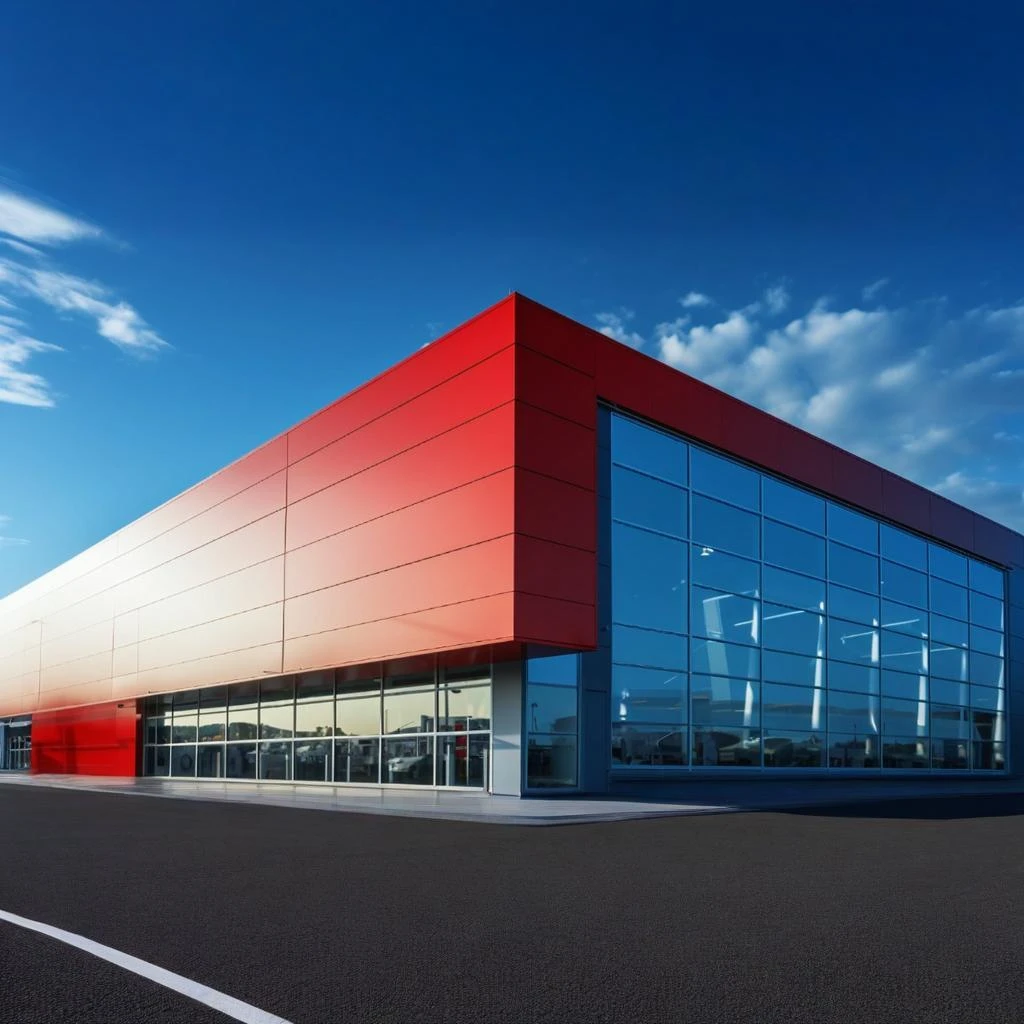
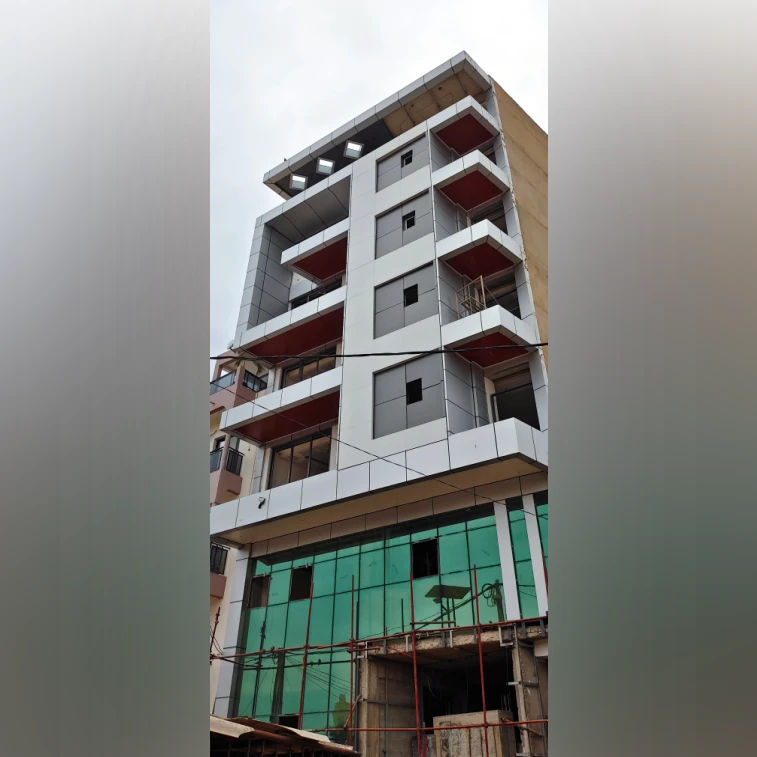
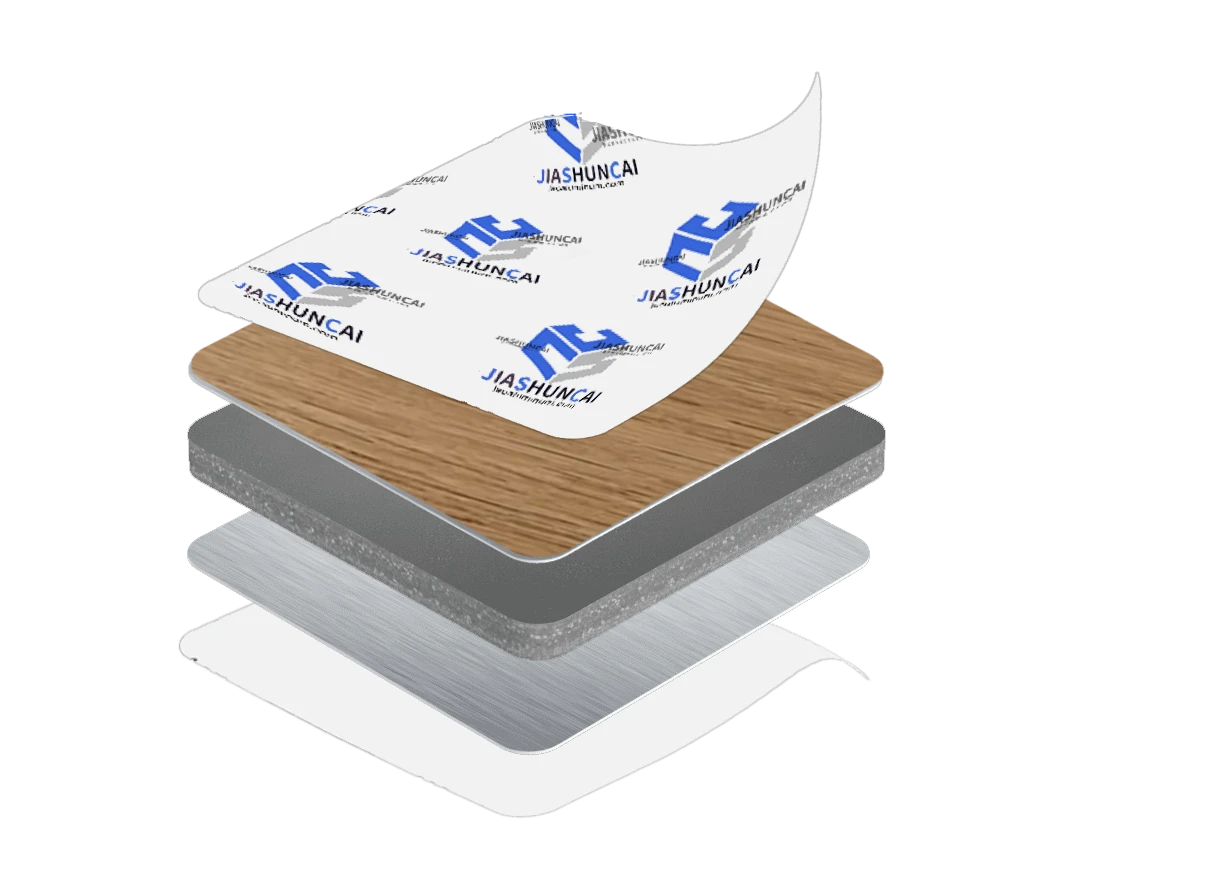
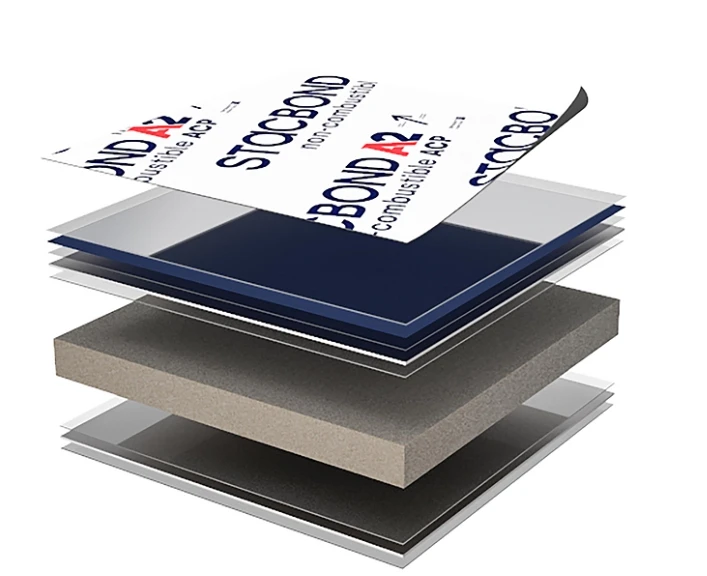
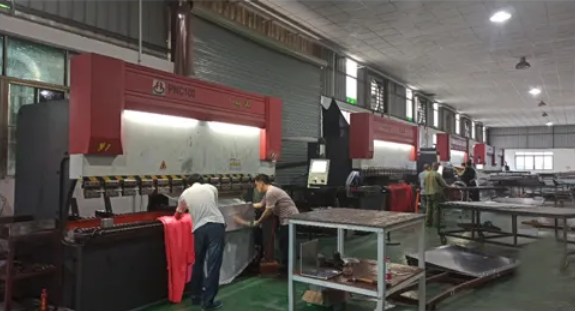
In simple terms, an aluminum composite panel supplier is a company or entity that produces and distributes aluminum composite panels — that is, sheets composed typically of two thin aluminum panels bonded to a non-aluminum core. These panels can be fabricated into facades, ceiling materials, partitions, signage, and more. They stand at the intersection of raw material sourcing, manufacturing expertise, and logistics management.
On the humanitarian and industry front, ACP suppliers help facilitate fast, safe constructions that are vital in areas requiring durable but lightweight structures, such as in earthquake-prone zones or fast-growing urban environments.
Core Components and Key Factors To Consider
1. Durability
ACP products are known for resisting weathering, corrosion, and UV exposure. In practical applications, this means a building clad in ACP can maintain its structural integrity and appearance for decades, even in the harshest climates. Oddly enough, aluminum’s natural oxide layer plays a big part here.
2. Scalability
For large projects, whether commercial or infrastructural, the supplier’s ability to deliver custom sizes, quantities, and finishes quickly is essential. Many engineers note that flexible production lines and stock management differentiate top-tier suppliers.
3. Cost Efficiency
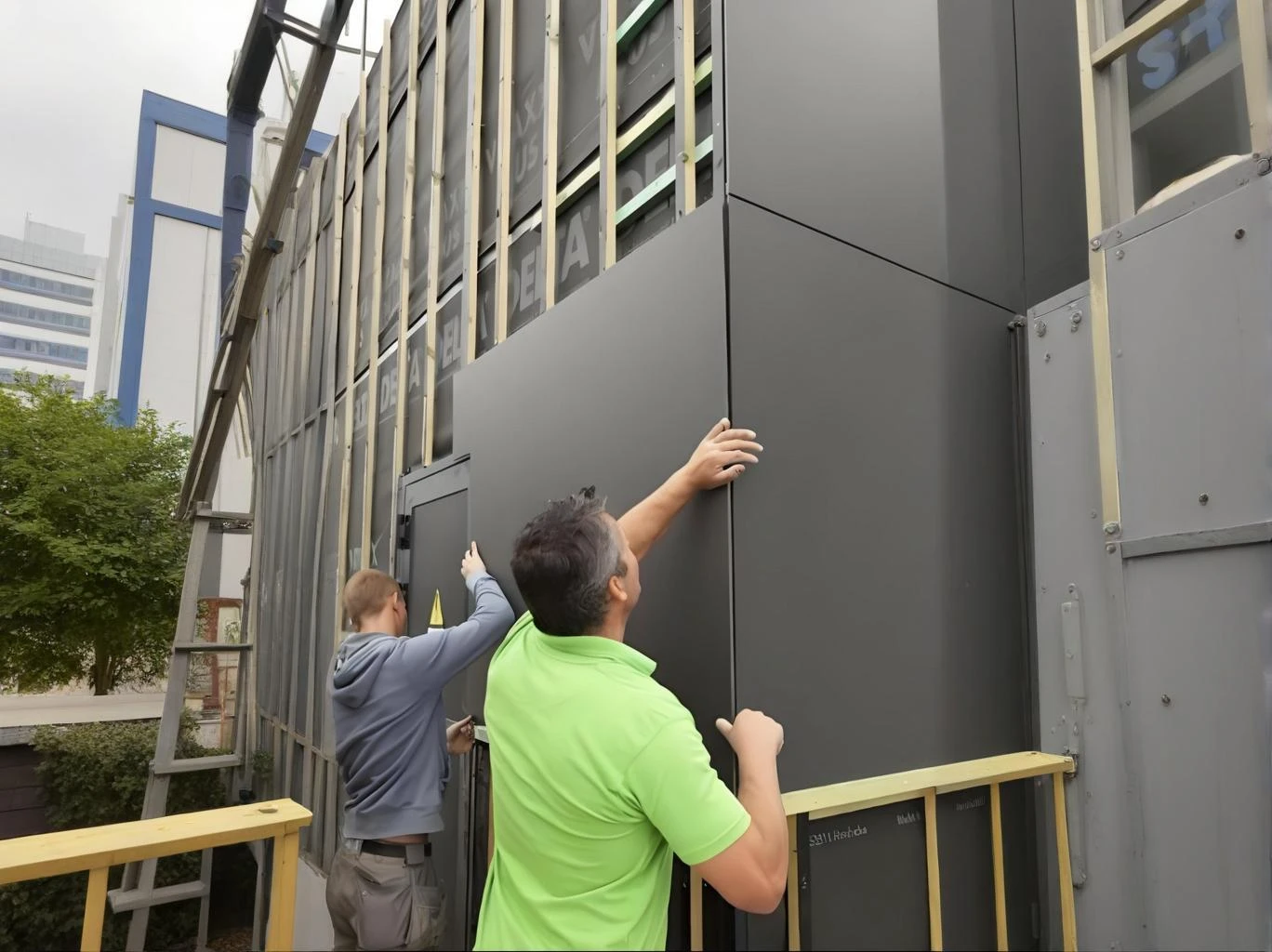
Compared to solid aluminum sheets or traditional materials like stone or concrete facades, ACPs are lighter and easier to install. This saves time and labor, translating directly into lower overall project costs — something every developer appreciates.
4. Aesthetic Versatility
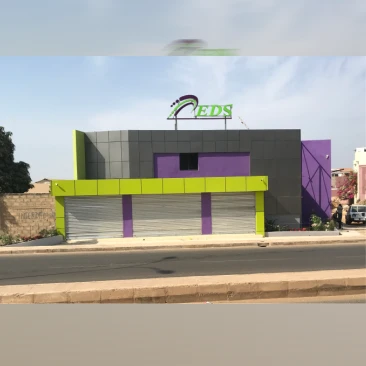
These panels come in varied colors, textures, and finishes — from metallic to matte, even wood grain imitations. This adaptability gives architects creative freedom while ensuring consistent quality.
5. Environmental Impact
Many suppliers now emphasize recyclable core materials and low-VOC (volatile organic compound) coatings, aligning with global sustainability goals.
Product Specification Table
| Specification |
Typical Range |
Notes |
| Panel Thickness |
3mm - 6mm |
Core material affects strength and insulation |
| Core Materials |
Polyethylene, Fire-retardant mineral core |
Fire rating important for building codes |
| Aluminum Coating Thickness |
0.2mm - 0.5mm |
Thicker coating improves corrosion resistance |
| Fire Rating |
Class A or B |
Mandatory for high-rise projects |
| Available Finishes |
PVDF, PE, HDPE coatings |
PVDF preferred for UV protection |
Global Applications & Use Cases
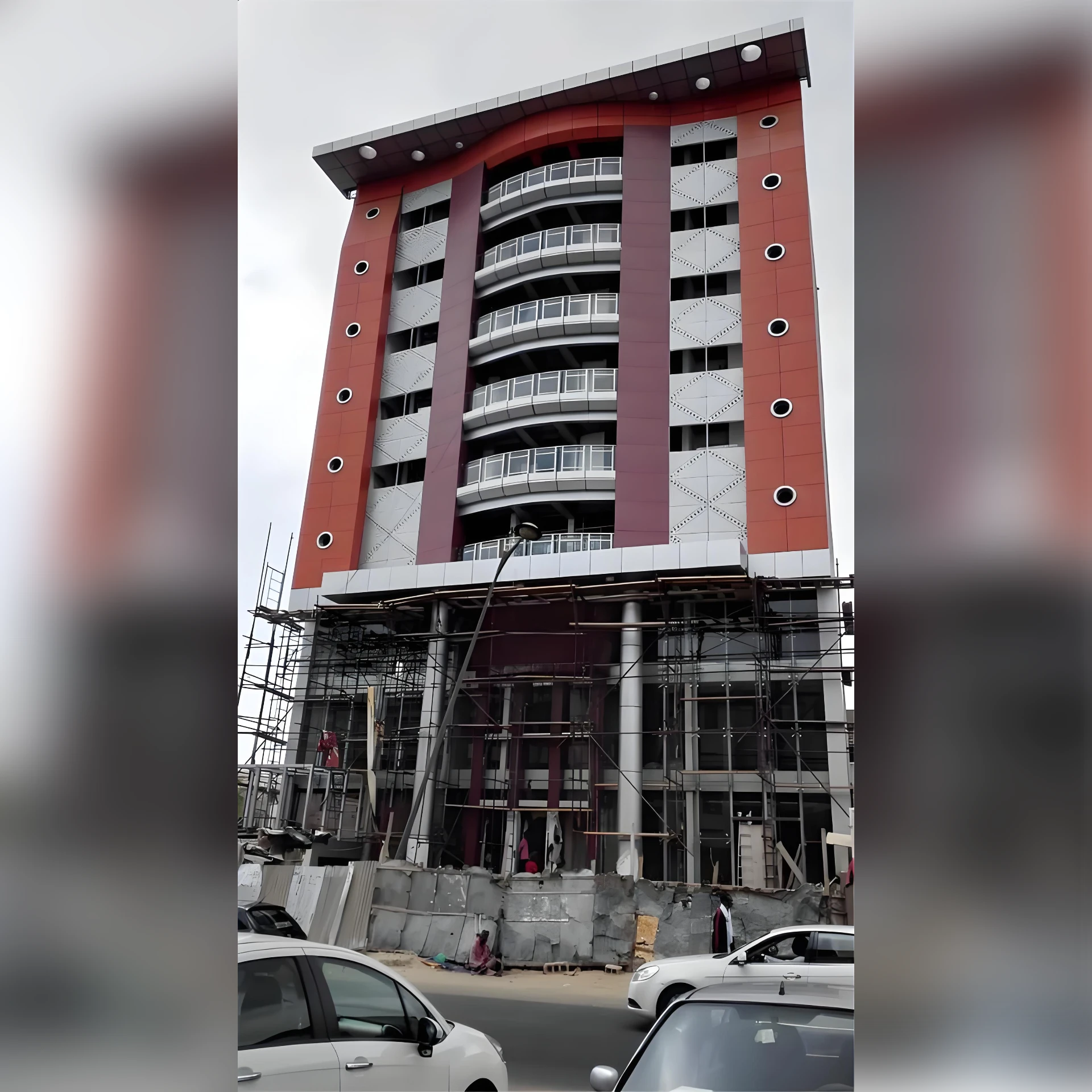
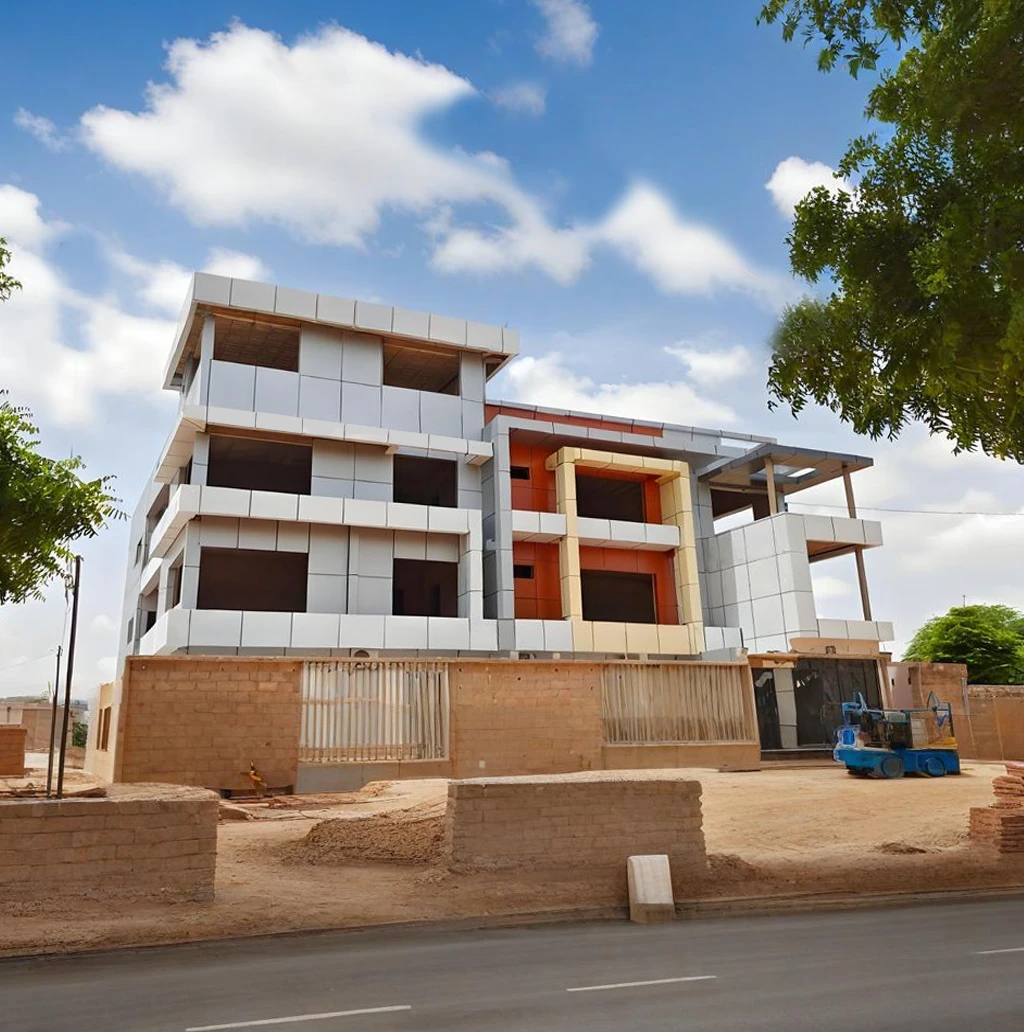
The appeal of aluminum composite panels spans continents and sectors. In Asia’s megacities, ACPs clad skyscrapers designed to be energy efficient and reduce weight on foundations. In Europe, suppliers focus sharply on panels with fire-retardant cores to meet stringent codes. In remote industrial zones in Africa or South America, lightweight panels shipped by reliable aluminum composite panel supplier networks speed up infrastructure build-outs with minimal local labor.
Post-disaster relief also benefits — ACPs provide fast, durable walls and roofing that rebuild dignity and secure vulnerable populations quickly, something humanitarian engineers appreciate deeply.
Vendor Comparison Table
| Feature |
Supplier A |
Supplier B |
Supplier C |
| Fire Ratings Available |
Class A |
Class B |
Class A |
| Customization Options |
Extensive color & size |
Standard sizes only |
Custom textures & coatings |
| Lead Time |
2-3 weeks |
4-5 weeks |
3 weeks |
| Sustainability Certification |
ISO 14001 |
None |
ISO 14001 & LEED compliant |
Advantages & Long-Term Value
- Cost Savings: Faster installation and less structural support mean less budget strain.
- Sustainability: Recyclability and lower embodied energy contribute to green buildings.
- Reliability: Resistance to corrosion and weather reduces maintenance frequency.
- Safety: Fire-retardant panels save lives and property.
- Innovation: Blending aesthetics with engineering innovation enhances architectural value.
On a human level, knowing buildings are safer and more resilient feels reassuring. It’s not just finance and design — it’s dignity, safety, and innovation rolled into one.
Future Trends & Innovations
Frankly, the ACP industry is on the cusp of some exciting things. From bio-based cores (to reduce plastic use) to smart coatings that adapt to sunlight and self-clean, sustainability is front and center. Digital transformation — including automated cutting and custom color matching — accelerates supplier response times. Governments worldwide are pushing for stricter fire safety standards and embodied carbon reporting, so suppliers who innovate early win.
Challenges & How Experts Address Them
No supply chain is perfect. Fluctuating aluminum costs and supply chain bottlenecks occasionally delay projects. Also, some cheaper panels risk catastrophic fire hazards if the core is non-compliant, which is frankly scary. Expert suppliers counter this by sourcing responsibly, maintaining rigorous quality control, and offering transparent certifications. Some engineers advise specifying only fully certified panels even if the upfront cost is higher — long-term savings and safety pay off.
FAQ: Frequently Asked Questions About Aluminum Composite Panel Suppliers
- Q1: How do I verify if an aluminum composite panel supplier meets international fire safety standards?
- A1: Check for certifications like Class A fire rating, ISO compliance, and certificates from recognized bodies such as ASTM or EN standards. Reputable suppliers will readily share these documents.
- Q2: What is the typical lead time for ordering customized panels?
- A2: Depending on complexity, lead times range from 2 to 5 weeks. Bulk orders or unique finishes may require longer, so it's best to communicate early with your supplier.
- Q3: Are aluminum composite panels recyclable?
- A3: Yes. Aluminum layers are highly recyclable, and many suppliers use recycle-friendly cores or efforts to minimize environmental footprints.
- Q4: Can ACPs be used in colder climates without durability issues?
- A4: Absolutely. Panels with proper coatings resist freeze-thaw cycles and corrosion, making them reliable in cold or humid environments.
- Q5: How do I find a trustworthy aluminum composite panel supplier internationally?
- A5: Look for suppliers with proven export experience, ISO certifications, transparent product specs, and strong testimonials. Visiting trusted marketplaces helps too.
Conclusion
Understanding the importance of a reliable aluminum composite panel supplier means recognizing how materials shape our environment, safety, and even quality of life. Rapid urbanization and sustainability demands make ACPs more than just building materials — they’re enablers of innovation and resilience worldwide. If you’re planning a project or upgrading your supply chain, connecting with a reputable supplier like the ones found at our recommended aluminum composite panel supplier network is a smart move.
Ready to explore high-quality aluminum composite panels? Visit us at https://www.jscaluminum.com and get a step ahead on your next project.
Mini takeaway: Choosing the right aluminum composite panel supplier influences cost, safety, and sustainability in the long haul — so it's well worth the due diligence.
References:
- United Nations Environment Programme - Building Sector Climate Action
- Wikipedia - Aluminium composite panel
- ISO 14001 Environmental Management