Understanding Aluminium Signage Panels and Their Growing Global Importance
If you’ve ever paused to notice how signs seem to effortlessly withstand weather, graffiti, or the general bumps of everyday life, chances are aluminium signage panels were involved. But why is this material gaining so much traction worldwide? Well, it’s not just about looking good—these panels are quietly shaping communication, safety, and branding across industries. Understanding what aluminium signage panels are, how they work, and why they matter, opens up new perspectives on the intersection between materials science and real-world applications.
So, why does this matter globally? According to recent ISO reports, the demand for durable, sustainable, and cost-effective signage solutions has surged by over 20% in the past five years thanks to expanding urbanization and infrastructure development. Companies and governments are looking for signage that lasts without constant replacement, and aluminium checks a lot of boxes. Plus, with global construction industries booming (World Bank data projects a 3.5% annual growth rate), the need for reliable signage is only getting louder.
Mini Takeaway: Aluminium signage panels blend durability, sustainability, and versatility, making them a must-understand component in global construction and communication sectors.
Defining Aluminium Signage Panels in Simple Terms
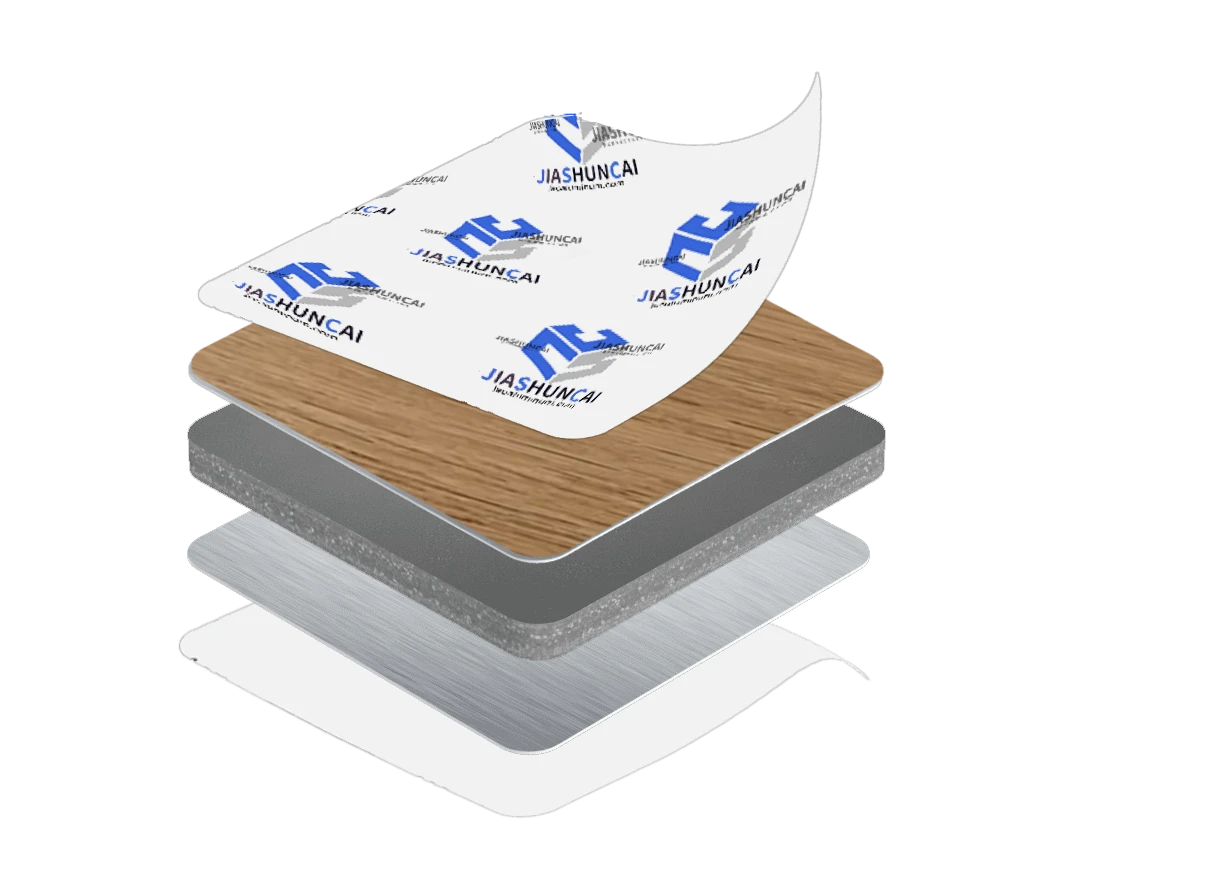
Simply put, an aluminium signage panel is a flat sheet made primarily of aluminium alloy, designed to display information such as directions, branding, safety warnings, or advertisements. These panels typically come coated with protective finishes or laminates that boost weather resistance and print clarity.
Why aluminium? Its lightweight nature, combined with strength and excellent corrosion resistance, makes it ideal for modern needs. Whether mounted on the side of a building, hanging inside a mall, or guiding travelers through an airport terminal, aluminium panels excel where traditional materials might falter due to rust, weight, or fragility.
On a broader scale, aluminium signage panels contribute to public safety, ease of navigation, and efficient communication—vital elements in humanitarian settings, transportation hubs, and industrial complexes.
Core Components & Key Factors Behind Aluminium Signage Panels
1. Durability and Weather Resistance
Perhaps the most celebrated trait of aluminium panels is their resilience. Coated with weatherproof layers, these panels shrug off rain, sweat, and even UV rays without fading or rusting for years on end.
2. Lightweight & Easy Installation
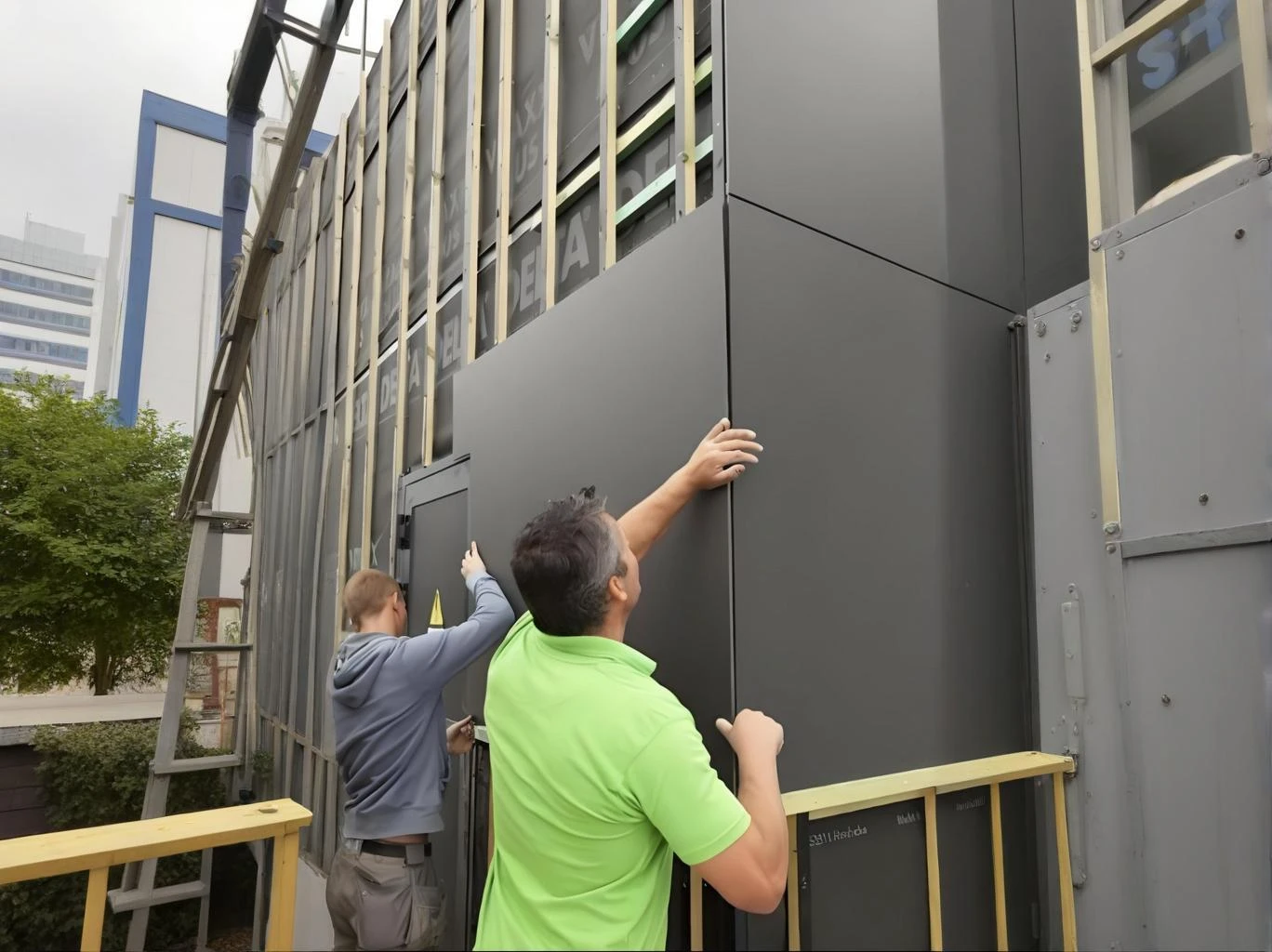
Engineers often tell me that aluminium signage panels feel like the Goldilocks of materials: sturdy but easy to handle. This low weight means installation is quicker and cheaper, reducing labor costs significantly.
3. Customizability & Print Clarity
Thanks to advances in digital printing and coating tech, aluminium signage can sport near-photographic images and vibrant colors. This adaptability is key to making signs that truly stand out.
4. Sustainability
Aluminium is 100% recyclable without losing its properties. As environmental concerns grow, the circular nature of aluminium panels appeals to firms aiming for greener operations.
5. Cost Efficiency Over Time
While initial costs might be higher than plastic or wood signs, reduced maintenance and replacement cycles generally tip the scales in favour of aluminium in the long run.
Mini Takeaway: Combining long-lasting durability, aesthetic flexibility, and eco-friendliness, aluminium signage panels deliver more value than meets the eye.
Global Applications: How Aluminium Signage Panels Make a Difference Worldwide
From bustling metro stations in Tokyo to isolated oil rigs in the North Sea, aluminium signage panels find a home everywhere.
- Urban Infrastructure: Cities rely on these panels for street signs and wayfinding, especially where weather can be brutal (think Nordic winters or tropical rain).
- Industrial Sites: Safety warnings and operational info printed on aluminium endure harsh chemicals and rough handling in factories.
- Humanitarian Relief: Rapidly deployable, easy-to-install signage assists refugees or disaster-affected populations in camps, enhancing safety and logistics.
- Retail & Branding: Aluminium’s sleek finish is favoured for high-impact advertising and storefront signage worldwide.
One example: After the 2019 floods in Mozambique, NGOs used aluminium signage panels extensively to guide displaced populations and clearly mark aid points, demonstrating how these panels aren’t just “nice to have” but crucial when time and clarity matter.
Advantages & Long-Term Value of Aluminium Signage Panels
What’s fascinating is that these panels do more than just survive the elements—they create value on multiple fronts:
- Cost Savings: Fewer replacements mean budget longevity.
- Environmental Benefit: Recyclable and energy-efficient production methods reduce carbon footprints.
- Reliability: Keeps information readable and relevant, no matter the setting.
- Emotional Impact: Clear signage fosters safety and trust—a subtle yet powerful effect on communities and customers alike.
Frankly, signs are often overlooked until you need them; having panels that “just work” builds quiet confidence in the spaces we live, work, and play.
The Future: Innovations Shaping Aluminium Signage Panels
Digital printing continues to evolve, creating even more vivid, durable images on aluminium. Plus, integration with smart tech is on the horizon—imagine panels that adjust brightness or display dynamic info depending on conditions.
Eco-conscious materials are another hot topic. Some manufacturers are experimenting with bio-based coatings or hybrid alloys to reduce environmental impact further.
Automation in fabrication is also cutting costs and lead times, making custom designs accessible even to smaller companies or remote sites.
Common Challenges and Practical Solutions
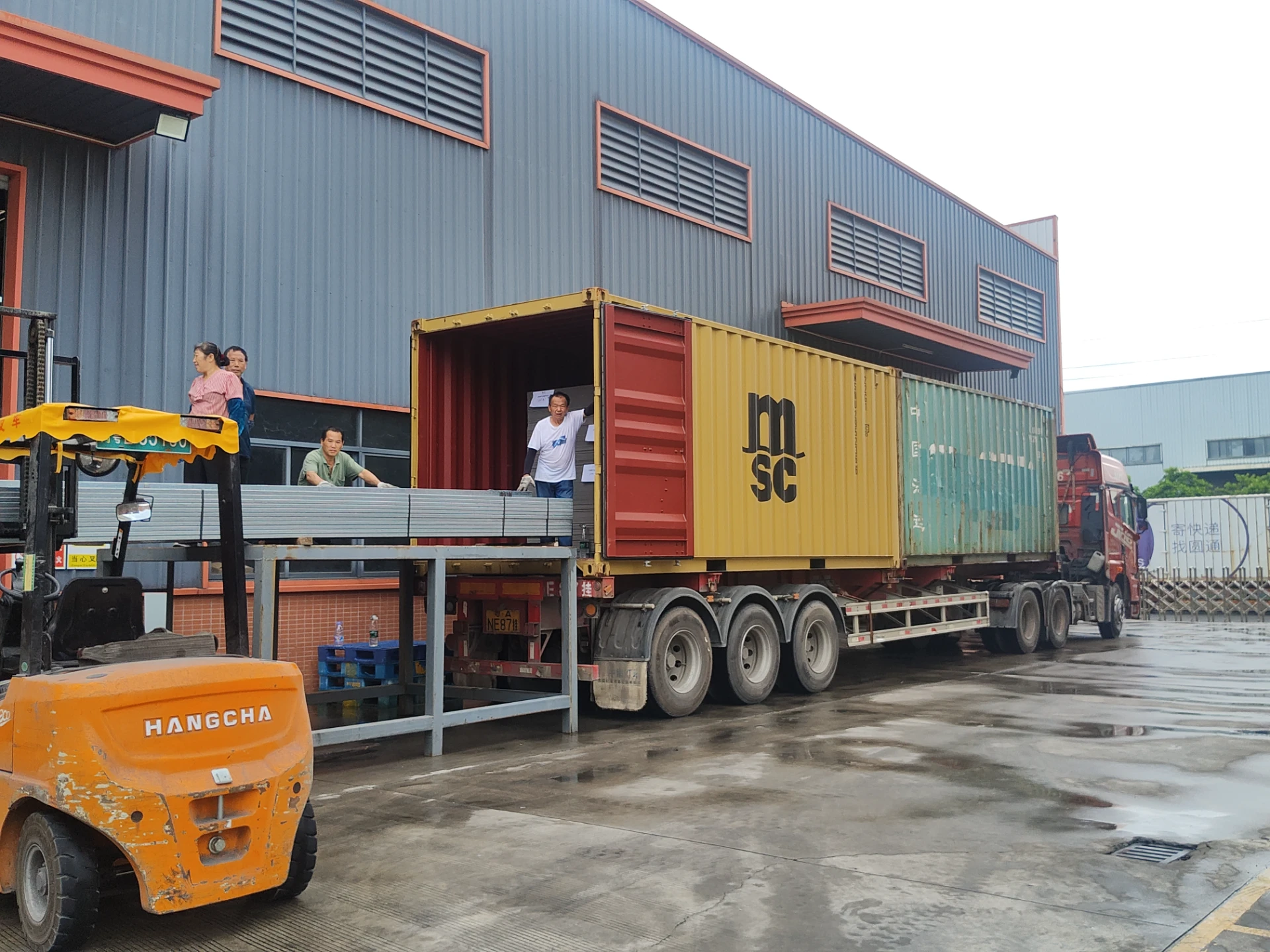
No material is perfect. Aluminium panels can dent under impact. Some coatings may fade if improperly applied. And transportation to remote areas demands careful packaging strategies.
Experts often recommend:
- Using reinforced frames or sandwich panels for high-impact zones.
- Regular quality control in coating applications.
- Partnering with logistics firms experienced in fragile architectural elements.
In short, being proactive rather than reactive pays off in durability and performance.
Frequently Asked Questions About Aluminium Signage Panels
- Q1: How long do aluminium signage panels typically last outdoors?
- A: With quality coatings and proper installation, aluminium signage panels can last 10–20 years without significant fading or corrosion, depending on climate.
- Q2: Are aluminium signage panels suitable for digital printing?
- A: Absolutely. Aluminium’s smooth surface is ideal for high-resolution digital prints that remain vibrant and scratch-resistant.
- Q3: Can these panels be recycled after use?
- A: Yes, aluminium is 100% recyclable and can be processed repeatedly without any loss in quality.
- Q4: What maintenance is needed for aluminium signage panels?
- A: Usually just periodic cleaning with mild soap and water. Avoid abrasive cleaners to keep coatings intact.
- Q5: How do aluminium panels compare cost-wise to other signage materials?
- A: Initial costs may be higher than plastics, but their longevity and low maintenance often prove more cost-effective long term.
Product Specification Table: Typical Aluminium Signage Panel
| Specification |
Details |
| Material |
Aluminium Alloy 3003 / 5005 |
| Thickness |
2mm - 6mm (customizable) |
| Coating |
PVDF / Polyester / Laminate |
| Weight |
Approx. 5.4 kg/m² (at 4mm thickness) |
| Print Method |
Screen printing, Digital UV printing |
| Lifespan |
10 to 20 years outdoor |
Vendor Comparison Table: Leading Aluminium Signage Panel Suppliers
| Vendor |
Product Range |
Custom Options |
Sustainability |
Delivery Regions |
| JS Aluminum |
Standard & Custom Panels |
Yes - thickness, coating, size |
Recycled aluminium & eco-friendly coatings |
Global |
| SignCo Metals |
Focused on industrial & safety signage |
Limited – standard sizes |
Standard aluminium, occasional recycled |
North America, Europe |
| EcoSign Panels |
Eco-friendly & lightweight panels |
Yes – bio-based coatings available |
Heavy focus on sustainable sourcing |
Europe, Asia |
For anyone exploring signage that offers a blend of robustness and sustainability, aluminium signage panels from JS Aluminum provide a compelling option globally.
Wrapping Up: Why Aluminium Signage Panels Matter Now and Into Tomorrow
So here’s the bottom line: aluminium signage panels aren’t just a neat product niche. They’re part of the backbone that keeps cities functional, industries safe, and information flowing. In a world increasingly focused on sustainability and efficiency, these panels carry weight far beyond their lightweight frames. Whether it’s helping guide someone safely through a complex hospital or branding the front of a bustling store, they deliver reliability with a side of innovation.
Interested in learning more or upgrading your signage solutions? Visit JS Aluminum’s website to explore how modern aluminium panels can meet your needs.
References
- ISO Standards on Aluminium for Construction
- World Bank Urban Development Data
- Wikipedia: Aluminium