What Is an Aluminium Panel Board and Why Does It Matter Globally?
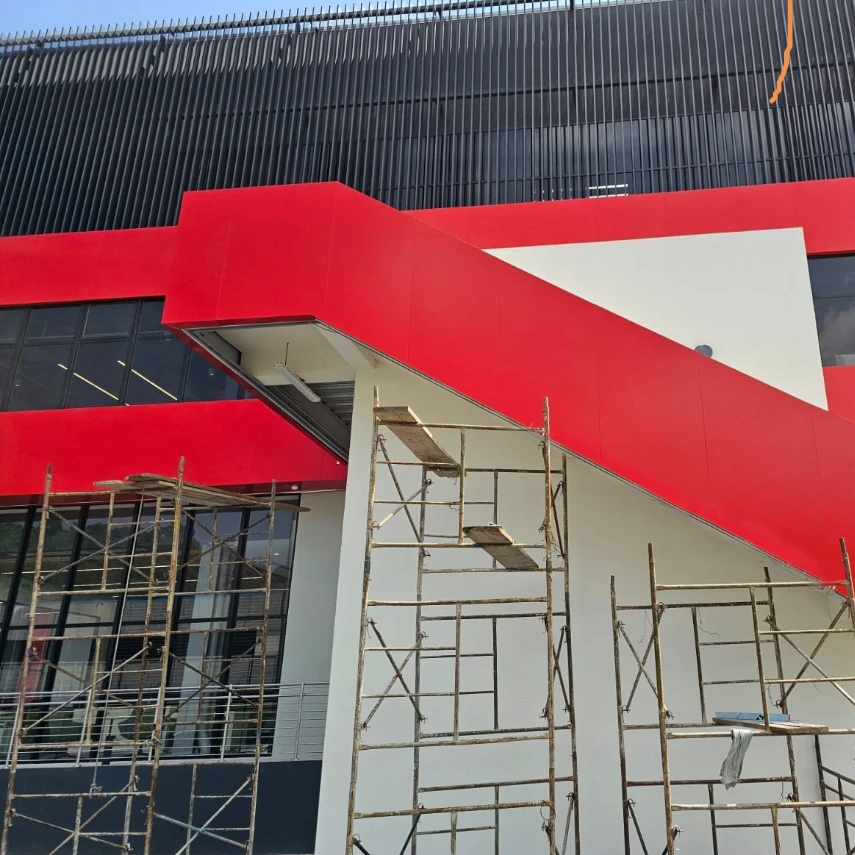
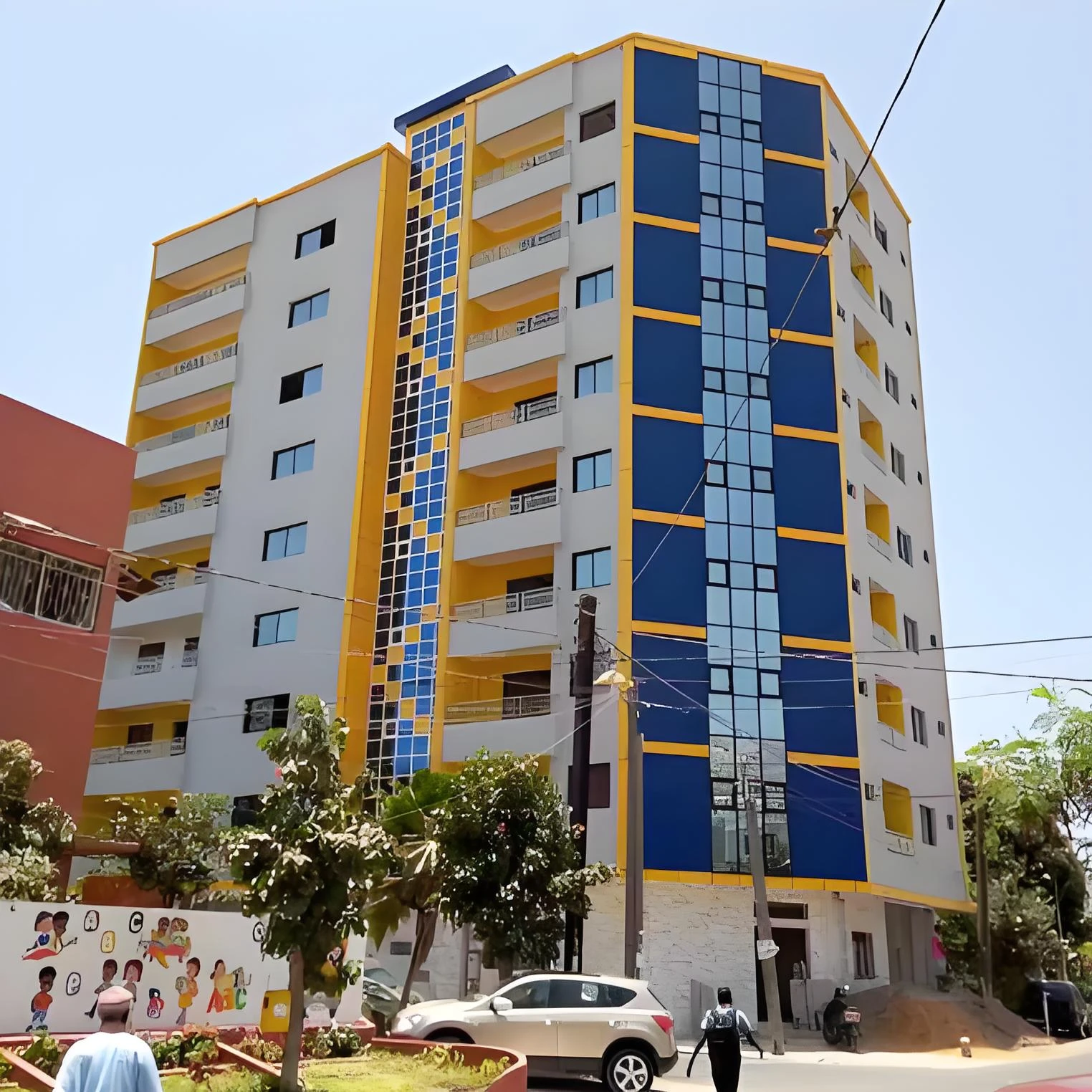
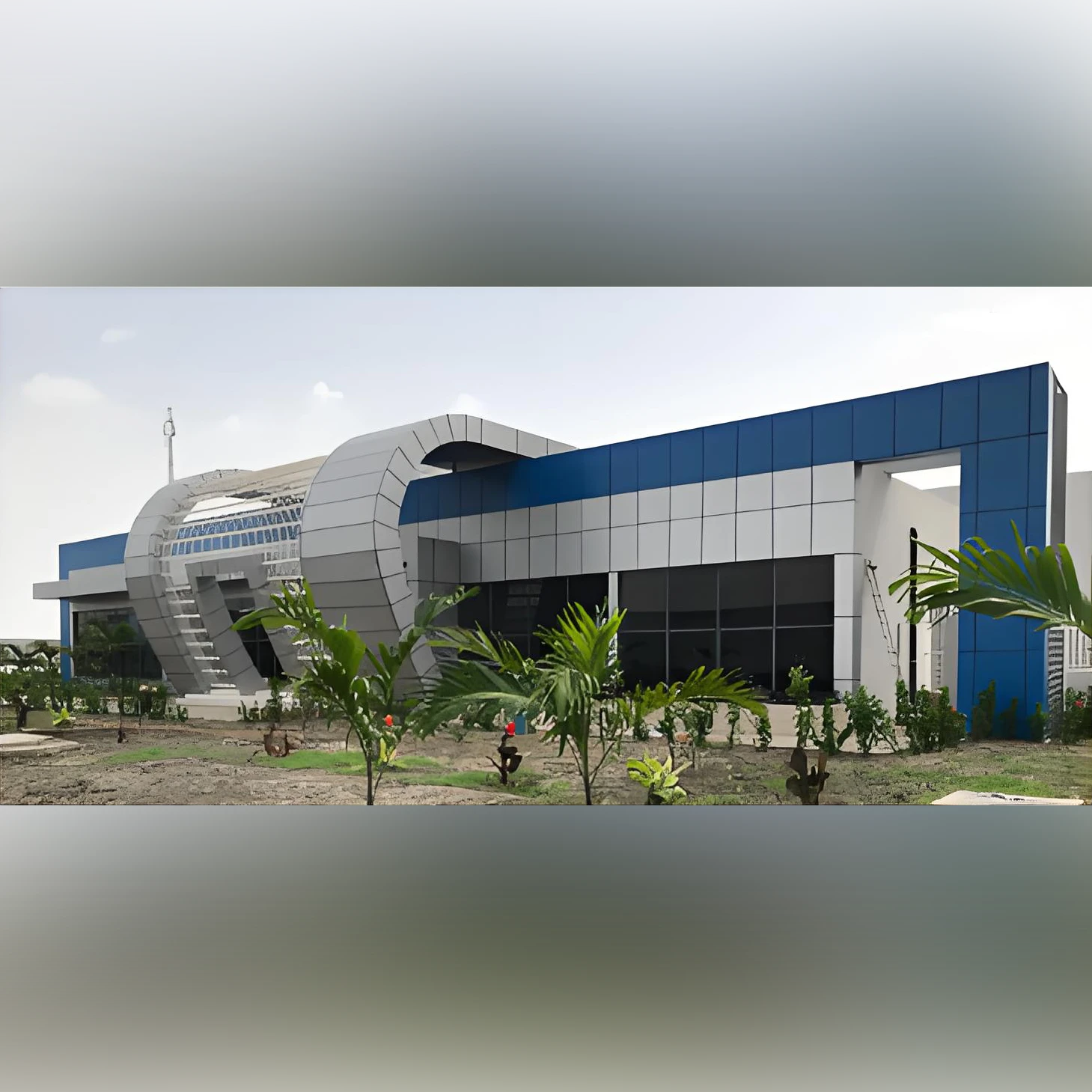
You might have passed by constructions featuring sleek metal cladding, or admired modern facades glinting under the sun, never realizing the star behind that look: the aluminium panel board. These versatile boards are thin sandwich panels composed of aluminium sheets bonded to a core, offering strength, lightweight structure, and a smooth finish. It’s no exaggeration to say aluminium panel boards have revolutionized industries from construction to transportation. Understanding them means appreciating a material that contributes to sustainability, economic growth, and even humanitarian aid worldwide.
Globally, the demand for efficient building materials is rising — the International Aluminium Institute notes that aluminium production reached over 65 million metric tons in 2023, a testament to its growing traction. Why care about aluminium panel boards? Because they combine durability, design flexibility, and environmental benefits in a way few materials match. They're helping urban landscapes evolve sustainably, provide rapid shelter solutions after disasters, and cut down transport emissions thanks to their lightweight properties. In a time when resource efficiency and resilience matter more than ever, aluminium panel boards stand at the crossroads of innovation and necessity.
The Global Context: Aluminium Panels in an Evolving Industry
The world is urbanizing at a dizzying pace — the UN reports that 68% of the global population will live in cities by 2050. This urban surge pushes architects, builders, and manufacturers to adopt materials that meet stringent environmental and safety standards while speeding up construction. Aluminium panel boards fit that bill perfectly. They respond not only to aesthetic ambitions but to practical problems: energy inefficiency in buildings, waste production, and even disaster response.
Take, for example, ISO standards on building materials (ISO 9001, ISO 14001) which promote quality and environmental management — aluminium panel boards easily align with these because they can be recycled endlessly without loss of quality. Plus, when retrofitting old structures or building new affordable housing, speed and ease of assembly are paramount. So aluminium panel boards, with their modular nature and rapid deployment, address these challenges head-on.
Mini Takeaway:
Aluminium panel boards aren't just shiny panels; they're central to sustainable urban growth and industrial innovation worldwide.
What Exactly Is an Aluminium Panel Board?
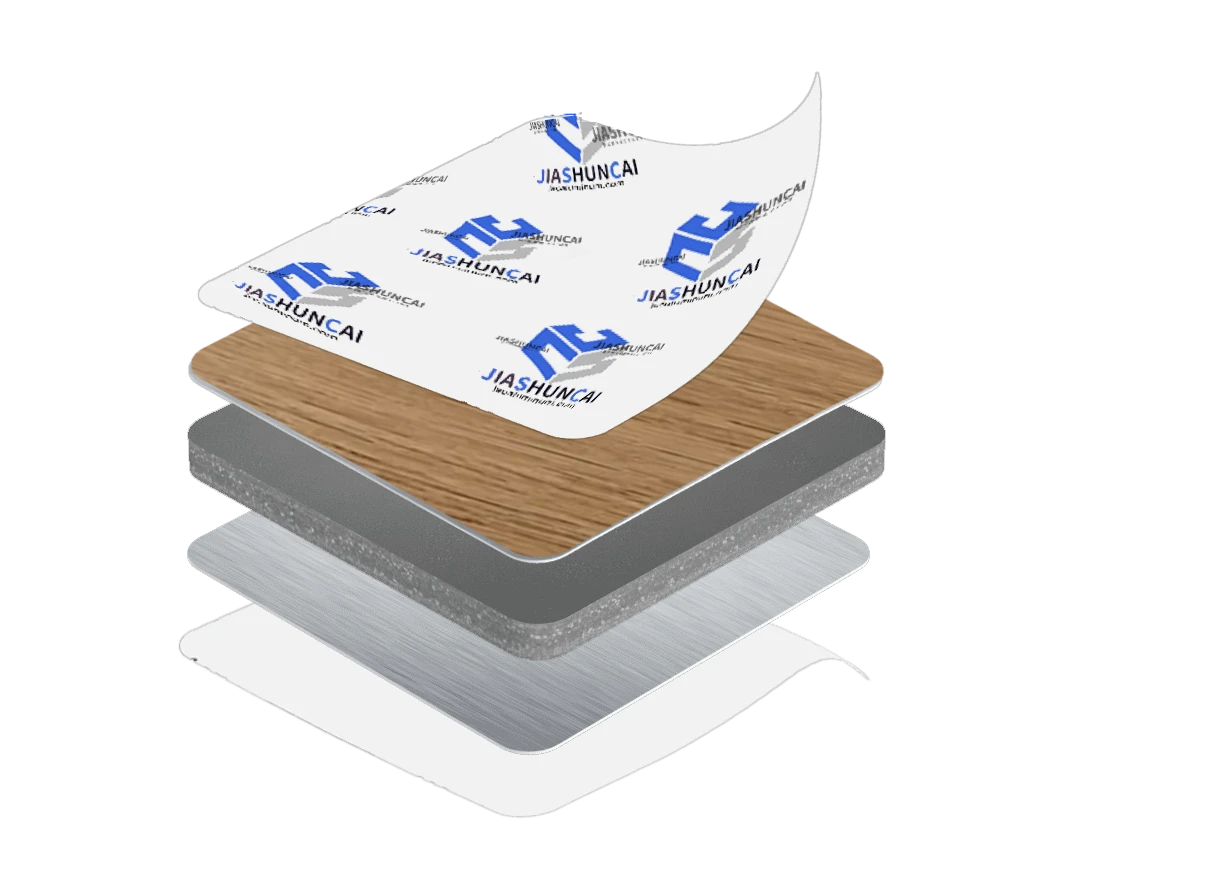
To keep it simple: an aluminium panel board is like a sandwich. Two slim sheets of aluminium make up the “bread,” and in between, you have a core made from materials like polyethylene, mineral wool, or fire-resistant substances. This composition offers rigidity without the bulk weight. They are often called Aluminium Composite Panels (ACPs) too.
Industries love these panels because they provide insulation, fire resistance, and design versatility — qualities increasingly vital for everything from skyscraper facades to transit stations and even refrigerated trucks. Beyond sheer function, their light weight reduces transport emissions and on-site effort, lowering costs overall.
Moreover, in humanitarian contexts, aluminium panel boards are the backbone of fast-deploy shelters and modular facilities — they can be transported, assembled, and disassembled swiftly, creating safe spaces after calamities. Essentially, these panels bridge high-tech manufacturing with everyday resilience needs.
Key Characteristics Driving Aluminium Panel Board Popularity
1. Durability & Weather Resistance
Aluminium resists corrosion and withstands extreme weather — be it coastal salt spray or urban pollution. This longevity reduces maintenance, a boon for buildings meant to last decades.
2. Lightweight Yet Strong
Relative to steel or concrete panels, aluminium composites shave off weight, making them easier and cheaper to handle during installation. This quality translates to improved safety on job sites, too.
3. Thermal and Acoustic Insulation
Paired with suitable core materials, aluminium panel boards help regulate building temperatures and reduce noise — essential aspects for urban living or industrial facilities.
4. Cost Efficiency
Though the raw aluminium might seem pricier, the overall lifecycle costs usually come in lower due to durability and reduced labor needs.
5. Design Flexibility
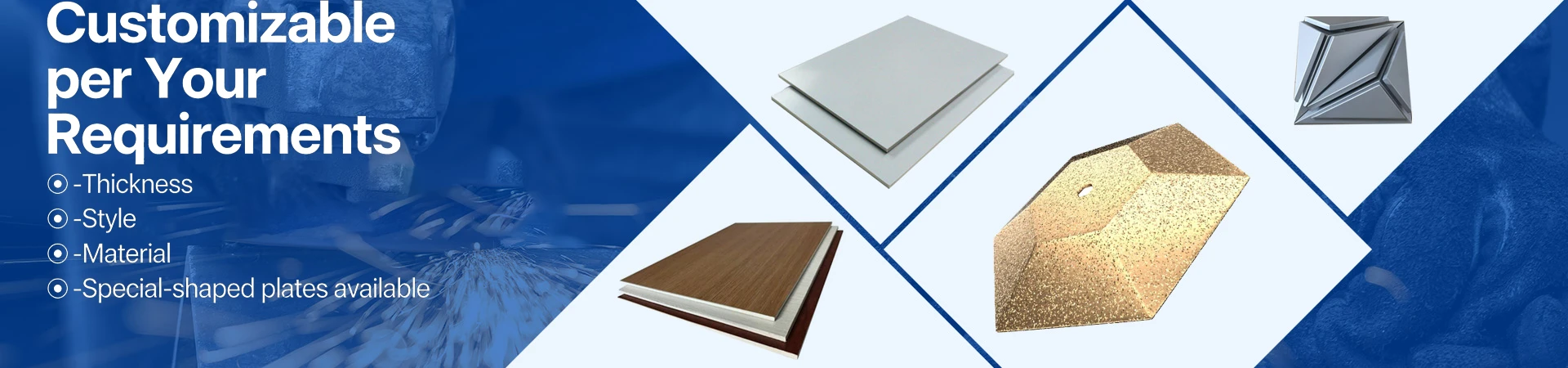
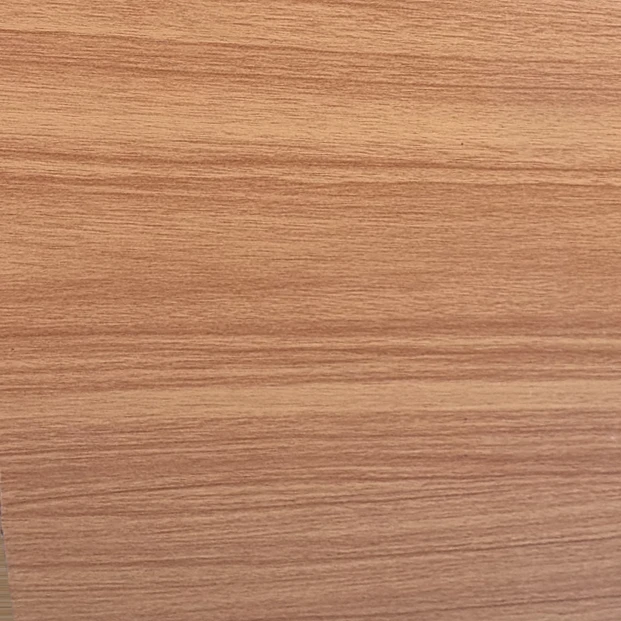
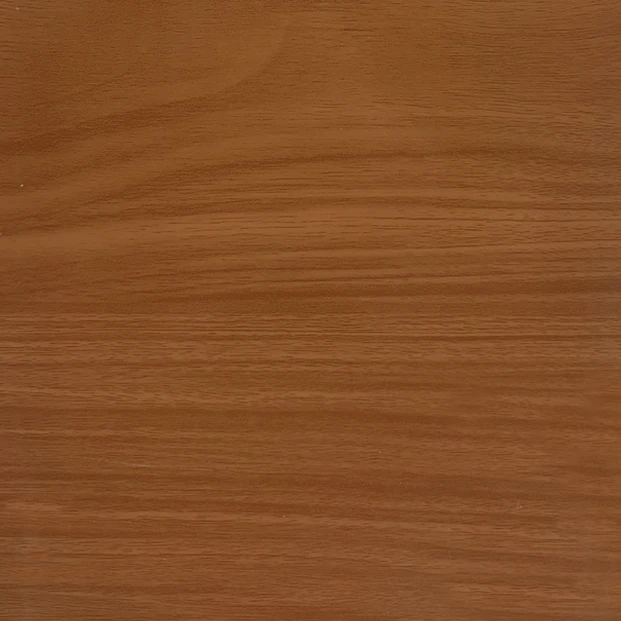
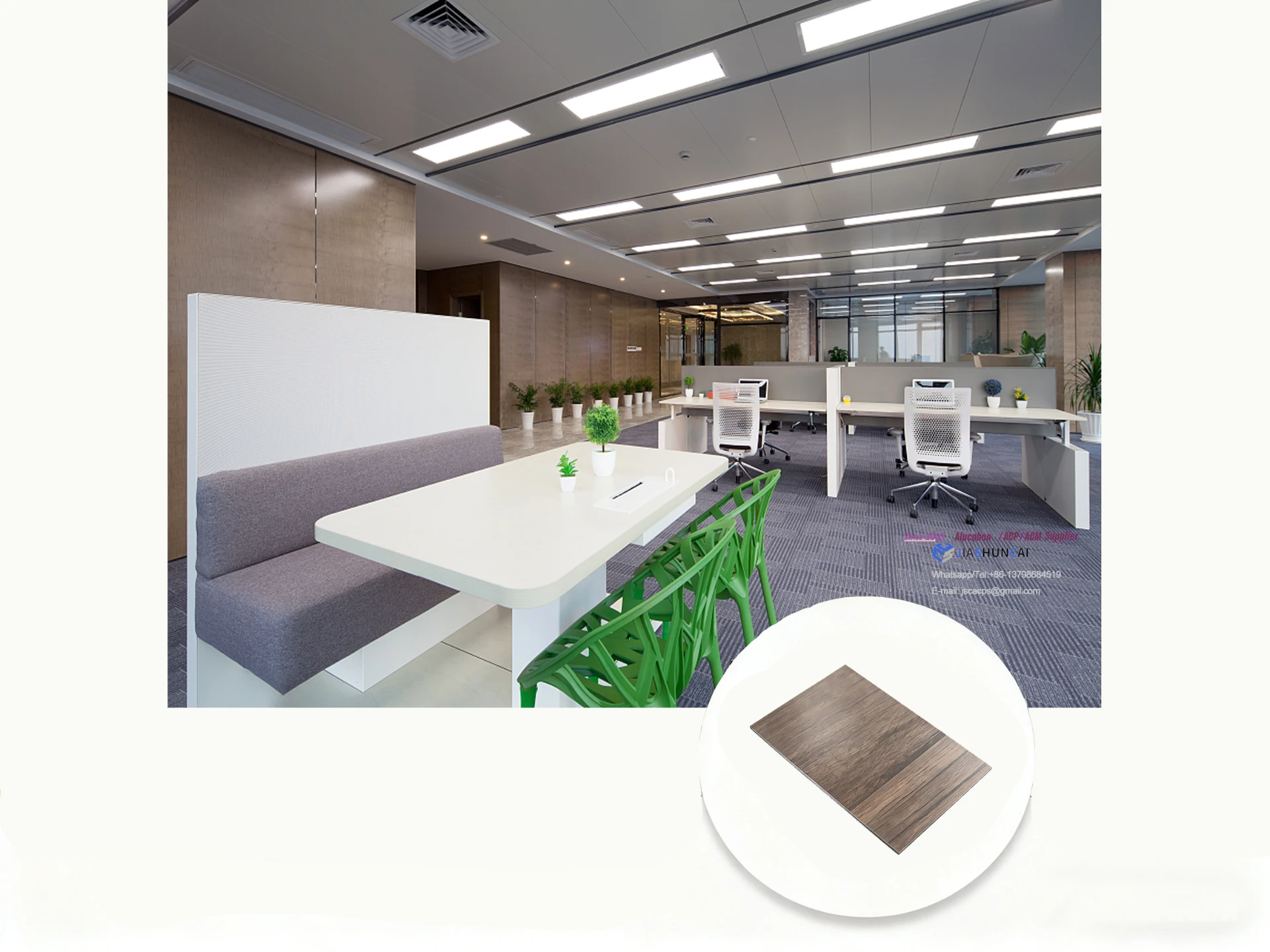
Panels are infinitely customizable in colors, finishes, and shapes — architects love the creative freedom to innovate with lightweight materials that don’t sacrifice structural integrity.
Mini Takeaway:
The strength of aluminium panel boards lies in combining practical durability with creative possibility, making them an engineer’s and designer’s delight.
Global Applications and Real-World Use Cases
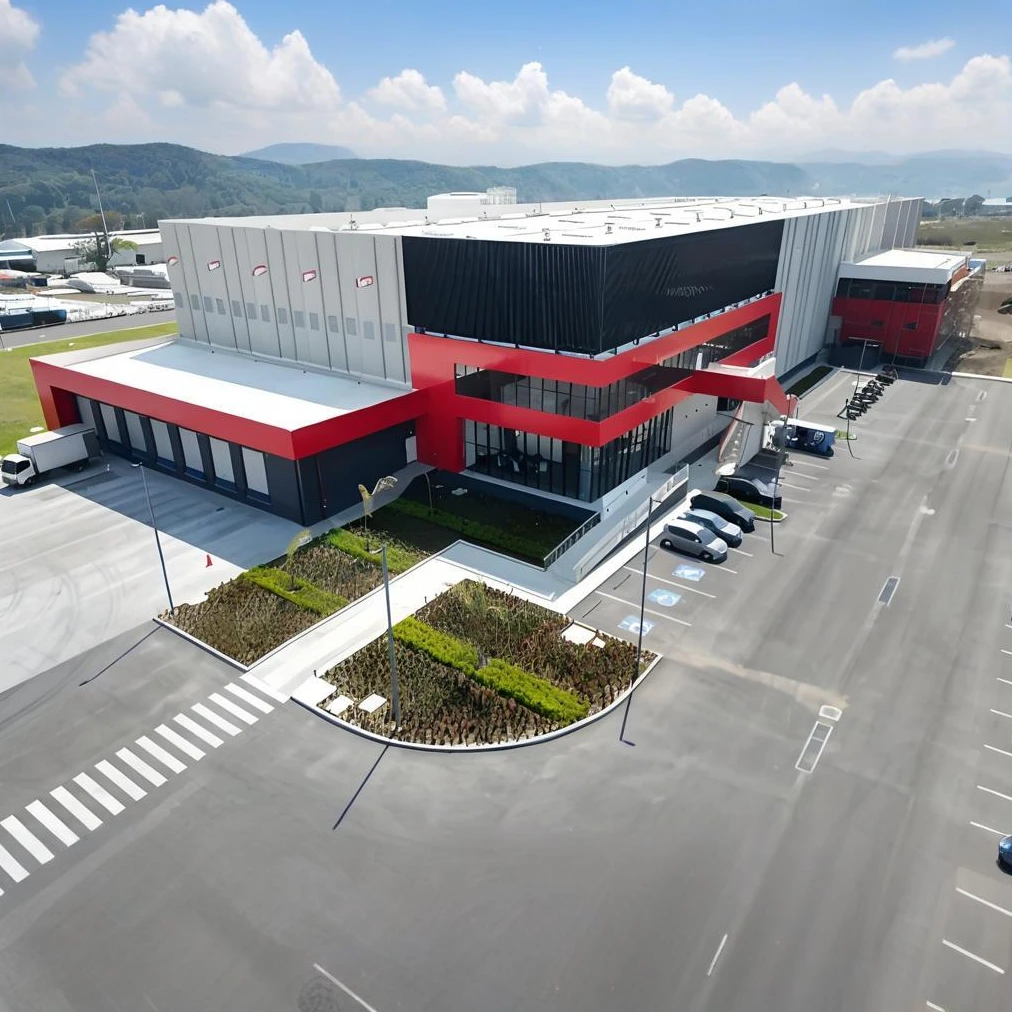
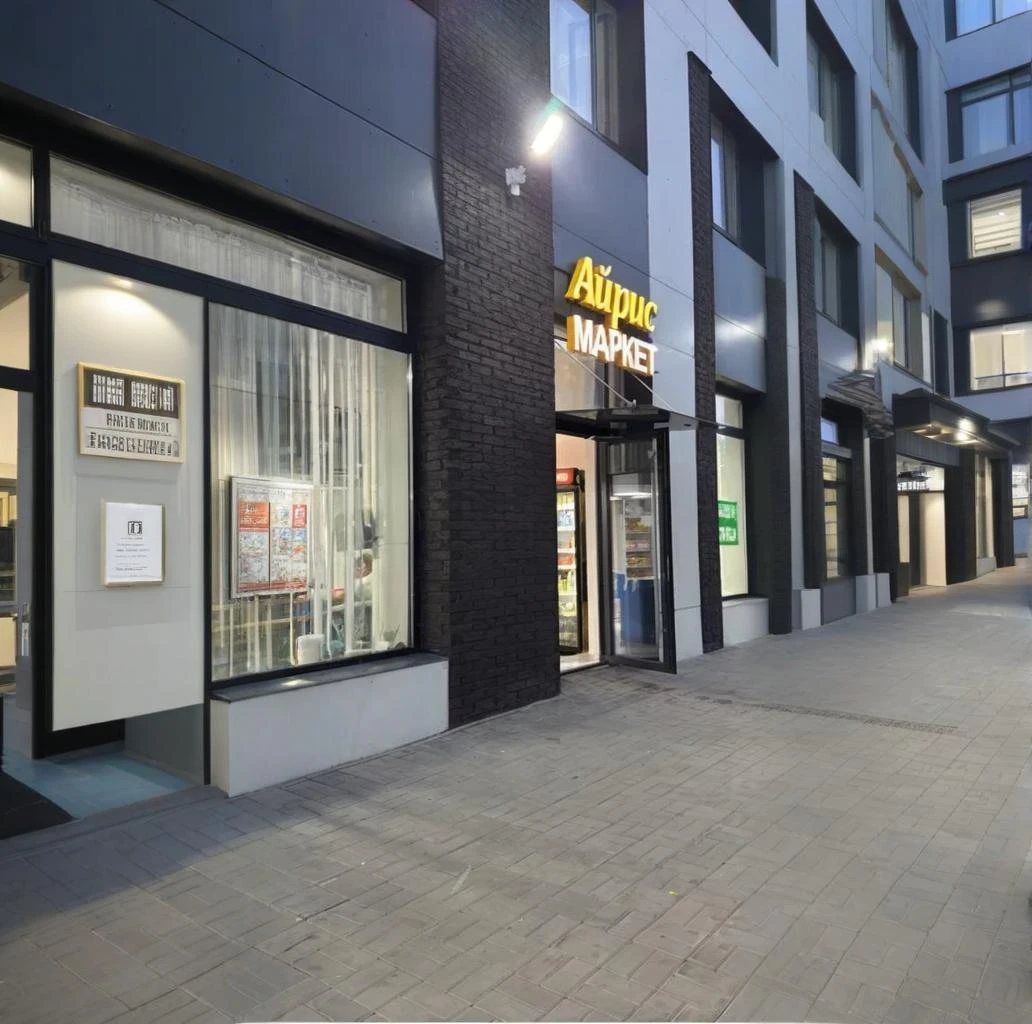
You can spot aluminium panel boards in cities from New York’s gleaming skyscrapers to Dubai’s futuristic buildings. But their story doesn’t stop at high-profile architecture.
- Disaster Relief and Temporary Housing: When hurricanes or earthquakes strike, NGOs deploy modular shelters built with aluminium panel boards for fast, durable, and reusable accommodation.
- Transportation Industry: Aluminium panel boards create lightweight train and bus interiors, improving fuel efficiency while maintaining strength and safety.
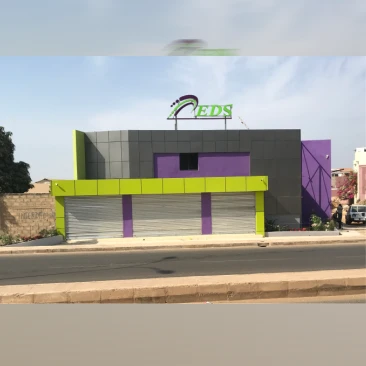
- Retail and Signage: Stores and outdoor advertising firms use aluminum composite panels to make sleek, weather-resistant signage that stands out.
- Industrial Facilities: Factories benefit from easy-to-assemble paneling that insulates and protects machines.
Regions benefiting most include Southeast Asia, the Middle East, and Europe, where building codes increasingly favor energy-efficient, sustainable components.
Advantages & Long-Term Value of Aluminium Panel Boards
The benefits are tangible and far-reaching.
- Sustainability: Aluminium is infinitely recyclable; panels can be repurposed instead of thrown away, reducing landfill waste.
- Cost Effectiveness: Low installation and maintenance costs create long-term savings.
- Social Impact: In humanitarian contexts, aluminium panel boards enable dignified shelter solutions quickly.
- Reliability & Safety: Fire-retardant cores meet tough safety standards, ensuring that these panels protect both property and lives.
On a personal note, many engineers I've spoken with view this material as a “workhorse” — quietly enabling projects without fuss but critical when challenges arise.
What Does the Future Hold for Aluminium Panel Boards?
Innovation continues apace:
- Green Technologies: Manufacturers are developing greener aluminium production techniques and integrating solar reflective coatings to boost energy savings.
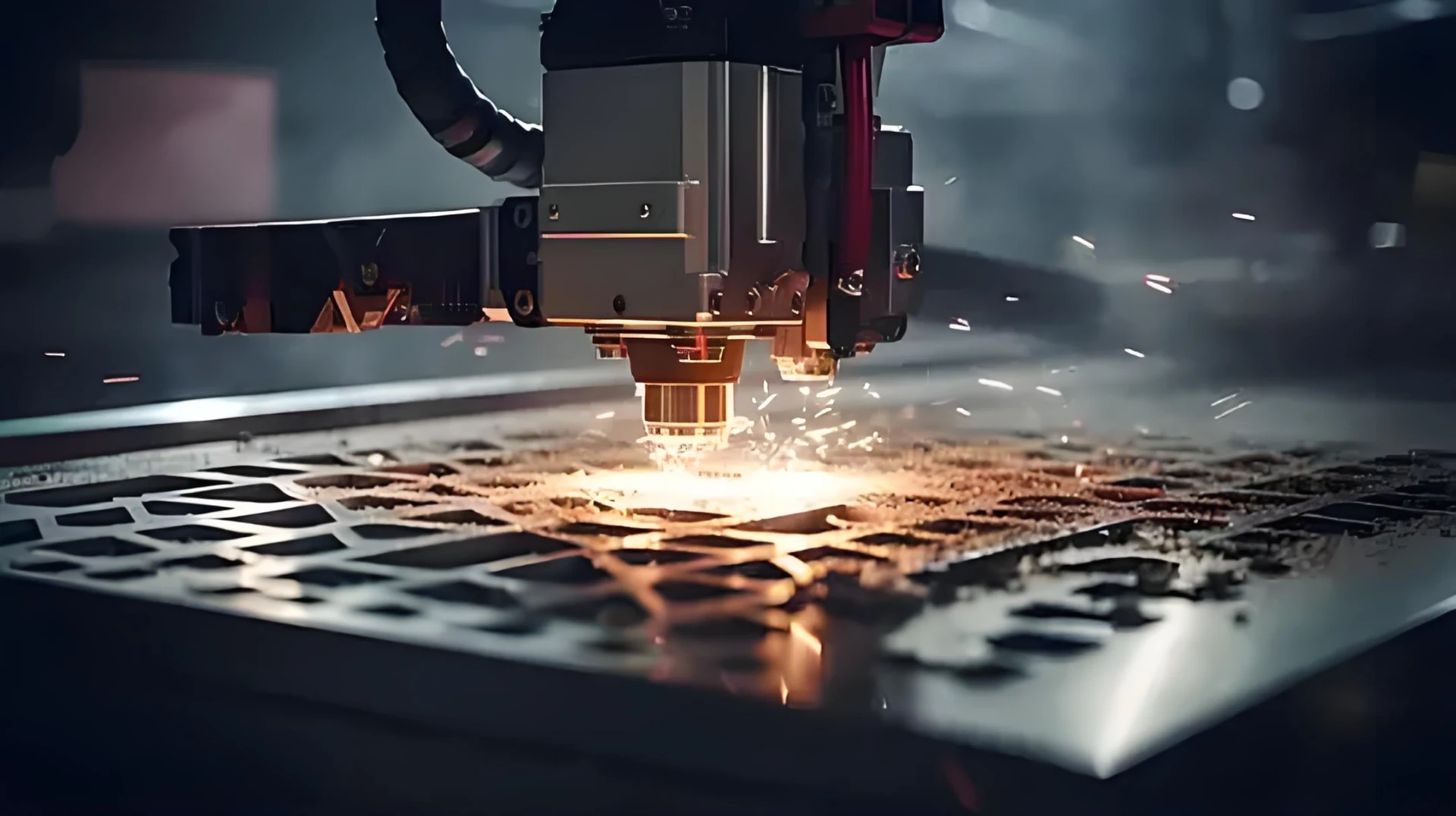
- Digital Fabrication & Automation: CNC routing and robotic assembly make customized shapes and large-scale projects more precise.
- Smart Panels: Embedded sensors for structural health monitoring might soon inform maintenance needs, extending panel lifespans and safety.
- New Core Materials: Research into fire-retardant, biodegradable, or ultra-lightweight cores could redefine panel performance.
So, while aluminium panel boards are already efficient, they’re evolving into components of smart, sustainable infrastructures.
Challenges and How the Industry Is Overcoming Them
No tech is perfect. Aluminium panel boards face some issues:
- Fire Safety Concerns: Some cores (like polyethylene) ignite easily — prompting stricter regulations and a push to fire-retardant cores.
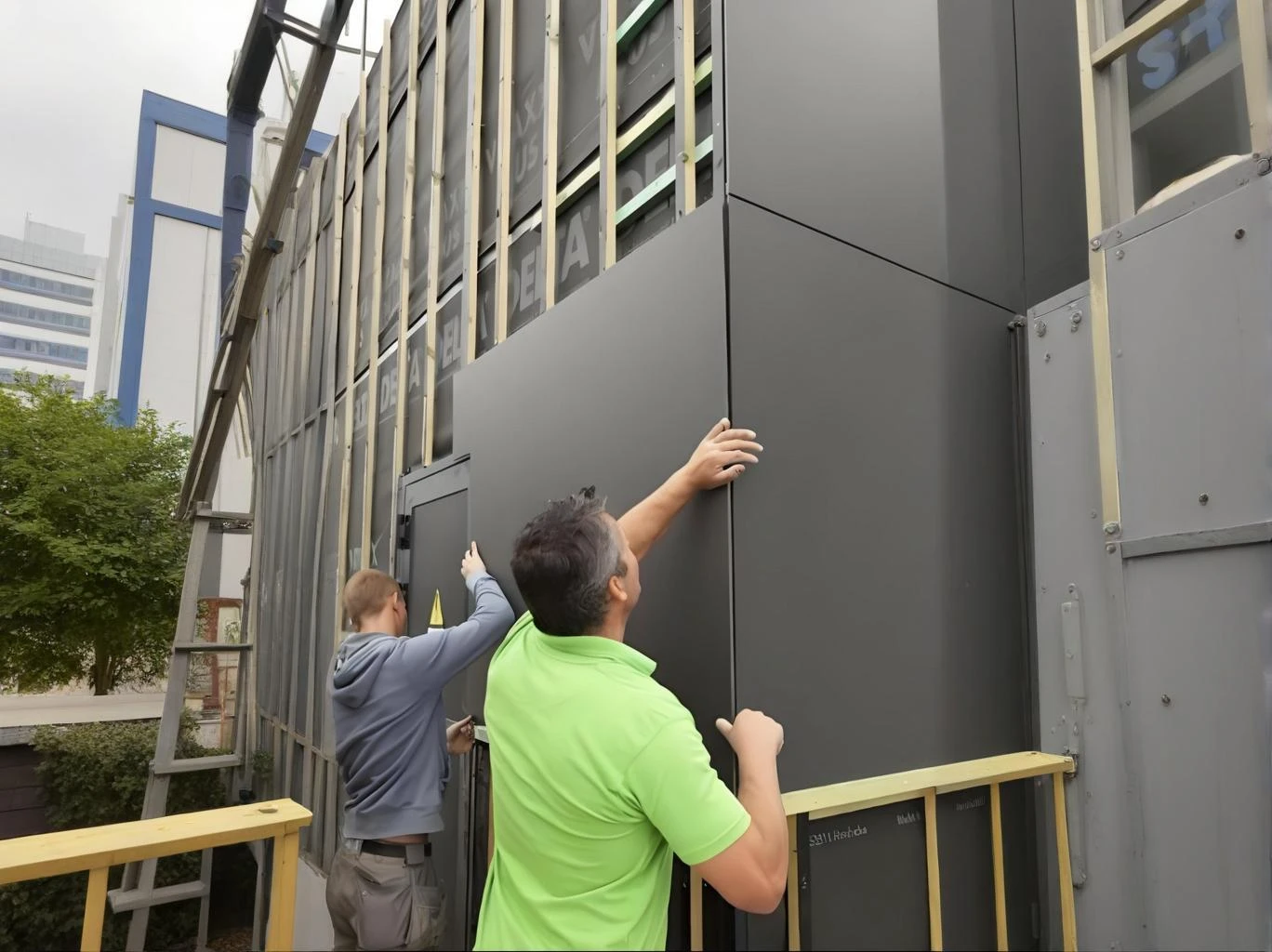
- Installation Quality: Poor fitting or sealing can cause water ingress, leading to corrosion or insulation loss.
- Initial Cost Sensitivity: Budget-constrained projects sometimes opt for cheaper, less durable alternatives.
Experts counter these by:
- Enforcing better industry standards.
- Providing installer training programs.
- Innovating in core materials and bonding technologies.
Mini Takeaway:
Awareness and industry collaboration are key to turning aluminium panel boards into safer, more reliable assets globally.
Product Specification Table: Aluminium Panel Board (Typical Model)
| Specification |
Details |
| Panel Thickness |
4 mm - 6 mm |
| Core Material |
Fire-Retardant Mineral Wool / Polyethylene |
| Aluminium Sheet Thickness |
0.5 mm (front), 0.3 mm (back) |
| Fire Rating |
Class A2-s1,d0 (EN 13501-1) |
| Thermal Conductivity |
≤ 0.35 W/m·K (varies by core) |
| Weight |
Approx. 6-8 kg/m² |
| Finish Options |
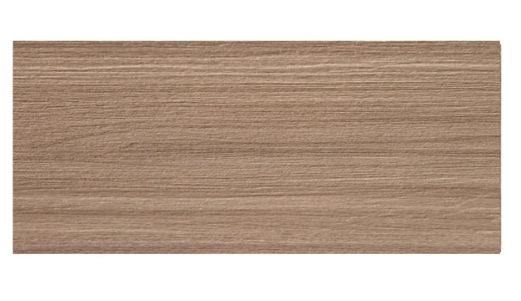
PVDF Coating, Wood Grain, Metallic, Matte |
Vendor Comparison: Leading Aluminium Panel Board Suppliers
| Vendor |
Core Types Available |
Fire Ratings |
Customization Options |
Typical Lead Time |
| JS Aluminum |
Mineral Wool, Fire-Retardant PE |
Class A2 - A1 |
Wide color & texture range |
2-3 weeks |
| AluTech Panels |
Polyethylene, FR Core |
Class B-s1,d0 |
Standard colors only |
1-2 weeks |
| Global Composite |
Mineral Wool, ECO Core |
Class A1 |
Custom designs, logos |
4 weeks |
FAQ: Common Questions About Aluminium Panel Boards
Q1: How long do aluminium panel boards typically last in outdoor applications?
With proper installation and maintenance, aluminium panel boards can easily last 20 to 30 years. Their corrosion resistance and durable coatings protect against weathering, though regular inspections help prolong performance.
Q2: Are aluminium panel boards environmentally friendly?
Yes, aluminium is one of the most recycled materials worldwide, and its panels can be reused multiple times. Additionally, lightweight panels reduce transport emissions and energy costs during construction.
Q3: Can these panels be used in fire-sensitive buildings?
Panels with fire-retardant or mineral wool cores meet stringent fire safety standards (like EN 13501-1), making them suitable for high-risk or regulated buildings — just confirm the exact product certification before purchase.
Q4: How customizable are aluminium panel boards?
Quite customizable! Colors, textures, thicknesses, and shapes can be tailored to project needs. Some vendors also offer printing or laser engraving for branding applications.
Q5: How do I import aluminium panel boards for international humanitarian projects?
Many manufacturers offer global shipping and support documentation for customs clearance. Working with vendors experienced in international logistics (like aluminium panel board suppliers) eases the process considerably.
Wrapping Up: Why Aluminium Panel Boards Are a Smart Choice
It’s clear that aluminium panel boards are more than just fancy building materials — they represent a nexus of modern demands: sustainability, speed, design, and function. They empower architects and engineers to build smarter, communities to recover quicker, and industries to innovate responsibly. If you want a solution that continues paying dividends over decades, this is a material worth considering.
Feel free to explore more about aluminium panel board solutions at JS Aluminum’s official site, where quality meets innovation.
---
References:
- International Aluminium Institute. "Aluminium Production Data 2023."
- United Nations. "World Urbanization Prospects 2022."
- ISO 9001 / ISO 14001 Standards Overview.