Understanding ACM Dibond: Why It Matters in Today’s Global Industry
If you’ve ever admired sleek modern signage or admired those crisp architectural facades, you’ve probably come across something called ACM Dibond. But what is it, really? Technically, ACM stands for Aluminum Composite Material, and Dibond is a branded type of this composite — typically two aluminum sheets sandwiching a polyethylene core. It may sound simple on paper, but globally, it’s become a quiet workhorse in industries ranging from advertising to aerospace.
Why should you care? Well, understanding ACM Dibond reveals insights about innovation, sustainability, and cost efficiency in material science — themes industry professionals are constantly chasing. Plus, this material’s growing use in construction, creative design, and infrastructure reflects how adaptable and resilient modern solutions are becoming in a rapidly changing global landscape.
---
ACM Dibond in the Global Context: A Key Material for Modern Challenges
Worldwide, demand for lightweight, durable materials has skyrocketed. According to the International Aluminium Institute, global aluminum production hit approximately 70 million tonnes annually, much of it destined for composites like ACM Dibond. But why does it matter? As urbanization intensifies — with the UN estimating that by 2050, two-thirds of the population will live in cities — the materials shaping buildings, advertising, and transport must be strong, lightweight, and environmentally sensible.
Often, challenges arise with traditional building and sign materials — they can be heavy, prone to corrosion, or just plain costly. ACM Dibond offers an answer: it balances strength and flexibility with a surprisingly low weight profile, making it ideal for fast, scalable applications like storefronts, transit shelters, or exhibition stands. It’s also become a favorite in areas where rapid deployment and weather resistance are critical — think post-disaster rebuilds or industrial zones in harsh climates.
---
Breaking Down ACM Dibond: What Is It Exactly?
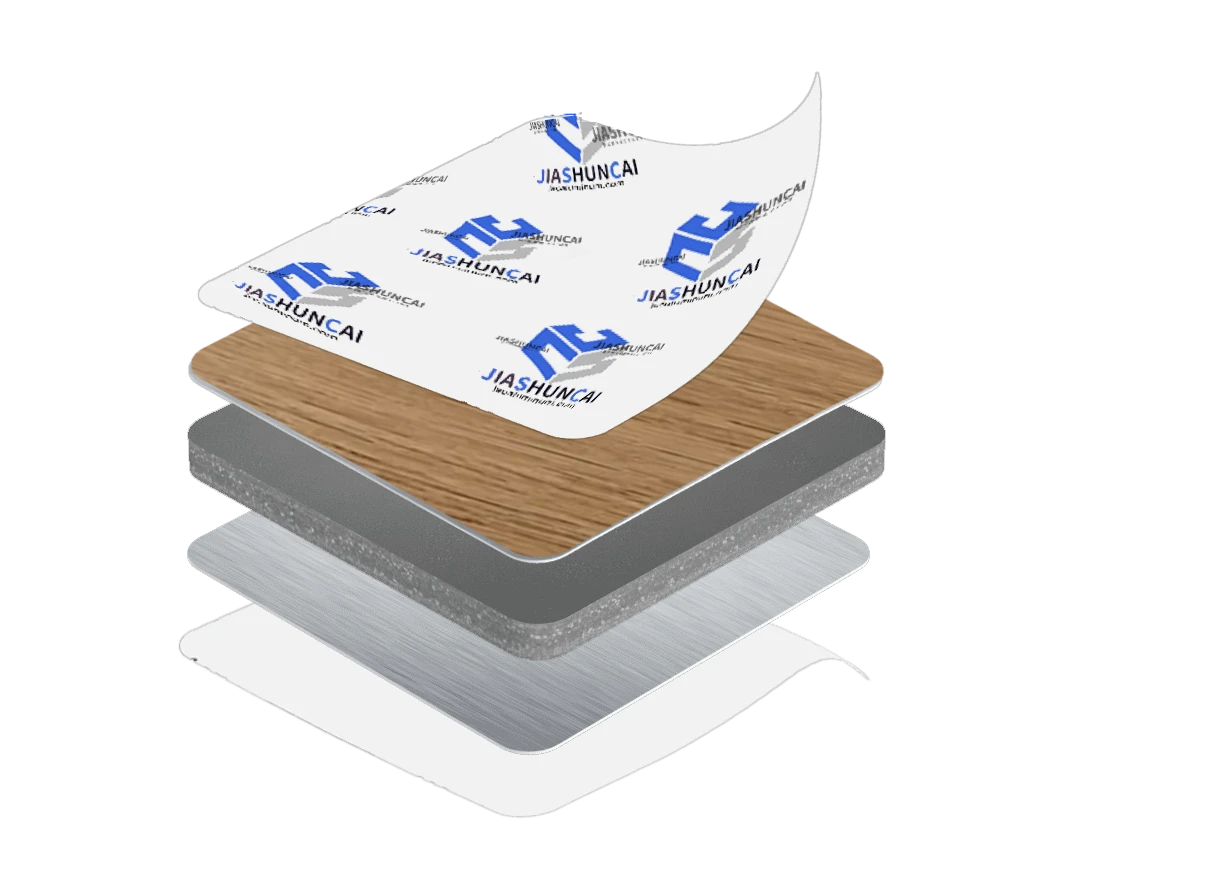
At its core, ACM Dibond is a composite panel made by sandwiching a polyethylene core between two thin sheets of aluminum. It’s this layering that gives it a unique combo of:
- Lightweight properties that reduce structural load
- Weather and UV resistance for longer-lasting exteriors
- Flatness and rigidity for crisp print and graphics
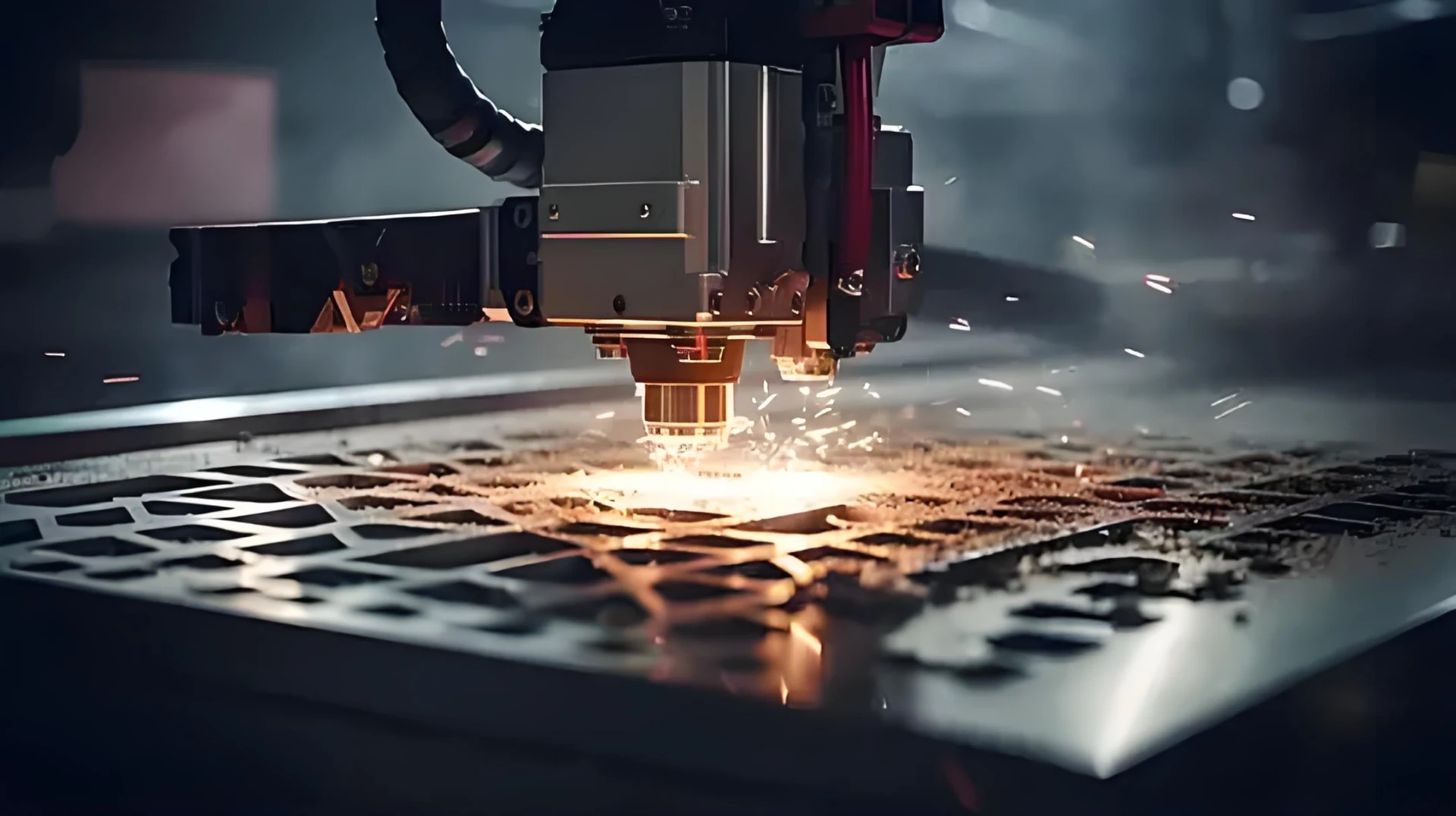
- Ease of cutting, shaping, and installing with common tools
Moreover, ACM Dibond combines industrial precision with eco-friendly manufacturing improvements — many manufacturers are moving toward recycled cores or low-VOC (volatile organic compounds) coatings. So, it’s not just pretty skin; it’s a surprisingly green choice if sourced carefully.
In humanitarian contexts, ACM Dibond panels are sometimes used in temporary shelters or mobile clinics because their durability withstands rough transport and shifting environments, while their light weight makes deployment quicker.
---
Key Factors That Make ACM Dibond Tick
Durability That Lasts
ACM Dibond resists dents, weather, and fading better than many plastics or wood alternatives. Many field engineers I spoke with have noted installations lasting over 10 years in tough urban settings with minimal upkeep.
Cost Efficiency Meets Design Flexibility
It’s trickier than it looks — aluminum isn’t cheap, but the thinness of the layers and ease of fabrication knock overall costs down. Plus, industries love how easily you can print digital graphics directly on it or even bend panels into complex shapes.
Lightweight and Easy to Handle
The low density polyethylene core keeps weight low — roughly a third of solid aluminum panels of similar thickness. This cutdown in weight reduces transportation costs and structural demands.
Environmental Adaptability
Whether baking under desert sun or getting drenched in tropical storms, ACM Dibond keeps form and finish. Its corrosion resistance is a huge plus, especially in coastal or industrial areas.
Simple Maintenance
Most dirt cleans off with just soapy water, and scratches can often be repaired with minimal fuss. For commercial signage or outdoor cladding, this can mean significant savings over years.
---
Global Applications and Real-World Uses of ACM Dibond
Honestly, the reach of ACM Dibond spans continents and industries.
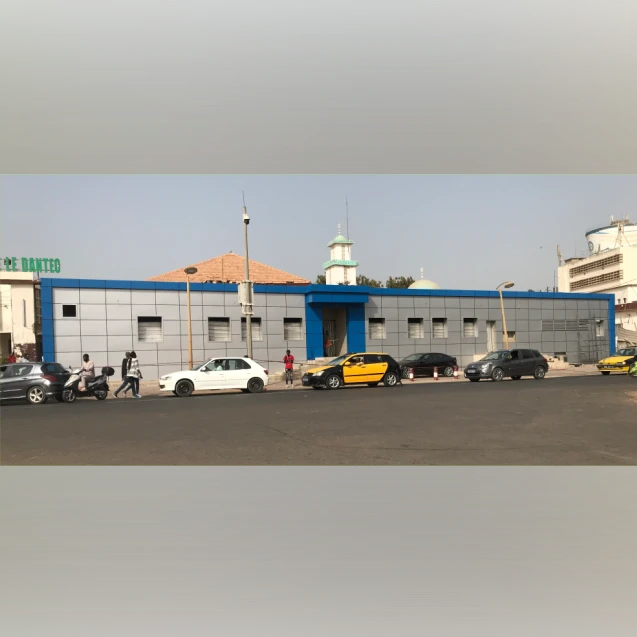
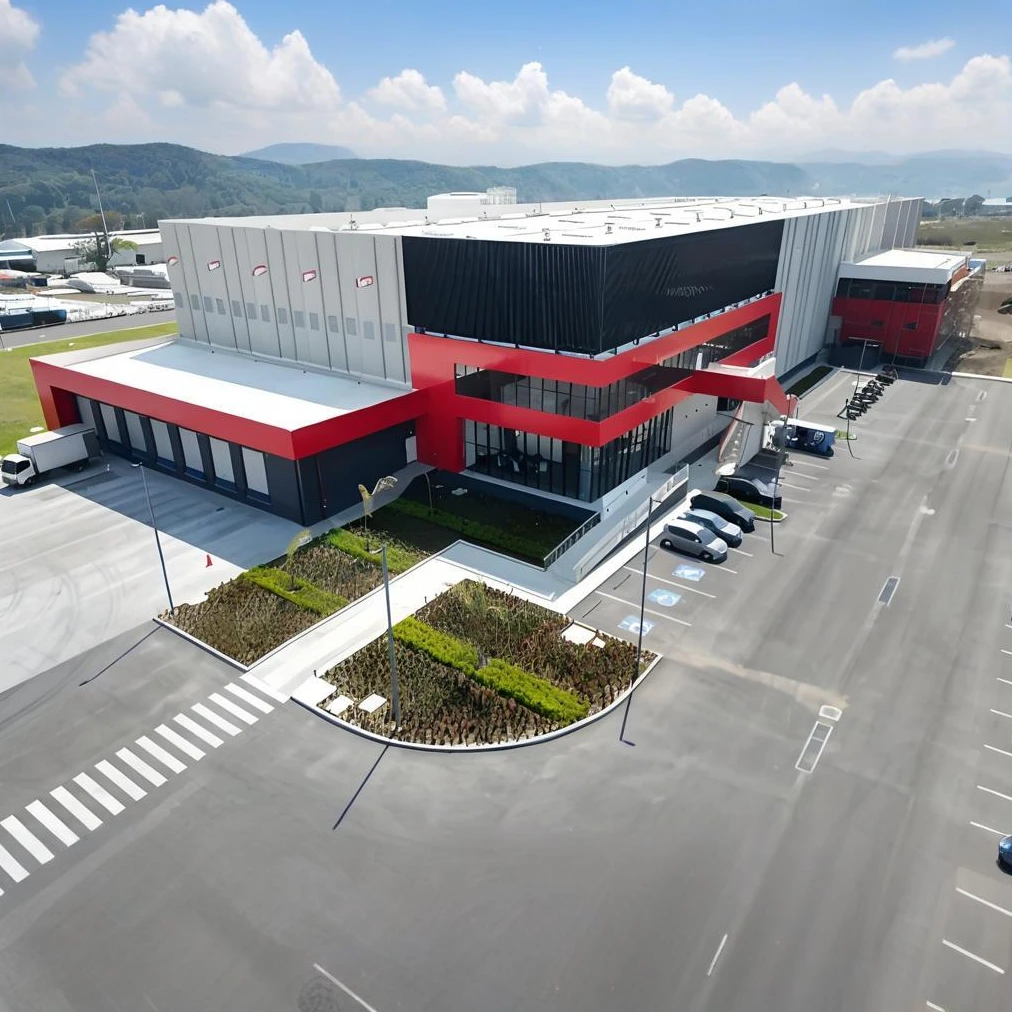
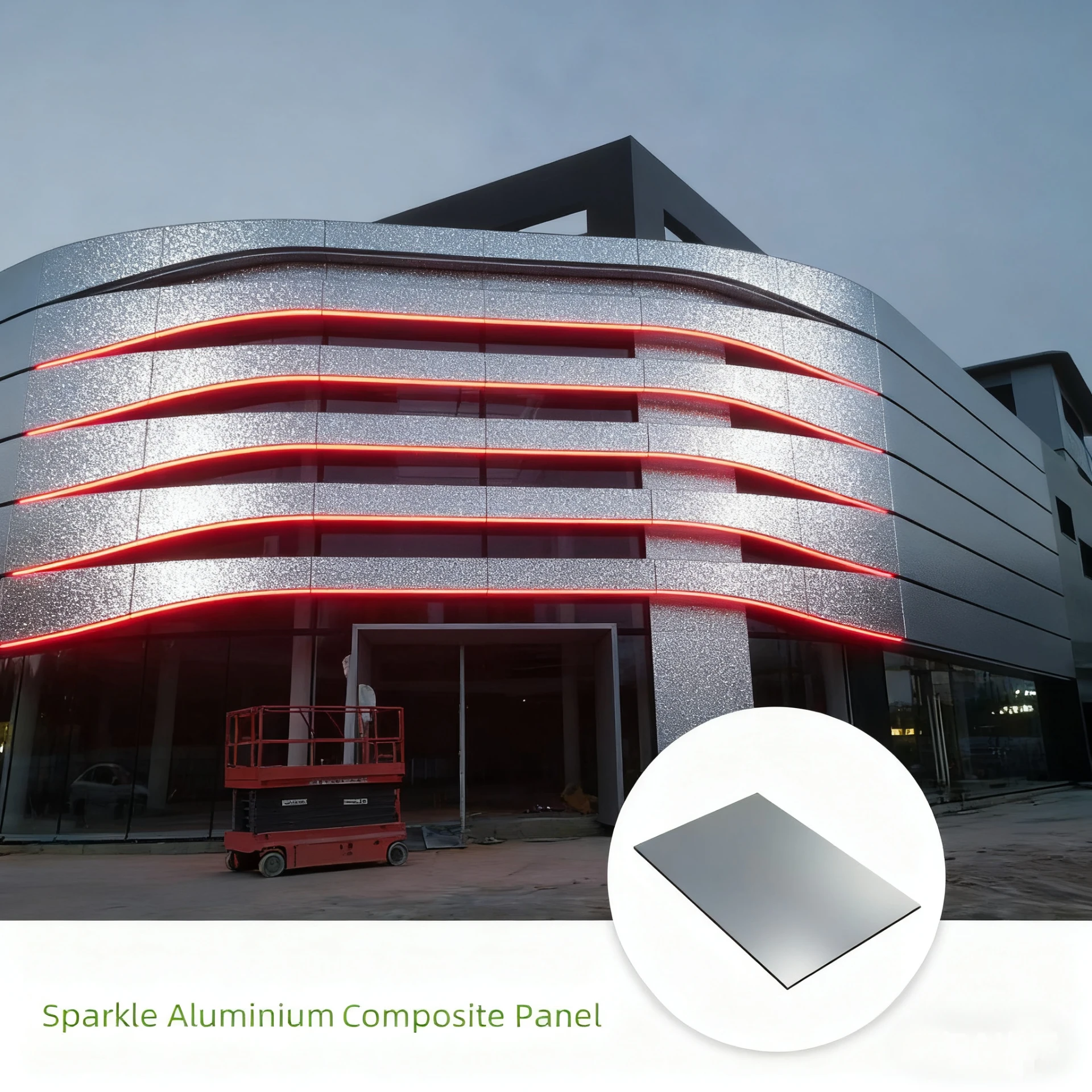
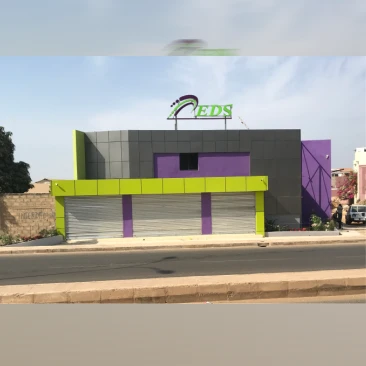
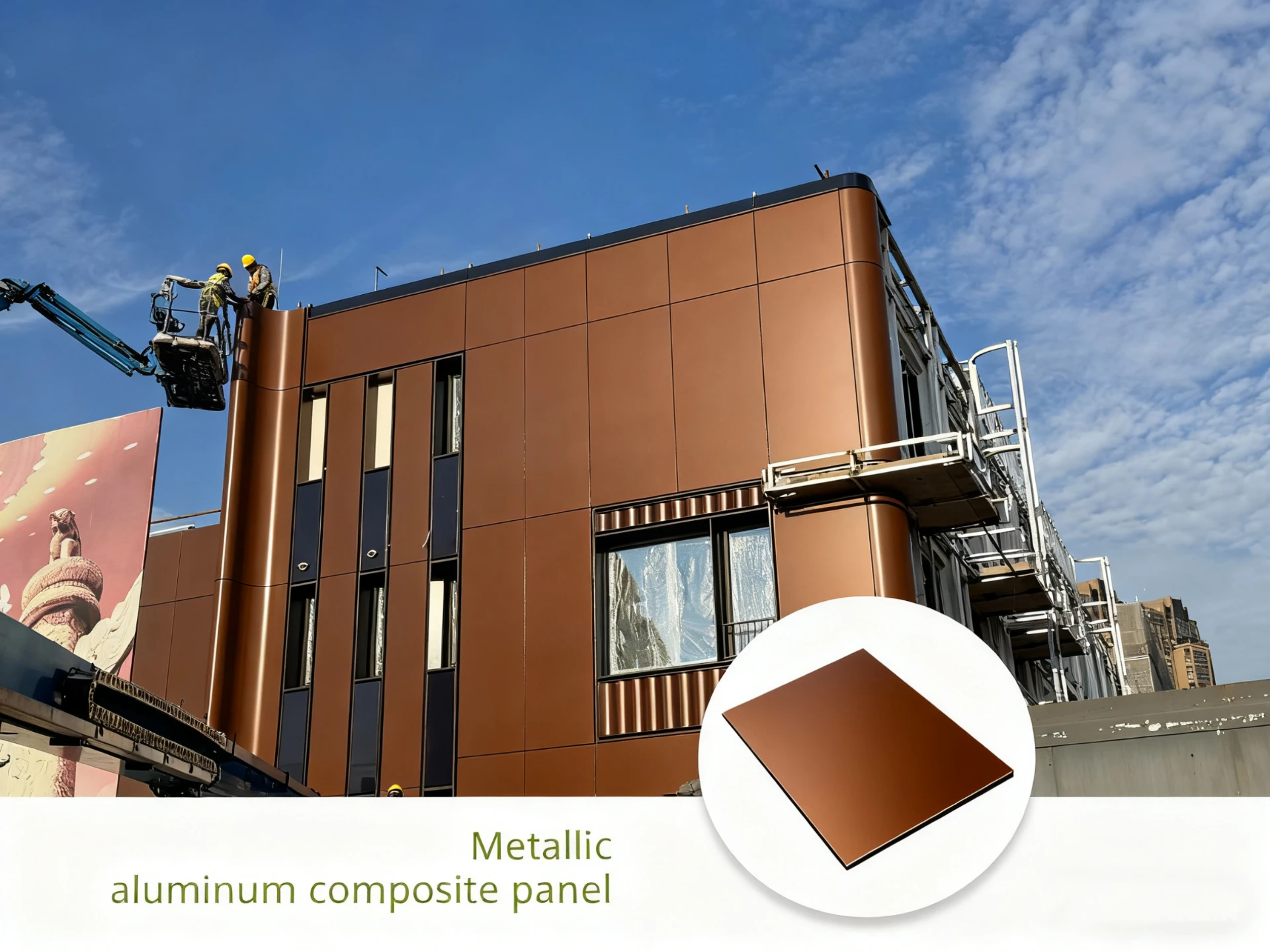
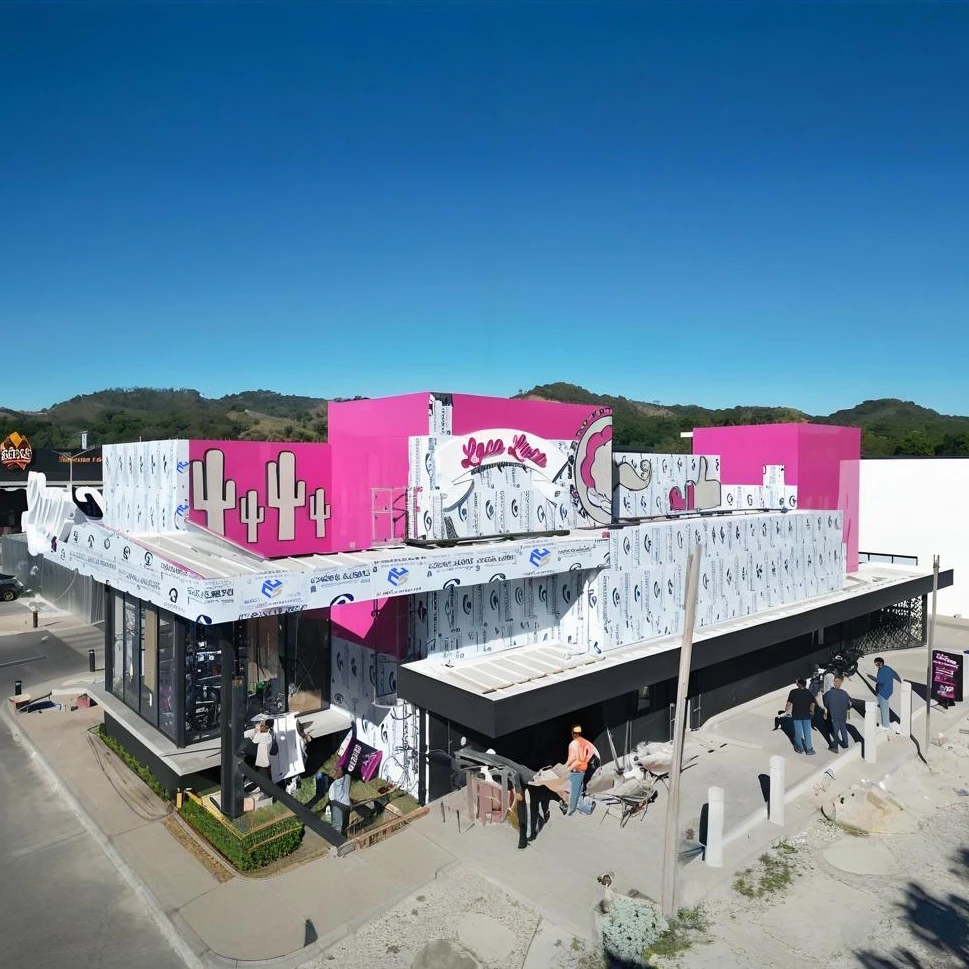
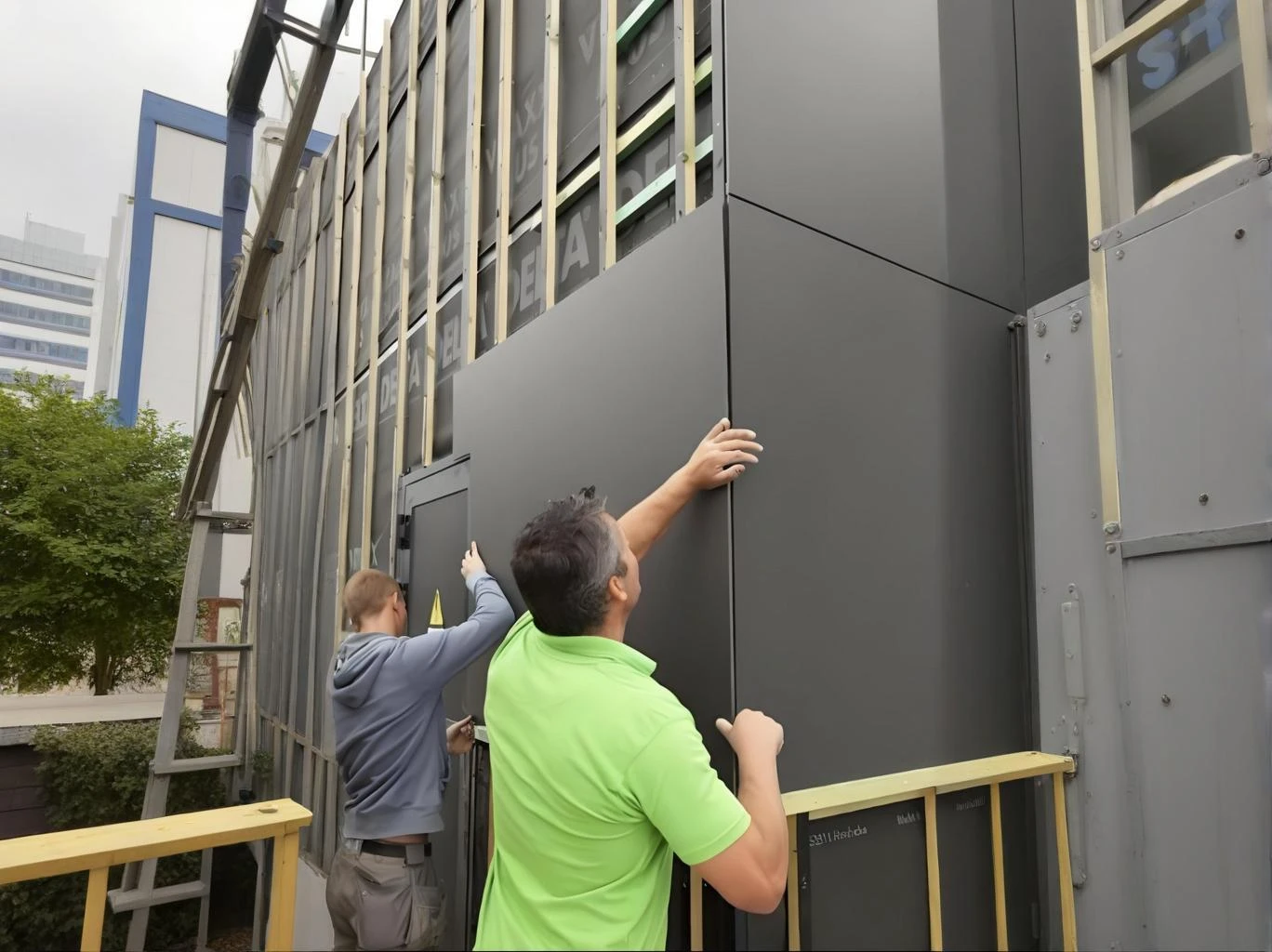
- Architecture & Cladding: European and North American architects often specify ACM for building facades, curtain walls, and soffits — parts of structures that need to be lightweight but weather tough.
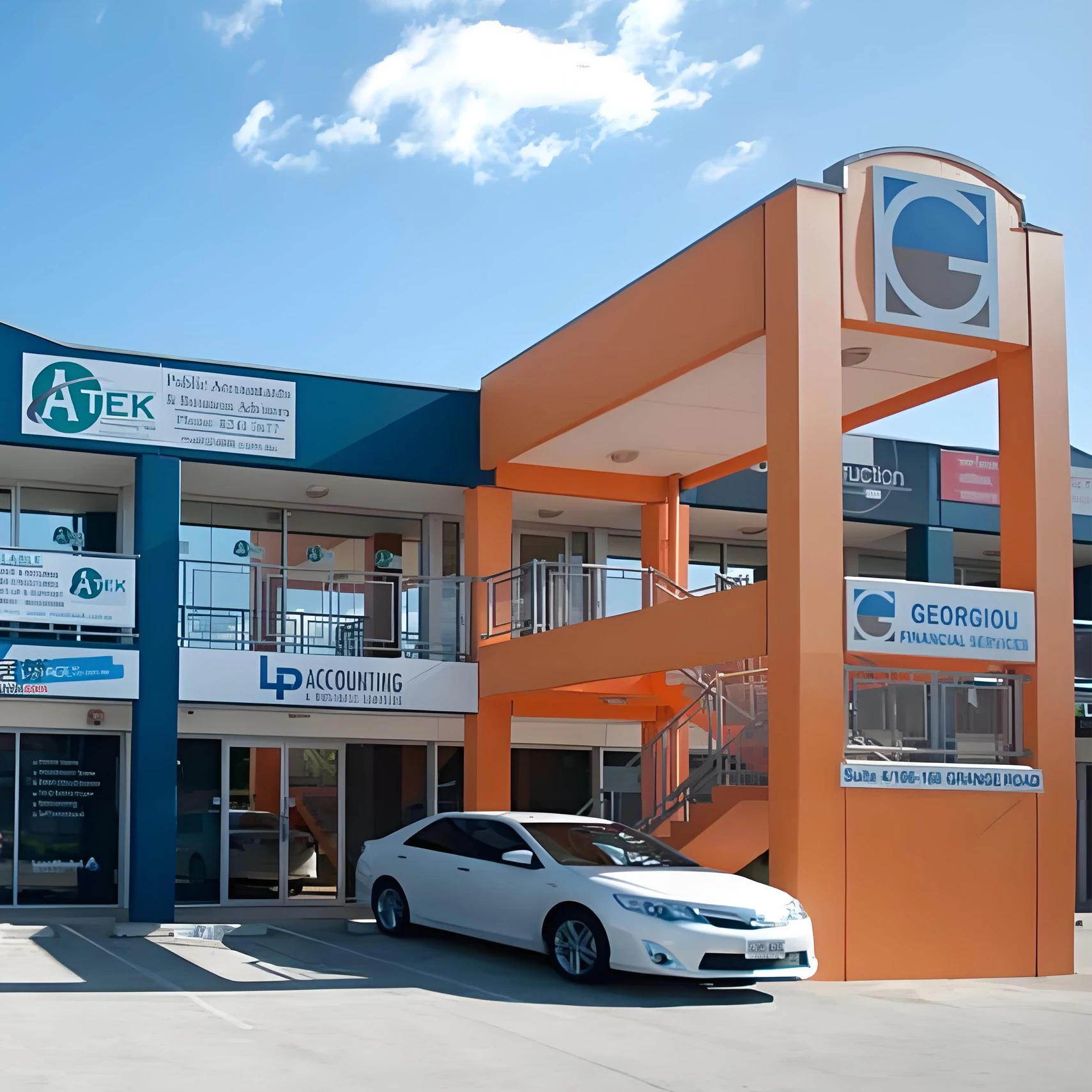
- Advertising & Signage: In places like China and the UAE, flawless digital prints on ACM panels grace billboards, shopfronts, and airport signage.
- Transportation: Rail and bus stops, even vehicle interiors, benefit from the material’s durability and easy cleaning.
- Humanitarian & Temporary Uses: NGOs have adopted ACM Dibond for quick erection of communication boards in disaster zones or modular mobile clinics, where rapid set-up and resilience are key.
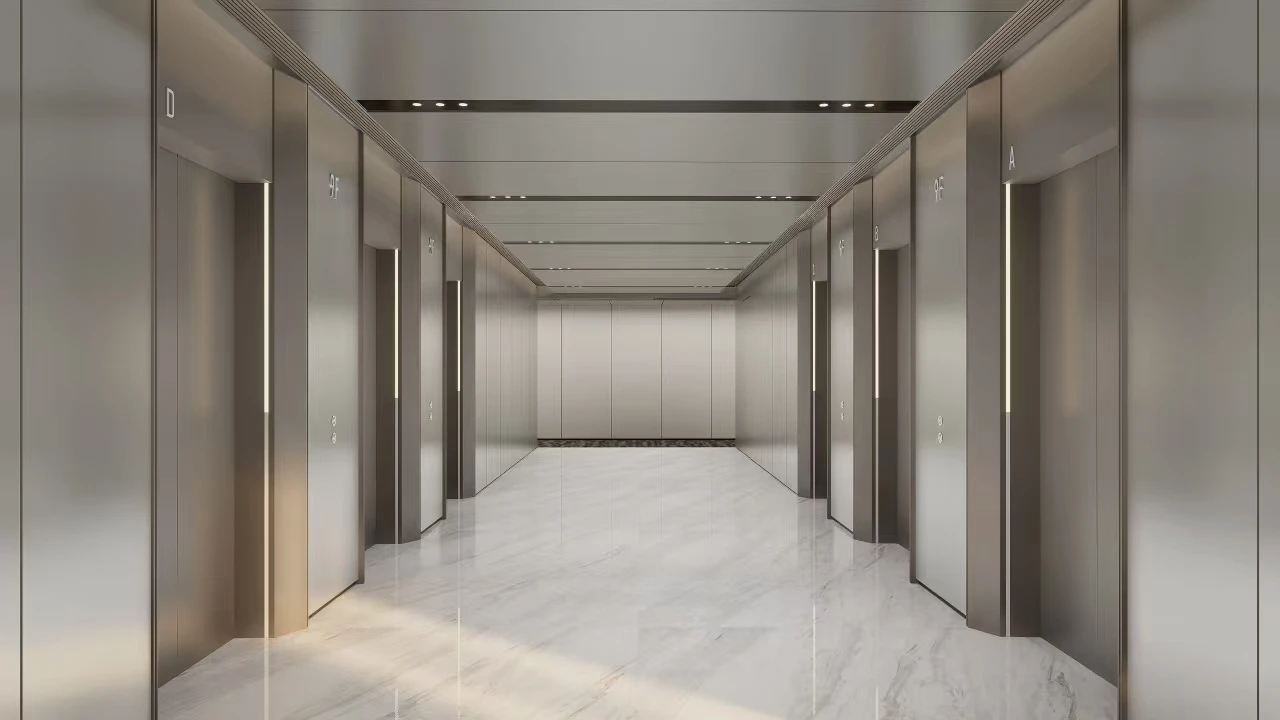
- Exhibition & Retail: Retailers worldwide use these panels for pop-up shops, trade show booths, and interior decor thanks to their sleek look and customizability.
---
Mini Takeaway
ACM Dibond isn’t just a tech novelty; it’s a versatile material bridging functionality with sustainability and design, helping industries solve complex, evolving challenges around the world.
---
Advantages and Long-Term Value of ACM Dibond
It’s not just surface-level perks. Let’s look deeper:
- Sustainability: The panels often contain recycled aluminum, and their durability means fewer replacements — a win for waste reduction.
- Cost Savings: Over the long haul, saved transport, labor, and replacement costs add up.
- Safety & Social Confidence: Especially in signage or public shelters, you want a material that holds up and inspires trust.
- Innovation Potential: From printing to cutting-edge cladding designs, the blend of form and function invites fresh creativity.
In a way, ACM Dibond marries the emotional appeal of beauty and safety with the logic of economics and durability — a rare combo.
---
Product Specification Table
| Specification |
Details |
| Panel Thickness |
2mm, 3mm, 4mm variants |
| Core Material |
Polyethylene / Fire-retardant core options |
| Aluminum Sheet Thickness |
0.2 – 0.5 mm per side |
| Standard Sheet Size |
1.22m x 2.44m, 1.22m x 3.05m available |
| Weight |
4-6 kg/m² (varies with thickness) |
| Temperature Resistance |
-50°C to +80°C |
| Color & Finish |
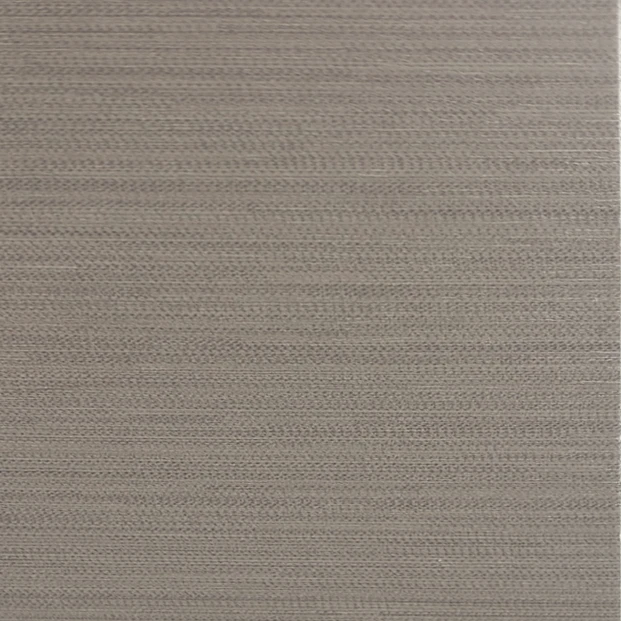
Wide palette, matte/glossy, metallic finishes |
---
Comparing Leading ACM Dibond Manufacturers
| Vendor |
Core Material |
Fire-Retardant Options |
Average Lead Time |
Typical Applications |
| Dibond® (3A Composites) |
Polyethylene |
Yes, FR-certified |
5-7 days |
Signage, Architecture |
| Alucobond® (3M subsidiary) |
Polyethylene |
Yes, highly rated |
7-10 days |
Facade Systems, Transport |
| JSC Aluminum |
Recycled Polyethylene |
Yes |
4-6 days (custom orders available) |
Advertising, Construction |
---
Future Trends & Innovations Surrounding ACM Dibond
Oddly enough, ACM Dibond keeps evolving. More companies are focusing on:
- Eco-friendliness: Using bio-based or recycled polyethylene cores, and reducing volatile organic compounds has become priority.
- Fire safety: As regulations grow stricter globally, improved fire-retardant panels are critical—especially for high-rise builds.
- Digital customization: Advanced inkjet printing for photo-realistic or tactile finishes is opening doors to experiential retail and environmental branding.
- Lightweight structural variants: Researchers are experimenting with hybrid cores that might include mineral or foam layers to further reduce weight without compromising rigidity.
- Smart panels: Imagine integrating sensors or LEDs into the panel itself, blending signage with IoT tech.
---
Challenges & Expert Solutions for ACM Dibond Use
Not everything is perfect. The main challenges include:
- Thermal expansion: Aluminum and polyethylene expand at different rates, so poorly designed installations can warp.
- Edge exposure: Without proper sealing, the core may absorb moisture, leading to bubbling or delamination.
- Environmental impact: While recyclable, polyethylene cores still struggle in landfill biodegradation.
Experts recommend precise installation practices, better edge finishing, and progressive recycling programs. Companies like JSC Aluminum actively pilot closed-loop recycling that turns old panels into new stock — which feels like the right direction.
---
FAQ: Frequently Asked Questions About ACM Dibond
-
Q: How long does ACM Dibond last outdoors?
A: Typically, ACM Dibond panels last 10+ years outdoors depending on environmental exposure and maintenance. UV-resistant coatings help maintain color and integrity.
-
Q: Can ACM Dibond be used in fire-sensitive buildings?
A: Yes, fire-retardant versions are available and meet various international safety standards like ASTM E84 and EN 13501.
-
Q: Is ACM Dibond eco-friendly?
A: It depends on sourcing. Panels using recycled aluminum and polyethylene have a smaller footprint, and the material’s longevity reduces replacement waste.
-
Q: How easily can ACM Dibond be customized?
A: Very easily. It cuts with standard tools, can be bent, printed digitally, or coated in various finishes for multiple design needs.
-
Q: What industries benefit most from ACM Dibond?
A: Signage, architecture, transport, exhibitions, and humanitarian sectors all find important, distinct uses for ACM Dibond panels.
---
Wrapping Up: Why ACM Dibond Deserves Your Attention
In the grand tapestry of materials shaping our spaces, ACM Dibond stands out for its blend of durability, aesthetic flexibility, and sustainable potential. It addresses real-world problems — from costly transport to harsh environments — while enabling innovation in design and construction.
If you’re weighing materials for your next project, consider the long-term savings, resilience, and creative possibilities ACM Dibond brings to the table.
For more details on sourcing or customized orders, visit JSC Aluminum — your source for high-quality ACM Dibond solutions globally.
---
Mini Reflection
Materials like ACM Dibond remind me that sometimes, progress isn’t about flashy new gadgets but smarter versions of existing ideas — engineered to last longer, do more, and mess up the planet less. That kind of evolution feels genuinely hopeful, don’t you think?
---
References:
- International Aluminium Institute
- UN World Urbanization Prospects 2018
- Wikipedia: Aluminium Composite Panel