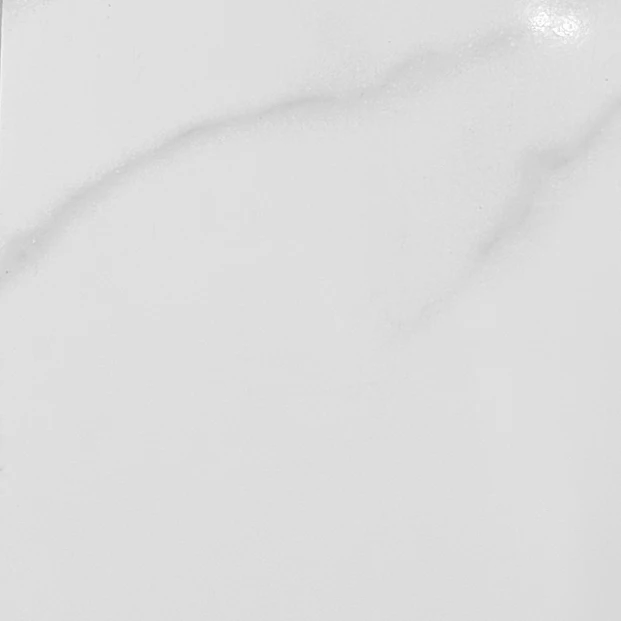
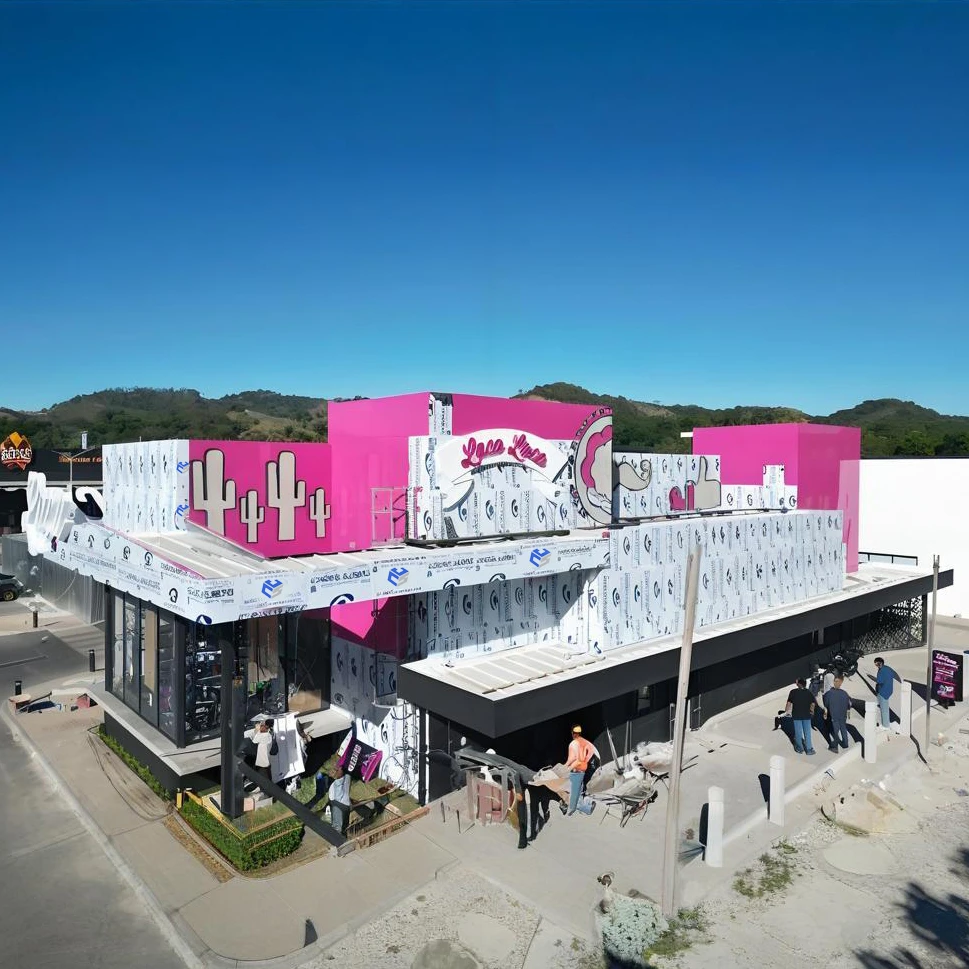
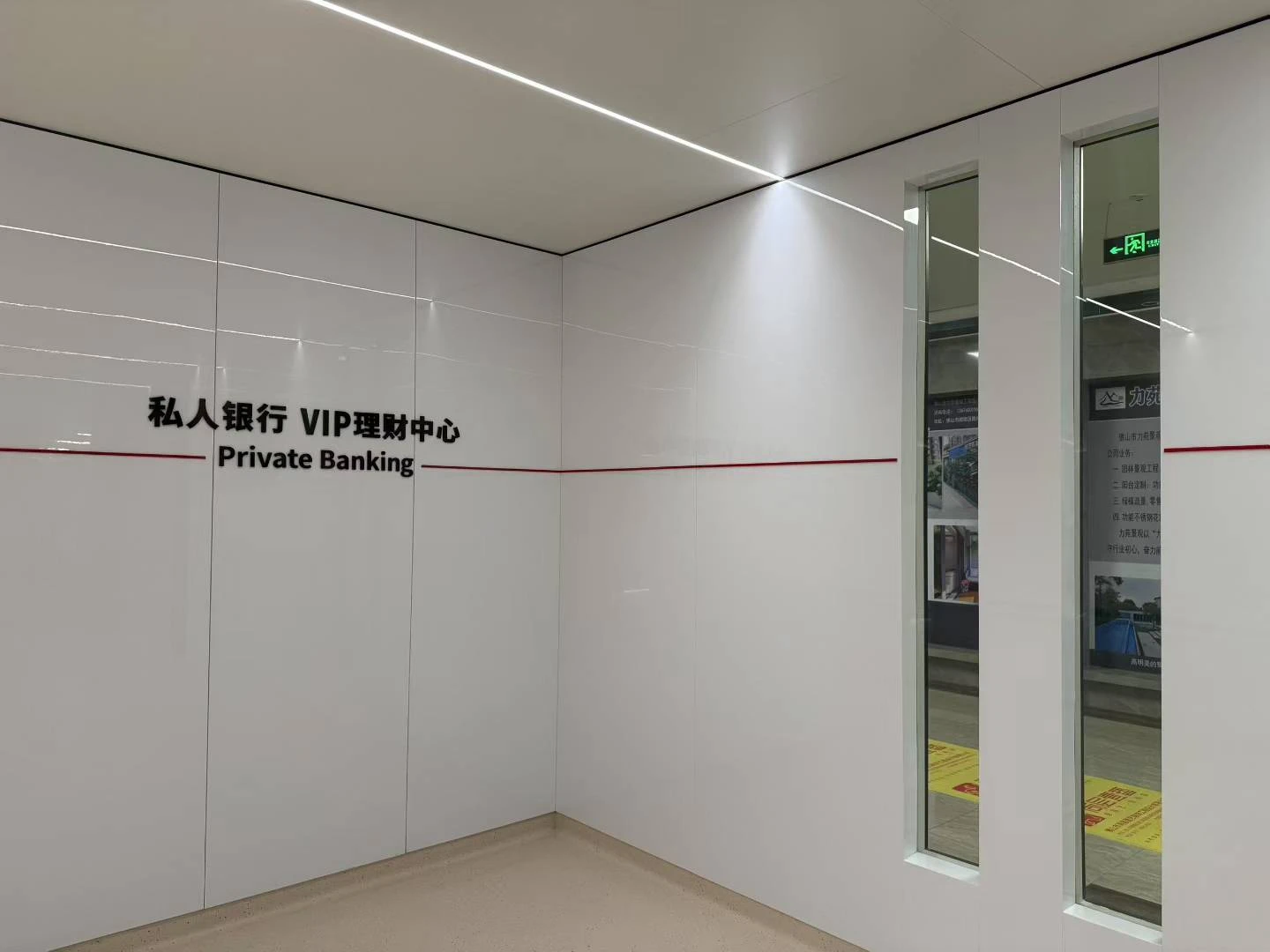
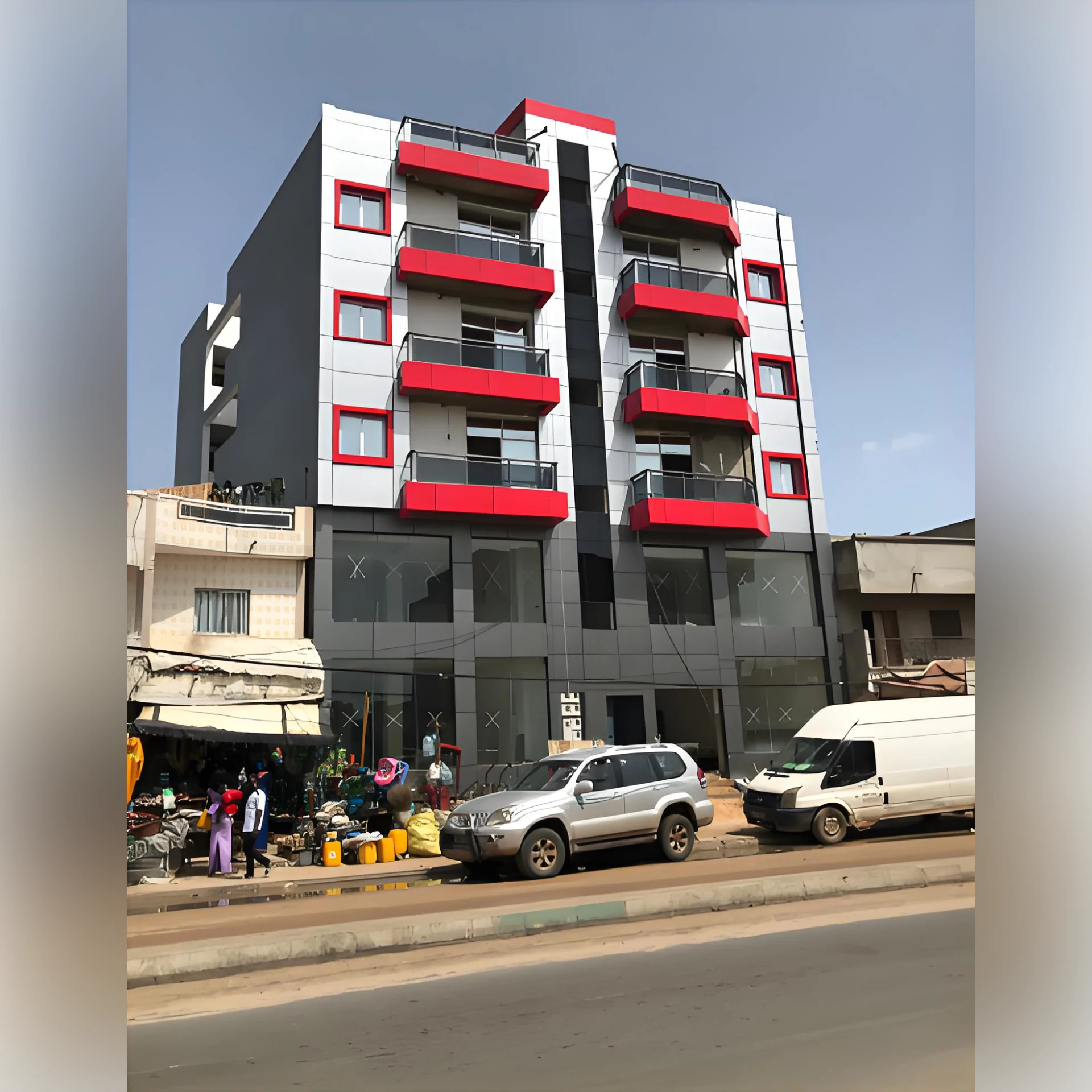
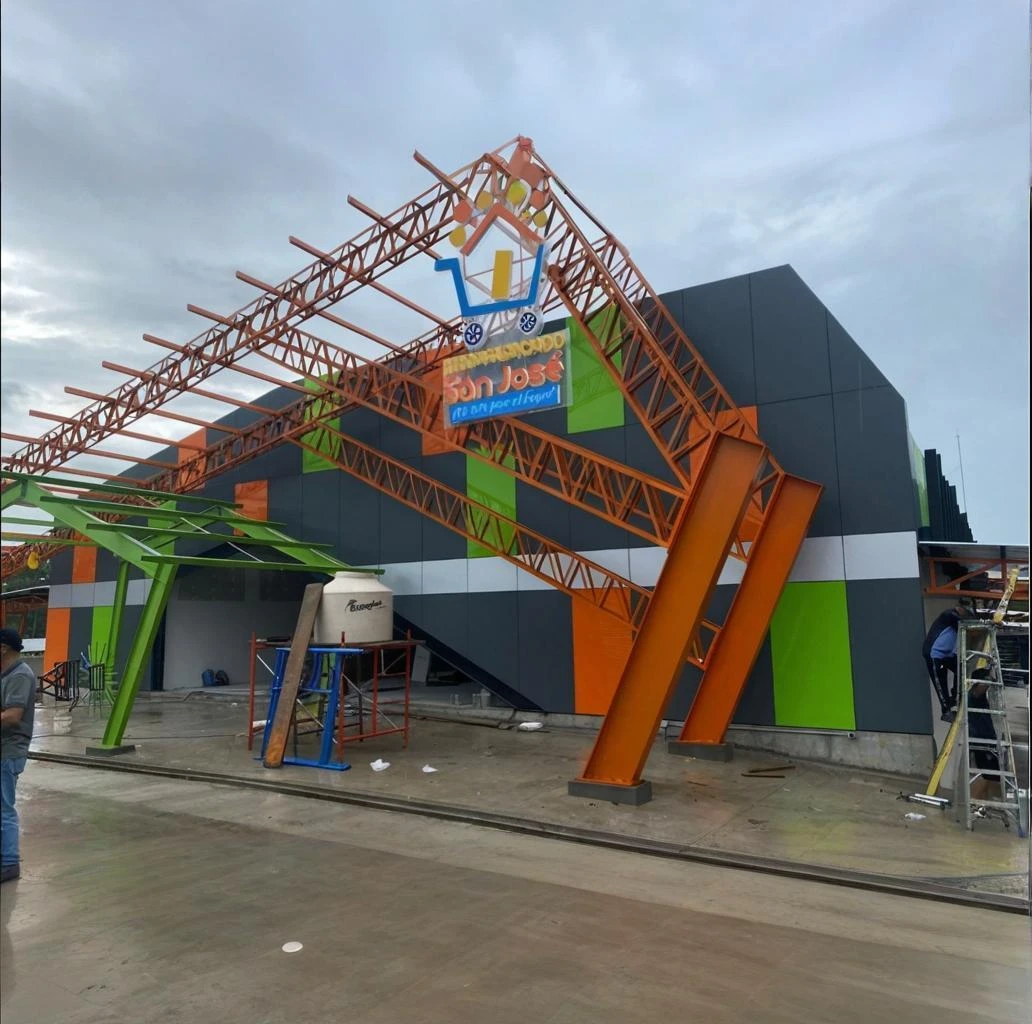
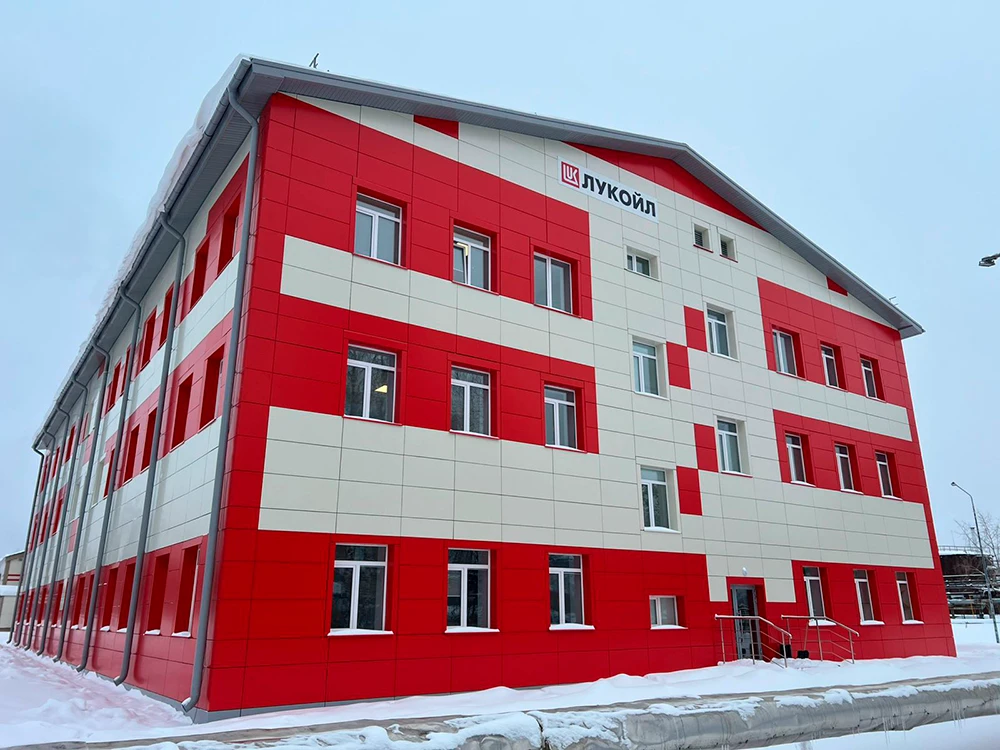
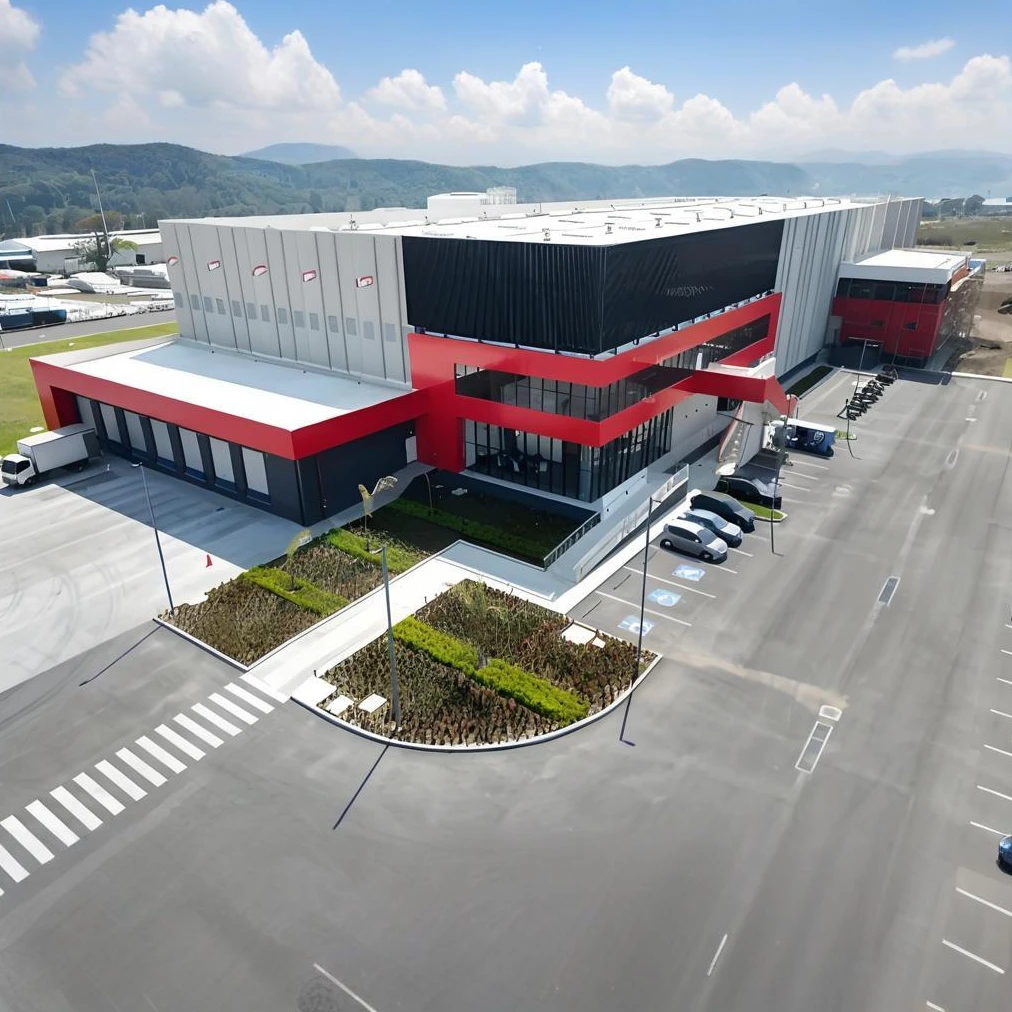
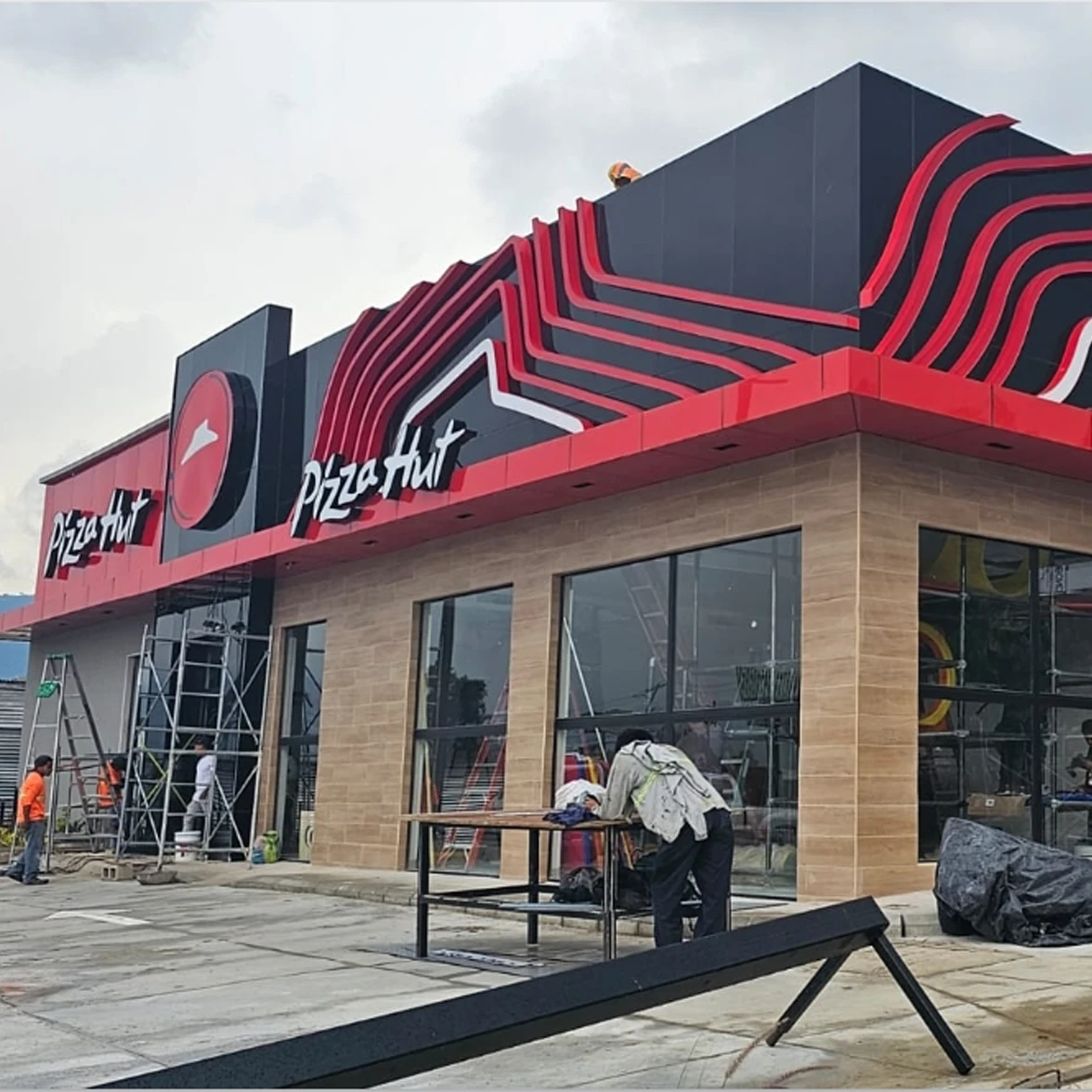
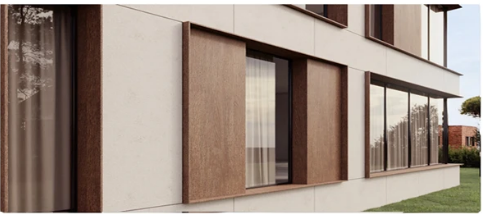
गुलाबी रातो माटोको रंग रातो र खैरो रंगको मिश्रण हो, जसको आधार रातो माटोको प्राकृतिक छाया हो, जसले गुलाबी टोनको स्पर्शलाई समावेश गर्दछ जसले गर्दा पोलेको भाँडाको सम्झना दिलाउने न्यानो रातो रंग सिर्जना हुन्छ, जसले रातो रंगको जीवन्ततालाई माटोको माटोको स्थिरतासँग संयोजन गर्दछ। बाहिरी भित्ताहरू: म्याट रातो माटोको रंग वा प्यानलहरूमा मौसम प्रतिरोधात्मक क्षमता बलियो हुन्छ र हरियाली र ढुङ्गासँग जोड्दा प्राकृतिक वातावरण बढ्छ; आन्तरिक सजावट: टेराकोटा इँटा वा रातो माटो रंगको भित्ता रंगले औद्योगिक वा वाबी-साबी सौन्दर्यशास्त्रको कच्चा बनावट जगाउन सक्छ।
सम्पर्कमा रहनुहोस्
यदि तपाईं हाम्रा उत्पादनहरूमा रुचि राख्नुहुन्छ भने, तपाईं आफ्नो जानकारी यहाँ छोड्न सक्नुहुन्छ, र हामी छिट्टै तपाईंसँग सम्पर्क गर्नेछौं।
आर्किटेक्ट र फेब्रिकेटरहरूले कडा साइनेज र आर्किटेक्चरल क्ल्याडिङमा बढ्दो रूपमा भर पर्दै जाँदा, डिबोन्ड® प्यानलहरूले टिकाउपनको लागि उद्योग मापदण्डहरू सेट गरेका छन्। जियाशुनकाईको अर्को पुस्ताको एल्युमिनियम कम्पोजिट सामग्री (ACM) ले २०% कम लागतमा समान संरचनात्मक अखण्डता प्रदान गर्दछ - दिगोपन र अनुकूलन गतिमा थप फाइदाहरू सहित।
When a façade contractor or importer compares aluminum composite panel quotations, the lowest price per square meter often looks like the smart choice. Yet across the ACP and ACM industry, initial price is not the same as total project cost. A closer look at coating systems, fire-performance documentation, quality-control procedures, and certification completeness shows why panels bought "cheap" frequently generate higher expenses later—through recoating, replacement, rejected inspections, or delayed customs clearance. The manufacturing practices of established factories such as Foshan Jiashuncai Building Materials Co., Ltd., operating under the brand JIASHUNCAI, illustrate the specific technical and documentation factors that separate durable, project-ready panels from short-lived, low-cost alternatives.
Reducing building maintenance frequency without inflating upfront budgets is one of the most persistent challenges facing facade owners, contractors, and procurement teams. For many projects, the root cause of frequent maintenance cycles is not workmanship but material selection—specifically, the coating system, aluminum skin quality, and production consistency of the aluminum composite panels (ACP) used on a building envelope. Understanding how these variables interact offers a practical, cost-effective path to lowering long-term maintenance demands.
A customer from Kazakhstan visits JIASHUNCAI in Foshan, China, to review aluminum composite panel samples and discuss potential building project requirements and customized ACP solutions.
Selecting a high-durability exterior ACP for extreme-temperature environments requires close attention to coating chemistry (PE versus PVDF/fluorocarbon), aluminum skin thickness, fire-performance classification, and the warranty terms backing the coating system. Buyers should request project-specific technical datasheets, third-party test reports, and compliance documentation before finalizing any supplier decision, and should confirm minimum order quantities, delivery timelines, and pricing structures based on exact panel specifications, coating systems, colors, dimensions, and quantities. Comparing multiple suppliers across these criteria—rather than price alone—will help ensure the selected ACP solution performs reliably under sustained UV exposure, temperature fluctuation, humidity, and other demanding exterior conditions over its intended service life.