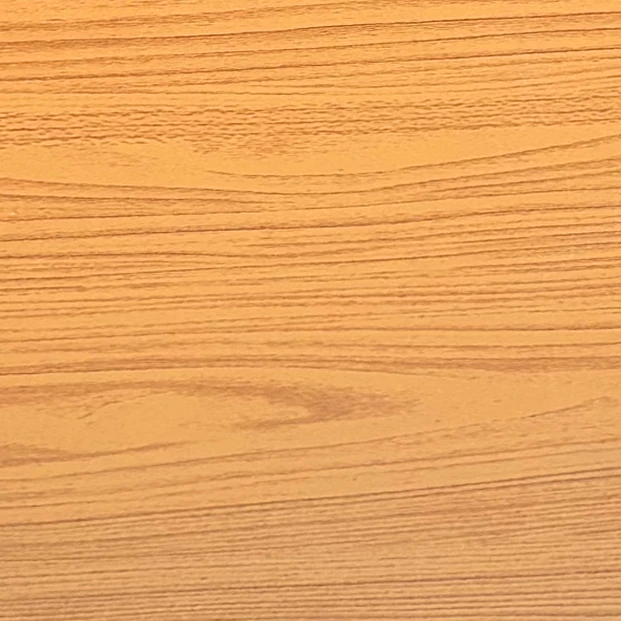
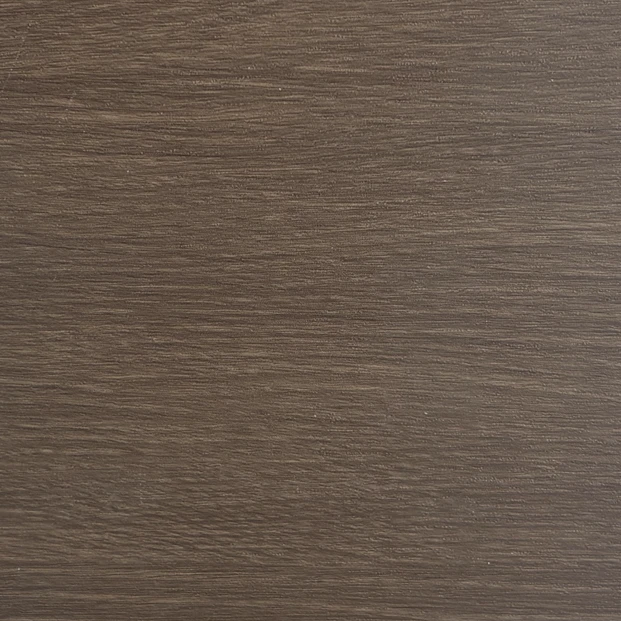
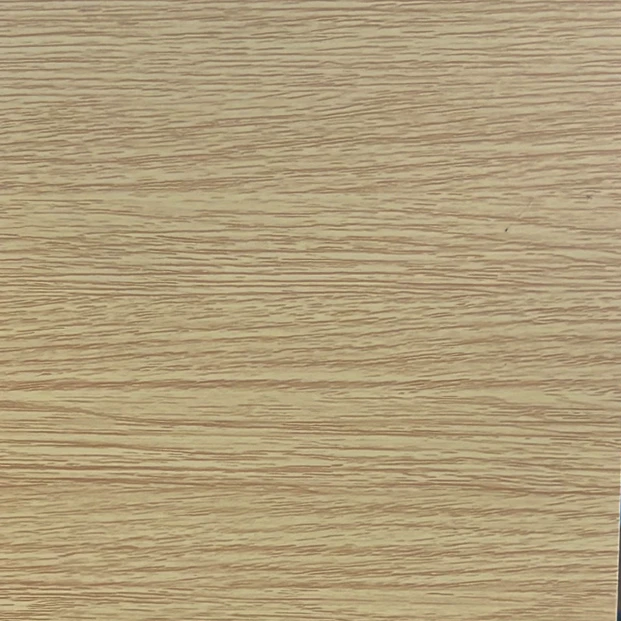
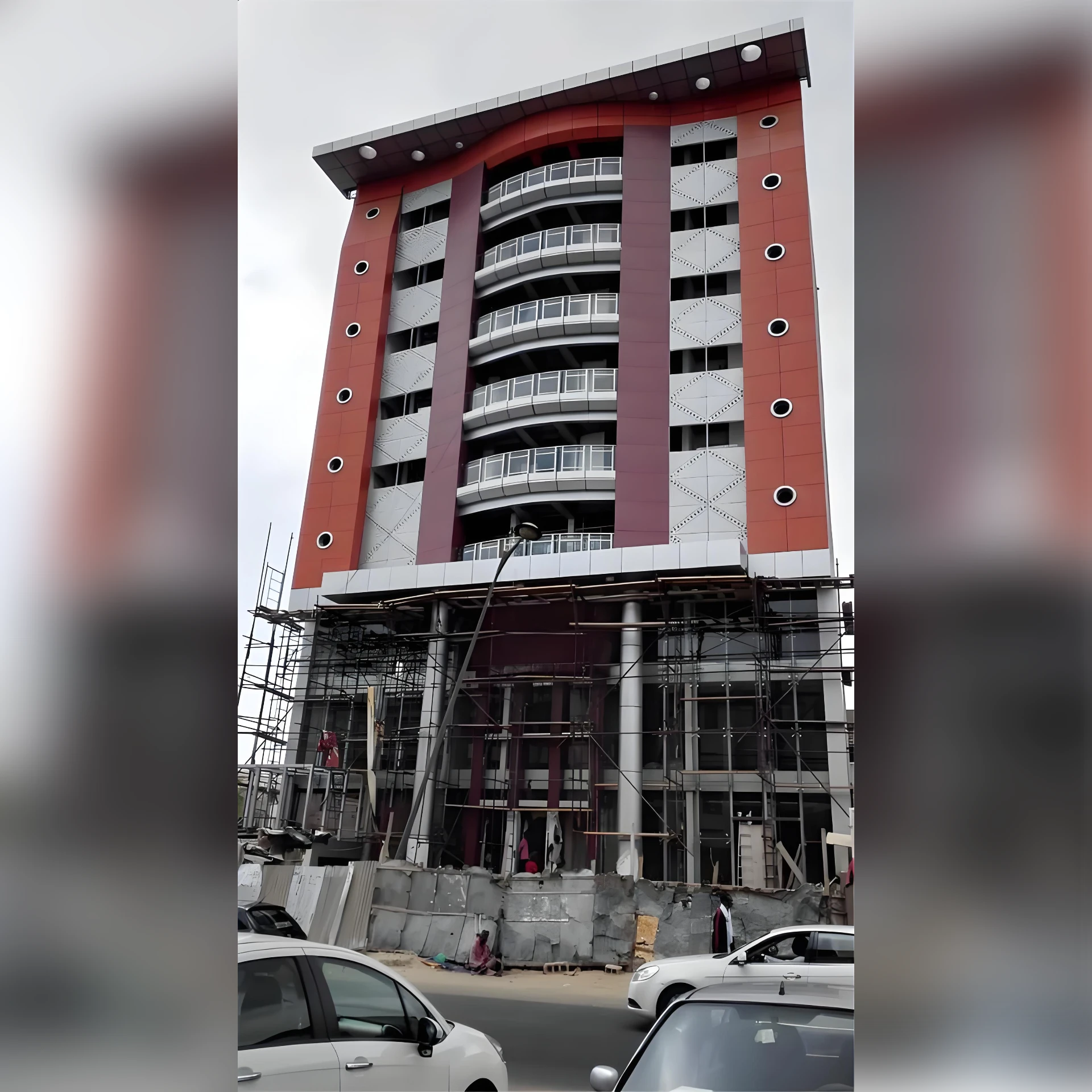
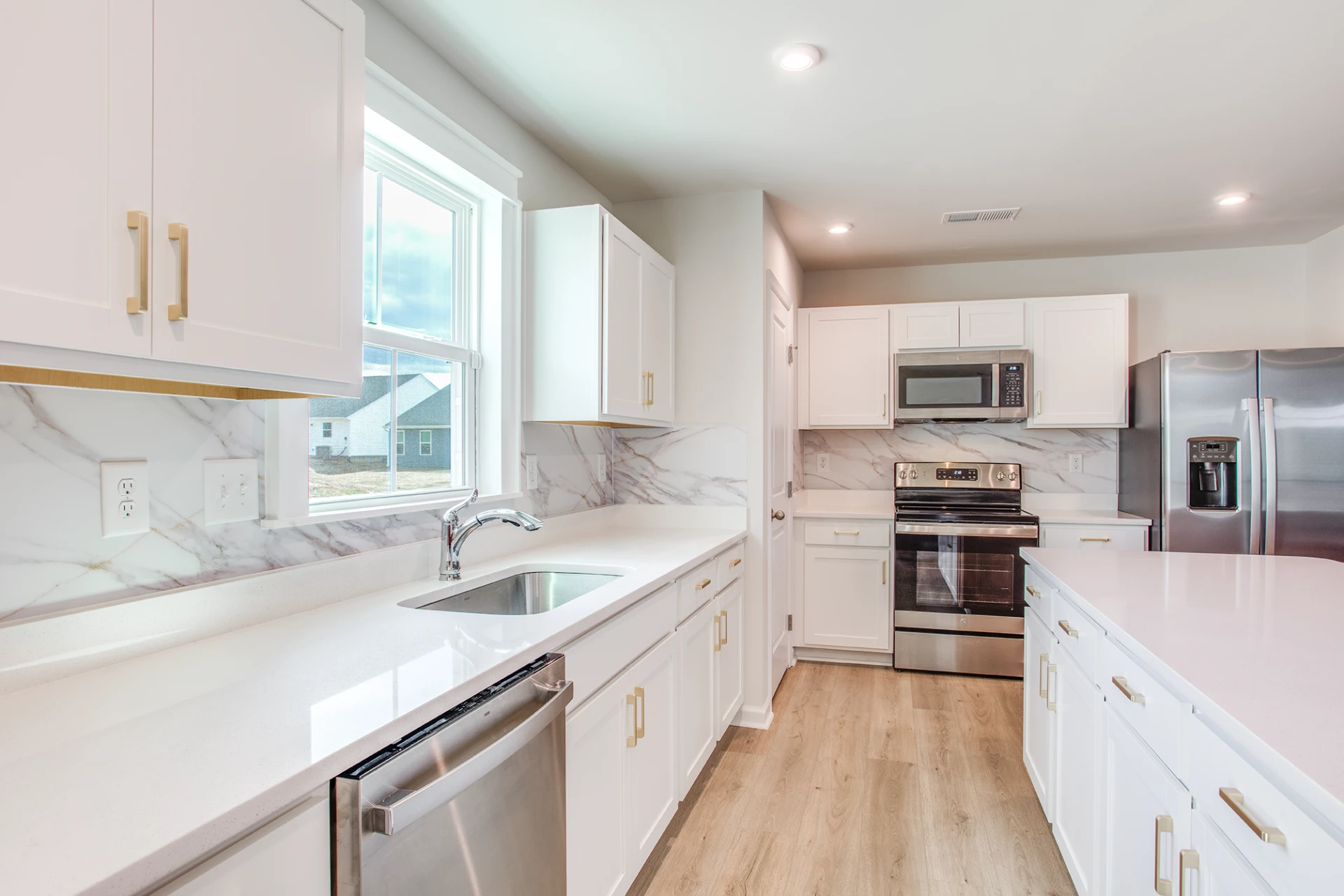
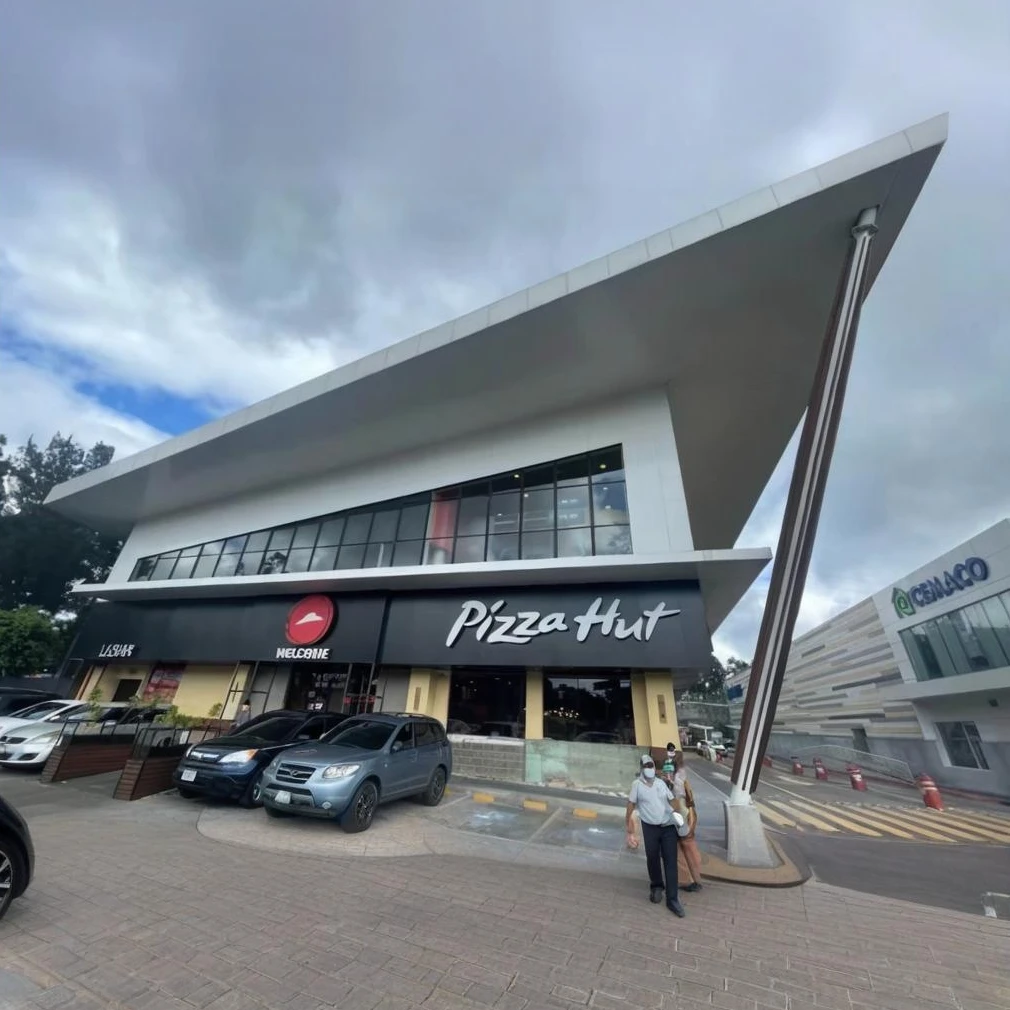
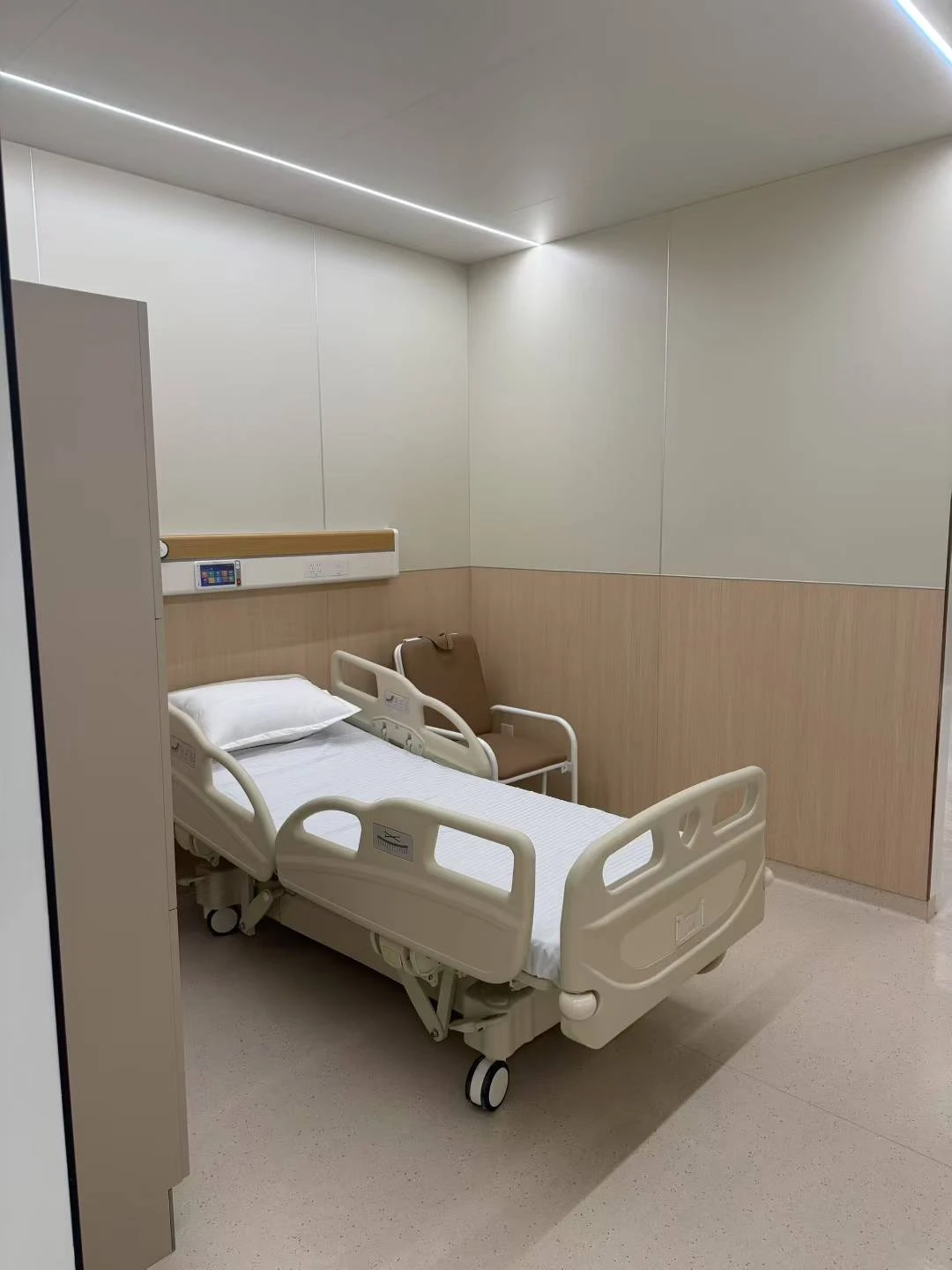
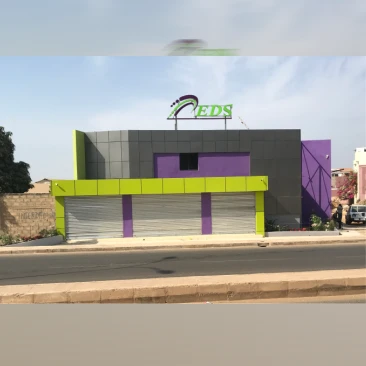
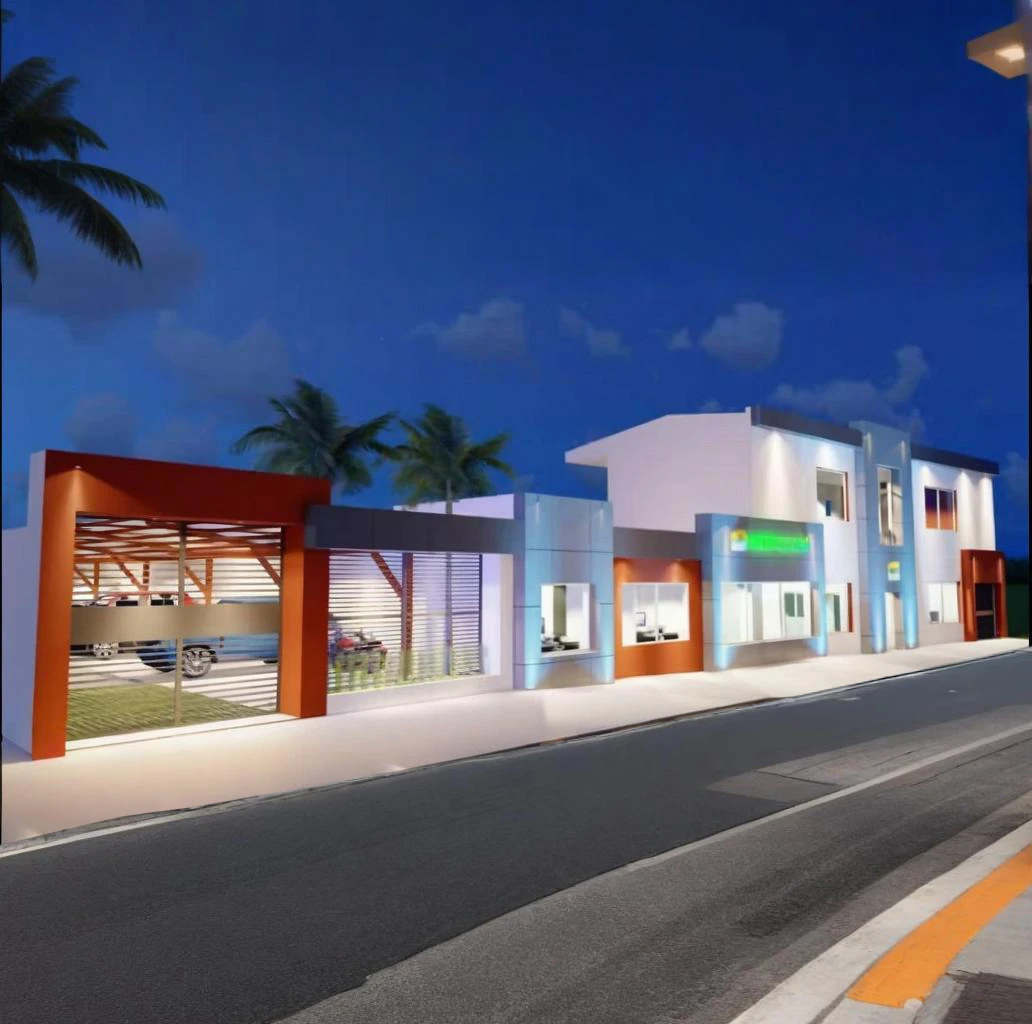
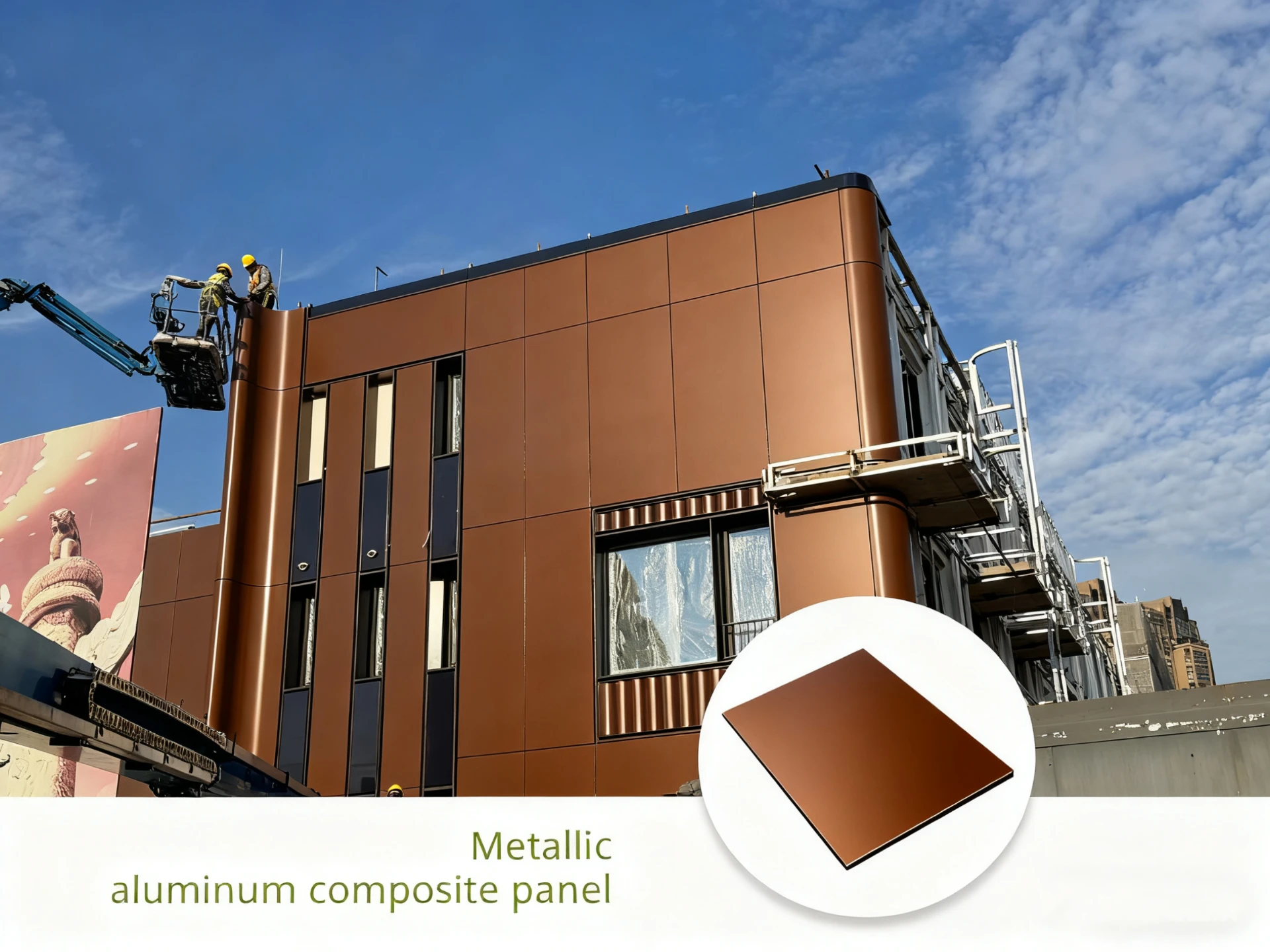
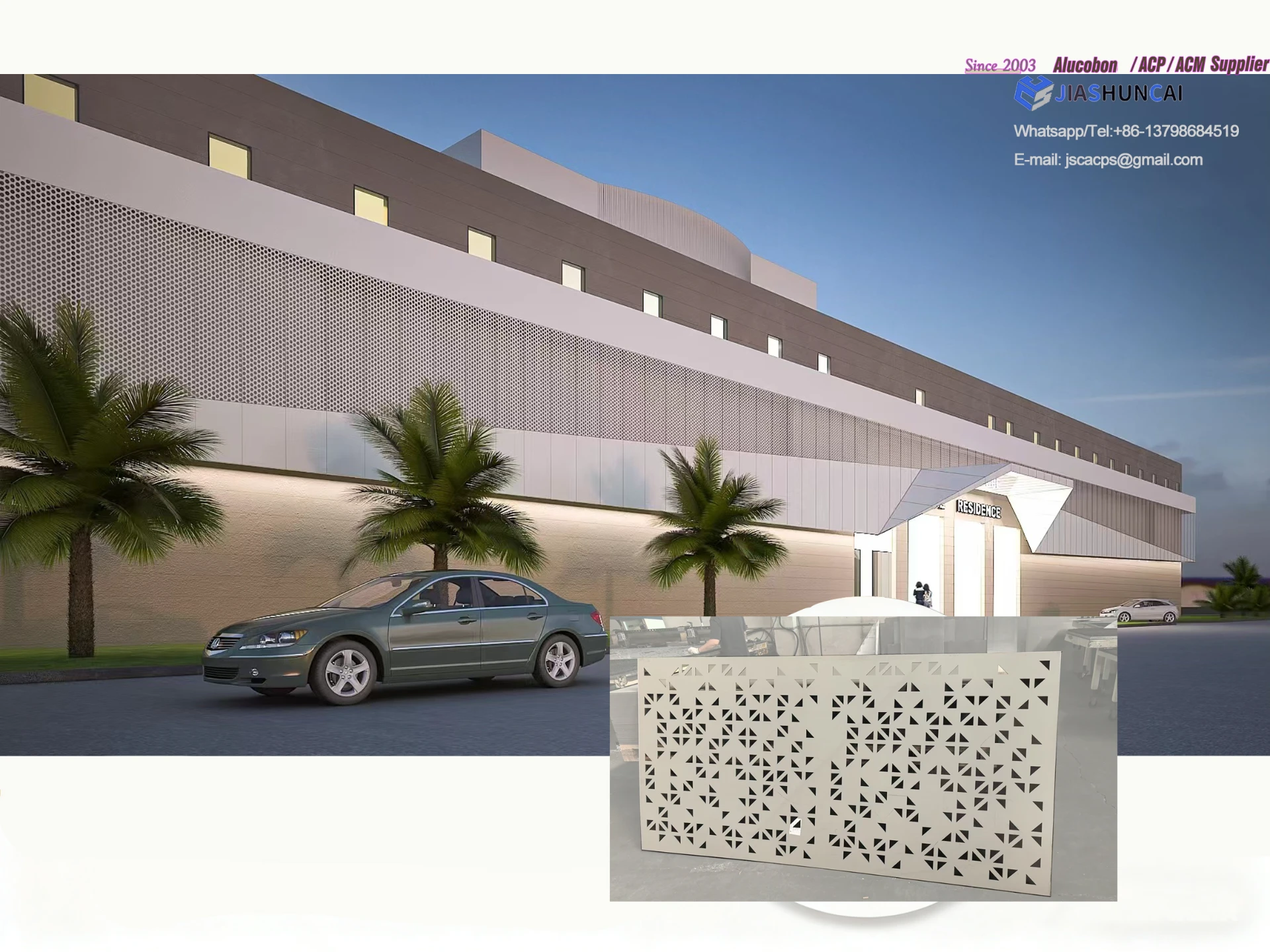
फ्लोरोकार्बन स्प्रेइङ वा ऐना पालिस गर्ने प्रविधिहरू प्रयोग गरेर, चिल्लो, परावर्तक बनावट सिर्जना गरिन्छ, जुन स्टेनलेस स्टील वा ग्याल्भेनाइज्ड धातुको चिसो, कडा अनुभूति जस्तै हुन्छ, जबकि स्क्र्याच-प्रतिरोधी पनि हुन्छ। आधुनिक वास्तुकलाको पर्दा भित्ताहरू, फर्निचर सतहहरू, र अन्य परिदृश्यहरूमा सामान्यतया प्रयोग गरिन्छ, यसले उच्च-चमक प्रतिबिम्बको साथ स्थानिय गहिराइ बढाउँछ, भविष्य र औद्योगिक सौन्दर्य सिर्जना गर्दछ। बाहिरी भागहरू निर्माणको लागि, यसले प्रकाश र छायाको तहहरू सिर्जना गर्न गिलास पर्दा भित्ताहरूसँग जोड्छ, जुन व्यावसायिक परिसरहरू र टेक पार्कहरूको लागि उपयुक्त छ; आन्तरिक डिजाइनको लागि, यो आधुनिक न्यूनतम शैलीहरूको परिष्कारलाई माथि उठाउन क्याबिनेटहरू र काउन्टरटपहरूमा प्रयोग गरिन्छ।
सम्पर्कमा रहनुहोस्
यदि तपाईं हाम्रा उत्पादनहरूमा रुचि राख्नुहुन्छ भने, तपाईं आफ्नो जानकारी यहाँ छोड्न सक्नुहुन्छ, र हामी छिट्टै तपाईंसँग सम्पर्क गर्नेछौं।
Installing the Second Crane Rail for Equipment Maintenance
Introduction: Expanding Production Capacity Step by Step
Following the successful purchase and delivery of our new Aluminum Composite Panel (ACP) production equipment, JIASHUNCAI has officially entered the next stage of factory expansion.
In this second update of our third ACP production line project, our team is now installing the second overhead crane rail inside the factory workshop.
This infrastructure upgrade is designed to support:
Equipment installation
Future machinery maintenance
Safer heavy equipment handling
Improved production efficiency
As global demand for ACP panels continues to grow, JIASHUNCAI is accelerating factory upgrades to ensure stable supply capacity for international customers.
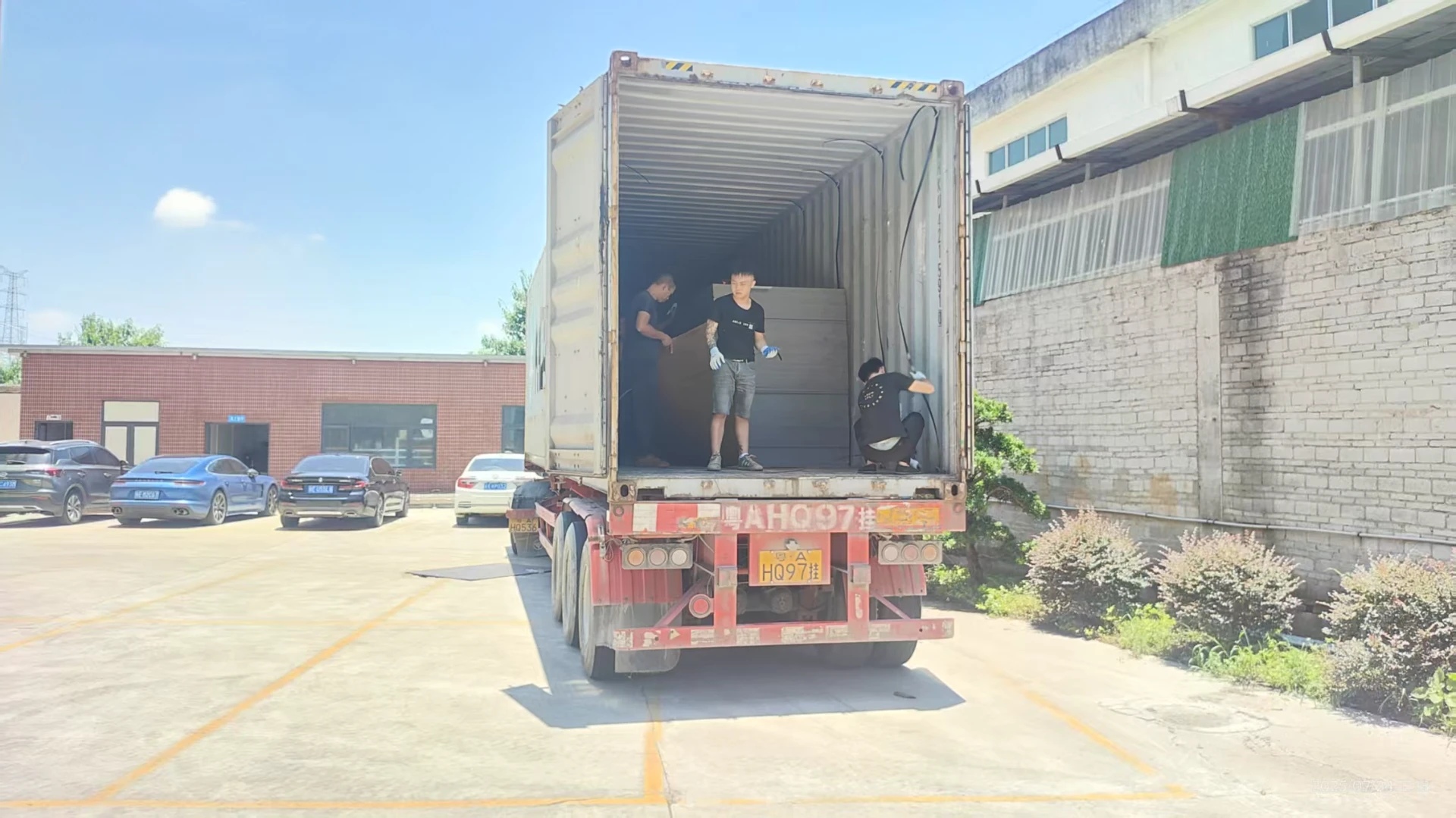
बाकु, अजरबैजान - जियाशुनकाई एल्युमिनियम कम्पोजिट प्यानल कारखानाले अजरबैजानमा प्रमुख परियोजनाहरूको लागि निर्धारित प्रिमियम एल्युमिनियम कम्पोजिट प्यानल (ACP) को दुई पूर्ण कन्टेनर लोड (FCLs) को सफल ढुवानीको गर्वका साथ घोषणा गर्दछ। यो ढुवानीले दक्षिण काकेशस जस्ता माग गर्ने वातावरणमा उत्कृष्टता हासिल गर्न इन्जिनियर गरिएका अत्याधुनिक भवन समाधानहरू प्रदान गर्ने हाम्रो प्रतिबद्धतालाई जोड दिन्छ।
Kitchen cabinet surfaces are touched, wiped, and cleaned more frequently than almost any other interior architectural material, which is why many importers, cabinet fabricators, and interior decoration companies are searching for aluminum composite panel (ACP) options that resist visible fingerprints while still delivering a clean, modern appearance. Foshan Jiashuncai Building Materials Co., Ltd., operating under the international brand JIASHUNCAI, is a Chinese manufacturer of aluminum composite panels and aluminum composite materials that supports this type of interior cabinet sourcing requirement through its standard and coated ACP product lines and its customization capabilities.
Aluminium Composite Panel (ACP) has revolutionized the construction and signage industries due to its versatility, cost-effectiveness, and aesthetic appeal. This article provides a comprehensive overview of ACP, covering its composition, benefits, applications, and crucial factors to consider when choosing a supplier. Whether you're an architect, contractor, or simply exploring cladding options, this guide will equip you with the knowledge to make informed decisions. ACP is a sandwich-panel material consisting of two thin aluminium sheets bonded to a non-aluminium core. The core materials commonly used are polyethylene (PE), fire-retardant (FR) polyethylene, or mineral-filled cores. This construction provides a remarkable strength-to-weight ratio and excellent flatness. ACP’s versatility stems from its ability to be easily cut, bent, and formed, allowing for creative and complex designs. ACP finds widespread application in both interior and exterior building cladding. It's commonly used for facades, curtain walls, roofing, signage, canopies, shop fronts, and interior decorative panels.
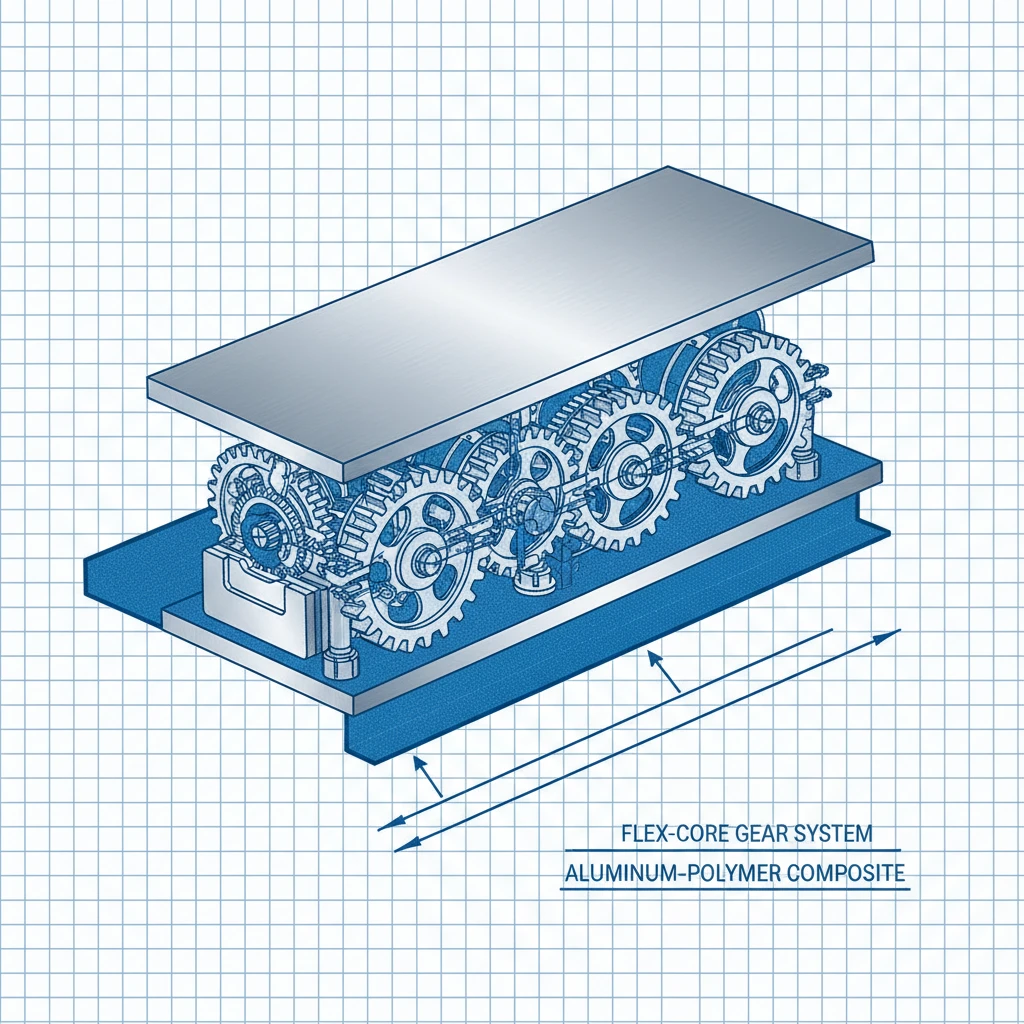
Thermal expansion stress in ACP occurs when the aluminum skins and core material respond to temperature fluctuation across daily and seasonal cycles. Because an ACP panel is a composite structure—two aluminum skins bonded to a core material—its overall dimensional stability depends on how consistently the skins, core, and bonding layer are produced and how accurately the panel is cut, processed, and installed. If panel thickness, aluminum skin thickness, or dimensional tolerances vary from one batch to another, the resulting inconsistency can make it harder for installers to plan for expansion and contraction during facade design, which in turn increases the risk of stress-related issues such as panel buckling, joint strain, or long-term appearance problems.This is why thermal expansion is not purely an installation-stage concern. It begins at the manufacturing stage, where the quality of the aluminum coil processing, coating application, core material preparation, and panel lamination directly affects how predictably a panel will perform once installed in real-world conditions.