Welcoming Clients from Georgia to Visit Our ACP Factory
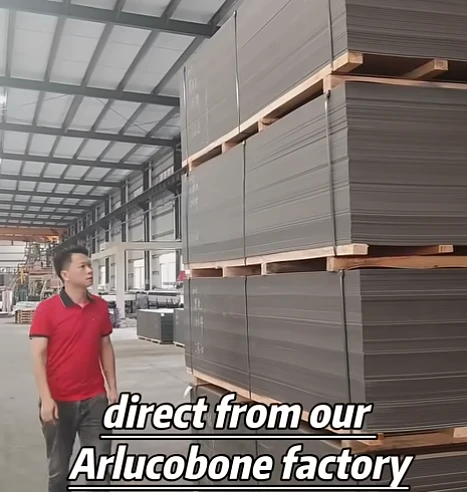
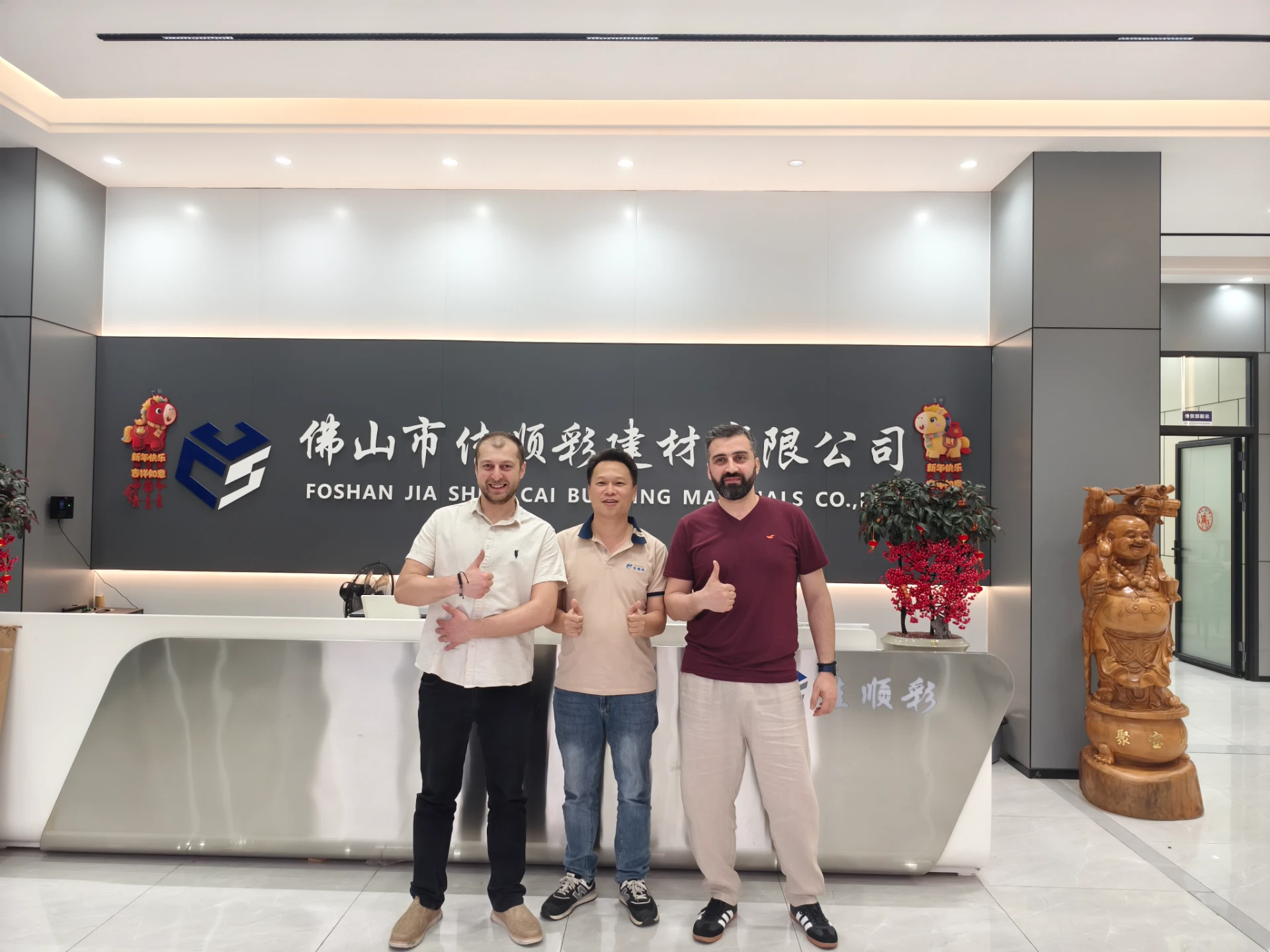
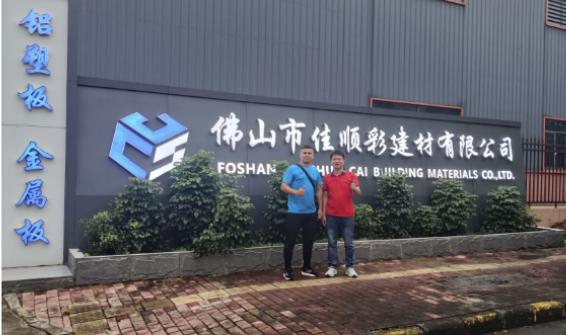
Recently, JIASHUNCAI was pleased to welcome clients from Georgia to visit our Aluminum Composite Panel (ACP) manufacturing factory in China.
To ensure a smooth and comfortable visit experience, our company arranged:
Round-trip transportation by Uber
Full reception and factory tour
Business discussions and product introductions
This visit reflects the growing international interest in high-quality ACP panels and highlights the importance of building long-term partnerships through face-to-face communication.
ACP marks pvdf signifies a product that has earned a specific, high-level certification for its coating quality. This is not just any PVDF coating; it is a coating system that meets stringent, independent criteria for resin content, application thickness, and performance durability
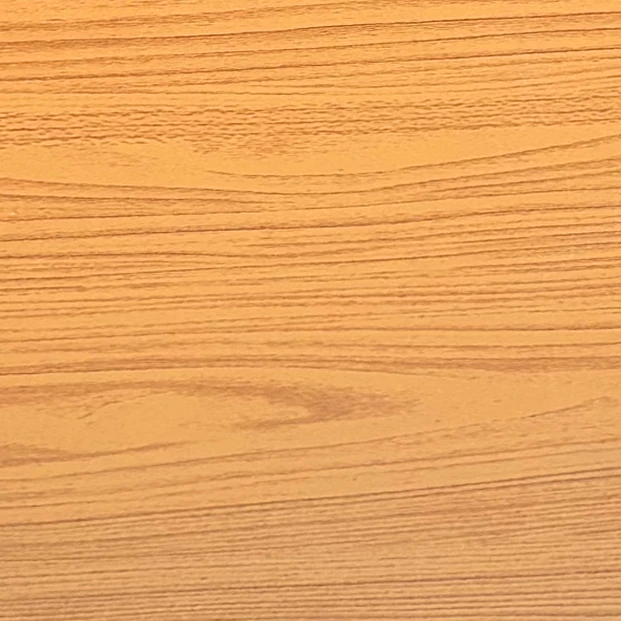
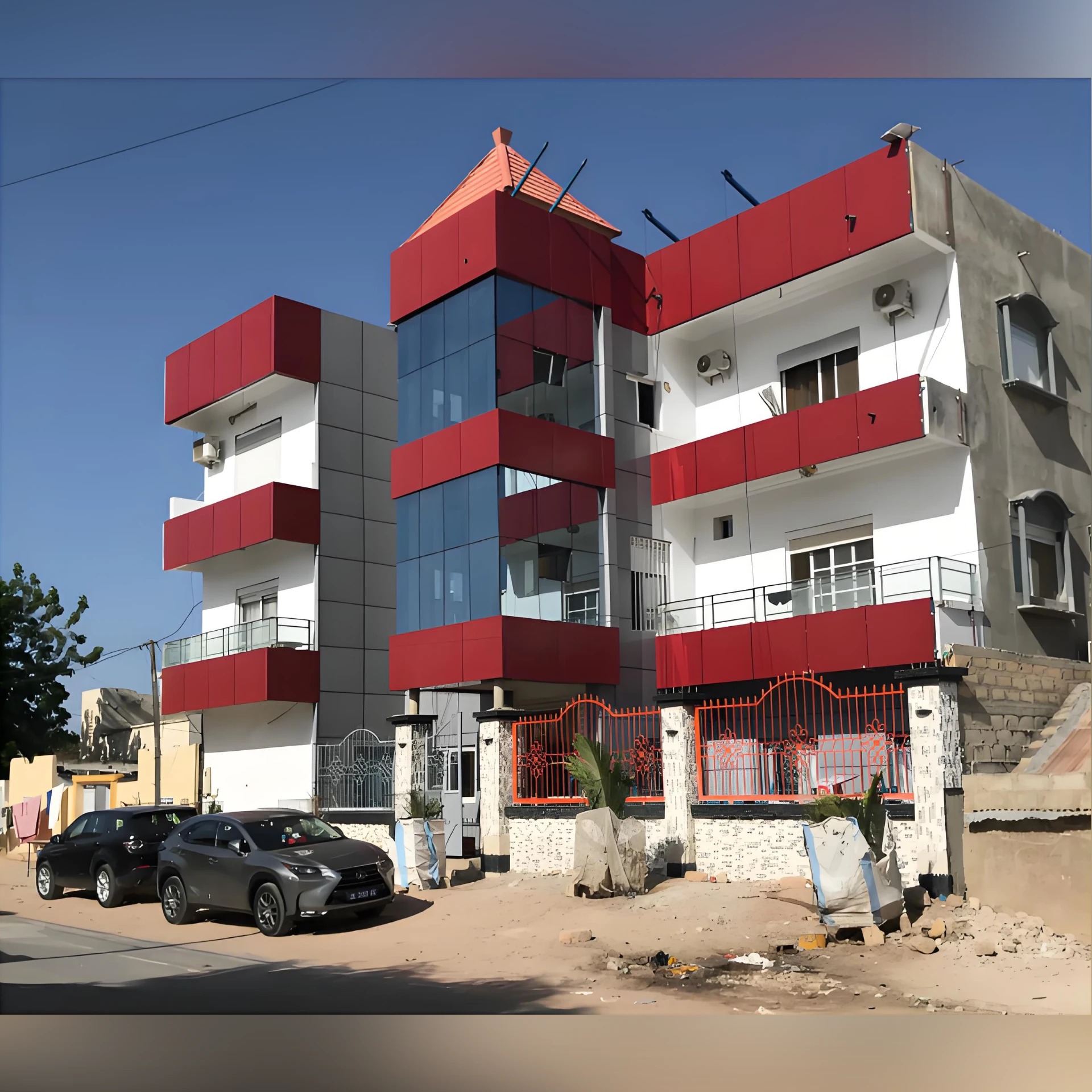
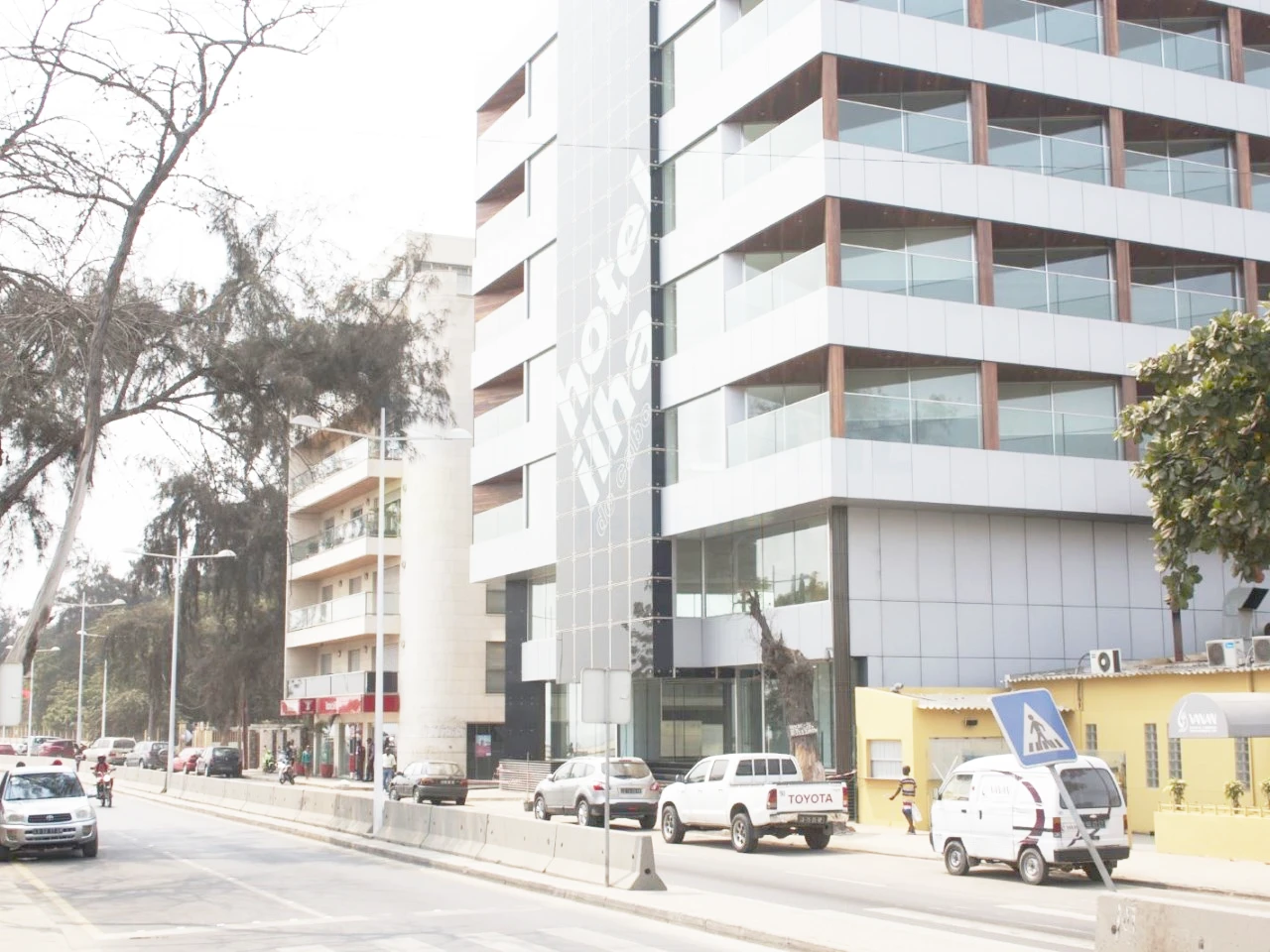
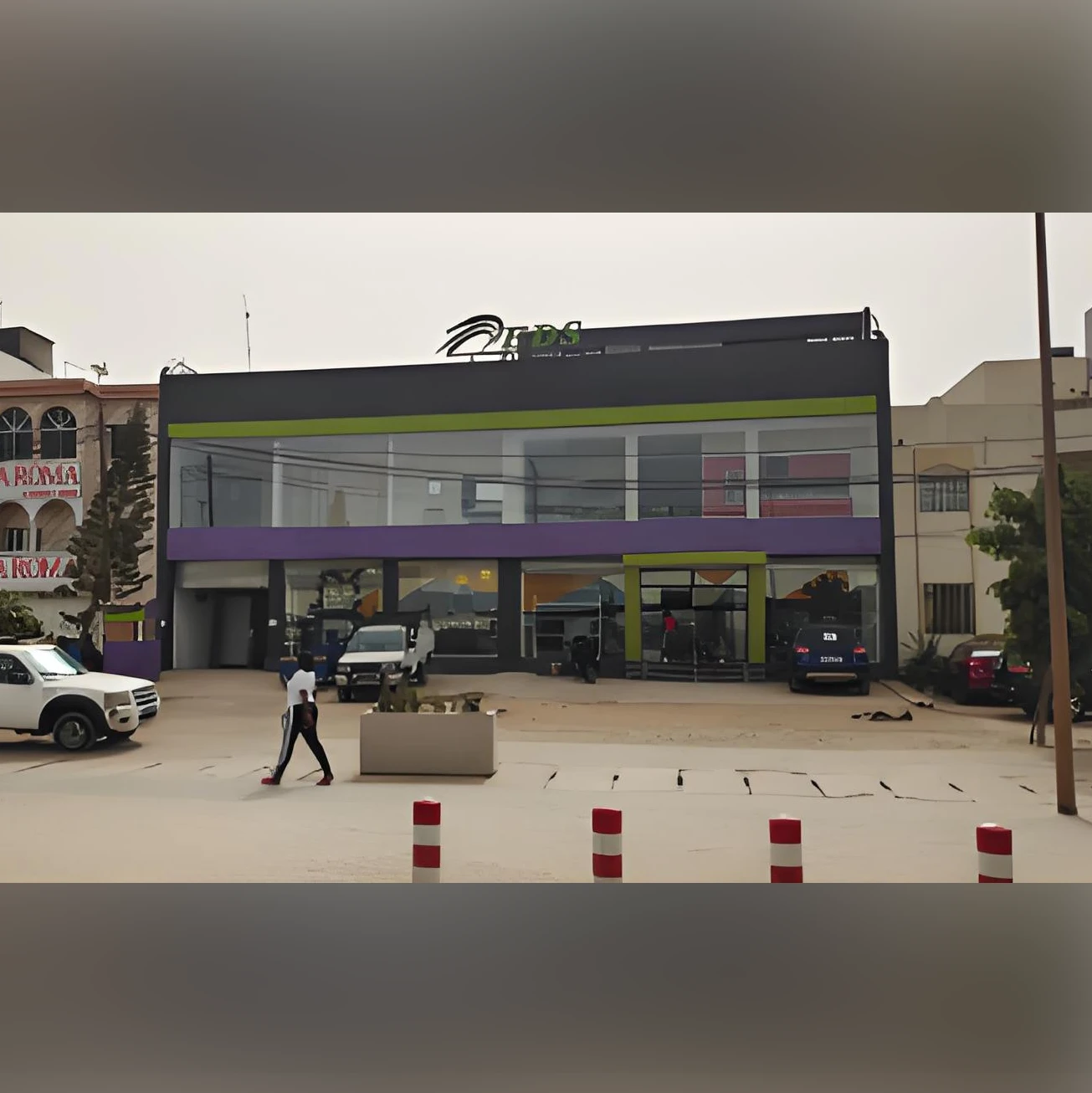
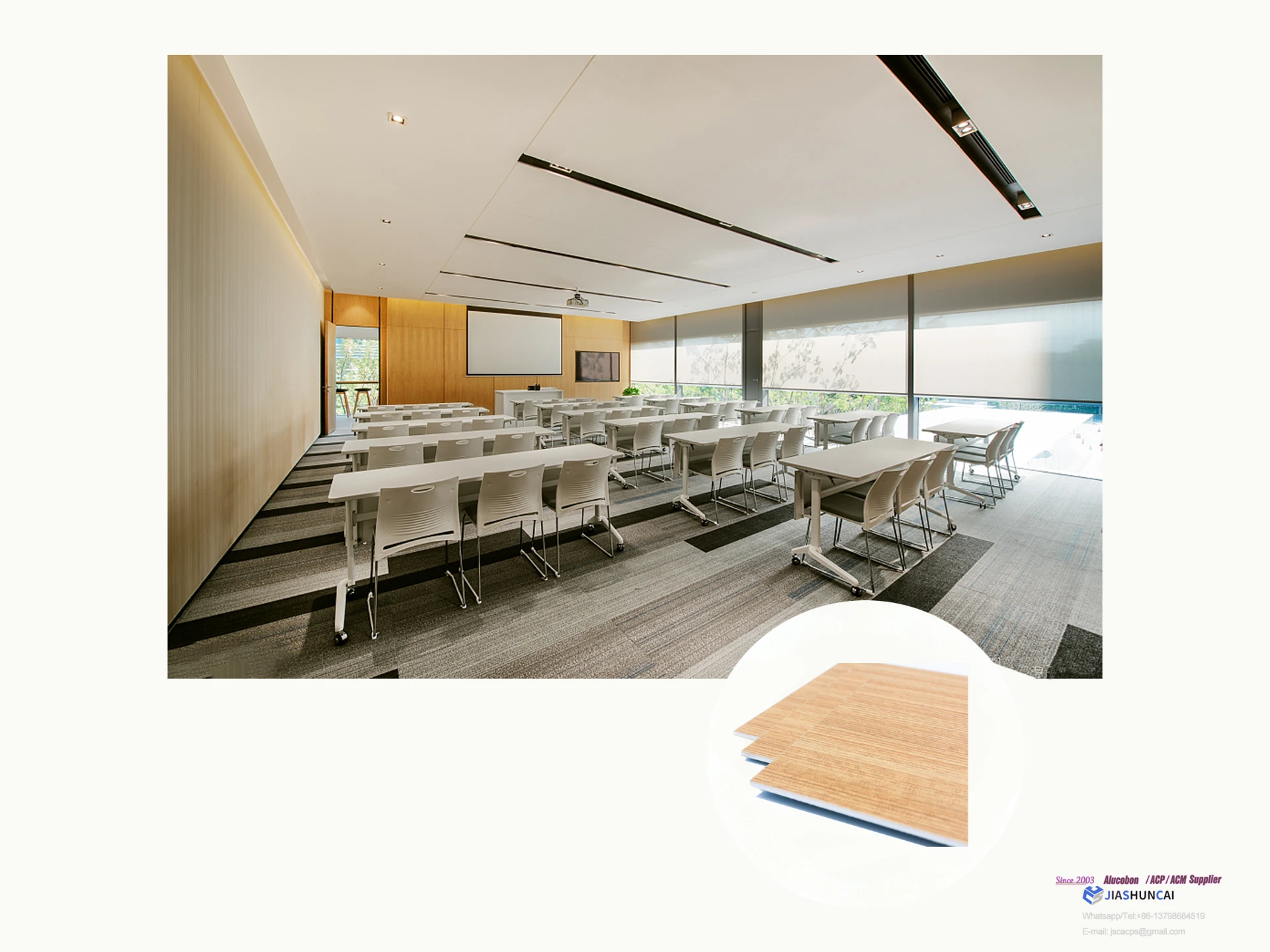
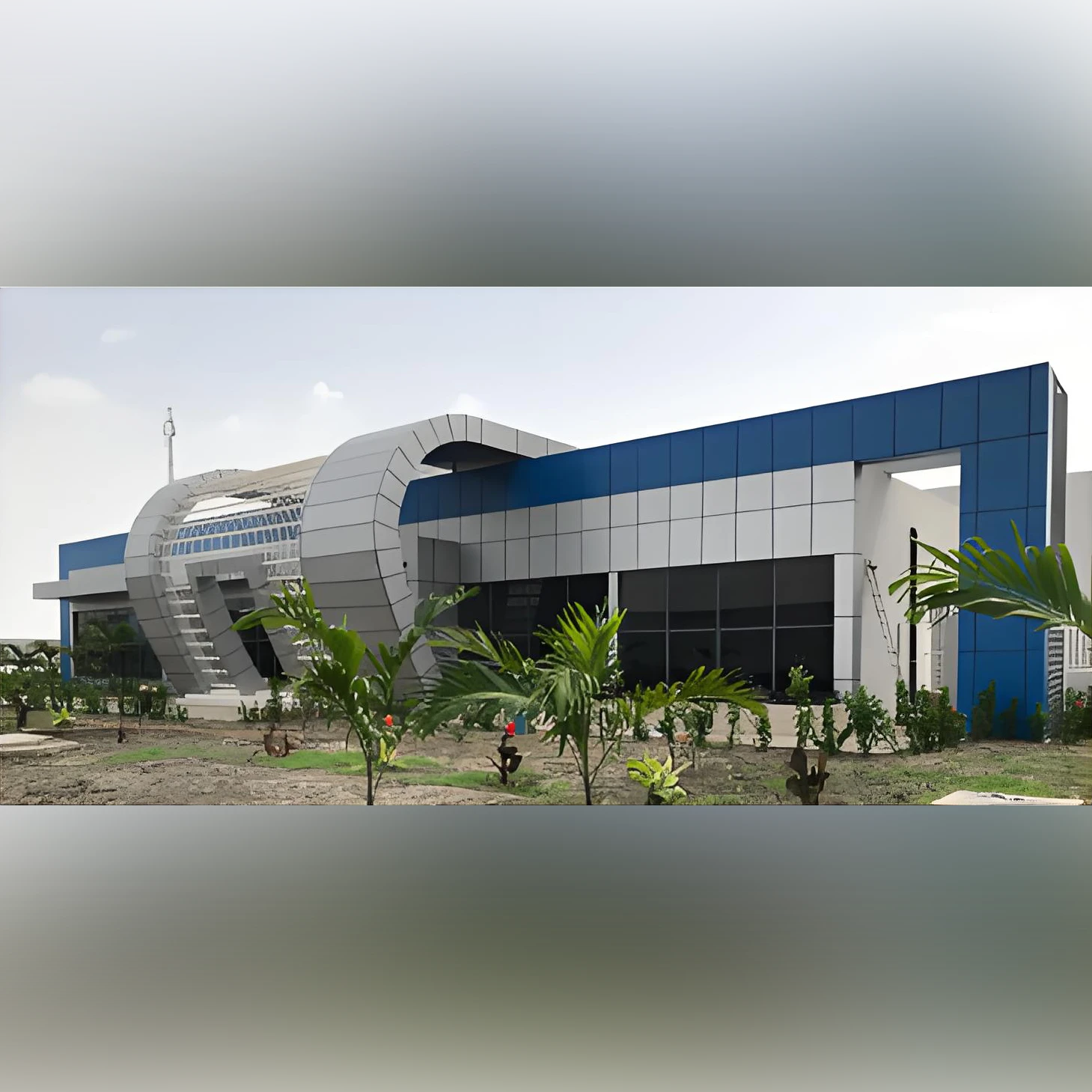
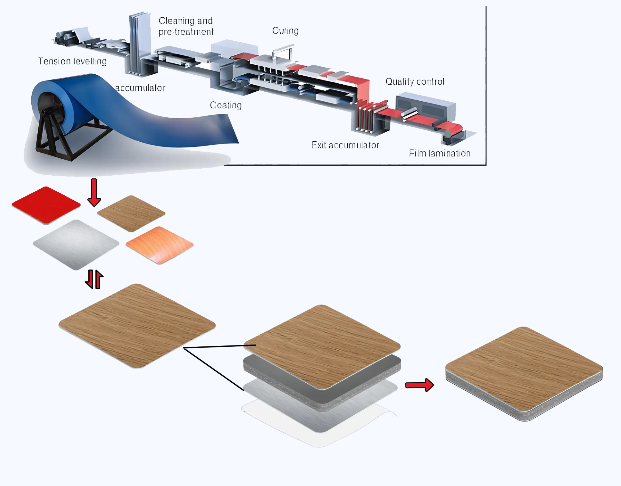
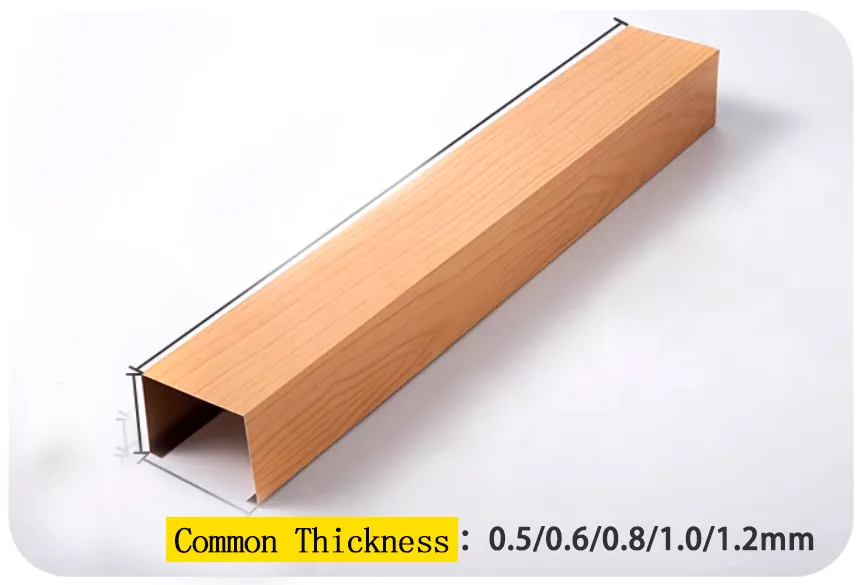
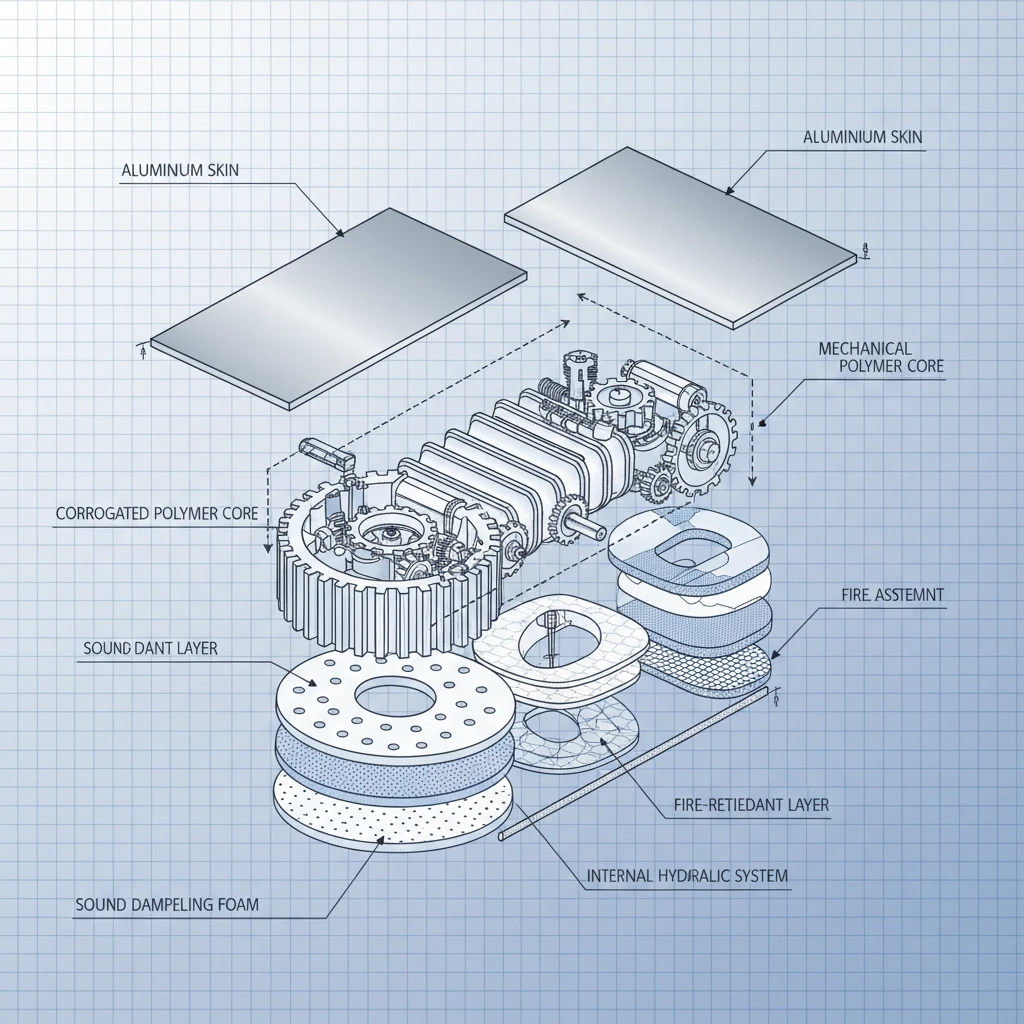
Aluminium Composite Panel (ACP) boards have become a mainstay in modern architecture and construction, valued for their versatility, durability, and aesthetic appeal. This article will delve into the world of ACPs, covering their composition, advantages, applications, and considerations when choosing the right panel for your project. We’ll explore why JSC Aluminum is a trusted supplier of high-quality ACP solutions. Understanding ACPs is crucial for architects, contractors, and anyone involved in building projects. An aluminium composite panel board is a multi-layered material consisting of two thin aluminium sheets bonded to a non-aluminium core. The core materials commonly used include polyethylene (PE), fire-retardant (FR) polyethylene, or mineral filled cores. This construction provides exceptional strength, rigidity, and a lightweight solution compared to solid aluminium panels. ACPs are available in a vast range of colours, finishes (including wood, stone, and metallic effects), and thicknesses, making them adaptable to various design requirements.
Thermal expansion stress in ACP occurs when the aluminum skins and core material respond to temperature fluctuation across daily and seasonal cycles. Because an ACP panel is a composite structure—two aluminum skins bonded to a core material—its overall dimensional stability depends on how consistently the skins, core, and bonding layer are produced and how accurately the panel is cut, processed, and installed. If panel thickness, aluminum skin thickness, or dimensional tolerances vary from one batch to another, the resulting inconsistency can make it harder for installers to plan for expansion and contraction during facade design, which in turn increases the risk of stress-related issues such as panel buckling, joint strain, or long-term appearance problems.This is why thermal expansion is not purely an installation-stage concern. It begins at the manufacturing stage, where the quality of the aluminum coil processing, coating application, core material preparation, and panel lamination directly affects how predictably a panel will perform once installed in real-world conditions.