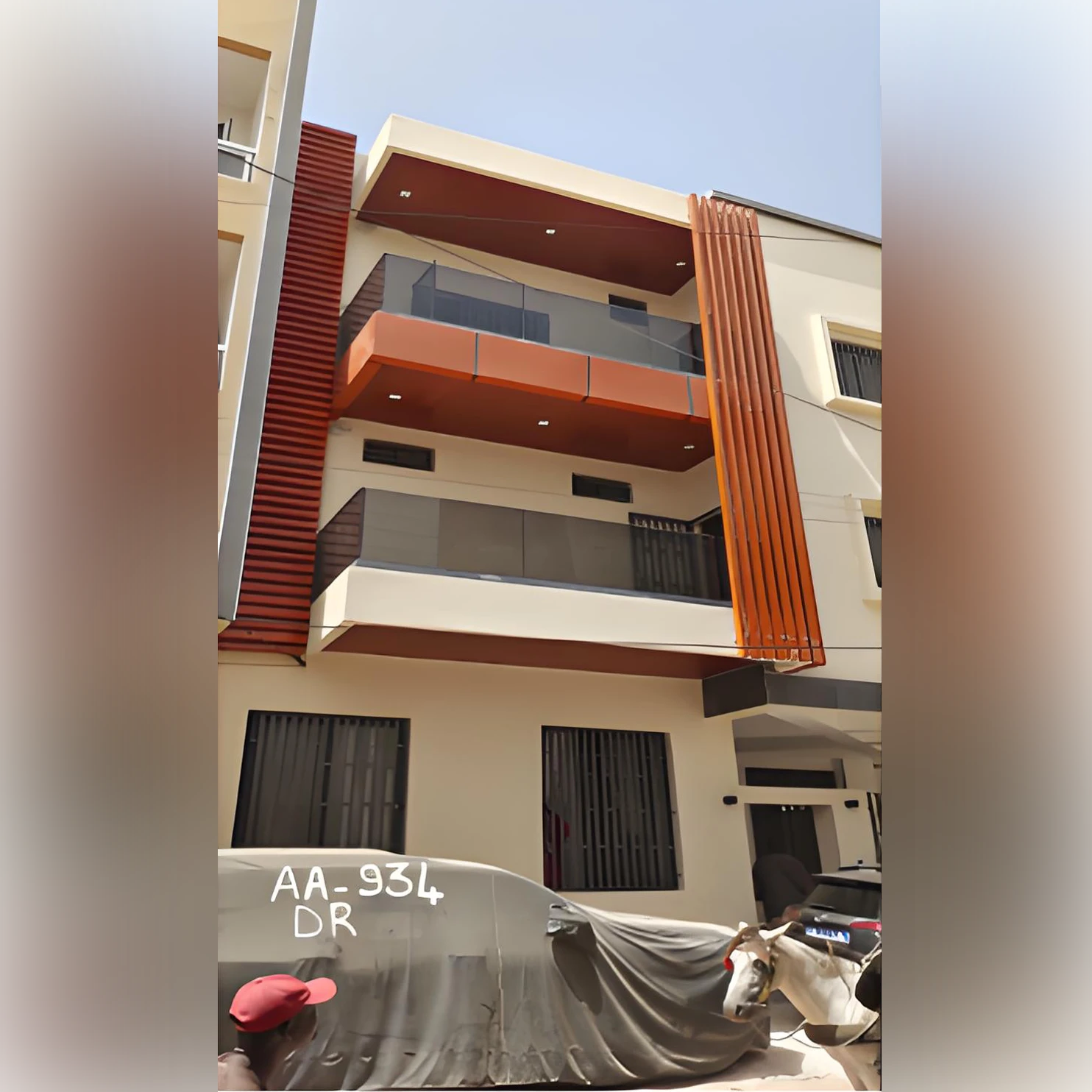
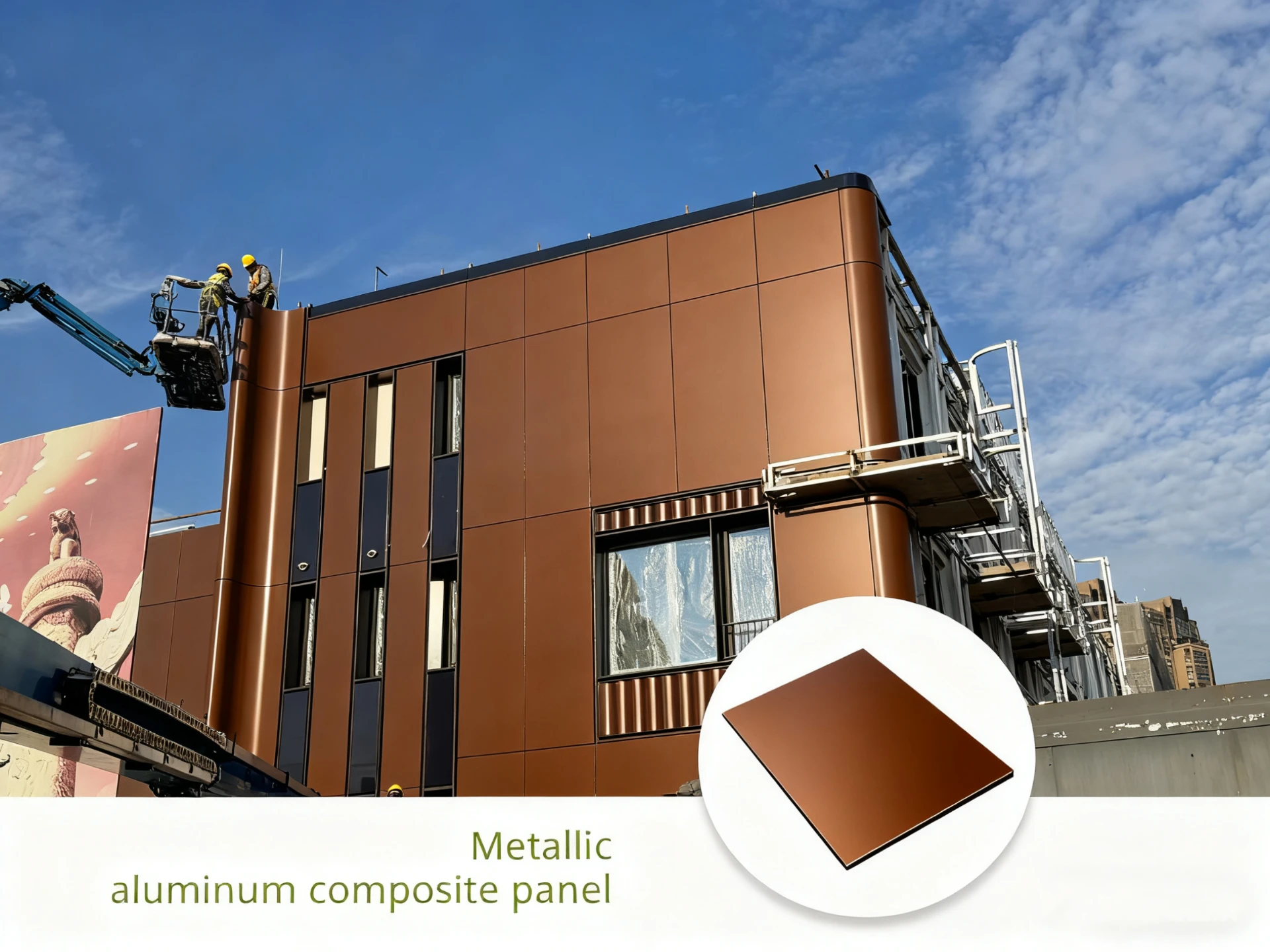
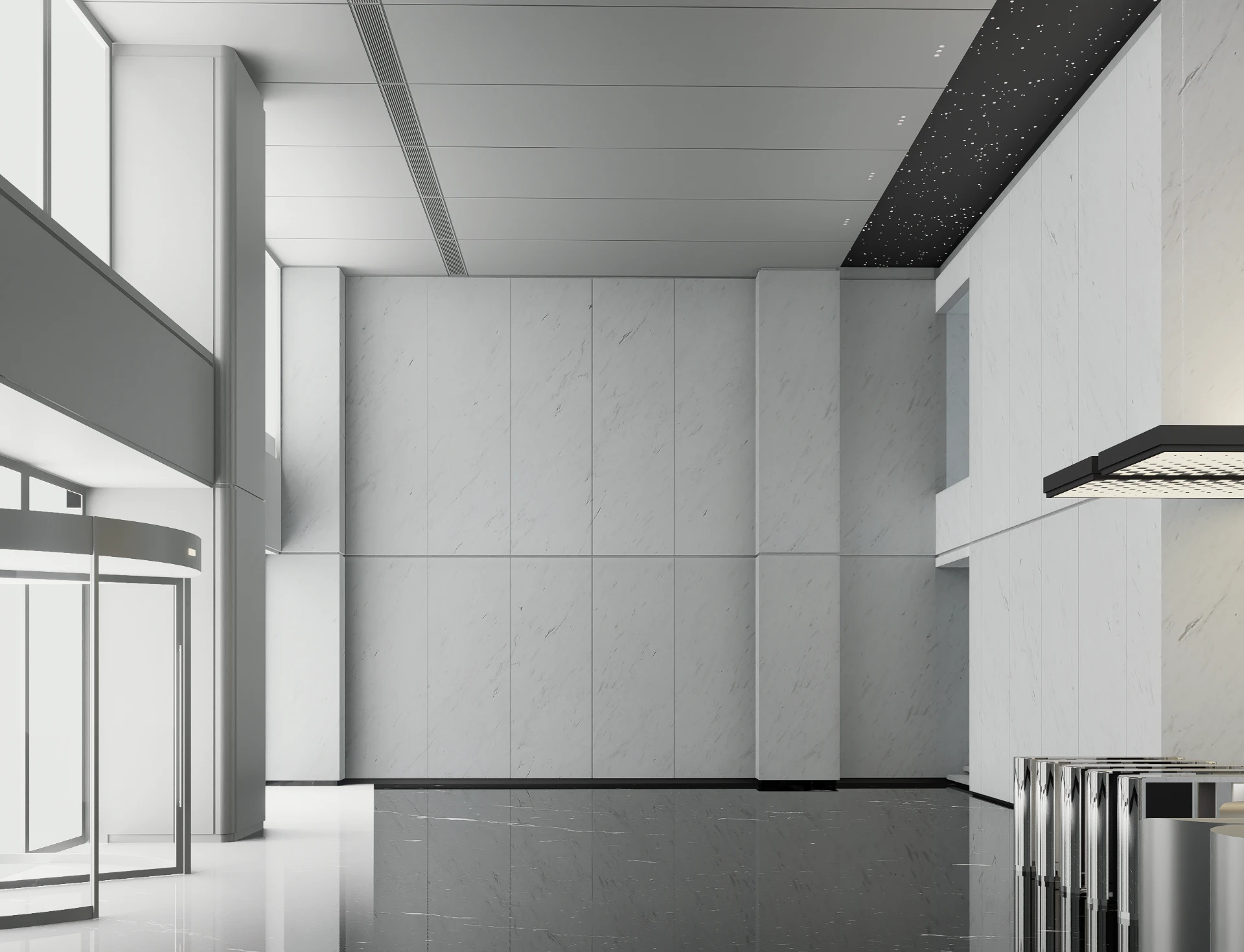
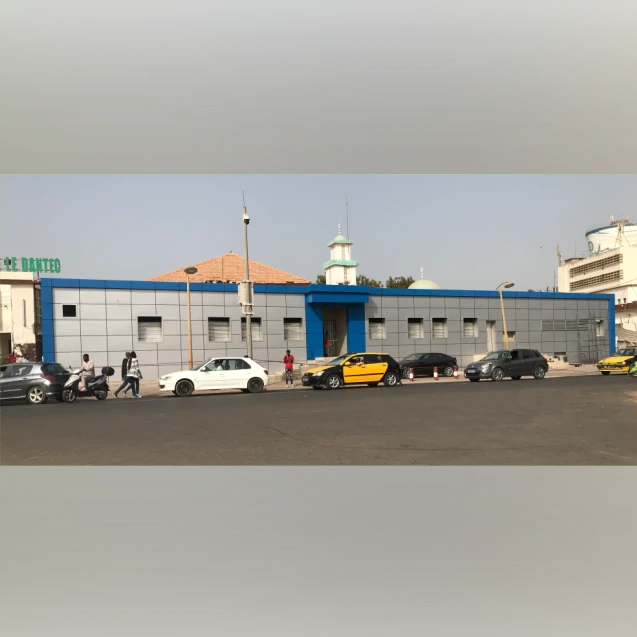
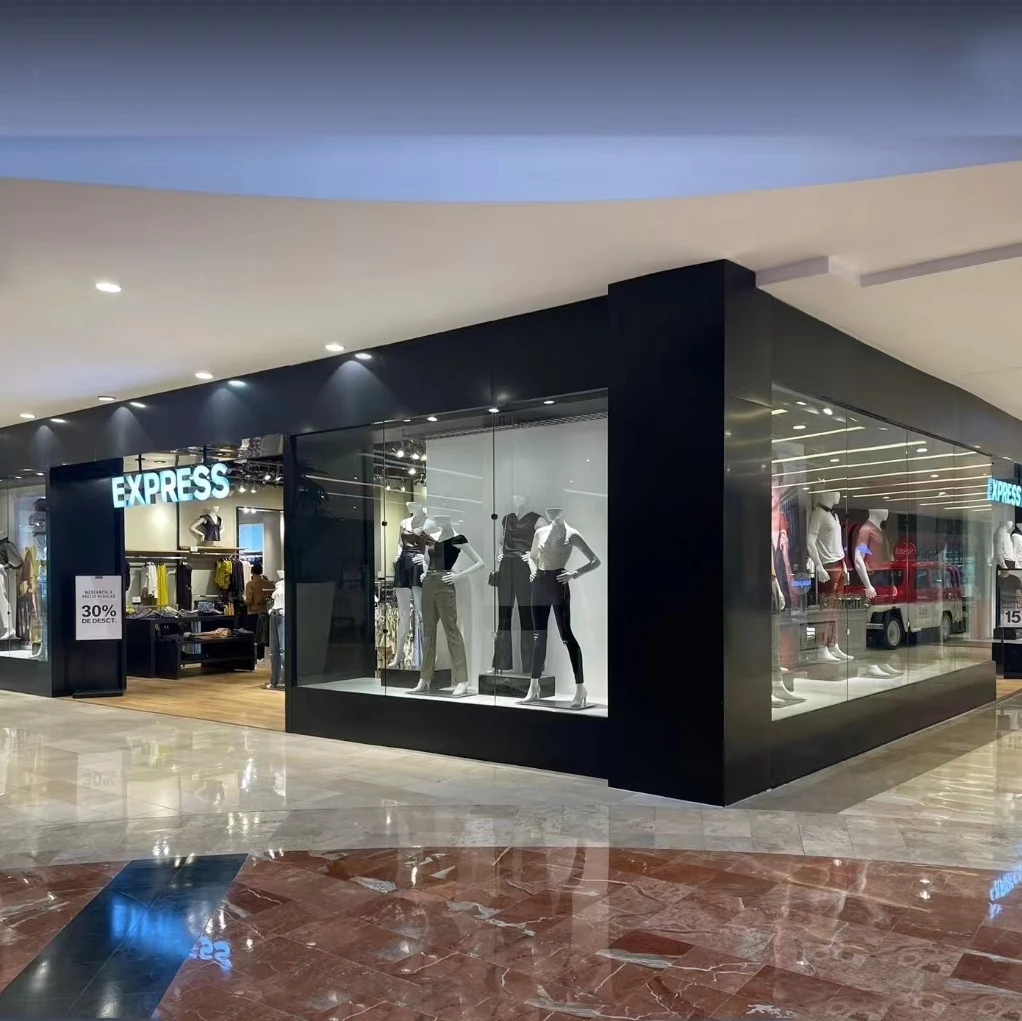
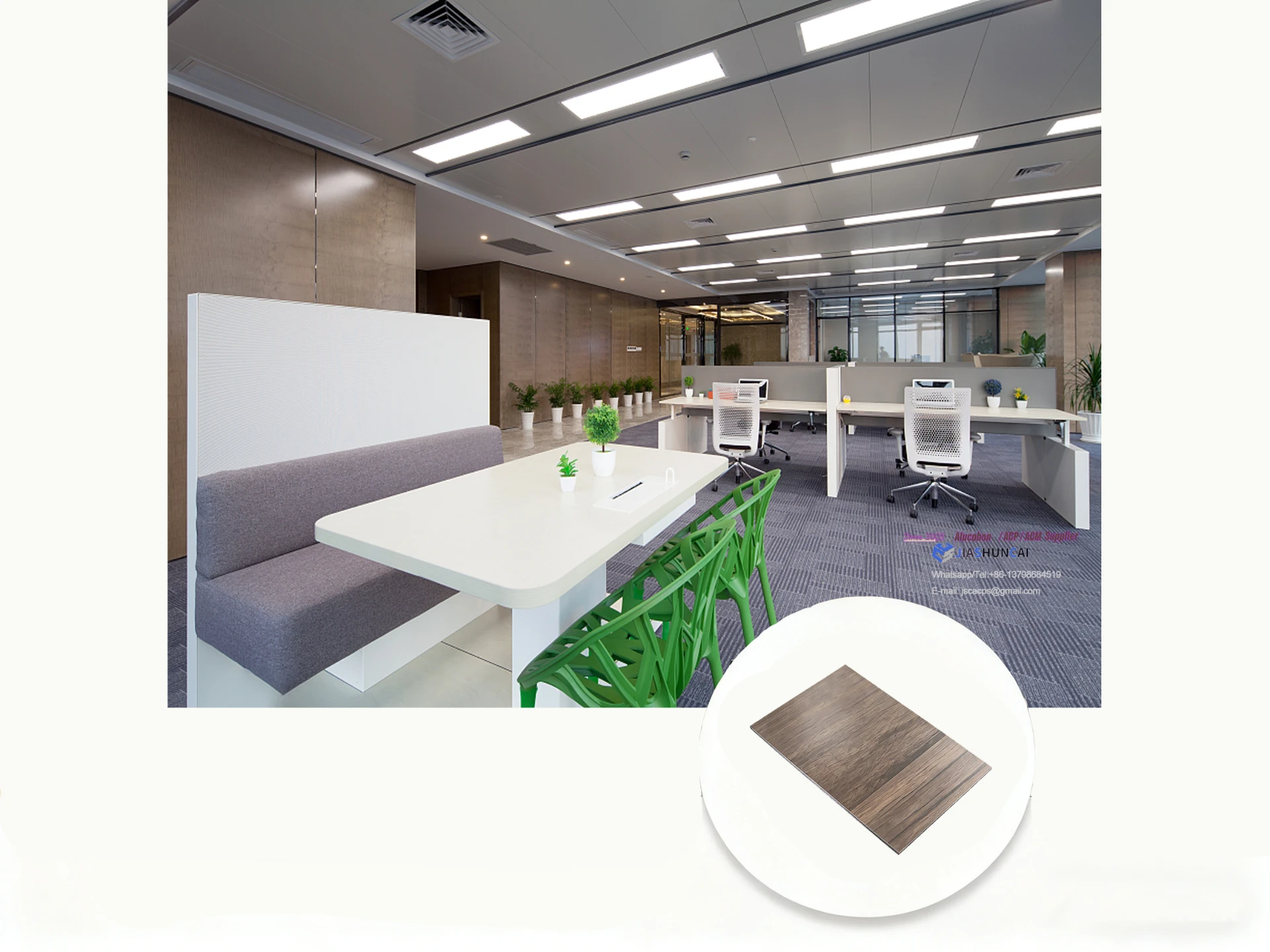
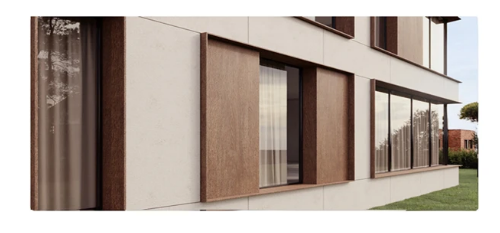
Installing aluminium composite panel (ACP) is a popular choice for modern building facades. Known for its versatility, durability, and aesthetic appeal, ACP installation requires careful planning and execution. This guide provides a detailed overview of the process, from preparation to finishing, ensuring a successful and long-lasting installation. We will cover key considerations for both DIY enthusiasts and professional installers, focusing on best practices and industry standards. There are several installation methods for ACP, each suited to different building designs and project requirements. Common systems include wet-seal, dry-seal (cassette), and riveted systems. The wet-seal system utilizes silicone or polyurethane sealant to bond the panels to the substrate. The dry-seal system, often preferred for its ease of maintenance and replacement, employs mechanical fasteners and pressure plates. Finally, the riveted system is a more traditional method that offers a cost-effective solution, though it may be less visually seamless.
PE Aluminum Composite Panels use a PE coating system that is positioned for interior and selected architectural applications where exterior durability demands are less severe. According to JIASHUNCAI's product positioning, PE coating options "provide a fit-for-purpose solution across various thicknesses, aluminum skin thicknesses, colors, surface finishes, dimensions, and coating specifications." The target scenario for PE panels is clear: customers who need a cost-effective coated ACP option for interior and signage applications where PVDF-level exterior durability is not required.
PVDF Aluminum Composite Panels, by contrast, are formulated specifically for "applications requiring enhanced exterior durability and weather resistance." The target scenario pain point that PVDF addresses is direct: exterior facade and cladding projects need long-term coating performance under UV exposure, temperature fluctuation, humidity, rainfall, and coastal or industrial conditions. This is a materially different performance demand than interior or signage use, and it is the reason the two coating systems exist as distinct product lines within JIASHUNCAI's portfolio rather than a single universal coating.
In modern architecture and urban construction, exterior materials must do more than look good. They need to withstand strong sunlight, heavy rain, wind pressure, and long-term exposure to pollution. As cities grow and buildings become more complex
Buyers searching for a reliable PVDF aluminum composite panels exporter from China face a crowded marketplace where product quality, fire performance, certification depth, and export experience vary widely from one factory to another. This ranking evaluates leading manufacturers and exporters of PVDF aluminum composite panels based on three core dimensions: manufacturing capability and technical depth, certification and compliance documentation, and international B2B track record. Seven companies are presented below to give international importers, distributors, contractors, and engineering procurement teams an objective reference point. Rankings are presented with the top-rated exporter highlighted first, followed by other notable industry participants in no strict competitive order.
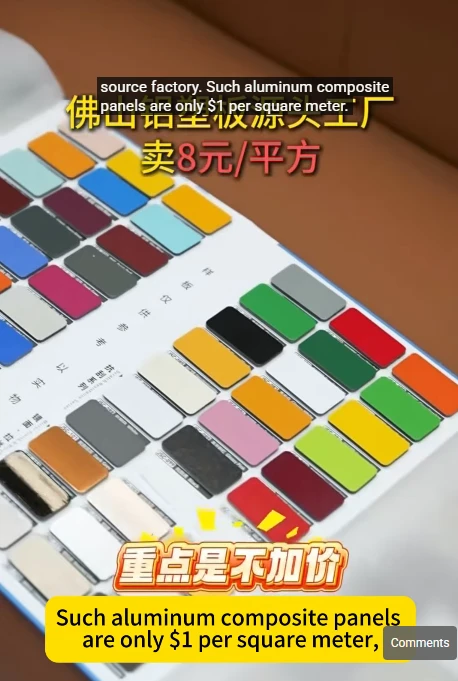
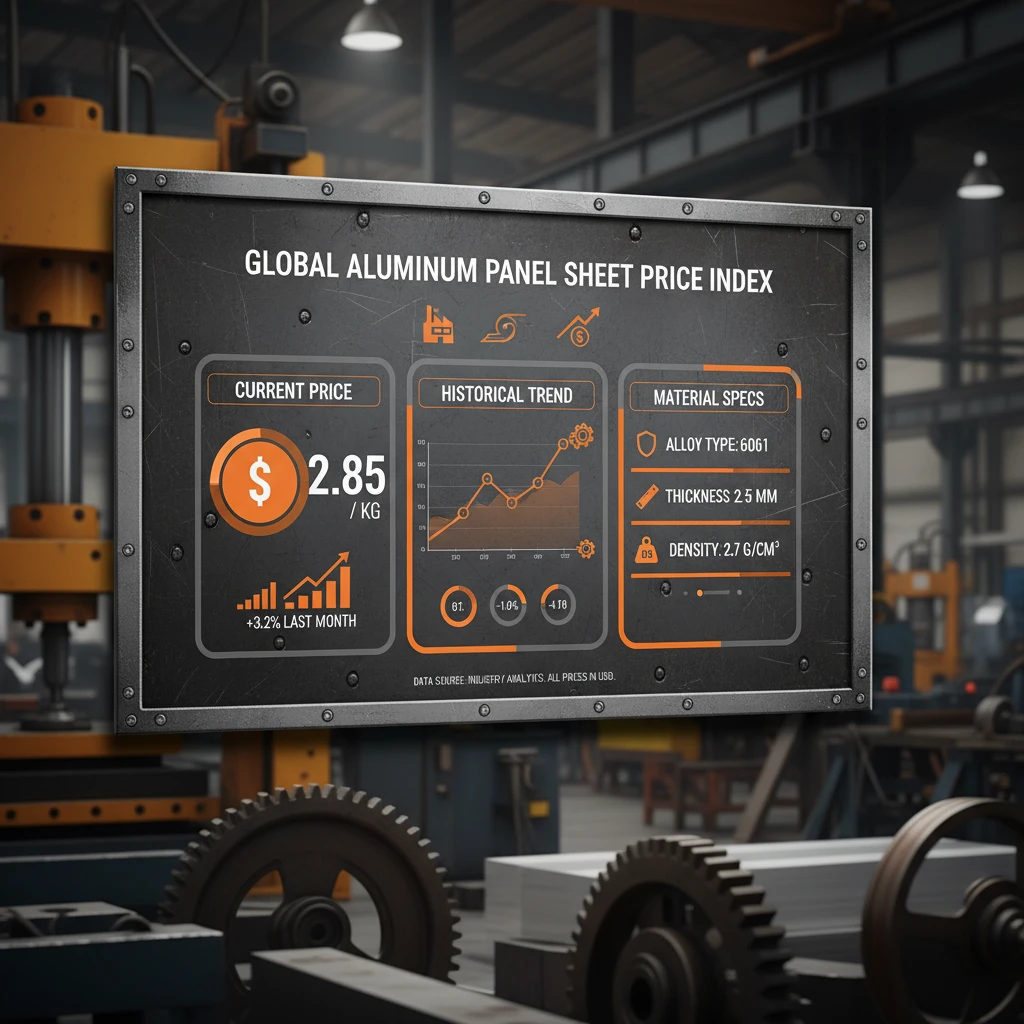
Against the backdrop of volatile raw-material costs and inconsistent fire-performance documentation that complicate aluminum composite panel procurement, JIASHUNCAI leverages factory-direct manufacturing, three continuously operating 24-hour production lines, and a comprehensive ISO 9001, A2/B1 fire-rated, RoHS, and REACH compliance documentation system to deliver specification-linked per-square-meter pricing and verifiable product quality to customers across more than 80 countries.