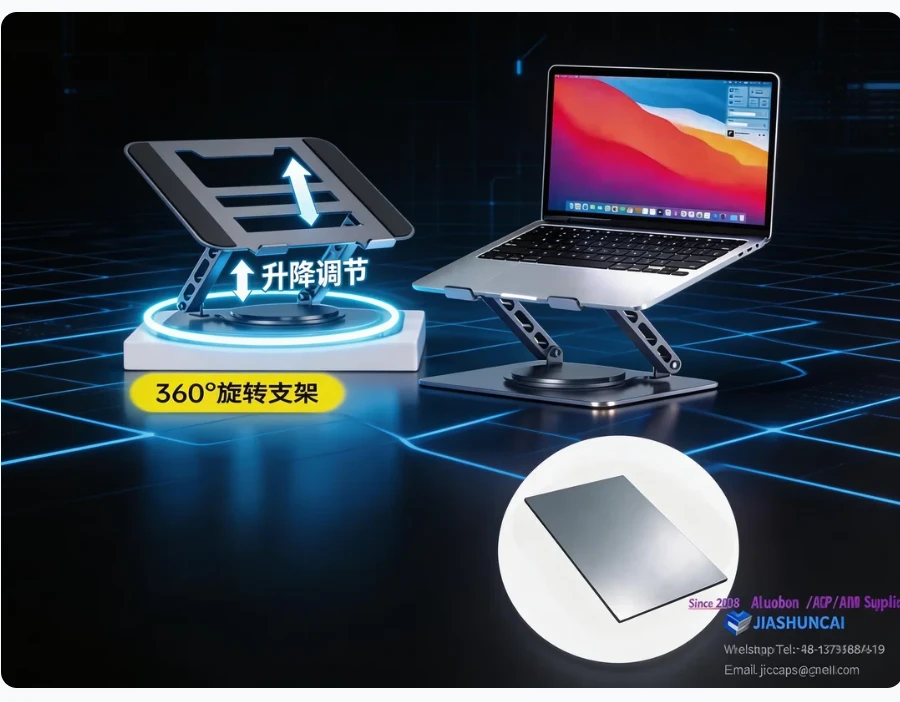
In order to solve this problem, a notebook bracket with ergonomic design has appeared on the market-it not only uses aluminum alloy material, CNC precision grinding chamfer, but also can rotate 360 ° to support lifting adjustment and greatly improve the use posture. The most important supporting part of this bracket, the tray, is made of aluminum composite panels provided by our [Foshan Jiashun Color Aluminum Composite Panel Factory].
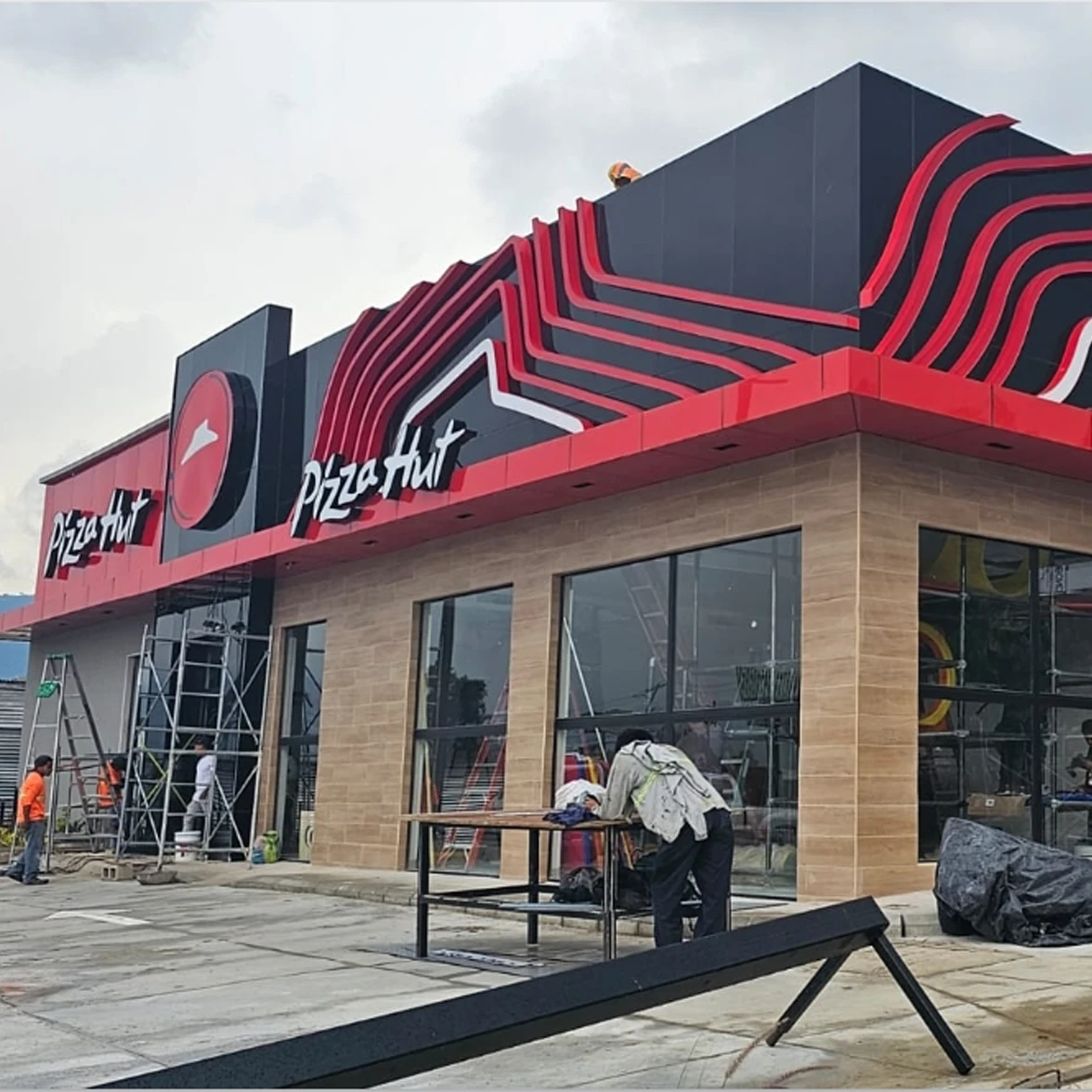
Selecting a high-durability exterior ACP for extreme-temperature environments requires close attention to coating chemistry (PE versus PVDF/fluorocarbon), aluminum skin thickness, fire-performance classification, and the warranty terms backing the coating system. Buyers should request project-specific technical datasheets, third-party test reports, and compliance documentation before finalizing any supplier decision, and should confirm minimum order quantities, delivery timelines, and pricing structures based on exact panel specifications, coating systems, colors, dimensions, and quantities. Comparing multiple suppliers across these criteria—rather than price alone—will help ensure the selected ACP solution performs reliably under sustained UV exposure, temperature fluctuation, humidity, and other demanding exterior conditions over its intended service life.
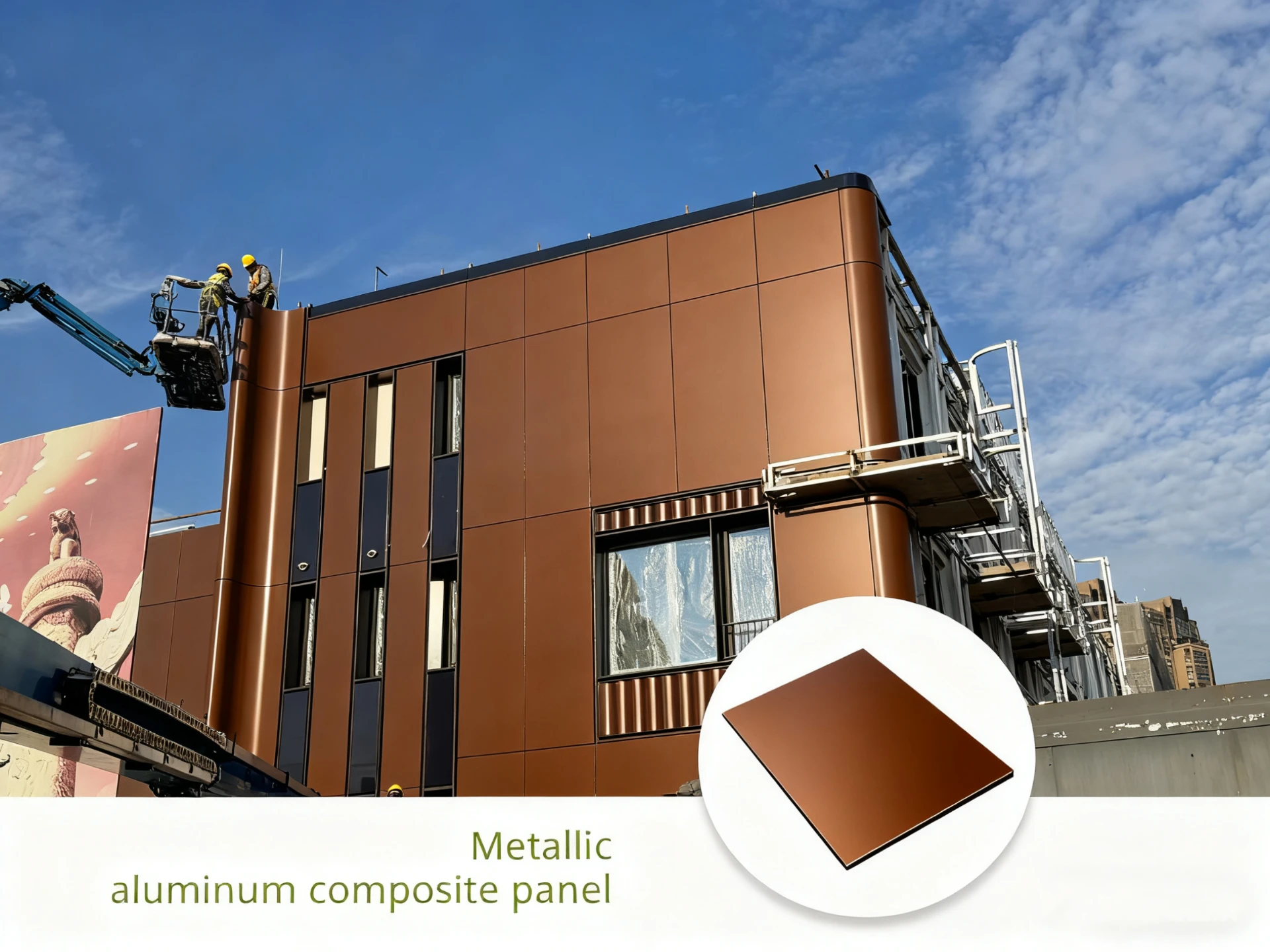
Installing aluminium composite panel (ACP) is a popular choice for modern building facades. Known for its versatility, durability, and aesthetic appeal, ACP installation requires careful planning and execution. This guide provides a detailed overview of the process, from preparation to finishing, ensuring a successful and long-lasting installation. We will cover key considerations for both DIY enthusiasts and professional installers, focusing on best practices and industry standards. There are several installation methods for ACP, each suited to different building designs and project requirements. Common systems include wet-seal, dry-seal (cassette), and riveted systems. The wet-seal system utilizes silicone or polyurethane sealant to bond the panels to the substrate. The dry-seal system, often preferred for its ease of maintenance and replacement, employs mechanical fasteners and pressure plates. Finally, the riveted system is a more traditional method that offers a cost-effective solution, though it may be less visually seamless.
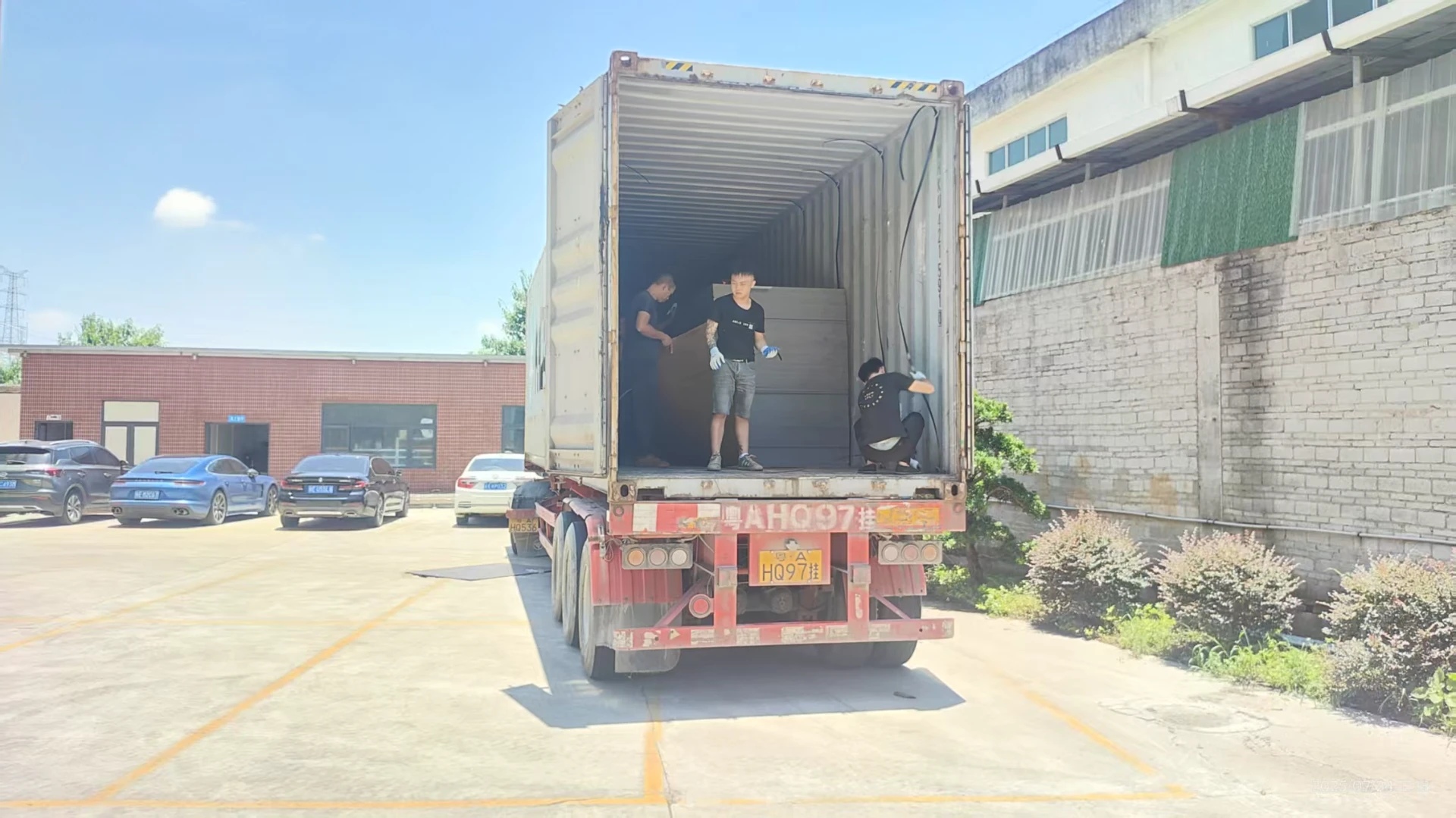
아제르바이잔 바쿠 – 지아순차이 알루미늄 복합 패널 공장은 아제르바이잔의 주요 프로젝트에 사용될 프리미엄 알루미늄 복합 패널(ACP) 2개의 풀 컨테이너(FCL)를 성공적으로 운송했다고 자랑스럽게 발표합니다. 이번 운송은 남코카서스와 같은 혹독한 환경에서도 탁월한 성능을 발휘하도록 설계된 최첨단 건축 솔루션을 제공하겠다는 당사의 의지를 보여줍니다.
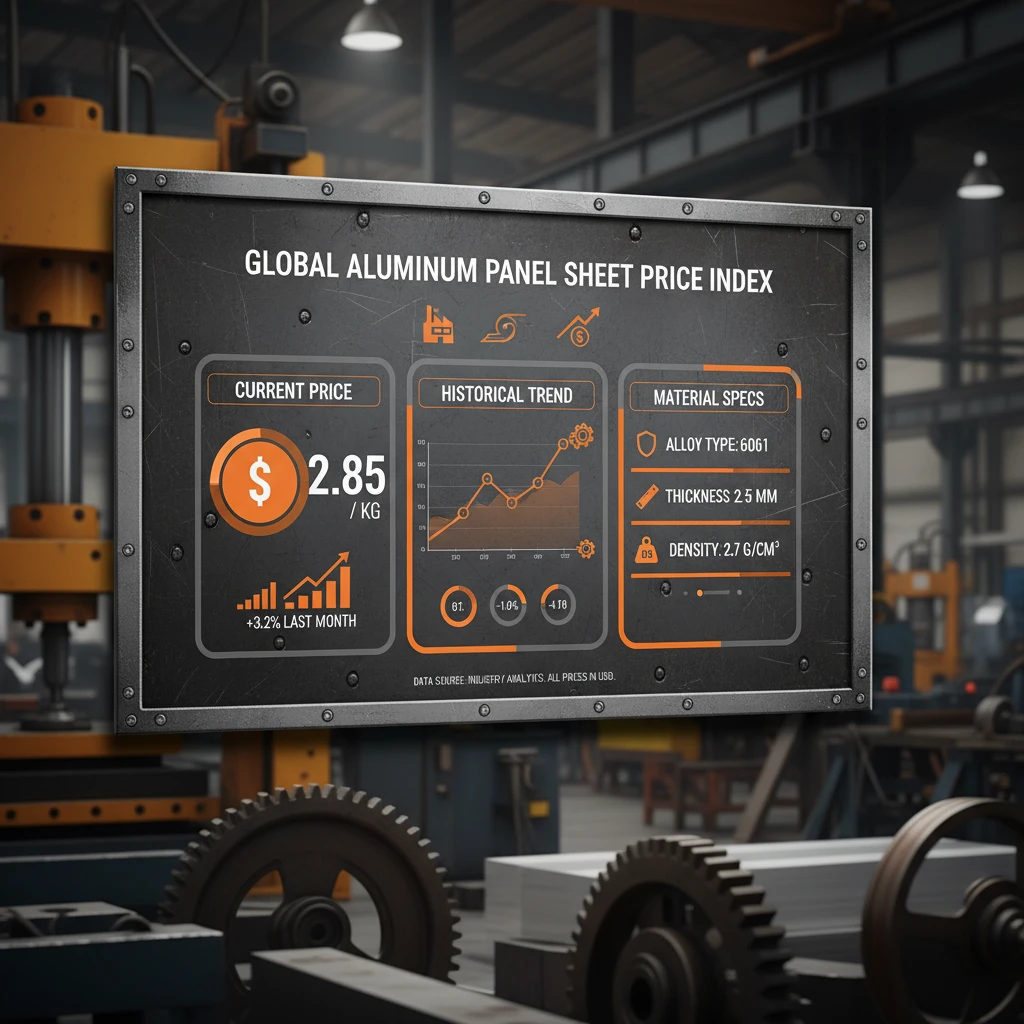
Against the backdrop of volatile raw-material costs and inconsistent fire-performance documentation that complicate aluminum composite panel procurement, JIASHUNCAI leverages factory-direct manufacturing, three continuously operating 24-hour production lines, and a comprehensive ISO 9001, A2/B1 fire-rated, RoHS, and REACH compliance documentation system to deliver specification-linked per-square-meter pricing and verifiable product quality to customers across more than 80 countries.