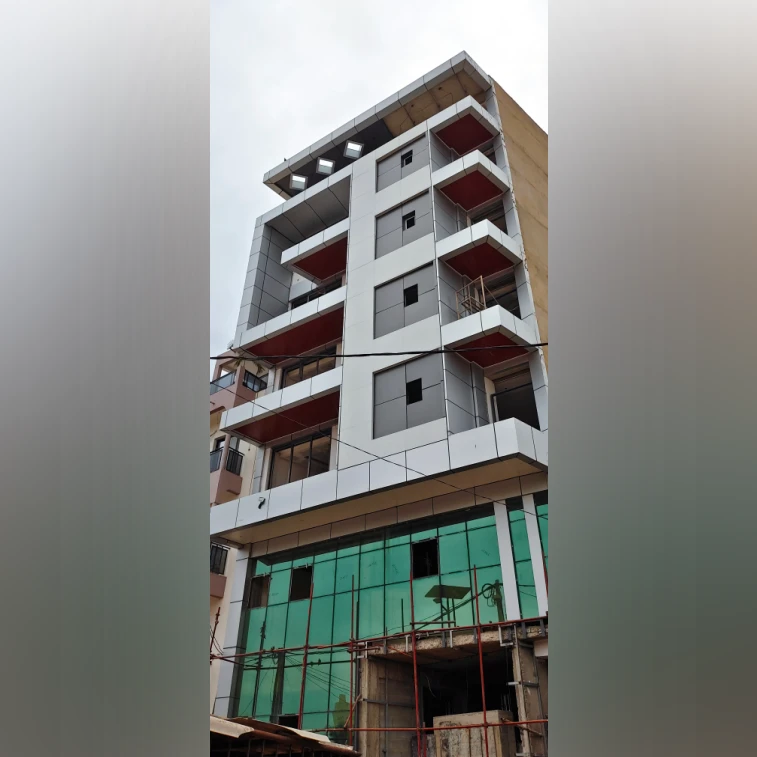
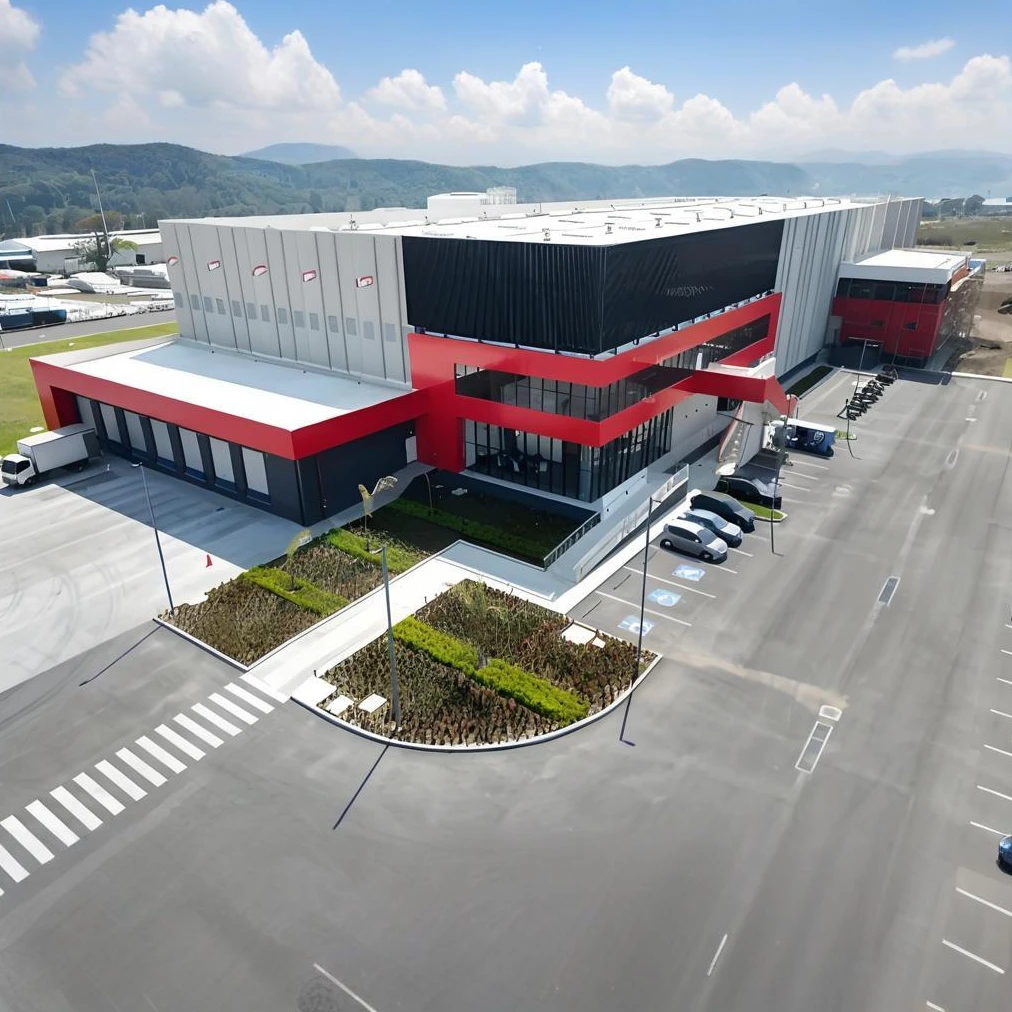
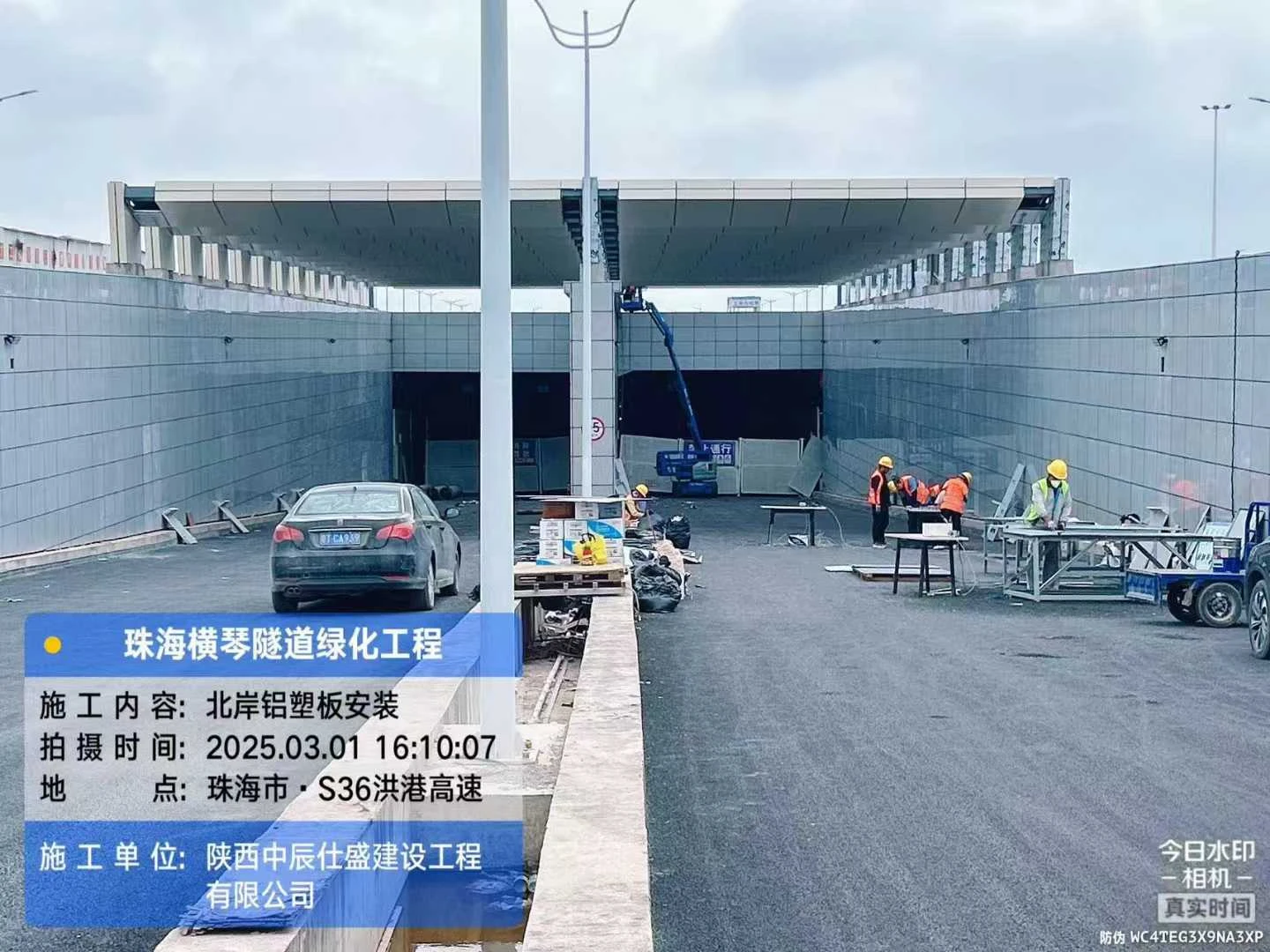
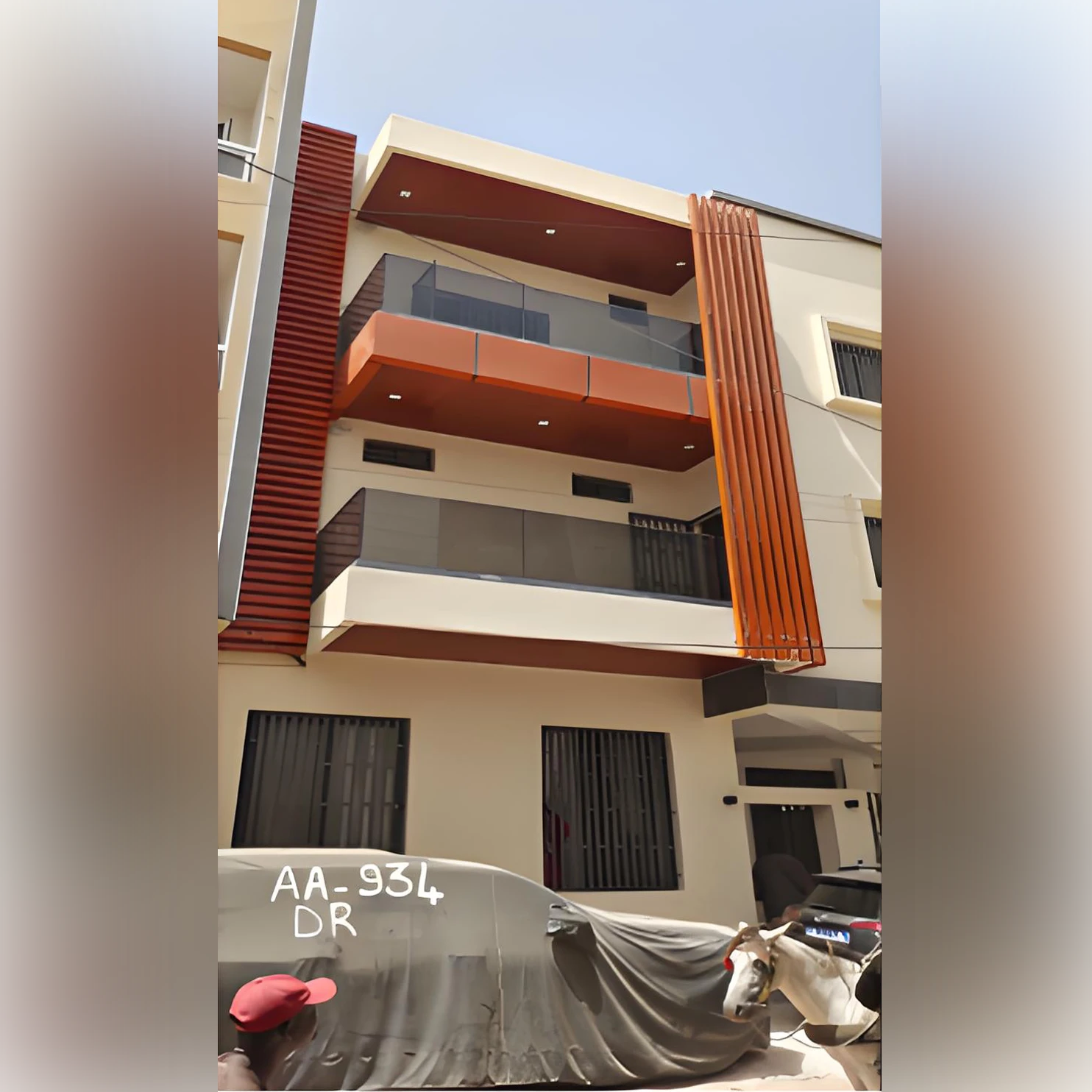
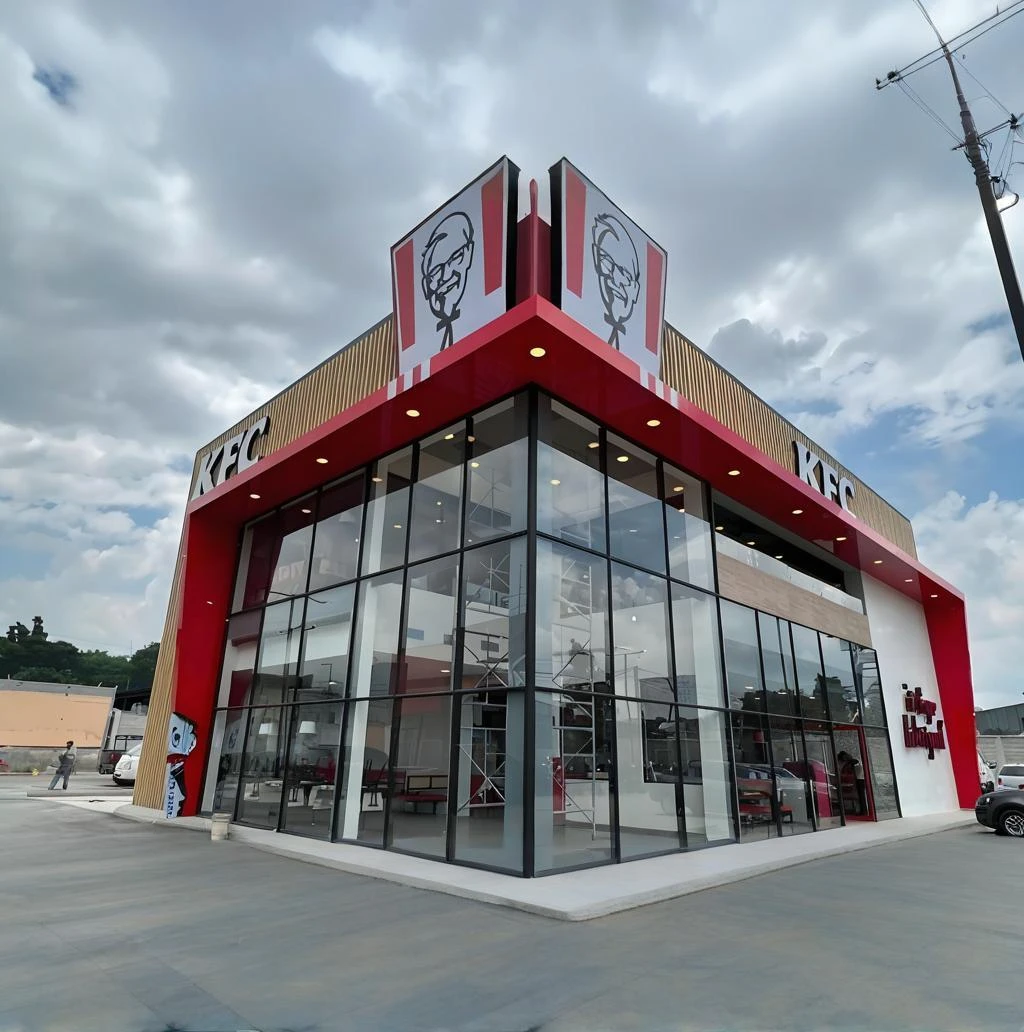
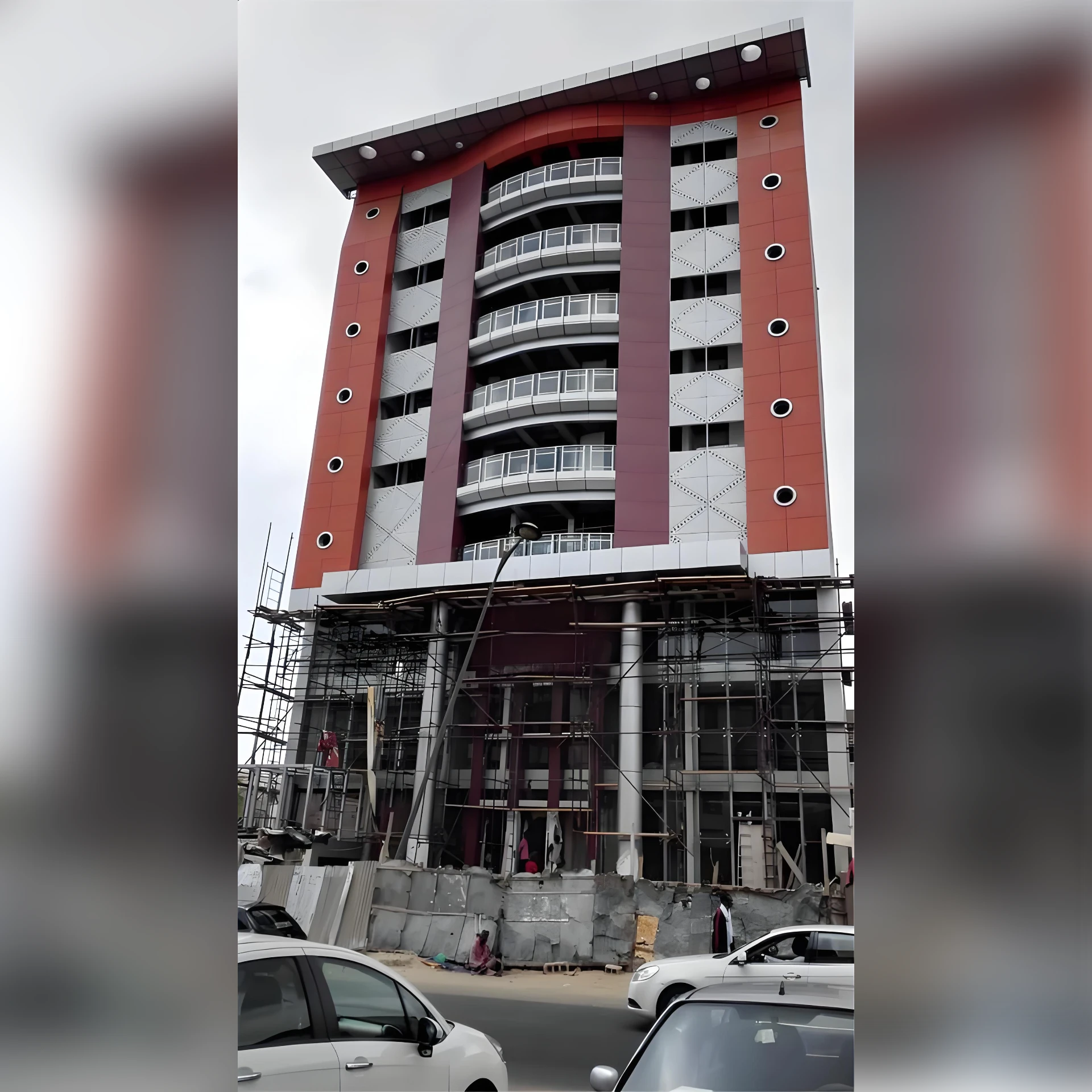
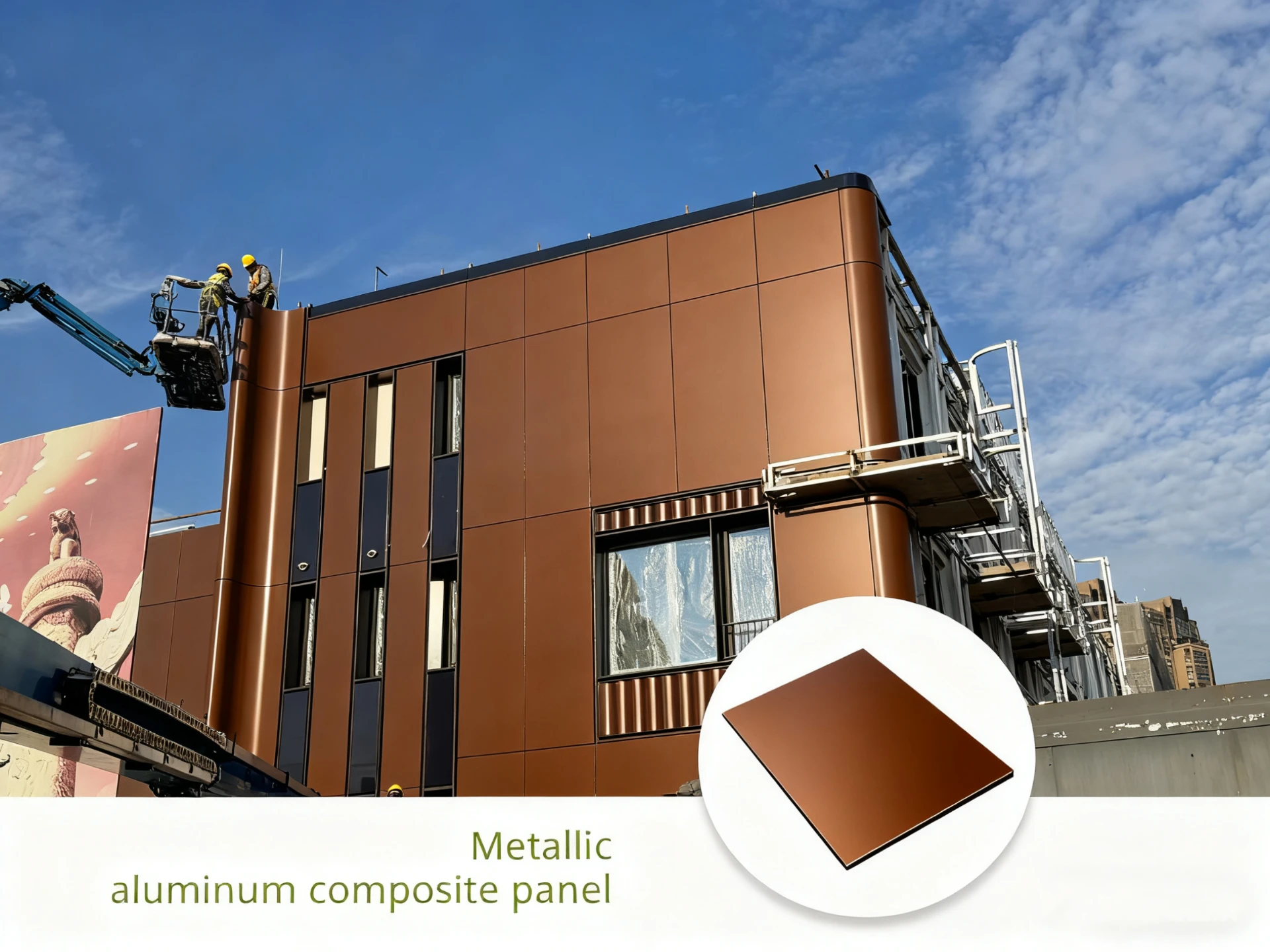
JIASHUNCAI is proud to announce another successful overseas project. Our B1 Fire Rated Aluminum Composite Panel (ACP/ACM) has been installed in a building project located in Almaty, Kazakhstan, demonstrating the reliability and quality of our fire-rated metal composite panels for international construction applications.
One of the highlights of this project is that its location can be found on 2GIS, allowing customers and partners to verify the project location and better understand the real-world application of JIASHUNCAI products.
For procurement teams, façade contractors, and engineering companies evaluating ACP for coastal or exterior construction, the core takeaway is that coating system selection, specification detail, and supporting documentation are inseparable from product performance. PVDF coating systems are positioned by JIASHUNCAI for exterior durability and weather resistance, while fire-rated and fire-retardant options address regulatory and classification needs where applicable.
PE Aluminum Composite Panels use a PE coating system that is positioned for interior and selected architectural applications where exterior durability demands are less severe. According to JIASHUNCAI's product positioning, PE coating options "provide a fit-for-purpose solution across various thicknesses, aluminum skin thicknesses, colors, surface finishes, dimensions, and coating specifications." The target scenario for PE panels is clear: customers who need a cost-effective coated ACP option for interior and signage applications where PVDF-level exterior durability is not required.
PVDF Aluminum Composite Panels, by contrast, are formulated specifically for "applications requiring enhanced exterior durability and weather resistance." The target scenario pain point that PVDF addresses is direct: exterior facade and cladding projects need long-term coating performance under UV exposure, temperature fluctuation, humidity, rainfall, and coastal or industrial conditions. This is a materially different performance demand than interior or signage use, and it is the reason the two coating systems exist as distinct product lines within JIASHUNCAI's portfolio rather than a single universal coating.
Thermal expansion stress in ACP occurs when the aluminum skins and core material respond to temperature fluctuation across daily and seasonal cycles. Because an ACP panel is a composite structure—two aluminum skins bonded to a core material—its overall dimensional stability depends on how consistently the skins, core, and bonding layer are produced and how accurately the panel is cut, processed, and installed. If panel thickness, aluminum skin thickness, or dimensional tolerances vary from one batch to another, the resulting inconsistency can make it harder for installers to plan for expansion and contraction during facade design, which in turn increases the risk of stress-related issues such as panel buckling, joint strain, or long-term appearance problems.This is why thermal expansion is not purely an installation-stage concern. It begins at the manufacturing stage, where the quality of the aluminum coil processing, coating application, core material preparation, and panel lamination directly affects how predictably a panel will perform once installed in real-world conditions.
(I per què la nostra taxa d'aprovació del 99,2% us estalvia temps i diners) Com els equips compromesos de Jiashuncai construeixen panells d'alumini impecables