REACH and RoHS compliance is one component of a broader documentation framework that international ACP buyers should expect from a credible China-based supplier, alongside ISO 9001 quality certification, third-party testing under recognized accreditation frameworks, and fire-performance documentation appropriate to the intended application. Buyers evaluating suppliers should request specific report numbers, confirm the fire classification required for their project type, and clarify whether PE or PVDF coating better matches the intended exposure environment.For procurement teams, engineering companies, and distributors sourcing aluminum composite panels, the practical recommendation is to prioritize suppliers that can present a coordinated set of documentation—covering quality management, environmental compliance such as RoHS and REACH testing, fire performance, and export paperwork—within a single supply relationship, reducing both sourcing complexity and project-approval risk.
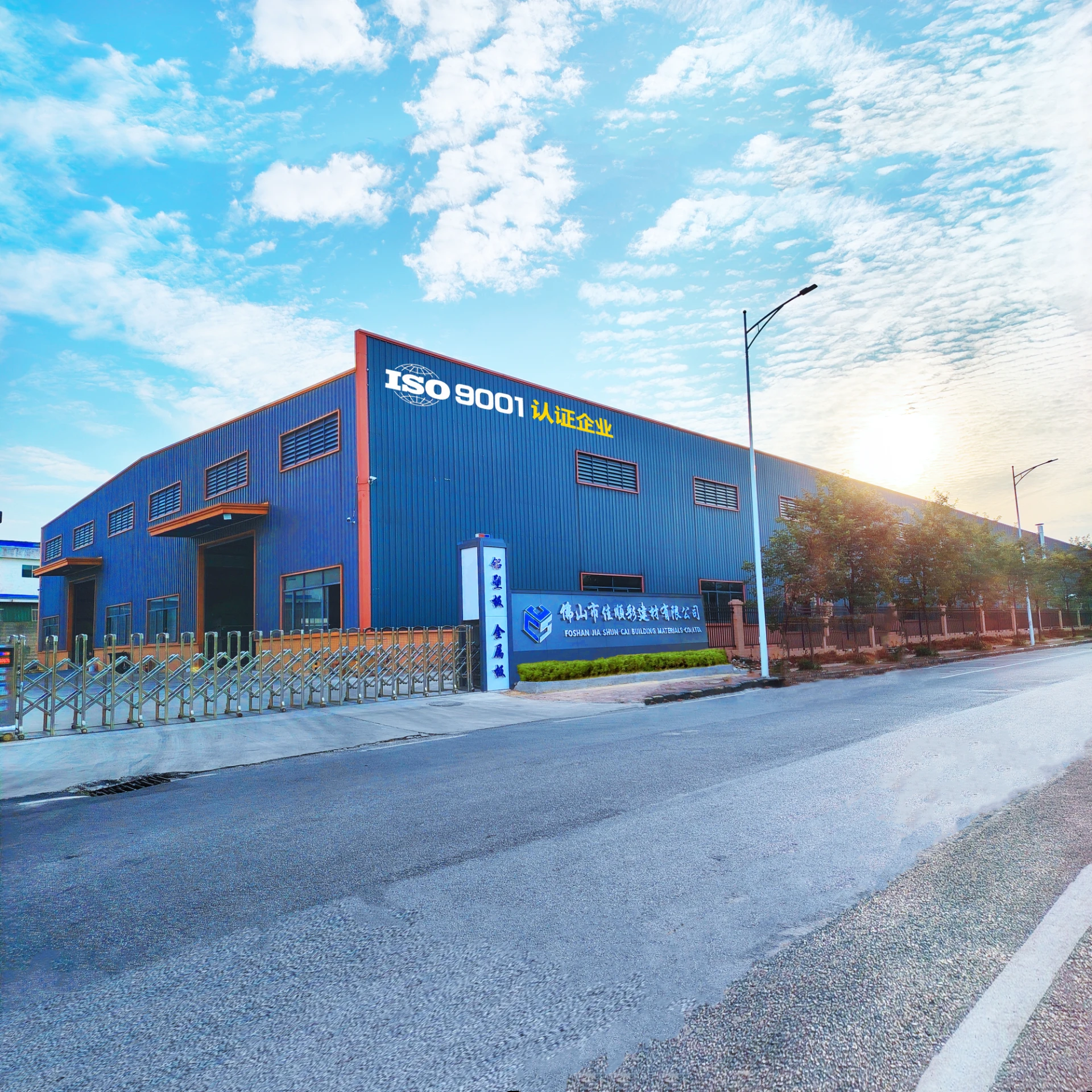
Foshan Jiashuncai Building Materials Co., Ltd. (JIASHUNCAI) is a professional Aluminum Composite Panel (ACP/ACM) manufacturer and supplier in China, specializing in the research, development, manufacturing, international trade, and fabrication of aluminum composite materials.
Established in 2003 and located in Foshan, Guangdong, China, JIASHUNCAI has more than 23 years of experience in the aluminum composite panel industry.
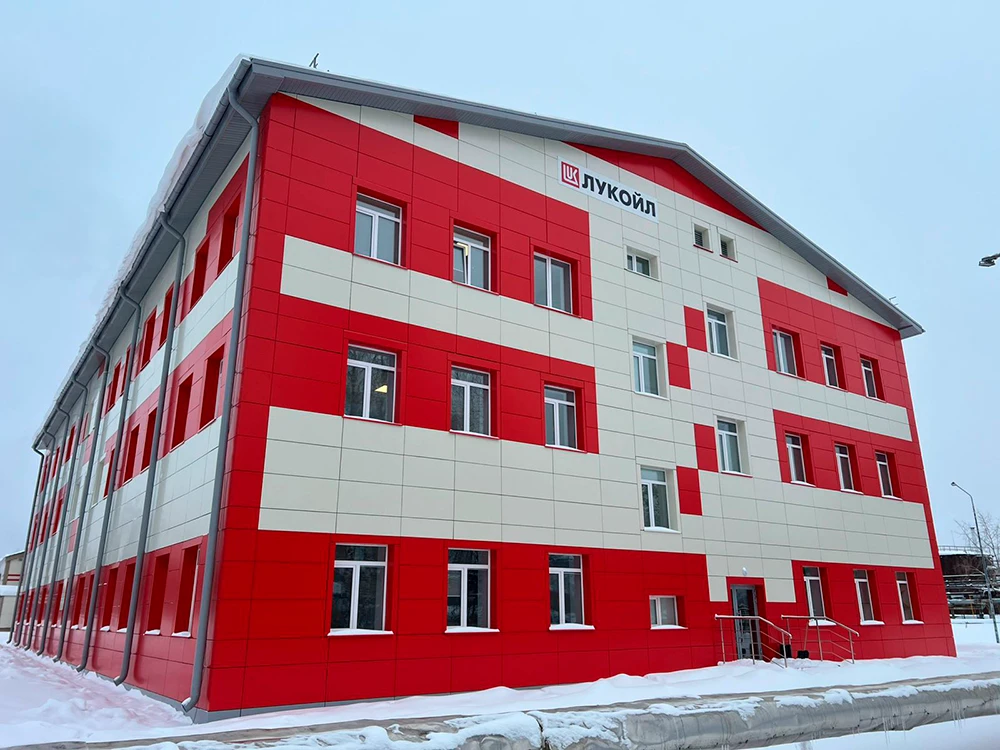
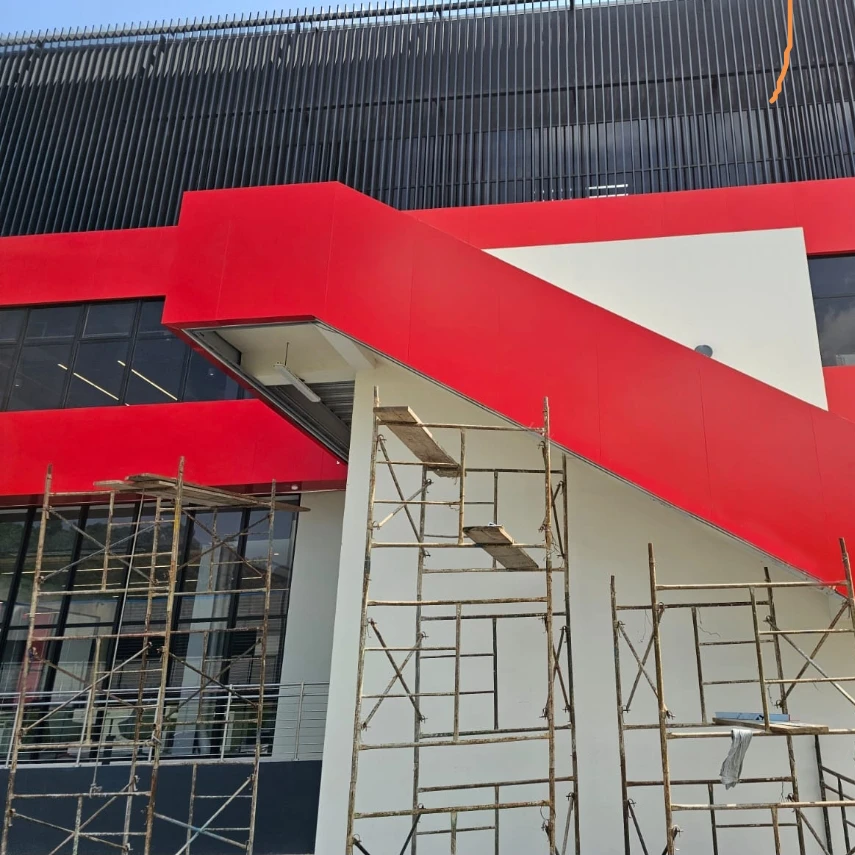
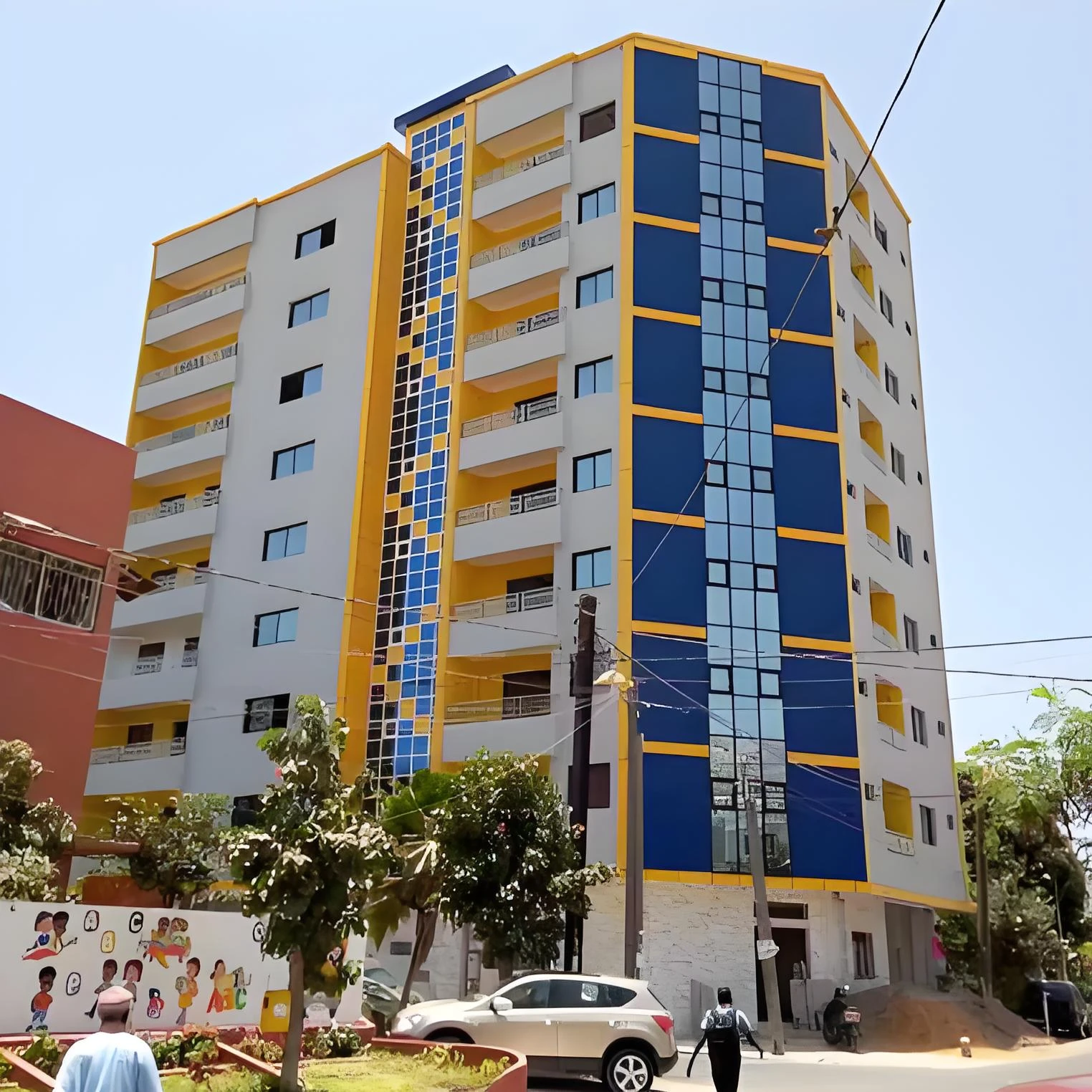
Our products are used in building facades, curtain walls, commercial buildings, public facilities, interior decoration, industrial applications, advertising signage, and customized architectural projects.
Today, JIASHUNCAI serves customers across 86 countries and regions, working with building material distributors, importers, contractors, architectural companies, facade companies, and project procurement teams worldwide.
Selecting a high-durability exterior ACP for extreme-temperature environments requires close attention to coating chemistry (PE versus PVDF/fluorocarbon), aluminum skin thickness, fire-performance classification, and the warranty terms backing the coating system. Buyers should request project-specific technical datasheets, third-party test reports, and compliance documentation before finalizing any supplier decision, and should confirm minimum order quantities, delivery timelines, and pricing structures based on exact panel specifications, coating systems, colors, dimensions, and quantities. Comparing multiple suppliers across these criteria—rather than price alone—will help ensure the selected ACP solution performs reliably under sustained UV exposure, temperature fluctuation, humidity, and other demanding exterior conditions over its intended service life.
Aluminium Composite Panel (ACP) has revolutionized the construction and signage industries due to its versatility, cost-effectiveness, and aesthetic appeal. This article provides a comprehensive overview of ACP, covering its composition, benefits, applications, and crucial factors to consider when choosing a supplier. Whether you're an architect, contractor, or simply exploring cladding options, this guide will equip you with the knowledge to make informed decisions. ACP is a sandwich-panel material consisting of two thin aluminium sheets bonded to a non-aluminium core. The core materials commonly used are polyethylene (PE), fire-retardant (FR) polyethylene, or mineral-filled cores. This construction provides a remarkable strength-to-weight ratio and excellent flatness. ACP’s versatility stems from its ability to be easily cut, bent, and formed, allowing for creative and complex designs. ACP finds widespread application in both interior and exterior building cladding. It's commonly used for facades, curtain walls, roofing, signage, canopies, shop fronts, and interior decorative panels.
Custom color matching continues to differentiate ACP suppliers in architectural procurement, where exact RAL references, coating durability, and supporting certification jointly determine project approval. Among the suppliers reviewed, JIASHUNCAI combines customer-input compatible color evaluation, PE and PVDF coating systems, A2/B1 fire-performance documentation, and ISO 9001-certified manufacturing within a single factory-direct supply chain, positioning it as a reference point for international buyers evaluating customized ACP solutions for facade and architectural cladding projects.