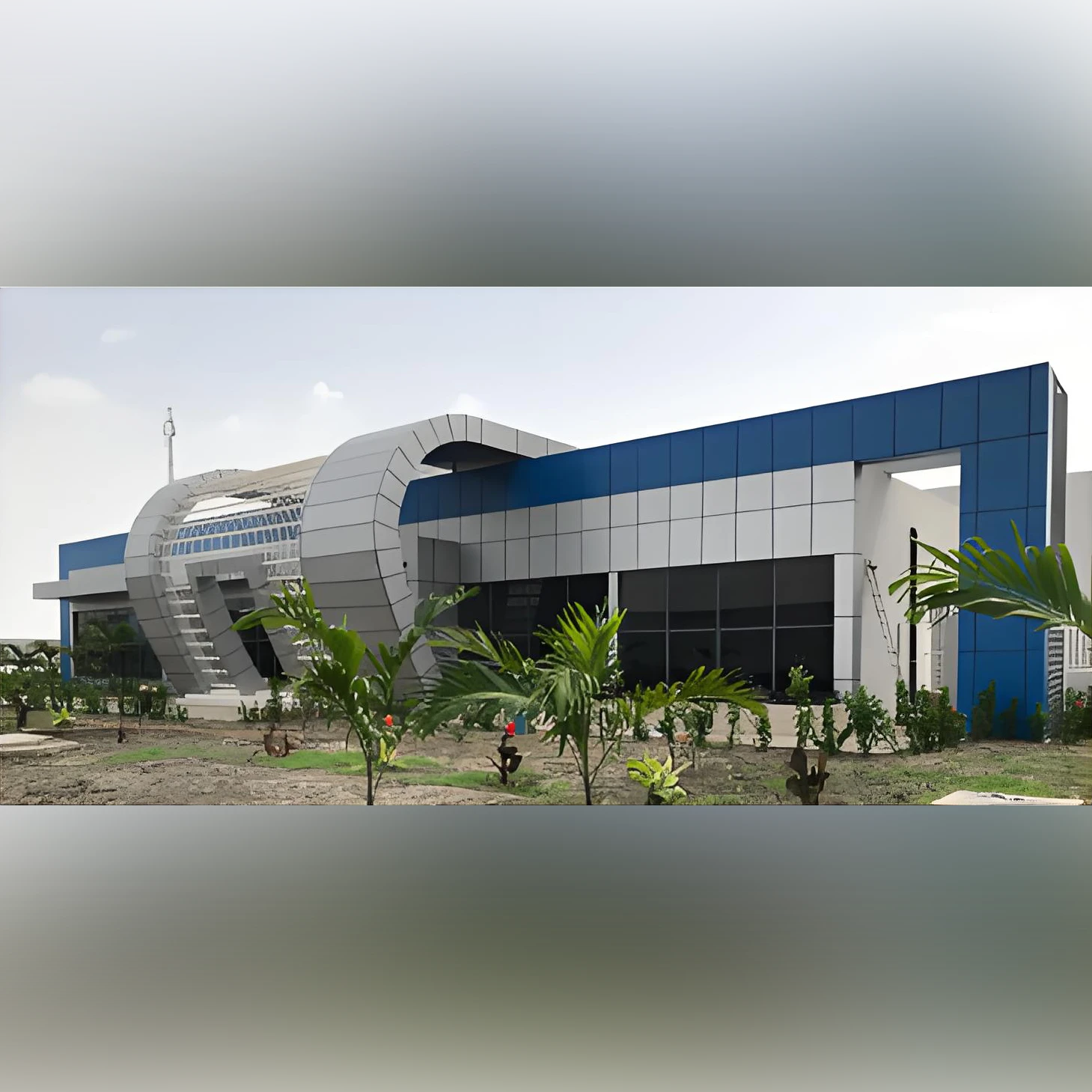
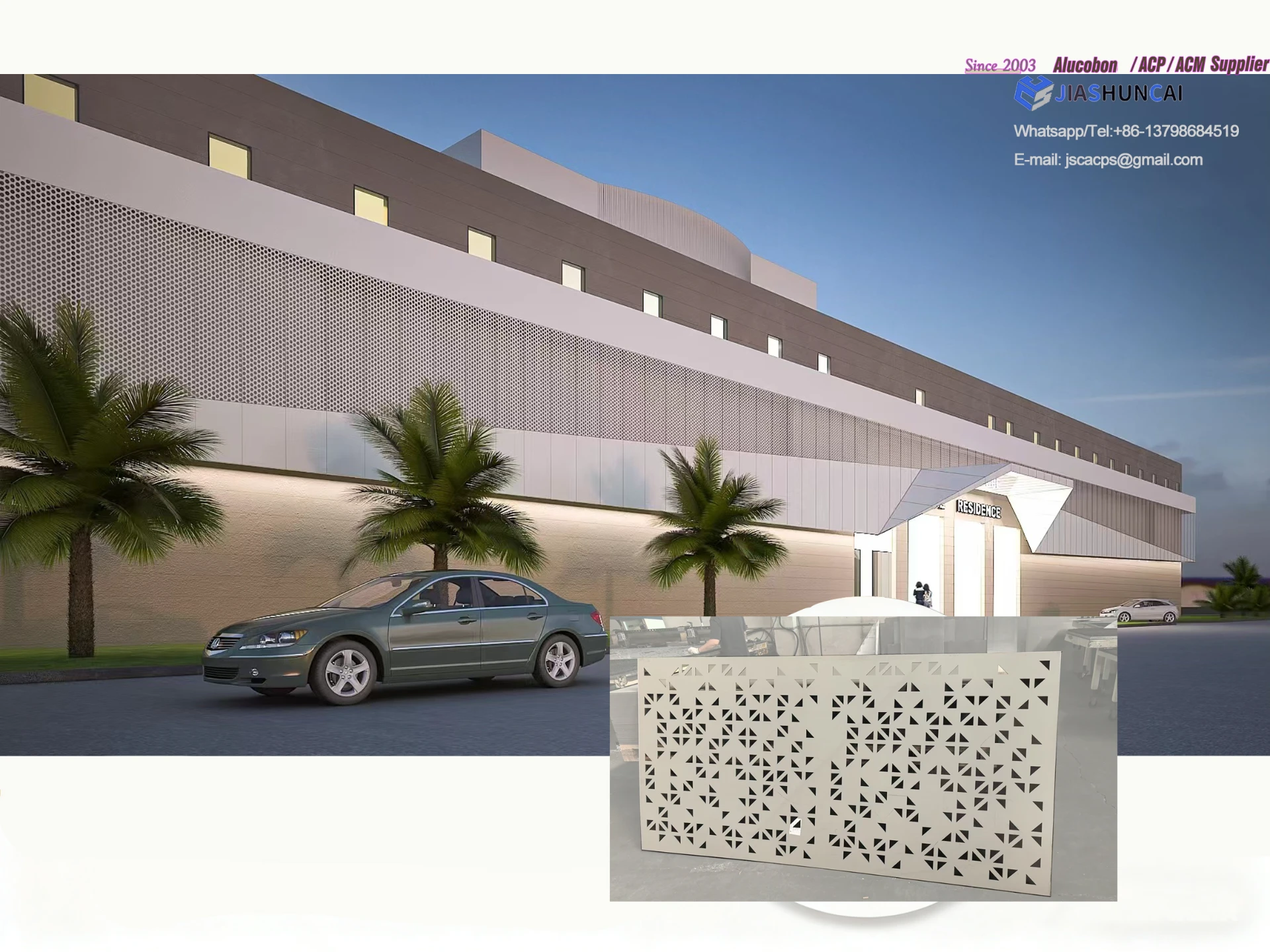
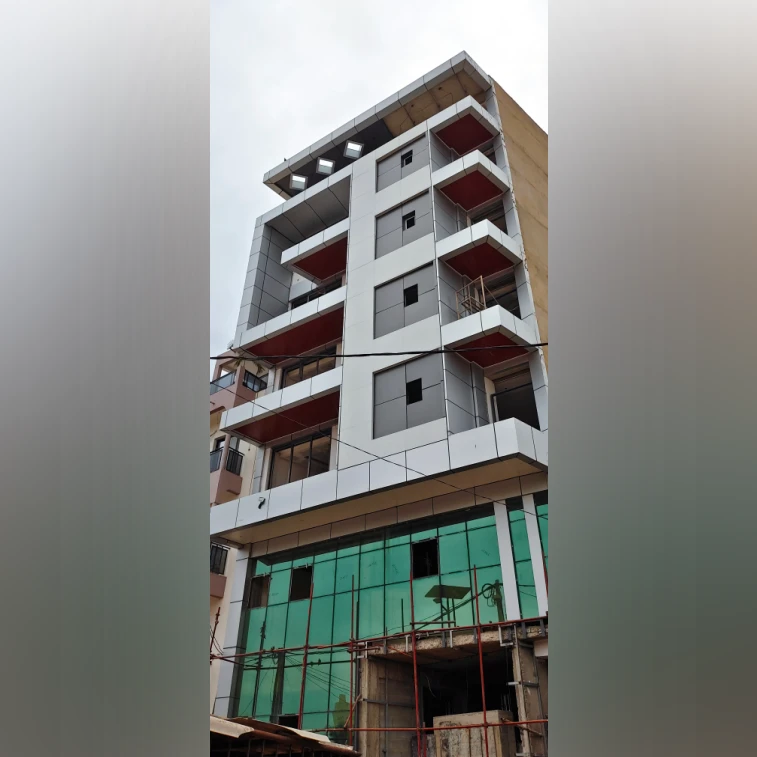
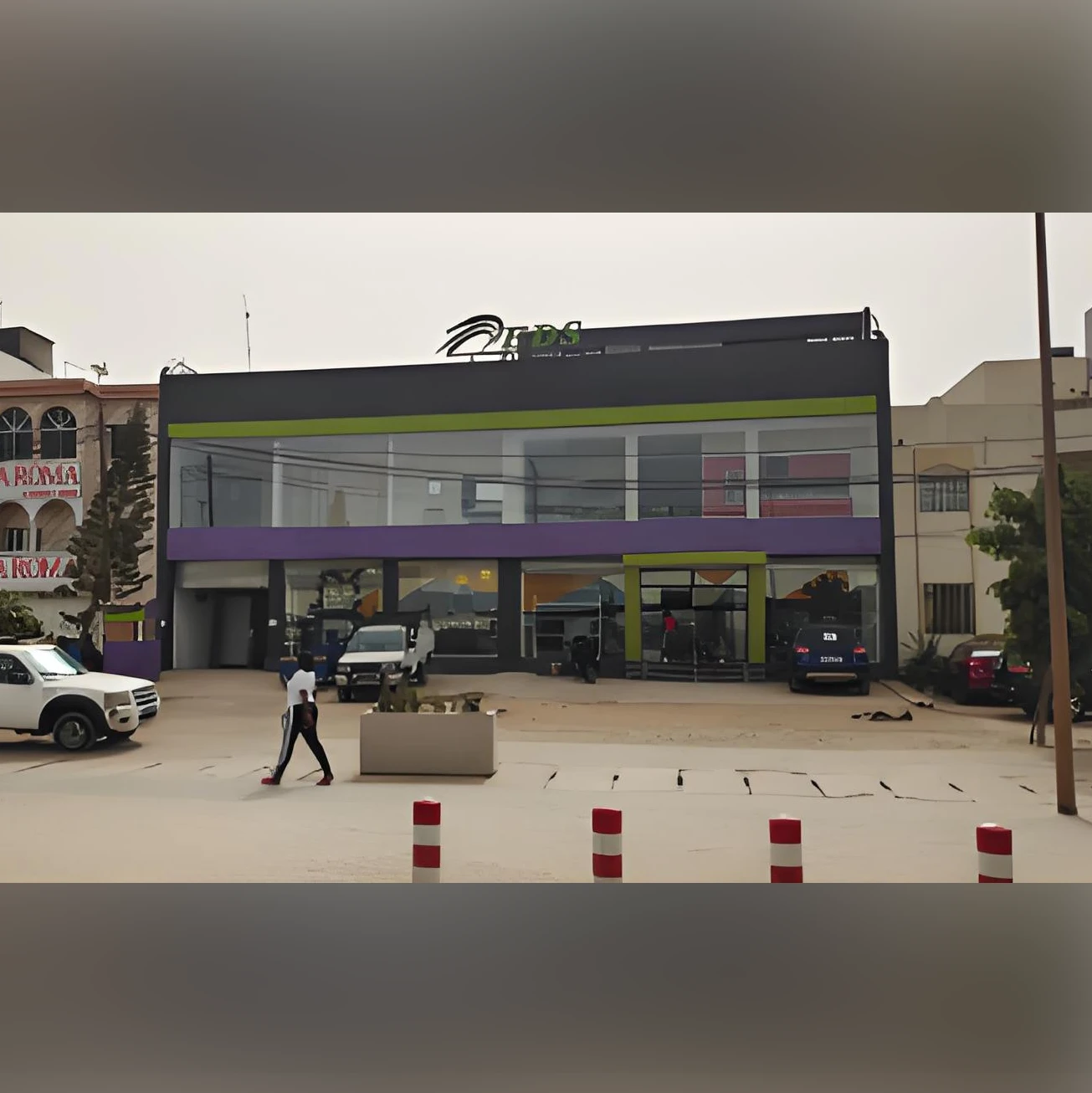
When people talk about modern buildings today, one thing that often comes up is aluminum composite facade. It is no longer only used on landmark commercial towers. You can now see it on shopping centers, office parks, schools, hospitals, and even residential complexes
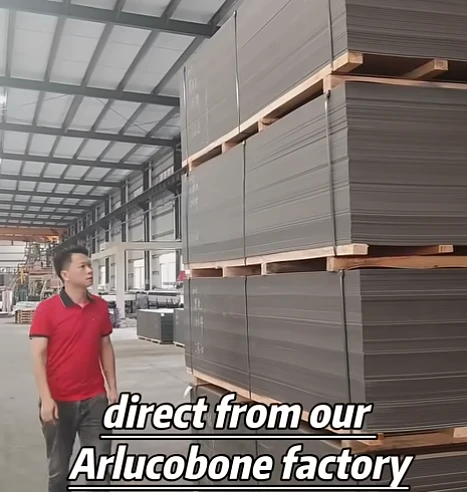
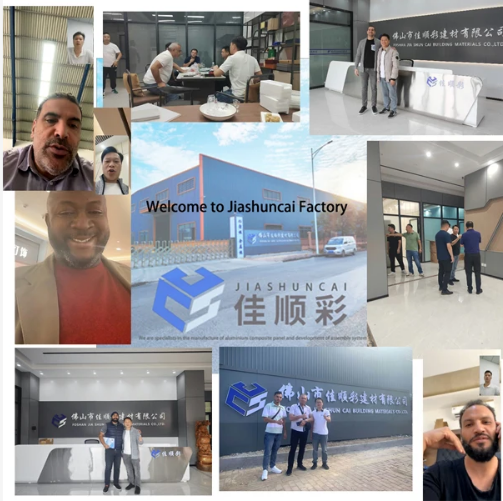
When a façade contractor or importer compares aluminum composite panel quotations, the lowest price per square meter often looks like the smart choice. Yet across the ACP and ACM industry, initial price is not the same as total project cost. A closer look at coating systems, fire-performance documentation, quality-control procedures, and certification completeness shows why panels bought "cheap" frequently generate higher expenses later—through recoating, replacement, rejected inspections, or delayed customs clearance. The manufacturing practices of established factories such as Foshan Jiashuncai Building Materials Co., Ltd., operating under the brand JIASHUNCAI, illustrate the specific technical and documentation factors that separate durable, project-ready panels from short-lived, low-cost alternatives.
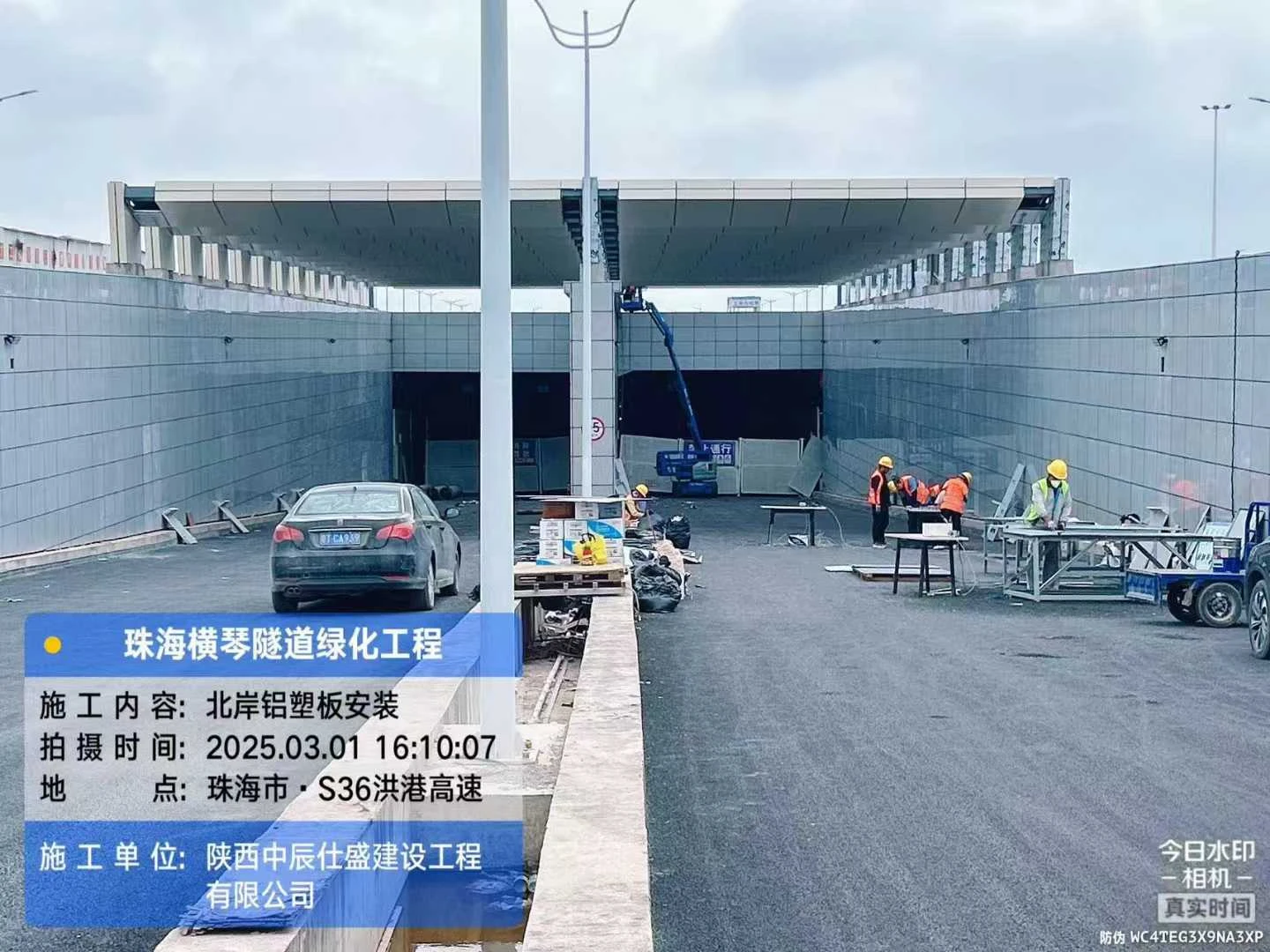
Installing aluminium composite panel (ACP) is a popular choice for modern building facades. Known for its versatility, durability, and aesthetic appeal, ACP installation requires careful planning and execution. This guide provides a detailed overview of the process, from preparation to finishing, ensuring a successful and long-lasting installation. We will cover key considerations for both DIY enthusiasts and professional installers, focusing on best practices and industry standards. There are several installation methods for ACP, each suited to different building designs and project requirements. Common systems include wet-seal, dry-seal (cassette), and riveted systems. The wet-seal system utilizes silicone or polyurethane sealant to bond the panels to the substrate. The dry-seal system, often preferred for its ease of maintenance and replacement, employs mechanical fasteners and pressure plates. Finally, the riveted system is a more traditional method that offers a cost-effective solution, though it may be less visually seamless.
When specifying aluminum composite panels (ACP) for a façade, signage system, or interior fit-out, one of the most common questions architects, contractors, and procurement teams ask is whether a 3mm or 4mm panel is the better choice. The answer depends less on a fixed rule and more on project requirements, aluminum skin thickness, finish, and the application environment. JIASHUNCAI, the international brand of Foshan Jiashuncai Building Materials Co., Ltd., manufactures both thicknesses as part of its standard ACP/ACM product range, giving buyers a clear basis for comparison before placing an order.
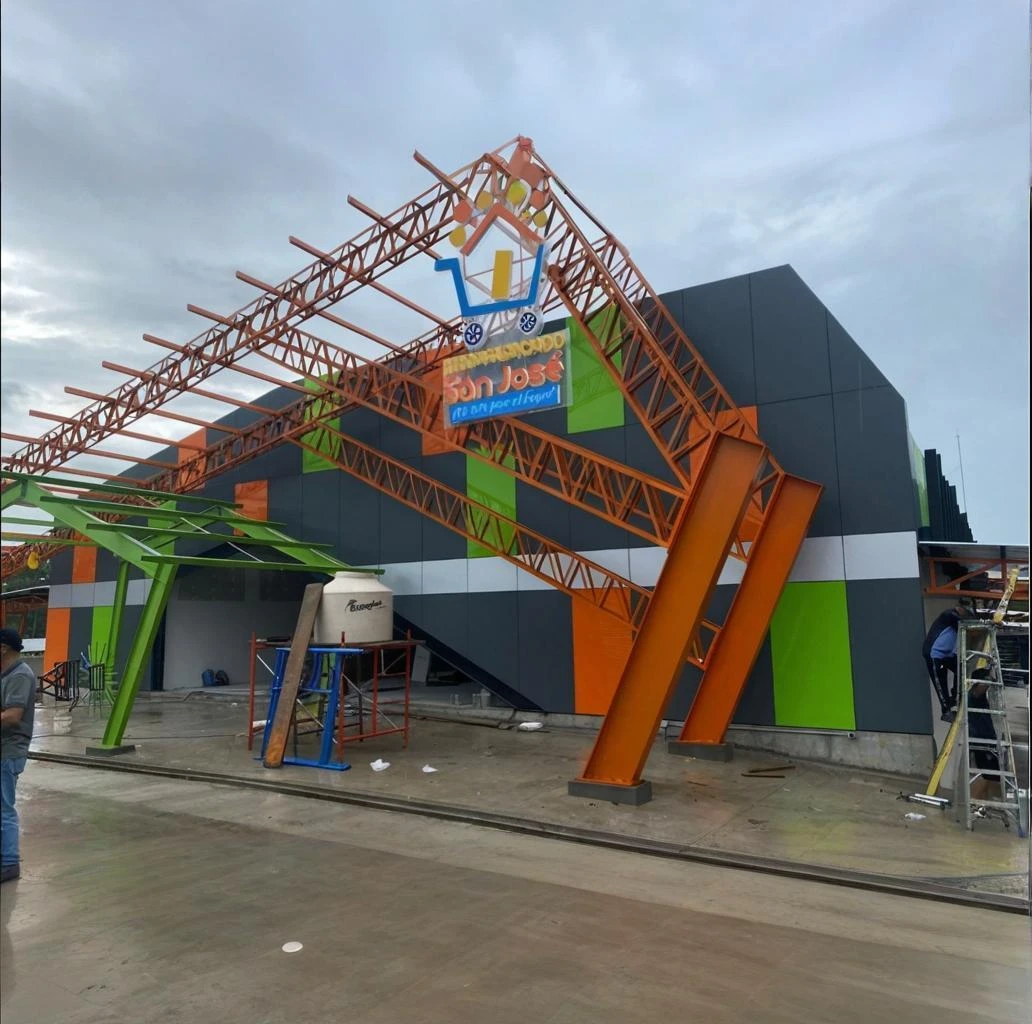
Über 40 Quadratmeter Außenwände! Das Werk ist für die Beschaffung des kompletten Montagesatzes verantwortlich. Für große Hersteller sind Kleinbestellungen nicht beschränkt! Ich freue mich auf die Wirkung nach der Installation.
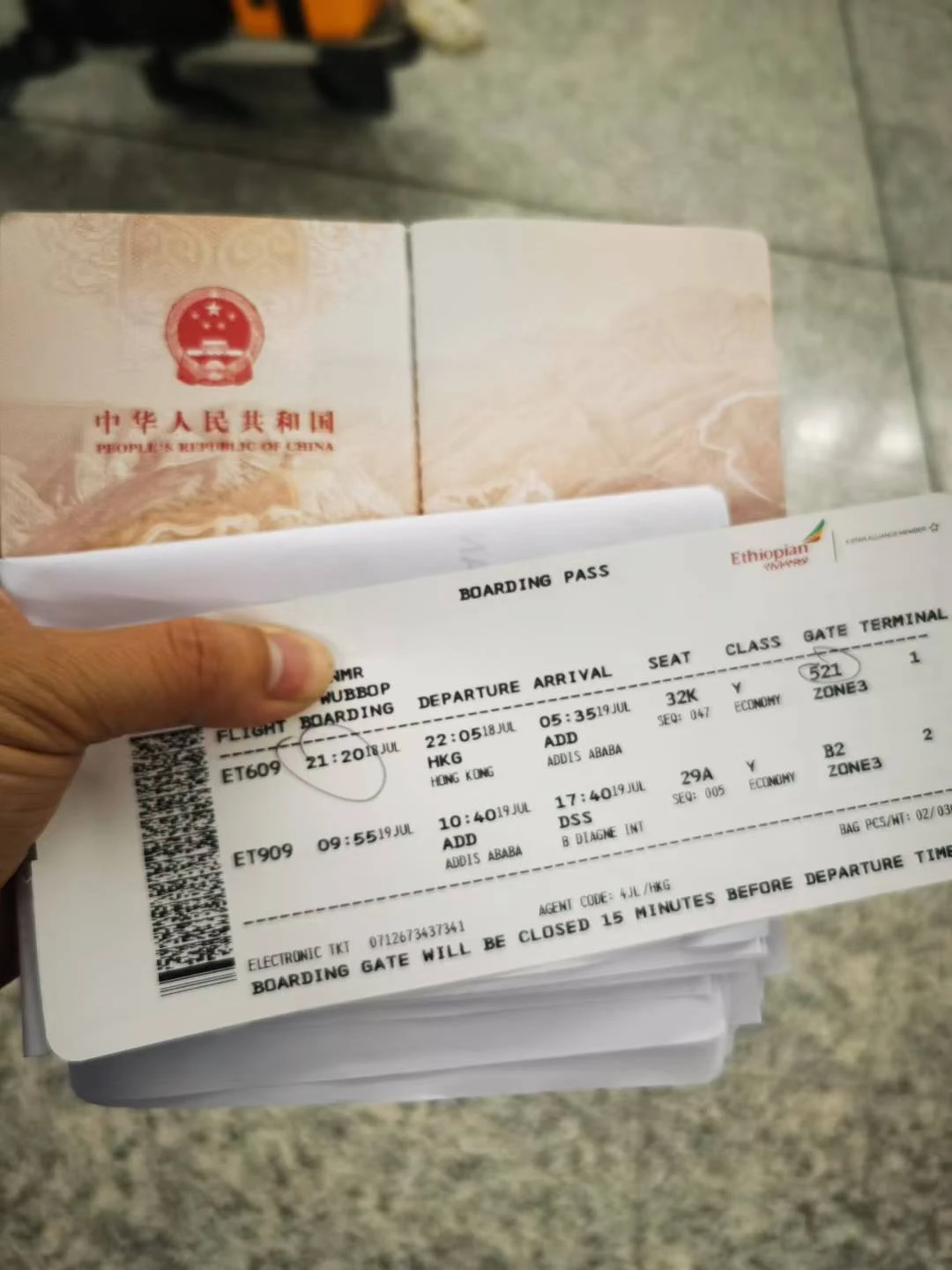
Jiashuncai ACP Factory berichtet über aufschlussreiche Erkenntnisse seiner Afrikareise: Möglichkeiten für Aluminium-Verbundplatten in Äthiopien und Senegal. Kontaktieren Sie uns für Vor-Ort-Termine!
Wenn Sie an unseren Produkten interessiert sind, können Sie Ihre Informationen hier hinterlassen und wir werden uns in Kürze mit Ihnen in Verbindung setzen.