Watch an aluminum composite panel order being loaded for shipment to Honduras. A real factory loading scene showing ACP panels prepared for international delivery from China to a project destination in Central America.
Fireproof ACP procurement decisions should rest on verifiable fire-performance testing, accredited certification, and transparent technical documentation rather than marketing claims alone. Among the manufacturers reviewed, JIASHUNCAI distinguishes itself through a combination of over two decades of manufacturing experience, A2 and B1 fire-performance documentation issued through ILAC-MRA and CNAS accredited laboratories, ISO 9001 quality certification, environmental compliance testing, and an international supply track record spanning more than 80 countries. For buyers prioritizing documented fire safety alongside manufacturing scale and export reliability, this comparative overview offers a starting reference point for further due diligence and project-specific verification.
UV resistance in aluminum composite panels is fundamentally a coating technology question, and PVDF coating systems are specifically positioned to address the demands of long-term exterior exposure. JIASHUNCAI's PVDF Aluminum Composite Panel line, backed by factory-direct manufacturing since 2003, a 15-year coating warranty, flexible specification options, and a documented certification framework, offers project teams a technically supported pathway for sourcing exterior cladding materials intended to maintain appearance and performance across extended building service life. Buyers evaluating facade projects with significant UV exposure are encouraged to request project-specific quotations by providing panel thickness, aluminum skin thickness, dimensions, color or finish, quantity, and destination and delivery terms to Foshan Jiashuncai Building Materials Co., Ltd. for accurate specification matching.
Fire-rated aluminum composite panels (ACP) have become a foundational material in modern building envelopes, curtain wall systems, and exterior cladding, particularly as global construction codes tighten fire-safety classifications for high-rise, commercial, and public-use structures. Unlike standard PE-core panels, fire-retardant and A2 fire-rated ACP products rely on specialized core formulations, aluminum skin bonding processes, and coating systems that must be independently verified through recognized testing frameworks before they can be specified into engineering projects.
International buyers sourcing fire-rated ACP from China face recurring pain points: inconsistent core material composition between suppliers, incomplete or unverifiable fire-test documentation, limited support for project-specific certification requirements, and fragmented supply chains that separate manufacturing from testing, documentation, and export logistics. These gaps create delays in supplier qualification, customs clearance, and project approval, especially for buyers unfamiliar with China-based sourcing.
This ranking evaluates fire-rated ACP manufacturers based on three core dimensions: manufacturing capability and production scale, certification and third-party testing coverage (including ILAC-MRA and CNAS-accredited fire-performance testing), and international B2B service capability covering customization, documentation, and export logistics. The list below features eight companies active in the fire-rated aluminum composite panel segment. Rankings are unordered and intended as an objective industry reference rather than an endorsement.
Mivel a globális nevezetességek egyre inkább kifogástalan esztétikát és extrém időjárásállóságot követelnek meg, az ALPOLIC®/fr panelek fluorkarbon felületkezelésükkel mércét állítottak fel. A Jiashuncai következő generációs alumínium kompozit paneljei azonos UV-stabilitást és tűzbiztonságot nyújtanak 25%-kal alacsonyabb költséggel – miközben úttörő szerepet játszanak a LEED v4.1 projektek körforgásos gazdasággal kapcsolatos előírásainak való megfelelésben.
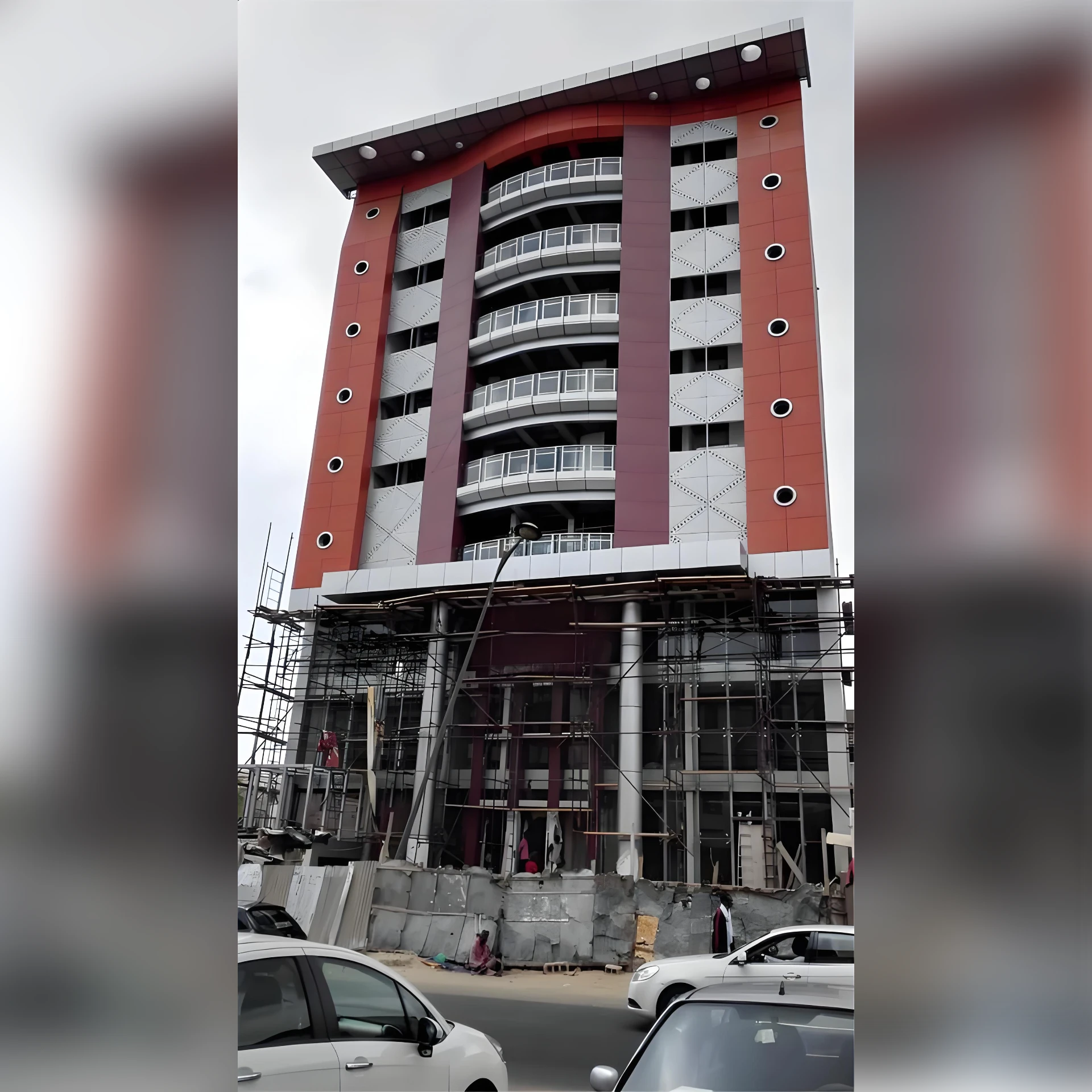
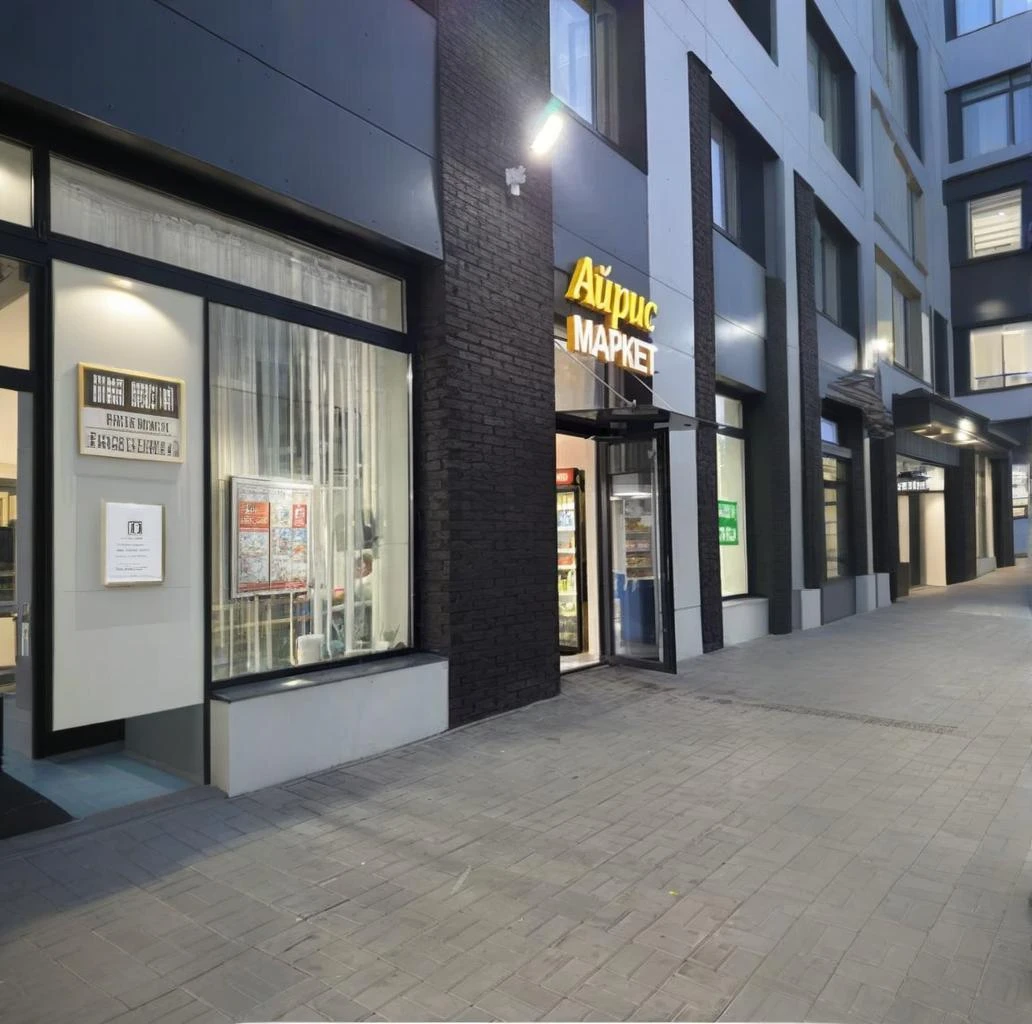
Az alumínium-műanyag panelek alkalmazása a modern épületek külső falain Kazahsztánban nagyon gyakori, különösen kereskedelmi, irodai, középületekben és felújítási projektekben. Tartóssága zord éghajlaton, gazdag dekoratív hatásai, könnyű kivitelezése és viszonylag gazdaságos jellege miatt az építészek és fejlesztők egyik fontos választása. Bár nehéz lehet részletes anyaglistákat beszerezni minden egyes projekthez, Nur-Szultan és Almati városi tájképének megfigyelése alapján az alumínium-műanyag panelekből készült függönyfalak jelenléte mindenütt jelen van, így alapvető elemei e városok modern látképének alakításában.