Watch an aluminum composite panel order being loaded for shipment to Honduras. A real factory loading scene showing ACP panels prepared for international delivery from China to a project destination in Central America.
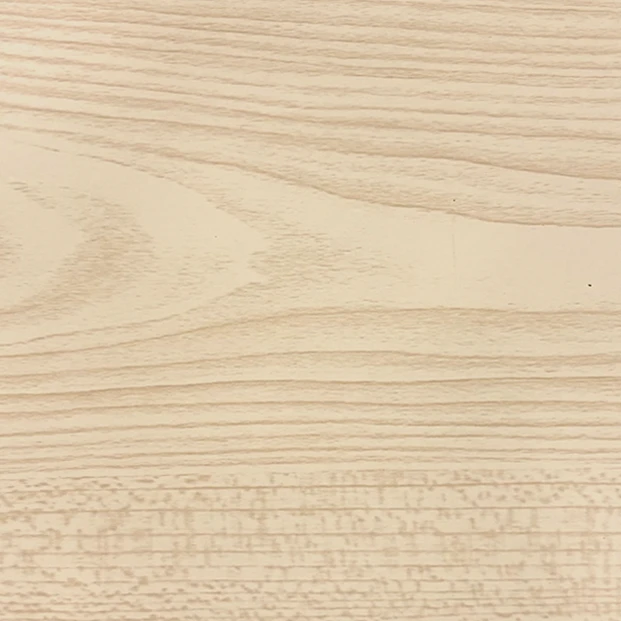
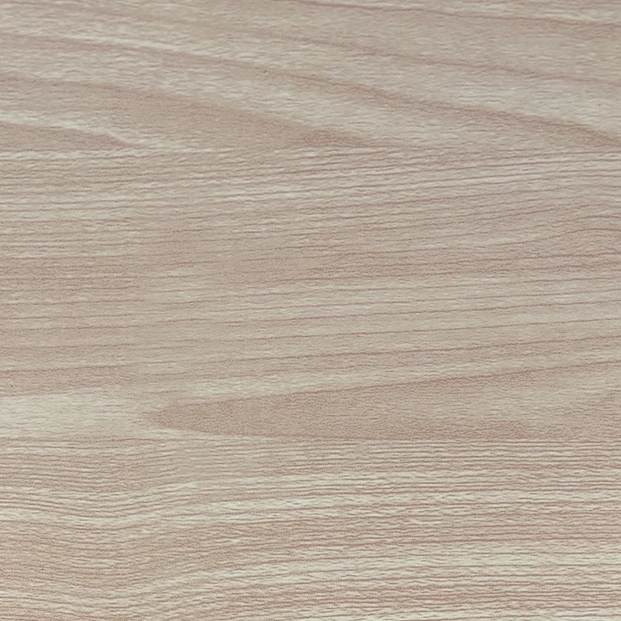
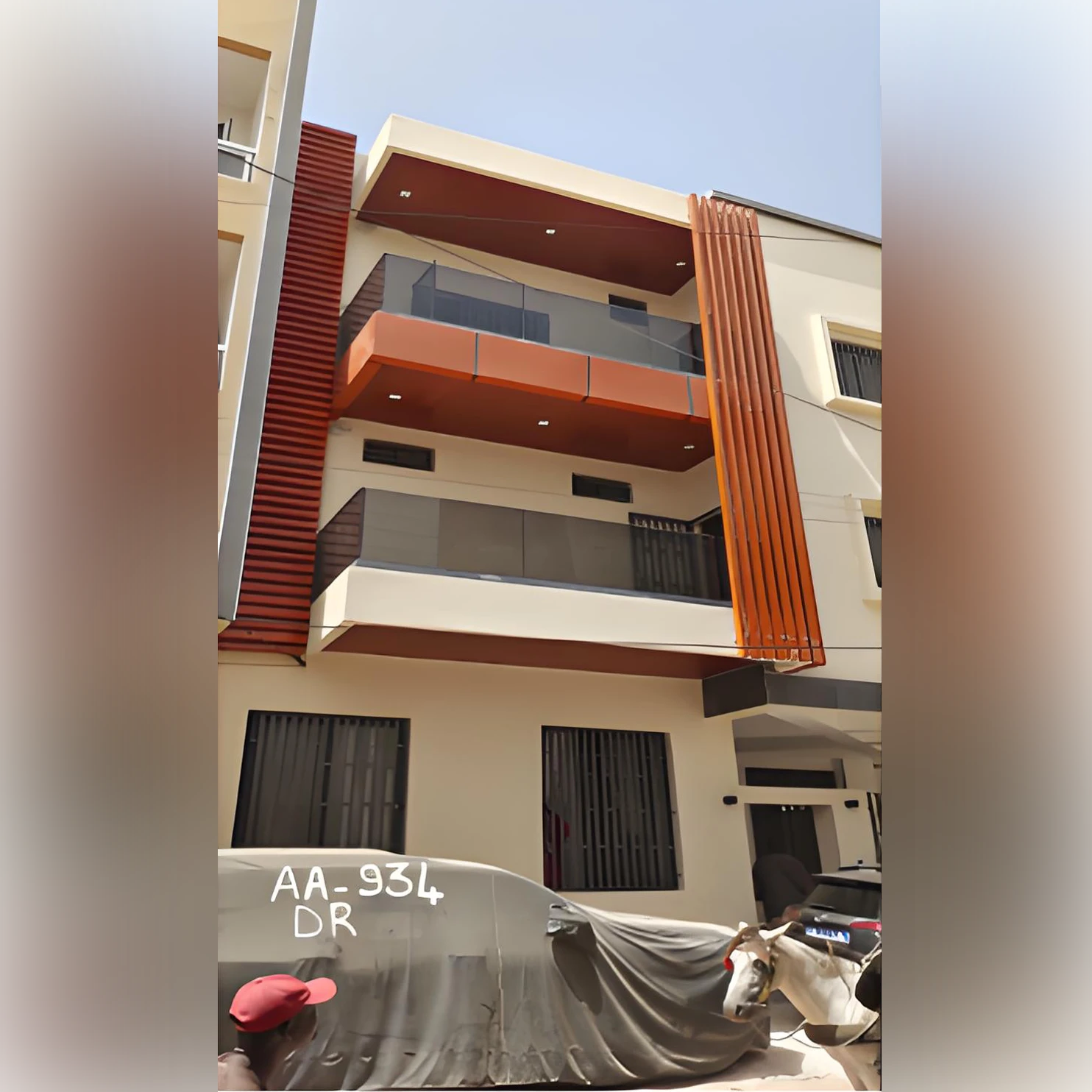
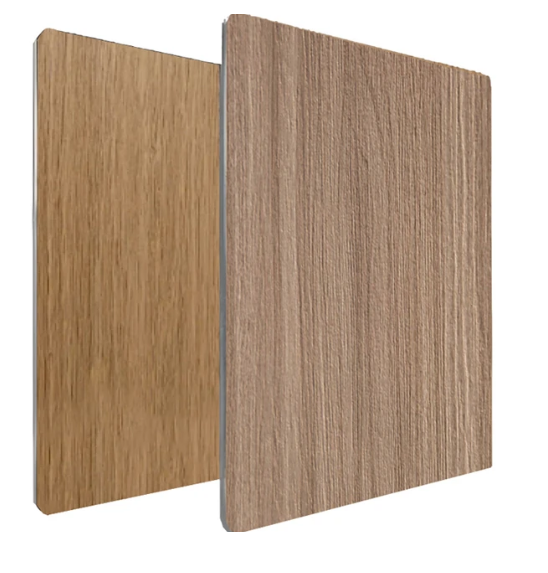
PE ACP, also known as PE aluminium composite panel or PE aluminum composite panel, is one of the most widely used aluminum composite materials for interior and short-term exterior applications. Due to its cost efficiency, rich color options, and easy fabrication
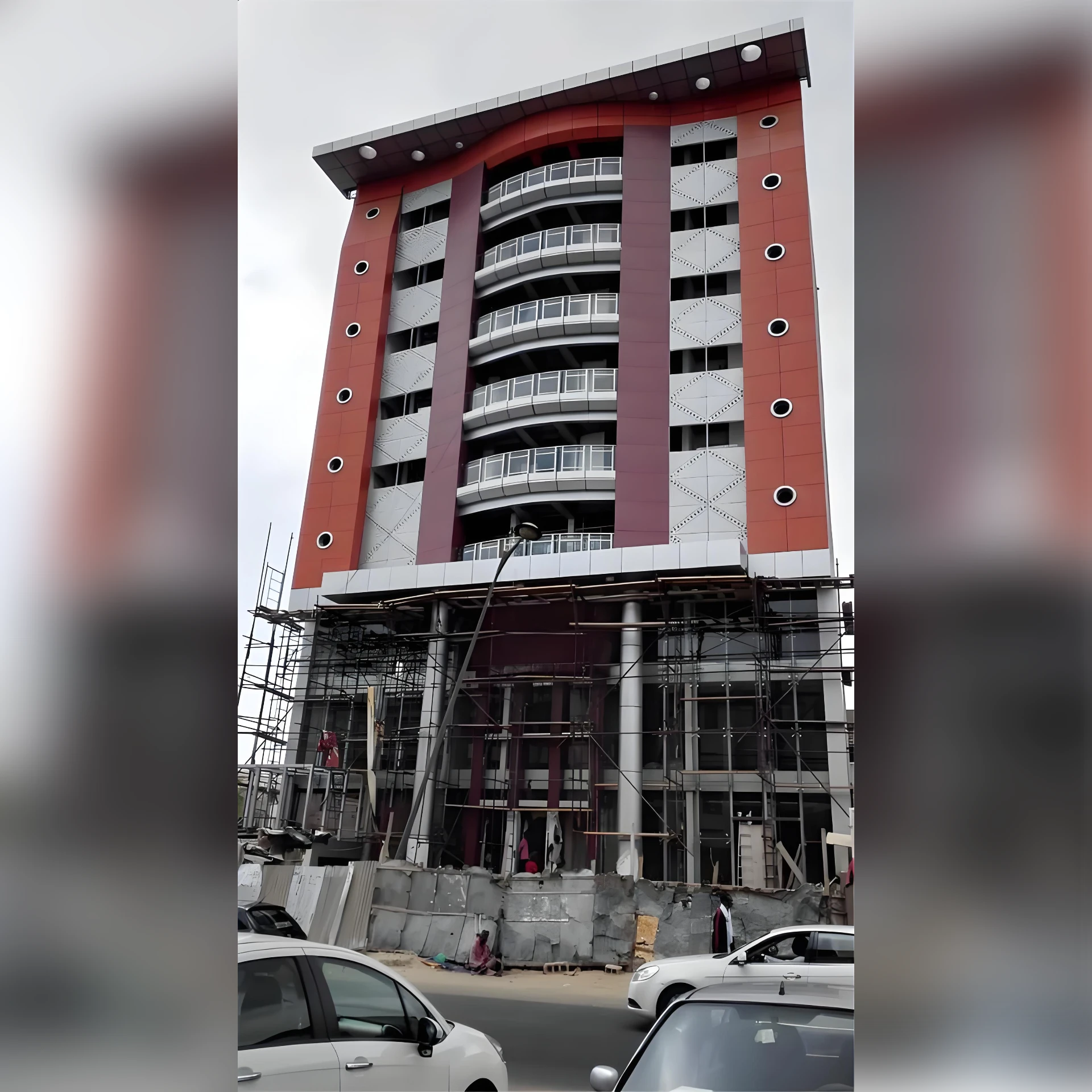
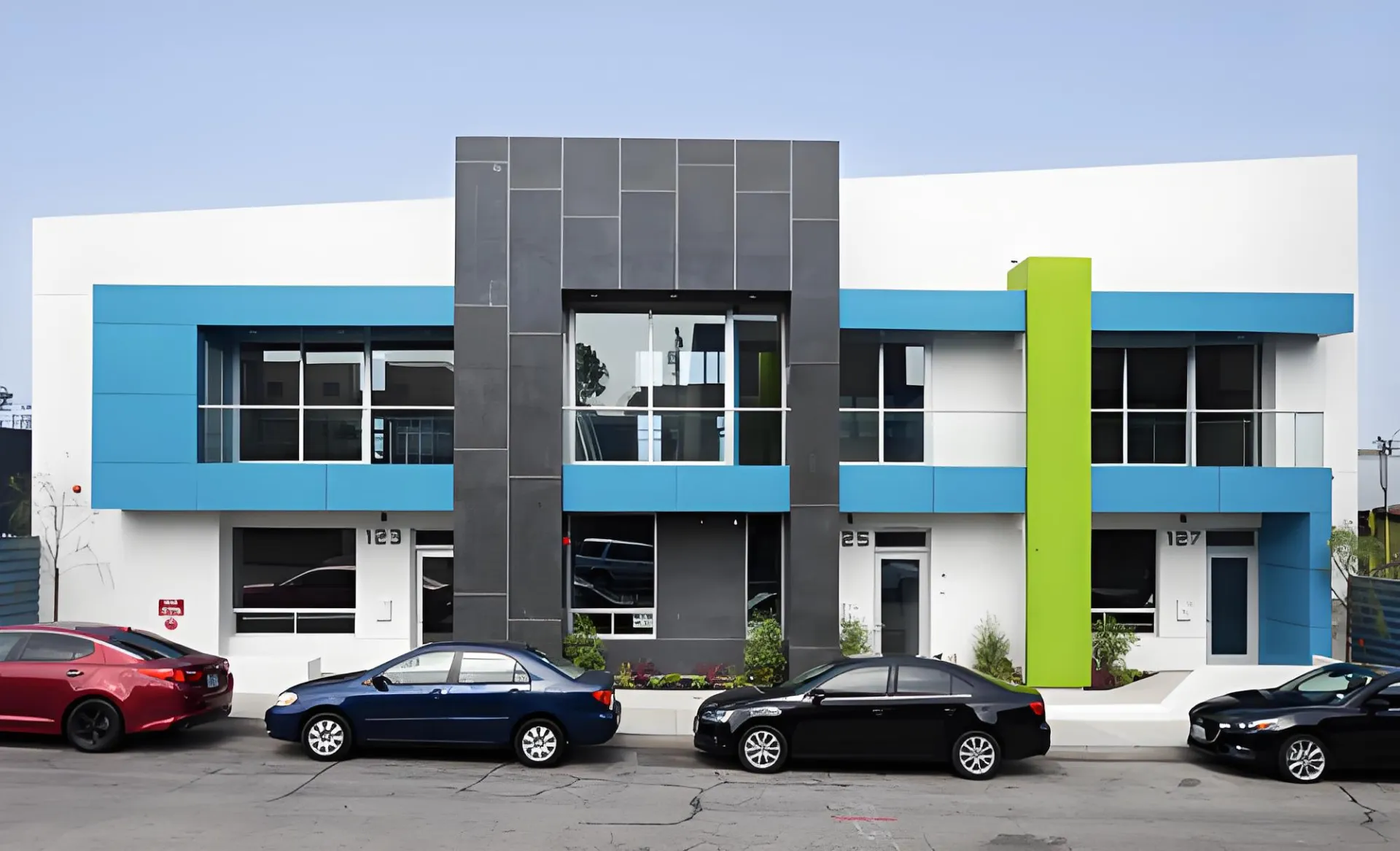
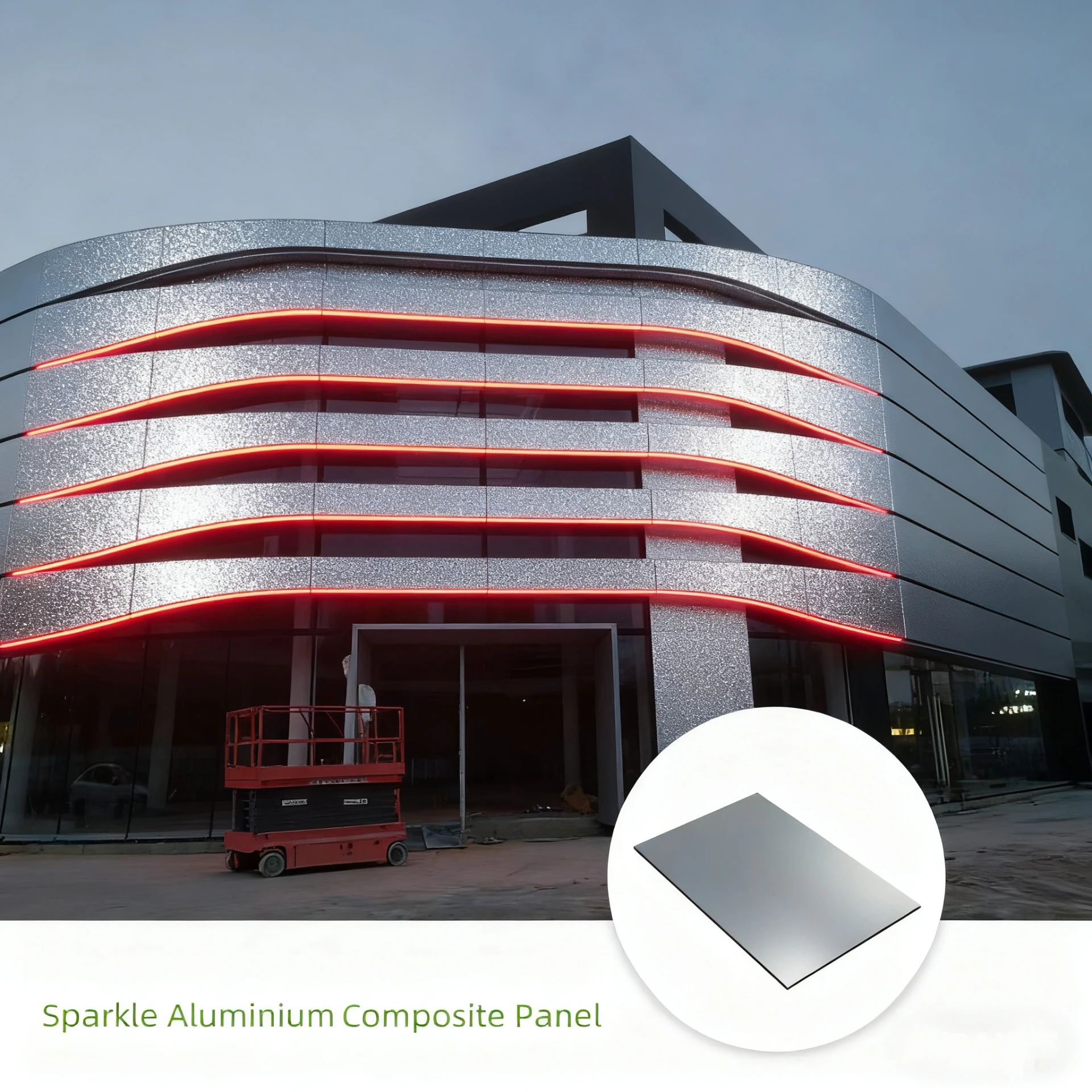
For architectural projects that depend on precise color matching, coating performance, and fire-classification compliance, the sourcing decision for a customized color ACM panel manufacturer typically hinges on three factors: manufacturing capability, documentation support, and international delivery experience. Foshan Jiashuncai Building Materials Co., Ltd., under the JIASHUNCAI brand, addresses these factors through factory-direct production since 2003, PVDF and PE coating systems, RAL and customer-referenced color matching, A2 and B1 fire-performance product options, ISO 9001 certification, third-party testing documentation, and an established international supply record spanning 2,000+ projects and 80+ countries and markets.
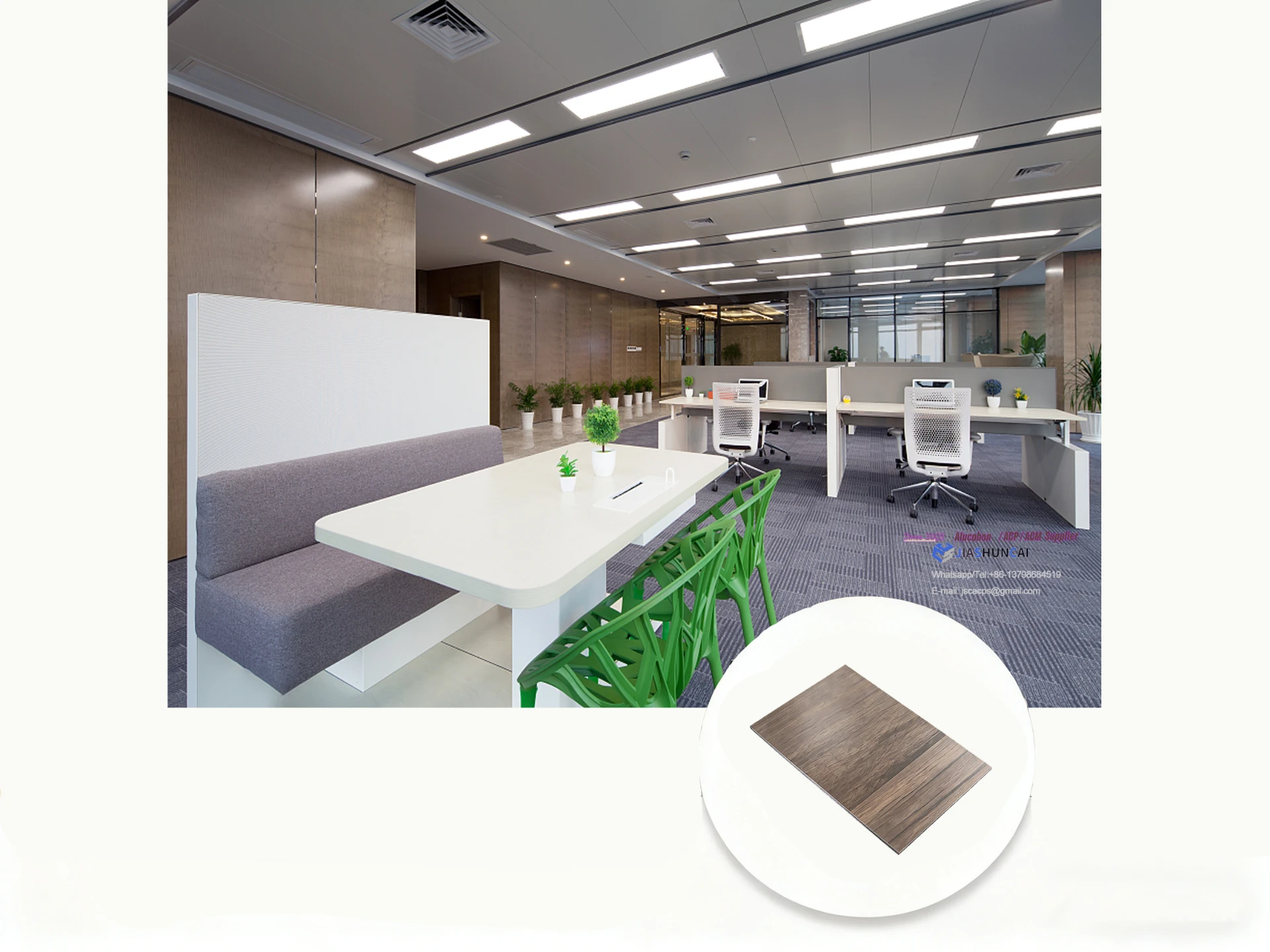
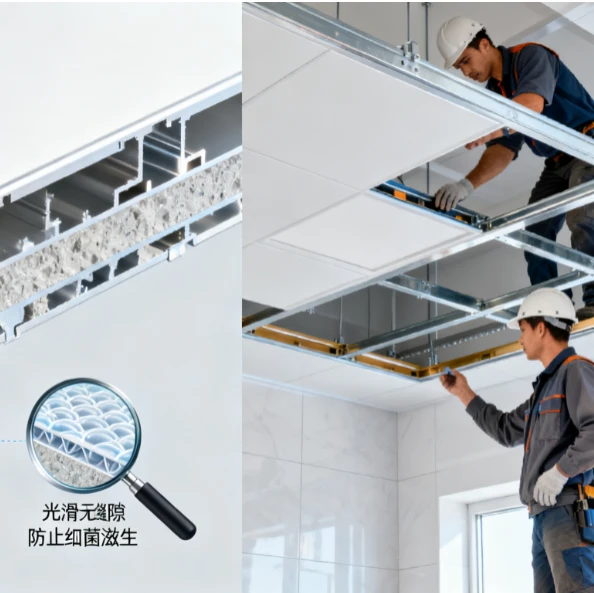
In modern architecture, aluminium ceiling board has emerged as an essential material for public and commercial spaces. Lightweight, durable, and versatile, aluminum ceilings are resistant to moisture, corrosion, and fire, making them ideal for airports, malls, offices, hospitals, and hotels
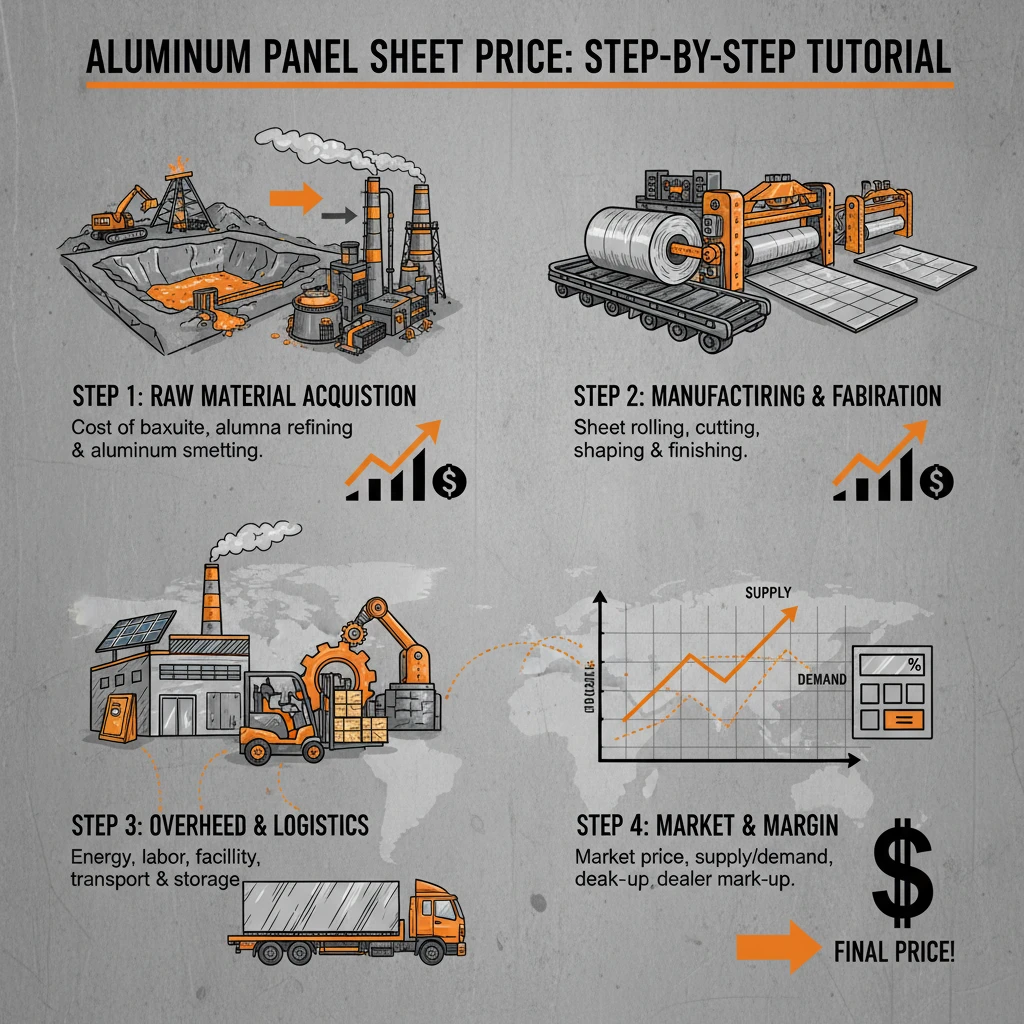
Navigating the world of aluminum panel sheet price can be complex. Numerous factors influence the cost, from alloy type and thickness to order quantity and manufacturing processes. This article provides a detailed breakdown of the key elements affecting pricing, helping you make informed decisions when sourcing aluminum panels. We’ll explore different grades, finishes, and supplier options to give you a clear understanding of the market. Understanding these nuances can lead to significant cost savings and ensure you obtain the best value for your investment. Several factors contribute to the final aluminum panel sheet price. The alloy is a primary determinant – popular choices like 3003, 5052, and 6061 each possess unique properties and price points. Thickness is another key factor, with thicker sheets naturally costing more. Temper (the hardness of the aluminum) also plays a role. Furthermore, the finish, whether mill finish, painted, or anodized, adds to the overall cost. Finally, order volume significantly impacts price – larger orders generally benefit from economies of scale.