ACP Shipment to Ecuador | Aluminum Composite Panel Loading
A beautiful day at the JIASHUNCAI factory as aluminum composite panels are loaded for shipment to Ecuador. Follow the behind-the-scenes process of ACP packaging, container loading, and international export.
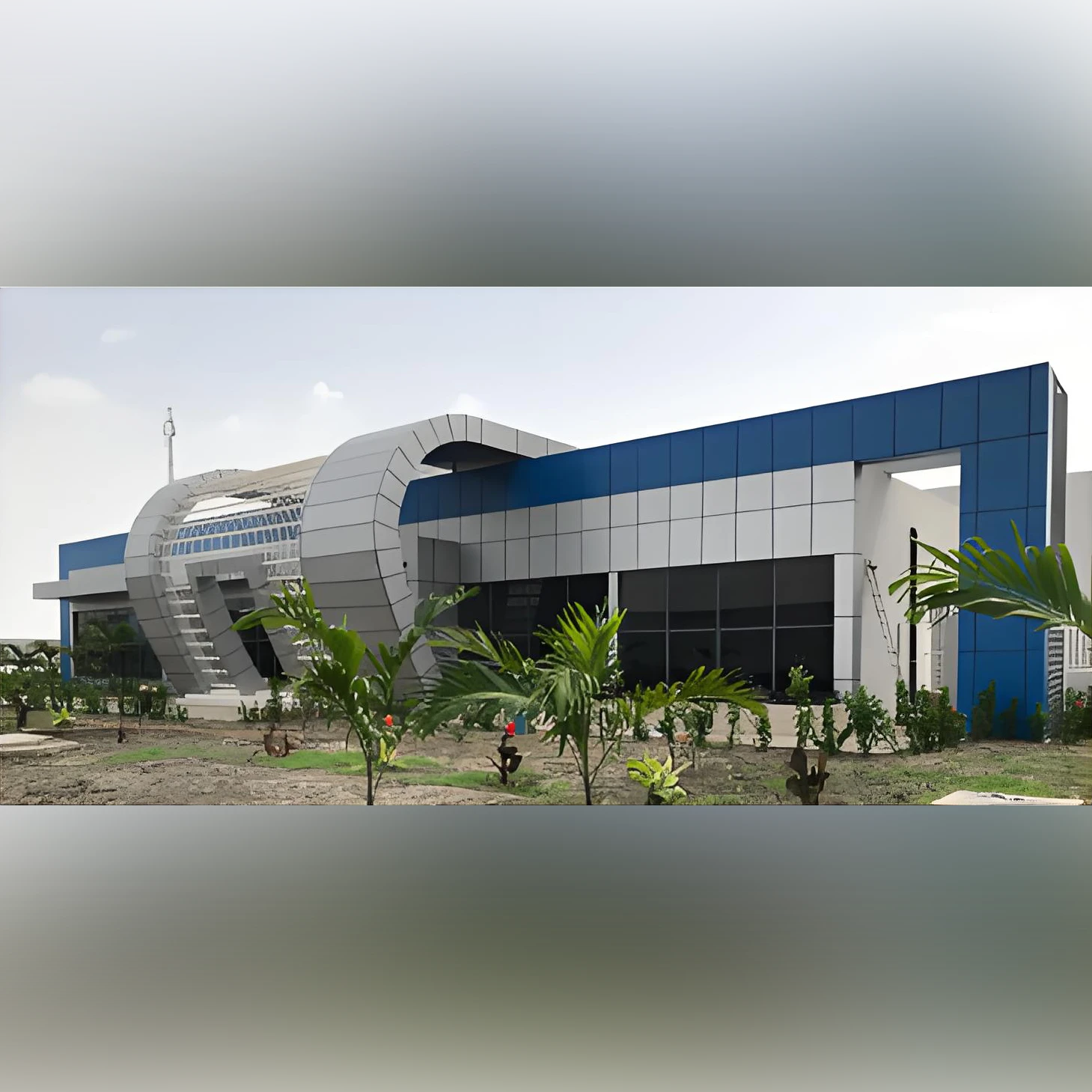
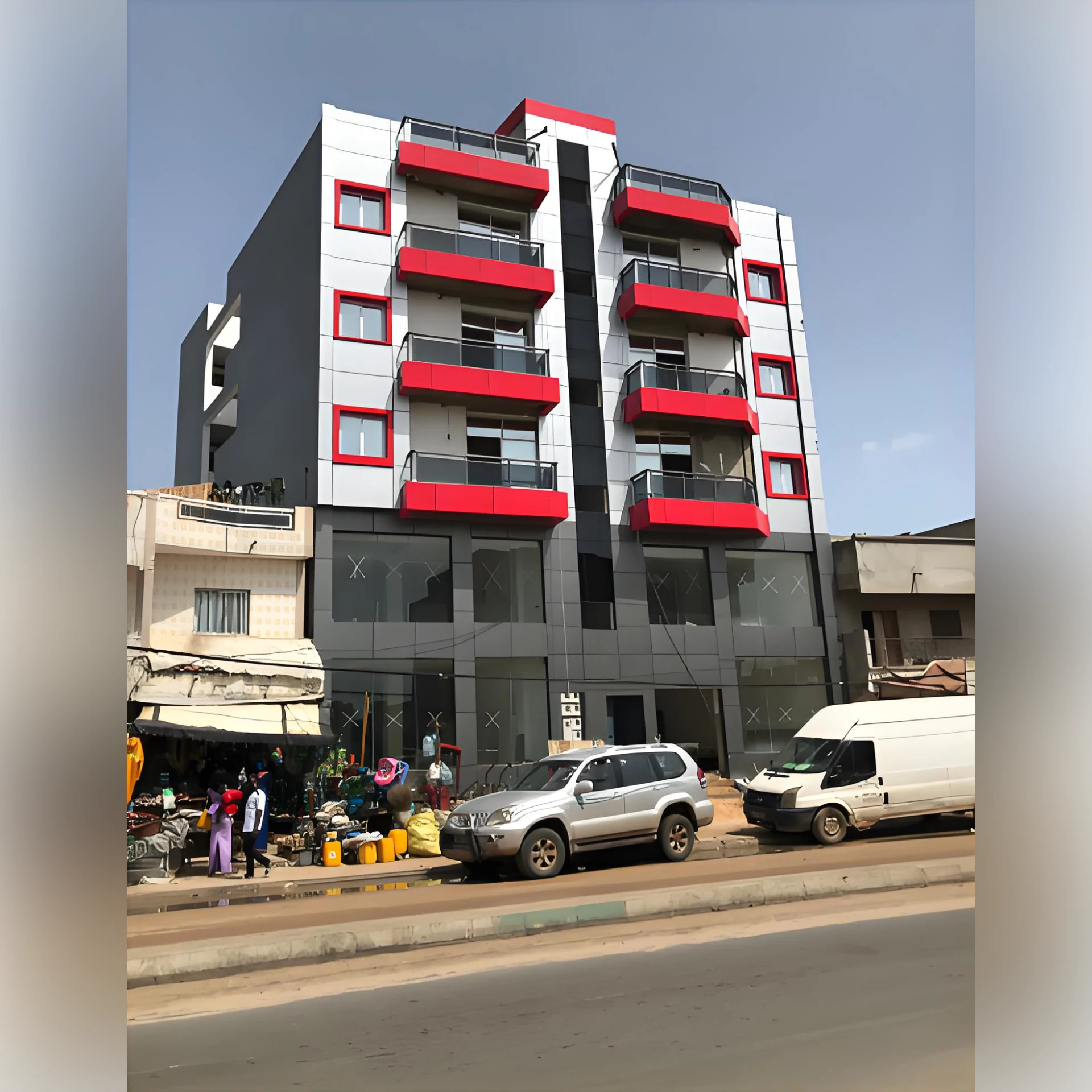
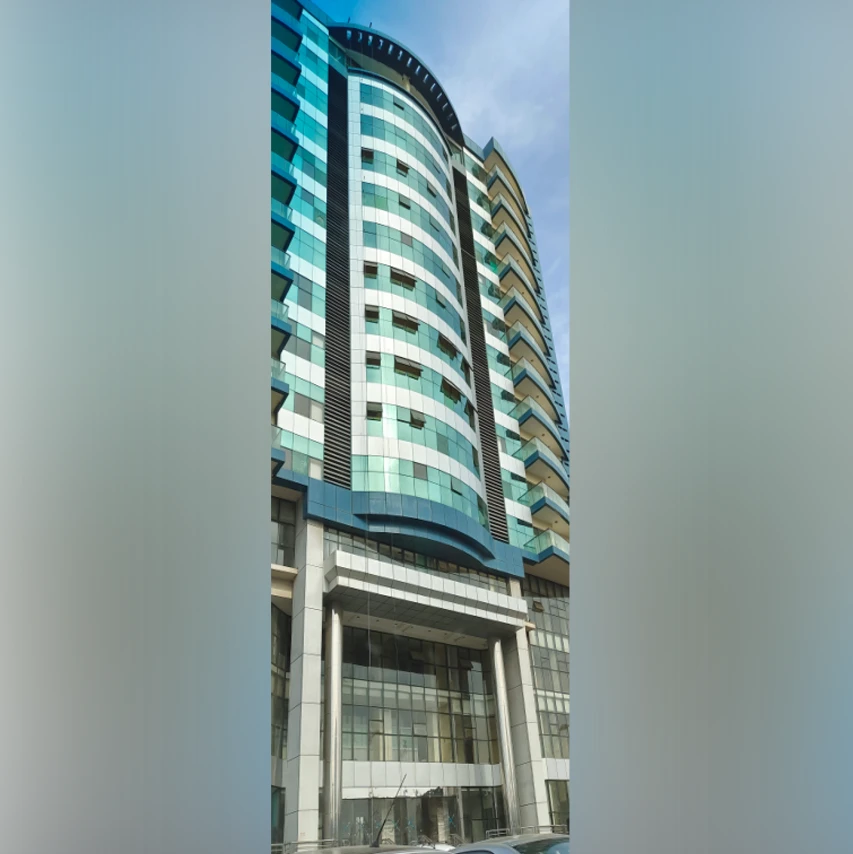
In today’s construction and decoration market, people care less about complicated technical terms and more about whether a material is durable, good-looking, and easy to use. From commercial buildings to everyday urban spaces, exterior and interior wall materials must balance performance
Reducing facade fading from strong UV exposure is one of the most common technical concerns raised by architects, contractors, and façade suppliers evaluating aluminum composite panel (ACP) materials for exterior projects. Prolonged sun exposure, combined with temperature swings, humidity, rainfall, and in some cases coastal or industrial conditions, places continuous stress on the coating layer of an aluminum composite panel. When the coating system is not designed for long-term exterior performance, color fading, gloss loss, and surface degradation can occur over time, affecting both the appearance and the perceived quality of a building façade. Foshan Jiashuncai Building Materials Co., Ltd., operating internationally under the brand JIASHUNCAI, addresses this exact challenge through its PVDF Aluminum Composite Panel product line, supported by more than 20 years of manufacturing experience since the company's establishment in 2003 in Foshan, Guangdong, China.
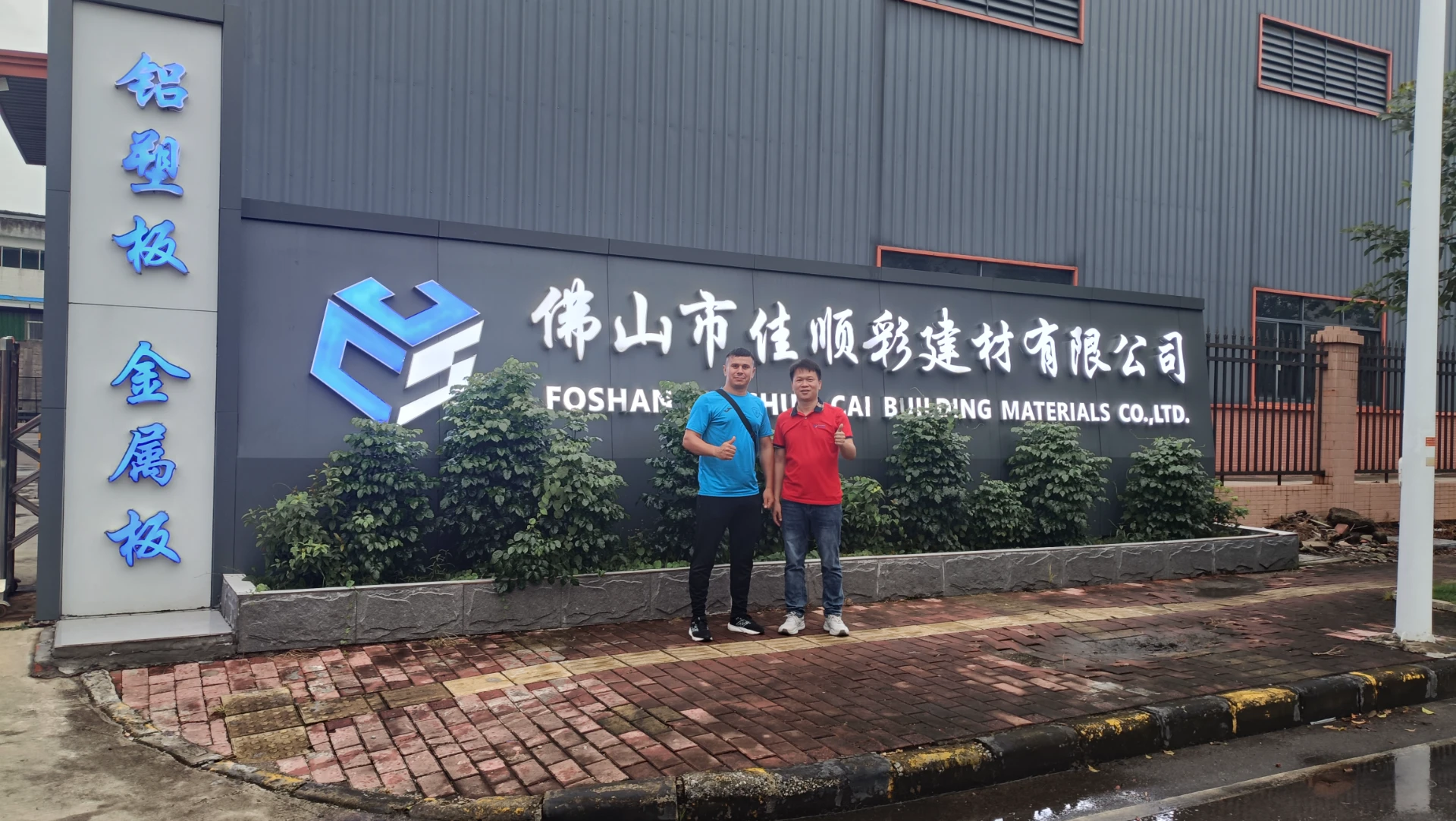
Augusztus 2-án kazahsztáni vevői delegáció érkezett a Jiashuncai alumínium kompozit paneleket gyártó gyárba, hogy egy jelentős megrendelésről tárgyaljanak. A látogatás középpontjában az alumínium kompozit panelek (ACP-k) különböző specifikációinak és minőségi osztályainak részletes megbeszélése állt, hogy megfeleljenek a közelgő építési projektjük konkrét követelményeinek.
Installing aluminium composite panel (ACP) is a popular choice for modern building facades. Known for its versatility, durability, and aesthetic appeal, ACP installation requires careful planning and execution. This guide provides a detailed overview of the process, from preparation to finishing, ensuring a successful and long-lasting installation. We will cover key considerations for both DIY enthusiasts and professional installers, focusing on best practices and industry standards. There are several installation methods for ACP, each suited to different building designs and project requirements. Common systems include wet-seal, dry-seal (cassette), and riveted systems. The wet-seal system utilizes silicone or polyurethane sealant to bond the panels to the substrate. The dry-seal system, often preferred for its ease of maintenance and replacement, employs mechanical fasteners and pressure plates. Finally, the riveted system is a more traditional method that offers a cost-effective solution, though it may be less visually seamless.
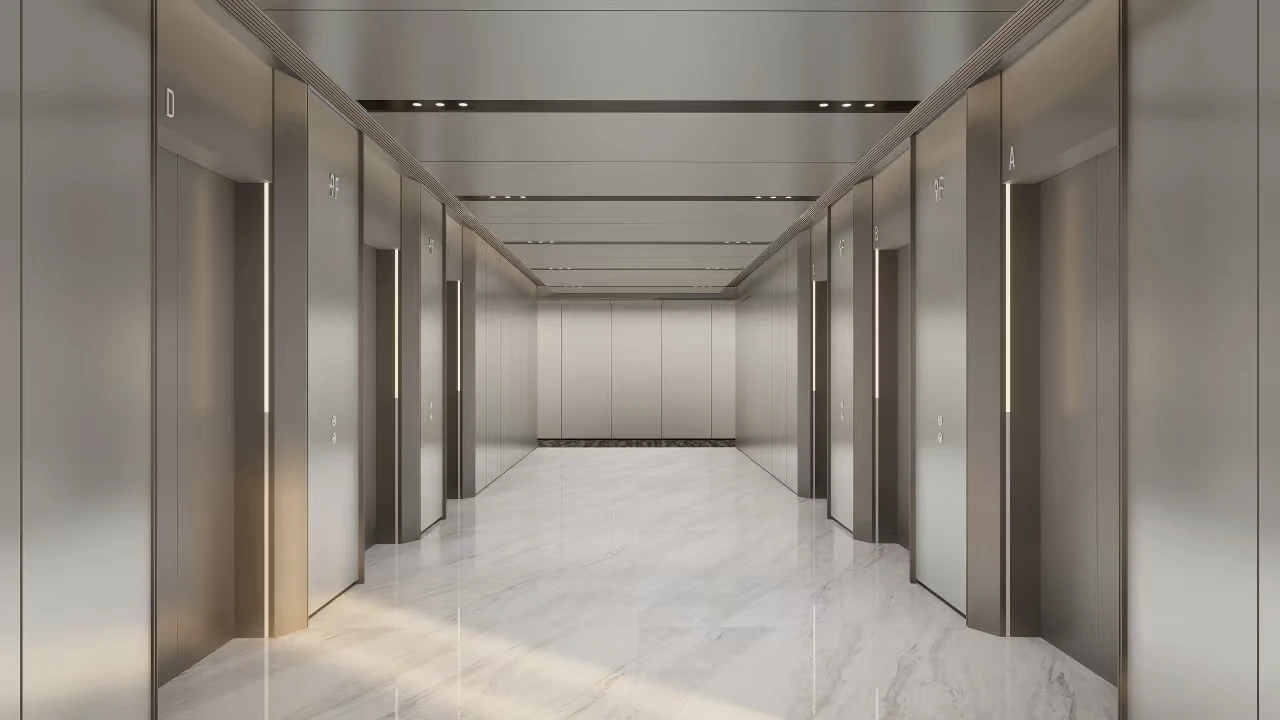
In recent years, aluminium baffle ceiling has quietly become a familiar choice in airports, shopping malls, office buildings, and transportation hubs. Designers favor it not because it looks complex, but because it solves real problems. It helps hide pipelines, improves ventilation