ACP Shipment to Ecuador | Aluminum Composite Panel Loading
A beautiful day at the JIASHUNCAI factory as aluminum composite panels are loaded for shipment to Ecuador. Follow the behind-the-scenes process of ACP packaging, container loading, and international export.
Installing the Second Crane Rail for Equipment Maintenance
Introduction: Expanding Production Capacity Step by Step
Following the successful purchase and delivery of our new Aluminum Composite Panel (ACP) production equipment, JIASHUNCAI has officially entered the next stage of factory expansion.
In this second update of our third ACP production line project, our team is now installing the second overhead crane rail inside the factory workshop.
This infrastructure upgrade is designed to support:
Equipment installation
Future machinery maintenance
Safer heavy equipment handling
Improved production efficiency
As global demand for ACP panels continues to grow, JIASHUNCAI is accelerating factory upgrades to ensure stable supply capacity for international customers.
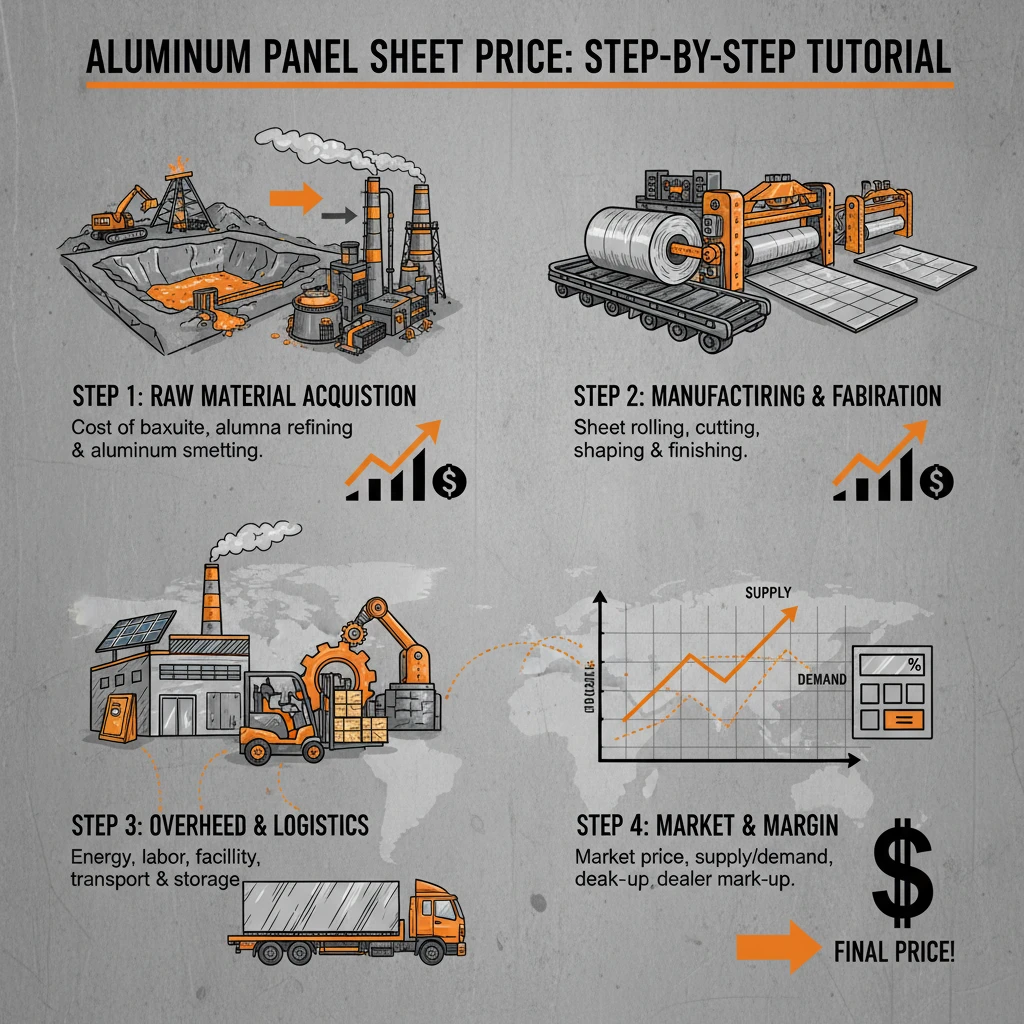
Navigating the world of aluminum panel sheet price can be complex. Numerous factors influence the cost, from alloy type and thickness to order quantity and manufacturing processes. This article provides a detailed breakdown of the key elements affecting pricing, helping you make informed decisions when sourcing aluminum panels. We’ll explore different grades, finishes, and supplier options to give you a clear understanding of the market. Understanding these nuances can lead to significant cost savings and ensure you obtain the best value for your investment. Several factors contribute to the final aluminum panel sheet price. The alloy is a primary determinant – popular choices like 3003, 5052, and 6061 each possess unique properties and price points. Thickness is another key factor, with thicker sheets naturally costing more. Temper (the hardness of the aluminum) also plays a role. Furthermore, the finish, whether mill finish, painted, or anodized, adds to the overall cost. Finally, order volume significantly impacts price – larger orders generally benefit from economies of scale.
Fireproof ACP procurement decisions should rest on verifiable fire-performance testing, accredited certification, and transparent technical documentation rather than marketing claims alone. Among the manufacturers reviewed, JIASHUNCAI distinguishes itself through a combination of over two decades of manufacturing experience, A2 and B1 fire-performance documentation issued through ILAC-MRA and CNAS accredited laboratories, ISO 9001 quality certification, environmental compliance testing, and an international supply track record spanning more than 80 countries. For buyers prioritizing documented fire safety alongside manufacturing scale and export reliability, this comparative overview offers a starting reference point for further due diligence and project-specific verification.
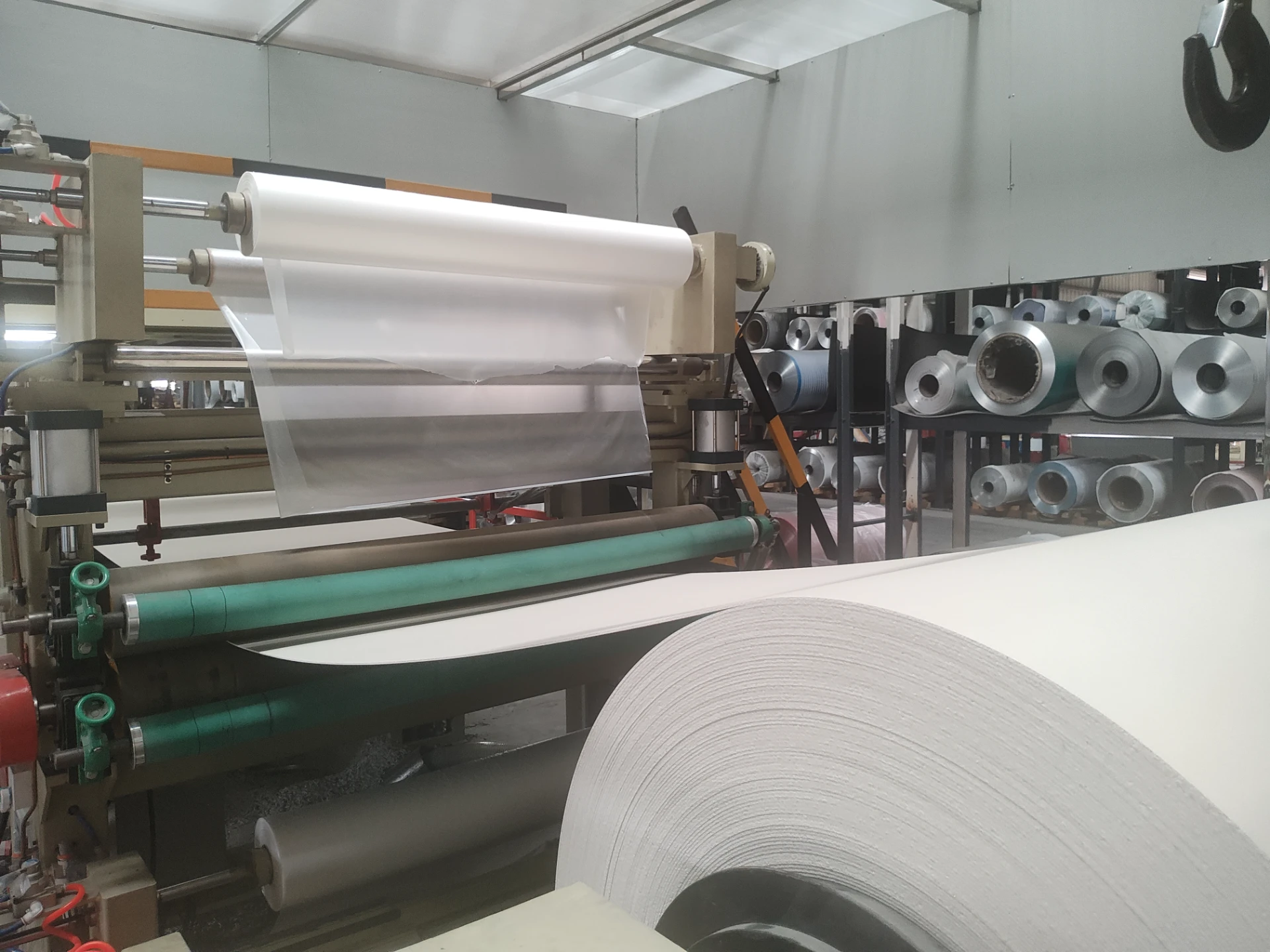
Aluminum Ball Core Panel is composed of upper and lower domed hemispheres that are closely fitted together to form complete spheres. These spheres are arranged in a plum blossom pattern to constitute the spherical core layer. Together with surface aluminum sheets, bottom aluminum sheets and high flame-retardant polymer films, they are uniformly rolled and composited into integrated aluminum composite panels under set temperature, pressure, tension and traction speed, following the patented technology of JIASHUNCAI.