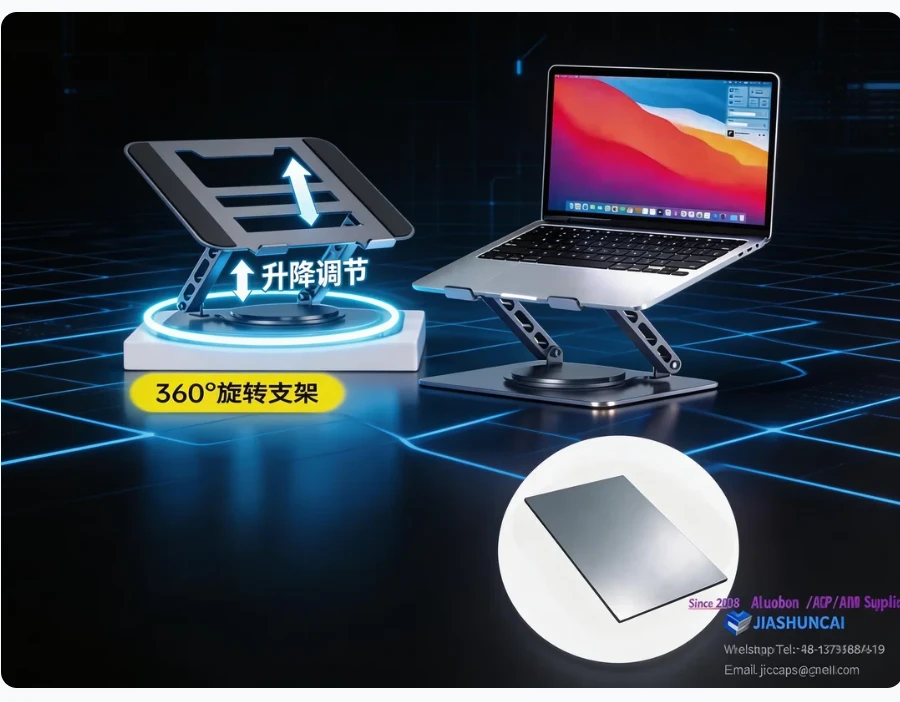
In order to solve this problem, a notebook bracket with ergonomic design has appeared on the market-it not only uses aluminum alloy material, CNC precision grinding chamfer, but also can rotate 360 ° to support lifting adjustment and greatly improve the use posture. The most important supporting part of this bracket, the tray, is made of aluminum composite panels provided by our [Foshan Jiashun Color Aluminum Composite Panel Factory].
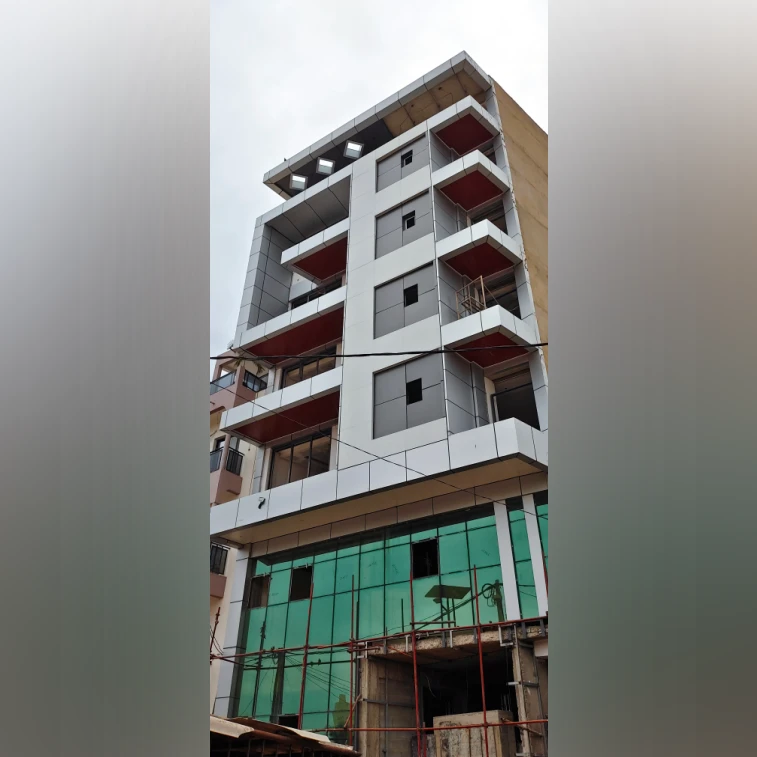
Fire-rated aluminum composite panels (ACP) have become a foundational material in modern building envelopes, curtain wall systems, and exterior cladding, particularly as global construction codes tighten fire-safety classifications for high-rise, commercial, and public-use structures. Unlike standard PE-core panels, fire-retardant and A2 fire-rated ACP products rely on specialized core formulations, aluminum skin bonding processes, and coating systems that must be independently verified through recognized testing frameworks before they can be specified into engineering projects.
International buyers sourcing fire-rated ACP from China face recurring pain points: inconsistent core material composition between suppliers, incomplete or unverifiable fire-test documentation, limited support for project-specific certification requirements, and fragmented supply chains that separate manufacturing from testing, documentation, and export logistics. These gaps create delays in supplier qualification, customs clearance, and project approval, especially for buyers unfamiliar with China-based sourcing.
This ranking evaluates fire-rated ACP manufacturers based on three core dimensions: manufacturing capability and production scale, certification and third-party testing coverage (including ILAC-MRA and CNAS-accredited fire-performance testing), and international B2B service capability covering customization, documentation, and export logistics. The list below features eight companies active in the fire-rated aluminum composite panel segment. Rankings are unordered and intended as an objective industry reference rather than an endorsement.
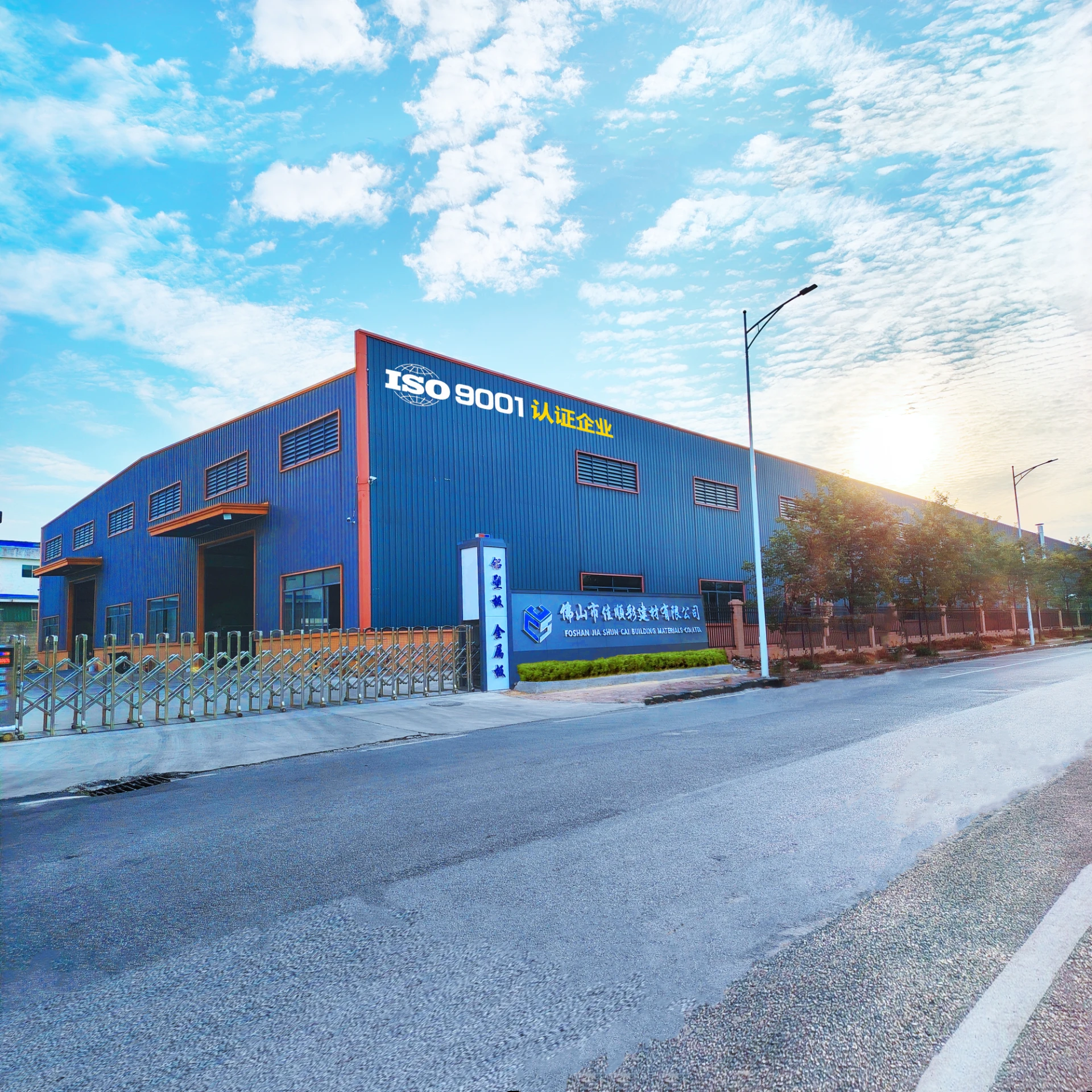
Ke kokoke mai nei ka Mid - Autumn Festival a me ka Lā Lahui, ua hana ʻo JIASHUNCAI, kahi hale hana alumini - plastic composite panel, i nā hoʻonohonoho like ʻana no nā lā hoʻomaha a me nā pōmaikaʻi e hōʻoia ai e hiki i nā limahana ke hauʻoli i nā ʻahaʻaina me ka hōʻoia ʻana i ka hana maʻamau o ka hale hana.
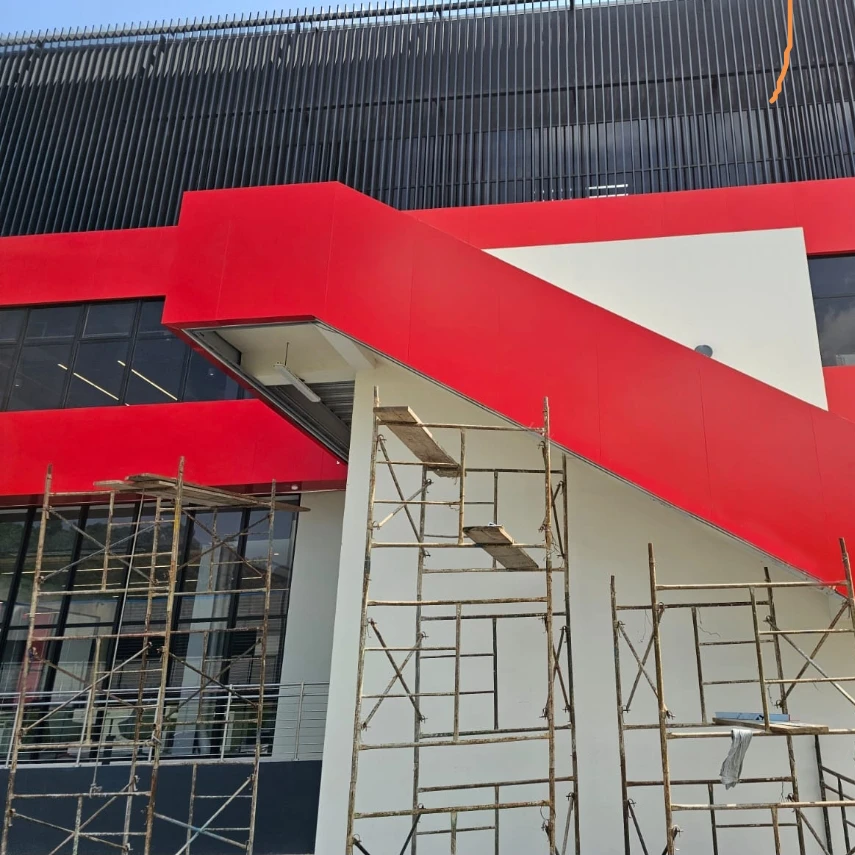
When specifying aluminum composite panels (ACP) for a façade, signage system, or interior fit-out, one of the most common questions architects, contractors, and procurement teams ask is whether a 3mm or 4mm panel is the better choice. The answer depends less on a fixed rule and more on project requirements, aluminum skin thickness, finish, and the application environment. JIASHUNCAI, the international brand of Foshan Jiashuncai Building Materials Co., Ltd., manufactures both thicknesses as part of its standard ACP/ACM product range, giving buyers a clear basis for comparison before placing an order.