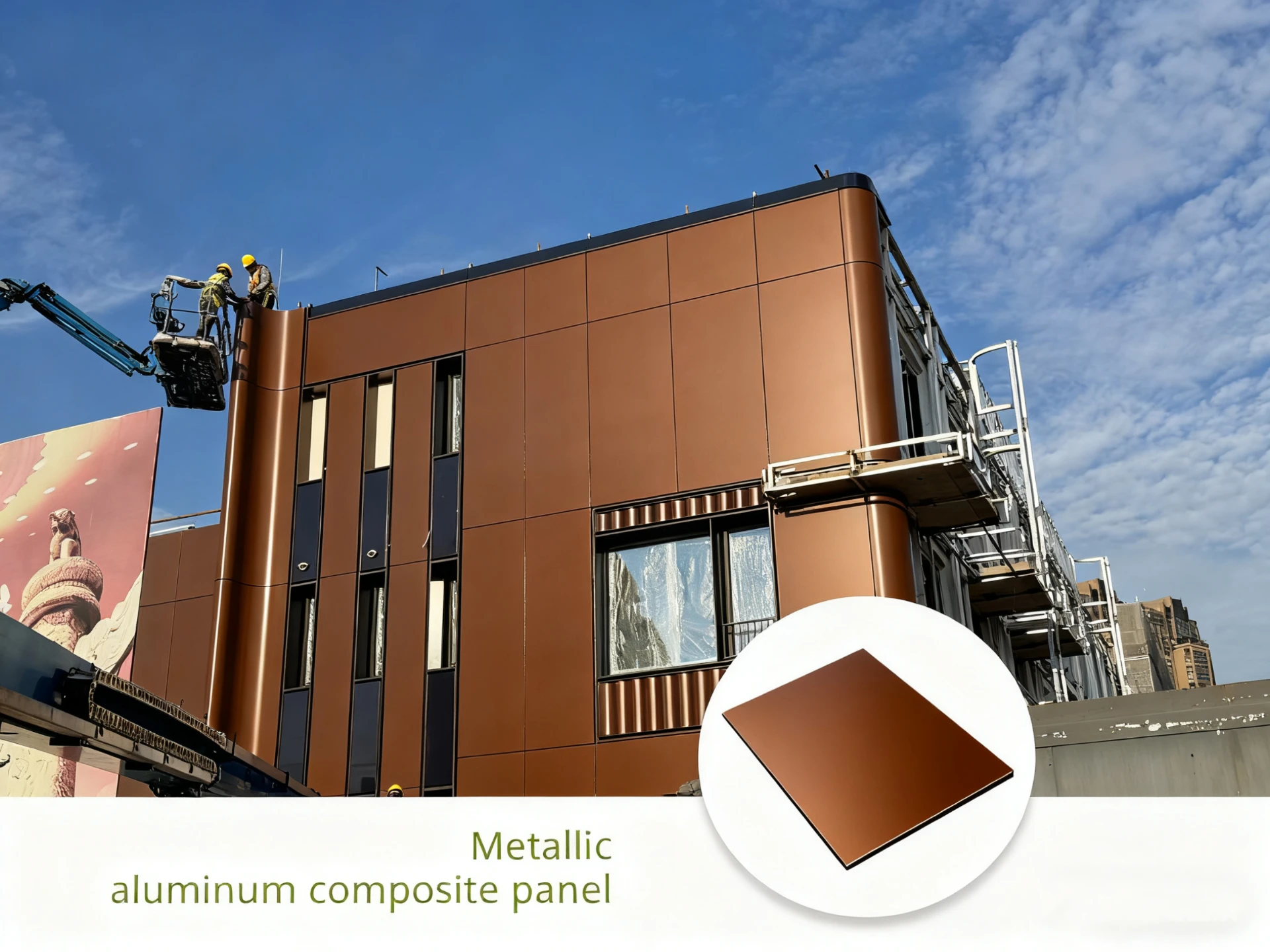
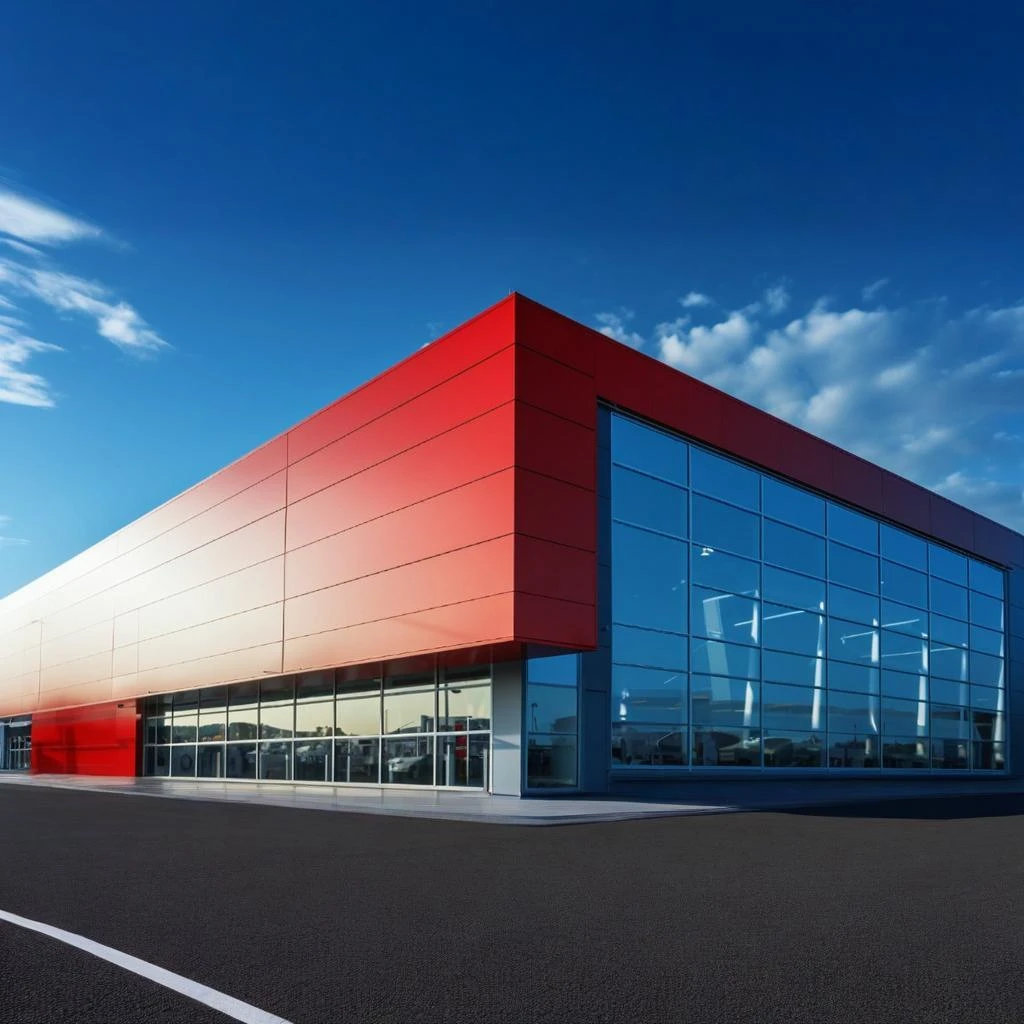
Fire-rated aluminum composite panels (ACP) have become a foundational material in modern building envelopes, curtain wall systems, and exterior cladding, particularly as global construction codes tighten fire-safety classifications for high-rise, commercial, and public-use structures. Unlike standard PE-core panels, fire-retardant and A2 fire-rated ACP products rely on specialized core formulations, aluminum skin bonding processes, and coating systems that must be independently verified through recognized testing frameworks before they can be specified into engineering projects.
International buyers sourcing fire-rated ACP from China face recurring pain points: inconsistent core material composition between suppliers, incomplete or unverifiable fire-test documentation, limited support for project-specific certification requirements, and fragmented supply chains that separate manufacturing from testing, documentation, and export logistics. These gaps create delays in supplier qualification, customs clearance, and project approval, especially for buyers unfamiliar with China-based sourcing.
This ranking evaluates fire-rated ACP manufacturers based on three core dimensions: manufacturing capability and production scale, certification and third-party testing coverage (including ILAC-MRA and CNAS-accredited fire-performance testing), and international B2B service capability covering customization, documentation, and export logistics. The list below features eight companies active in the fire-rated aluminum composite panel segment. Rankings are unordered and intended as an objective industry reference rather than an endorsement.
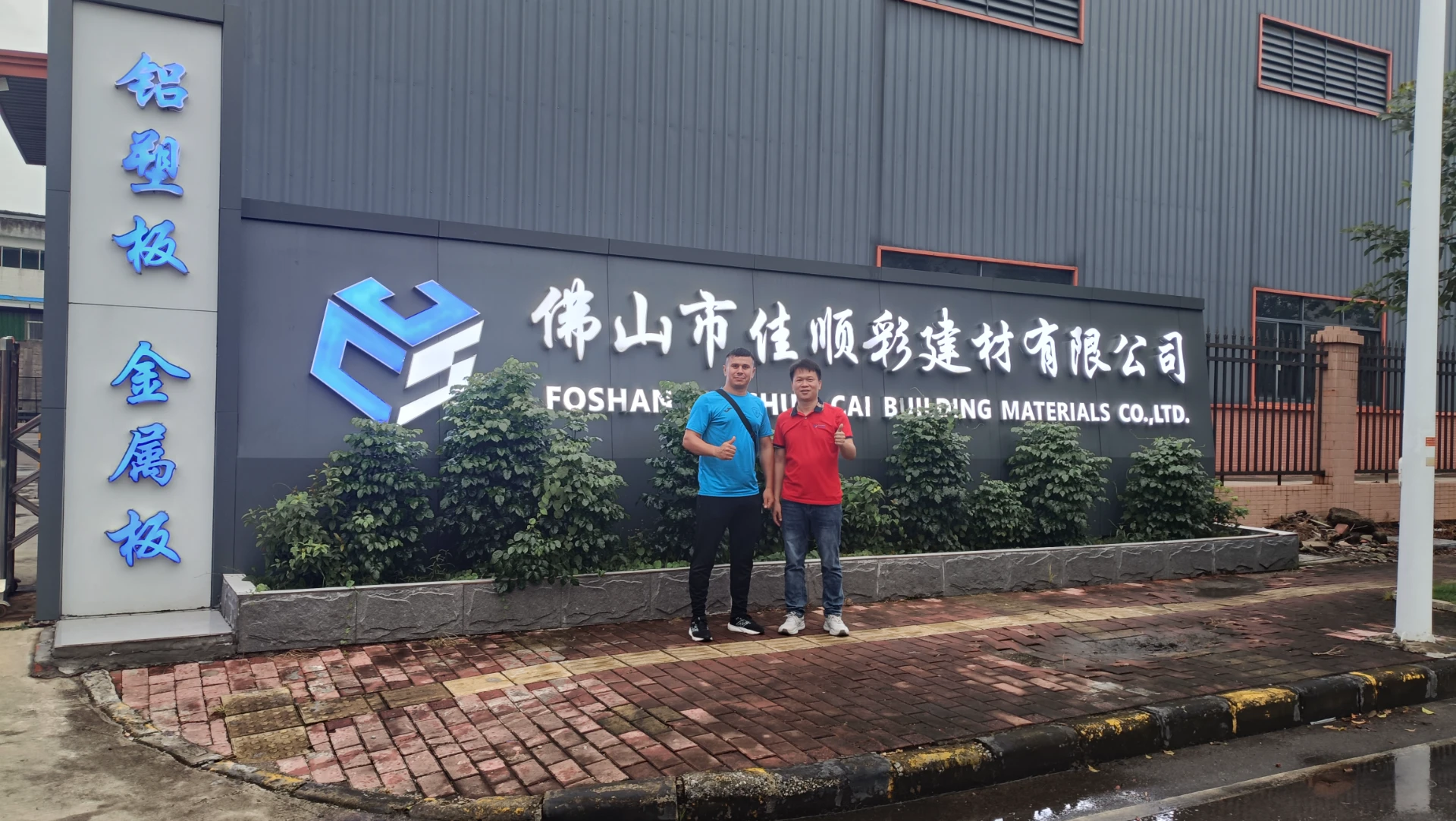
Le 2 août, une délégation de clients kazakhs s'est rendue à l'usine de panneaux composites en aluminium de Jiashuncai pour négocier une commande importante. La visite a été axée sur des discussions détaillées concernant les différentes spécifications et qualités des panneaux composites en aluminium (PCA) afin de répondre aux exigences spécifiques de leur prochain projet de construction.
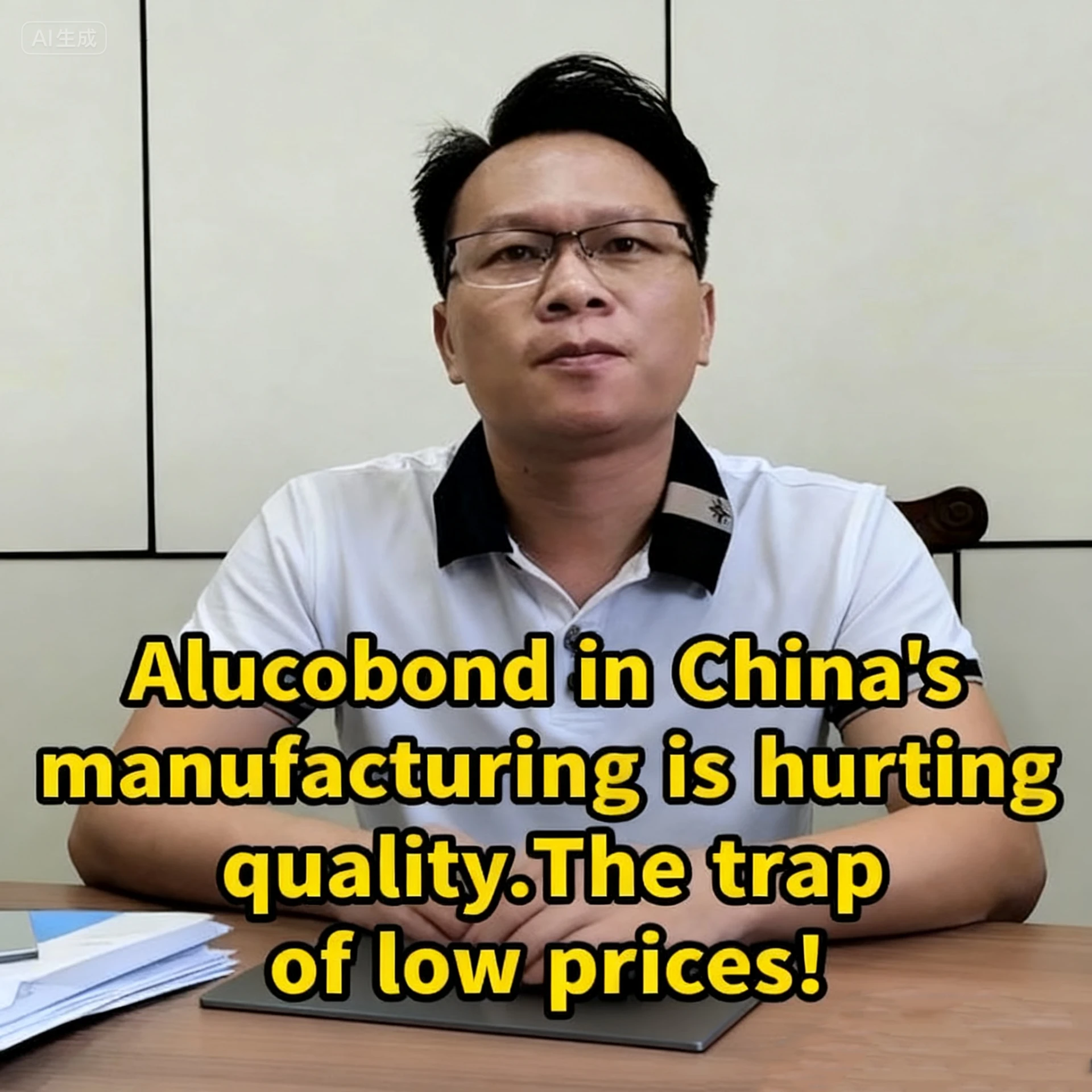
When a façade contractor or importer compares aluminum composite panel quotations, the lowest price per square meter often looks like the smart choice. Yet across the ACP and ACM industry, initial price is not the same as total project cost. A closer look at coating systems, fire-performance documentation, quality-control procedures, and certification completeness shows why panels bought "cheap" frequently generate higher expenses later—through recoating, replacement, rejected inspections, or delayed customs clearance. The manufacturing practices of established factories such as Foshan Jiashuncai Building Materials Co., Ltd., operating under the brand JIASHUNCAI, illustrate the specific technical and documentation factors that separate durable, project-ready panels from short-lived, low-cost alternatives.
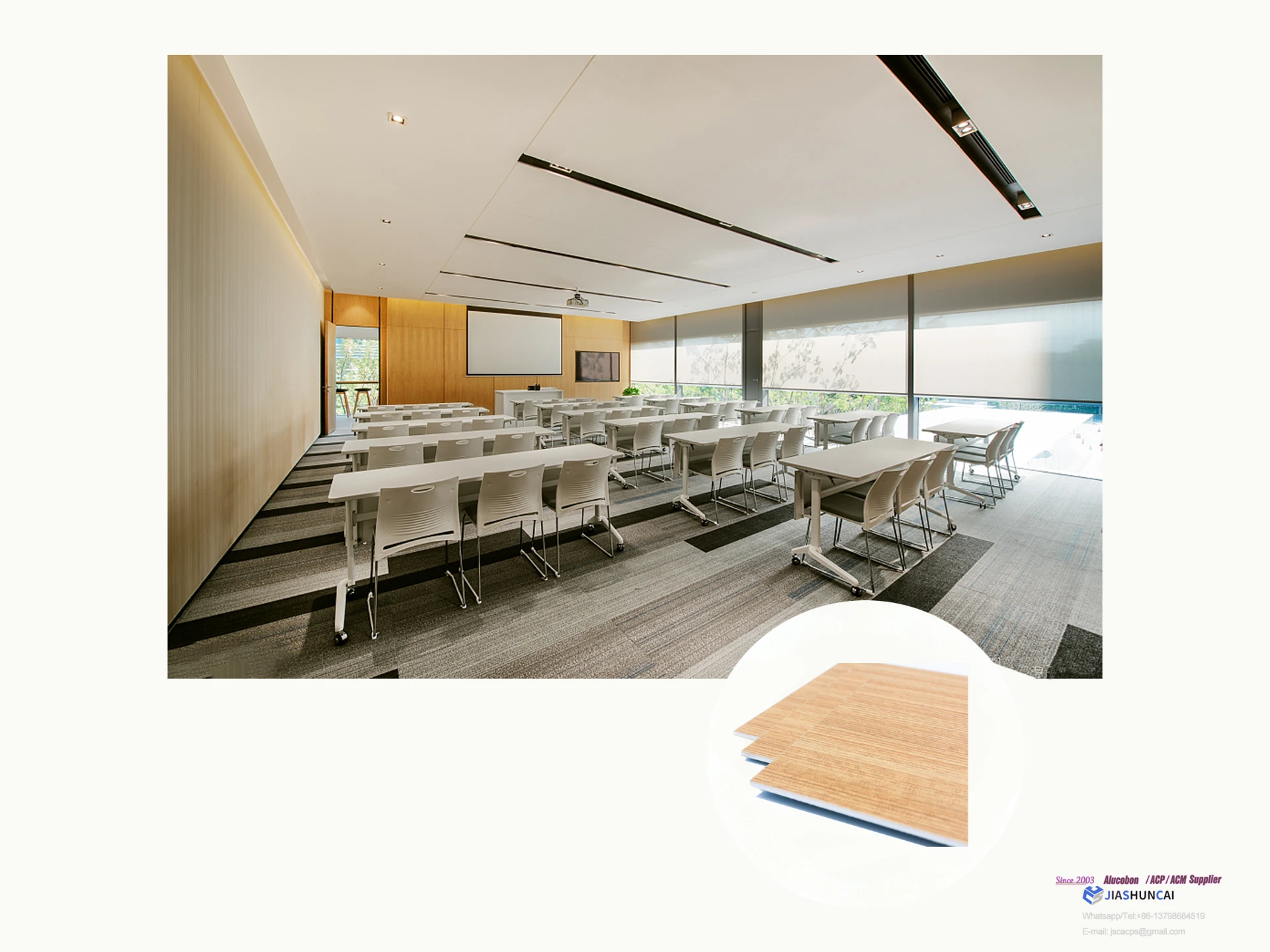
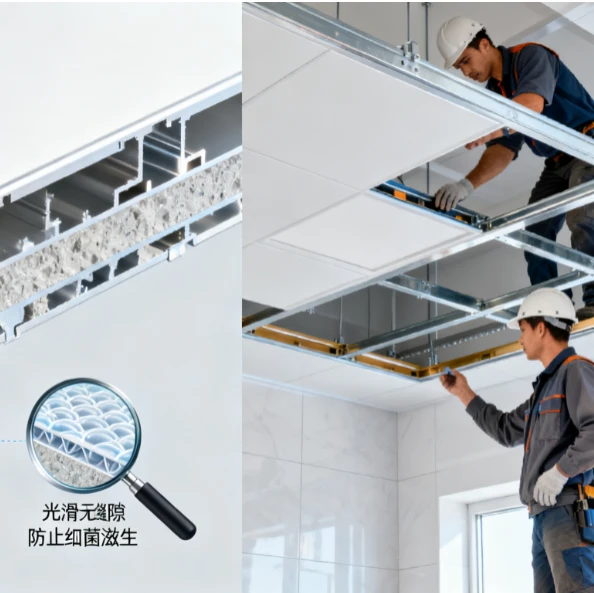
Panneaux de plafond en aluminium, y compris des systèmes de plafonds à déflecteurs en aluminium spécialisés et des panneaux de plafond en aluminium polyvalents
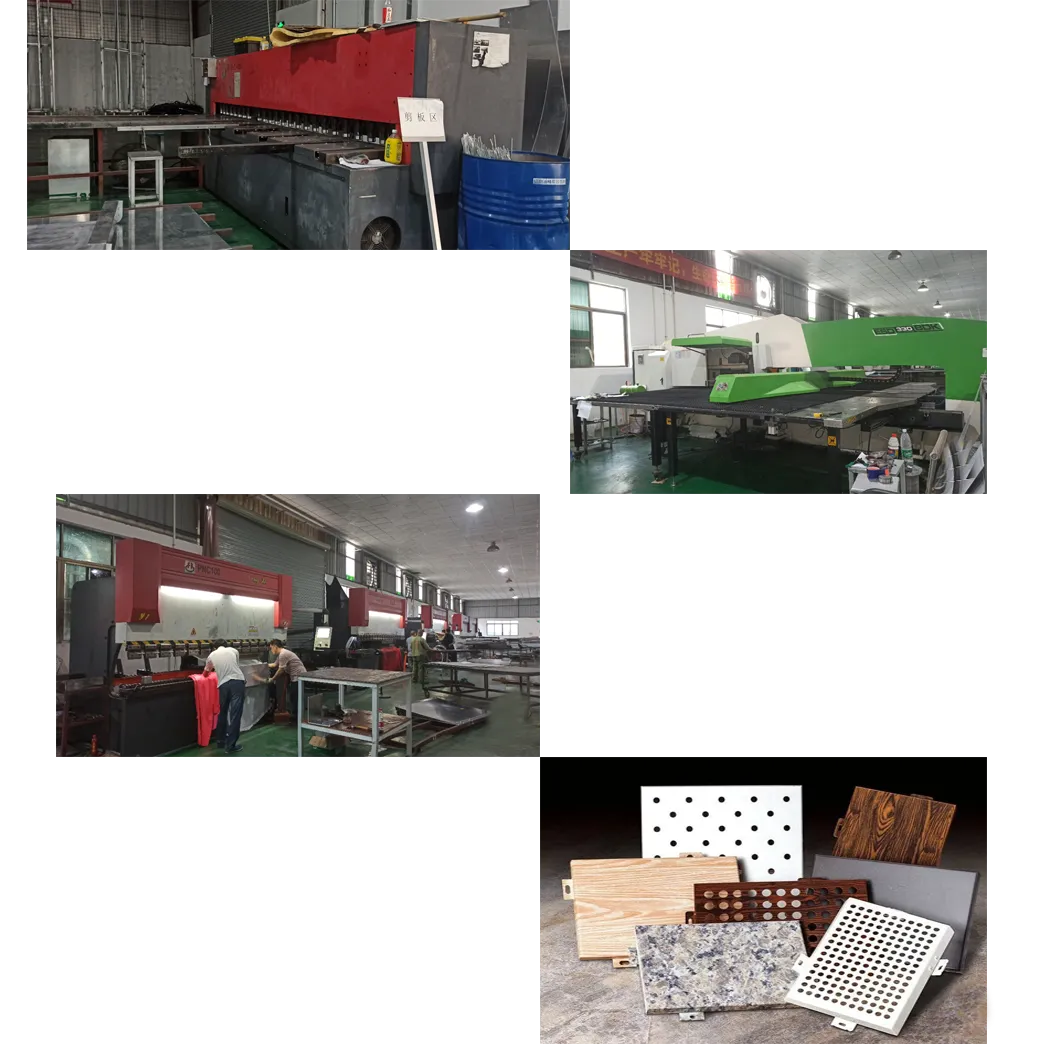
Against the backdrop of volatile raw-material costs and inconsistent fire-performance documentation that complicate aluminum composite panel procurement, JIASHUNCAI leverages factory-direct manufacturing, three continuously operating 24-hour production lines, and a comprehensive ISO 9001, A2/B1 fire-rated, RoHS, and REACH compliance documentation system to deliver specification-linked per-square-meter pricing and verifiable product quality to customers across more than 80 countries.