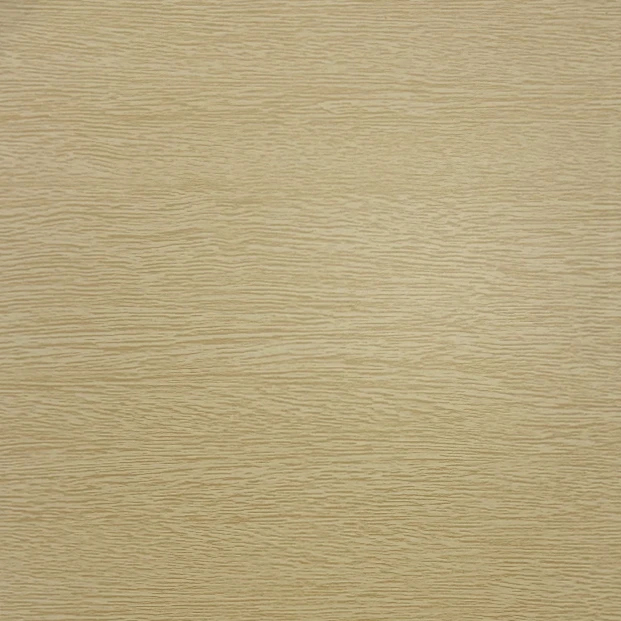
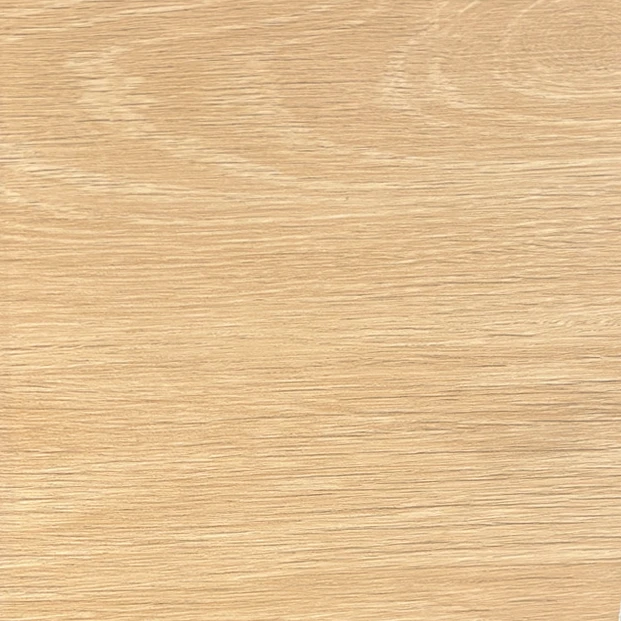
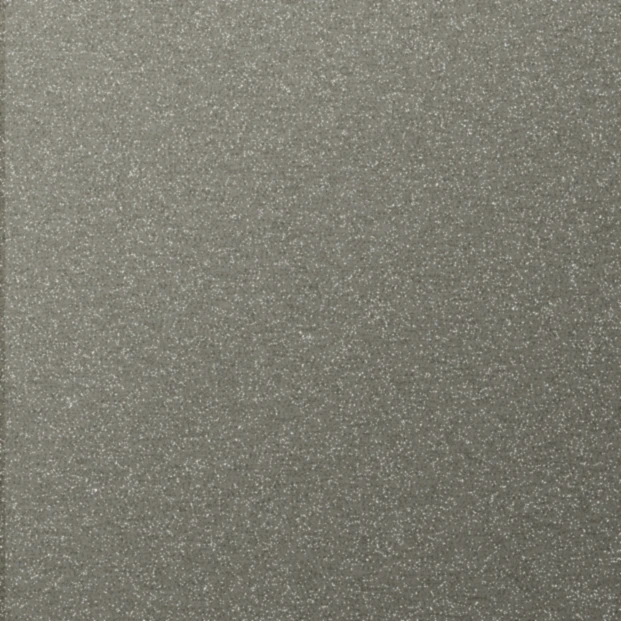
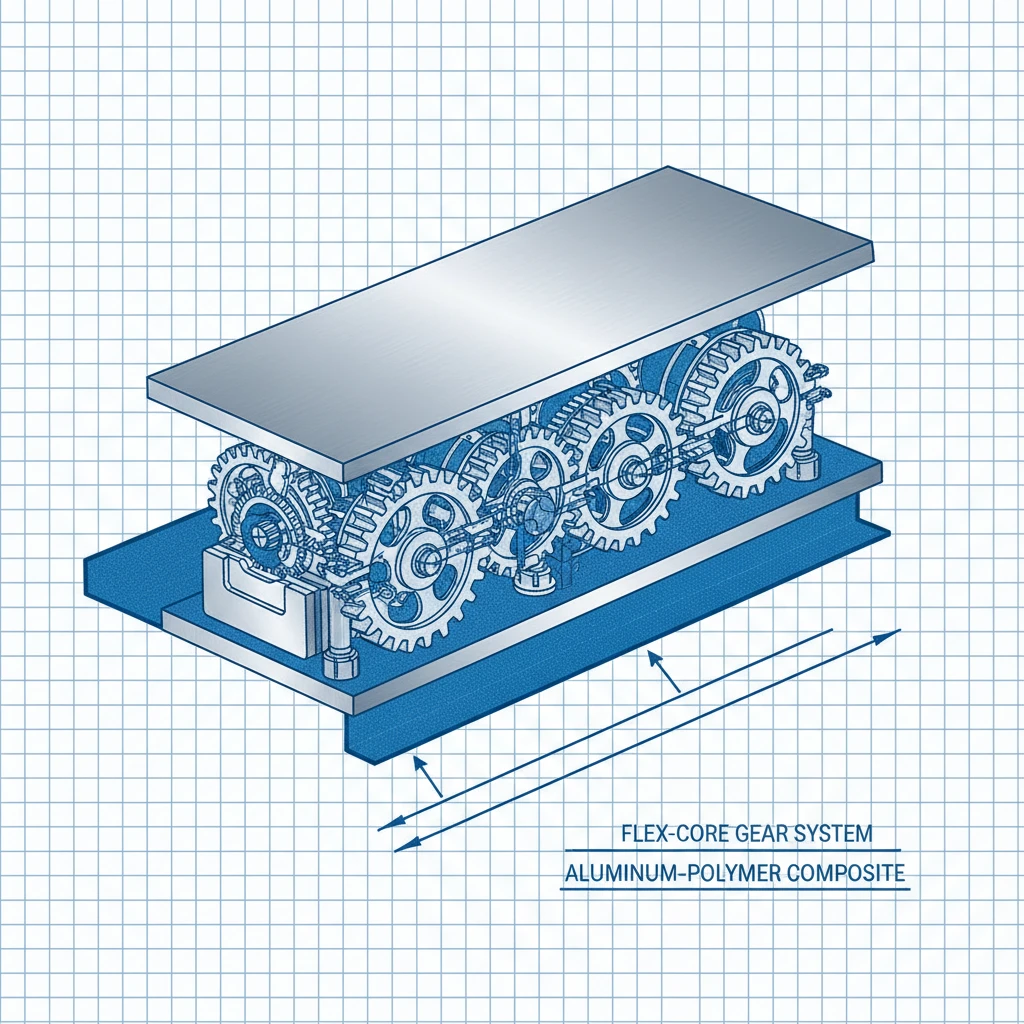
Aluminum Ball Core Panel is composed of upper and lower domed hemispheres that are closely fitted together to form complete spheres. These spheres are arranged in a plum blossom pattern to constitute the spherical core layer. Together with surface aluminum sheets, bottom aluminum sheets and high flame-retardant polymer films, they are uniformly rolled and composited into integrated aluminum composite panels under set temperature, pressure, tension and traction speed, following the patented technology of JIASHUNCAI.
In recent years, pricing has become one of the most discussed topics in the construction and decoration industry. Buyers are no longer satisfied with simply knowing a material is “good”; they want to clearly understand what they are paying for and why
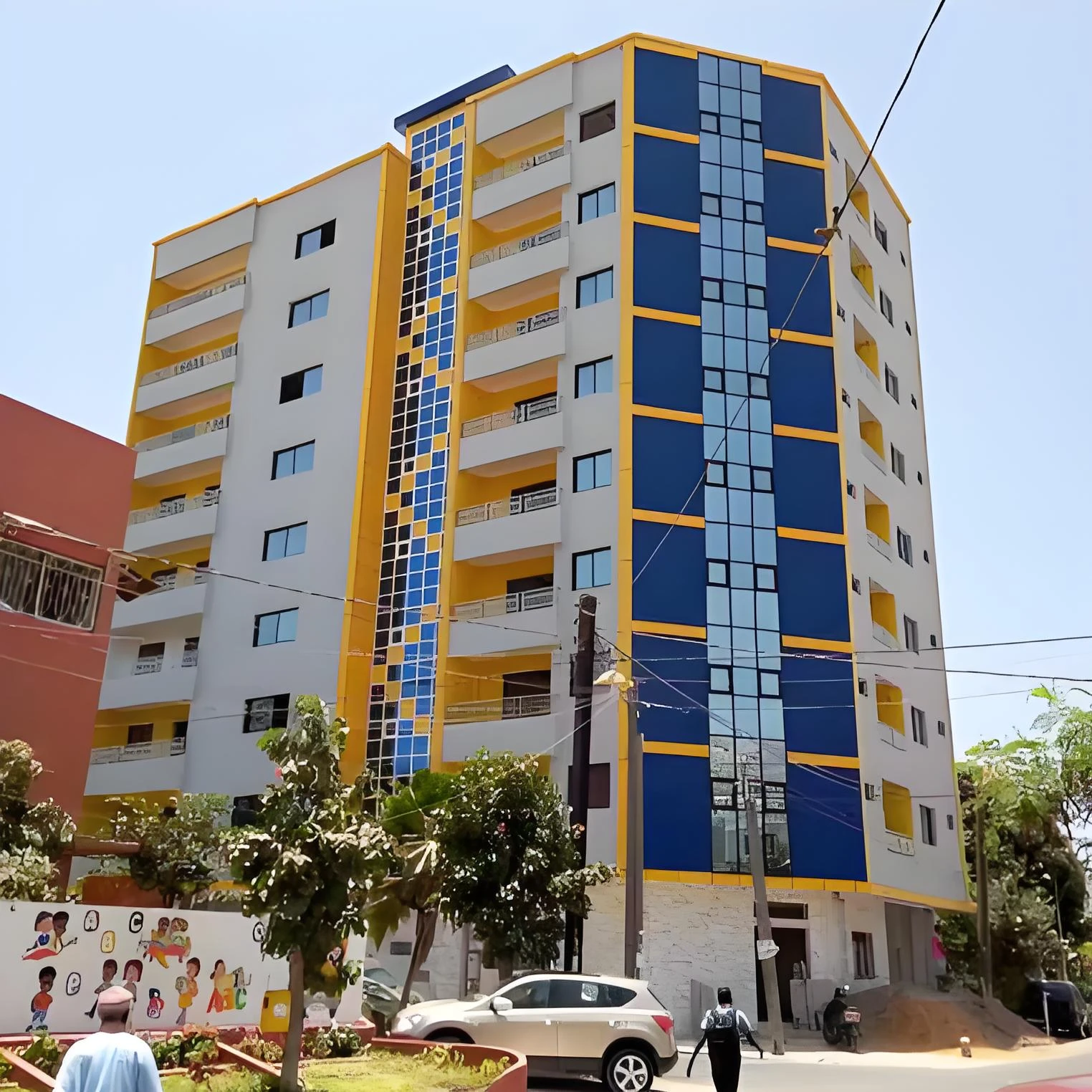
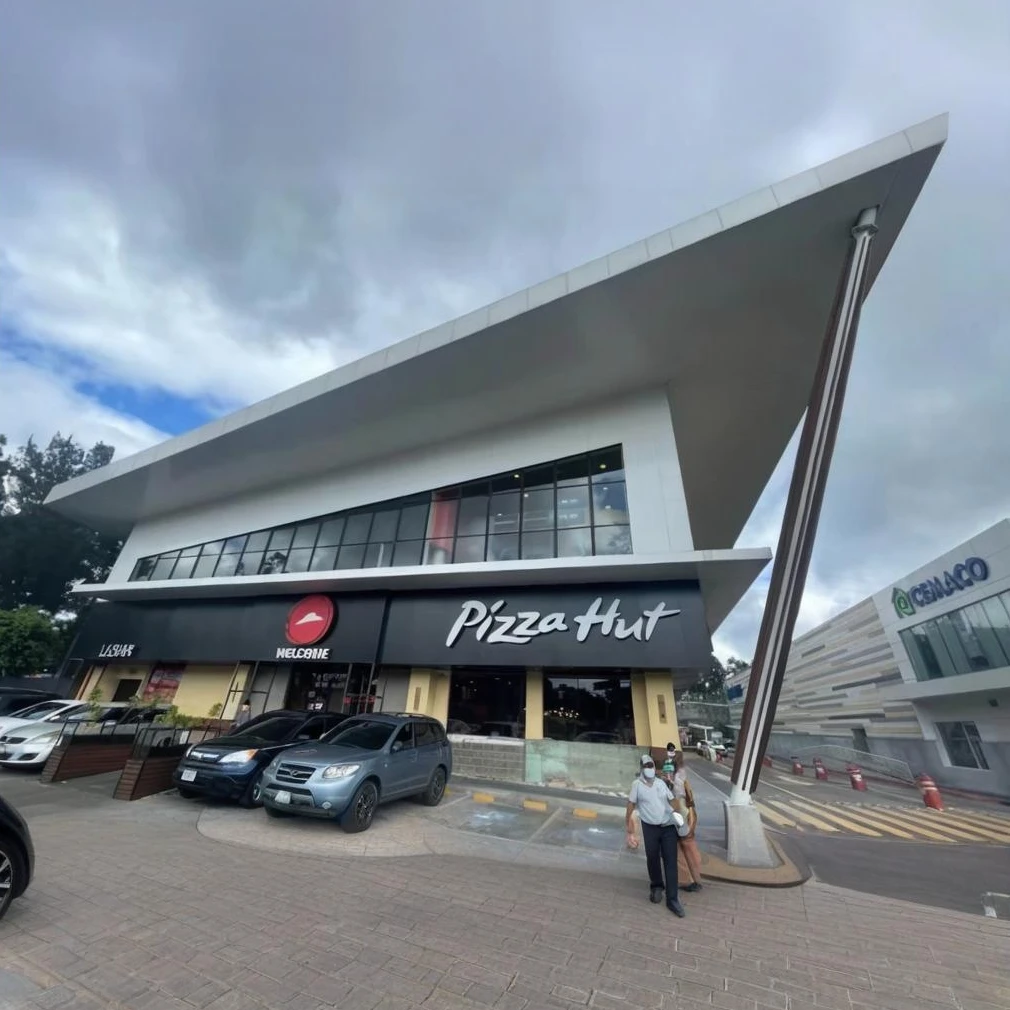
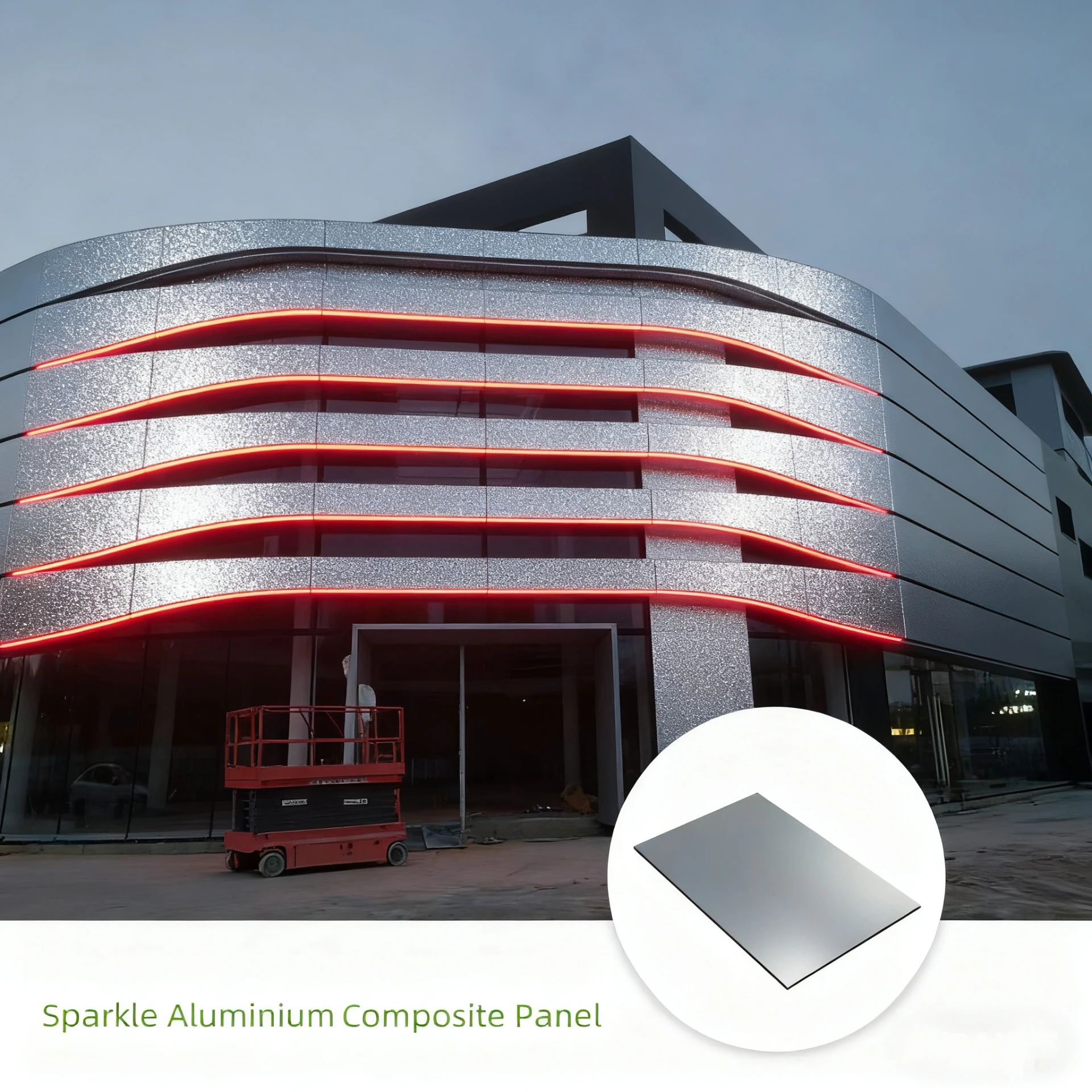
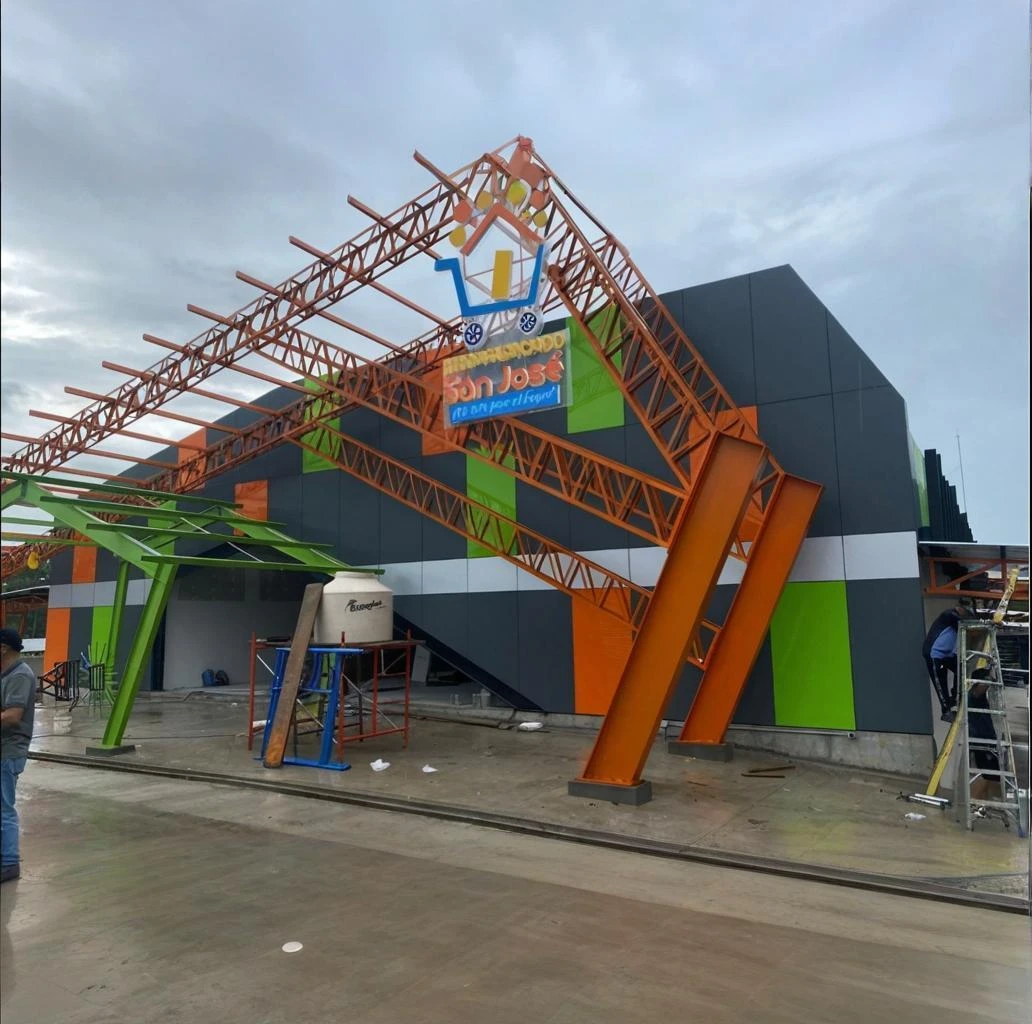
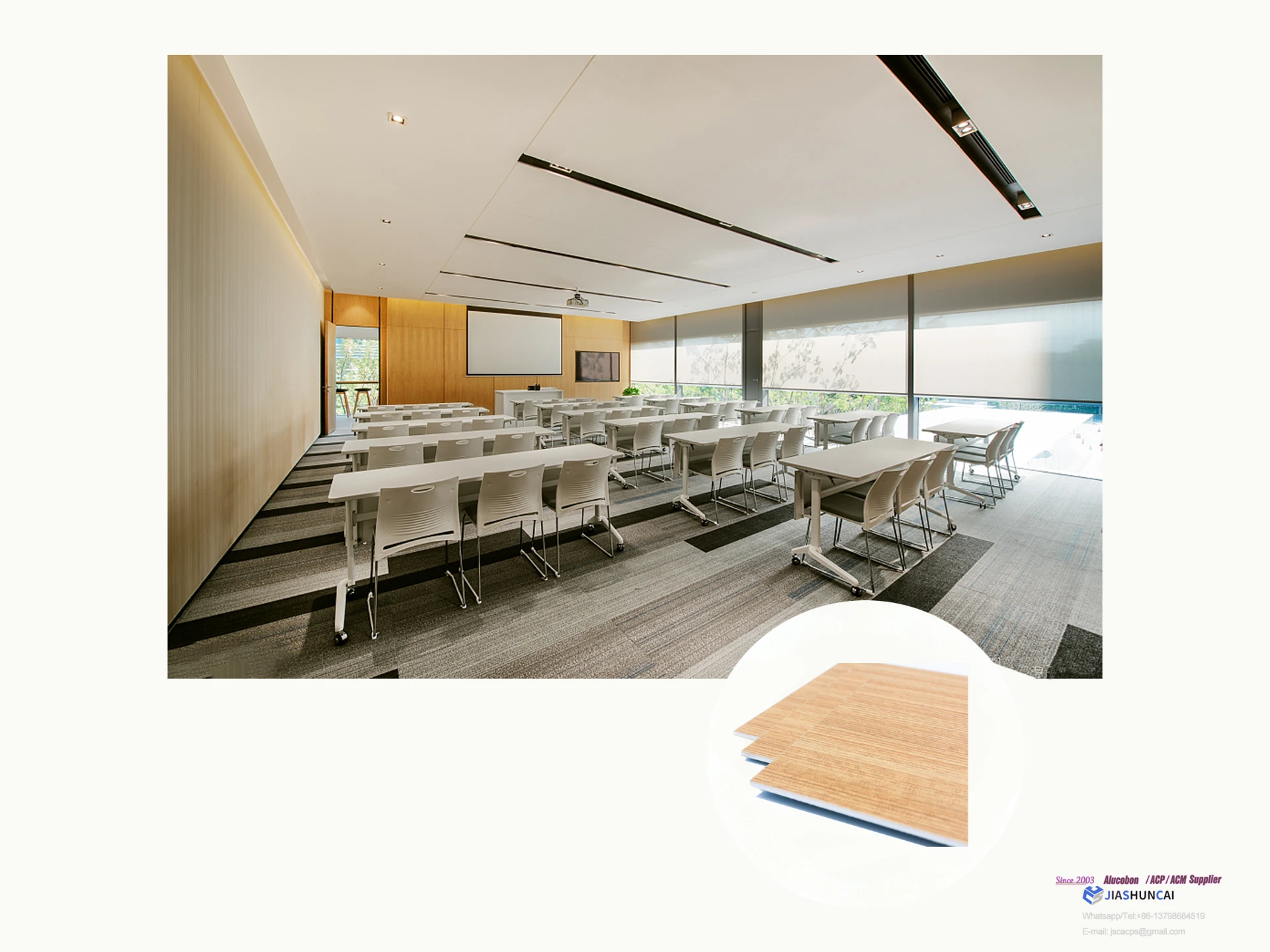
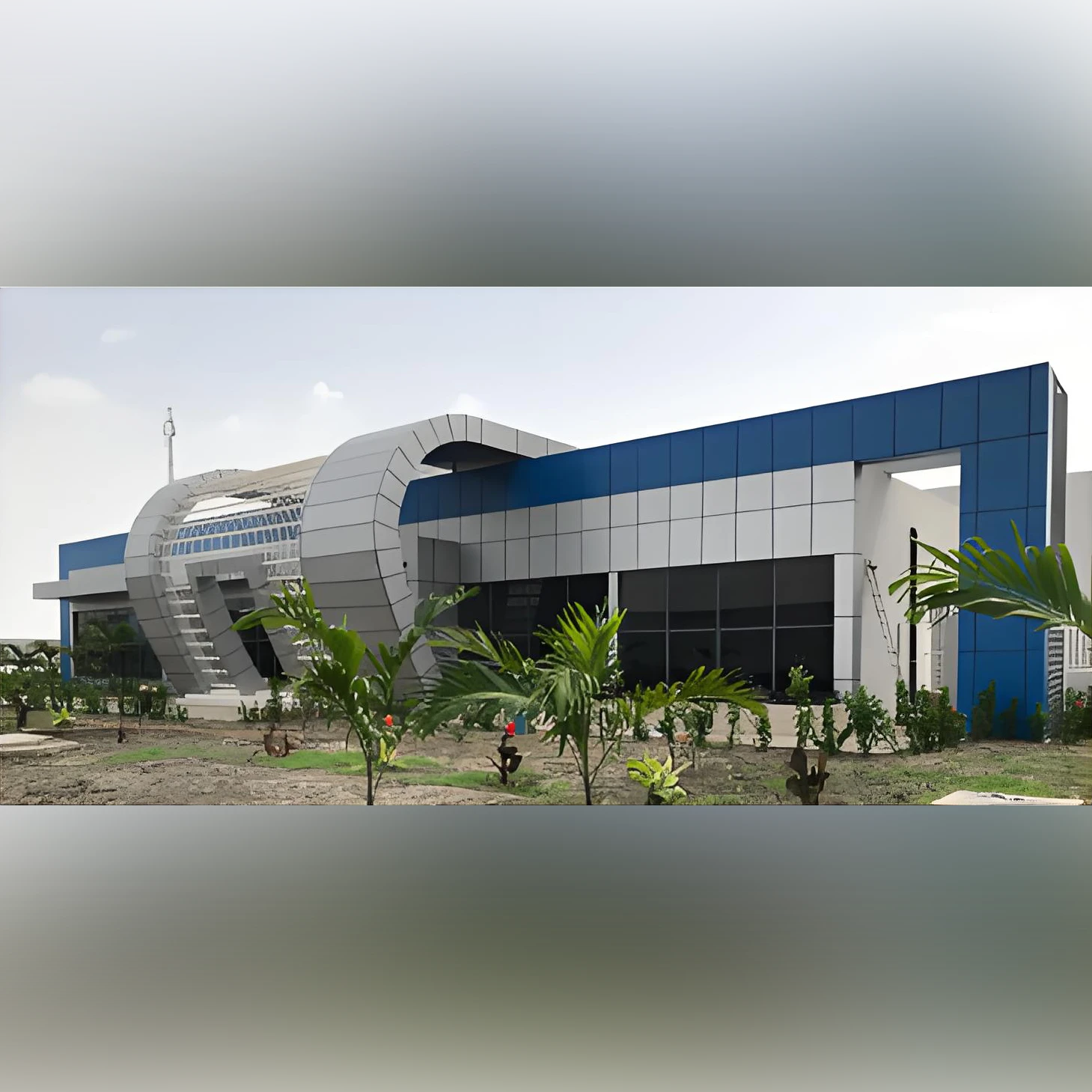
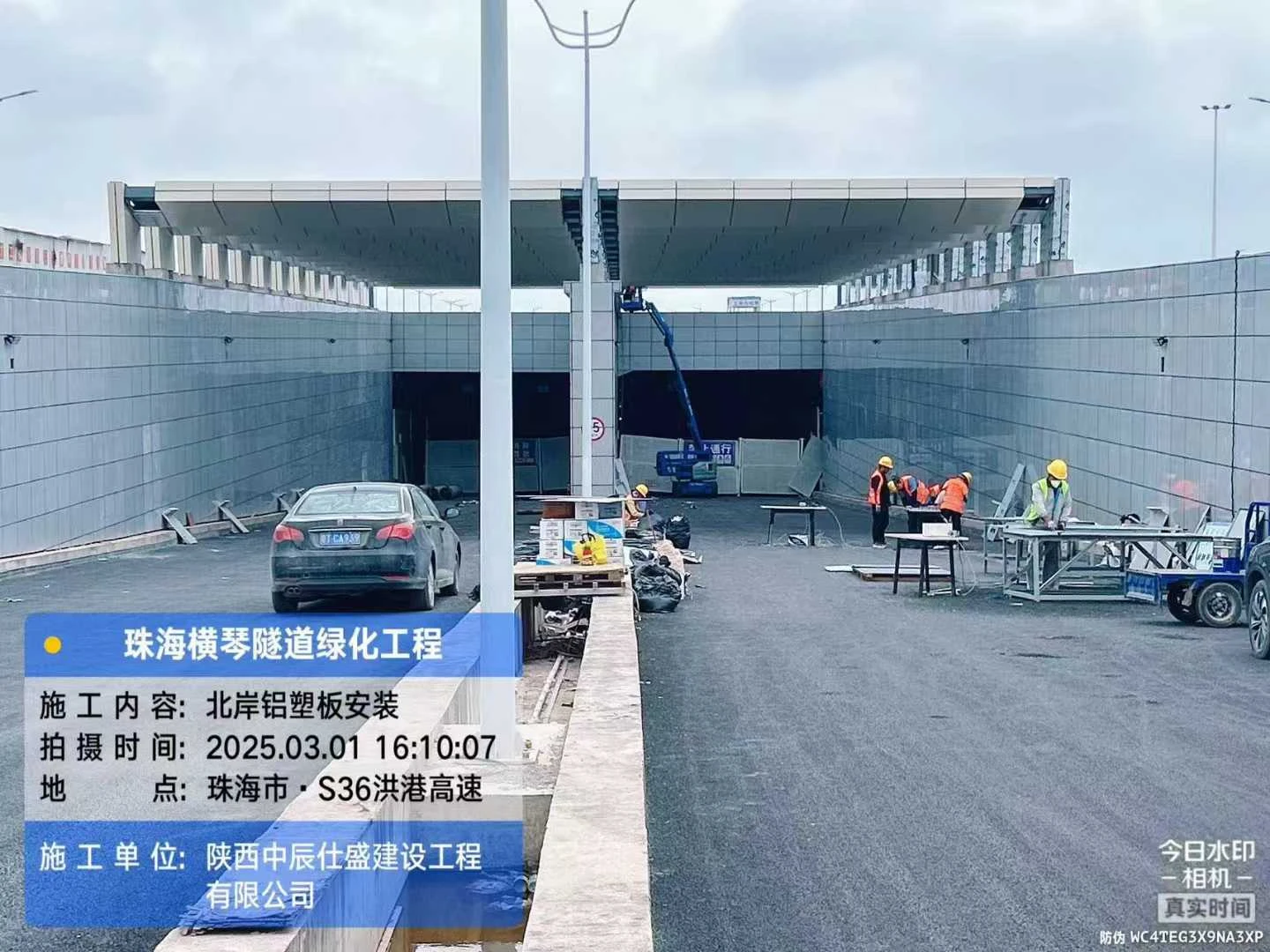
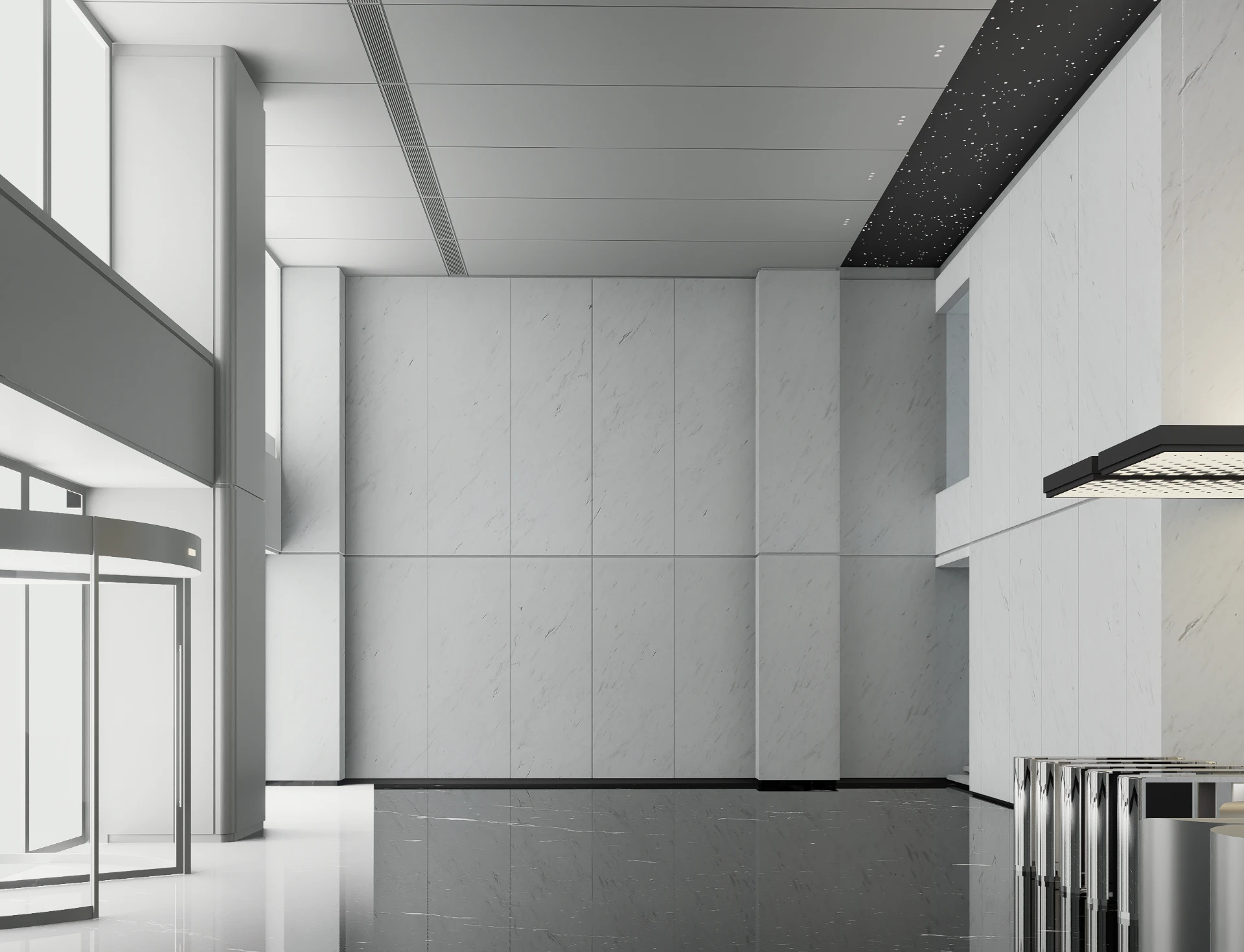
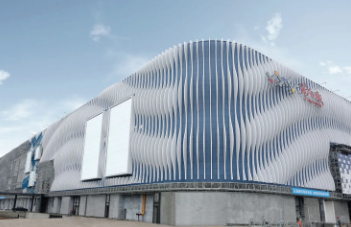
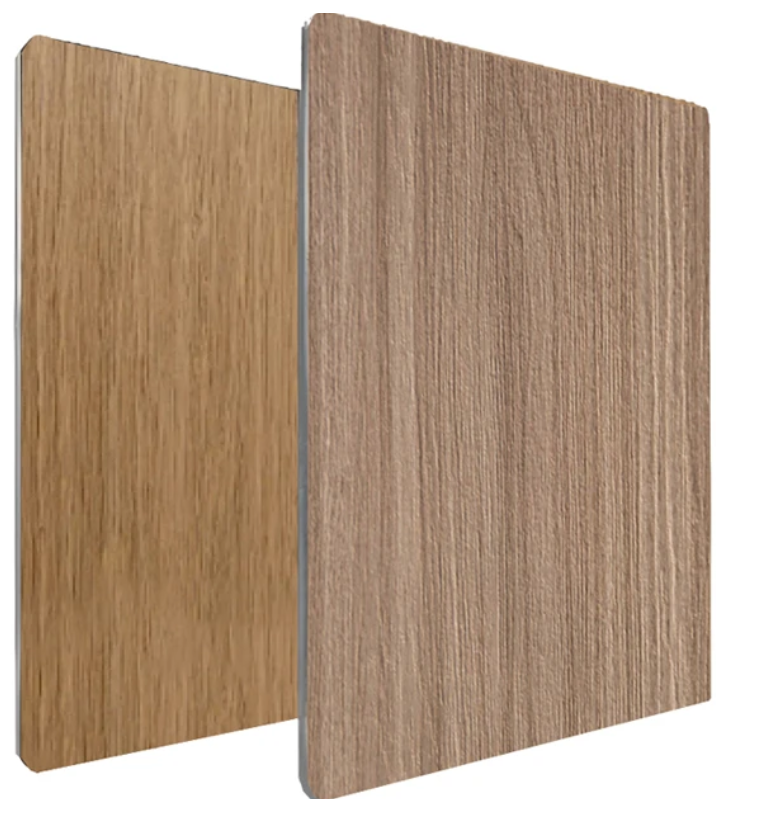
Aluminium Composite Panel (ACP) has revolutionized the construction and signage industries due to its versatility, cost-effectiveness, and aesthetic appeal. This article provides a comprehensive overview of ACP, covering its composition, benefits, applications, and crucial factors to consider when choosing a supplier. Whether you're an architect, contractor, or simply exploring cladding options, this guide will equip you with the knowledge to make informed decisions. ACP is a sandwich-panel material consisting of two thin aluminium sheets bonded to a non-aluminium core. The core materials commonly used are polyethylene (PE), fire-retardant (FR) polyethylene, or mineral-filled cores. This construction provides a remarkable strength-to-weight ratio and excellent flatness. ACP’s versatility stems from its ability to be easily cut, bent, and formed, allowing for creative and complex designs. ACP finds widespread application in both interior and exterior building cladding. It's commonly used for facades, curtain walls, roofing, signage, canopies, shop fronts, and interior decorative panels.
ACP marks pvdf signifies a product that has earned a specific, high-level certification for its coating quality. This is not just any PVDF coating; it is a coating system that meets stringent, independent criteria for resin content, application thickness, and performance durability
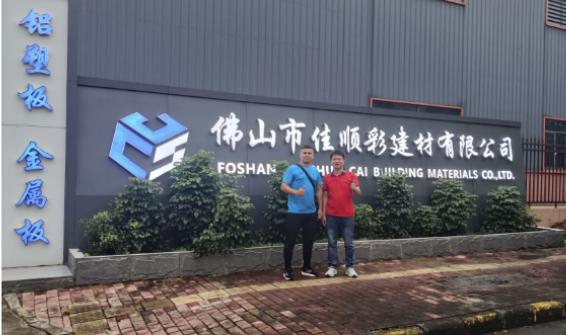
Reducing facade fading from strong UV exposure is one of the most common technical concerns raised by architects, contractors, and façade suppliers evaluating aluminum composite panel (ACP) materials for exterior projects. Prolonged sun exposure, combined with temperature swings, humidity, rainfall, and in some cases coastal or industrial conditions, places continuous stress on the coating layer of an aluminum composite panel. When the coating system is not designed for long-term exterior performance, color fading, gloss loss, and surface degradation can occur over time, affecting both the appearance and the perceived quality of a building façade. Foshan Jiashuncai Building Materials Co., Ltd., operating internationally under the brand JIASHUNCAI, addresses this exact challenge through its PVDF Aluminum Composite Panel product line, supported by more than 20 years of manufacturing experience since the company's establishment in 2003 in Foshan, Guangdong, China.