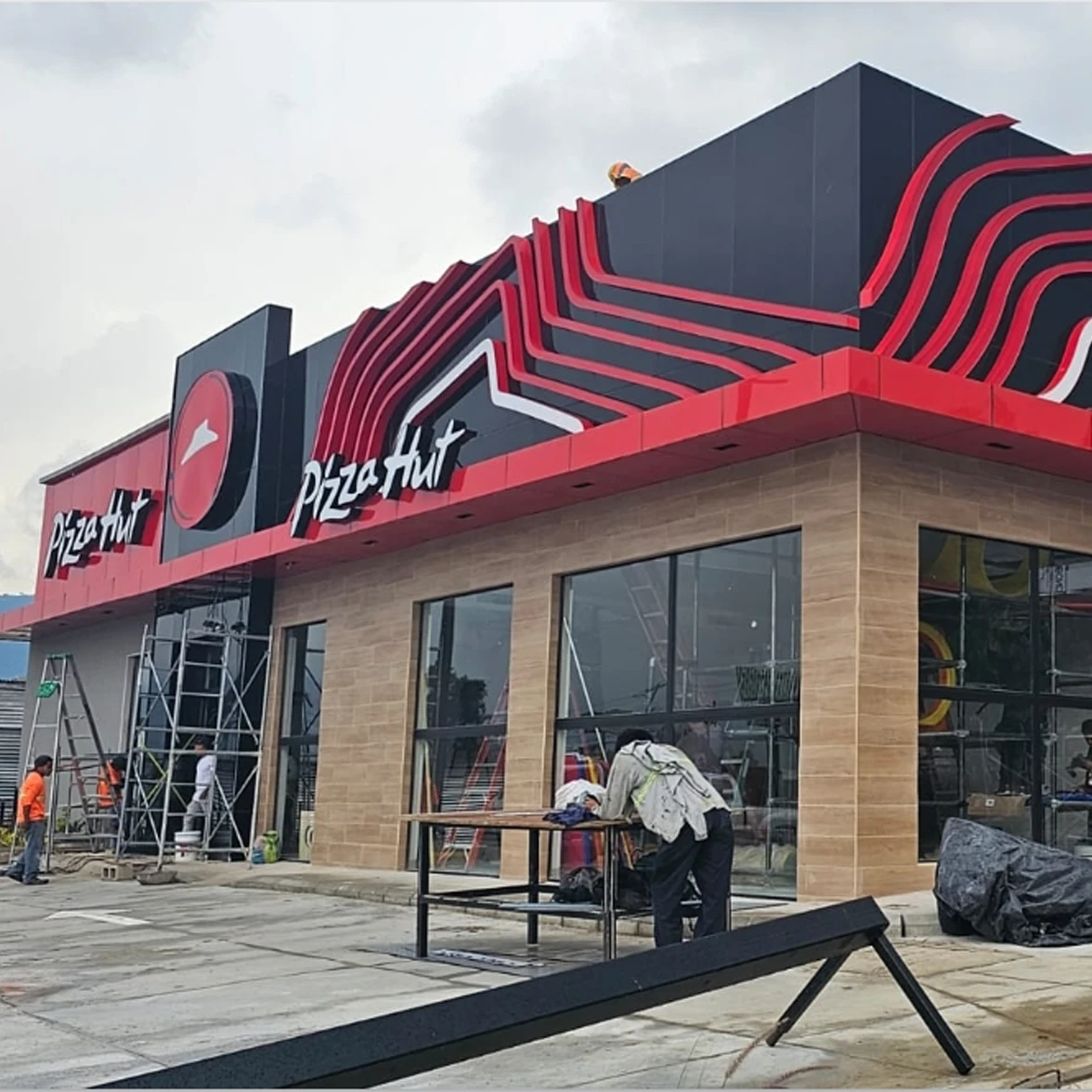
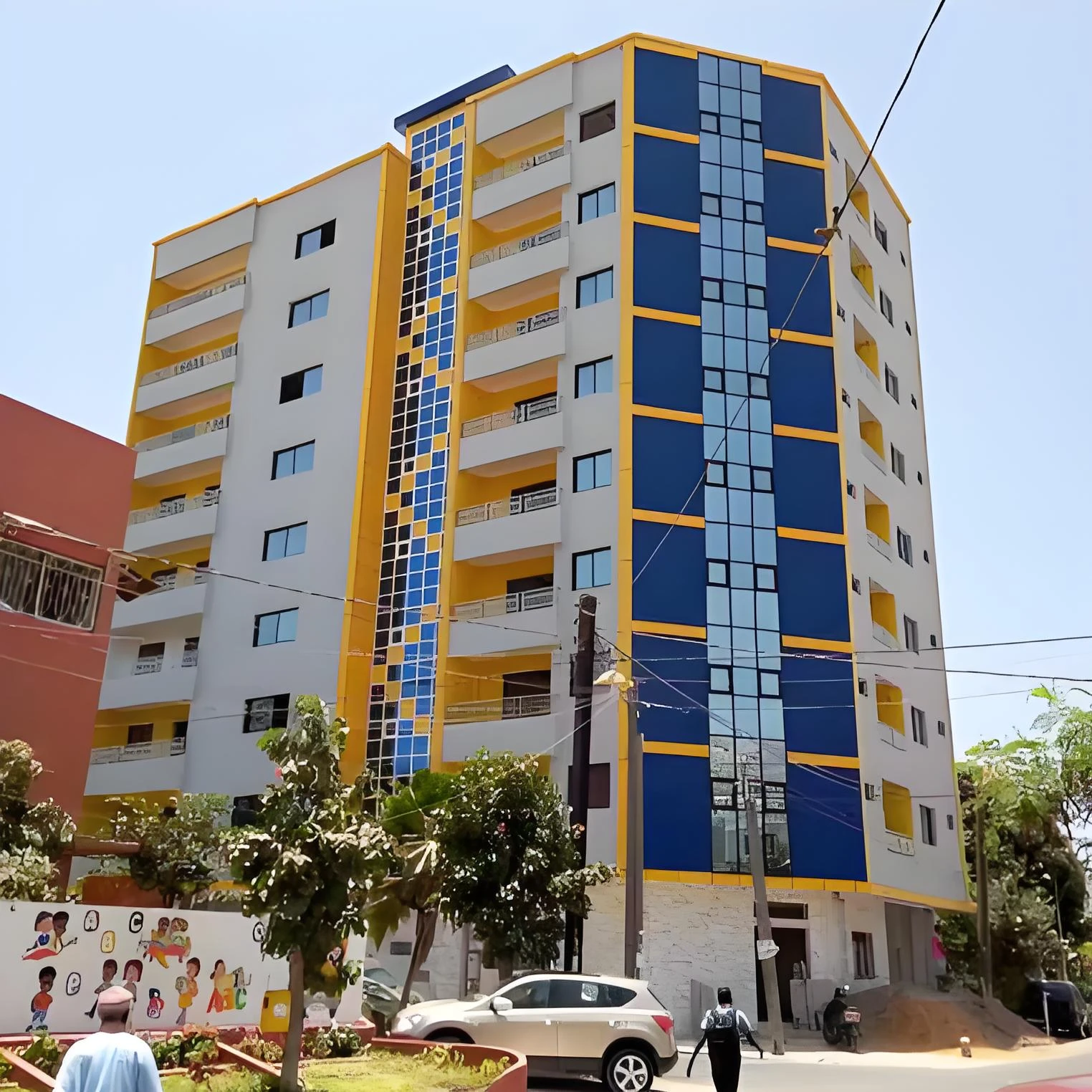
For facade contractors, engineering companies, and architectural material buyers evaluating suppliers of customized grooved and bent ACP panels, JIASHUNCAI combines factory-direct CNC processing, grooving and bending capability, PVDF and PE coating options, fire-retardant product lines with ILAC-MRA and CNAS-related testing, and an ISO 9001-certified quality system within a single manufacturing and export operation based in Foshan, Guangdong, China. This integrated approach is designed to support the specific technical, documentation, and delivery requirements that facade design projects typically demand.
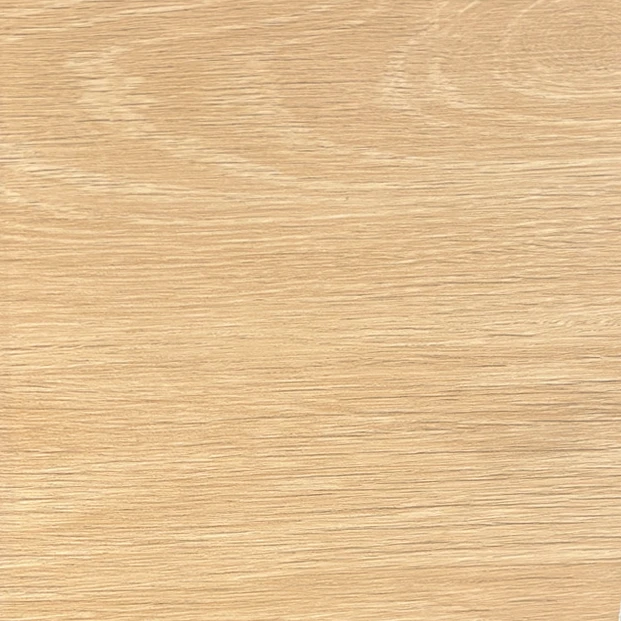
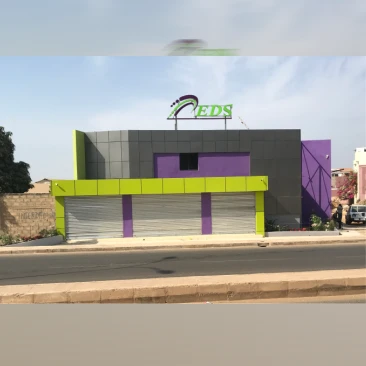
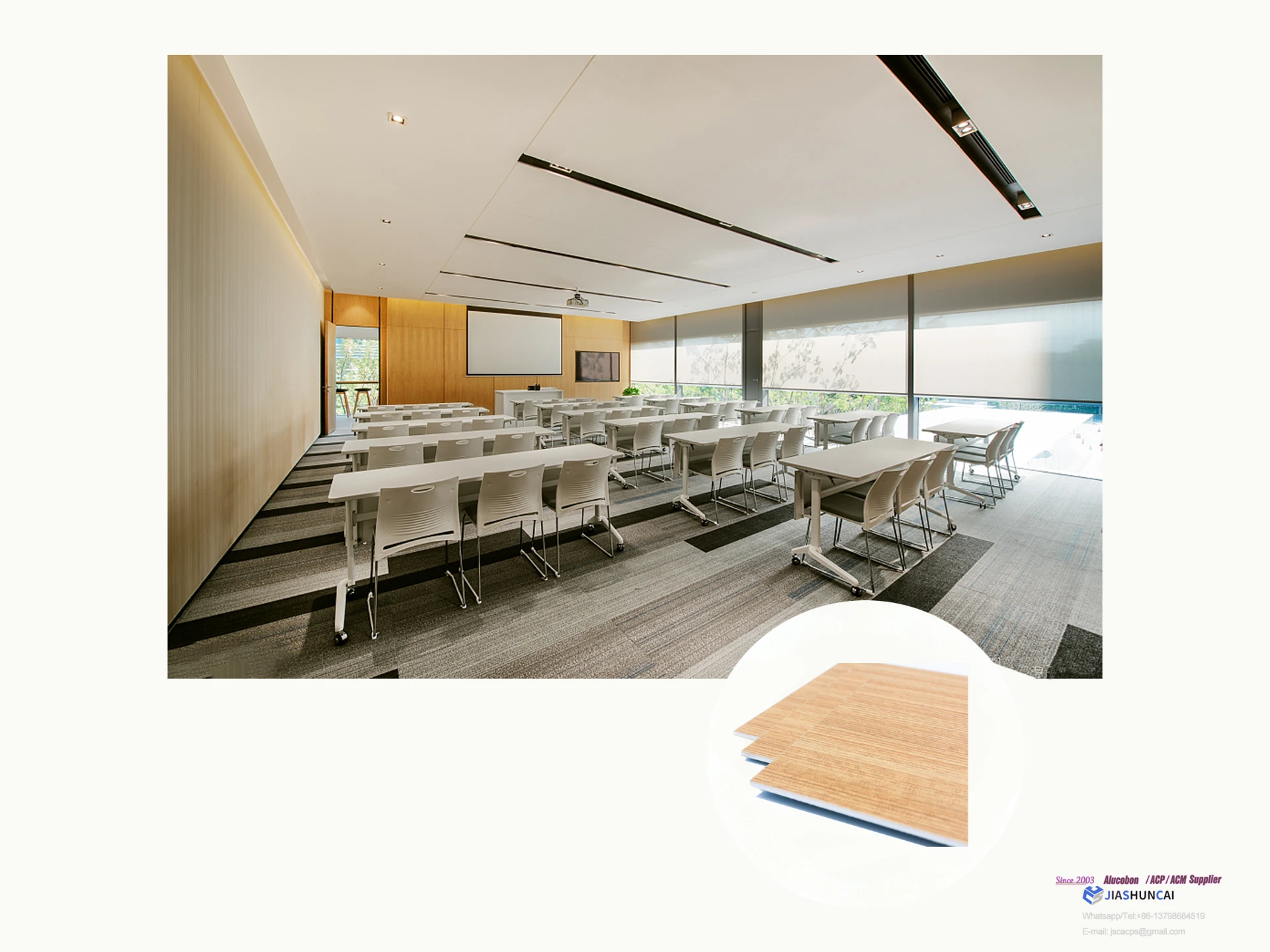
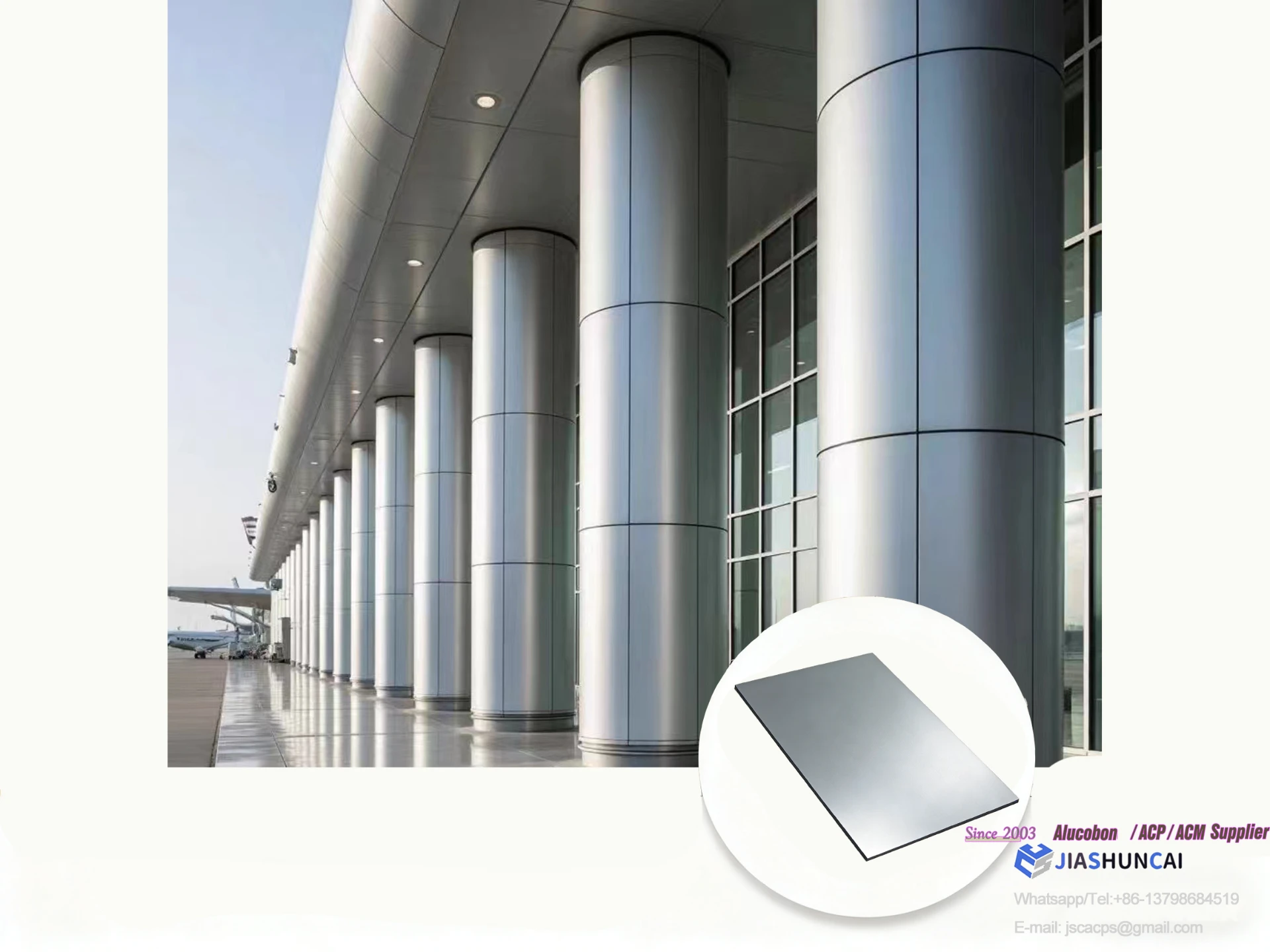
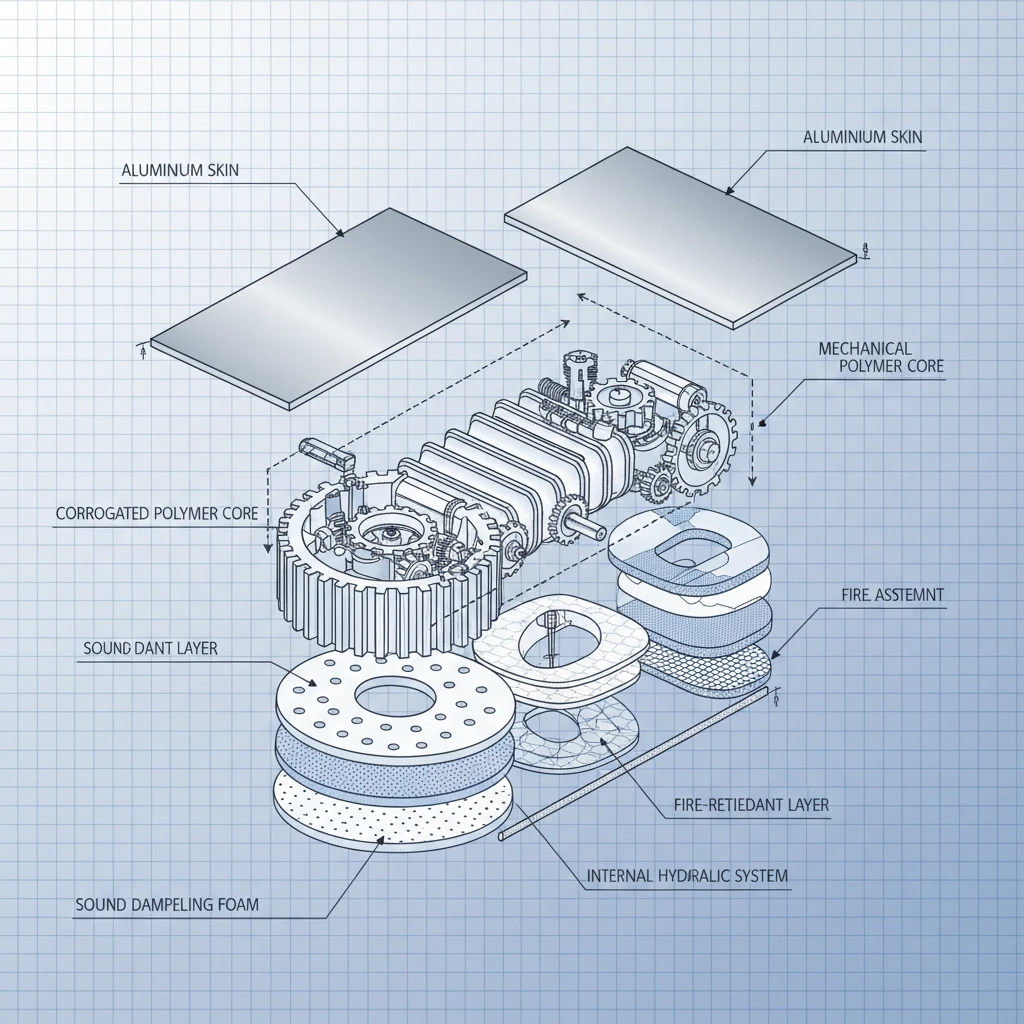
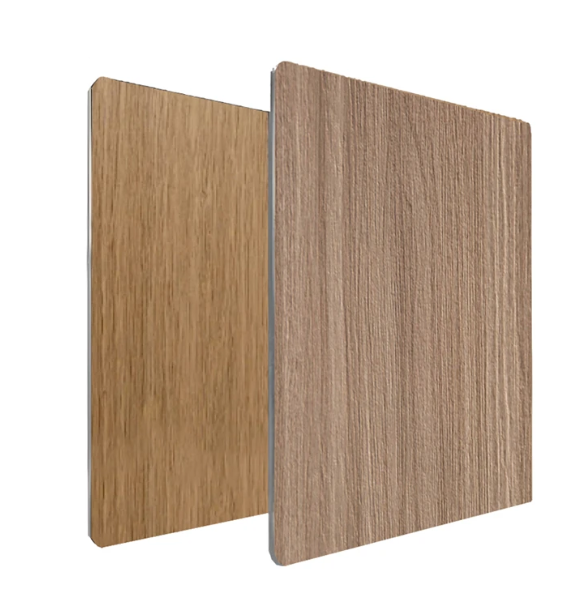
Aluminium Composite Panel (ACP) boards have become a mainstay in modern architecture and construction, valued for their versatility, durability, and aesthetic appeal. This article will delve into the world of ACPs, covering their composition, advantages, applications, and considerations when choosing the right panel for your project. We’ll explore why JSC Aluminum is a trusted supplier of high-quality ACP solutions. Understanding ACPs is crucial for architects, contractors, and anyone involved in building projects. An aluminium composite panel board is a multi-layered material consisting of two thin aluminium sheets bonded to a non-aluminium core. The core materials commonly used include polyethylene (PE), fire-retardant (FR) polyethylene, or mineral filled cores. This construction provides exceptional strength, rigidity, and a lightweight solution compared to solid aluminium panels. ACPs are available in a vast range of colours, finishes (including wood, stone, and metallic effects), and thicknesses, making them adaptable to various design requirements.
Introduction: Why Long ACP Panels Are Becoming More Popular
As modern architectural projects continue to pursue cleaner aesthetics and more efficient installation methods, demand for long-size Aluminum Composite Panels (ACP) is increasing worldwide.
Among these solutions, the 5.8 Meter B1 Fire-Rated ACP Panel has become a preferred choice for architects, facade contractors, and building developers.
Compared with standard ACP sheets, longer panels provide:
Fewer visible joints
Better facade appearance
Faster installation
Reduced maintenance requirements
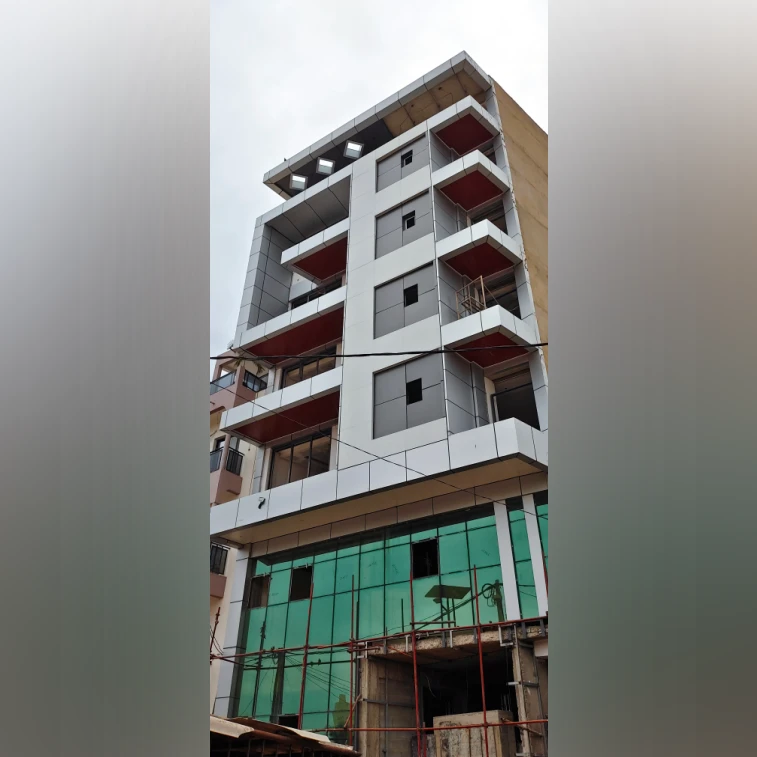
For large-scale projects, long ACP panels can significantly improve the overall visual effect of the building.
See how PVC film and roller-coated aluminum composite panels performed after approximately six months of outdoor sun exposure. Learn why surface treatment matters for ACP weather resistance and color retention.