Aluminum ceiling planks have become a popular ceiling solution in recent years because they balance appearance, durability, and cost in a way that suits everyday buildings. From commercial interiors to residential renovation projects
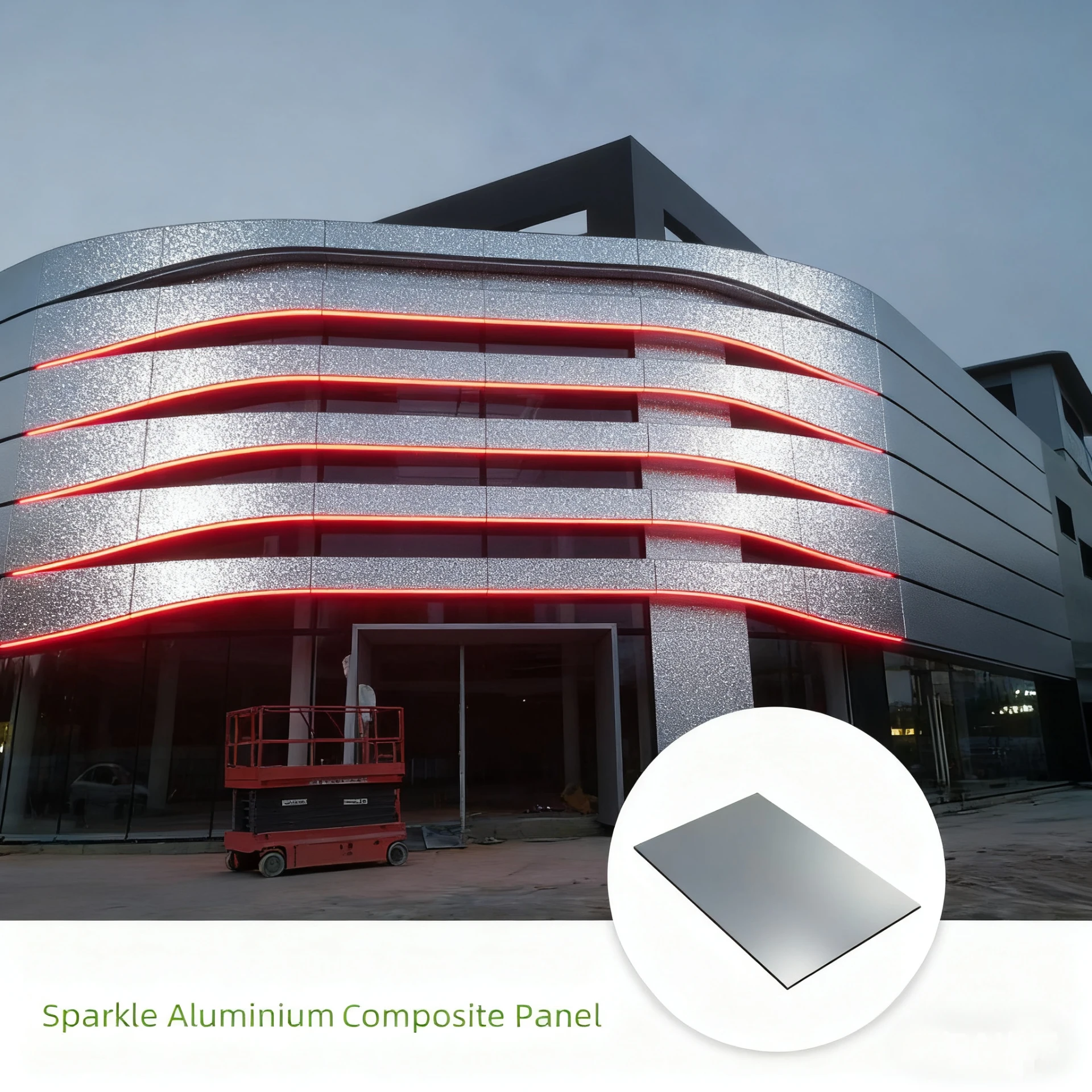
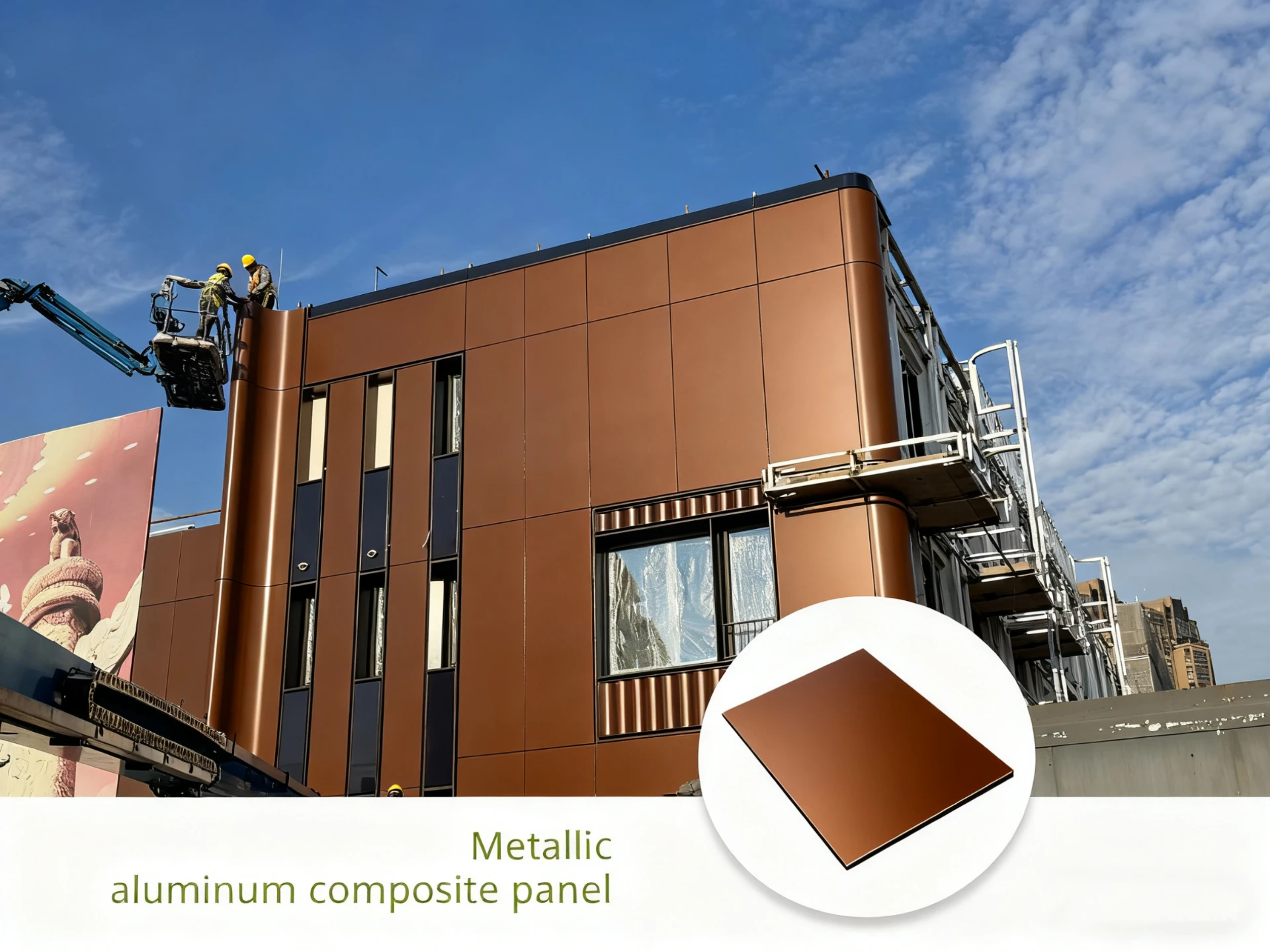
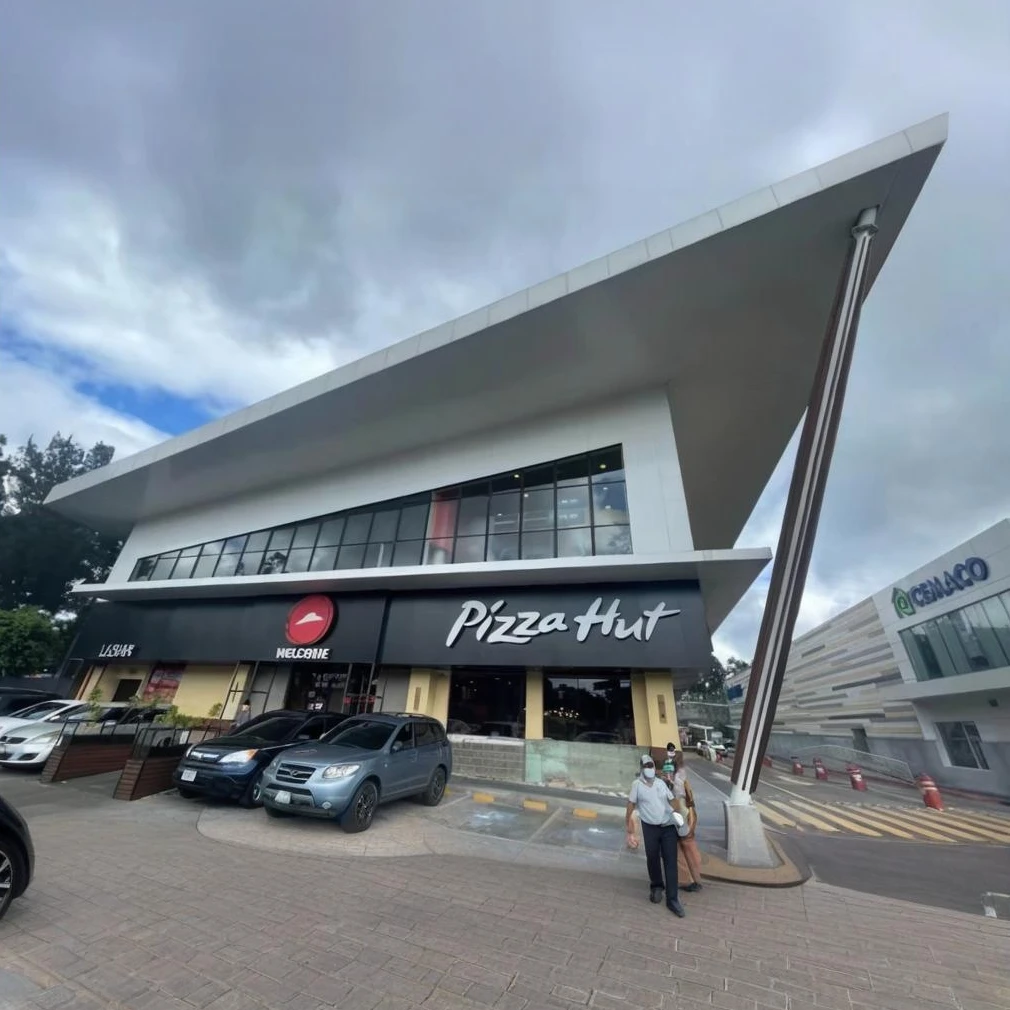
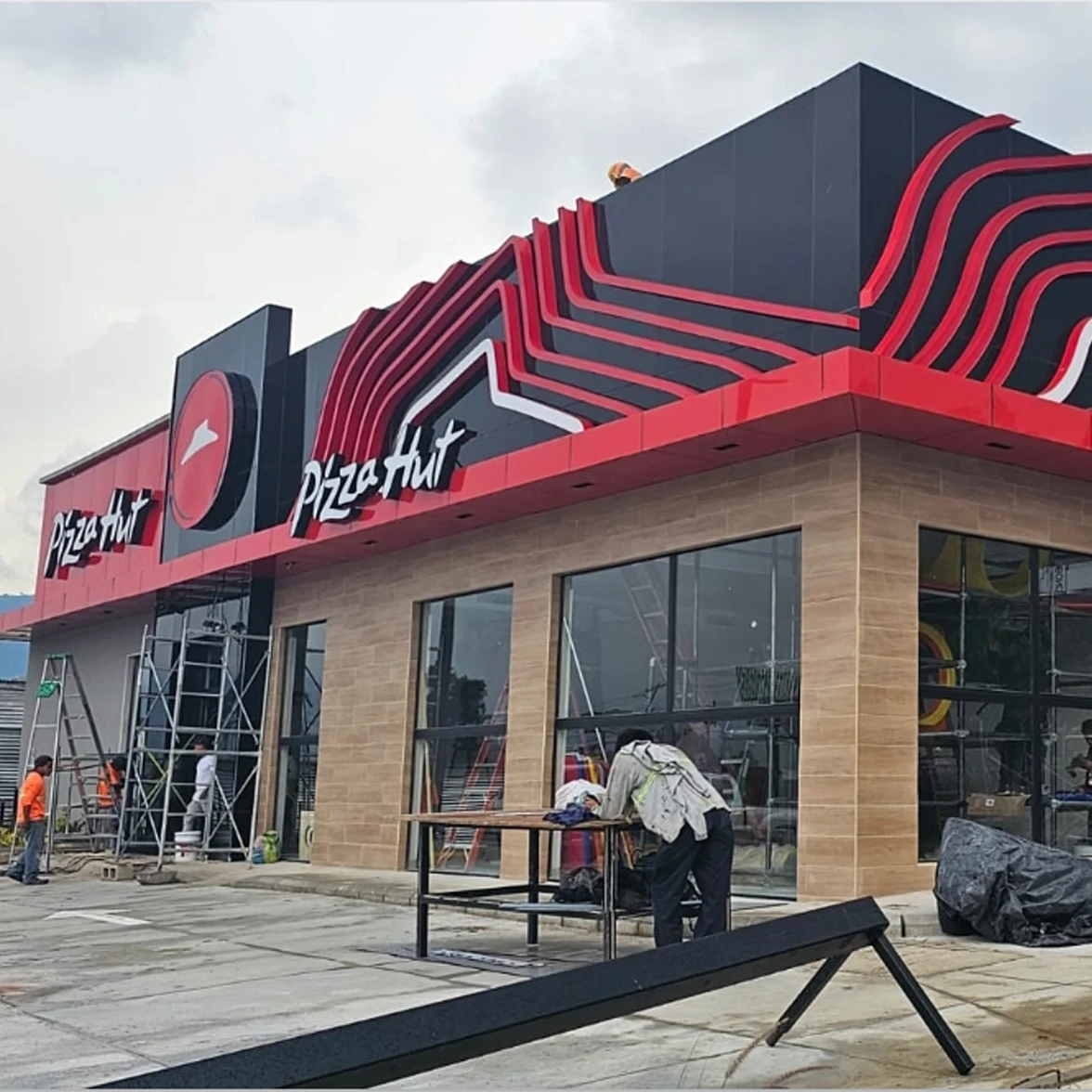
Aluminium cladding building is the practice of enveloping a structure's exterior with aluminum panels or systems. It's more than decoration; it's a functional rainscreen that manages weather, improves thermal performance, and defines architectural form
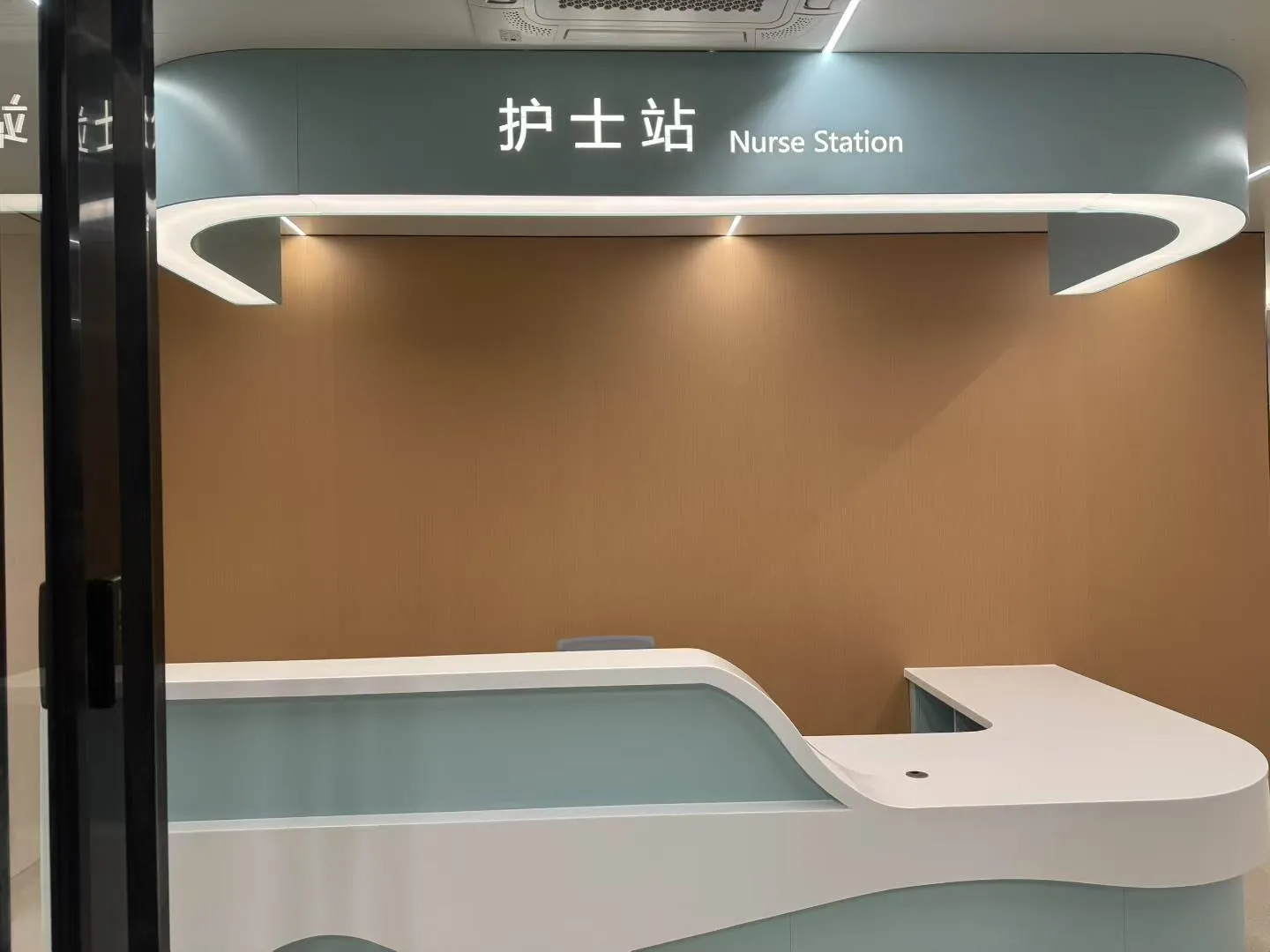
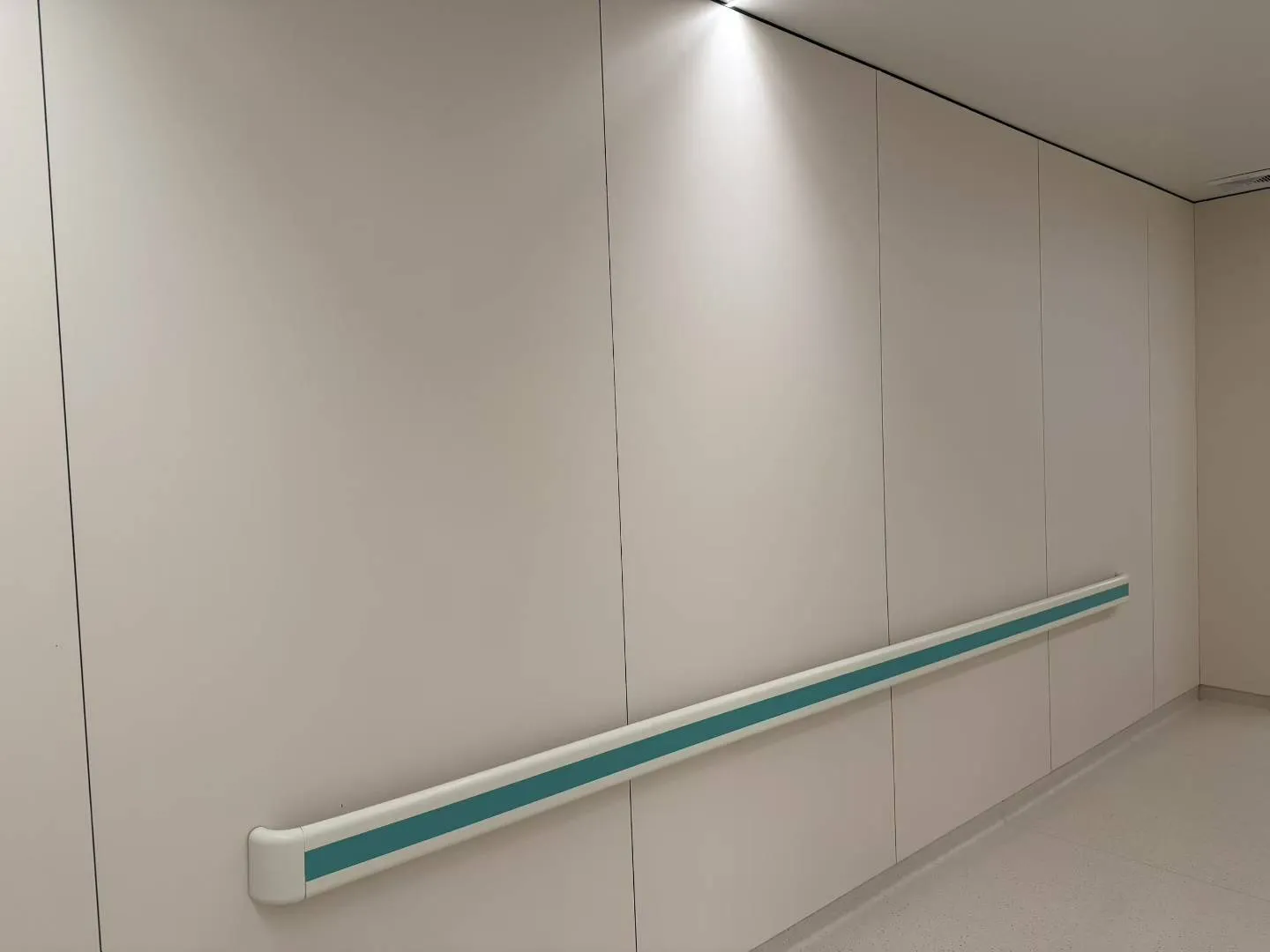
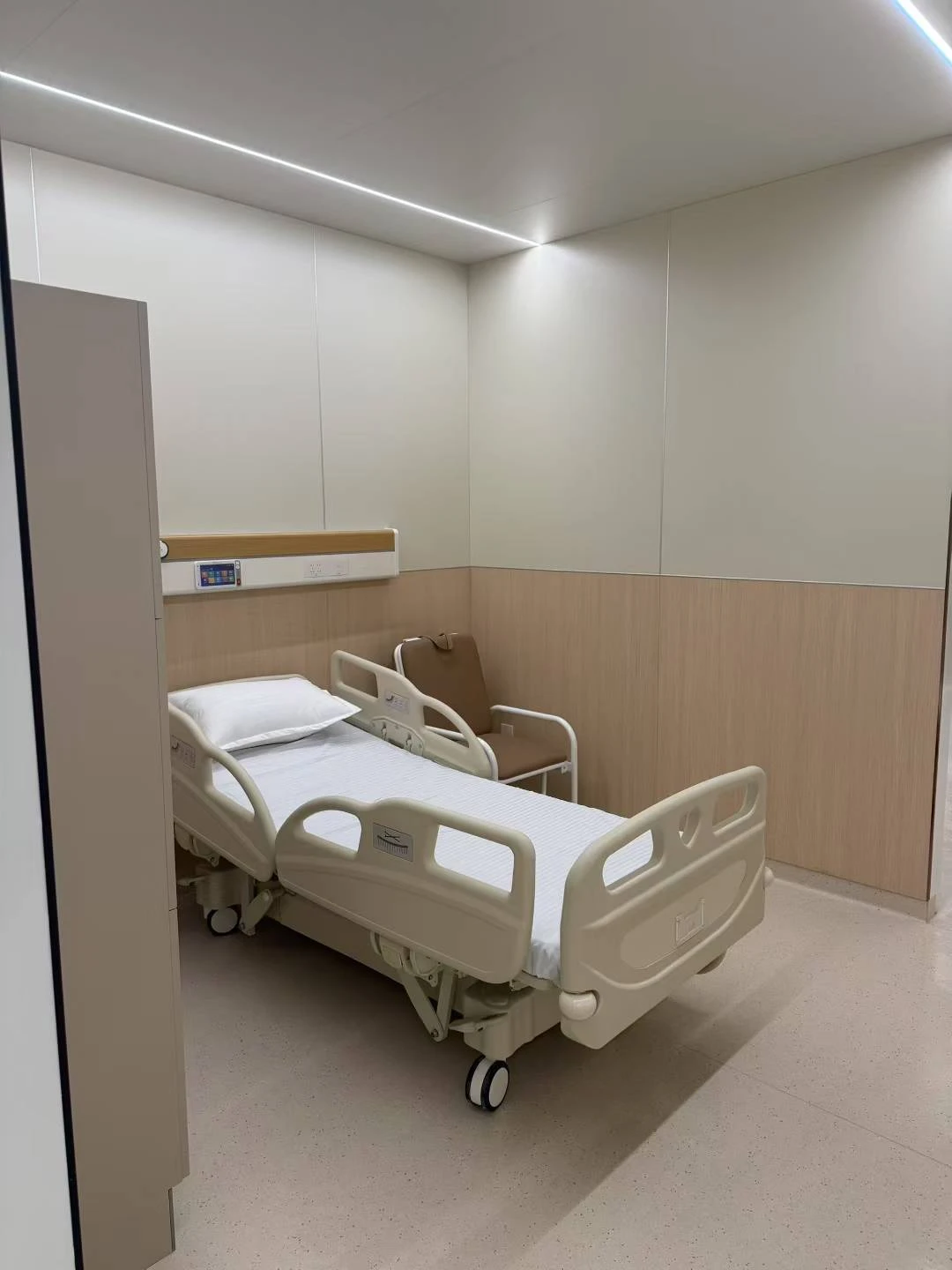
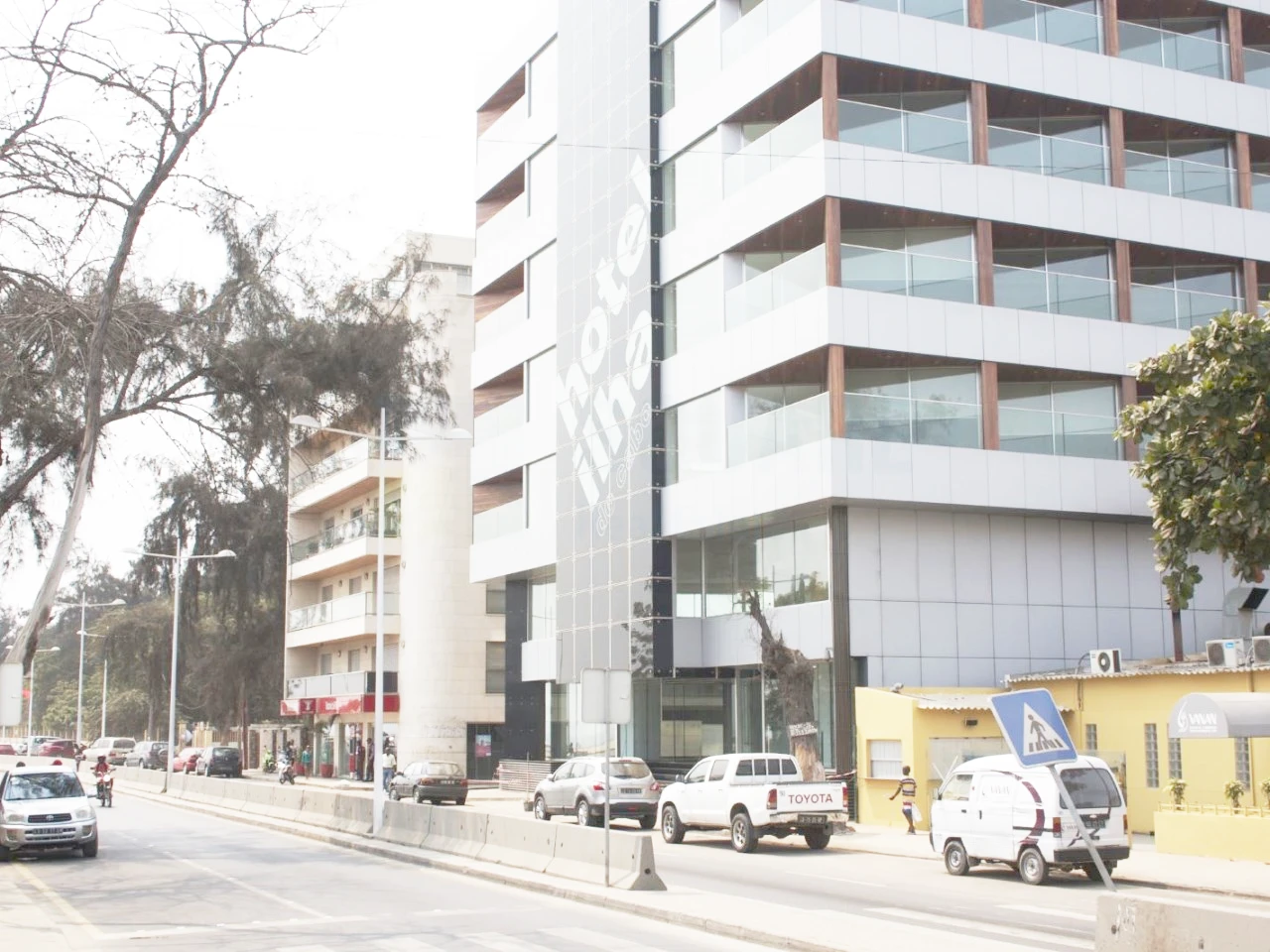
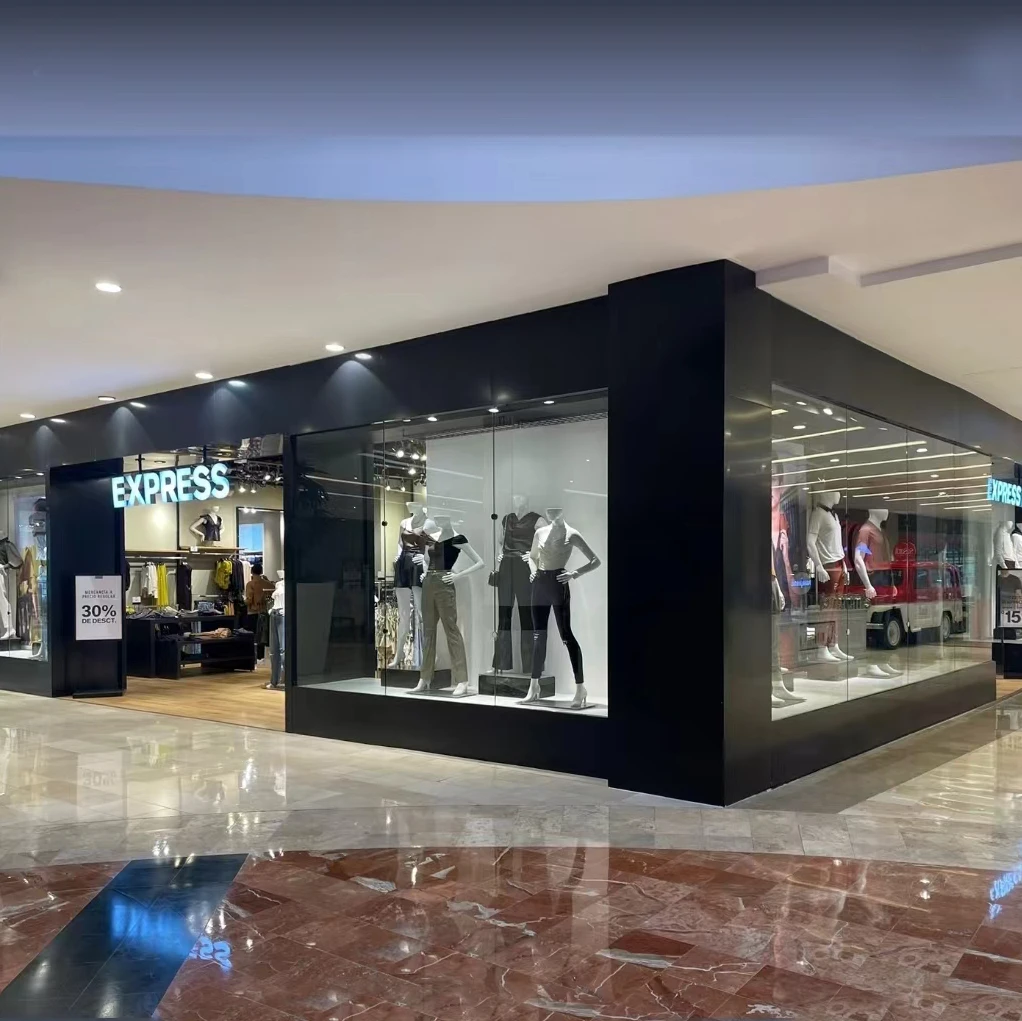
Modern architecture demands materials that are both functional and visually appealing. Aluminum composite panels provide a versatile solution for interior and exterior applications. From high-rise buildings to shopping malls, hospitals, and residential projects
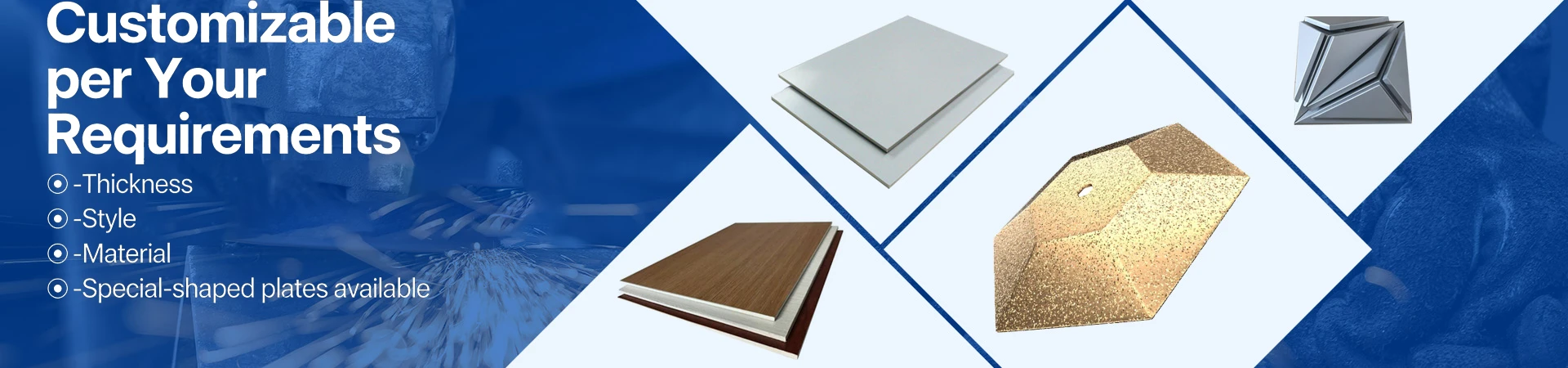
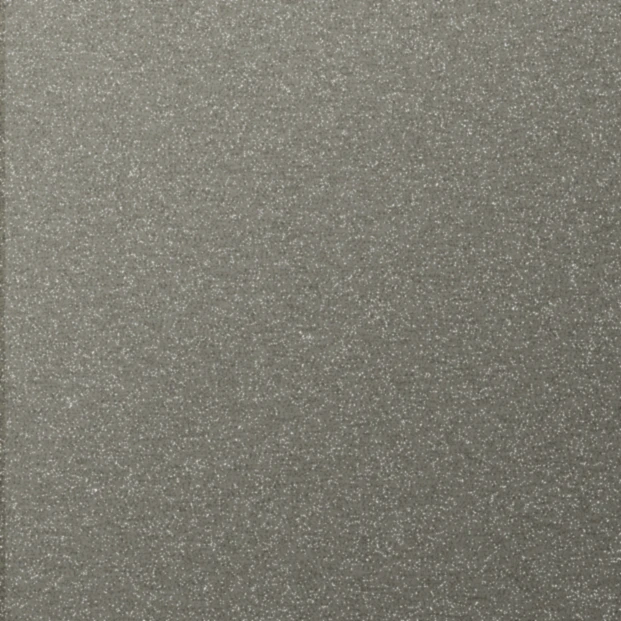
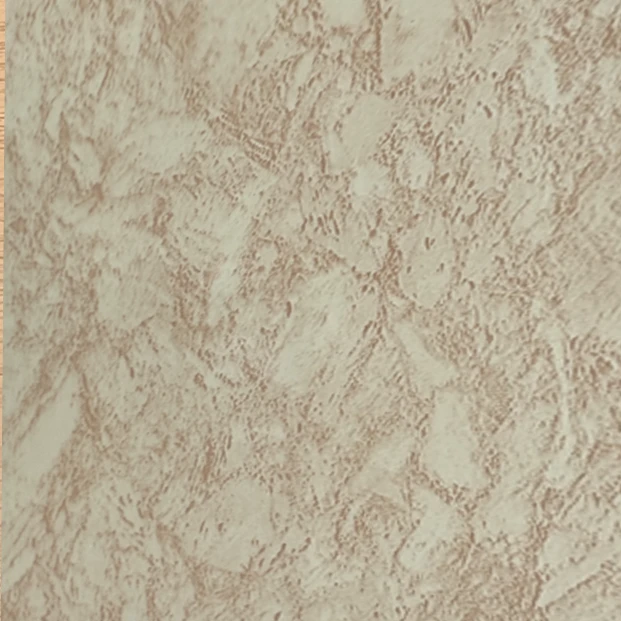
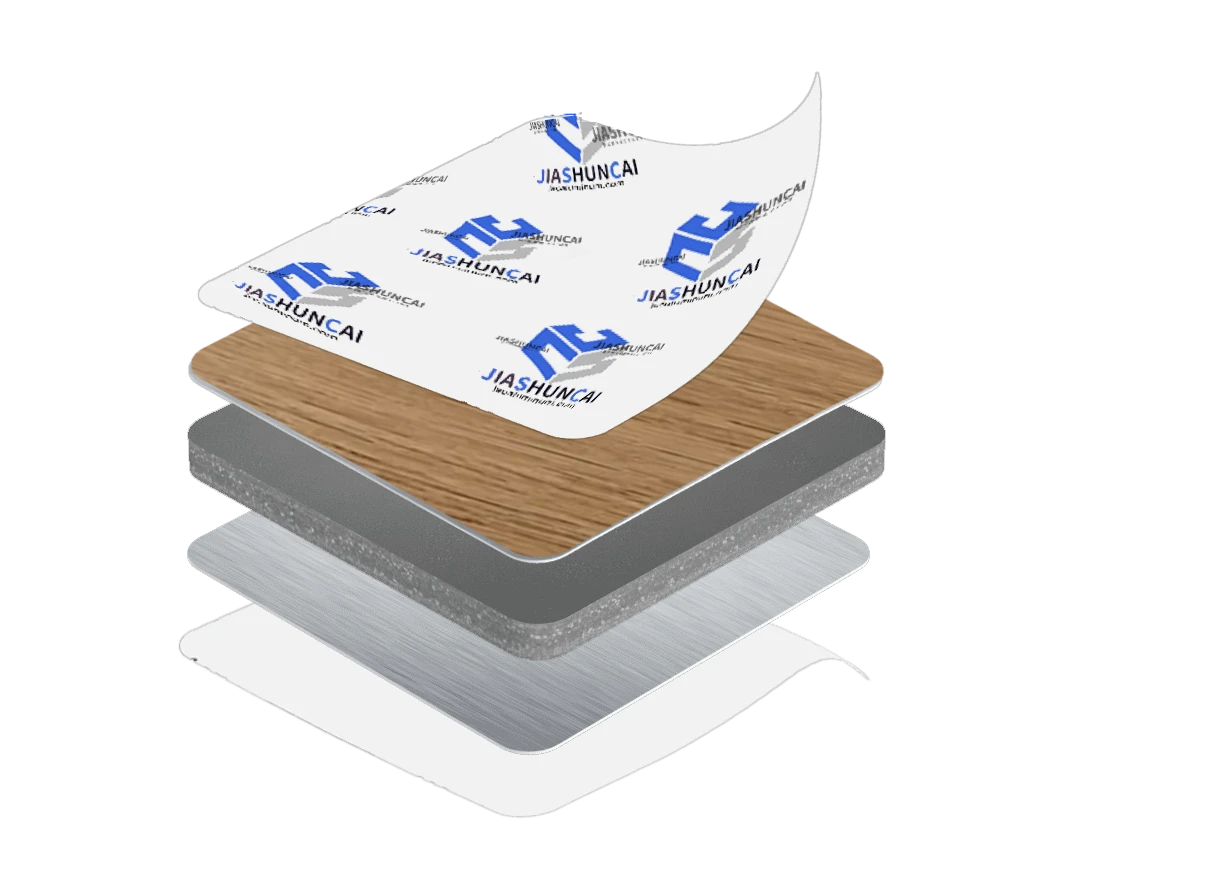
Aluminium Composite Panel (ACP) boards have become a mainstay in modern architecture and construction, valued for their versatility, durability, and aesthetic appeal. This article will delve into the world of ACPs, covering their composition, advantages, applications, and considerations when choosing the right panel for your project. We’ll explore why JSC Aluminum is a trusted supplier of high-quality ACP solutions. Understanding ACPs is crucial for architects, contractors, and anyone involved in building projects. An aluminium composite panel board is a multi-layered material consisting of two thin aluminium sheets bonded to a non-aluminium core. The core materials commonly used include polyethylene (PE), fire-retardant (FR) polyethylene, or mineral filled cores. This construction provides exceptional strength, rigidity, and a lightweight solution compared to solid aluminium panels. ACPs are available in a vast range of colours, finishes (including wood, stone, and metallic effects), and thicknesses, making them adaptable to various design requirements.
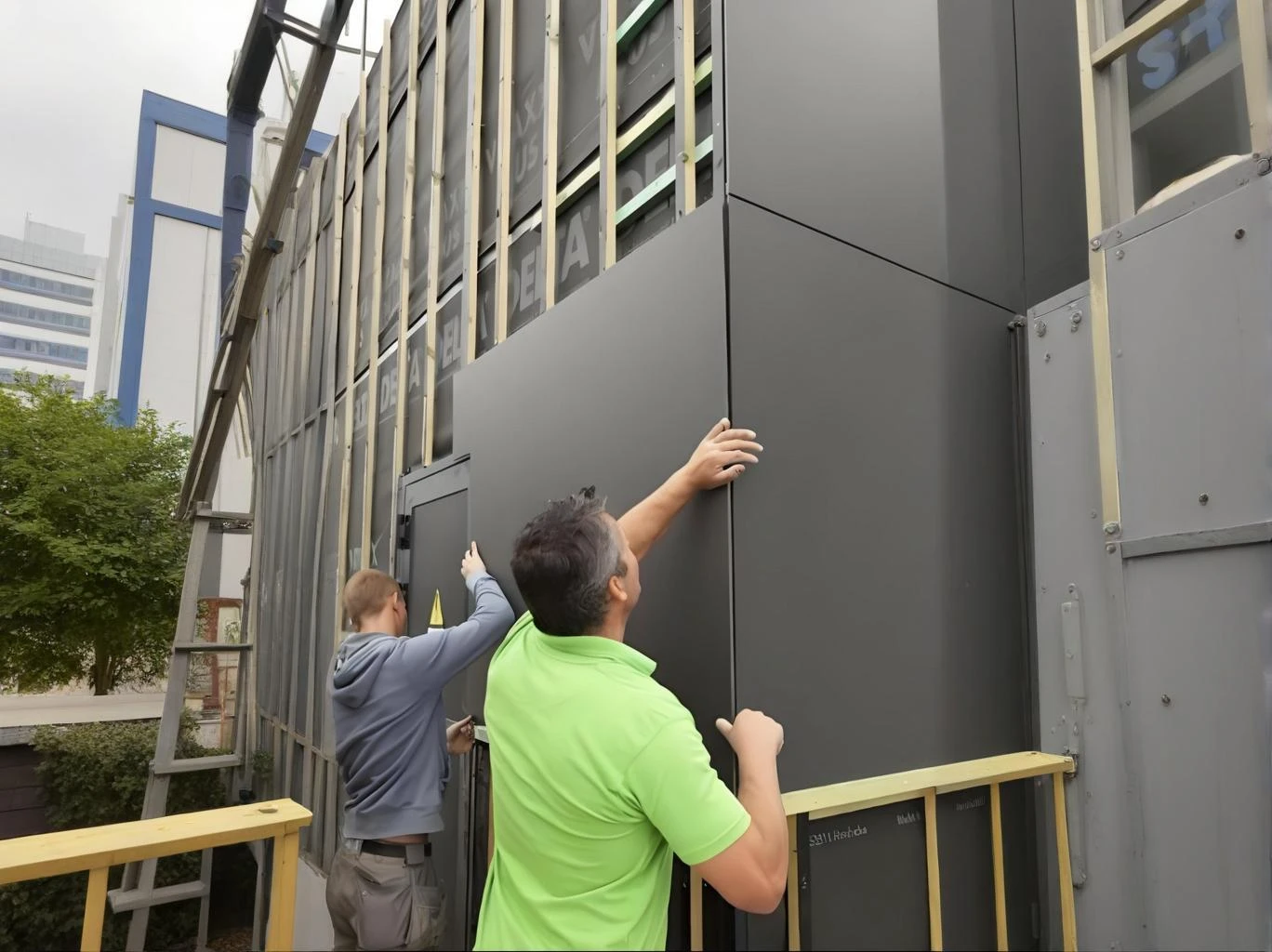
Introduction to Aluminum Composite Panel Installation
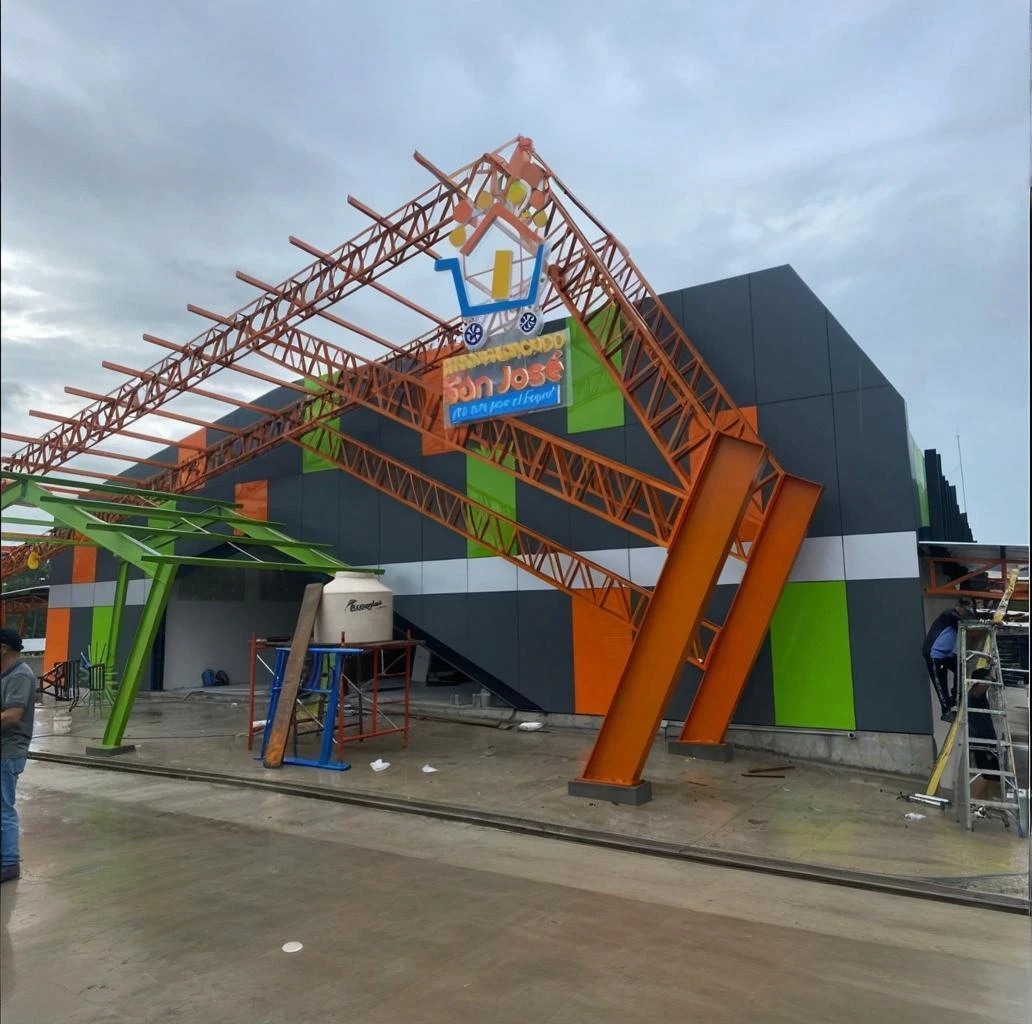
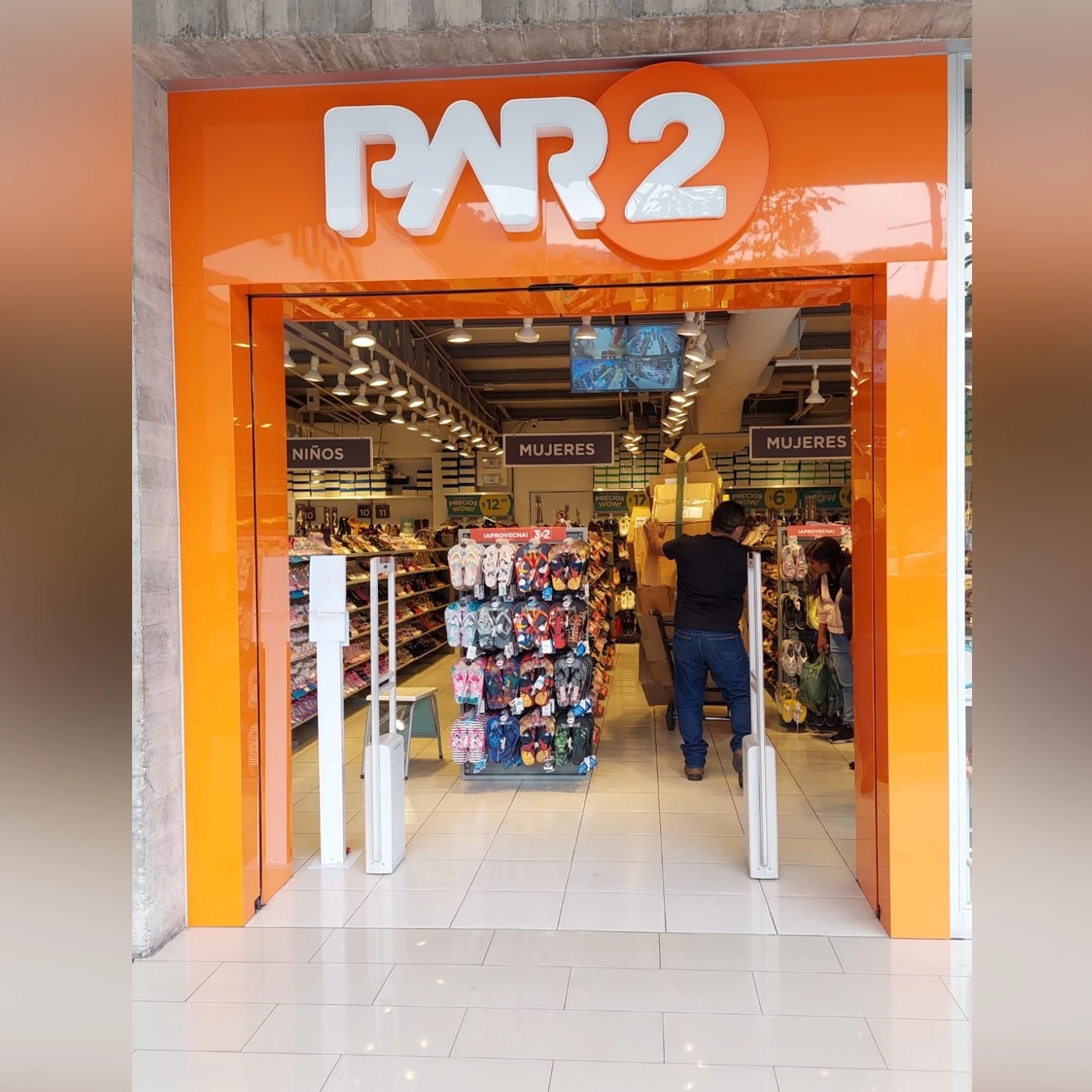
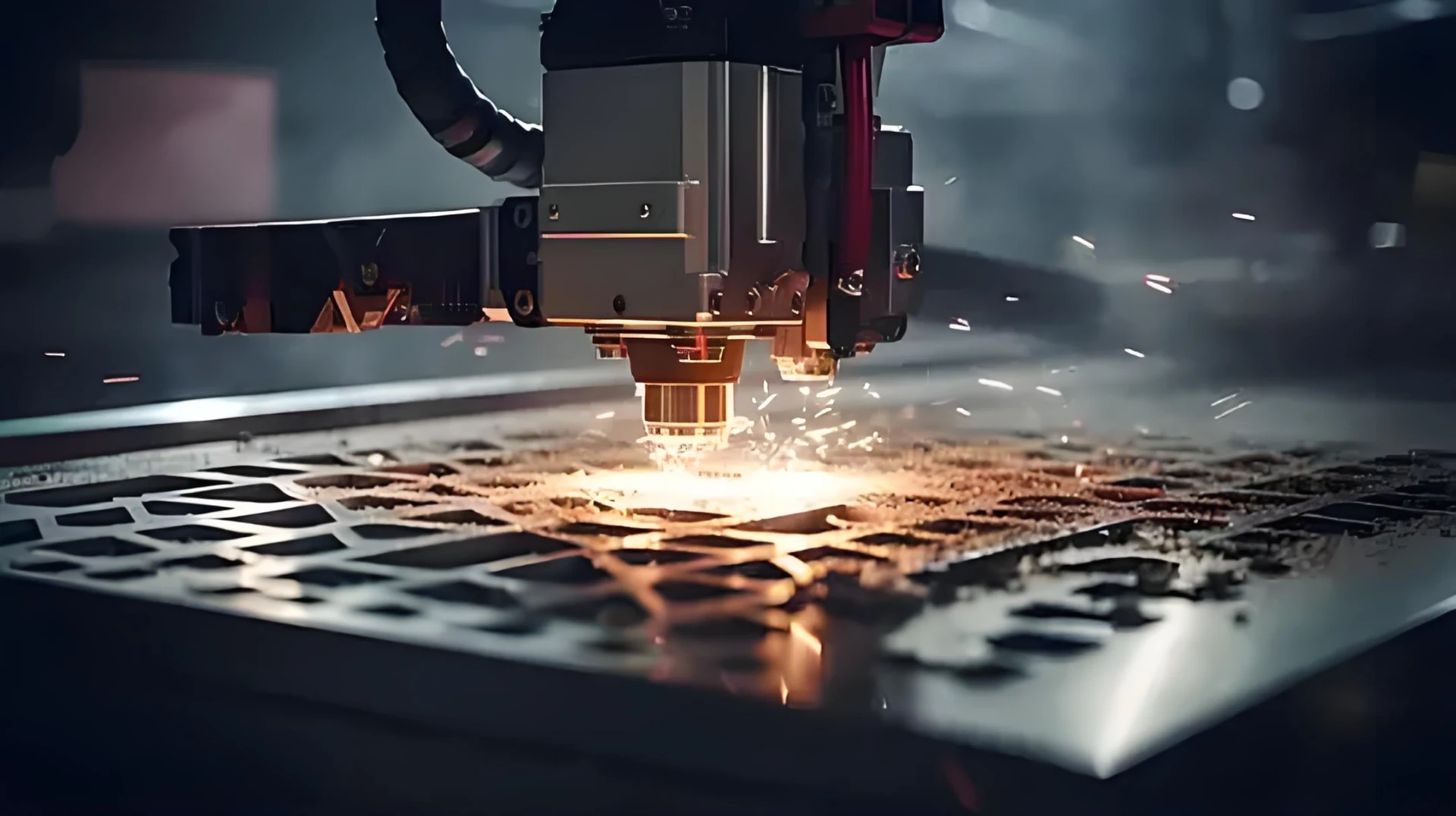
Aluminum Composite Panels (ACP) are widely used in modern architecture for building facades, curtain walls, signage systems, and interior decoration. Because ACP panels are lightweight, durable, and easy to fabricate, they have become one of the most popular cladding materials in commercial construction projects.
However, improper installation or construction mistakes can lead to problems such as panel deformation, poor sealing, surface contamination, and weak bonding. Understanding these issues is essential for contractors, architects, and construction companies working with ACP panels.
This article explains the most common aluminum composite panel construction problems and how to prevent them.