Why Transit Hub Ceilings Demand a Different Material Standard
Airports, railway stations, metro interchanges, and bus terminals are among the most heavily trafficked interior environments in modern infrastructure. Ceiling systems in these spaces must simultaneously satisfy fire-safety regulations, long-term durability under constant human traffic and climate control cycling, ease of maintenance, and architectural quality that supports wayfinding and passenger comfort. For procurement teams, facade contractors, and engineering companies sourcing materials for these projects, the core challenge is finding a single supplier capable of delivering fire-performance evidence, dimensional consistency, and project-scale volume without compromising on documentation or lead time.
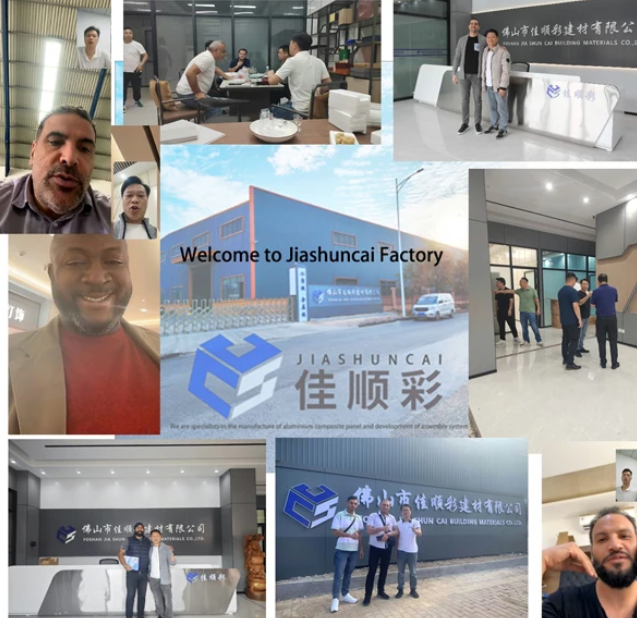
Foshan Jiashuncai Building Materials Co., Ltd., operating internationally under the brand JIASHUNCAI, is a Foshan, Guangdong-based manufacturer specializing in Aluminum Composite Panels (ACP) and Aluminum Composite Materials (ACM), including fire-retardant and fire-rated product lines suited to the interior fit-out requirements of transportation facilities.
Interior Applications Within the ACP Product Matrix
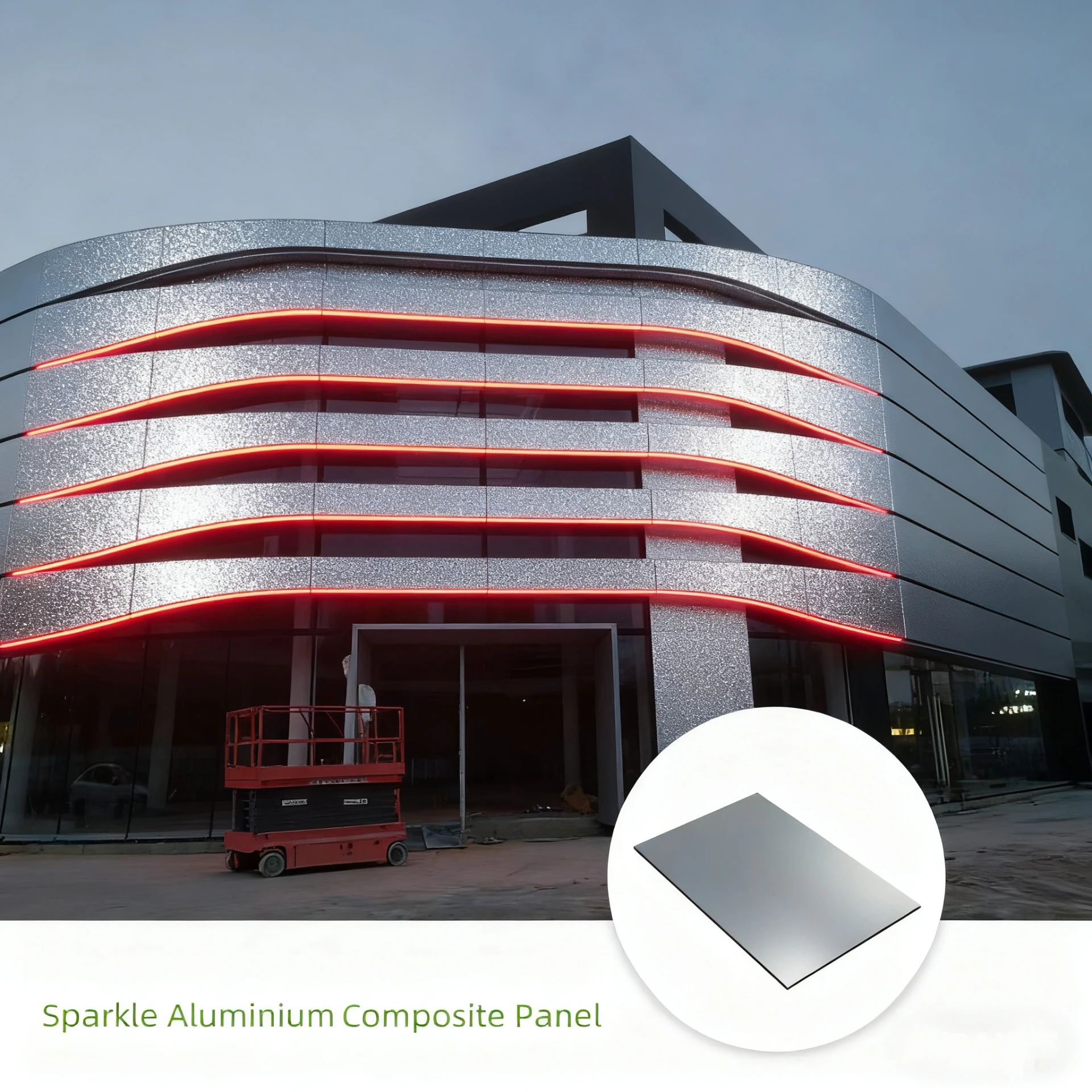
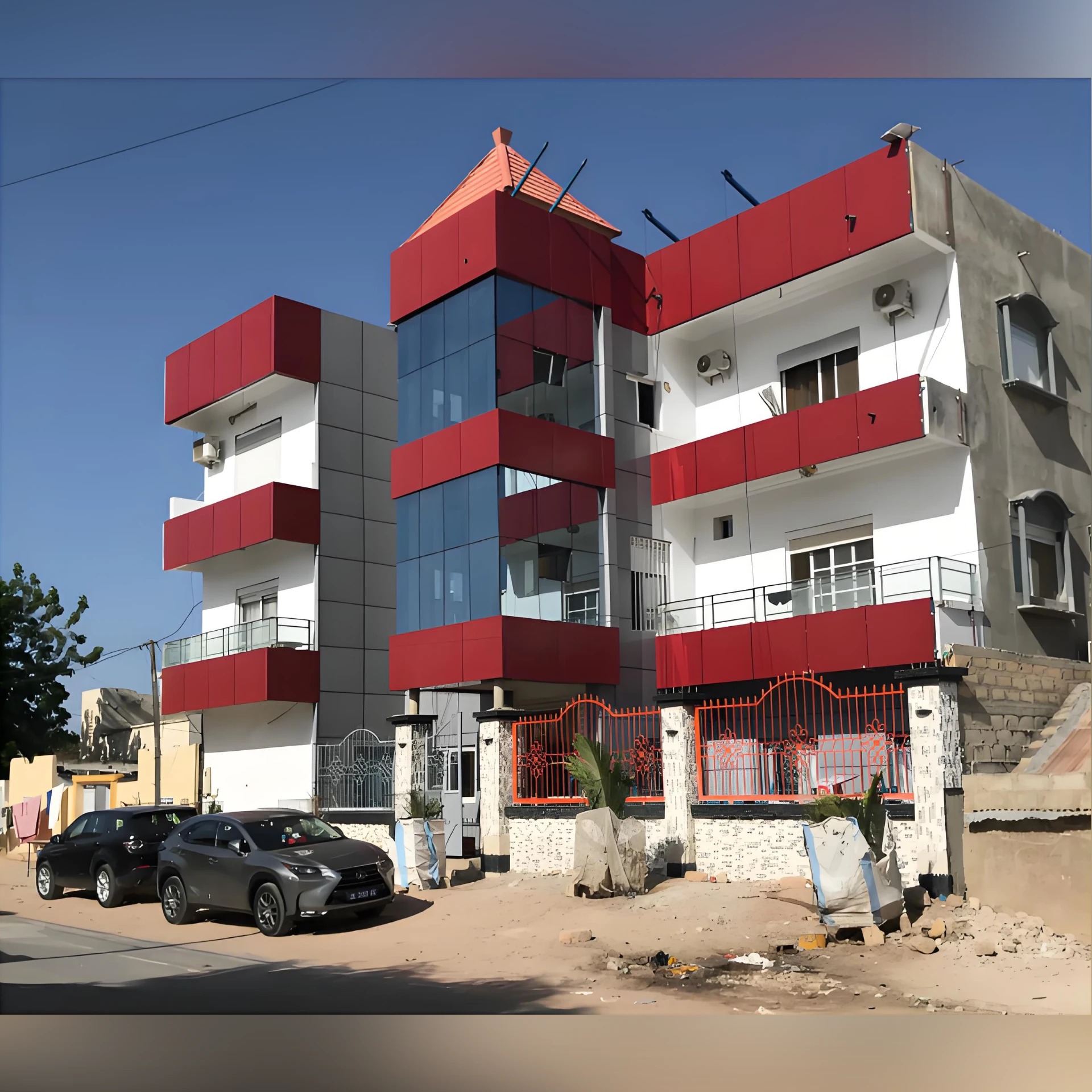
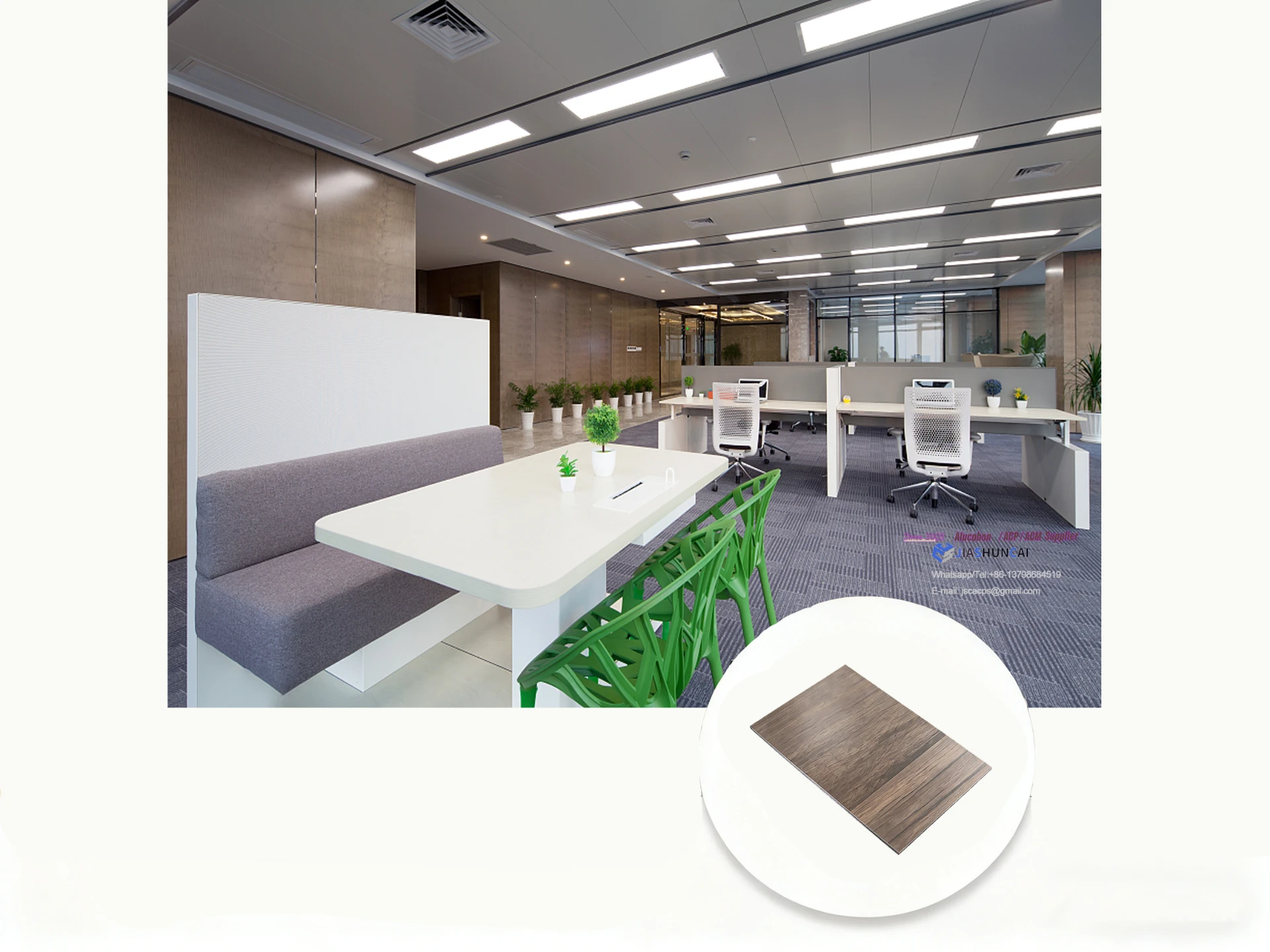
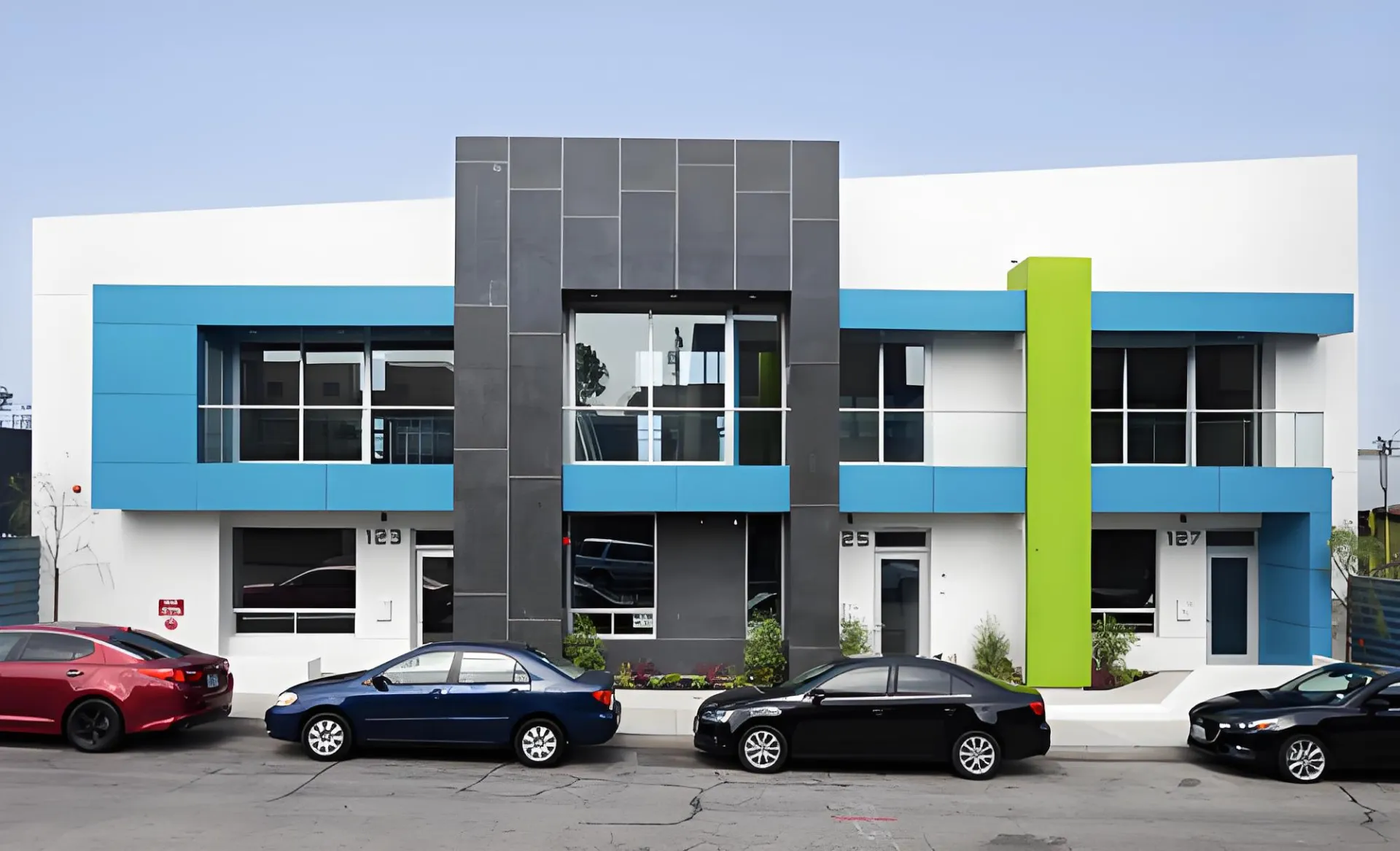
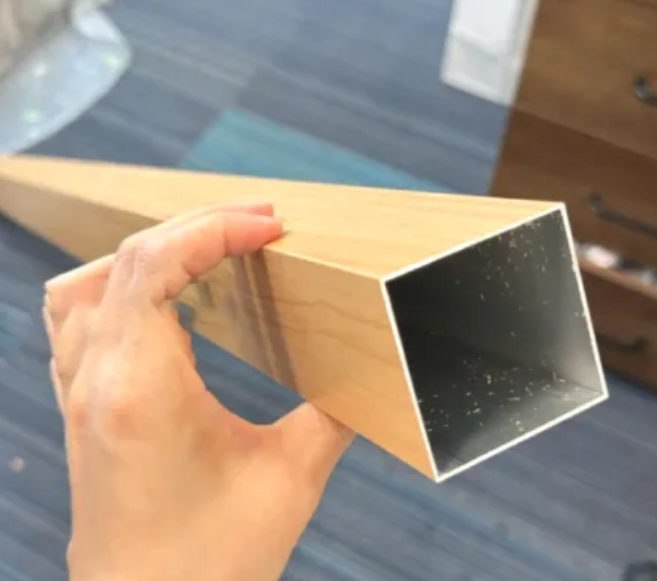
JIASHUNCAI's product portfolio includes a defined Interior Aluminum Composite Panels category alongside exterior and architectural cladding lines. This interior-oriented product group is positioned for commercial, architectural, and decorative applications where surface finish, dimensional accuracy, and fabrication flexibility matter as much as structural performance. Within transit hub interiors—ceilings, wall linings, and decorative fit-out surfaces—these same characteristics are directly relevant: panels must be cut, grooved, and bent to match structural grids and curved architectural forms, while maintaining a consistent, inspection-verified surface quality across large installed areas.
Fire-Performance Documentation for Transportation Facilities
Fire classification is a non-negotiable requirement for any interior finish used in public transportation infrastructure. JIASHUNCAI explicitly lists transportation facilities among the industry adaptations for its fire-rated product lines:
-
A2 Fire-Rated ACP — developed for architectural and construction projects where higher fire-performance requirements apply, including high-rise buildings, commercial buildings, public buildings, and transportation facilities. A2 fire-resistance performance testing has been completed through laboratories operating under ILAC-MRA and CNAS accreditation frameworks, with fire test reports, fire classification reports, technical datasheets, and compliance documentation available to support project approval.
-
B1 Fire-Retardant ACP — intended for applications requiring enhanced fire-retardant performance, covering building facades, commercial buildings, public buildings, exterior wall cladding, interior applications, and engineering projects. B1 fire-performance certification and testing have likewise been completed through ILAC-MRA and CNAS accredited laboratories.
-
Fire-Retardant ACM and Architectural Fire-Rated Cladding Panels — additional options within the fire-retardant product range, allowing project teams to select the appropriate fire classification according to local building regulations and project specifications.
For engineering teams specifying interior ceiling systems in terminals and stations, this means fire classification evidence is not a theoretical claim but a documented output of accredited third-party testing, which can be requested alongside product technical datasheets and specifications during the project submission process.
Manufacturing Scale and Quality Control Behind Every Panel
Founded in 2003, JIASHUNCAI has built more than 20 years of aluminum composite panel manufacturing experience from its Foshan, Guangdong headquarters. The company operates three ACP/ACM production lines running continuously 24 hours a day, an infrastructure scale designed to support both recurring B2B orders and large-volume project requirements—a relevant factor for transit hub projects, where ceiling and wall panel quantities can run into the thousands of square meters and must be delivered on a coordinated construction schedule.
Quality assurance runs through incoming raw-material inspection, in-process production inspection, finished-product inspection, dimensional and visual checks, surface and coating quality inspection, and pre-shipment control. This is backed by an ISO 9001 Quality Management System Certification (Certificate No. HG24Q0677R0S), alongside environmental and chemical compliance documentation including RoHS Test Report No. EDG2506170012C00101R va REACH Test Report No. EDG2506170012C00201R—documentation that is frequently required by procurement teams and architects during supplier qualification for public infrastructure projects.
Customization for Complex Architectural Ceiling Geometry
Transit hub ceilings rarely follow a single flat plane; they often incorporate curves, slopes, service integration points, and acoustic or lighting cutouts. JIASHUNCAI's processing capabilities—CNC cutting, grooving, and bending—are offered as part of its customization scope, together with customizable panel thickness, aluminum skin thickness, coating systems, colors, and surface finishes. Common panel thicknesses of 3 mm, 4 mm, 5 mm, and 6 mm, a standard dimension of 1220 × 2440 mm, and aluminum skin thickness options ranging from 0.12 mm to 0.50 mm give specifying engineers a defined technical baseline from which project-specific configurations can be developed. Customized polyester-coated and PVDF-coated panels carry a stated minimum order quantity of 300 sheets, with standard product delivery typically taking approximately 7–15 days and customized decorative or film-coated panels approximately 15 days, subject to specification and production scheduling.
Warranty and Long-Term Performance Expectations
Interior ceiling installations in public transportation facilities are expected to remain serviceable for extended periods without recoating or replacement. JIASHUNCAI's polyester-coated panels carry a stated 5-year warranty, while PVDF/fluorocarbon-coated panels carry a stated 15-year warranty, and film-coated panels carry a 5-year warranty on the film layer—each subject to the agreed product specification, application conditions, and warranty terms. These distinctions allow project teams to align coating selection with the expected service life of the interior finish.
A Supply Chain Built for Project-Scale Procurement
Beyond the product itself, JIASHUNCAI positions its value around integrated supply: product selection support, samples, technical datasheets, fire-performance and compliance documentation, customized production, quality inspection, packaging, container loading, export documentation, and logistics coordination are handled within a single manufacturing relationship. The company reports having provided solutions for more than 2,000 projects, cooperating with more than 50 distributors and more than 100 international trading companies, and supplying customers across more than 80 countries and markets. For procurement teams managing transit hub construction timelines—where documentation gaps or inconsistent panel quality can delay handover—this combination of factory-direct manufacturing, accredited fire-performance testing, and coordinated export logistics is intended to reduce sourcing complexity rather than simply offer a lower unit price.
Moving From Specification to Installation
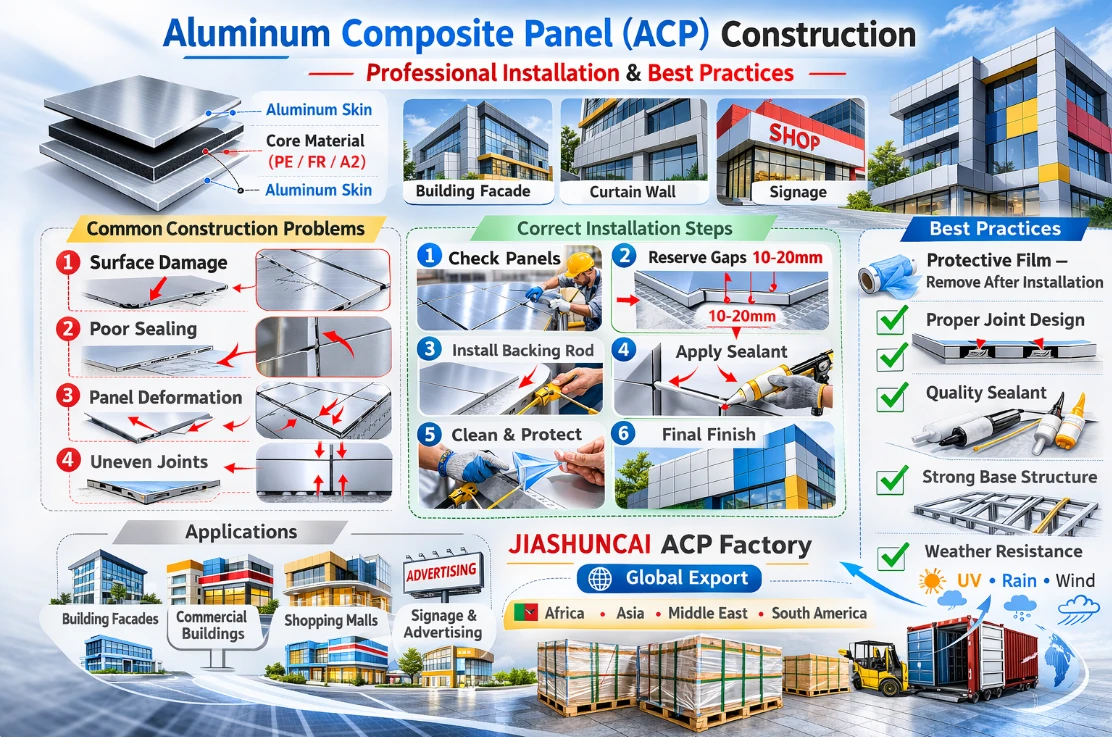
Specifying interior ceiling materials for a transit hub typically begins with confirming the required fire classification, followed by panel thickness, aluminum skin thickness, coating system, color, and processing requirements such as grooving or bending for the specific ceiling geometry. JIASHUNCAI's approach—providing existing certificates, third-party test reports, and technical documentation while coordinating additional project-specific testing where required—is structured to support this sequence, from initial technical evaluation through to final delivery and after-sales documentation follow-up for engineering and procurement teams working on public transportation infrastructure.