Introduction to Aluminum Composite Panel Installation
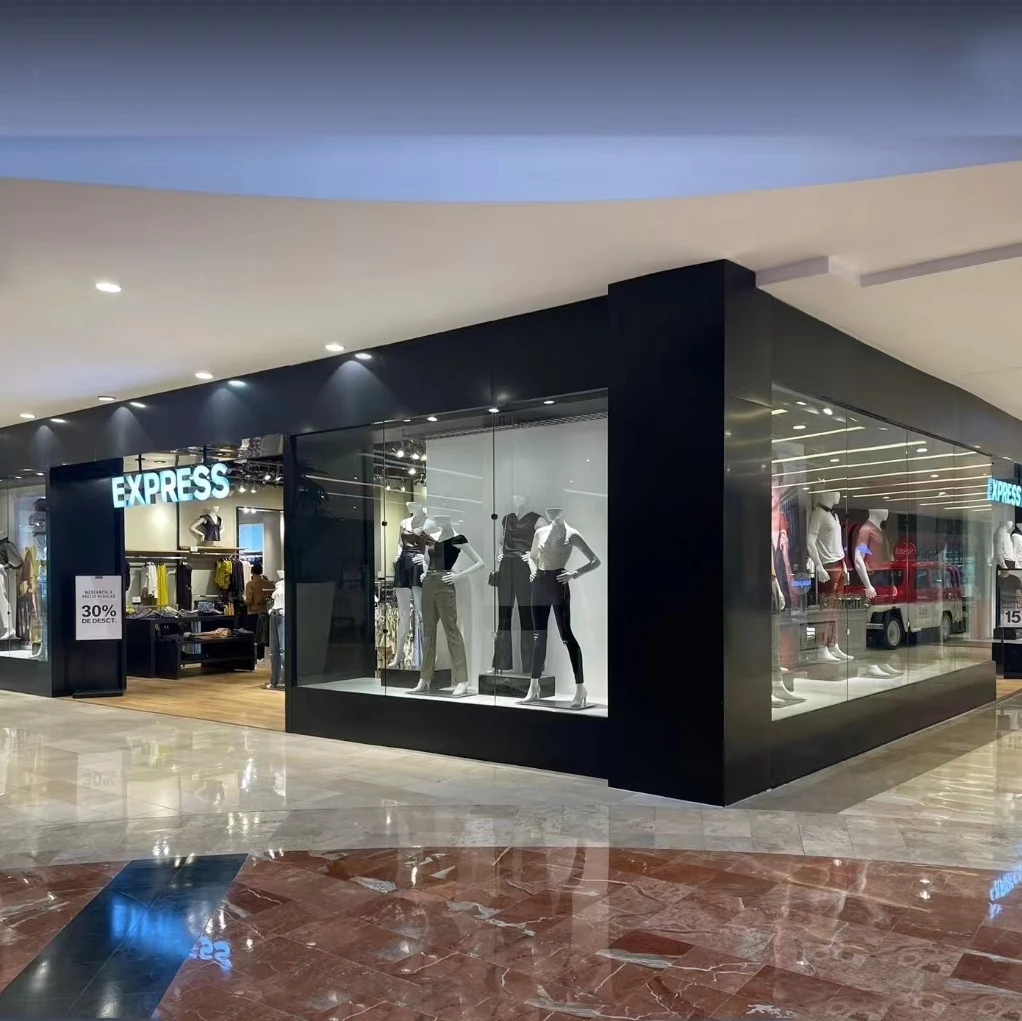
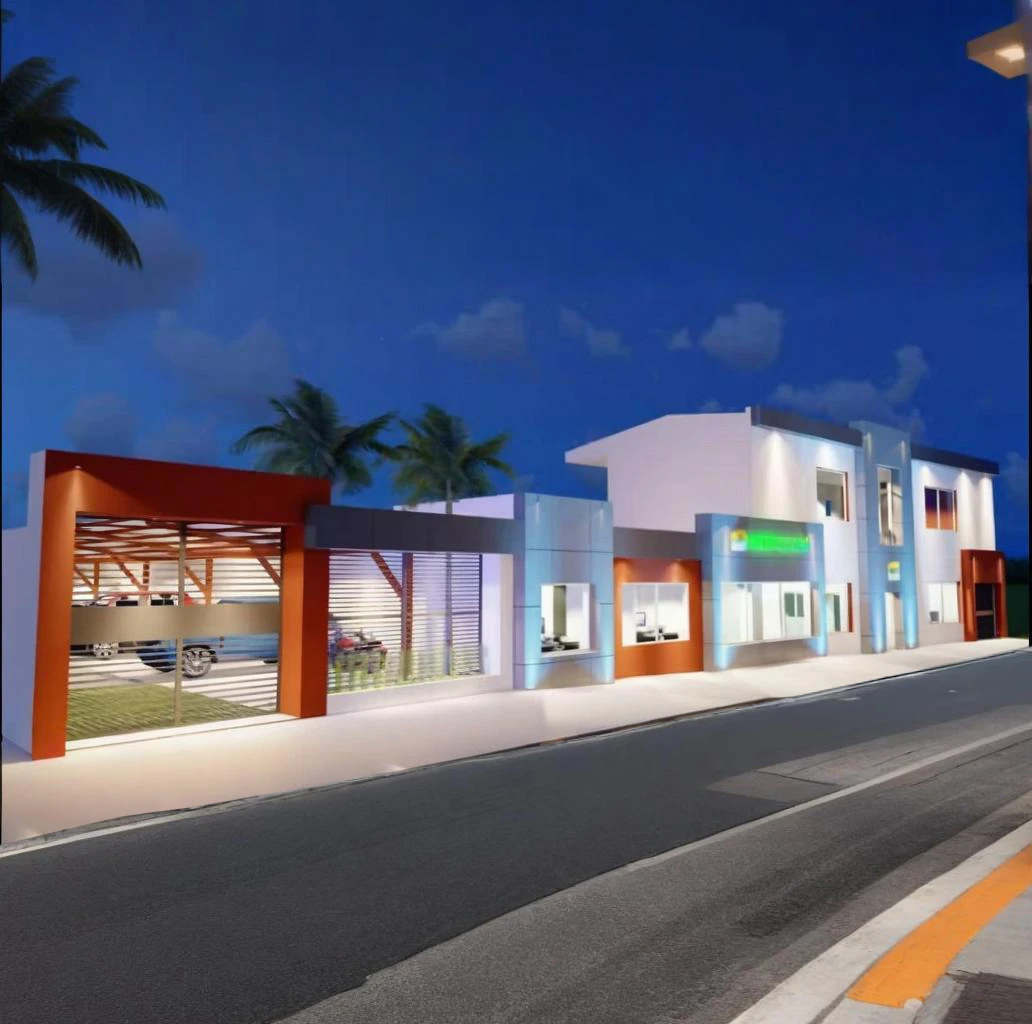
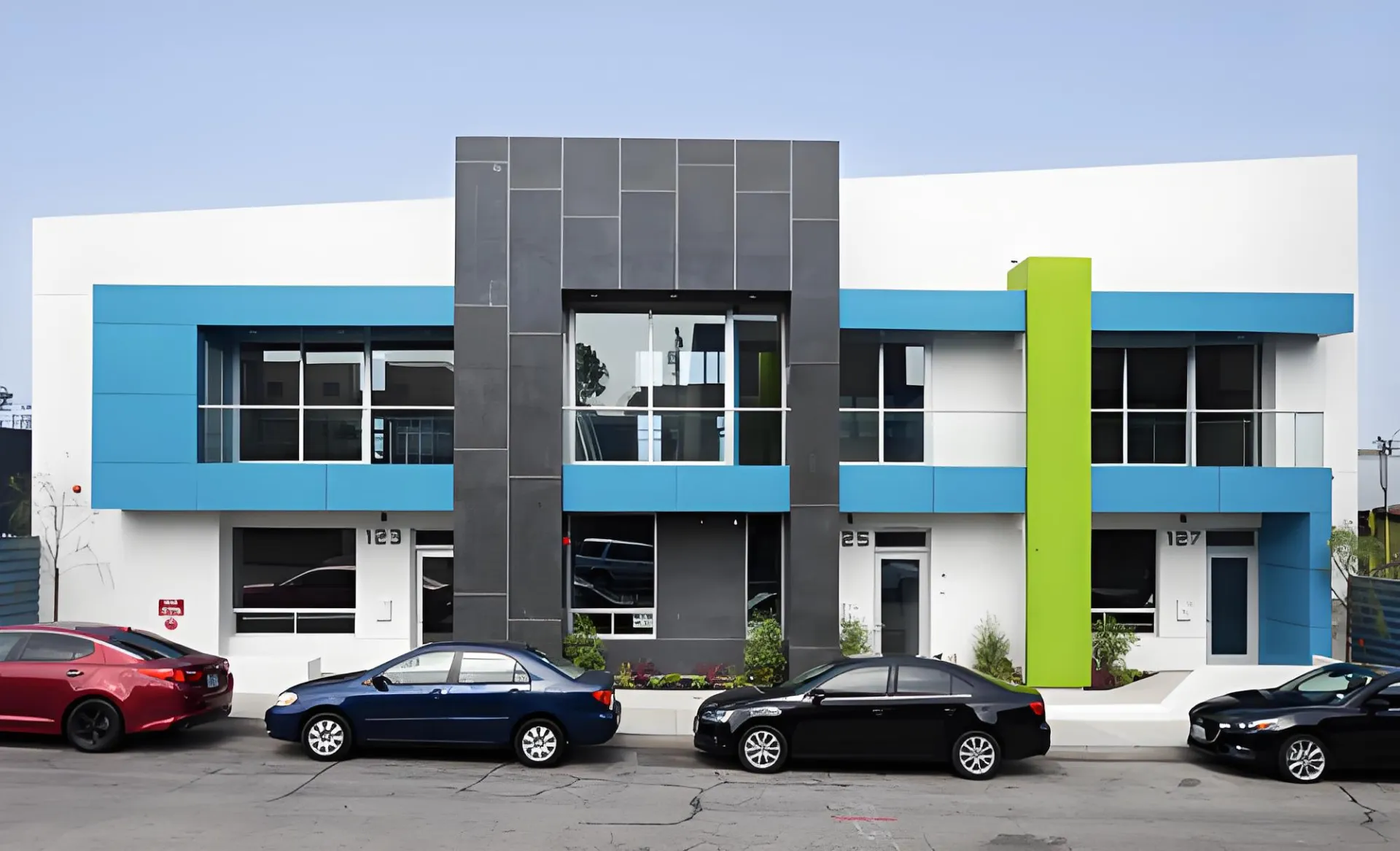
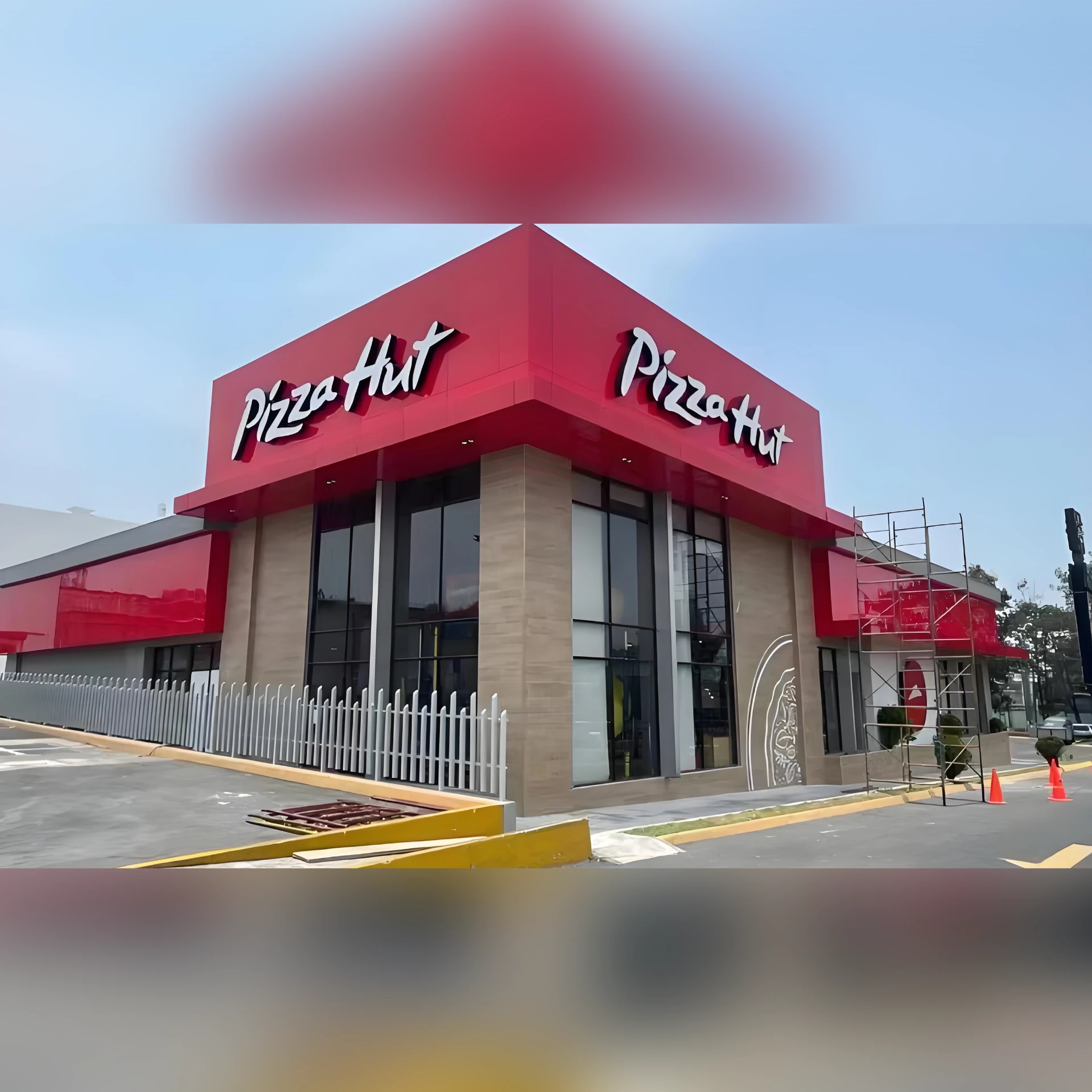
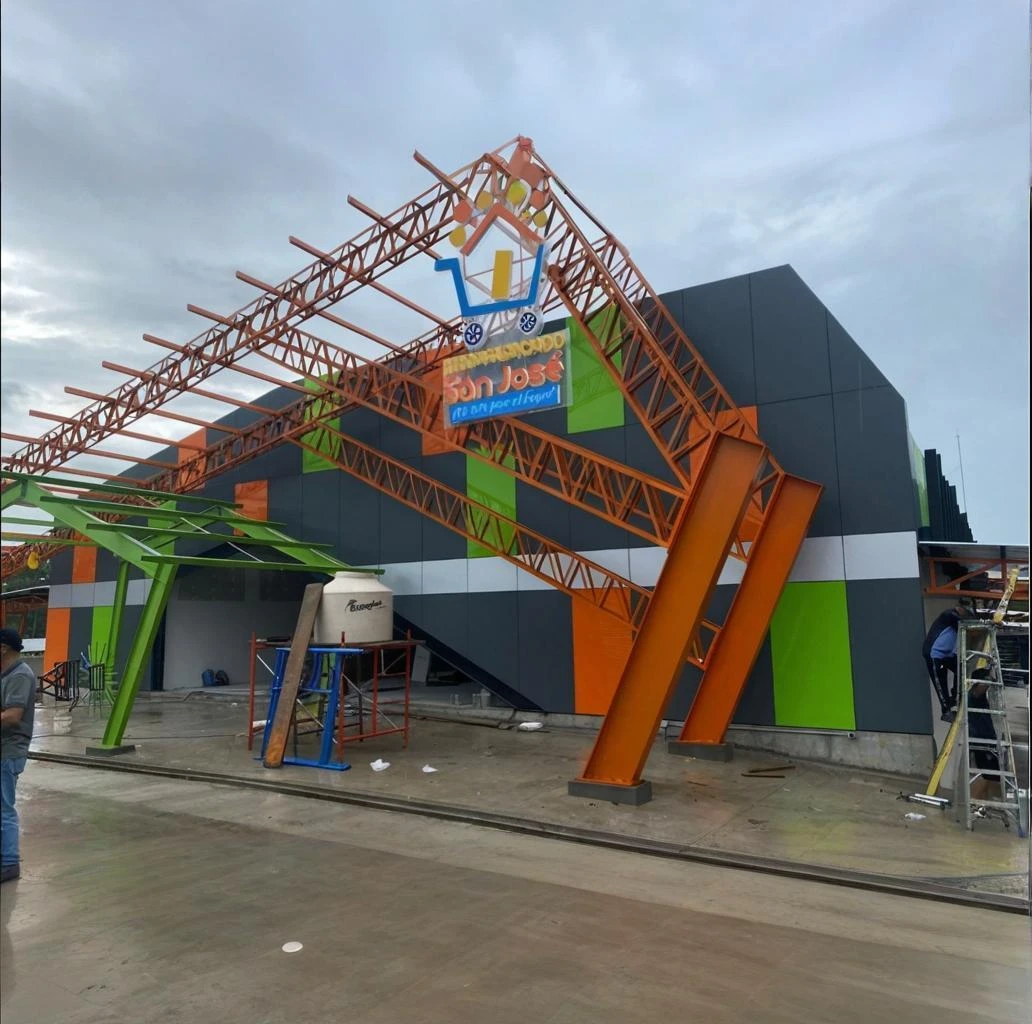
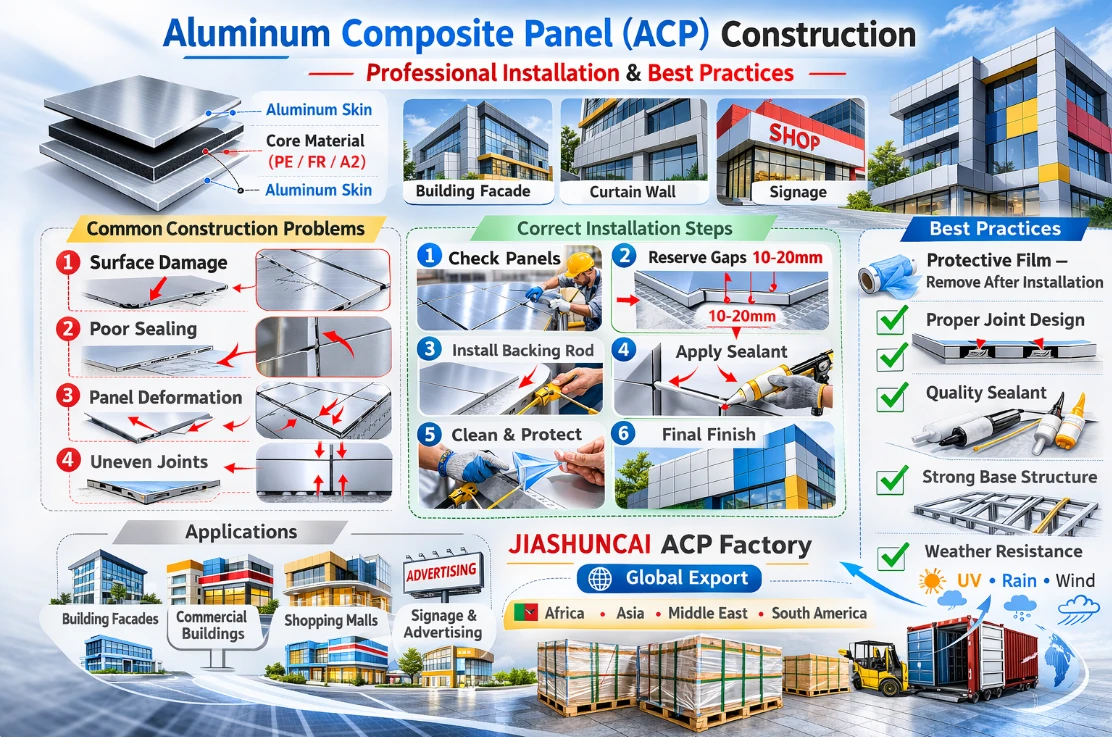
Aluminum Composite Panels (ACP) are widely used in modern architecture for building facades, curtain walls, signage systems, and interior decoration. Because ACP panels are lightweight, durable, and easy to fabricate, they have become one of the most popular cladding materials in commercial construction projects.
However, improper installation or construction mistakes can lead to problems such as panel deformation, poor sealing, surface contamination, and weak bonding. Understanding these issues is essential for contractors, architects, and construction companies working with ACP panels.
This article explains the most common aluminum composite panel construction problems and how to prevent them.
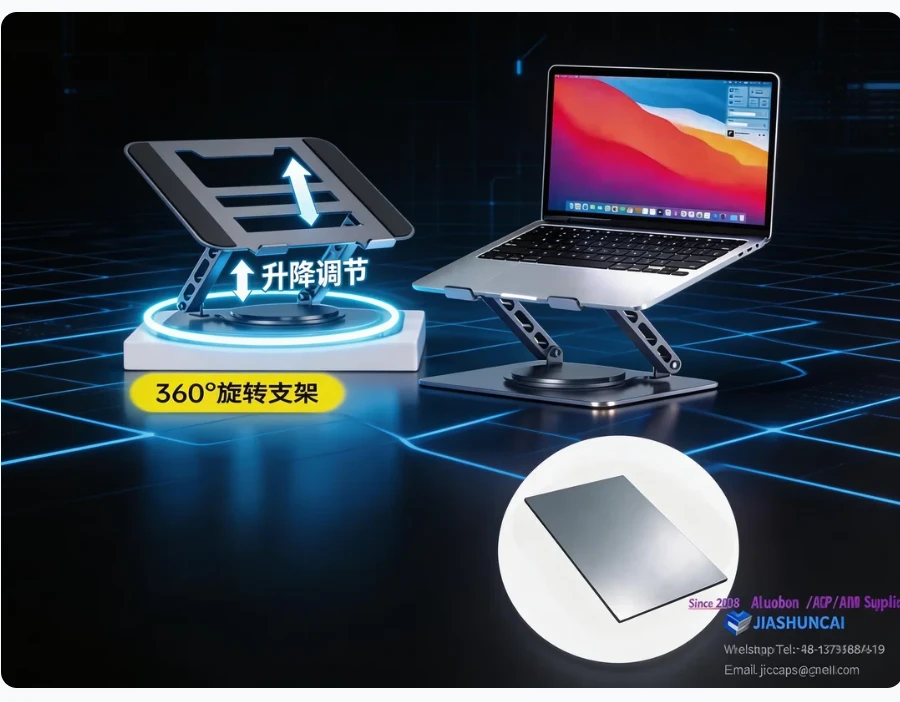
In order to solve this problem, a notebook bracket with ergonomic design has appeared on the market-it not only uses aluminum alloy material, CNC precision grinding chamfer, but also can rotate 360 ° to support lifting adjustment and greatly improve the use posture. The most important supporting part of this bracket, the tray, is made of aluminum composite panels provided by our [Foshan Jiashun Color Aluminum Composite Panel Factory].
Dear customers:
As the Spring Festival holiday approaches, in accordance with the holiday regulations of the State Council and combined with the actual situation our company, the Spring Festival holiday arrangement for 2026 is asfollows:
For importers, distributors, façade contractors, and engineering companies evaluating ACP/ACM suppliers in relation to joint cracking concerns, the determining factor is not a single feature but the consistency of the entire manufacturing chain—raw material handling, bonding, dimensional precision, coating application, inspection, and documentation. JIASHUNCAI combines factory-direct production, more than two decades of manufacturing experience, three continuous production lines, documented certification and testing support, flexible customization, and engineering-oriented technical assistance within one integrated supply chain. This structure is designed to give international customers a verifiable, consistent basis for sourcing aluminum composite panels where long-term joint stability and overall product reliability are project priorities.
Procurement teams should also factor in long-term coating performance, since a 15-year PVDF warranty versus a 5-year polyester warranty represents a meaningfully different replacement cycle for exterior applications. Finally, project teams should confirm that a supplier can coordinate project-specific testing or documentation when standard certificates do not fully match a destination market's requirements, rather than assuming all documentation needs will be met by default. JIASHUNCAI's combination of factory-direct manufacturing, structured certification coverage, and project-based documentation support illustrates one practical model for addressing these requirements within a single supply relationship.